




What are the latest membrane technologies for RO?
- Understanding Reverse Osmosis Systems and the Latest Membrane Technologies
- 1. What are the different types of RO membranes available?
- 2. How do membrane materials impact RO system performance?
- 3. What factors should be considered to optimize RO system performance?
- 4. How does membrane fouling affect RO system efficiency?
- 5. What are the latest advancements in RO membrane technology?
- 6. How can energy consumption be reduced in RO systems?
- 7. What maintenance practices are essential for RO systems?
- 8. How do local water quality and contaminants affect RO system selection?
- 9. What are the cost considerations when purchasing an RO system?
- 10. How do emerging technologies impact the future of RO systems?
- Conclusion: Why Choose AQUALITEK?
Understanding Reverse Osmosis Systems and the Latest Membrane Technologies
Reverse osmosis (RO) systems are integral to modern water purification, offering efficient solutions for both residential and industrial applications. When considering the purchase of an RO system, it's essential to understand various factors that influence performance, maintenance, and overall efficiency. Below are some of the most common questions and answers to guide your decision-making process.
1. What are the different types of RO membranes available?
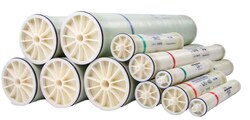
RO membranes primarily fall into two categories:
Cellulose Acetate (CA) Membranes: These were among the earliest developed but are now less common due to their susceptibility to chlorine damage.
Thin Film Composite (TFC) Membranes: Currently the most prevalent, TFC membranes offer higher resistance to fouling and a broader pH tolerance, making them suitable for various water qualities.
2. How do membrane materials impact RO system performance?
The material of the RO membrane significantly affects its efficiency and durability:
Polymeric Membranes: These are flexible, cost-effective, and widely used in water treatment. They are known for their ease of use and adaptability.
Ceramic Membranes: While offering higher chemical and thermal stability, ceramic membranes are less flexible and more expensive, which can be a consideration for budget-conscious applications.
3. What factors should be considered to optimize RO system performance?
To ensure optimal performance of an RO system, focus on the following parameters:
Recovery Rate: This is the percentage of feedwater converted to permeate. A typical range is 50–80%. Higher recovery rates can reduce water waste but may increase the risk of scaling.
Flux Rate: This measures the volume of water passing through the membrane per unit area, usually between 15–25 L/m²·h. Excessive flux can lead to rapid fouling, while low flux may reduce productivity.
Salt Rejection: Calculated as × 100, this indicates the membrane's effectiveness in removing dissolved salts. For Thin Film Composite membranes, rejection rates typically range from 95–99% for monovalent ions and 98–99.9% for divalent ions.
4. How does membrane fouling affect RO system efficiency?
Membrane fouling, caused by the accumulation of contaminants on the membrane surface, can lead to:
Reduced Permeate Flow: Clogged membranes impede water flow, decreasing system output.
Increased Energy Consumption: Fouled membranes require higher pressure to maintain flow rates, leading to higher energy usage.
Frequent Maintenance: Regular cleaning and potential membrane replacements are necessary, increasing operational costs.
5. What are the latest advancements in RO membrane technology?
Recent innovations include:
Graphene-Based Membranes: These membranes offer higher permeability and improved resistance to fouling, representing the next frontier in RO technology.
Biomimetic Membranes: Incorporating aquaporins—protein channels that facilitate rapid water transport—into membrane structures significantly enhances water flux and selectivity.
Anti-Fouling and Self-Cleaning Membranes: Developments in coatings and surface modifications resist fouling and biofilm formation, extending membrane life and improving efficiency.
6. How can energy consumption be reduced in RO systems?
To minimize energy usage:
Energy Recovery Devices: Technologies such as pressure exchange systems reduce the energy consumption of high-pressure pumps in large-scale RO plants.
Low-Energy Membrane Processes: Innovations like pressure retarded osmosis (PRO) and forward osmosis (FO) technologies are emerging as energy-efficient alternatives.
7. What maintenance practices are essential for RO systems?
Regular maintenance should include:
Monitoring System Performance: Regularly check parameters like recovery rate, flux rate, and salt rejection to ensure optimal operation.
Cleaning and Replacing Membranes: Schedule periodic cleaning to remove fouling and replace membranes as needed to maintain efficiency.
Inspecting Pre-Filters: Ensure pre-filters are clean to prevent contaminants from reaching the RO membrane.
8. How do local water quality and contaminants affect RO system selection?
The quality of local water influences:
Membrane Selection: Areas with high impurity levels may require membranes with higher fouling resistance or specialized coatings.
Maintenance Frequency: Poor water quality can lead to more frequent cleaning and membrane replacements, impacting operational costs.
9. What are the cost considerations when purchasing an RO system?
When evaluating costs:
Initial Investment: Consider the upfront cost of the system, including installation.
Operational Costs: Account for energy consumption, maintenance, and potential membrane replacements.
Long-Term Savings: Investing in higher-quality membranes may have a higher initial cost but can lead to savings through reduced maintenance and energy consumption over time.
10. How do emerging technologies impact the future of RO systems?
Emerging technologies are shaping the future by:
Enhancing Efficiency: Innovations like graphene-based and biomimetic membranes improve water flux and contaminant rejection.
Reducing Environmental Impact: Advancements in anti-fouling and self-cleaning membranes decrease the need for chemical cleaning agents and extend membrane life.
Lowering Costs: Energy recovery devices and low-energy membrane processes reduce operational expenses, making RO systems more accessible.
Conclusion: Why Choose AQUALITEK?
AQUALITEK stands out in the water treatment industry by offering advanced RO systems that incorporate the latest membrane technologies. Their products are designed for high efficiency, durability, and sustainability, ensuring optimal performance and value for customers. By choosing AQUALITEK, you invest in cutting-edge solutions that meet the evolving demands of water purification.
References:


Request More Information or Expert Advice
Share a few details, and we’ll provide deeper insights, tailored suggestions, or product support.
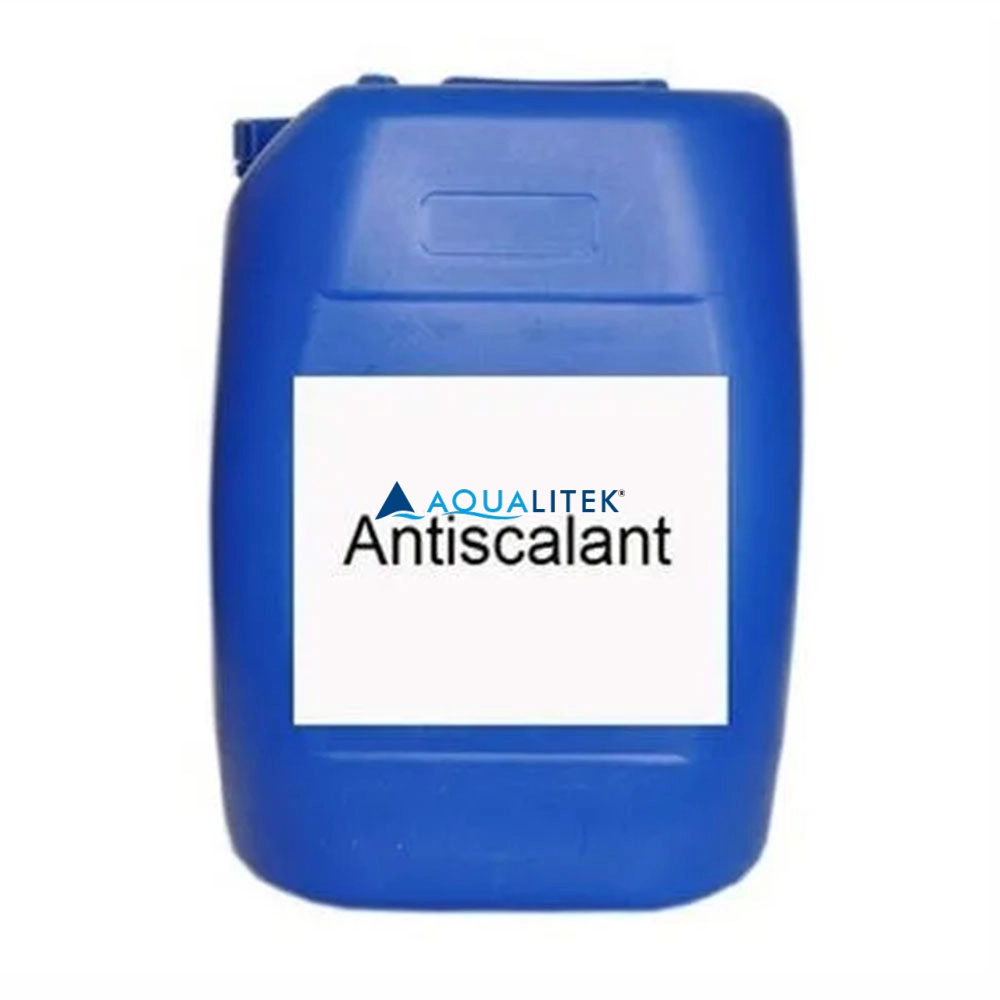
Anti-Scalant is a specialized water treatment chemical designed to prevent the formation of scale in reverse osmosis (RO) systems. Scaling is a common issue in RO systems, where minerals like calcium, magnesium, and silica precipitate and form hard deposits on the membrane surface. These deposits can clog the membranes, reduce water production efficiency, and increase operational costs.
RO chemical anti-scalants work by inhibiting the crystallization of scale-forming minerals, effectively keeping them in solution and preventing them from adhering to the membrane. This ensures the longevity and optimal performance of the RO system.
Anti-scalants are essential in applications with hard water or high mineral content, such as in industrial, municipal, and desalination plants.
These chemicals are highly effective in preventing scaling caused by common minerals such as calcium carbonate, calcium sulfate, barium sulfate, and silica, helping to extend the lifespan of the membranes, reduce cleaning cycles, and enhance system efficiency.
By incorporating an RO chemical anti-scalant into your water treatment process, you can improve the reliability and overall performance of your reverse osmosis system, ensuring consistent, high-quality water output while minimizing maintenance costs.
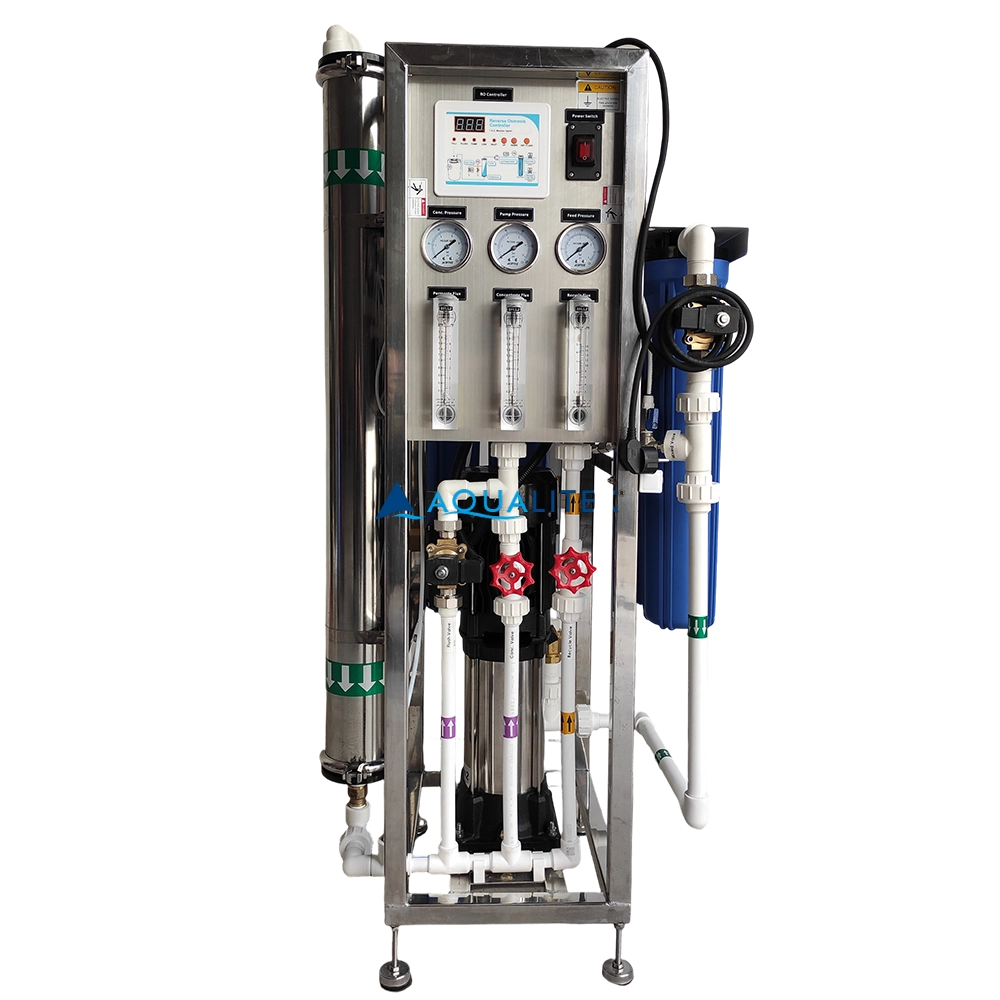
Our 500 LPH Reverse Osmosis (RO) System is engineered to provide high-quality purified water for commercial applications. Designed with advanced RO technology, durable components, and a user-friendly interface, this system ensures consistent performance, low maintenance, and long-term reliability.
With its compact design and robust skid-mounted frame, it’s an excellent choice for businesses that demand efficiency and quality in water purification.
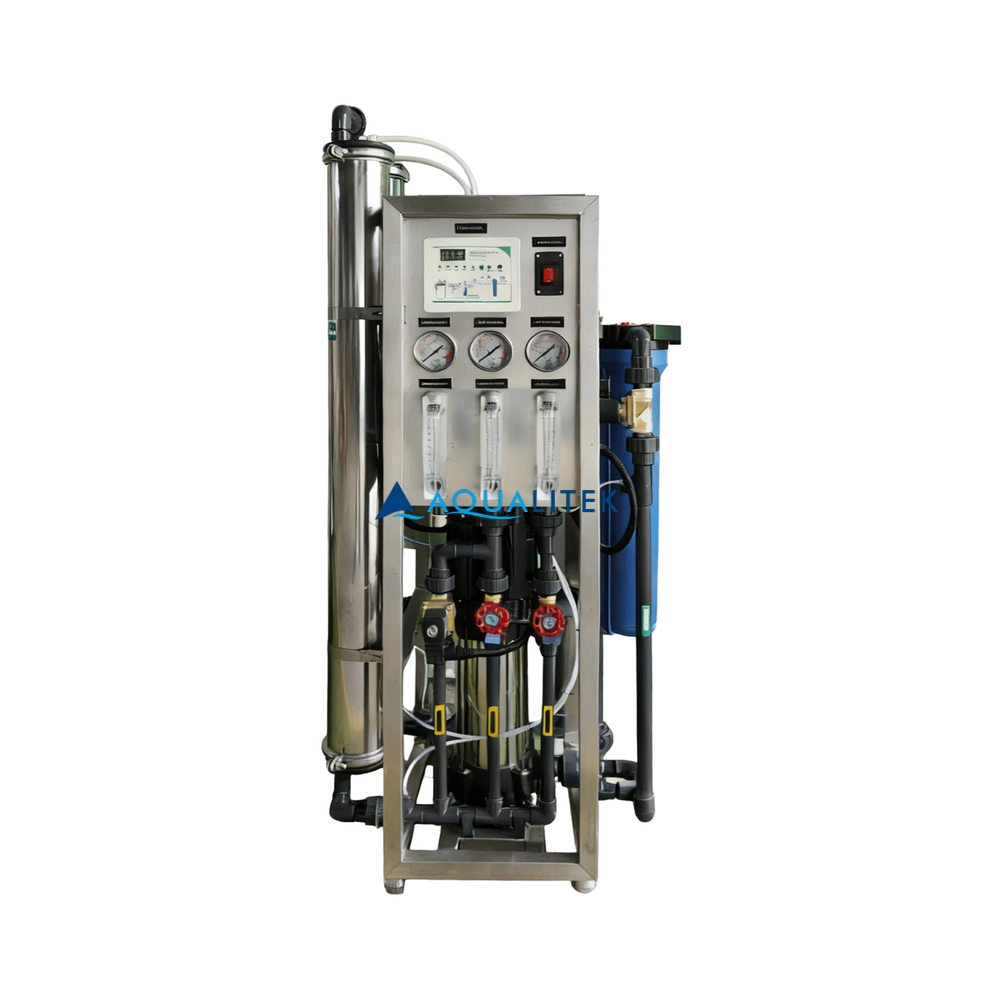
TWV series Reverse Osmosis (RO) systems are pre-engineered and pre-assembled units with 2.5”/4” membrane housings(single element type)for tap water(lower TDS).They are designed for overall superior performance, high recovery rates and offer great savings with low maintenance and operation costs.
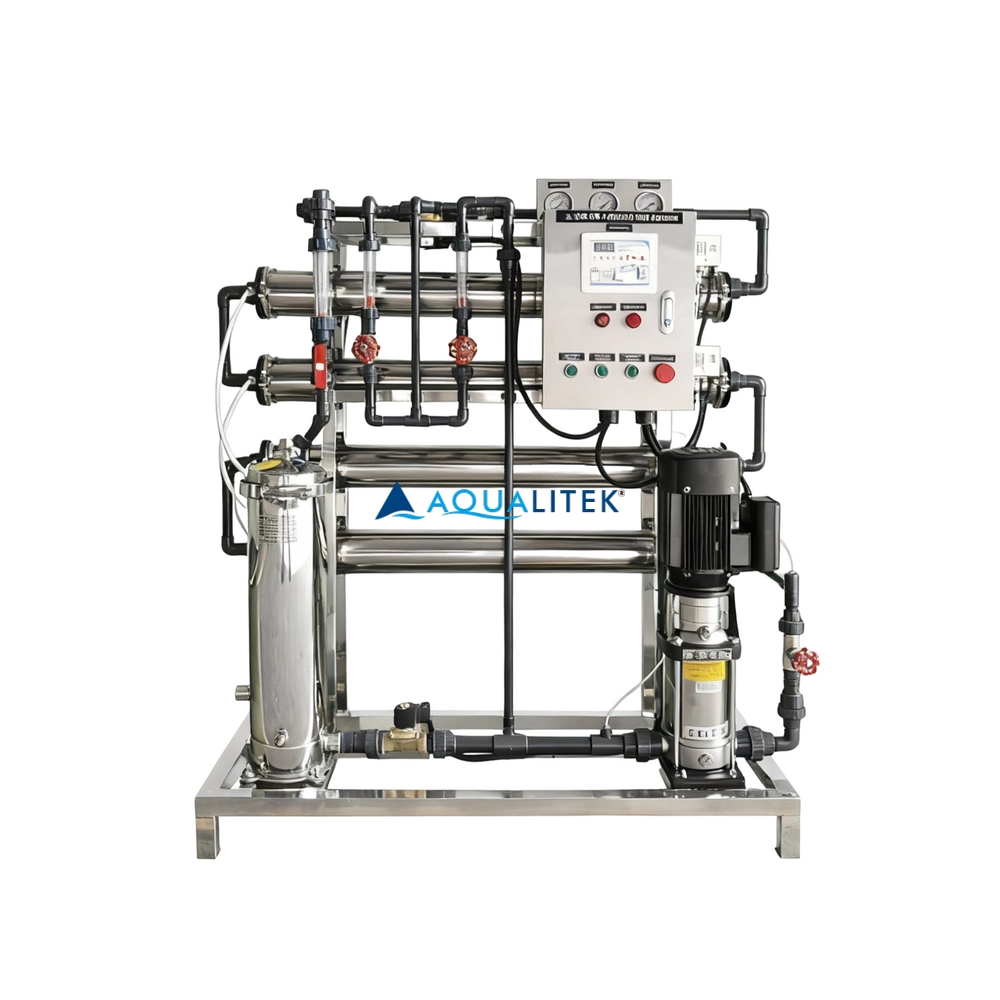
TWF series Reverse Osmosis (RO) systems are pre-engineered and pre-assembled units with 4” membrane housings(multiple elements type) for tap water(lower TDS) .The medium large volumes can help meet your a variety of commercial and industrial applications. They are designed for overall superior performance, high recovery rates and offer great savings with low maintenance and operation costs.
© 2026 AQUALITEK. All rights reserved.
AQUALITEK- Aimee Hoo
AQUALITEK - Aimee Hoo