




How to manage seasonal feed water variations in RO?
- Understanding Seasonal Variations in Reverse Osmosis Systems
- 1. How Do Seasonal Temperature Fluctuations Affect RO System Performance?
- 2. What Are the Impacts of Increased Suspended Solids During Rainy Seasons?
- 3. How Does Algae Bloom in Warmer Months Affect RO Systems?
- 4. What Are the Best Practices for Monitoring Feed Water Quality?
- 5. How Can Pre-Treatment Systems Be Optimized for Seasonal Variations?
- 6. What Maintenance Strategies Are Effective During Seasonal Transitions?
- 7. How Does Seasonal Variation Impact the Energy Efficiency of RO Systems?
- 8. What Are the Financial Implications of Seasonal Variations on RO Operations?
- Conclusion: Leveraging AQUALITEK's Expertise in Managing Seasonal Variations
Understanding Seasonal Variations in Reverse Osmosis Systems
Seasonal changes can significantly impact the performance of reverse osmosis (RO) systems. Variations in feed water quality, such as temperature fluctuations, increased turbidity, and higher organic content, pose challenges that require proactive management. Addressing these issues is crucial for maintaining optimal system efficiency and extending membrane lifespan.
1. How Do Seasonal Temperature Fluctuations Affect RO System Performance?
Seasonal temperature changes can influence the viscosity of solvents and the diffusivity of solutes, affecting the mass transfer and transport properties of RO membranes. Elevated feed water temperatures, even for short periods, can lead to permanent performance declines, increasing specific energy consumption (SEC) by up to 7.5%. This translates to additional operating costs, which can be substantial for large-scale plants.
2. What Are the Impacts of Increased Suspended Solids During Rainy Seasons?
During rainy seasons, runoff can introduce higher levels of suspended solids into the feed water. These particles can cause membrane fouling, leading to decreased permeate flow and increased pressure requirements. Implementing effective pre-treatment processes, such as coagulation and flocculation, can help remove these particles before they reach the RO membranes.
3. How Does Algae Bloom in Warmer Months Affect RO Systems?
Warmer temperatures and increased sunlight during summer months can lead to algae blooms in water sources. The organic load from algae can contribute to membrane fouling, reducing system efficiency. Utilizing activated carbon filters can help remove organic compounds and chlorine, which can otherwise degrade the membranes of an RO plant.
4. What Are the Best Practices for Monitoring Feed Water Quality?
Regular monitoring of feed water quality is essential to detect seasonal variations. Key parameters to monitor include total dissolved solids (TDS), turbidity, pH, and organic content. By analyzing these parameters, operators can adjust pre-treatment processes and cleaning schedules to maintain optimal RO system performance.
5. How Can Pre-Treatment Systems Be Optimized for Seasonal Variations?
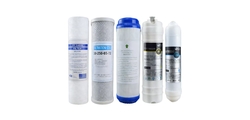
Enhancing pre-treatment systems is vital for managing seasonal feed water changes. Coagulation and flocculation can aggregate smaller particles into larger clumps, facilitating their removal. Activated carbon filters can address increased organic compounds, while sediment filters can handle higher suspended solids during heavy rainfall or snowmelt.
6. What Maintenance Strategies Are Effective During Seasonal Transitions?
Adjusting maintenance schedules to align with seasonal changes can improve system reliability. During periods of increased fouling, such as rainy seasons, more frequent cleaning may be necessary. Implementing flow reversal technology can also extend the life and performance of RO membranes by reducing fouling and scaling.
7. How Does Seasonal Variation Impact the Energy Efficiency of RO Systems?
Seasonal variations, particularly in feed water temperature, can affect the energy efficiency of RO systems. Elevated temperatures can increase energy consumption due to changes in membrane structure and performance. Designing systems with energy recovery devices and smart control systems can help mitigate these effects and maintain consistent energy efficiency throughout the year.
8. What Are the Financial Implications of Seasonal Variations on RO Operations?
Seasonal variations can lead to increased operational costs, including higher energy consumption and more frequent maintenance. For instance, a 7.5% increase in SEC due to elevated feed water temperatures can result in additional operating costs ranging from $250,000 to $2.5 million annually, depending on plant capacity. Proper system design and maintenance planning are essential to minimize these financial impacts.
Conclusion: Leveraging AQUALITEK's Expertise in Managing Seasonal Variations
AQUALITEK offers advanced reverse osmosis systems designed to effectively manage seasonal feed water variations. Our systems incorporate energy recovery technology and smart control systems to maintain optimal performance year-round. With a focus on durability and efficiency, AQUALITEK ensures that your water treatment operations remain reliable and cost-effective, regardless of seasonal changes.
For more insights on managing feed water changes in RO systems, watch the following video:


Request More Information or Expert Advice
Share a few details, and we’ll provide deeper insights, tailored suggestions, or product support.
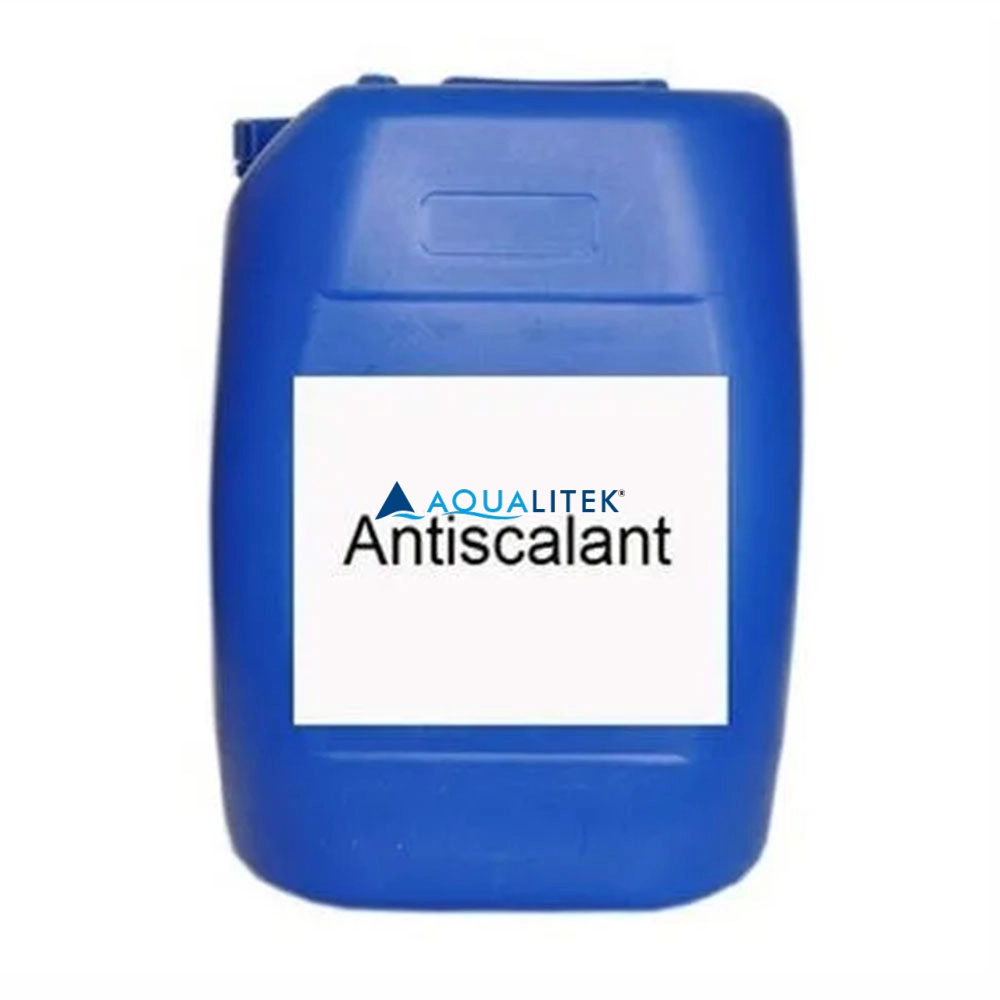
Anti-Scalant is a specialized water treatment chemical designed to prevent the formation of scale in reverse osmosis (RO) systems. Scaling is a common issue in RO systems, where minerals like calcium, magnesium, and silica precipitate and form hard deposits on the membrane surface. These deposits can clog the membranes, reduce water production efficiency, and increase operational costs.
RO chemical anti-scalants work by inhibiting the crystallization of scale-forming minerals, effectively keeping them in solution and preventing them from adhering to the membrane. This ensures the longevity and optimal performance of the RO system.
Anti-scalants are essential in applications with hard water or high mineral content, such as in industrial, municipal, and desalination plants.
These chemicals are highly effective in preventing scaling caused by common minerals such as calcium carbonate, calcium sulfate, barium sulfate, and silica, helping to extend the lifespan of the membranes, reduce cleaning cycles, and enhance system efficiency.
By incorporating an RO chemical anti-scalant into your water treatment process, you can improve the reliability and overall performance of your reverse osmosis system, ensuring consistent, high-quality water output while minimizing maintenance costs.
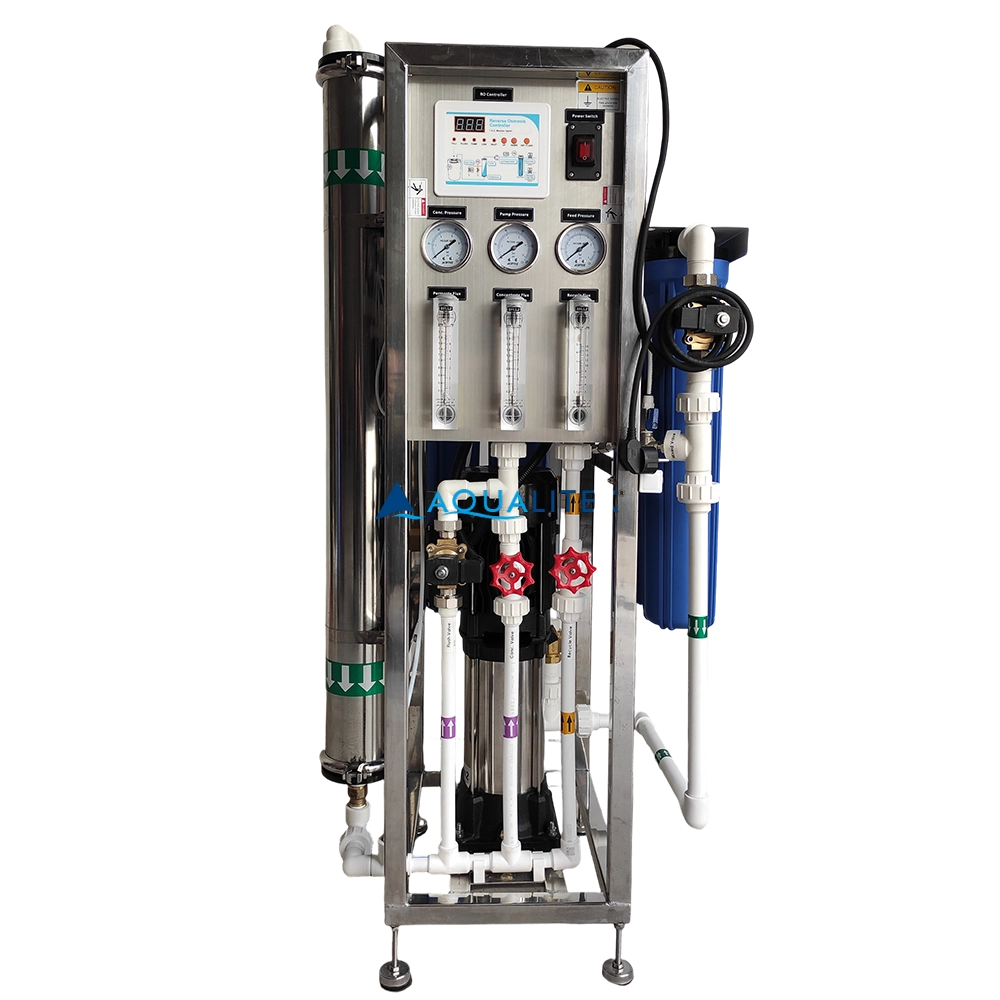
Our 500 LPH Reverse Osmosis (RO) System is engineered to provide high-quality purified water for commercial applications. Designed with advanced RO technology, durable components, and a user-friendly interface, this system ensures consistent performance, low maintenance, and long-term reliability.
With its compact design and robust skid-mounted frame, it’s an excellent choice for businesses that demand efficiency and quality in water purification.
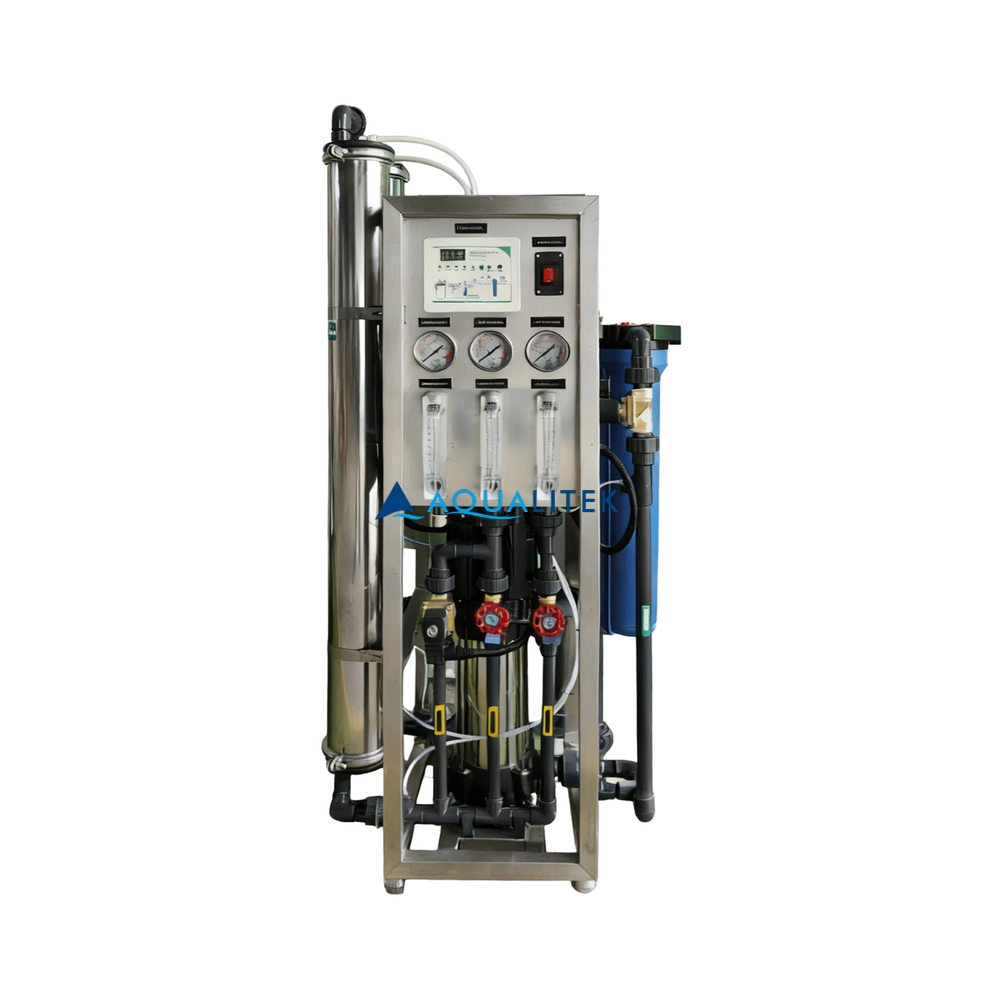
TWV series Reverse Osmosis (RO) systems are pre-engineered and pre-assembled units with 2.5”/4” membrane housings(single element type)for tap water(lower TDS).They are designed for overall superior performance, high recovery rates and offer great savings with low maintenance and operation costs.
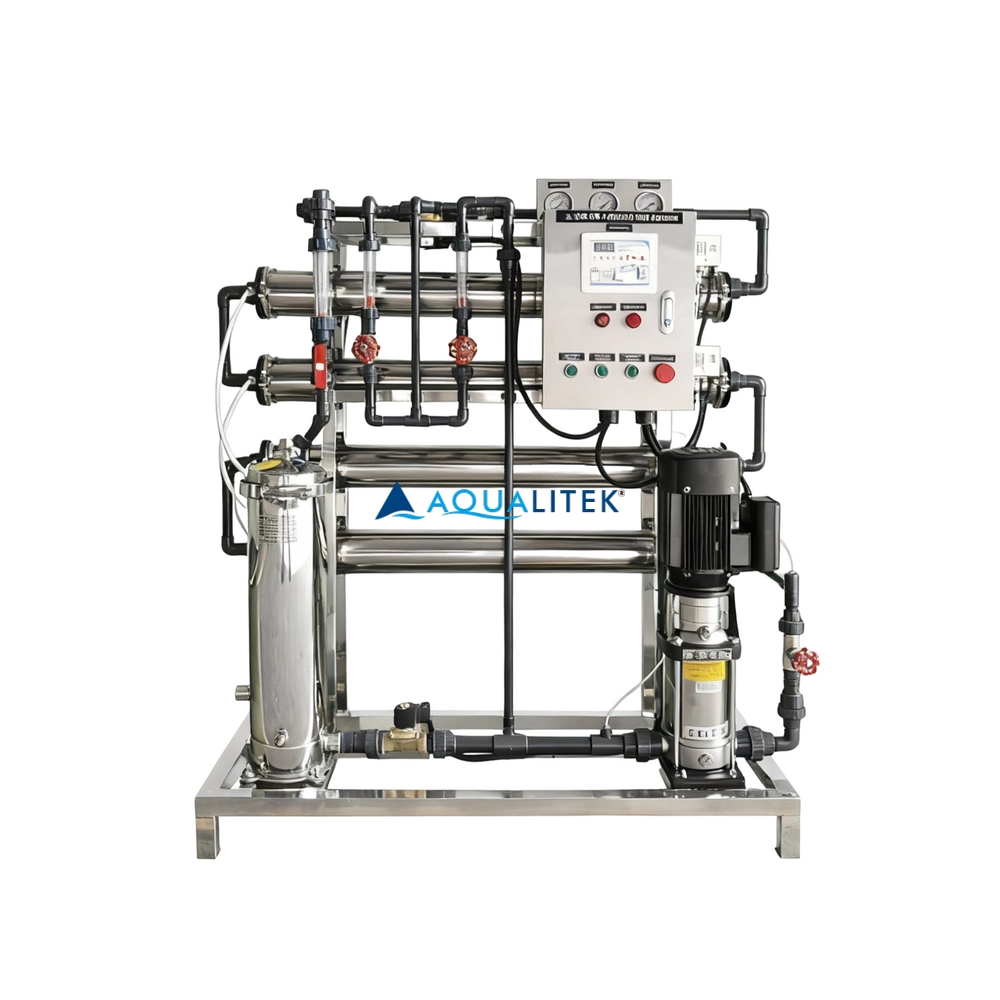
TWF series Reverse Osmosis (RO) systems are pre-engineered and pre-assembled units with 4” membrane housings(multiple elements type) for tap water(lower TDS) .The medium large volumes can help meet your a variety of commercial and industrial applications. They are designed for overall superior performance, high recovery rates and offer great savings with low maintenance and operation costs.
© 2026 AQUALITEK. All rights reserved.
AQUALITEK- Aimee Hoo
AQUALITEK - Aimee Hoo