




Why Is Electricity Consumption Rising While RO Water Production Remains Unchanged?| Insights by AQUALITEK
If an RO system’s water production stays constant but electricity costs rise sharply, energy efficiency has deteriorated. Learn where to focus your investigation and how to identify hidden power losses.
- Introduction
- Key Principle: Same Output + Higher Power = Lower System Efficiency
- Primary Areas to Focus the Investigation
- 1. High-Pressure Pump Operating Condition (Top Priority)
- 2. Increase in Operating Pressure
- 3. Membrane Fouling and Aging
- 4. Pretreatment System Deterioration
- 5. Excessive Recovery or Improper Valve Settings
- 6. Temperature Effects and Seasonal Changes
- 7. Electrical and Motor Efficiency Issues
- 8. Instrumentation Errors Masking Real Problems
- Recommended Investigation Sequence (Best Practice)
- Why This Situation Is Dangerous If Ignored
- Conclusion
Introduction
In industrial RO system operation, one of the most deceptive problems is this:
Water production remains stable, but electricity costs increase significantly.
Because output appears “normal,” this issue is often overlooked until energy bills become impossible to ignore. In reality, this situation is a classic signal of declining system efficiency.
This article explains where operators should focus their investigation, why this problem occurs, and how to identify the real causes behind rising power consumption.
Key Principle: Same Output + Higher Power = Lower System Efficiency
If permeate flow remains unchanged, increased electricity consumption usually means:
•Higher resistance
•Higher operating pressure
•Lower mechanical or hydraulic efficiency
•Increased losses in pumps, membranes, or flow paths
The system is working harder to achieve the same result.
Primary Areas to Focus the Investigation
1. High-Pressure Pump Operating Condition (Top Priority)
The high-pressure pump is the largest power consumer in an RO system.
Focus on:
•Motor current (amperage)
•Pump outlet pressure
•Abnormal vibration or noise
Possible issues:
•Bearing wear
•Impeller erosion or fouling
•Internal friction increase
•Reduced pump efficiency
A worn pump can consume significantly more power while delivering the same flow.
2. Increase in Operating Pressure
Compare current data with historical baseline values:
•Feed pressure
•Inter-stage pressure
•Differential pressure across membranes
Common causes:
•Membrane fouling or scaling
•Increased recovery resistance
•Blocked flow channels
Higher pressure = higher energy consumption, even if flow is unchanged.
3. Membrane Fouling and Aging
Even when permeate flow is stable:
•Membrane permeability may decline
•Higher pressure is required to maintain output
Indicators:
•Gradual pressure increase
•Declining normalized permeability
•More frequent chemical cleaning
Aging membranes often “hide” behind stable flow but consume more energy.
4. Pretreatment System Deterioration
Pretreatment issues increase load on downstream equipment.
Check:
•Differential pressure across multimedia filters
•Cartridge filter pressure drop
•SDI or turbidity trends
Consequences:
•Higher feed pressure required
•Increased pump workload
•Accelerated membrane fouling
5. Excessive Recovery or Improper Valve Settings
If recovery has been unintentionally increased:
•Concentrate flow resistance rises
•Osmotic pressure increases
•Pump energy demand rises
Even small recovery increases can:
•Cause disproportionate energy consumption growth
6. Temperature Effects and Seasonal Changes
Lower feed water temperature:
•Increases water viscosity
•Reduces membrane flux
Result:
•Higher pressure needed to maintain the same permeate flow
Seasonal temperature drops are a common but underestimated cause of rising energy costs.
7. Electrical and Motor Efficiency Issues
Check:
•Motor efficiency class
•Power factor
•Inverter or VFD performance
Potential problems:
•Aging motors
•Poor power factor
•Electrical imbalance
These issues raise electricity bills without affecting water output.
8. Instrumentation Errors Masking Real Problems
Sometimes the issue is not the system—but the data.
Verify:
•Flow meter accuracy
•Pressure gauge calibration
•Power meter readings
Incorrect instruments can:
•Hide declining efficiency
•Delay corrective action
Recommended Investigation Sequence (Best Practice)
1️⃣ Compare current power consumption per m³ with historical data
2️⃣ Check high-pressure pump current and vibration
3️⃣ Review operating pressure trends
4️⃣ Normalize membrane performance data
5️⃣ Inspect pretreatment differential pressure
6️⃣ Confirm recovery rate and valve positions
7️⃣ Verify electrical system health
Why This Situation Is Dangerous If Ignored
Ignoring rising energy consumption can lead to:
•Rapid equipment wear
•Shortened membrane lifespan
•Unexpected pump failure
•Escalating operating costs
Energy inefficiency is often the earliest warning sign of mechanical failure.
Conclusion
When RO system water production remains unchanged but electricity costs rise significantly, the problem is not output—it is efficiency.
The investigation should focus on:
•High-pressure pump condition
•Operating pressure trends
•Membrane fouling and aging
•Pretreatment performance
•Electrical efficiency
Early identification allows operators to:
•Restore energy efficiency
•Reduce operating costs
•Prevent major equipment failures
In RO systems, stable flow does not always mean healthy operation.




Request More Information or Expert Advice
Share a few details, and we’ll provide deeper insights, tailored suggestions, or product support.
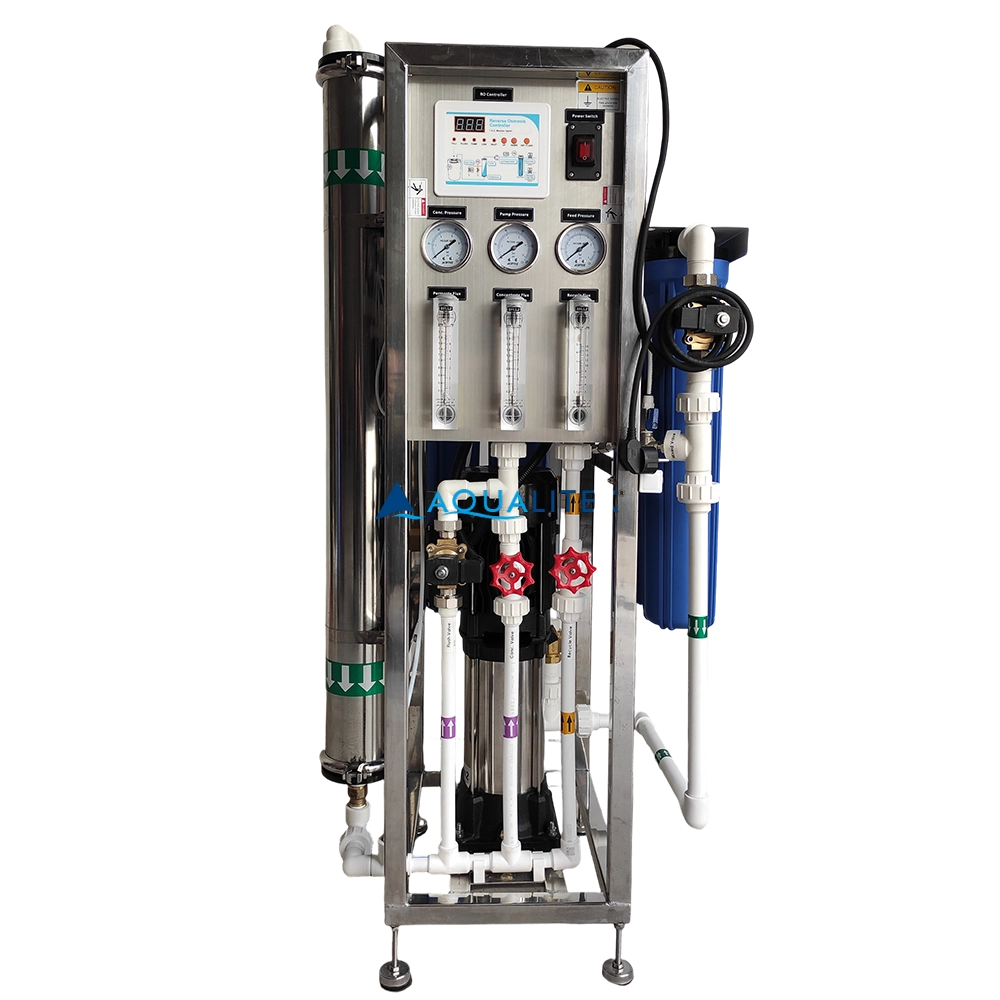
Our 500 LPH Reverse Osmosis (RO) System is engineered to provide high-quality purified water for commercial applications. Designed with advanced RO technology, durable components, and a user-friendly interface, this system ensures consistent performance, low maintenance, and long-term reliability.
With its compact design and robust skid-mounted frame, it’s an excellent choice for businesses that demand efficiency and quality in water purification.
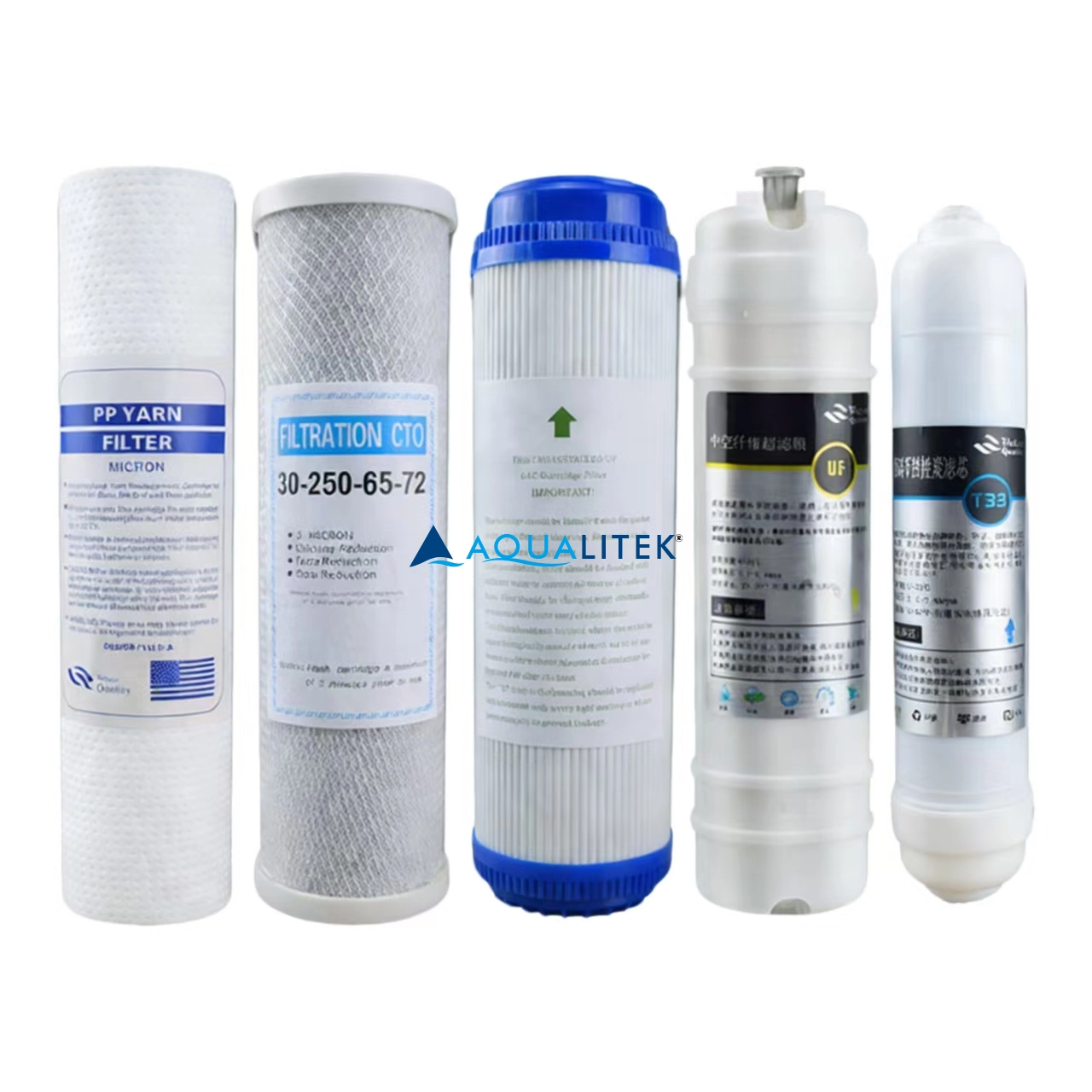
A water treatment filter cartridge is the core consumable component in water purification systems, designed to remove specific contaminants from water. Common types include: **PP Filter Cartridge** (trapping large particles like rust and sand), **Activated Carbon Filters** (adsorbing chlorine, odors, and organic chemicals), **Ultrafiltration (UF) Membranes** (blocking bacteria and viruses while retaining minerals), and **Reverse Osmosis (RO) Membranes** (removing nearly all impurities, including heavy metals and salts, to produce pure water). Choosing the right cartridge depends on your water quality and needs—RO for safest drinking water, UF for mineral retention, and carbon for taste improvement. **Crucially, all cartridges must be replaced regularly** (typically every 6–24 months) to maintain effectiveness and prevent bacterial growth.

Cartridge filter housing is a critical component in liquid filtration systems, designed to securely hold and protect filter cartridges while allowing liquids to flow through the filter media. These housings are essential for industries that require reliable filtration solutions to remove contaminants from liquids, such as water treatment, pharmaceuticals, food and beverage processing, chemicals, and industrial applications.
Cartridge filter housings are typically constructed from durable materials like stainless steel, polypropylene, or fiber glass, providing excellent resistance to corrosion and ensuring long-term performance. They are available in a variety of configurations, including single or multi-cartridge designs, to accommodate different flow rates and filtration needs. These housings are engineered to securely seal the filter cartridges, preventing any bypass of unfiltered liquid, ensuring the integrity of the filtration process.
Designed for easy maintenance, cartridge filter housings offer the flexibility to replace or clean filter cartridges quickly, making them a convenient solution for systems requiring regular maintenance. Their efficiency and versatility make them ideal for applications where precise filtration is crucial for improving the quality of liquids, whether for industrial processes, potable water production, or high-purity applications.

Introduction to Manganese Sand Filter
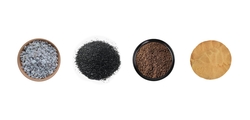
Manganese Sand Filter (MSF) is an efficient water filtration system specifically designed to remove iron, manganese, and hydrogen sulfide from water.
The filter utilizes a special manganese dioxide-coated sand media, which acts as an oxidizing agent to convert dissolved iron and manganese into solid particles, allowing them to be easily trapped and removed during the filtration process.
Manganese Sand Filters are commonly used in residential, commercial, and industrial water treatment applications where high levels of these contaminants are present. By improving water quality, preventing staining, and reducing unpleasant tastes and odors, Manganese Sand Filters provide a reliable and cost-effective solution for maintaining clean, clear, and safe water.
© 2026 AQUALITEK. All rights reserved.
AQUALITEK- Aimee Hoo
AQUALITEK - Aimee Hoo