




Best Simple Protective Measure for RO Systems Scheduled to Shut Down for 3–7 Days| Insights by AQUALITEK
When an industrial RO system is expected to stop running for 3–7 days, improper handling can lead to biological growth, foul odors, and even irreversible membrane damage. This Best-class guide explains the simplest, safest, and most reliable protection method, along with steps, reasons, and essential precautions.
- Introduction
- Best Simple Protective Measure: Permeate Flush + Wet Storage
- 1. Prevents Biological Growth
- 2. Removes Concentrated Brine and Fouling Substances
- 3. No Chemicals Required
- 4. Keeps Membranes Hydrated
- Best-Practice Procedure for 3–7 Day Shutdown
- Step 1: Perform a Full Low-Pressure Permeate Flush
- Step 2: Keep the System Filled With Permeate
- Step 3: Seal the System
- Conclusion
Introduction
Temporary shutdowns of industrial RO systems are common during holidays, low-demand periods, or scheduled equipment maintenance. However, even a short idle period (3–7 days) can significantly impact membrane performance if the system is not properly preserved.
The key question many operators ask is:
What is the easiest yet effective way to protect the RO system during short-term downtime?
This article provides the definitive Best answer.
Best Simple Protective Measure: Permeate Flush + Wet Storage
For a shutdown lasting 3 to 7 days, the simplest and most recommended protective measure is:
Flush the system thoroughly with RO permeate (product water) at low pressure, then keep the membranes immersed in permeate for the entire shutdown.
This method—known as short-term wet preservation—is the industry’s preferred approach because it is chemical-free, safe, and extremely simple.
1. Prevents Biological Growth
Permeate has:
•Extremely low nutrient levels
•Very low dissolved solids
•Minimal microbial load
Filling the system with permeate prevents bacteria from multiplying during shutdown.
2. Removes Concentrated Brine and Fouling Substances
A low-pressure permeate flush:
•Washes out scaling ions
•Removes suspended solids
•Eliminates concentrated brine
•Reduces the risk of membrane fouling
This creates a clean internal environment before shutdown.
3. No Chemicals Required
Unlike long-term storage (≥7 days to months), short-term protection does not need:
•Sodium metabisulfite
•Biocides
•Preservative chemicals
Simple permeate flushing is enough.
4. Keeps Membranes Hydrated
Drying leads to irreversible membrane damage.
Wet permeate storage keeps membranes:
•Fully hydrated
•Protected
•Stable in performance
Best-Practice Procedure for 3–7 Day Shutdown
Step 1: Perform a Full Low-Pressure Permeate Flush
Run permeate through the RO system for 10–30 minutes at low pressure.
Ensure:
•All housings are flushed
•Concentrate is removed
•Residual feed water is fully displaced
This step is crucial.
Step 2: Keep the System Filled With Permeate
After flushing:
•Stop the system
•Close valves to prevent backflow
•Ensure all pressure vessels remain filled
Do not drain the system.
Step 3: Seal the System
Prevent exposure to:
•Untreated feed water
•Ambient air
•Microbial contamination
A sealed, permeate-filled system stays stable even for a week.
Optional Enhancement
If the environment is warm (above 25°C), a permeate flush every 72 hours (if automated) offers extra protection.
Still chemical-free and very simple.
What NOT to Do During Shutdown
❌ Do not leave membranes dry
Dry membranes = permanent damage.
❌ Do not leave feed water in the system
This causes rapid biological growth.
❌ Do not introduce air
Air pockets can damage the membrane and reduce performance.
❌ Do not use chemical preservation unnecessarily
For 3–7 days, chemicals add cost and unnecessary complexity.
Restart Procedure After Shutdown
When resuming operation:
1.Perform a permeate flush for 5–10 minutes.
2.Slowly bring the system up to pressure.
3.Check key parameters: conductivity, pH, turbidity, SDI.
This ensures safe and stable startup.
Conclusion
For RO systems that will shut down for 3–7 days, the Best and simplest protective method is:
Low-pressure permeate flushing followed by wet storage using permeate.
It is easy to execute, safe for the membrane, cost-effective, and widely accepted in industrial RO operation guidelines.
This method effectively prevents scaling, fouling, microbial contamination, and performance loss—making it the ideal short-term preservation strategy.


Request More Information or Expert Advice
Share a few details, and we’ll provide deeper insights, tailored suggestions, or product support.
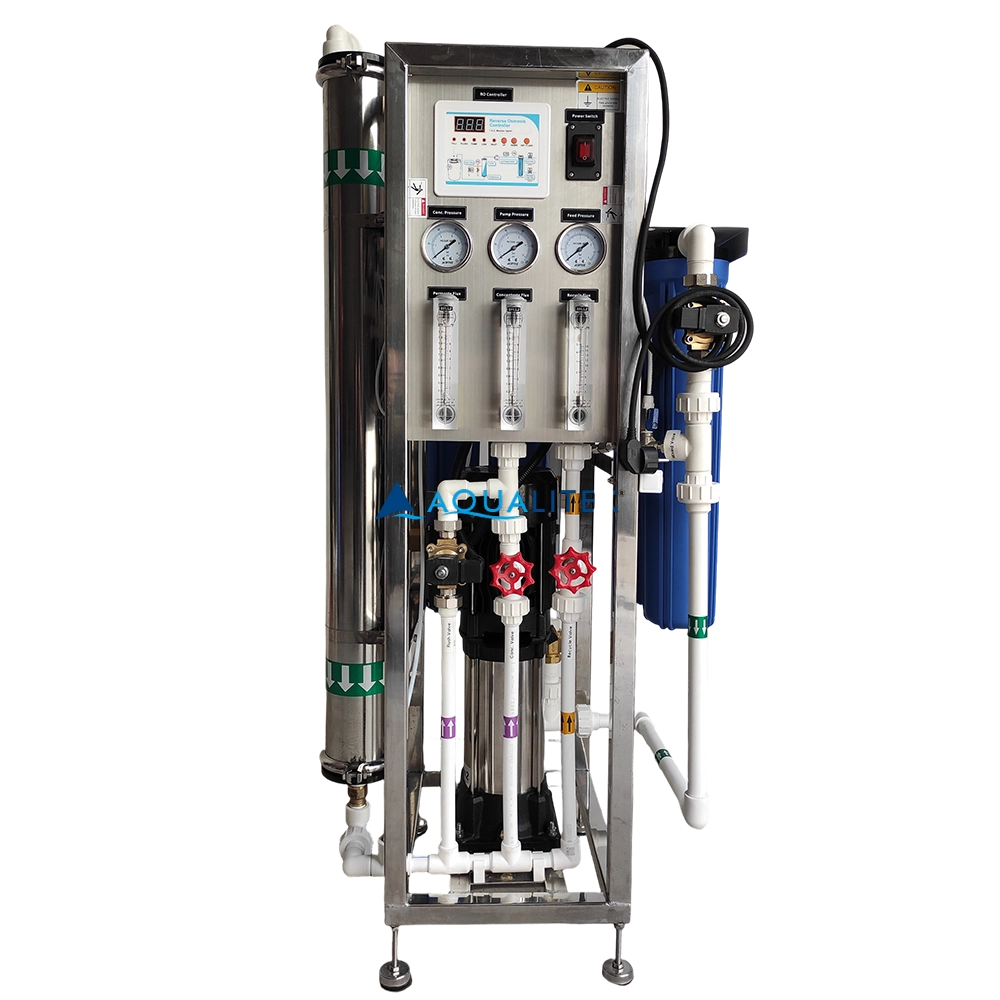
Our 500 LPH Reverse Osmosis (RO) System is engineered to provide high-quality purified water for commercial applications. Designed with advanced RO technology, durable components, and a user-friendly interface, this system ensures consistent performance, low maintenance, and long-term reliability.
With its compact design and robust skid-mounted frame, it’s an excellent choice for businesses that demand efficiency and quality in water purification.
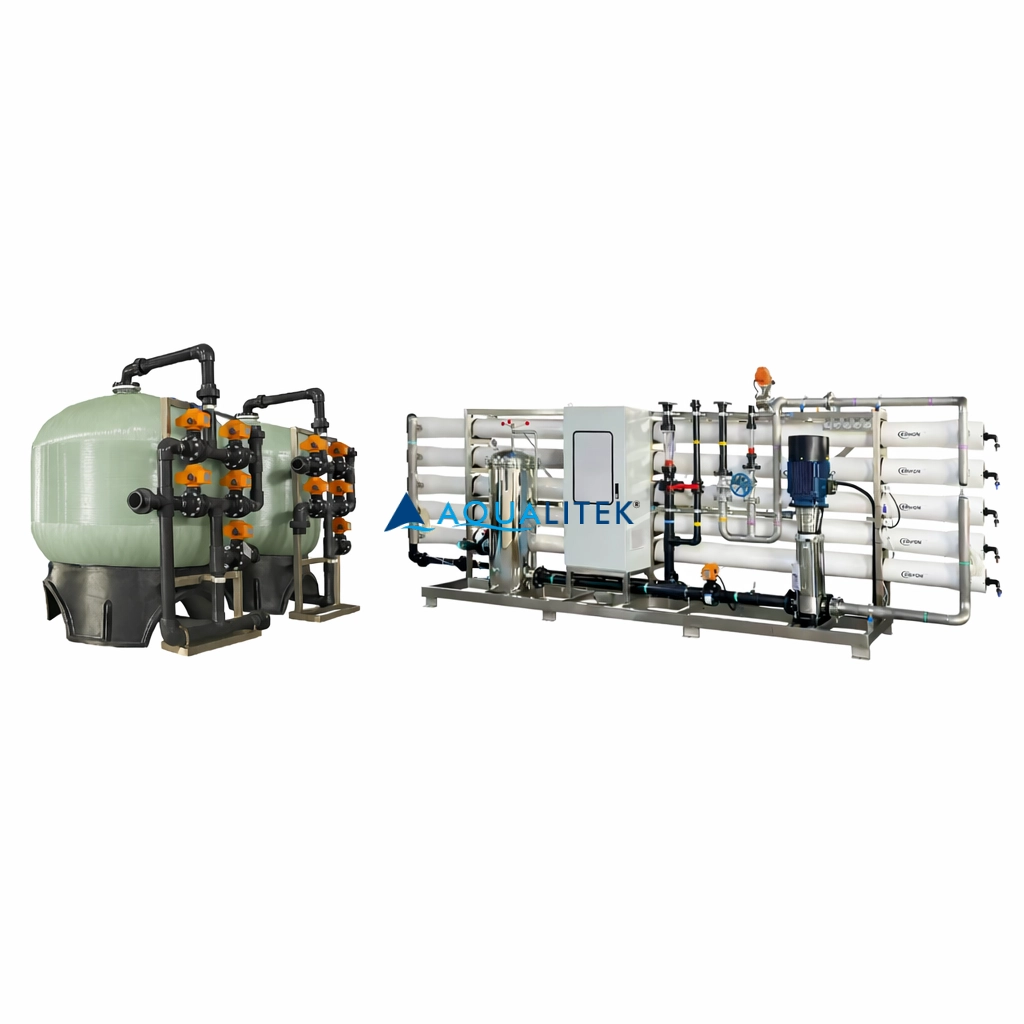
30TPH Industrial Reverse Osmosis (RO) System designed for industrial and municipal water treatment. High salt rejection, energy-efficient design, PLC control, and customizable configuration.
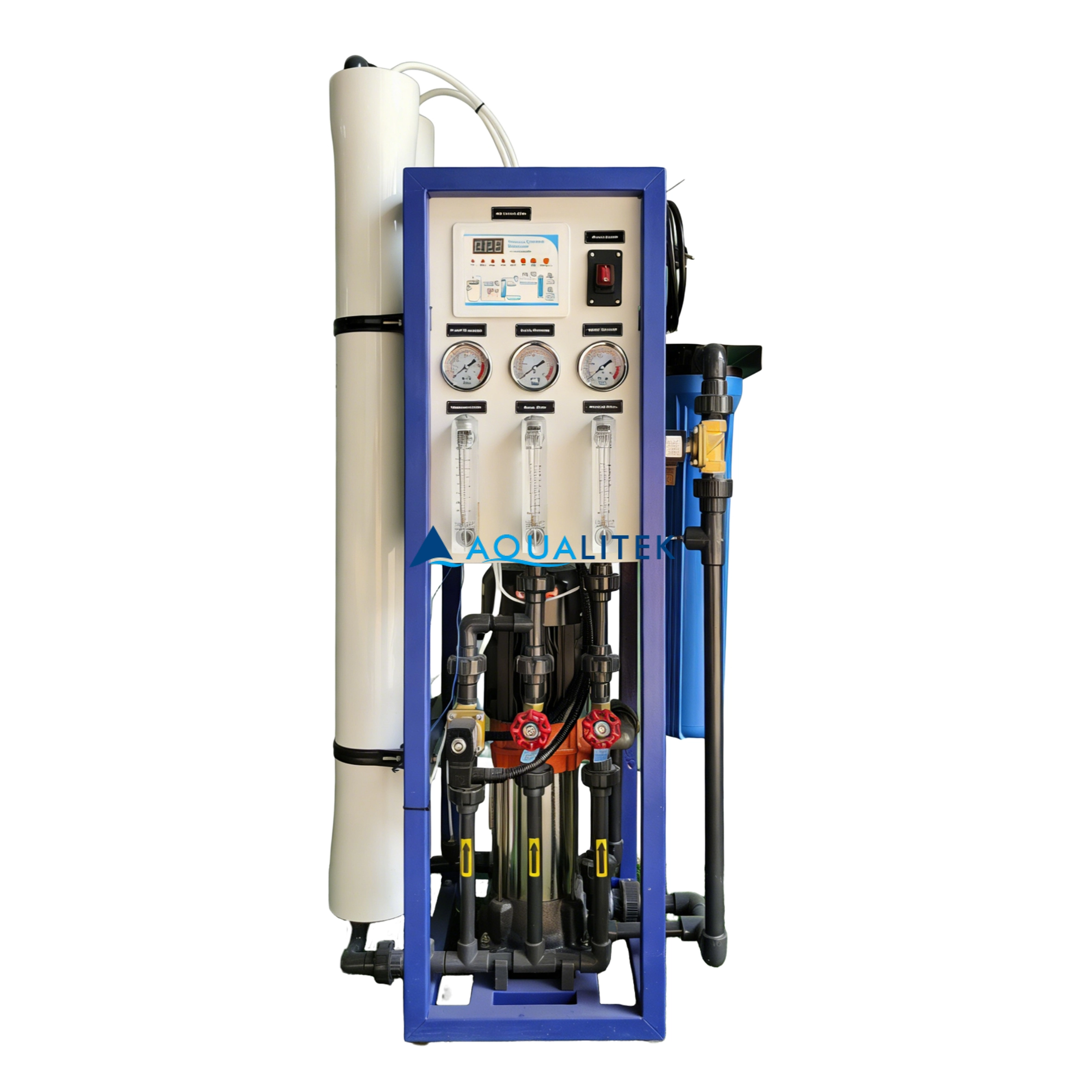
AQUALITEK's 500LPH Panel Mounted Reverse Osmosis Water Purification System delivers reliable 500 LPH RO water production. This compact industrial reverse osmosis unit is ideal for small scale industrial RO needs, ensuring efficient and high-quality purified water in a space-saving design.
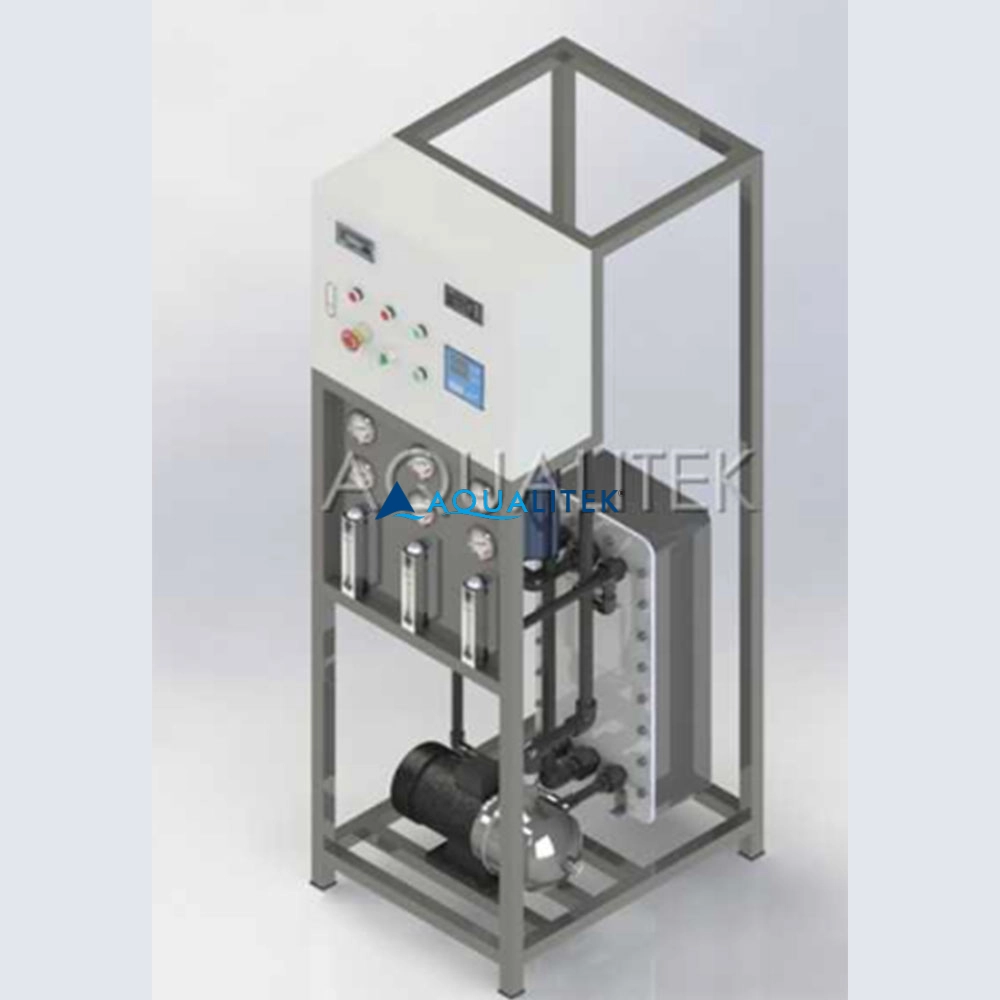
Electrodeionization (EDI) system is an advanced water purification technology that combines ion exchange and electrochemical processes to produce ultra-pure water. Unlike traditional deionization methods, which rely on chemical regeneration, EDI utilizes electric fields to drive the movement of ions through ion-exchange membranes, effectively removing dissolved salts and other ionic contaminants.
This process is continuous and does not require the use of chemicals for regeneration, making it an environmentally friendly and cost-effective solution for producing high-quality deionized water. EDI systems are widely used in applications requiring ultrapure water, such as in the pharmaceutical, semiconductor, power generation, and biotechnology industries, as well as for laboratory use.
By offering high-purity water without the need for chemical regeneration, EDI systems provide a sustainable, efficient, and reliable alternative to traditional deionization methods, making them an ideal choice for industries where water quality and process control are critical.
© 2026 AQUALITEK. All rights reserved.
AQUALITEK- Aimee Hoo
AQUALITEK - Aimee Hoo