



Best Ways to Quickly Determine Whether an Odor in RO Permeate Originates Before or After the Membrane| Insights by AQUALITEK
Learn how to rapidly identify whether an odor in RO permeate is caused by issues in the feed water (before the membrane) or contamination occurring after the membrane. This guide provides practical diagnostic methods, expert tips, and actionable procedures for RO operators and water treatment professionals.
- Introduction
- Best Methods to Identify Whether an Odor Comes From Before or After the RO Membrane
- 1. Compare Feed Water, Concentrate, and Permeate Odors
- 2. Bypass the Permeate Tank to Test Fresh Permeate
- 3. Check the pH and Conductivity Behavior
- 4. Inspect Post-Treatment Components
- 5. Evaluate Pretreatment and Chemical Additives
- 6. Perform a Membrane Integrity or Pressure Vessel Inspection
- 7. Conduct a Simple “Glass Test”
- Conclusion
Introduction
When an unexpected odor appears in RO permeate, one of the first troubleshooting questions is:
Does the odor originate before the membrane, or is it caused by something happening after the membrane?
This distinction is critical because the corrective action is totally different. Feed-water-related odors may require pretreatment adjustments, while post-membrane odors indicate hygiene, storage, or distribution issues.
This Best-class article covers the fastest and most accurate methods to identify the odor source using practical tests, operator experience, and system sampling techniques.
Best Methods to Identify Whether an Odor Comes From Before or After the RO Membrane
1. Compare Feed Water, Concentrate, and Permeate Odors
This is the simplest and fastest on-site diagnostic approach.
Procedure:
•Smell feed water (influent)
•Smell concentrate (reject stream)
•Smell permeate
Interpretation:
•If the feed and concentrate smell similar, but permeate smells different:
→ The odor is after the membrane (post-treatment contamination).
•If the feed and concentrate have the same odor, and permeate has a weaker but similar odor:
→ Odor originates before the membrane (feedwater quality issue).
•If only the permeate smells bad:
→ Odor is after the membrane, often from storage tanks or distribution lines.
2. Bypass the Permeate Tank to Test Fresh Permeate
Storage tanks are a very common source of odor (algae, biofilm, stagnant water).
Steps:
•Temporarily bypass the permeate tank.
•Collect permeate directly from the RO outlet port.
Interpretation:
•If fresh permeate has no odor but tank water does:
→ Odor is after the membrane, typically tank or piping contamination.
•If both fresh permeate and tank water have odor:
→ Odor likely originates before the membrane or from system chemical issues.
3. Check the pH and Conductivity Behavior
Certain odors correlate with measurable changes.
Rules of thumb:
•Organic or chlorine-related odor with normal permeate conductivity:
→ Usually post-membrane contamination.
•High odor + abnormal conductivity spike:
→ Possible membrane integrity breach or feedwater breakthrough.
This indicator alone is not definitive, but useful when combined with other tests.
4. Inspect Post-Treatment Components
Odors often come from equipment located after the RO membrane:
Common odor sources include:
•Aging carbon filters
•Biofilm in permeate distribution pipes
•Dirty storage tanks
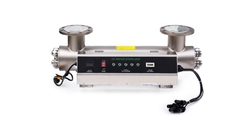
•Poorly disinfected UV housings
•Dead legs in piping
If any of these downstream components smell, the odor is after the membrane.
5. Evaluate Pretreatment and Chemical Additives
Some feed-side issues introduce odors that the membrane cannot fully remove.
Feed-side odor contributors:
•Chlorine (if dechlorination is incomplete)
•Hydrogen sulfide (H₂S)
•Organic compounds
•Industrial wastewater contaminants
•Biological activity in feed tanks
If these odors are detectable in influent, they likely contribute to permeate odor even after RO.
6. Perform a Membrane Integrity or Pressure Vessel Inspection
If odor appears suddenly or strongly:
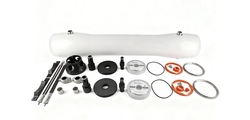
•Remove end caps
•Inspect for membrane damage
•Check for O-ring failure
•Look for biological growth inside vessels
A damaged membrane may allow odorous compounds to pass through.
If integrity is compromised → odor originates before the membrane (breakthrough).
7. Conduct a Simple “Glass Test”
A classic test used by operators:
Procedure:
•Rinse 3 clean glass cups with permeate
•Fill one with feed water, one with permeate from the RO outlet, one with water from the tank
•Air them for 1 minute
•Compare smells side by side
This provides a highly intuitive smell comparison with minimal external interference.
Conclusion
Identifying whether an odor in RO permeate originates before or after the membrane is essential for quick, accurate troubleshooting. By comparing water samples, bypassing tanks, inspecting downstream components, and evaluating system chemistry, operators can pinpoint the root cause within minutes.
Following the Best practices outlined in this article will help ensure faster diagnosis, improved water quality, and reduced downtime for your RO system.


Request More Information or Expert Advice
Share a few details, and we’ll provide deeper insights, tailored suggestions, or product support.
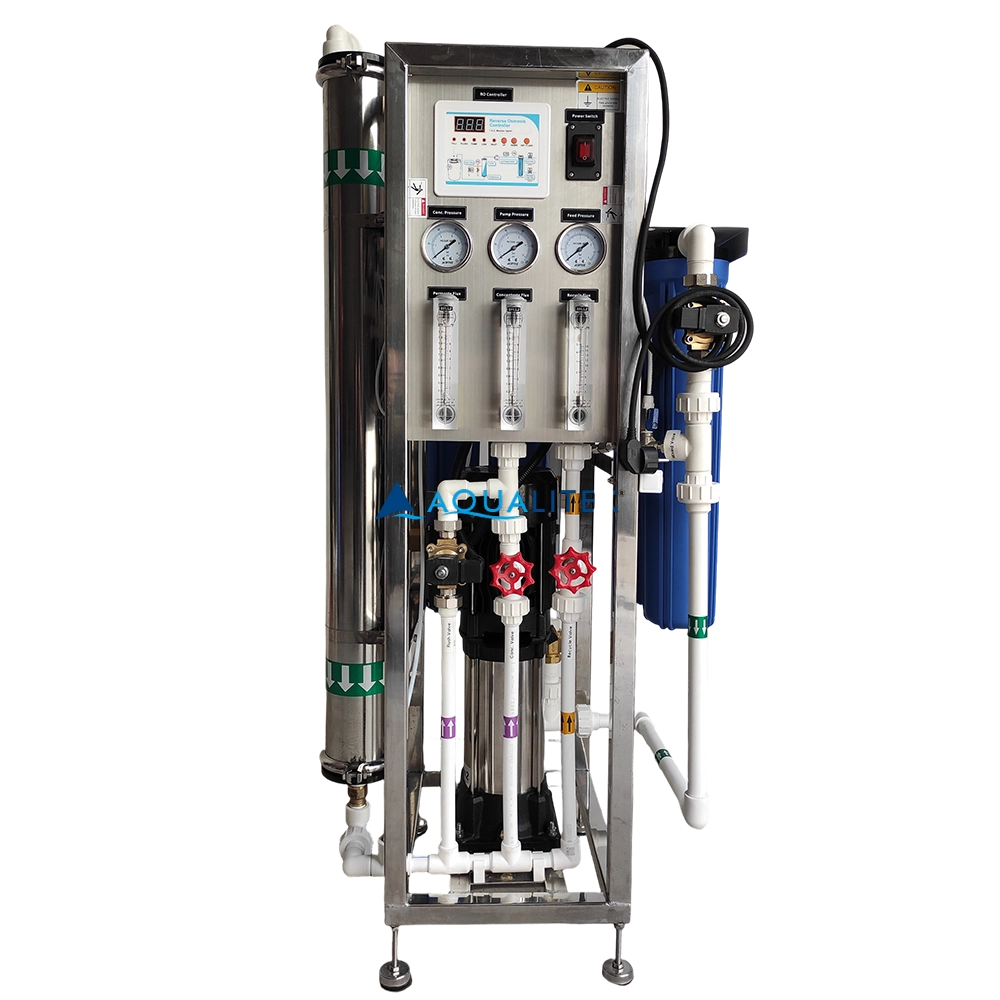
Our 500 LPH Reverse Osmosis (RO) System is engineered to provide high-quality purified water for commercial applications. Designed with advanced RO technology, durable components, and a user-friendly interface, this system ensures consistent performance, low maintenance, and long-term reliability.
With its compact design and robust skid-mounted frame, it’s an excellent choice for businesses that demand efficiency and quality in water purification.
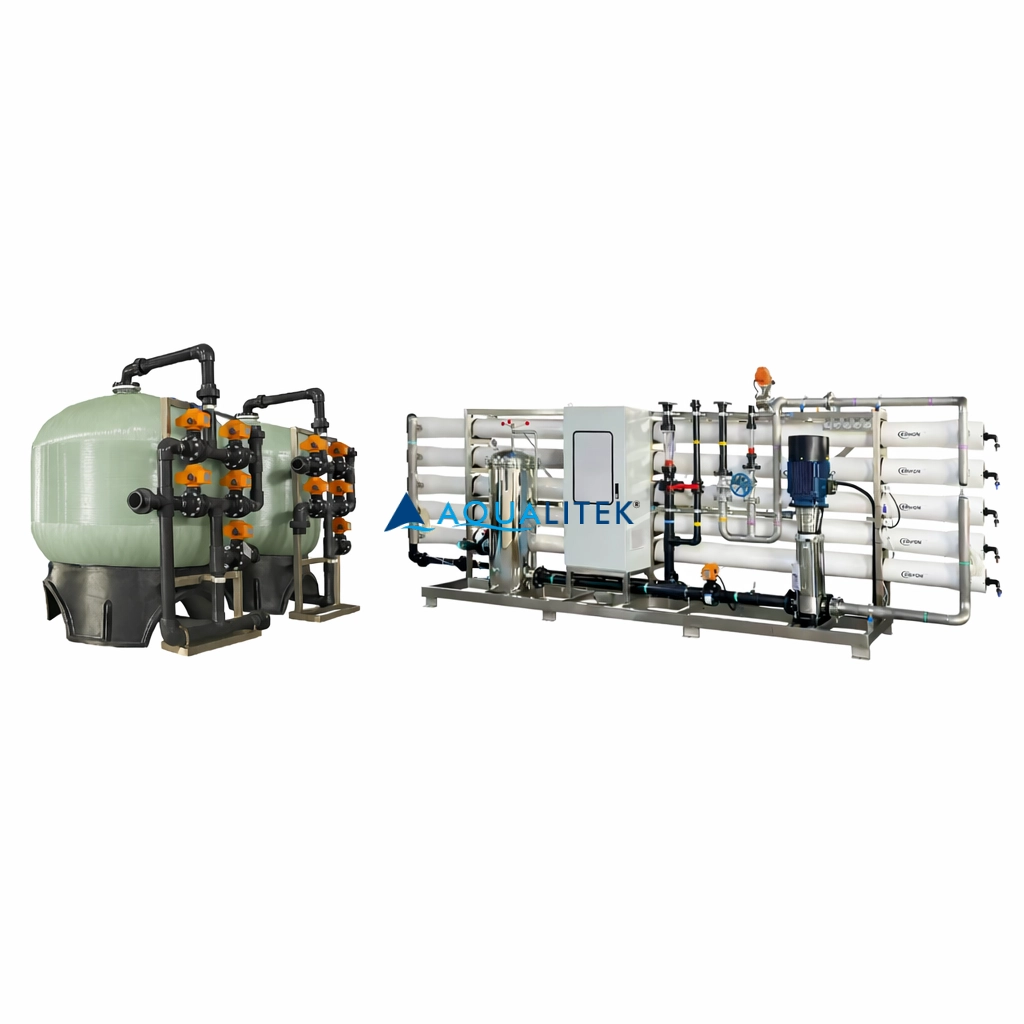
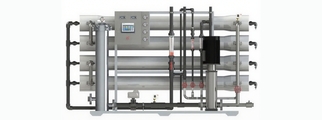
30TPH Industrial Reverse Osmosis (RO) System designed for industrial and municipal water treatment. High salt rejection, energy-efficient design, PLC control, and customizable configuration.
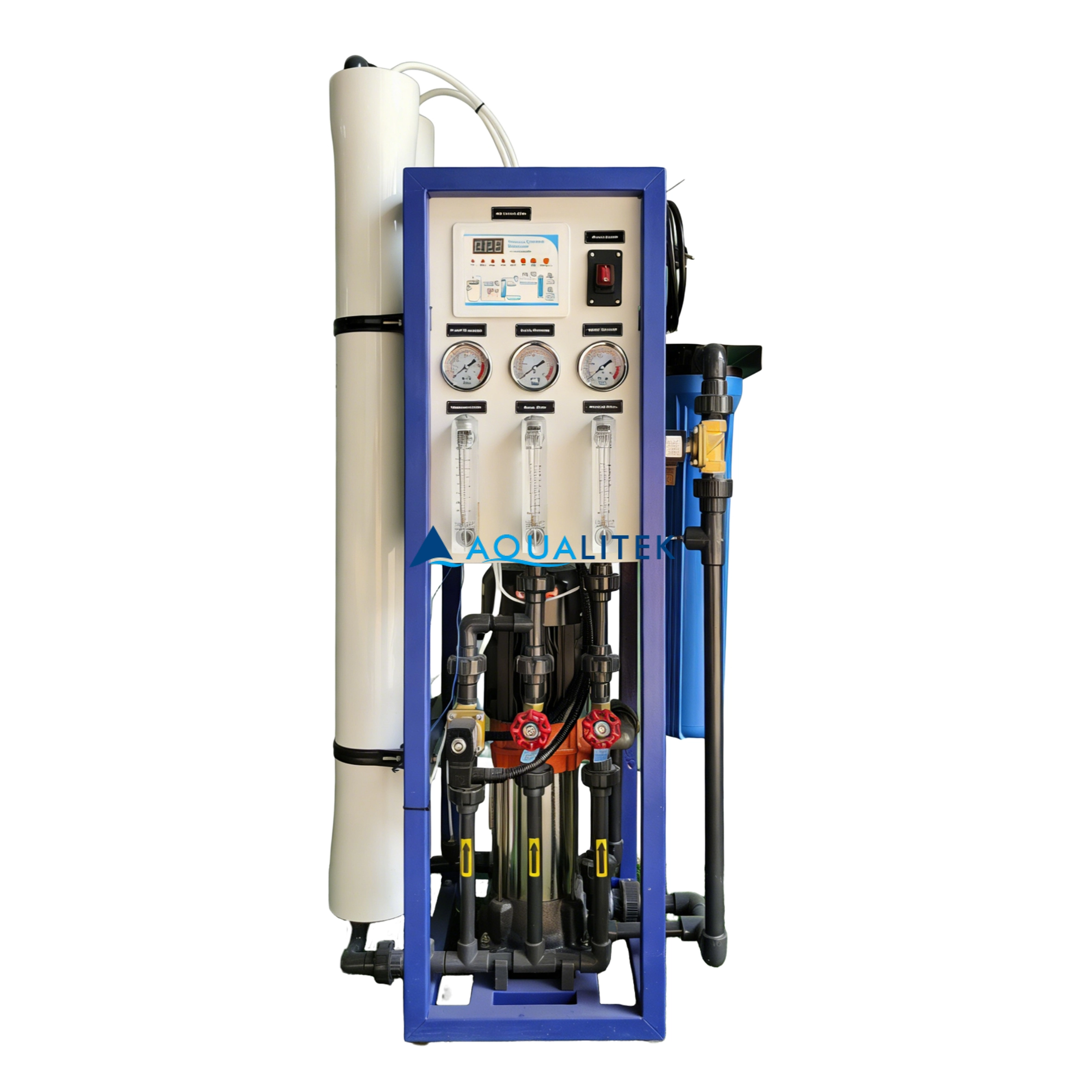
AQUALITEK's 500LPH Panel Mounted Reverse Osmosis Water Purification System delivers reliable 500 LPH RO water production. This compact industrial reverse osmosis unit is ideal for small scale industrial RO needs, ensuring efficient and high-quality purified water in a space-saving design.
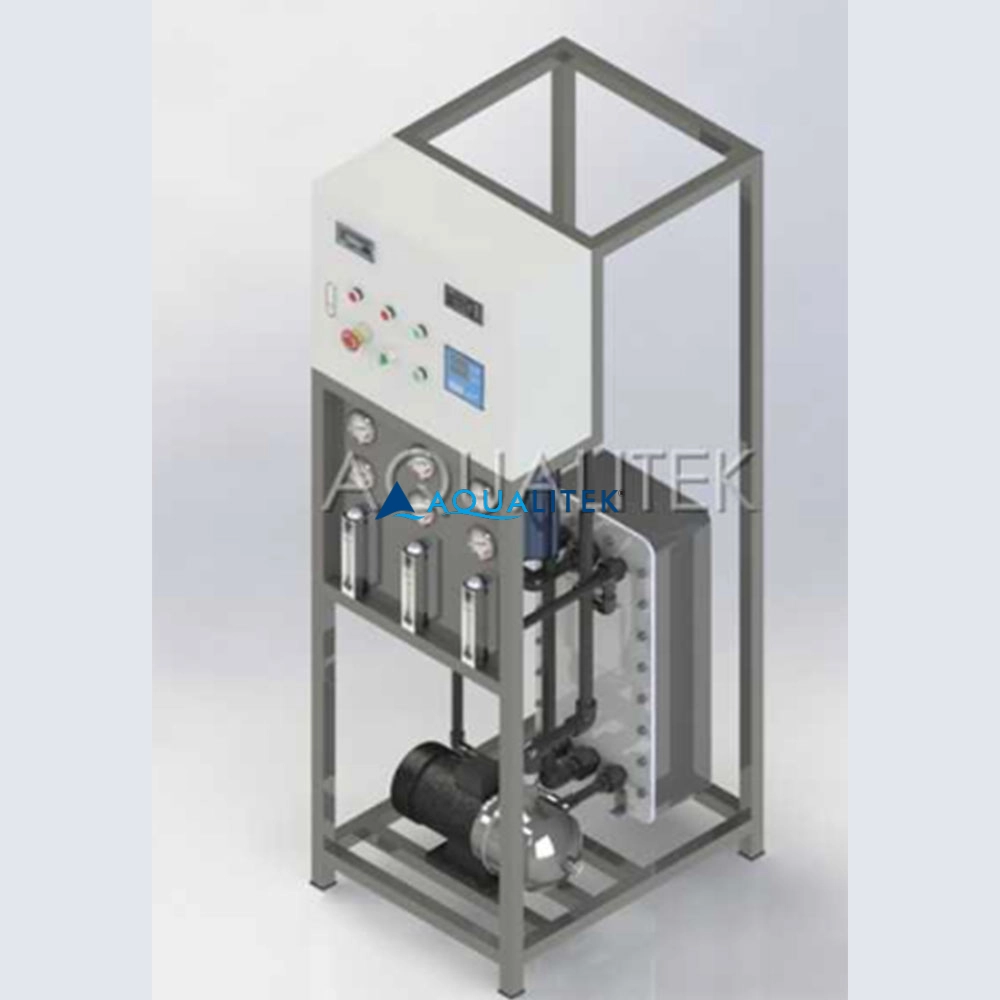
Electrodeionization (EDI) system is an advanced water purification technology that combines ion exchange and electrochemical processes to produce ultra-pure water. Unlike traditional deionization methods, which rely on chemical regeneration, EDI utilizes electric fields to drive the movement of ions through ion-exchange membranes, effectively removing dissolved salts and other ionic contaminants.
This process is continuous and does not require the use of chemicals for regeneration, making it an environmentally friendly and cost-effective solution for producing high-quality deionized water. EDI systems are widely used in applications requiring ultrapure water, such as in the pharmaceutical, semiconductor, power generation, and biotechnology industries, as well as for laboratory use.
By offering high-purity water without the need for chemical regeneration, EDI systems provide a sustainable, efficient, and reliable alternative to traditional deionization methods, making them an ideal choice for industries where water quality and process control are critical.
© 2026 AQUALITEK. All rights reserved.
AQUALITEK- Aimee Hoo
AQUALITEK - Aimee Hoo