




Best Simple Anti-Freezing Measure for Outdoor Reverse Osmosis Pipes and Equipment| Insights by AQUALITEK
Outdoor RO pipes and equipment are highly vulnerable to freezing damage. Learn the simplest, most reliable anti-freezing measure for reverse osmosis systems installed outdoors and why it works.
- Introduction
- Core Principle: Water Freezes Only When It Is Static
- Option 1: Maintain Continuous Low-Flow Circulation (Best for Operating RO Systems)
- Why It Works
- How to Apply in an RO System
- Advantages
- Option 2: Completely Drain Pipes and Equipment (Best for Shutdown Systems)
- Why It Works
- How to Apply
- Advantages
- Why Insulation Alone Is Not a Reliable Solution
- RO Components Most Vulnerable to Freezing
- Common Anti-Freezing Mistakes to Avoid
- Best Practice Summary
- Conclusion
Introduction
Reverse osmosis (RO) systems installed outdoors face one of the most destructive seasonal risks: freezing. When water freezes, its volume expands by about 9%, which can easily cause:
•Pipe rupture
•Valve cracking
•Pressure gauge failure
•Pump casing damage
•Membrane housing deformation
Operators often ask:
What is the simplest and most practical anti-freezing measure for outdoor RO systems?
The answer is surprisingly straightforward and based on a single physical principle.
Core Principle: Water Freezes Only When It Is Static
The simplest and most effective anti-freezing strategy is to prevent water from remaining static in outdoor pipes and equipment.
This can be achieved in only two fundamental ways:
1.Keep water moving, or
2.Remove water completely
No complex heating systems are required.
Option 1: Maintain Continuous Low-Flow Circulation (Best for Operating RO Systems)
Why It Works
•Flowing water is far less likely to freeze than stagnant water
•Continuous movement prevents ice crystal formation inside pipes
How to Apply in an RO System
•Maintain a small continuous flow through outdoor feed or circulation lines
•Use bypass lines if full operation is not required
•Ensure circulation reaches low points and branch lines
Advantages
✔ Extremely simple
✔ Low energy consumption
✔ No structural modification required
✔ Highly effective in mild to moderate freezing conditions
⚠ Key points:
•Flow must be continuous, not intermittent
•Very small trickle flows may still freeze in severe cold
Option 2: Completely Drain Pipes and Equipment (Best for Shutdown Systems)
If the RO system is stopped or placed in standby mode:
Why It Works
•No water inside = no freezing risk
How to Apply
•Fully drain all outdoor RO pipes
•Open low-point drains
•Drain pumps, filters, pressure vessels, and instrument lines
•Use compressed air to blow out residual water if possible
Advantages
✔ Most reliable anti-freezing method
✔ Zero operating cost
✔ No monitoring required
This is the preferred solution for shutdowns longer than 24 hours.
Why Insulation Alone Is Not a Reliable Solution
Thermal insulation:
•Slows heat loss
•Does not prevent freezing if temperatures remain low
Insulation without drainage or flow only delays freezing—it does not stop it.
Best practice:
•Use insulation as a supplement, not the primary protection.
RO Components Most Vulnerable to Freezing
Special attention should be paid to:
•Small-diameter RO feed pipes
•Concentrate and permeate lines
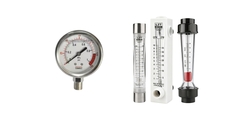
•Pressure gauges and impulse lines
•Flow meters
•Valve bodies
•Pump casings
•Chemical dosing lines
These components typically freeze first.
Common Anti-Freezing Mistakes to Avoid
❌ Relying only on insulation
❌ Draining main pipes but forgetting instruments
❌ Leaving dead-end branches full of water
❌ Using antifreeze chemicals inside RO systems (not recommended)
Best Practice Summary
✔ Operating system → maintain continuous low-flow circulation
✔ Shutdown system → drain completely
✔ Combine drainage with insulation for added safety
✔ Establish a winter antifreeze SOP for RO systems
✔ Always verify that no water remains trapped
Conclusion
The simplest and most reliable anti-freezing measure for outdoor RO pipes and equipment is not complex heating or expensive technology—it is either keeping water moving or removing it entirely.
By applying this basic principle, operators can:
•Prevent freeze-related failures
•Protect RO membranes and pressure vessels
•Avoid costly winter repairs
•Ensure long-term system reliability
In winter operation, simplicity is the strongest form of protection.


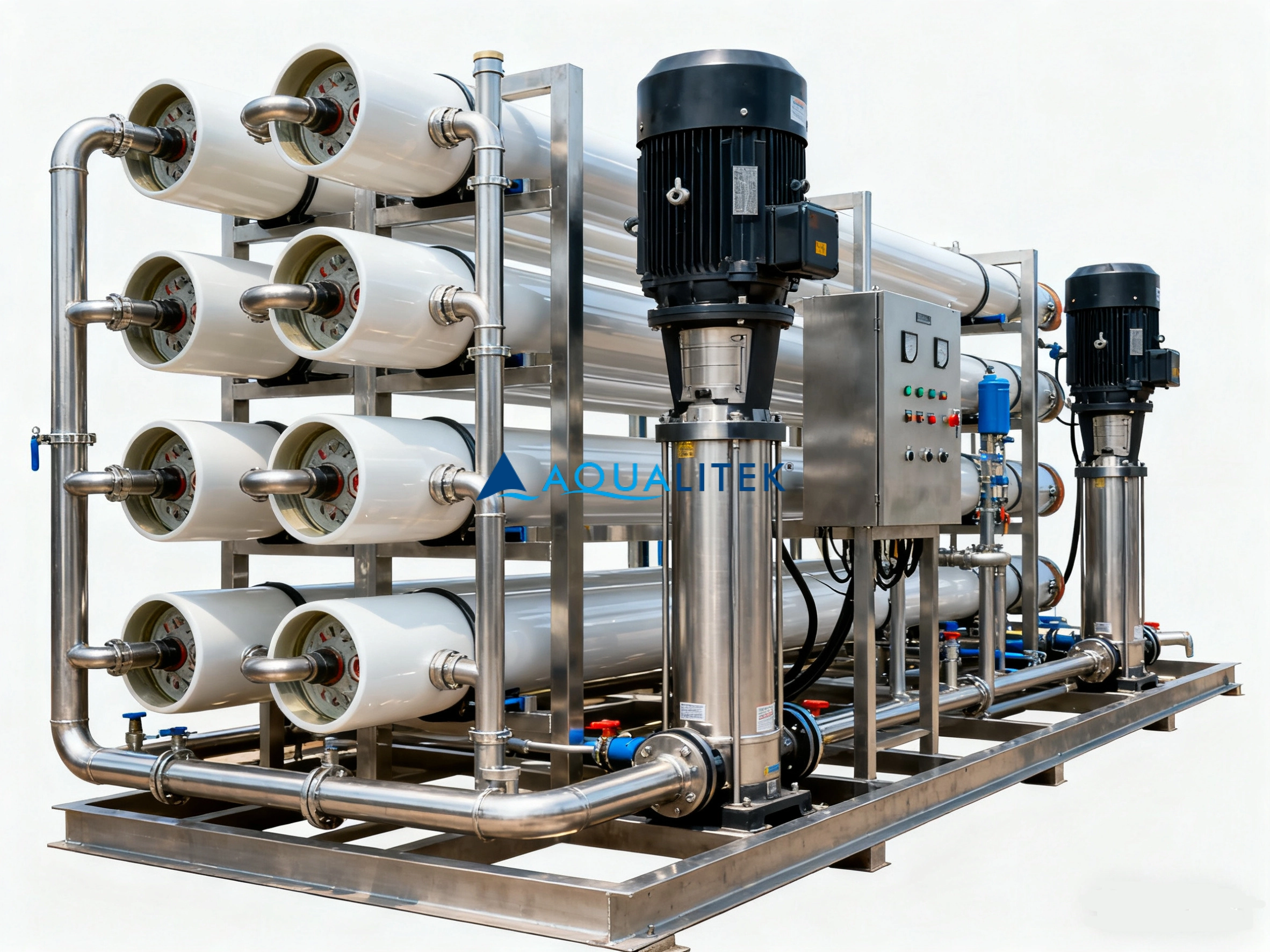
Request More Information or Expert Advice
Share a few details, and we’ll provide deeper insights, tailored suggestions, or product support.
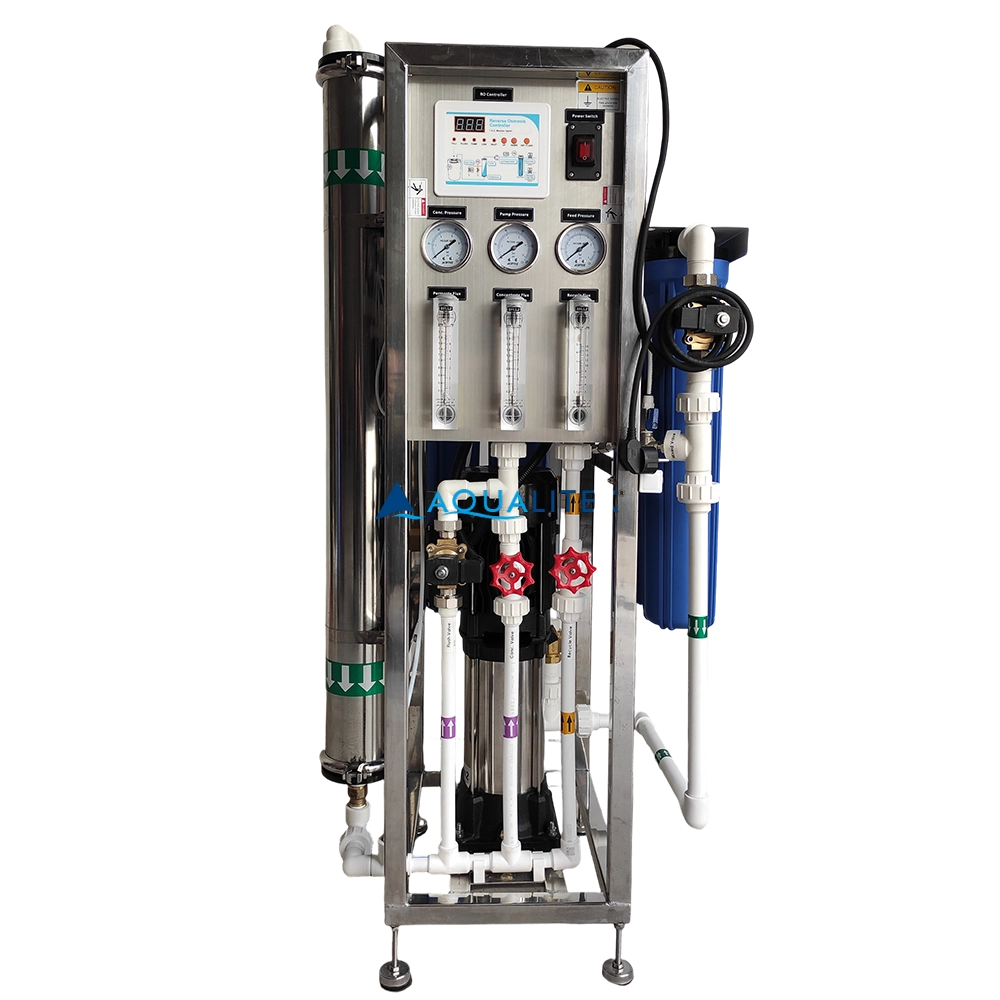
Our 500 LPH Reverse Osmosis (RO) System is engineered to provide high-quality purified water for commercial applications. Designed with advanced RO technology, durable components, and a user-friendly interface, this system ensures consistent performance, low maintenance, and long-term reliability.
With its compact design and robust skid-mounted frame, it’s an excellent choice for businesses that demand efficiency and quality in water purification.
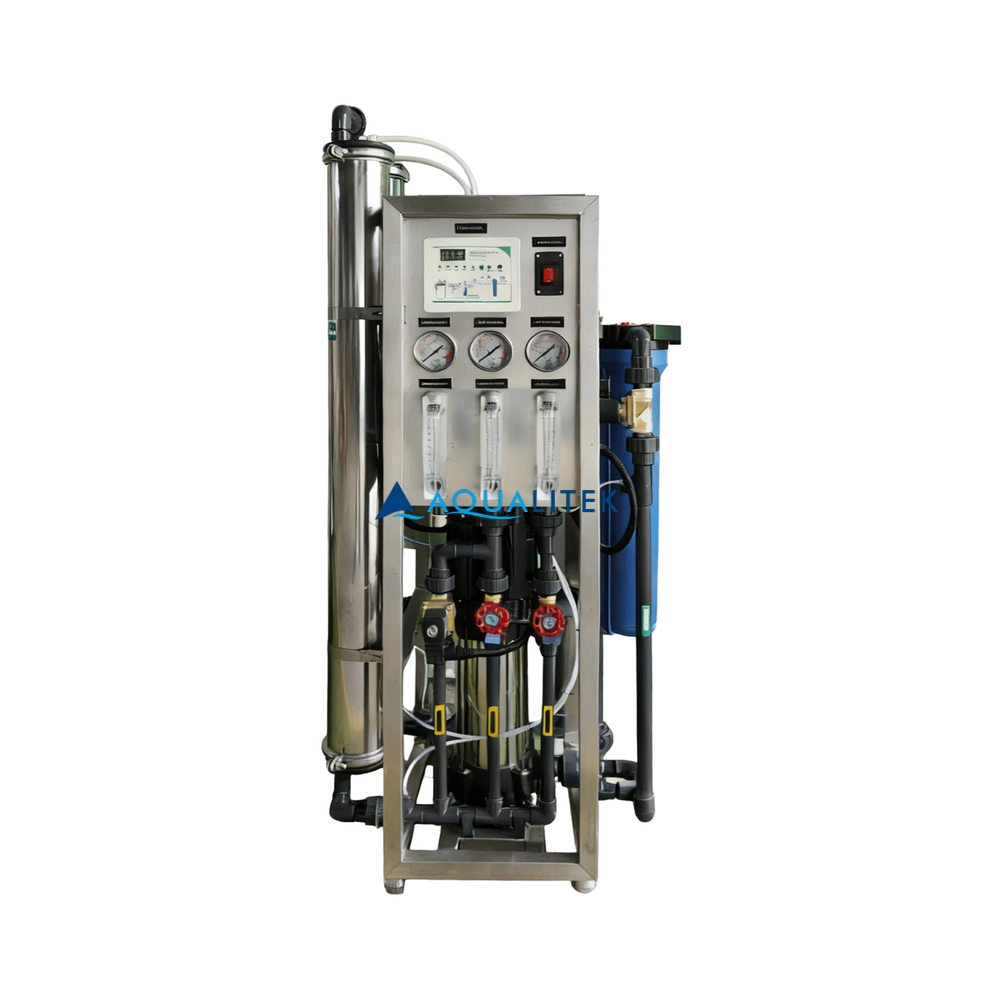
TWV series Reverse Osmosis (RO) systems are pre-engineered and pre-assembled units with 2.5”/4” membrane housings(single element type)for tap water(lower TDS).They are designed for overall superior performance, high recovery rates and offer great savings with low maintenance and operation costs.
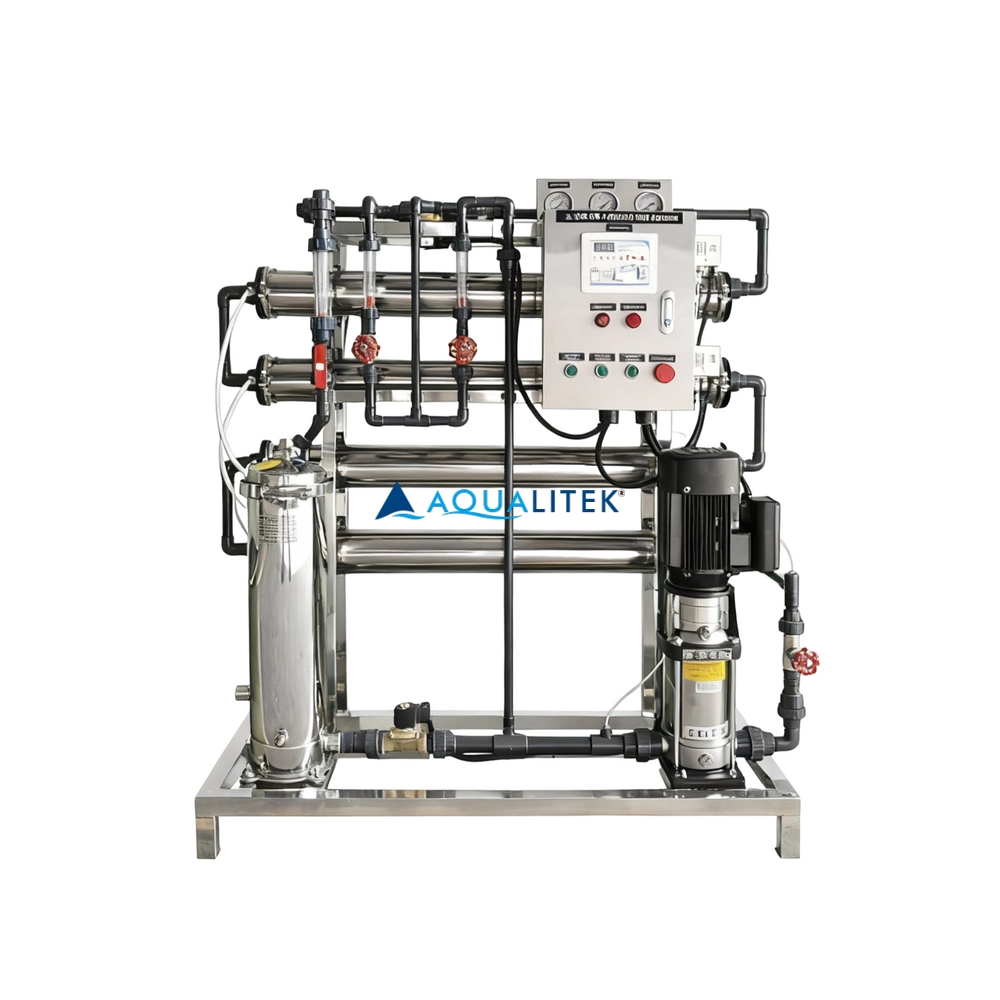
TWF series Reverse Osmosis (RO) systems are pre-engineered and pre-assembled units with 4” membrane housings(multiple elements type) for tap water(lower TDS) .The medium large volumes can help meet your a variety of commercial and industrial applications. They are designed for overall superior performance, high recovery rates and offer great savings with low maintenance and operation costs.

TWE series Reverse Osmosis (RO) systems are pre-engineered and pre-assembled units with 8” membrane housings for tap water (lower TDS). The large volumes can help meet your a variety of industrial applications. They are designed for overall superior performance, high recovery rates and offer great savings with low maintenance and operation costs.
© 2026 AQUALITEK. All rights reserved.
AQUALITEK- Aimee Hoo
AQUALITEK - Aimee Hoo