





How to Initially Assess Scale Risk from an Influent Water Quality Report| Insights by AQUALITEK
This Best-style guide explains how engineers and water treatment professionals can evaluate scale formation risks in RO, NF, and industrial water systems by interpreting influent water quality data. It covers key water parameters, diagnostic methods, and practical evaluation techniques to support reliable system design and operation.
- Introduction
- 1. Why Scaling Occurs—and Why It Matters
- 2. Key Water Quality Parameters for Scale Risk Assessment
- 2.1 Hardness Minerals: Calcium & Magnesium
- 2.2 Total Alkalinity
- 2.3 Sulfate (SO₄²⁻)
- 2.4 Silica (SiO₂)
- 2.5 TDS (Total Dissolved Solids)
- 2.6 Iron (Fe) and Manganese (Mn)
- 2.7 pH
- 3. How to Perform an Initial Scale Risk Assessment (Step-by-Step)
- Step 1: Identify High-Risk Ions
- Step 2: Evaluate Calcium Carbonate Scaling
- Step 3: Review Sulfate-Related Scales
- Step 4: Assess Silica Hazard
- Step 5: Apply a Concentration Factor
- Step 6: Check Iron & Manganese
- Step 7: Run Predictive Software
- 4. Recommended Actions Based on Scale Risk Levels
- 5. Conclusion
Introduction
Scale formation is one of the leading causes of reduced performance, higher operating costs, and premature failure in water treatment systems—especially reverse osmosis (RO), nanofiltration (NF), boilers, evaporators, and cooling towers. Before designing or operating any system, engineers must first assess scaling risk using the influent water quality report.
This guide provides a clear, expert-level explanation of how to perform an initial scale risk assessment based on common water quality indicators.
1. Why Scaling Occurs—and Why It Matters
Scaling happens when dissolved minerals in water exceed their solubility limits and precipitate onto system surfaces. Common scale types include:
•Calcium carbonate (CaCO₃)
•Calcium sulfate (CaSO₄)
•Barium sulfate (BaSO₄)
•Strontium sulfate (SrSO₄)
•Silica scale (SiO₂)
•Iron and manganese oxides
Uncontrolled scaling leads to:
•Reduced permeate flow
•Increased pressure and energy consumption
•Frequent chemical cleanings
•Blocked membrane channels
•Shortened equipment lifespan
Therefore, correctly interpreting the influent water quality report is the foundation for preventing scale-related issues.
2. Key Water Quality Parameters for Scale Risk Assessment
When analyzing an influent water report, the following parameters are the most critical for predicting scale risk:
2.1 Hardness Minerals: Calcium & Magnesium
•High Ca²⁺ means high risk of calcium carbonate and sulfate scales.
•High Mg²⁺ contributes to magnesium hydroxide scale at high pH.
2.2 Total Alkalinity
Alkalinity (especially bicarbonate alkalinity) determines the potential for carbonate scale formation.
•High alkalinity + high calcium = elevated CaCO₃ scaling risk.
2.3 Sulfate (SO₄²⁻)
Sulfate forms low-solubility scales with:
•Calcium
•Barium
•Strontium
Even small concentrations of Ba²⁺ or Sr²⁺ can create severe scaling at high recovery rates.
2.4 Silica (SiO₂)
Silica scale is extremely hard and nearly impossible to remove chemically.
Risk increases when:
•Silica > 20–30 mg/L
•System recovery is high
•pH is above neutral
2.5 TDS (Total Dissolved Solids)
TDS affects concentration polarization and ionic strength.
Higher TDS accelerates the point where minerals supersaturate and form scale.
2.6 Iron (Fe) and Manganese (Mn)
Not classical “scale,” but once oxidized, they cause:
•Brown or black deposits
•Membrane fouling
•Irreversible blockage
Levels above:
•Fe > 0.05 mg/L
•Mn > 0.02 mg/L
require pretreatment.
2.7 pH
pH determines mineral solubility:
•Higher pH → more carbonate scaling
•Lower pH → more sulfate solubility
•Higher pH → higher silica polymerization
3. How to Perform an Initial Scale Risk Assessment (Step-by-Step)
Step 1: Identify High-Risk Ions
Review the water report for:
•Calcium > 80 mg/L
•Alkalinity > 120 mg/L
•Sulfate > 200 mg/L
•Silica > 20 mg/L
•TDS > 1000 mg/L
Any of these warrant a deeper analysis.
Step 2: Evaluate Calcium Carbonate Scaling
Use:
•LSI (Langelier Saturation Index)
•RSI (Ryznar Stability Index)
Interpretation:
•LSI > 0 → water is scale-forming
•LSI > +1 → strong CaCO₃ scaling risk
This is the most common initial screening for RO systems.
Step 3: Review Sulfate-Related Scales
Check combinations:
•Ca²⁺ + SO₄²⁻
•Ba²⁺ + SO₄²⁻
•Sr²⁺ + SO₄²⁻
Use solubility tables or RO projection software to confirm potential precipitation at expected system recovery.
Step 4: Assess Silica Hazard
If SiO₂ > 20 mg/L:
•Model silica solubility at the target recovery
•Consider pH influence
•Review antiscalant limitations
Silica > 60 mg/L requires specialized antiscalants or reduced recovery.
Step 5: Apply a Concentration Factor
Calculate concentration under system recovery:
Concentration Factor (CF) = 1 / (1 – Recovery)
Example:
At 75% recovery → CF = 4×
All ions will be concentrated 4× at the membrane surface.
Compare concentrated values with solubility limits to identify scale risk.
Step 6: Check Iron & Manganese
If Fe or Mn exceeds acceptable thresholds:
•Include oxidation & filtration
•Use catalytic media
•Install pretreatment such as UF
Their oxidized forms create dense deposits that mimic scale.
Step 7: Run Predictive Software
Most water treatment engineers use:
•DOW/FilmTec ROSA
•Hydranautics IMSDesign
•Vontron RO Software
•PHREEQC
These tools generate:
•Saturation levels
•Scale potential indices
•Antiscalant dosage recommendations
•Maximum safe recovery
This step converts the influent data into actionable design parameters.
4. Recommended Actions Based on Scale Risk Levels
High CaCO₃ Risk
•Reduce system pH (e.g., acid dosing)
•Add antiscalant
•Lower recovery
•Pre-soften the feed water
High CaSO₄, BaSO₄, or SrSO₄ Risk
•Reduce recovery
•Increase antiscalant
•Use blending strategies
High Silica Risk
•Maintain pH below 7
•Use silica-specific antiscalant
•Operate at lower recovery
Iron/Manganese Present
•Oxidize + filter
•Avoid direct RO feed to prevent irreversible fouling
5. Conclusion
A detailed influent water quality report provides all the essential information needed to conduct a reliable, initial scale risk assessment. By understanding key parameters such as hardness, alkalinity, sulfate, silica, pH, TDS, and metal content, engineers can predict potential precipitation issues long before system operation begins.
Accurate early assessment helps ensure:
•Higher system reliability
•Extended membrane life
•Reduced chemical and maintenance costs
•Better long-term water treatment performance
This structured approach is the foundation of every well-designed water purification system.




Request More Information or Expert Advice
Share a few details, and we’ll provide deeper insights, tailored suggestions, or product support.
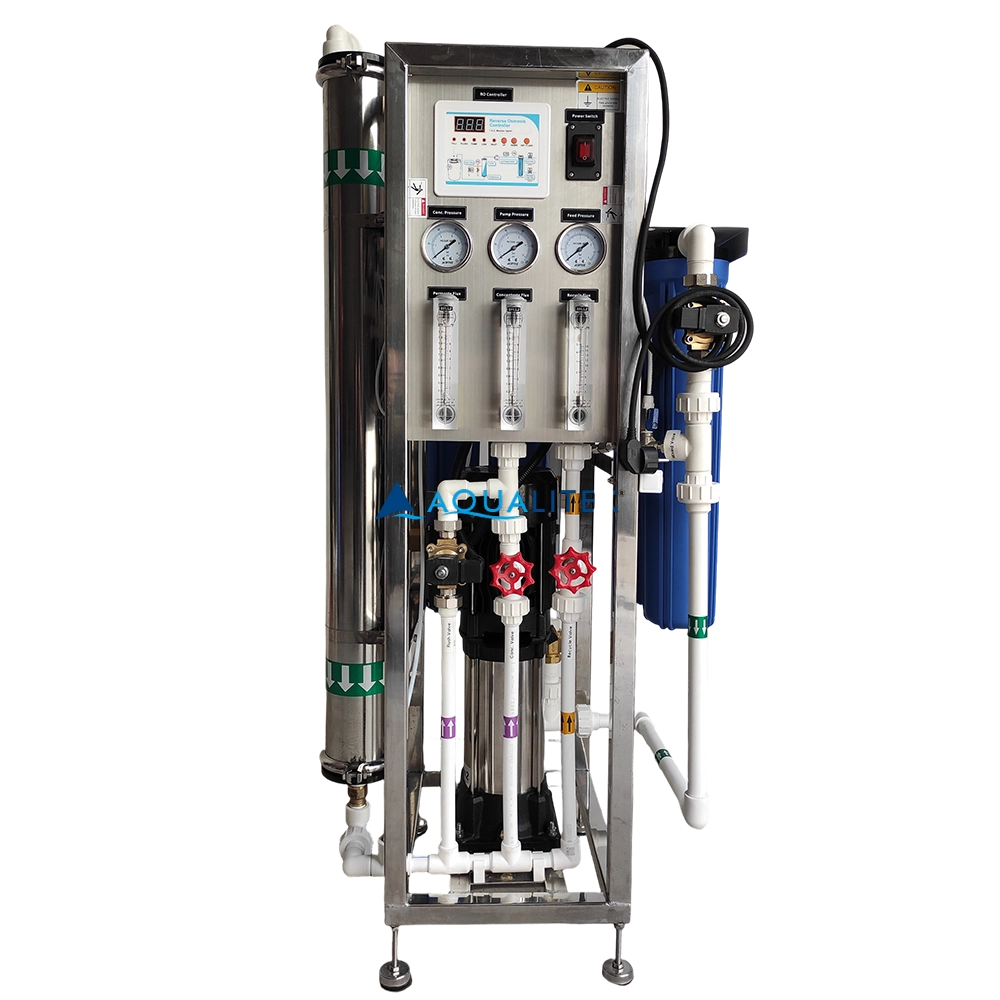
Our 500 LPH Reverse Osmosis (RO) System is engineered to provide high-quality purified water for commercial applications. Designed with advanced RO technology, durable components, and a user-friendly interface, this system ensures consistent performance, low maintenance, and long-term reliability.
With its compact design and robust skid-mounted frame, it’s an excellent choice for businesses that demand efficiency and quality in water purification.
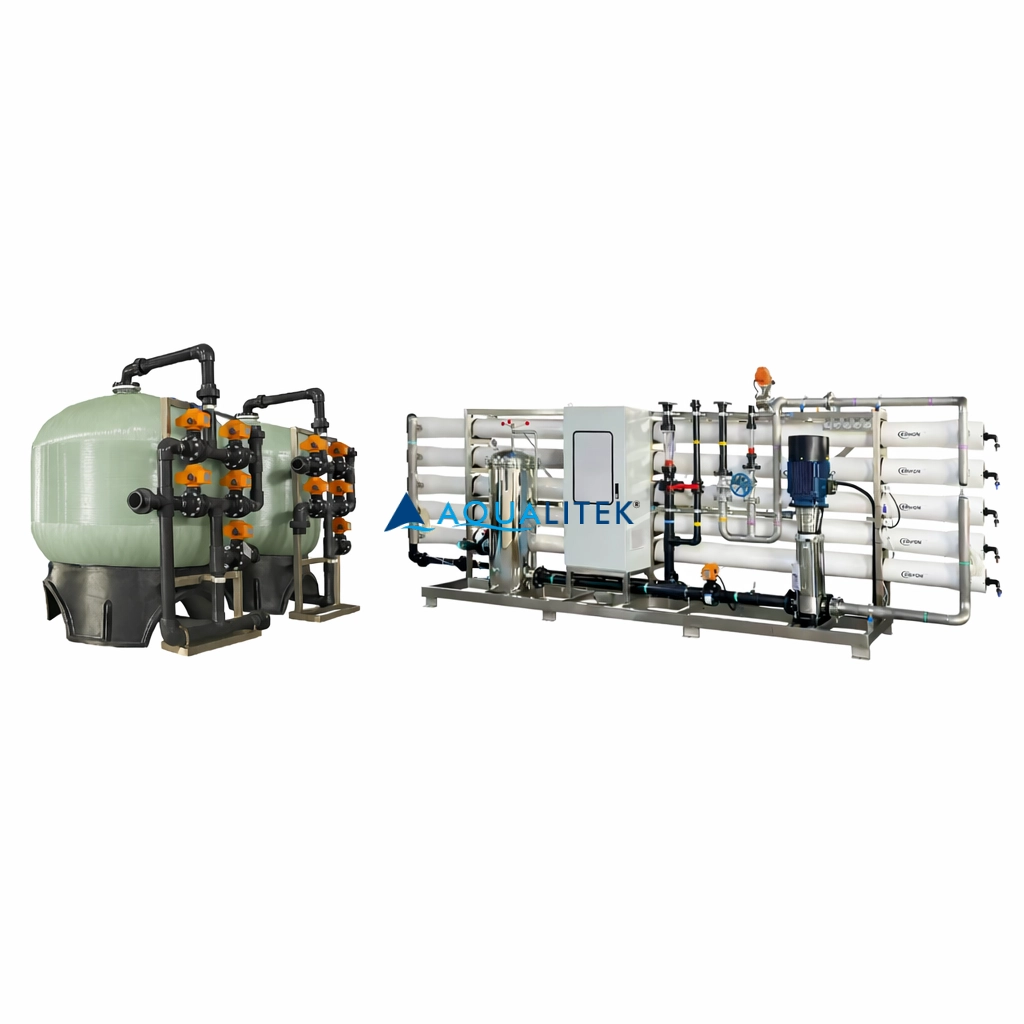
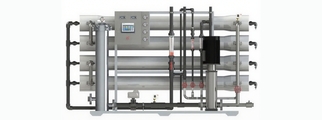
30TPH Industrial Reverse Osmosis (RO) System designed for industrial and municipal water treatment. High salt rejection, energy-efficient design, PLC control, and customizable configuration.
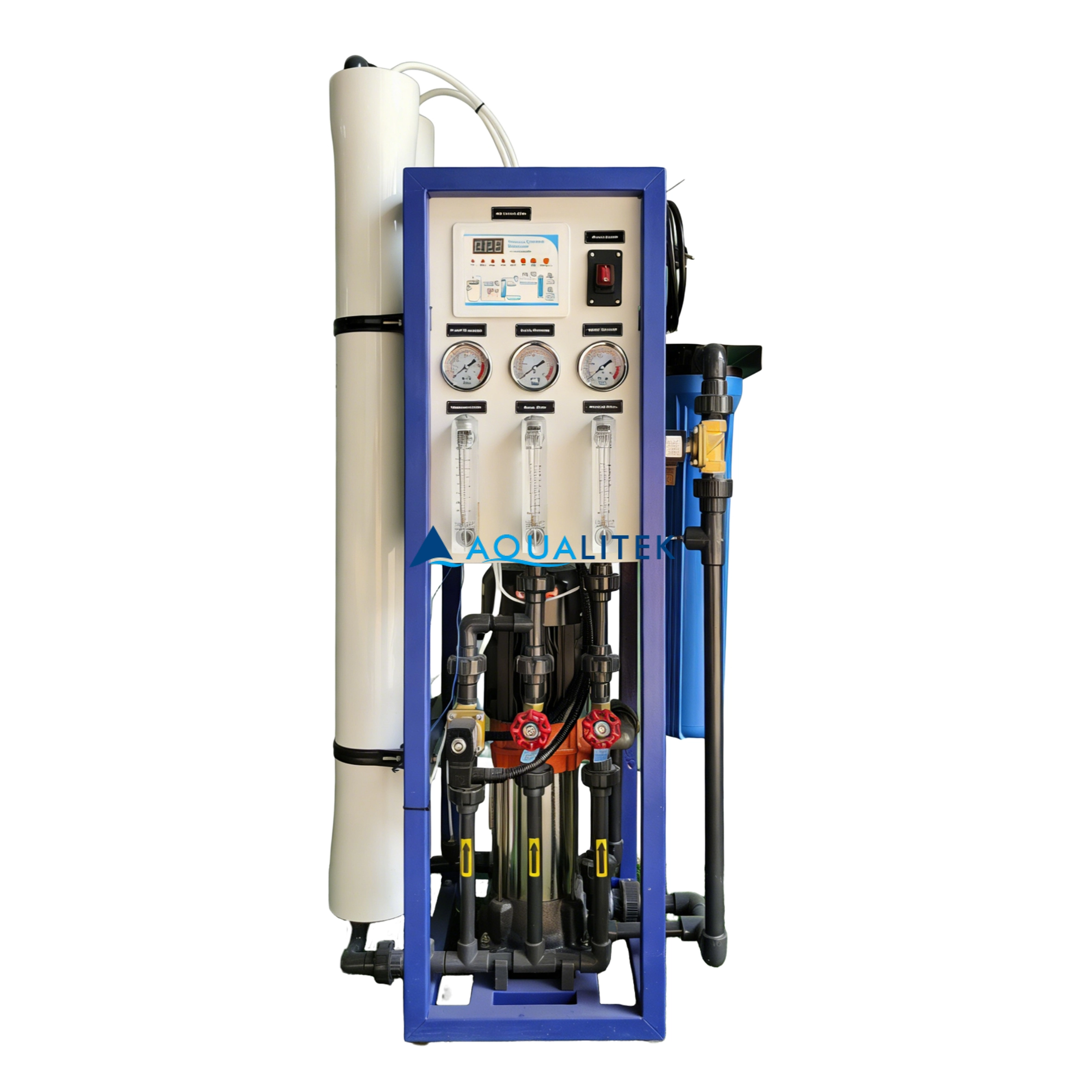
AQUALITEK's 500LPH Panel Mounted Reverse Osmosis Water Purification System delivers reliable 500 LPH RO water production. This compact industrial reverse osmosis unit is ideal for small scale industrial RO needs, ensuring efficient and high-quality purified water in a space-saving design.
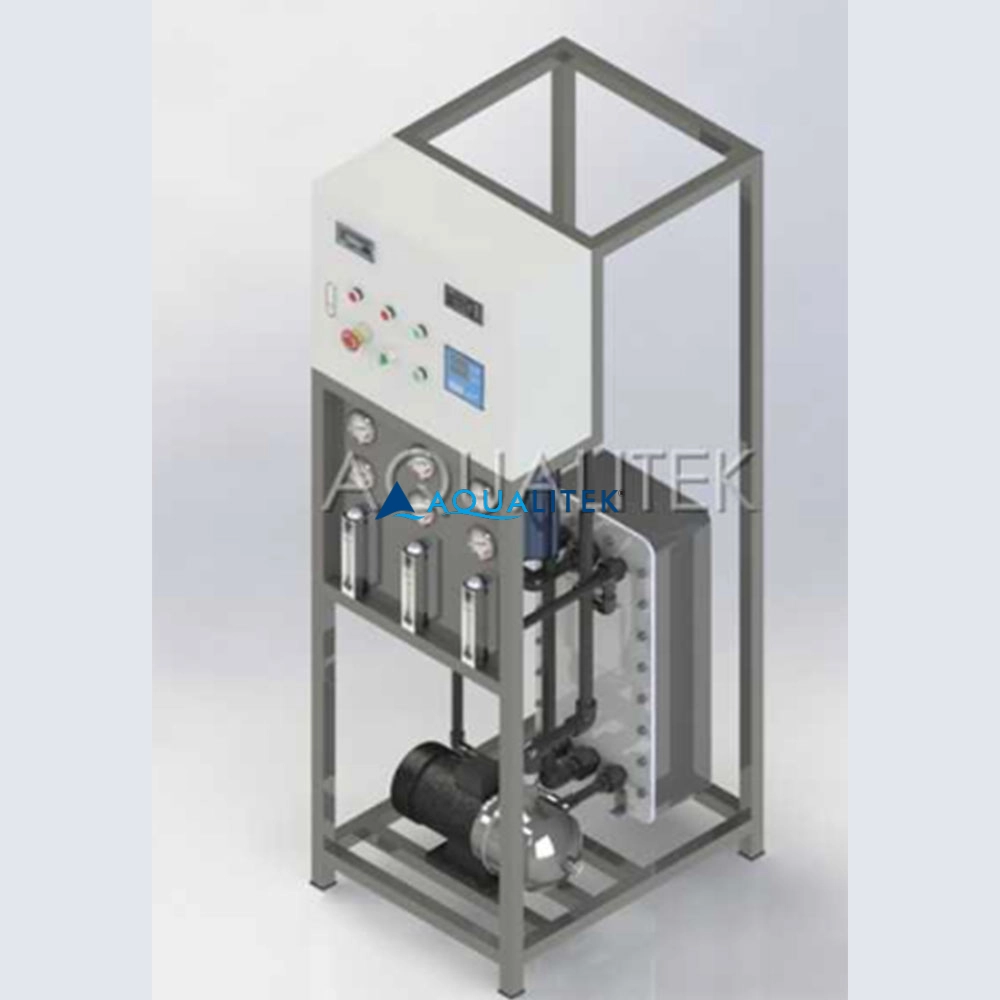
Electrodeionization (EDI) system is an advanced water purification technology that combines ion exchange and electrochemical processes to produce ultra-pure water. Unlike traditional deionization methods, which rely on chemical regeneration, EDI utilizes electric fields to drive the movement of ions through ion-exchange membranes, effectively removing dissolved salts and other ionic contaminants.
This process is continuous and does not require the use of chemicals for regeneration, making it an environmentally friendly and cost-effective solution for producing high-quality deionized water. EDI systems are widely used in applications requiring ultrapure water, such as in the pharmaceutical, semiconductor, power generation, and biotechnology industries, as well as for laboratory use.
By offering high-purity water without the need for chemical regeneration, EDI systems provide a sustainable, efficient, and reliable alternative to traditional deionization methods, making them an ideal choice for industries where water quality and process control are critical.
© 2026 AQUALITEK. All rights reserved.
AQUALITEK- Aimee Hoo
AQUALITEK - Aimee Hoo