




How Long Should an RO System Be Flushed After Replacing Pretreatment Filter Media?| Insights by AQUALITEK
After replacing pretreatment filter media such as activated carbon or multimedia filters, improper flushing can allow fines, air, or residual chemicals to enter the RO system and cause irreversible membrane damage. This Best-practice guide explains how long flushing should take, what standards must be met, and when it is safe to start the RO system.
- Why Flushing After Media Replacement Is Critical
- Recommended Flushing Time by Pretreatment Media Type
- 1. Activated Carbon Filters (Most Critical)
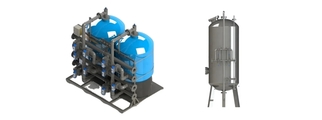
- 2. Multimedia / Sand Filters
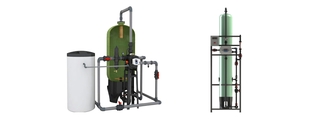
- 3. Softener Resin Replacement
- 4. Cartridge Filter Replacement (PP Filters)
- System-Level Flushing Requirements Before RO Startup
- Recommended Flushing Water Path
- What Happens If Flushing Time Is Too Short?
- Best Practice Summary
- Conclusion
Why Flushing After Media Replacement Is Critical
New pretreatment media often contain:
•Fine particles (carbon fines, sand dust)
•Trapped air
•Residual preservatives or processing chemicals
If these are not fully flushed out, they can:
•Plug cartridge filters
•Abrade RO membranes
•Cause sudden pressure drops
•Trigger fouling or premature cleaning
Flushing is therefore mandatory, not optional.
Recommended Flushing Time by Pretreatment Media Type
1. Activated Carbon Filters (Most Critical)
Minimum Flushing Time
•30–60 minutes of continuous flushing
•Or until effluent water is completely clear and odor-free
Key Acceptance Criteria
•No visible black carbon fines
•No turbidity spikes
•No carbon odor
•Stable differential pressure
Activated carbon requires the longest flushing time.
2. Multimedia / Sand Filters
Minimum Flushing Time
•20–30 minutes
•Until discharge water runs clear
Key Acceptance Criteria
•No visible sand or silt
•Stable backwash and rinse pressure
•No sudden pressure fluctuations
3. Softener Resin Replacement
Minimum Flushing Time
•15–30 minutes after regeneration
•Until:
No resin fines
No salty taste
Hardness at outlet is within design limits
4. Cartridge Filter Replacement (PP Filters)
Minimum Flushing Time
•5–10 minutes
•Or until:
No air bubbles
Stable pressure drop
System-Level Flushing Requirements Before RO Startup
Regardless of media type, RO startup is permitted only when all the following conditions are met:
✔ Effluent turbidity is stable and low
✔ No visible particles or fines
✔ No abnormal odor
✔ Pressure and flow are stable
✔ Cartridge filter differential pressure is normal
Recommended Flushing Water Path
•Flush pretreatment units to drain, not to RO
•Keep RO feed valve closed during flushing
•Only open RO feed after pretreatment water quality stabilizes
This prevents accidental membrane exposure.
What Happens If Flushing Time Is Too Short?
|
Risk |
Consequence |
|
Carbon fines |
Membrane surface abrasion |
|
Air pockets |
Flow channel blockage |
|
Residual chemicals |
Membrane oxidation |
|
Pressure instability |
Misdiagnosis of system performance |
Even a few minutes of unflushed water can cause lasting damage.
Best Practice Summary
✔ Activated carbon: 30–60 min
✔ Multimedia filters: 20–30 min
✔ Softener resin: 15–30 min
✔ Cartridge filters: 5–10 min
✔ Always flush to drain before RO startup
Conclusion
After replacing pretreatment filter media, the RO system should never be started immediately. Proper flushing—especially for activated carbon—is essential to remove fines, air, and residues. Only when water quality, pressure, and flow have stabilized should the RO system be brought online.
Correct flushing protects RO membranes and ensures long-term system reliability.


Request More Information or Expert Advice
Share a few details, and we’ll provide deeper insights, tailored suggestions, or product support.
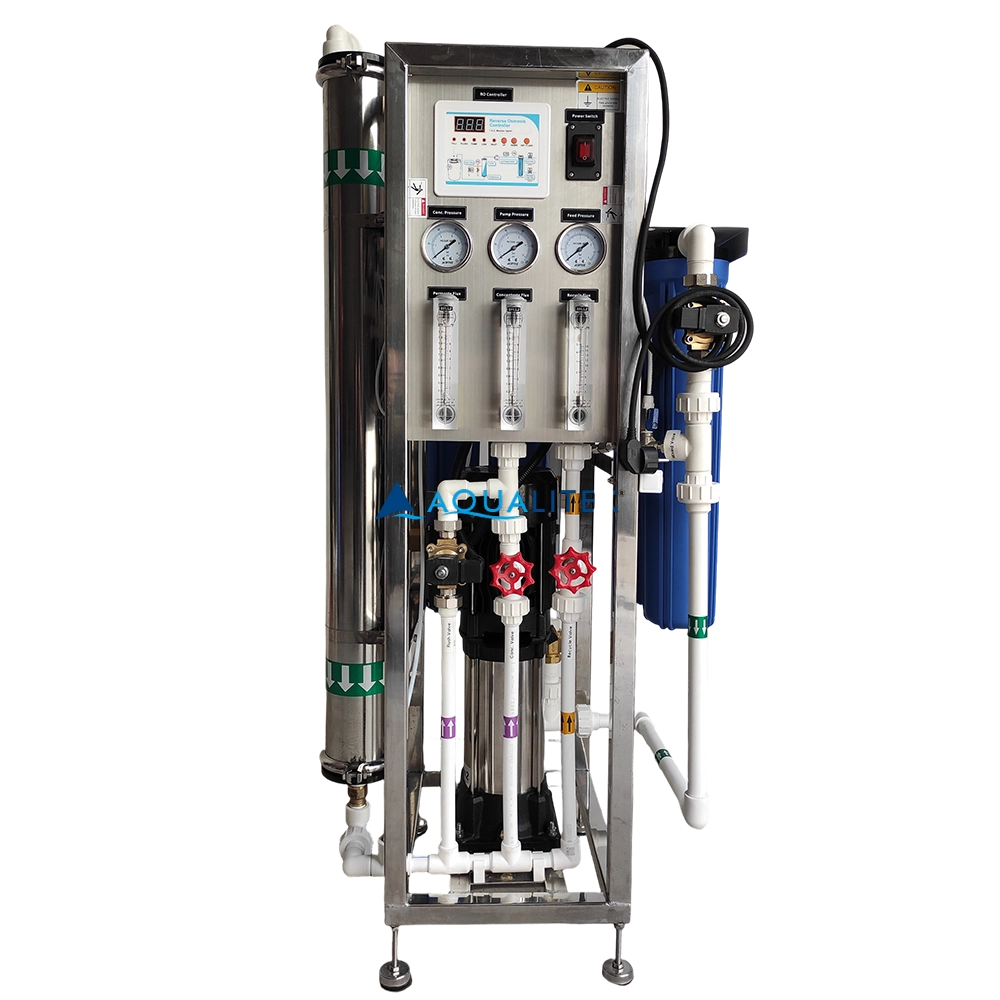
Our 500 LPH Reverse Osmosis (RO) System is engineered to provide high-quality purified water for commercial applications. Designed with advanced RO technology, durable components, and a user-friendly interface, this system ensures consistent performance, low maintenance, and long-term reliability.
With its compact design and robust skid-mounted frame, it’s an excellent choice for businesses that demand efficiency and quality in water purification.
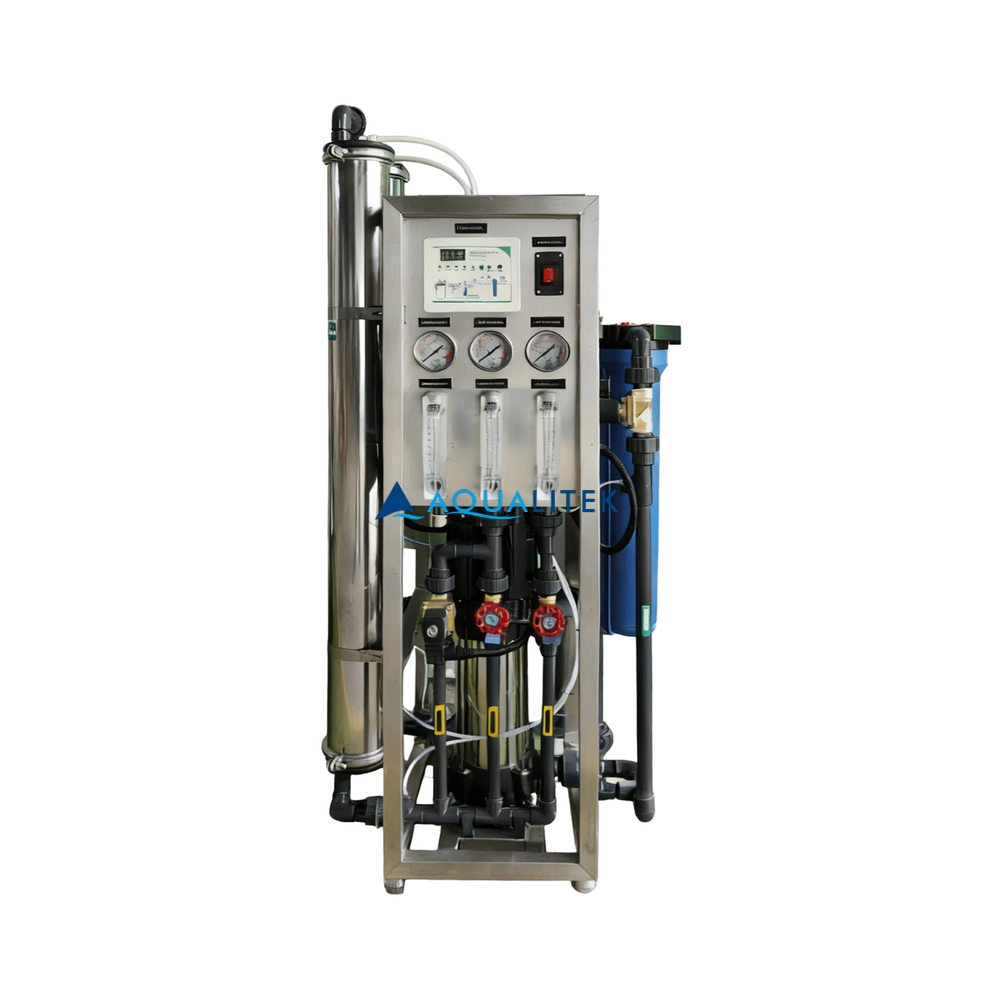
TWV series Reverse Osmosis (RO) systems are pre-engineered and pre-assembled units with 2.5”/4” membrane housings(single element type)for tap water(lower TDS).They are designed for overall superior performance, high recovery rates and offer great savings with low maintenance and operation costs.
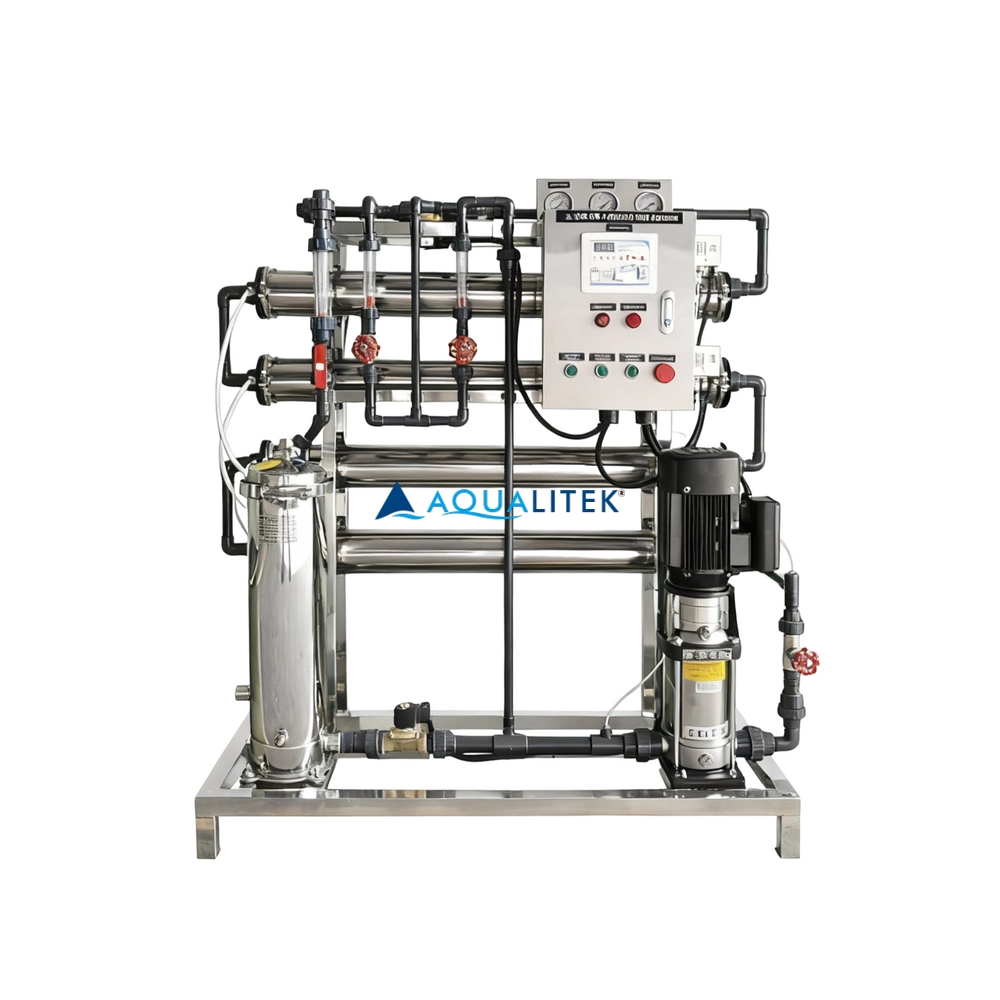
TWF series Reverse Osmosis (RO) systems are pre-engineered and pre-assembled units with 4” membrane housings(multiple elements type) for tap water(lower TDS) .The medium large volumes can help meet your a variety of commercial and industrial applications. They are designed for overall superior performance, high recovery rates and offer great savings with low maintenance and operation costs.
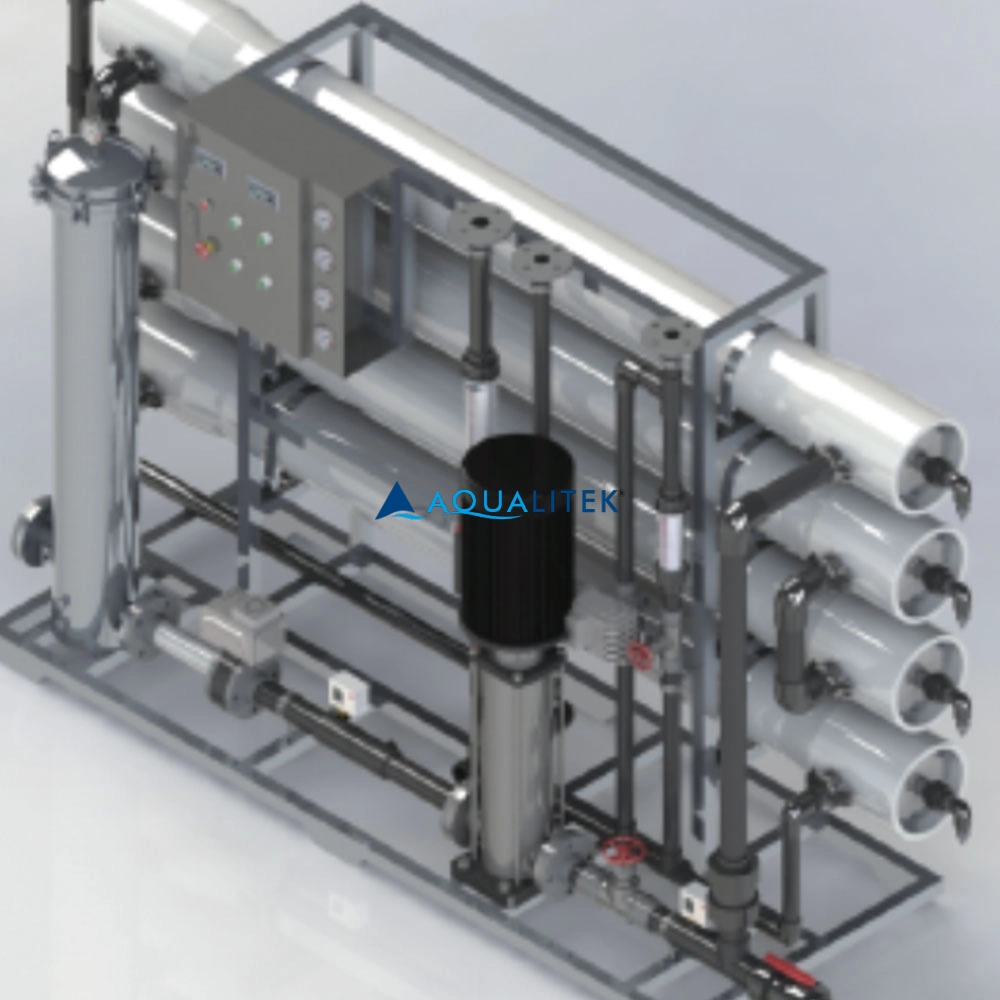
TWE series Reverse Osmosis (RO) systems are pre-engineered and pre-assembled units with 8” membrane housings for tap water (lower TDS). The large volumes can help meet your a variety of industrial applications. They are designed for overall superior performance, high recovery rates and offer great savings with low maintenance and operation costs.
© 2026 AQUALITEK. All rights reserved.
AQUALITEK- Aimee Hoo
AQUALITEK - Aimee Hoo