




9 Essential Benchmarks for Deionized Water Quality (2026 Guide)
This comprehensive 2026 guide details the 9 essential quality benchmarks for industrial deionized water systems, covering resistivity, TOC, and silica limits. It provides expert insights on ASTM standards, system maintenance, and procurement strategies to maximize ROI and ensure compliance in high-purity applications.
- Introduction
- What is a Deionized Water System?
- Key Takeaways: Deionized Water Essentials for 2026
- How the Ion Exchange Process Works: Cations and Anions
- Water Purity Standards: Understanding Type I, II, and III
- Industry Applications: Beyond the Laboratory
- Expert Tips: Preventing Common DI System Failures
- The 2026 Buyer’s Checklist: On-site vs. Portable Exchange
- The 9 Essential Benchmarks for DI Water Quality
- 1. Resistivity: The 18.2 Megohm Gold Standard
- 2. Total Organic Carbon (TOC)
- 3. Silica Concentration
- 4. Bacterial Count
- 5. Particulate Matter
- 6. Ion Leakage (Sodium Slip)
- 7. Dissolved Oxygen (DO)
- 8. Mixed-Bed Efficiency (Delta P)
- 9. Resin Regeneration Efficiency
- Conclusion
- Frequently Asked Questions (FAQ)
- Is deionized water safe to drink?
- What is the difference between deionized and distilled water?
- How long does DI resin last?
- Does deionization remove bacteria?
- Why is my DI water resistivity dropping?
- What is the resistivity of ultrapure water?
- Can I use deionized water in my car battery?
- How much does a deionized water system cost?
- References
Introduction
In the rapidly evolving landscape of 2026, maintaining ultra-pure water standards is no longer just a regulatory checkbox—it is a critical operational asset. Whether you are managing a semiconductor fab or a pharmaceutical compounder, the reliability of your deionizing water system directly impacts product yield and safety.
What is a Deionized Water System?
A deionized water system is a multi-stage purification process that utilizes synthetic ion-exchange resins to chemically remove ionized minerals and salts from feed water. By exchanging H+ and OH- ions for dissolved impurities, these systems produce highly purified water essential for laboratory and industrial use.
The Mechanics of Deionization:The core mechanism involves passing water through columns packed with resin beads. Unlike physical filtration, which traps suspended particles, a deionized water filtration system engages in a chemical exchange. This distinction is vital; a filter might catch a grain of sand, but only ion exchange can remove a dissolved calcium ion.
· Targeted Removal: Specifically targets dissolved solids (TDS) like sodium, calcium, iron, and copper.
· Purity Levels: Capable of reaching theoretical purity limits where water becomes an electrical insulator.
· Scalability: Systems range from small wall-mounted cartridges to massive industrial skids.

Key Takeaways: Deionized Water Essentials for 2026
· Deionized (DI) water systems use ion exchange to remove nearly all dissolved mineral salts, crucial for high-precision manufacturing.
· System selection depends on required resistivity, with 18.2 Megohm-cm remaining the gold standard for ultrapure water applications.
· Modern 2026 systems integrate IoT monitoring to prevent resin exhaustion before Total Dissolved Solids (TDS) spikes occur.
· DI is significantly more energy-efficient than distillation for high-volume industrial applications, supporting sustainability goals.
How the Ion Exchange Process Works: Cations and Anions
The ion exchange process functions by attracting charged contaminants to resin beads and swapping them for hydrogen and hydroxyl ions, which combine to form pure water molecules. This chemical swap occurs in separate or mixed beds to strip the water of positive and negative ions.
Deep Dive into Ion Exchange:Understanding the chemistry helps in troubleshooting water deionizer systems.
1. Cation Exchange: Positively charged ions (Cations) such as Calcium (Ca++), Magnesium (Mg++), and Sodium (Na+) are attracted to the cation resin beads. The resin releases Hydrogen (H+) ions in exchange.
2. Anion Exchange: Negatively charged ions (Anions) like Chlorides (Cl-), Sulfates (SO4--), and Carbonates (CO3--) are captured by anion resin. The resin releases Hydroxyl (OH-) ions.
3. Mixed Bed vs. Dual Bed:
o Dual Bed: Separate tanks for cation and anion resins. Good for general purpose use but may leave trace ions.
o Mixed Bed: Intimately mixed resins in a single tank. This acts like thousands of dual beds in series, producing the highest quality industrial deionized water system output.
4. Regeneration: When resin beads are full of contaminants, they are regenerated with acid (HCl) and caustic (NaOH) solutions to restore their H+ and OH- capacity.
Water Purity Standards: Understanding Type I, II, and III
Water purity standards classify water quality into three primary grades—Type I, II, and III—defined by specific resistivity, organic carbon, and bacterial limits. These classifications, set by organizations like ASTM, dictate which water deionization system configuration is required for your specific application.
ASTM D1193 & ISO 3696 Classifications:
· Type I (Ultrapure): The highest grade, critical for applications like HPLC, PCR, and semiconductor manufacturing. It requires a resistivity of 18.2 MΩ-cm at 25°C and typically cannot be stored; it must be produced on-demand to prevent contamination.
· Type II (Pure): Used for general laboratory applications such as buffer preparation, pH solutions, and microbiological media. It has lower resistivity requirements (>1.0 MΩ-cm) and is often produced by a reverse osmosis deionized water system.
· Type III (RO/Primary Grade): Typically produced by RO alone, used for glassware rinsing, autoclaves, and as feed water for Type I polishing systems.
· 2026 Compliance: Meeting current ASTM standards requires rigorous monitoring of Total Organic Carbon (TOC) and silica, not just resistivity.
Industry Applications: Beyond the Laboratory
Deionized water systems are essential across diverse industries, utilizing ion-free water to prevent scaling, corrosion, and product contamination in manufacturing processes. From automotive finishing to microelectronics, the absence of minerals ensures process stability and product integrity.
Sector-Specific Use Cases:
· Automotive and Finishing: Final spot-free rinses are mandatory for high-gloss paints. DI water prevents mineral deposits that ruin finishes and prevents scale buildup in cooling systems.
· Electronics Manufacturing: Microchips are washed with Type I water. Even a single sodium ion can cause a microscopic short in a circuit board, making high-quality water deionizer systems non-negotiable.
· Pharmaceuticals: Ingredient water must meet USP (United States Pharmacopeia) standards to ensure drug safety and stability.
· Aquariums and Hydroponics: Provides a perfectly neutral "blank slate," allowing precise control over nutrient addition without interference from tap water minerals.
Expert Tips: Preventing Common DI System Failures
Preventing DI system failure requires proactive monitoring of pre-treatment stages and regular analysis of resin performance to avoid breakthrough. Neglecting the upstream components often destroys the expensive downstream resin beds.
Maintenance Best Practices:
1. Monitor Pre-filtration: Chlorine destroys resin beads by oxidizing them. Ensure your carbon blocks are effective; if you smell chlorine after the carbon filter, your resin is at risk.
2. Avoid Channeling: Water takes the path of least resistance. If resin is not packed correctly, water flows through "channels," bypassing the beads and reducing capacity. Proper tank sizing is key.
3. Resin Fouling: Organic matter and silica can coat resin beads, blocking ion exchange sites. If you see a drop in capacity but resistivity looks okay initially, check for organic fouling.
4. Smart Monitoring: Upgrade to 2026-grade conductivity meters with automatic temperature compensation. Cold water reads differently than warm water; uncompensated readings lead to premature resin disposal.
The 2026 Buyer’s Checklist: On-site vs. Portable Exchange
Choosing between on-site regeneration equipment and a portable exchange service depends on your daily gallonage, available facility space, and environmental sustainability goals. A thorough ROI calculation is necessary to determine the most cost-effective approach for your specific volume.
Decision Matrix:
· Calculate Daily Gallonage: If you use under 500 gallons/day, portable exchange (SDI) is often cheaper. Above this, the ROI of an on-site regeneration system or a hybrid RO/DI system improves significantly. You should compare energy-efficient deionized water systems for large factories to see where the break-even point lies.
· Space Constraints: Modular wall-mounted units save floor space but have lower capacity. Large floor-standing skids require dedicated utility rooms.
· Environmental Impact: Portable exchange involves trucking heavy tanks back and forth (carbon footprint). On-site systems require handling acids and caustics but eliminate shipping. Many Commercial Reverse Osmosis (RO) systems for 2026 now act as eco-friendly pre-treatment to extend resin life.
· Future-Proofing: Buy a system with 20% more capacity than you currently need. Scaling up a deionized water filter system later is often more expensive than sizing up initially.
The 9 Essential Benchmarks for DI Water Quality
To ensure your system meets the rigorous demands of modern industry—from semiconductor fabrication to pharmaceutical compounding—you must monitor these nine specific metrics. In 2026, "clean" is defined by data, not just clarity.
1. Resistivity: The 18.2 Megohm Gold Standard
Benchmark: > 18.0 MΩ-cm at 25°C.Resistivity is the reciprocal of conductivity and the primary indicator of ionic purity. For critical applications like semiconductor manufacturing, the target is the theoretical limit of 18.2 MΩ-cm. Resistivity vs Conductivity monitoring is crucial here; while conductivity (measured in µS/cm) is useful for feed water, resistivity is the only precise metric for ultrapure water (UPW). A drop below 18 MΩ often signals the immediate need for resin regeneration.
2. Total Organic Carbon (TOC)
Benchmark: < 5 ppb (parts per billion) for Type I Water.Organic contaminants can interfere with sensitive enzymatic reactions and leave residues on silicon wafers. Total Organic Carbon (TOC) reduction is typically achieved using 185nm UV oxidation combined with polishing resins. For advanced semiconductor nodes, 2025/2026 ITRS guidelines push for limits as low as < 1.0 ppb to prevent defects.
3. Silica Concentration
Benchmark: < 1 ppb (reactive silica).Silica is often the first ion to break through an exhausted anion resin bed. In high-pressure steam turbines and industrial boilers, even trace silica can form hard, glass-like scale that destroys equipment. Monitoring for silica "breakthrough" is a mandatory safety protocol in power generation and wafer fabrication.
4. Bacterial Count
Benchmark: < 10 CFU/100ml (Type B/Strict Control).Biofilm is the enemy of any DI loop. Bacteria thrive in stagnant water. Modern pharmaceutical standards require strict control of Colony Forming Units (CFU). While general USP Purified Water limits are < 100 CFU/ml, high-purity ASTM Type A/B standards and WFI (Water For Injection) protocols demand < 10 CFU/100ml. Regular sanitization and constant recirculation (maintaining turbulent flow) are required to meet these biological standards.
5. Particulate Matter
Benchmark: Zero suspended solids > 0.22 microns.Using a 0.22-micron absolute final filter is standard practice to catch resin fines and bacteria. However, for nano-electronics, the benchmark is tightening. 2025 protocols often require ultrafiltration (UF) to remove particles down to 0.05 microns (50 nanometers) to prevent bridging in nanometer-scale circuitry.
6. Ion Leakage (Sodium Slip)
Benchmark: Detection of trace sodium before resistivity drops.Sodium is the most loosely held ion on a cation exchange resin. "Sodium slip" is the phenomenon where sodium ions are released into the effluent before the resistivity meter shows a significant drop. Advanced monitoring systems in 2026 use specific ion-selective electrodes (ISE) or online sodium analyzers to catch this early warning sign.
7. Dissolved Oxygen (DO)
Benchmark: < 5 ppb for Semiconductor/Aerospace.While not critical for washing glassware, Dissolved Oxygen is a major contaminant in microelectronics, causing uncontrolled oxidation on wafer surfaces. Vacuum degasification or membrane contactors (gas transfer membranes) are used to strip DO to sub-ppb levels in high-tech manufacturing.
8. Mixed-Bed Efficiency (Delta P)
Benchmark: Pressure drop < 15 psi (or 15% of baseline).Mixed-bed deionization efficiency isn't just about chemistry; it's about hydraulics. A rising pressure drop (Delta P) across the resin bed indicates channeling, compaction, or fouling by particulates. Keeping Delta P low ensures even water contact with the resin beads and prevents physical damage to the tank internals.
9. Resin Regeneration Efficiency
Benchmark: Water Recovery Rate > 95%.Sustainability is now a quality benchmark. Evaluating how much water and chemical regenerant is used to restore the resin's capacity is vital. Modern systems utilize "packed bed" technology to reduce wastewater volume by up to 40% compared to traditional fluidized beds, aligning with 2026 environmental sustainability goals.
Conclusion
Achieving the 9 essential benchmarks for deionized water quality is not a one-time setup but an ongoing process of monitoring and maintenance. As we move through 2026, the integration of smart analytics and sustainable resin technologies will define the next generation of deionized water systems. By adhering to these standards, facility managers can ensure process integrity, minimize downtime, and maximize the lifespan of their critical infrastructure.
Frequently Asked Questions (FAQ)
Is deionized water safe to drink?
No, DI water is not intended for human consumption as it lacks essential minerals and can be corrosive to metal pipes and tooth enamel.
What is the difference between deionized and distilled water?
Distillation uses heat to boil water and collect steam, whereas deionization uses a chemical ion-exchange process to remove minerals without heat.
How long does DI resin last?
Resin life depends on the Total Dissolved Solids (TDS) of the feed water and total volume used; typically, tanks are exchanged when resistivity drops below a set threshold.
Does deionization remove bacteria?
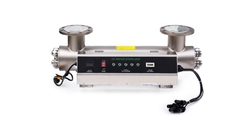
Standard DI systems do not reliably remove bacteria or pyrogens; UV sterilization or sub-micron filtration is required for biological purity.
Why is my DI water resistivity dropping?
This usually indicates resin exhaustion, channeling in the tank, or a failure in the pre-treatment stages like the RO membrane or carbon filter.
What is the resistivity of ultrapure water?
Ultrapure (Type I) water has a theoretical maximum resistivity of 18.2 Megohm-cm (MΩ-cm) at 25 degrees Celsius.
Can I use deionized water in my car battery?
Yes, DI water is ideal for lead-acid batteries as it prevents mineral buildup on the plates, extending battery life.
How much does a deionized water system cost?
Costs range from $500 for small lab units to over $50,000 for industrial-scale systems, excluding recurring resin regeneration or exchange costs.
References
· Global Deionized Water Systems Market Size & Trends 2025-2033


Request More Information or Expert Advice
Share a few details, and we’ll provide deeper insights, tailored suggestions, or product support.
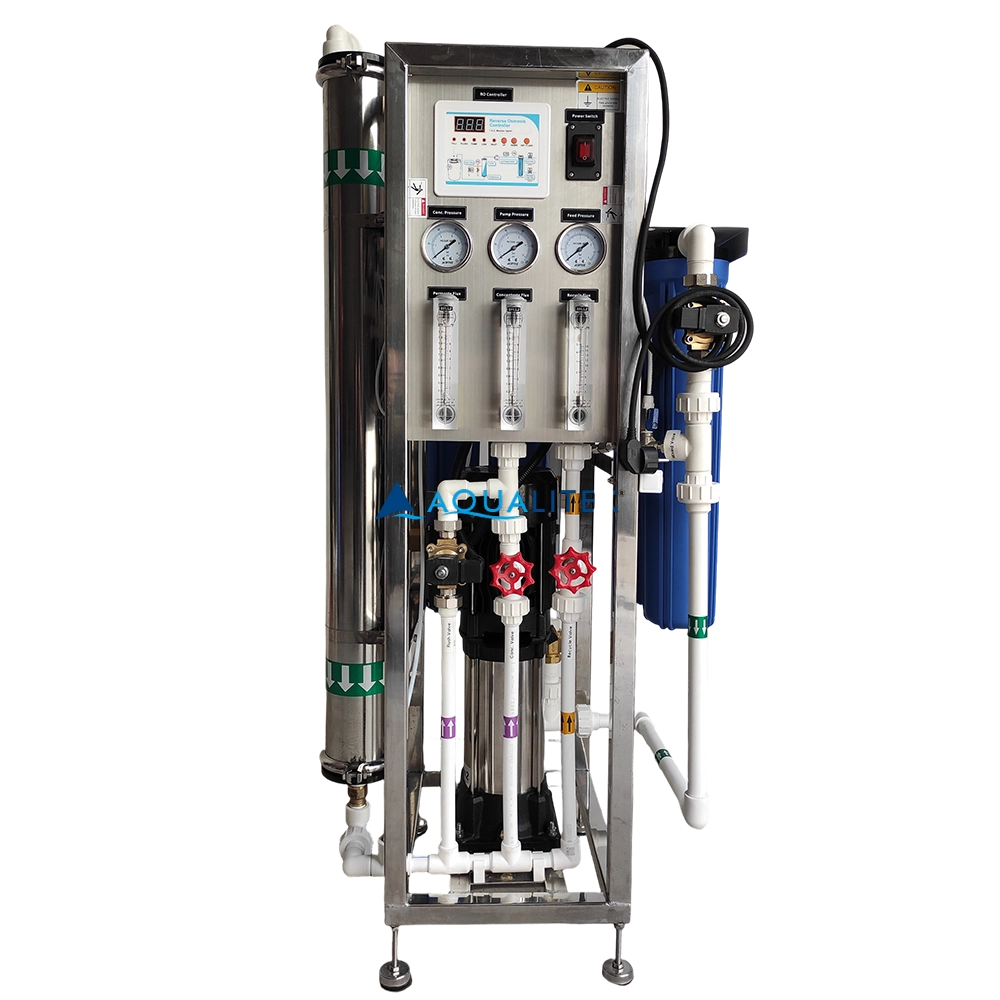
Our 500 LPH Reverse Osmosis (RO) System is engineered to provide high-quality purified water for commercial applications. Designed with advanced RO technology, durable components, and a user-friendly interface, this system ensures consistent performance, low maintenance, and long-term reliability.
With its compact design and robust skid-mounted frame, it’s an excellent choice for businesses that demand efficiency and quality in water purification.
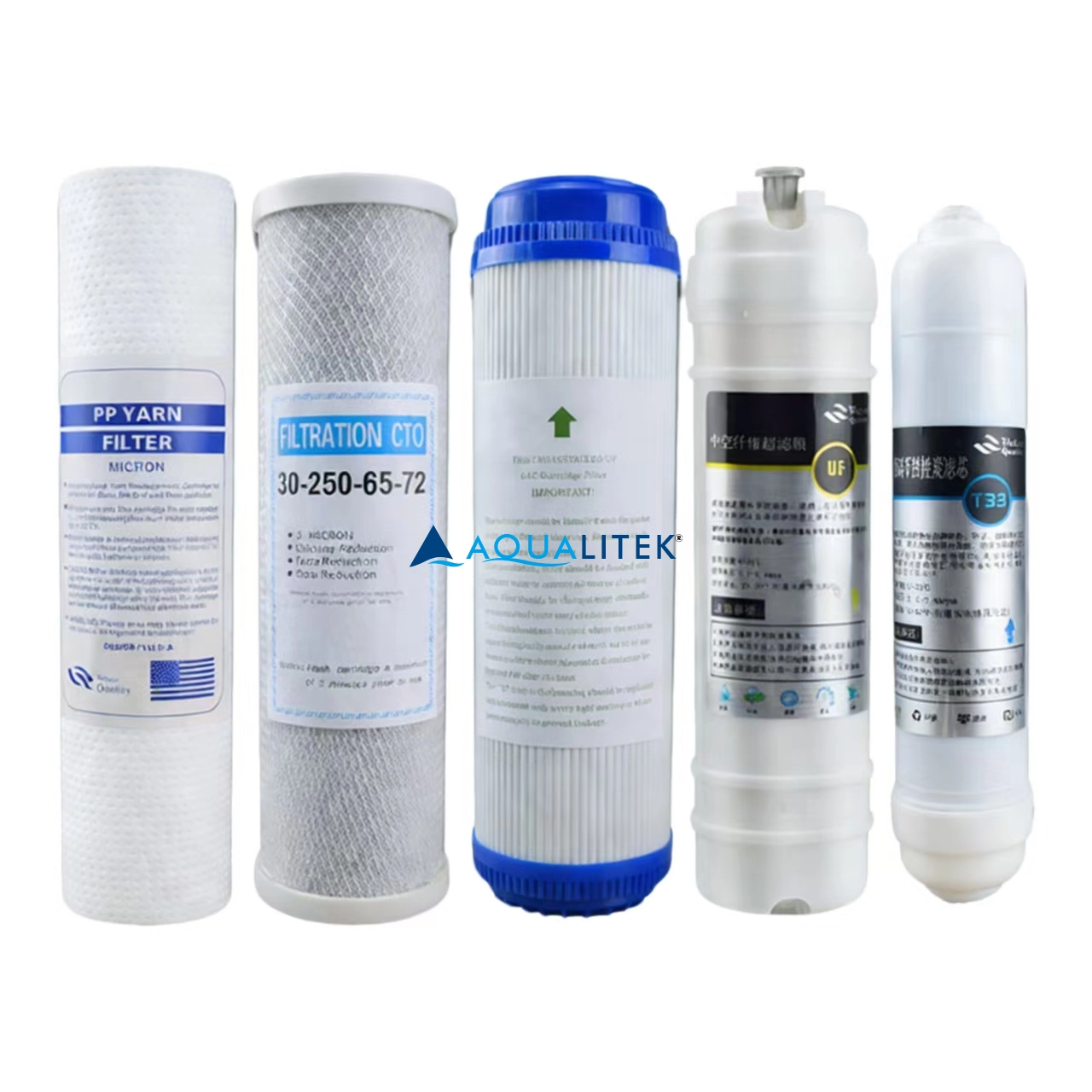
A water treatment filter cartridge is the core consumable component in water purification systems, designed to remove specific contaminants from water. Common types include: **PP Filter Cartridge** (trapping large particles like rust and sand), **Activated Carbon Filters** (adsorbing chlorine, odors, and organic chemicals), **Ultrafiltration (UF) Membranes** (blocking bacteria and viruses while retaining minerals), and **Reverse Osmosis (RO) Membranes** (removing nearly all impurities, including heavy metals and salts, to produce pure water). Choosing the right cartridge depends on your water quality and needs—RO for safest drinking water, UF for mineral retention, and carbon for taste improvement. **Crucially, all cartridges must be replaced regularly** (typically every 6–24 months) to maintain effectiveness and prevent bacterial growth.

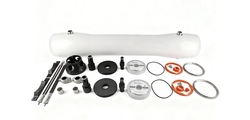
Cartridge filter housing is a critical component in liquid filtration systems, designed to securely hold and protect filter cartridges while allowing liquids to flow through the filter media. These housings are essential for industries that require reliable filtration solutions to remove contaminants from liquids, such as water treatment, pharmaceuticals, food and beverage processing, chemicals, and industrial applications.
Cartridge filter housings are typically constructed from durable materials like stainless steel, polypropylene, or fiber glass, providing excellent resistance to corrosion and ensuring long-term performance. They are available in a variety of configurations, including single or multi-cartridge designs, to accommodate different flow rates and filtration needs. These housings are engineered to securely seal the filter cartridges, preventing any bypass of unfiltered liquid, ensuring the integrity of the filtration process.
Designed for easy maintenance, cartridge filter housings offer the flexibility to replace or clean filter cartridges quickly, making them a convenient solution for systems requiring regular maintenance. Their efficiency and versatility make them ideal for applications where precise filtration is crucial for improving the quality of liquids, whether for industrial processes, potable water production, or high-purity applications.

Introduction to Manganese Sand Filter
Manganese Sand Filter (MSF) is an efficient water filtration system specifically designed to remove iron, manganese, and hydrogen sulfide from water.
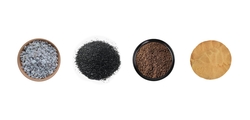
The filter utilizes a special manganese dioxide-coated sand media, which acts as an oxidizing agent to convert dissolved iron and manganese into solid particles, allowing them to be easily trapped and removed during the filtration process.
Manganese Sand Filters are commonly used in residential, commercial, and industrial water treatment applications where high levels of these contaminants are present. By improving water quality, preventing staining, and reducing unpleasant tastes and odors, Manganese Sand Filters provide a reliable and cost-effective solution for maintaining clean, clear, and safe water.
© 2026 AQUALITEK. All rights reserved.
AQUALITEK- Aimee Hoo
AQUALITEK - Aimee Hoo