




Can You Replace Only the Poor-Performing RO Membrane
Replacing only a poor-performing RO membrane may seem cost-effective, but it carries hidden operational risks. Learn when it’s acceptable, the risks involved, and best practices to avoid system imbalance.
- Introduction
- 1. Is It Technically Possible to Replace Only One RO Membrane?
- Short Answer: Yes, But With Conditions
- 2. Why Partial Membrane Replacement Is Risky
- 2.1 Performance Imbalance Within the Pressure Vessel
- 2.2 Increased Risk of Local Over-Recovery
- 2.3 Misleading Performance Data
- 2.4 Accelerated Degradation of Old Membranes
- 3. When Is Partial Membrane Replacement Acceptable?
- 4. Best Practices If Partial Replacement Is Unavoidable
- 4.1 Install the New Membrane in the Lead Position
- 4.2 Avoid Mixing Different Membrane Types
- 4.3 Reduce Operating Recovery Temporarily
- 4.4 Closely Monitor Key Parameters
- 5. When Full Replacement Is the Better Choice
- Conclusion
Introduction
In industrial RO system operation, membrane performance degradation is inevitable over time.
A common question from operators and plant managers is:
Can we replace only the poor-performing membrane instead of the entire membrane set?
From a cost perspective, partial replacement appears attractive.
However, RO systems are hydraulically and chemically balanced systems, and replacing a single membrane element can introduce unexpected risks.
This article explains when partial membrane replacement is possible, what risks it brings, and how to manage those risks properly.
1. Is It Technically Possible to Replace Only One RO Membrane?
Short Answer: Yes, But With Conditions
From a mechanical standpoint:
•RO membrane elements are modular
•Individual elements can be removed and replaced
However, from a system operation perspective, replacing only one membrane changes the internal balance of the pressure vessel and the entire array.
So the real question is not “Can you?”
It is “Should you?”
2. Why Partial Membrane Replacement Is Risky
2.1 Performance Imbalance Within the Pressure Vessel
A new membrane typically has:
•Higher permeability
•Higher salt rejection
•Lower fouling resistance initially
When installed alongside aged membranes:
•More flow passes through the new membrane
•Older membranes carry higher salt load
•Local recovery becomes uneven
This accelerates fouling and scaling on the older elements.
2.2 Increased Risk of Local Over-Recovery
Partial replacement often causes:
•Uneven flux distribution
•Excessive local recovery on downstream membranes
Consequences include:
•Scaling
•Concentration polarization
•Reduced membrane lifespan
This effect is especially severe in:
•High-recovery systems
•Seawater RO
•Systems with marginal pretreatment
2.3 Misleading Performance Data
After partial replacement:
•Overall system performance may appear improved
•Conductivity and flow readings become less representative
This can:
•Mask deterioration of remaining old membranes
•Delay necessary maintenance decisions
2.4 Accelerated Degradation of Old Membranes
The “new + old” combination often leads to:
•Higher differential pressure increase
•Faster fouling on old membranes
•Earlier need for another replacement
In many cases, the cost savings disappear within months.
3. When Is Partial Membrane Replacement Acceptable?
Partial replacement may be acceptable if all of the following conditions are met:
•The system has low overall recovery
•Only one element is physically damaged (e.g., oxidant attack, glue line failure)
•Remaining membranes are:
Similar age
Similar performance
Similar fouling history
•The replaced membrane is:
Same brand and model
Same salt rejection class
Same nominal flow
Even in these cases, performance monitoring must be intensified.
4. Best Practices If Partial Replacement Is Unavoidable
If full replacement is not feasible, follow these risk-reduction strategies:
4.1 Install the New Membrane in the Lead Position
•Reduces fouling stress on older membranes
•Minimizes local over-recovery downstream
4.2 Avoid Mixing Different Membrane Types
Never mix:
•Different manufacturers
•Different rejection rates
•Different membrane generations
4.3 Reduce Operating Recovery Temporarily
•Lower recovery by 5–10%
•Reduce concentration stress
•Allow system to re-stabilize
4.4 Closely Monitor Key Parameters
Track daily:
•Differential pressure
•Individual vessel flow (if available)
•Salt rejection trends
•Cleaning frequency changes
5. When Full Replacement Is the Better Choice
Full membrane replacement is strongly recommended when:
•Membranes are near end of life
•Fouling or scaling is widespread
•System recovery is high
•Water quality requirements are critical (electronics, pharma, boiler feed)
In these cases, partial replacement often results in:
•Shortened membrane life
•Higher operating cost
•Increased risk of unplanned shutdowns
Conclusion
While replacing only a poor-performing RO membrane is technically possible, it is rarely the optimal long-term solution.
The risks include:
•Hydraulic imbalance
•Accelerated fouling
•Misleading system data
•Reduced overall membrane lifespan
For most industrial RO systems, strategic full replacement or staged vessel-level replacement provides better reliability and lower lifecycle cost.


Request More Information or Expert Advice
Share a few details, and we’ll provide deeper insights, tailored suggestions, or product support.
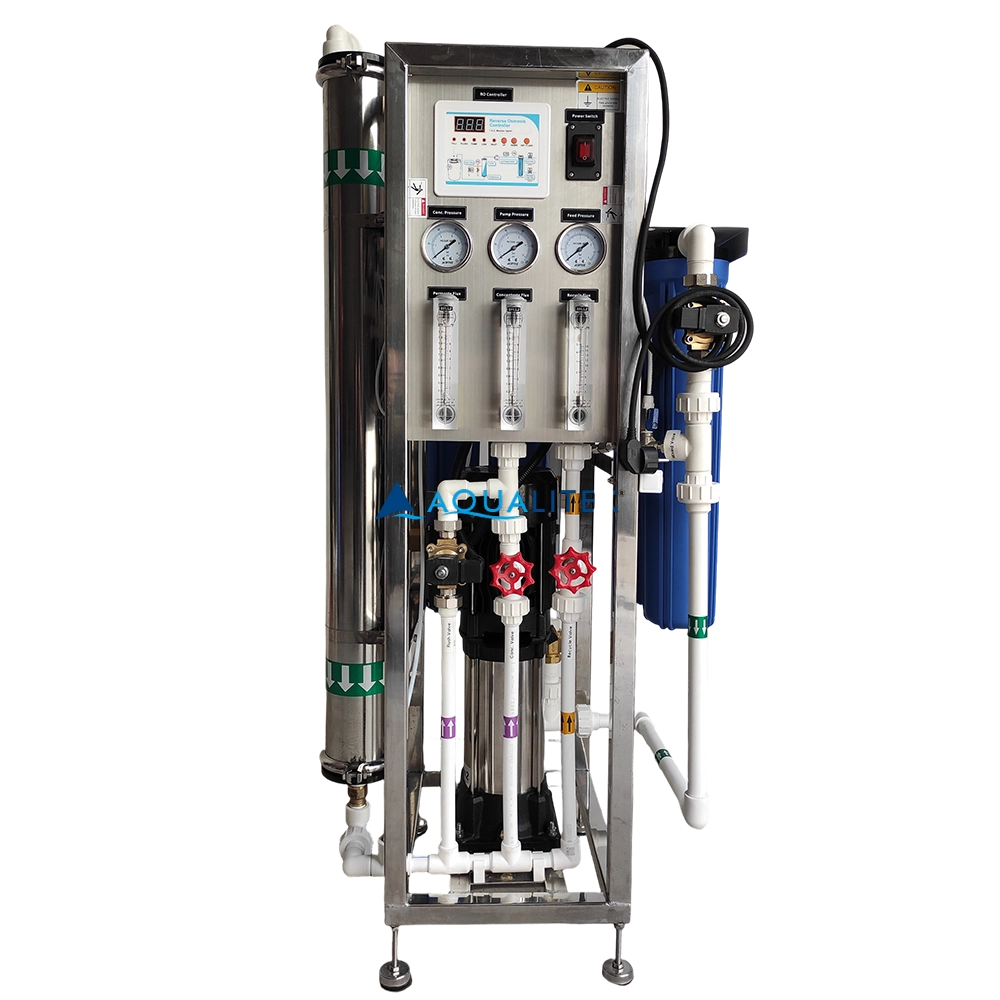
Our 500 LPH Reverse Osmosis (RO) System is engineered to provide high-quality purified water for commercial applications. Designed with advanced RO technology, durable components, and a user-friendly interface, this system ensures consistent performance, low maintenance, and long-term reliability.
With its compact design and robust skid-mounted frame, it’s an excellent choice for businesses that demand efficiency and quality in water purification.
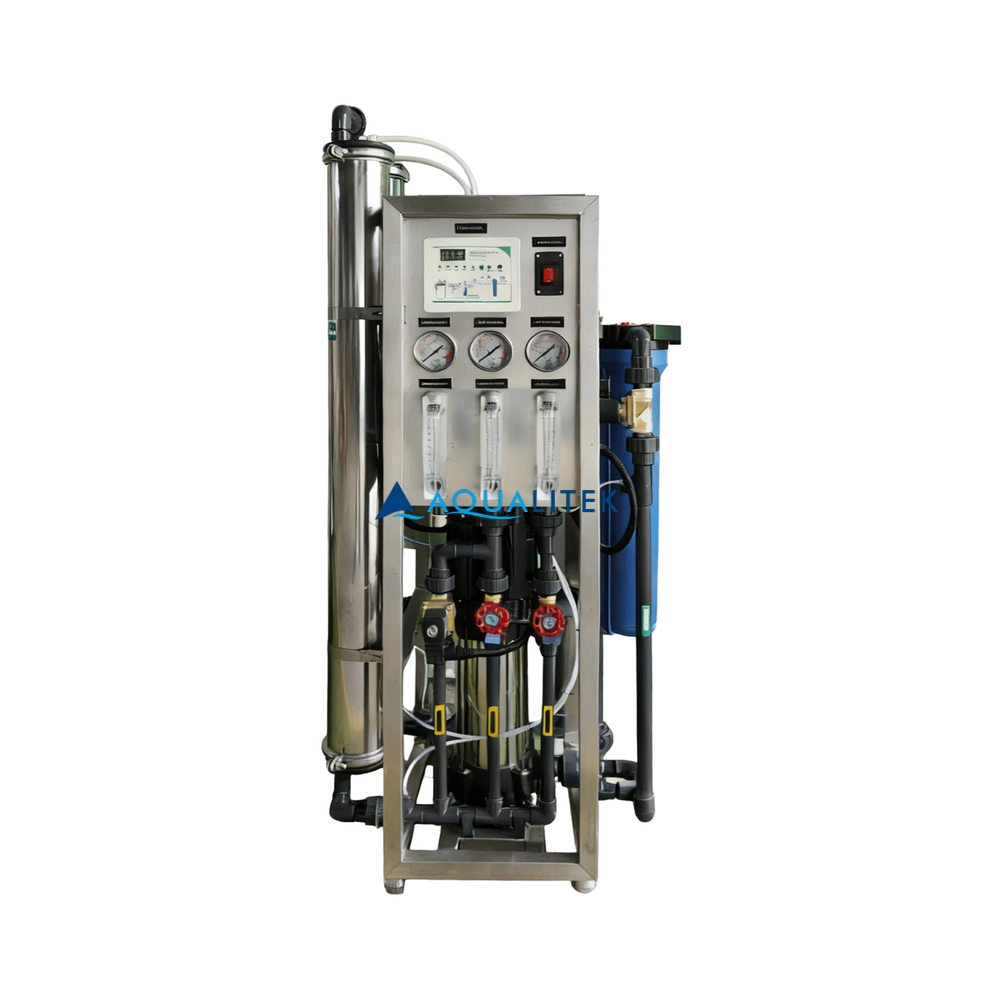
TWV series Reverse Osmosis (RO) systems are pre-engineered and pre-assembled units with 2.5”/4” membrane housings(single element type)for tap water(lower TDS).They are designed for overall superior performance, high recovery rates and offer great savings with low maintenance and operation costs.
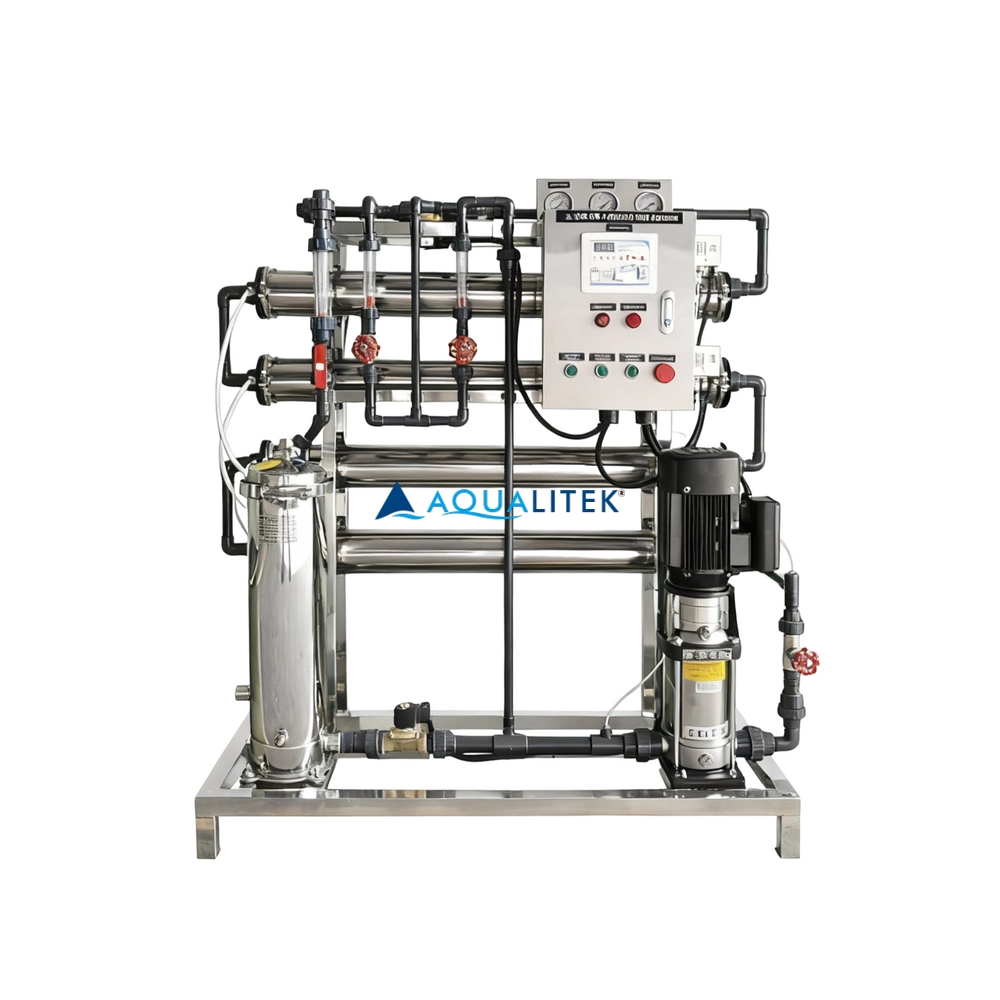
TWF series Reverse Osmosis (RO) systems are pre-engineered and pre-assembled units with 4” membrane housings(multiple elements type) for tap water(lower TDS) .The medium large volumes can help meet your a variety of commercial and industrial applications. They are designed for overall superior performance, high recovery rates and offer great savings with low maintenance and operation costs.

TWE series Reverse Osmosis (RO) systems are pre-engineered and pre-assembled units with 8” membrane housings for tap water (lower TDS). The large volumes can help meet your a variety of industrial applications. They are designed for overall superior performance, high recovery rates and offer great savings with low maintenance and operation costs.
© 2026 AQUALITEK. All rights reserved.
AQUALITEK- Aimee Hoo
AQUALITEK - Aimee Hoo