




Seawater RO vs. Brackish Water RO: Key Design Differences You Must Understand| Insights by AQUALITEK
Seawater RO systems differ fundamentally from brackish water RO systems in pressure, membranes, pretreatment, materials, and energy consumption. Learn the key design differences and selection principles.
- Introduction
- 1. Feed Water Salinity and Osmotic Pressure
- Seawater RO (SWRO)
- Brackish Water RO (BWRO)
- 2. Operating Pressure and Pump Design
- 3. RO Membrane Type and Configuration
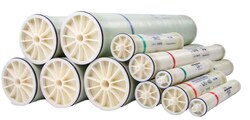
- SWRO Membranes
- BWRO Membranes
- 4. Recovery Rate Design
- 5. Pretreatment System Requirements
- SWRO Pretreatment (Much More Stringent)
- BWRO Pretreatment
- 6. Materials of Construction
- 7. Energy Consumption and Energy Recovery
- 8. System Complexity and Automation Level
- 9. Cost Structure Differences
- SWRO
- BWRO
- 10. Typical Application Scenarios
- Conclusion
Introduction
Reverse osmosis (RO) technology is widely used for both seawater desalination and brackish water treatment, but these two systems are not interchangeable.
Although they share the same basic separation principle, the design philosophy, operating conditions, and engineering challenges are fundamentally different.
Understanding these differences is critical for:
•Correct system design
•Reliable long-term operation
•Accurate cost estimation
•Avoiding catastrophic membrane or equipment failure
This article provides a best-practice comparison of seawater RO (SWRO) and brackish water RO (BWRO) from a design and engineering perspective.
1. Feed Water Salinity and Osmotic Pressure
Seawater RO (SWRO)
•Typical TDS: <45,000 ppm
•Extremely high osmotic pressure
•Requires very high operating pressure to overcome osmotic resistance
Brackish Water RO (BWRO)
•Typical TDS: <10,000 ppm
•Much lower osmotic pressure
•Moderate operating pressure sufficient
This single difference drives most downstream design variations.
2. Operating Pressure and Pump Design
|
Parameter |
SWRO |
BWRO |
|
Operating pressure |
55–70 bar (800–1,000 psi) |
10–25 bar (150–350 psi) |
|
Pump type |
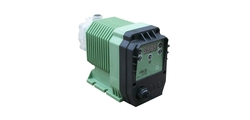
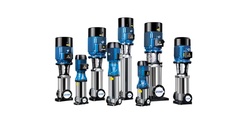
Seawater high-pressure pump |
Standard high-pressure pump |
|
Materials |
Duplex / super duplex stainless steel |
SS304 / SS316 |
SWRO pumps must handle:
•Extreme pressure
•Corrosive chloride environments
•Continuous heavy-duty operation
3. RO Membrane Type and Configuration
SWRO Membranes
•Designed for ultra-high salinity
•Lower water permeability
•Higher salt rejection (>99.7%)
•Smaller effective membrane pore structure
BWRO Membranes
•Higher permeability
•Lower pressure requirement
•Optimized for energy efficiency
BWRO membranes cannot be used in seawater systems, while SWRO membranes used for brackish water are often inefficient and costly.
4. Recovery Rate Design
|
Aspect |
SWRO |
BWRO |
|
Single-pass recovery |
35–45% |
65–85% |
|
Scaling risk |
Very high |
Moderate |
|
Concentrate salinity |
Extremely high |
Manageable |
Because seawater is already near salt saturation:
•Recovery must be limited
•Multi-stage arrays are carefully balanced
5. Pretreatment System Requirements
SWRO Pretreatment (Much More Stringent)
•Multimedia filtration
•Ultrafiltration (often mandatory)
•Strict SDI control (≤3)
•Algae, biofouling, and colloidal control
BWRO Pretreatment
•Depends on source water (groundwater / surface water)
•Often simpler filtration
•Lower biological load in many cases
Pretreatment failure in SWRO systems leads to rapid, irreversible membrane fouling.
6. Materials of Construction
SWRO systems require:
•Duplex stainless steel
•Super duplex stainless steel
•Titanium or special coatings in extreme cases
BWRO systems commonly use:
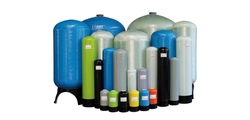
•FRP
•PVC / UPVC
•SS304 / SS316
This significantly impacts capital cost and maintenance strategy.
7. Energy Consumption and Energy Recovery
|
Parameter |
SWRO |
BWRO |
|
Energy consumption |
3.5–5.0 kWh/m³ |
0.8–2.0 kWh/m³ |
|
Energy recovery devices |
Mandatory |
Rarely needed |
SWRO systems almost always incorporate:
•Isobaric energy recovery devices (ERD)
•Pressure exchangers
Without ERDs, SWRO would be economically impractical.
8. System Complexity and Automation Level
SWRO systems generally require:
•Higher automation
•Tighter control logic
•Advanced monitoring instruments
•Redundancy in critical equipment
BWRO systems are:
•Simpler
•More flexible
•Lower risk in operational deviations
9. Cost Structure Differences
SWRO
•Higher CAPEX
•Higher design complexity
•Higher material cost
•Higher energy cost (even with ERD)
BWRO
•Lower capital investment
•Lower operating cost
•Faster return on investment
10. Typical Application Scenarios
Seawater RO
•Coastal cities
•Islands
•Offshore platforms
•Arid regions without freshwater sources
Brackish Water RO
•Industrial water supply
•Boiler feed pretreatment
•Groundwater desalination
•Inland water reuse
Conclusion
Although both systems use RO technology, seawater desalination RO and brackish water RO are fundamentally different systems.
Key differences lie in:
•Salinity and osmotic pressure
•Operating pressure
•Membrane selection
•Pretreatment rigor
•Materials and corrosion control
•Energy recovery integration
Correctly distinguishing these differences is essential for safe design, stable operation, and long-term cost control.



Request More Information or Expert Advice
Share a few details, and we’ll provide deeper insights, tailored suggestions, or product support.
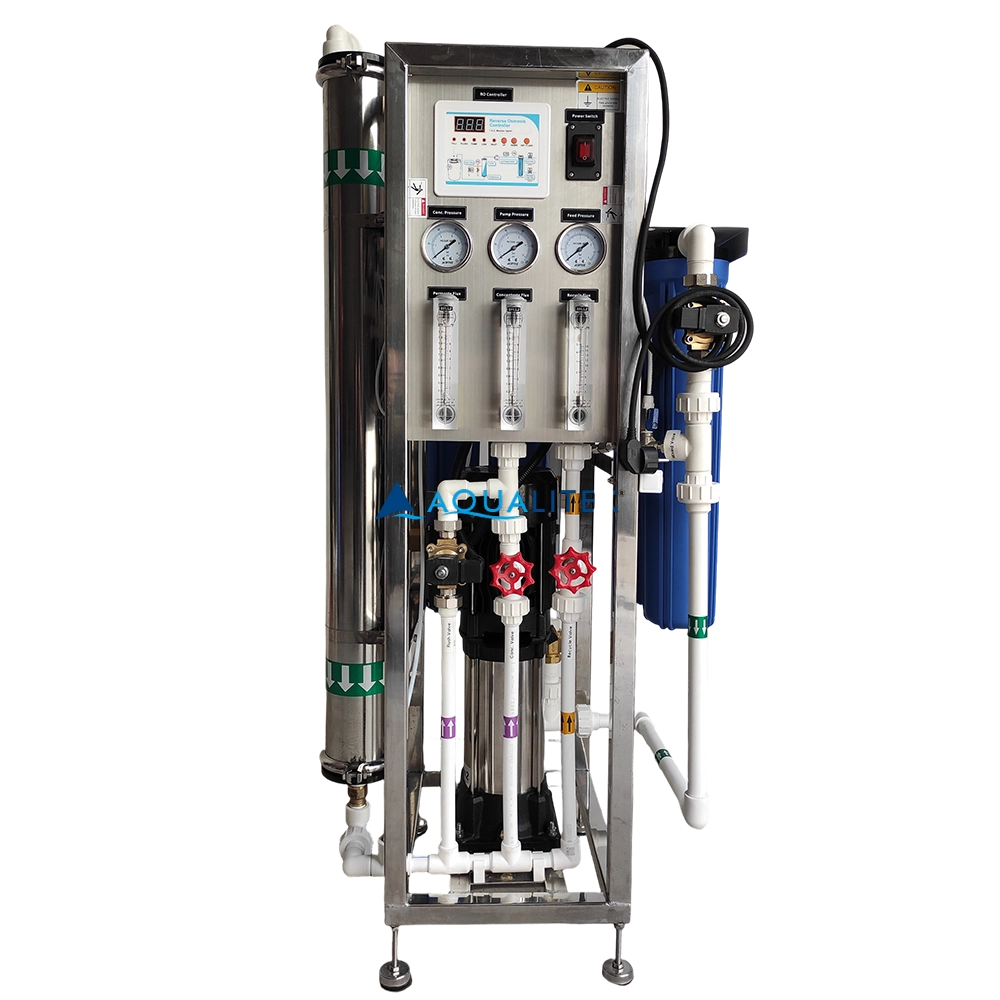
Our 500 LPH Reverse Osmosis (RO) System is engineered to provide high-quality purified water for commercial applications. Designed with advanced RO technology, durable components, and a user-friendly interface, this system ensures consistent performance, low maintenance, and long-term reliability.
With its compact design and robust skid-mounted frame, it’s an excellent choice for businesses that demand efficiency and quality in water purification.
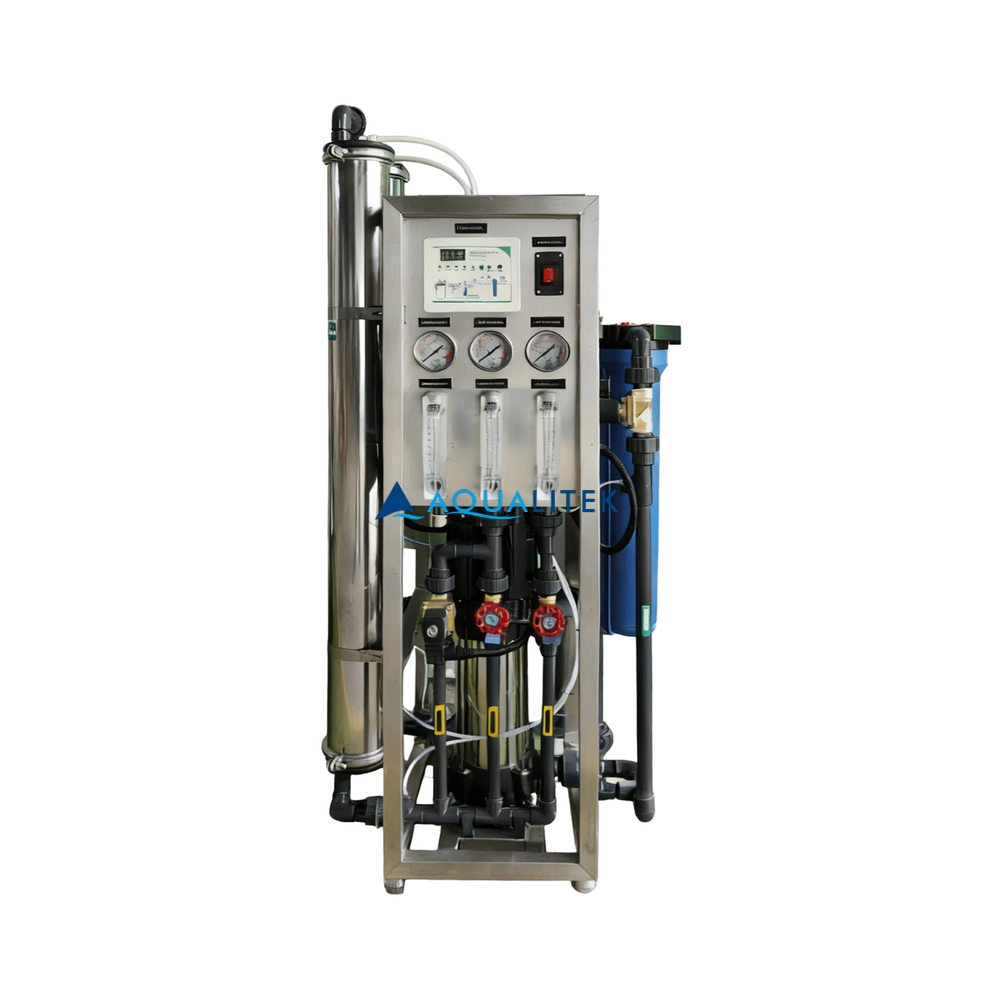
TWV series Reverse Osmosis (RO) systems are pre-engineered and pre-assembled units with 2.5”/4” membrane housings(single element type)for tap water(lower TDS).They are designed for overall superior performance, high recovery rates and offer great savings with low maintenance and operation costs.
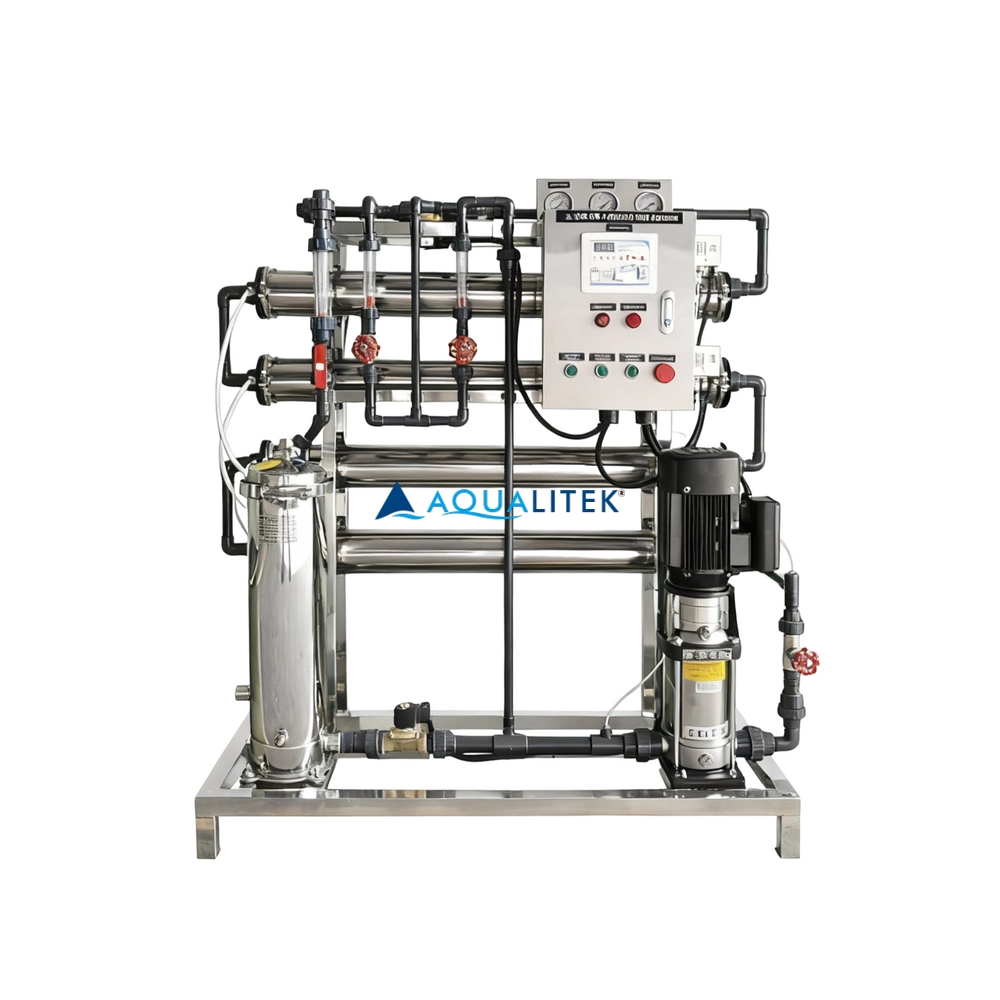
TWF series Reverse Osmosis (RO) systems are pre-engineered and pre-assembled units with 4” membrane housings(multiple elements type) for tap water(lower TDS) .The medium large volumes can help meet your a variety of commercial and industrial applications. They are designed for overall superior performance, high recovery rates and offer great savings with low maintenance and operation costs.

TWE series Reverse Osmosis (RO) systems are pre-engineered and pre-assembled units with 8” membrane housings for tap water (lower TDS). The large volumes can help meet your a variety of industrial applications. They are designed for overall superior performance, high recovery rates and offer great savings with low maintenance and operation costs.
© 2026 AQUALITEK. All rights reserved.
AQUALITEK- Aimee Hoo
AQUALITEK - Aimee Hoo