




What Efficiency Does Operating Current Directly Measure?| Insights by AQUALITEK
Operating current is one of the most commonly monitored parameters in industrial equipment and RO systems. But what efficiency does it actually represent? This Best-practice guide clearly explains what operating current directly reflects, what it does not measure, and how operators should correctly interpret current data in daily operation.
- Understanding Operating Current
- Direct Answer: What Efficiency Does Operating Current Measure?
- What Operating Current Directly Indicates
- 1. Motor Load Efficiency (Primary Meaning)
- 2. Energy Consumption Efficiency (kWh per Output)
- 3. Hydraulic Efficiency (Indirect but Strongly Related)
- What Operating Current Does NOT Directly Measure
- Why Operating Current Is a Critical Efficiency Indicator
- 1. Early Warning of System Problems
- 2. Real-Time Equipment Health Indicator
- 3. Baseline Comparison Tool
- Typical Interpretation in an RO System
- Best Practices for Using Operating Current as an Efficiency Metric
- Common Misunderstandings
- Conclusion
Understanding Operating Current
Operating current refers to the electrical current drawn by equipment—such as:
•High-pressure pumps
•Booster pumps
•Motors
•Blowers
•Dosing pumps
It is typically displayed in amperes (A) and monitored continuously by the control system.
Direct Answer: What Efficiency Does Operating Current Measure?
Operating current directly reflects electrical-to-mechanical energy efficiency, not water treatment efficiency.
In practical terms, operating current measures:
How efficiently electrical energy is being converted into mechanical work under the current load.
What Operating Current Directly Indicates
1. Motor Load Efficiency (Primary Meaning)
Operating current is directly proportional to:
•Motor load
•Mechanical resistance
•Shaft power demand
Higher current = higher load or lower efficiency
If the same equipment suddenly draws more current:
•Mechanical resistance has increased
•Efficiency has decreased
2. Energy Consumption Efficiency (kWh per Output)
Although current alone is not energy consumption, it is a key component of power:
Power(kW)=Voltage×Current×PowerFactorPower (kW) = Voltage × Current × Power FactorPower(kW)=Voltage×Current×PowerFactor
At constant voltage:
•Higher current → higher energy consumption
•Lower current → better energy efficiency
Thus, current is a direct real-time indicator of energy efficiency trends.
3. Hydraulic Efficiency (Indirect but Strongly Related)
In pump-driven systems (like RO):
•Increased fouling
•Higher pressure loss
•Flow restrictions
→ Increase pump load
→ Increase operating current
So rising current often signals declining hydraulic efficiency.
What Operating Current Does NOT Directly Measure
❌ Water production efficiency
❌ Membrane salt rejection
❌ System recovery rate
❌ Water quality performance
These require flow, pressure, and conductivity data, not current alone.
Why Operating Current Is a Critical Efficiency Indicator
1. Early Warning of System Problems
A gradual current increase may indicate:
•Membrane fouling or scaling
•Pipeline blockage
•Bearing wear
•Misalignment
Current often rises before visible performance loss occurs.
2. Real-Time Equipment Health Indicator
Unlike flow or conductivity:
•Current responds instantly to load changes
•Provides immediate feedback
•Requires no chemical sensors
This makes it one of the most reliable online indicators.
3. Baseline Comparison Tool
By comparing:
•Current at commissioning
•Current during normal operation
Operators can quickly judge whether efficiency has degraded.
Typical Interpretation in an RO System
|
Current Change |
Likely Efficiency Impact |
|
Gradual increase |
Fouling or hydraulic loss |
|
Sudden spike |
Mechanical issue or blockage |
|
Sudden drop |
Cavitation, air ingress, or flow loss |
|
Stable current |
Stable system efficiency |
Best Practices for Using Operating Current as an Efficiency Metric
✔ Always compare current with pressure and flow
✔ Track long-term current trends
✔ Set alarm thresholds based on baseline values
✔ Do not judge membrane performance by current alone
✔ Investigate unexplained current changes immediately
Common Misunderstandings
❌ “Lower current means better water quality”
❌ “High current always means more production”
❌ “Current measures membrane efficiency”
These assumptions lead to incorrect operational decisions.
Conclusion
Operating current directly measures electrical and mechanical efficiency, specifically how effectively electrical power is converted into mechanical work under load. While it does not measure water treatment performance directly, it is a powerful real-time indicator of system efficiency, equipment health, and energy consumption trends.
When interpreted correctly—together with pressure, flow, and water quality data—operating current becomes one of the most valuable parameters in industrial RO operation.


Request More Information or Expert Advice
Share a few details, and we’ll provide deeper insights, tailored suggestions, or product support.
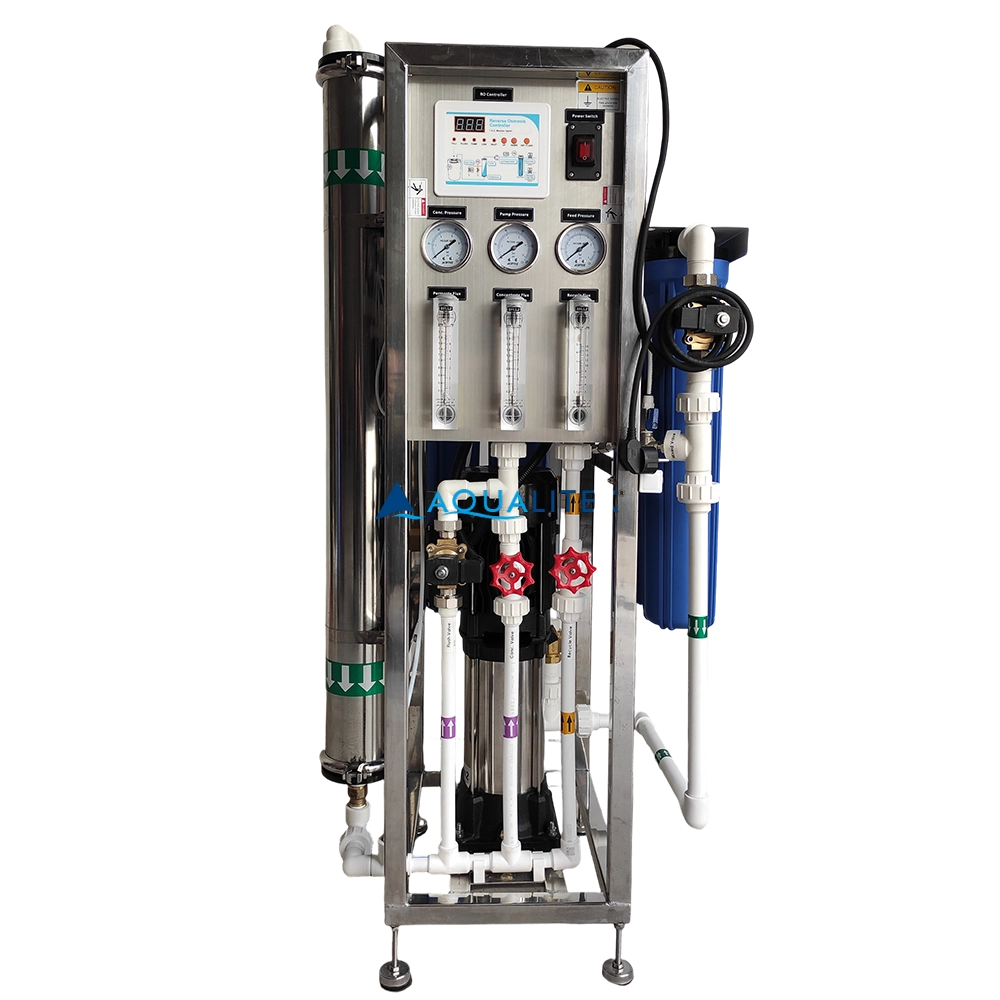
Our 500 LPH Reverse Osmosis (RO) System is engineered to provide high-quality purified water for commercial applications. Designed with advanced RO technology, durable components, and a user-friendly interface, this system ensures consistent performance, low maintenance, and long-term reliability.
With its compact design and robust skid-mounted frame, it’s an excellent choice for businesses that demand efficiency and quality in water purification.
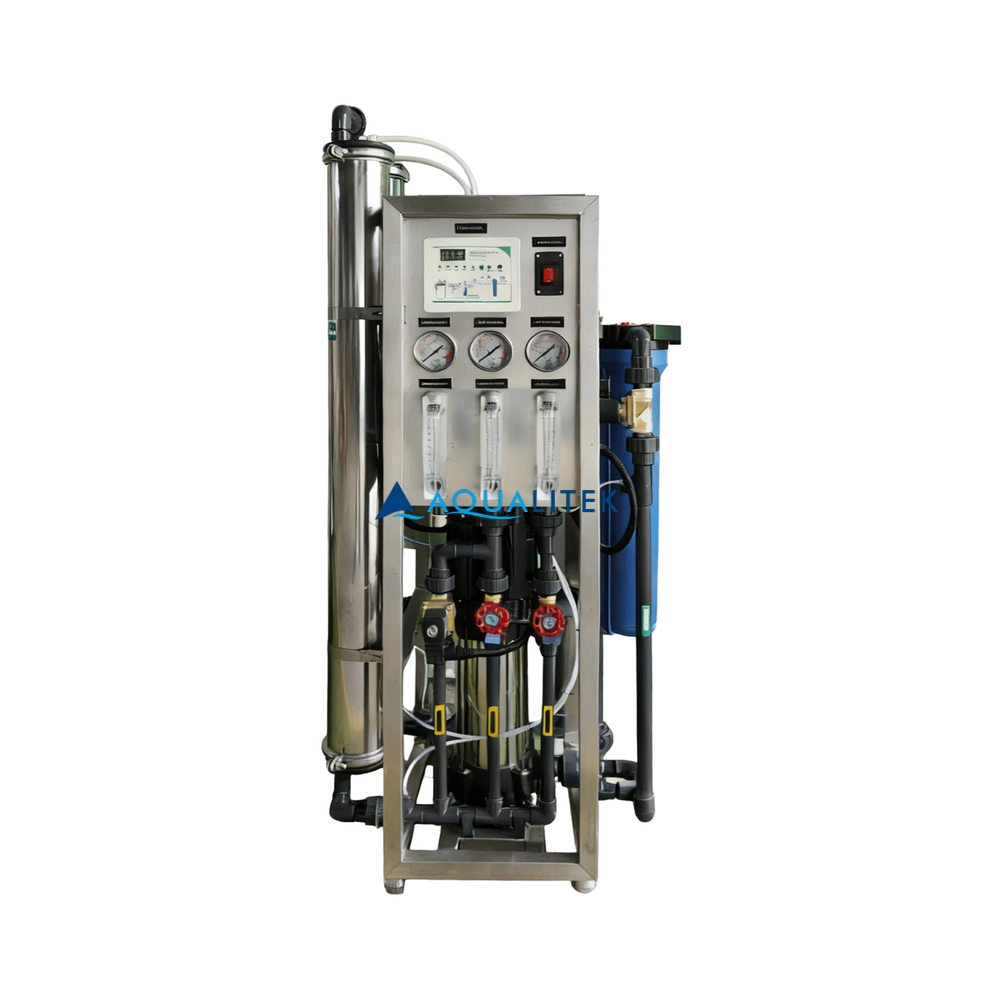
TWV series Reverse Osmosis (RO) systems are pre-engineered and pre-assembled units with 2.5”/4” membrane housings(single element type)for tap water(lower TDS).They are designed for overall superior performance, high recovery rates and offer great savings with low maintenance and operation costs.
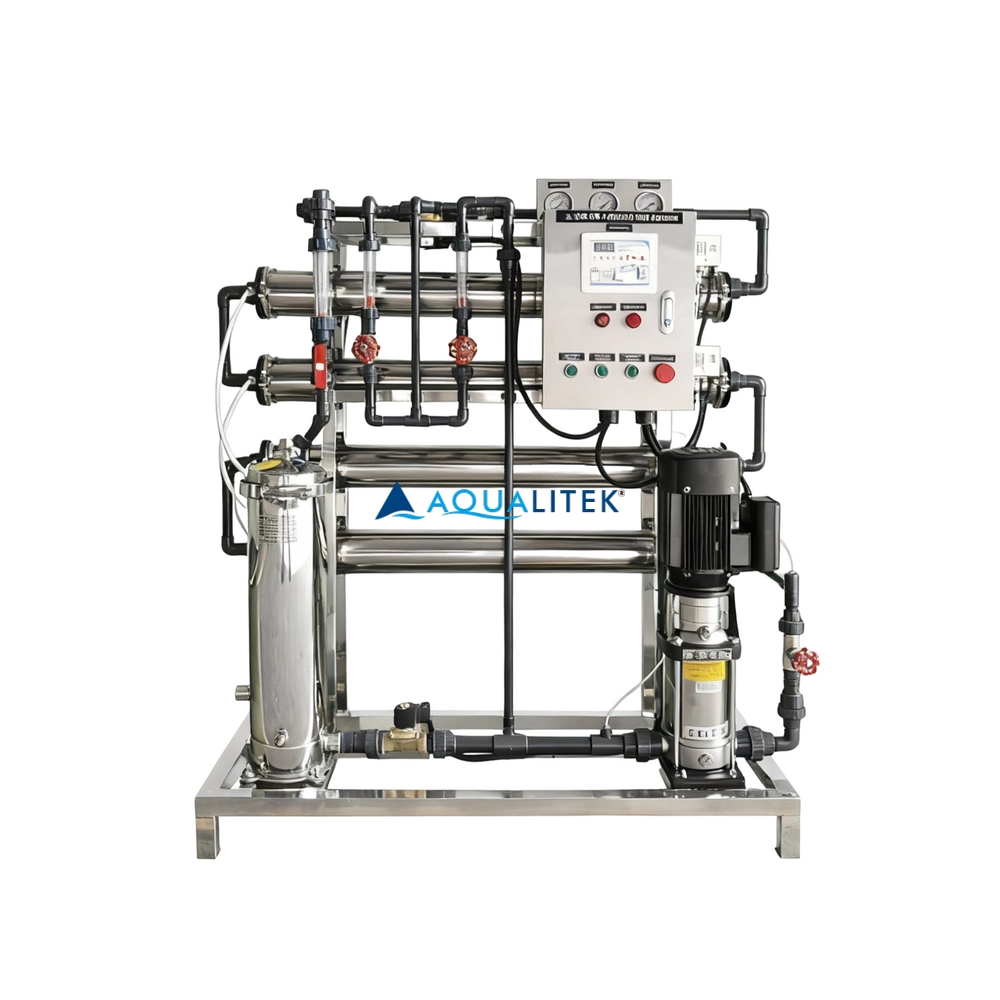
TWF series Reverse Osmosis (RO) systems are pre-engineered and pre-assembled units with 4” membrane housings(multiple elements type) for tap water(lower TDS) .The medium large volumes can help meet your a variety of commercial and industrial applications. They are designed for overall superior performance, high recovery rates and offer great savings with low maintenance and operation costs.
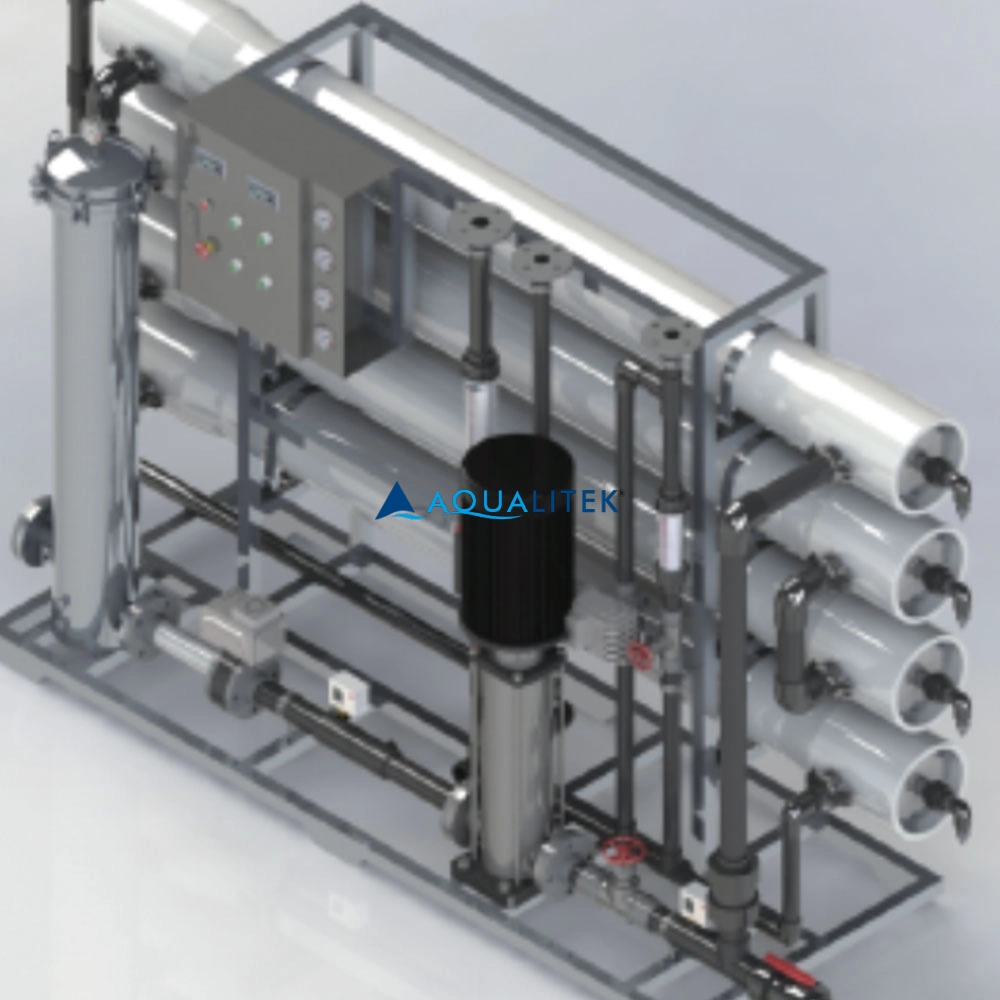
TWE series Reverse Osmosis (RO) systems are pre-engineered and pre-assembled units with 8” membrane housings for tap water (lower TDS). The large volumes can help meet your a variety of industrial applications. They are designed for overall superior performance, high recovery rates and offer great savings with low maintenance and operation costs.
© 2026 AQUALITEK. All rights reserved.
AQUALITEK- Aimee Hoo
AQUALITEK - Aimee Hoo