



What is the impact of pH on RO membrane performance?
- Key Considerations for Reverse Osmosis Systems
- 1. How do reverse osmosis systems function?
- 2. What are the common issues encountered with RO systems?
- 3. How does pH impact RO membrane performance?
- 4. What maintenance practices are recommended for RO systems?
- 5. How can water quality affect RO system performance?
- 6. What are the signs that an RO membrane needs replacement?
- 7. How can system design influence RO performance?
- 8. What are the benefits of choosing AQUALITEK for RO systems?
Reverse osmosis (RO) systems are integral to water treatment, offering efficient purification by removing contaminants through a semi-permeable membrane. For professionals in the water treatment industry, understanding the nuances of RO systems is crucial when considering procurement. Below are key questions and answers to guide your decision-making process.
Key Considerations for Reverse Osmosis Systems
1. How do reverse osmosis systems function?
RO systems operate by applying pressure to water, forcing it through a semi-permeable membrane that filters out impurities, including dissolved salts, bacteria, and other contaminants. The purified water, known as permeate, is collected, while the concentrated contaminants are discharged as brine.
2. What are the common issues encountered with RO systems?
Professionals may face several challenges with RO systems, including:
Low Water Pressure: Insufficient pressure can impede filtration efficiency.
Slow Water Production: This may result from clogged filters or fouled membranes.
Bad Taste or Odor: Depleted carbon filters or bacterial growth can affect water quality.
Water Leaks: Loose connections or damaged O-rings can lead to leaks.
3. How does pH impact RO membrane performance?
The pH level of feed water significantly influences RO membrane efficiency. Extreme pH values can degrade membrane materials, leading to reduced performance or failure. Maintaining a neutral pH range (typically 6.5 to 7.5) is essential for optimal membrane longevity and function.
4. What maintenance practices are recommended for RO systems?
Regular maintenance is vital to ensure RO system efficiency:
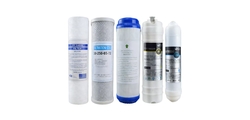
Filter Replacement: Change pre-filters and post-filters as per manufacturer guidelines to prevent fouling.
Membrane Cleaning: Periodically clean membranes to remove scaling and fouling.
System Sanitization: Regularly sanitize the system to prevent bacterial growth.
Leak Inspection: Check all connections and replace worn components to prevent leaks.
5. How can water quality affect RO system performance?
The quality of feed water directly impacts RO system efficiency:
High TDS Levels: Elevated Total Dissolved Solids can reduce membrane lifespan and performance.
Hard Water: High hardness can lead to scaling on membranes, necessitating pretreatment solutions.
Contaminant Presence: The presence of chlorine or other chemicals can damage membranes; therefore, pre-filtration is essential.
6. What are the signs that an RO membrane needs replacement?
Indicators for membrane replacement include:
Declining Permeate Flow: A noticeable decrease in purified water production.
Increased Differential Pressure: Higher pressure readings across the membrane.
Elevated Permeate Conductivity: Indicating reduced contaminant rejection.
7. How can system design influence RO performance?
Proper system design is crucial for optimal performance:
Flow Configuration: Ensuring correct flow paths to minimize fouling and scaling.
Pressure Management: Maintaining appropriate pressure levels to prevent membrane damage.
Pretreatment Integration: Incorporating effective pretreatment processes to protect membranes from contaminants.
8. What are the benefits of choosing AQUALITEK for RO systems?
AQUALITEK offers advanced RO systems designed for durability and efficiency. Their products feature high-quality membranes, user-friendly interfaces, and comprehensive support services, ensuring optimal water purification performance.
Understanding these aspects of reverse osmosis systems will equip water treatment professionals to make informed decisions, ensuring the selection of systems that meet both operational requirements and quality standards.


Request More Information or Expert Advice
Share a few details, and we’ll provide deeper insights, tailored suggestions, or product support.
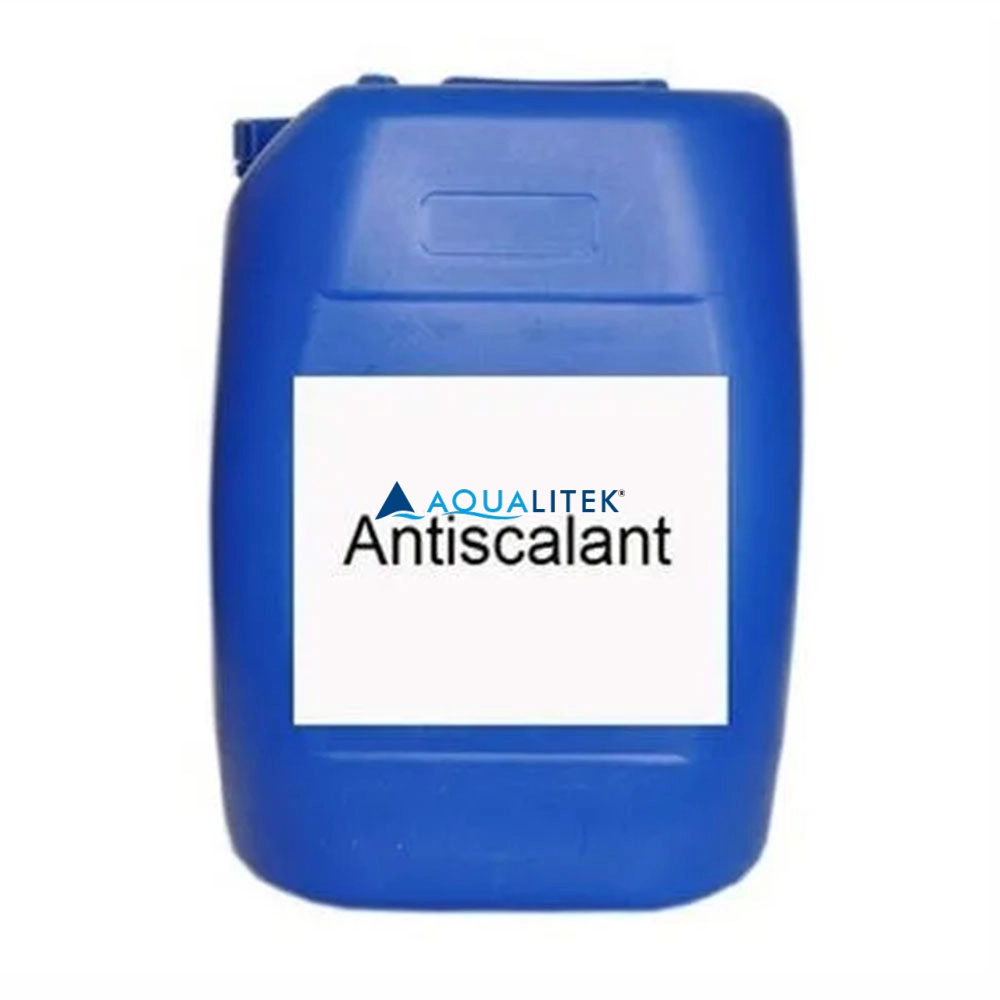
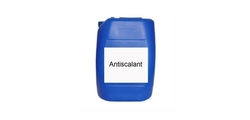
Anti-Scalant is a specialized water treatment chemical designed to prevent the formation of scale in reverse osmosis (RO) systems. Scaling is a common issue in RO systems, where minerals like calcium, magnesium, and silica precipitate and form hard deposits on the membrane surface. These deposits can clog the membranes, reduce water production efficiency, and increase operational costs.
RO chemical anti-scalants work by inhibiting the crystallization of scale-forming minerals, effectively keeping them in solution and preventing them from adhering to the membrane. This ensures the longevity and optimal performance of the RO system.
Anti-scalants are essential in applications with hard water or high mineral content, such as in industrial, municipal, and desalination plants.
These chemicals are highly effective in preventing scaling caused by common minerals such as calcium carbonate, calcium sulfate, barium sulfate, and silica, helping to extend the lifespan of the membranes, reduce cleaning cycles, and enhance system efficiency.
By incorporating an RO chemical anti-scalant into your water treatment process, you can improve the reliability and overall performance of your reverse osmosis system, ensuring consistent, high-quality water output while minimizing maintenance costs.
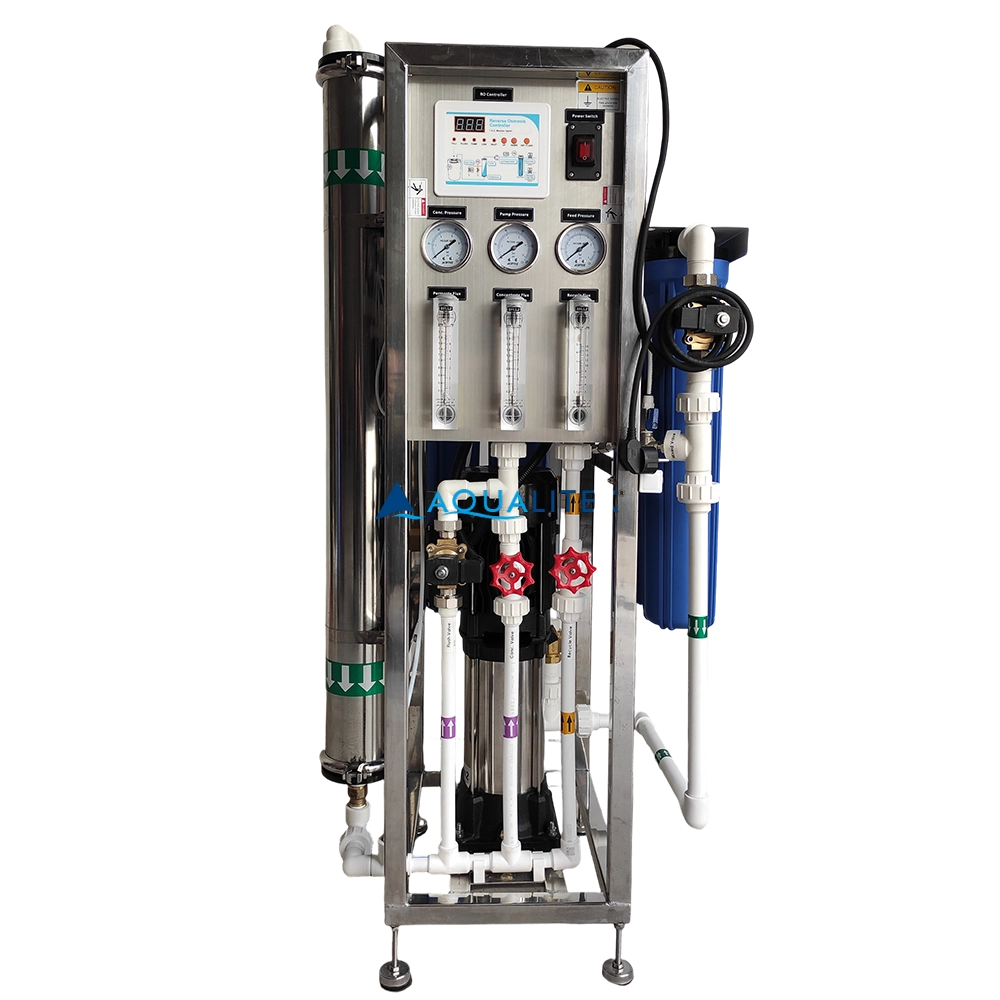
Our 500 LPH Reverse Osmosis (RO) System is engineered to provide high-quality purified water for commercial applications. Designed with advanced RO technology, durable components, and a user-friendly interface, this system ensures consistent performance, low maintenance, and long-term reliability.
With its compact design and robust skid-mounted frame, it’s an excellent choice for businesses that demand efficiency and quality in water purification.
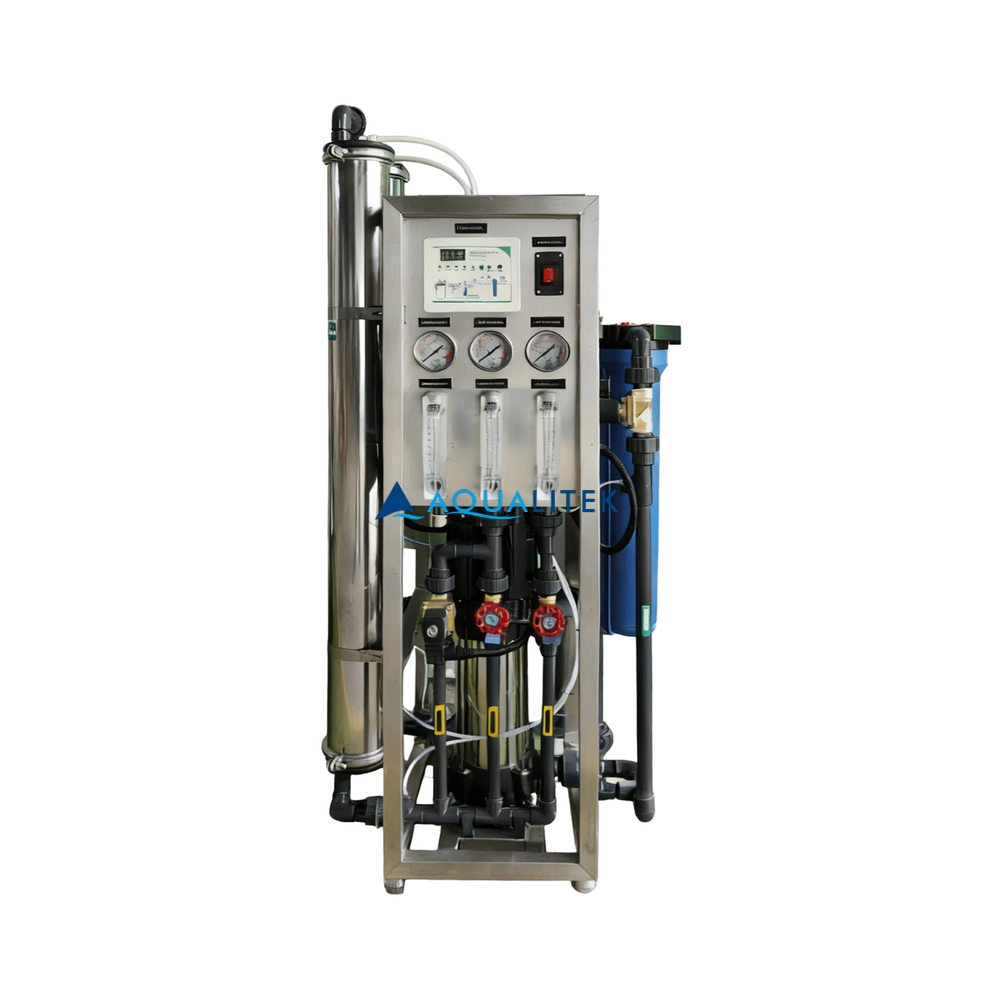
TWV series Reverse Osmosis (RO) systems are pre-engineered and pre-assembled units with 2.5”/4” membrane housings(single element type)for tap water(lower TDS).They are designed for overall superior performance, high recovery rates and offer great savings with low maintenance and operation costs.
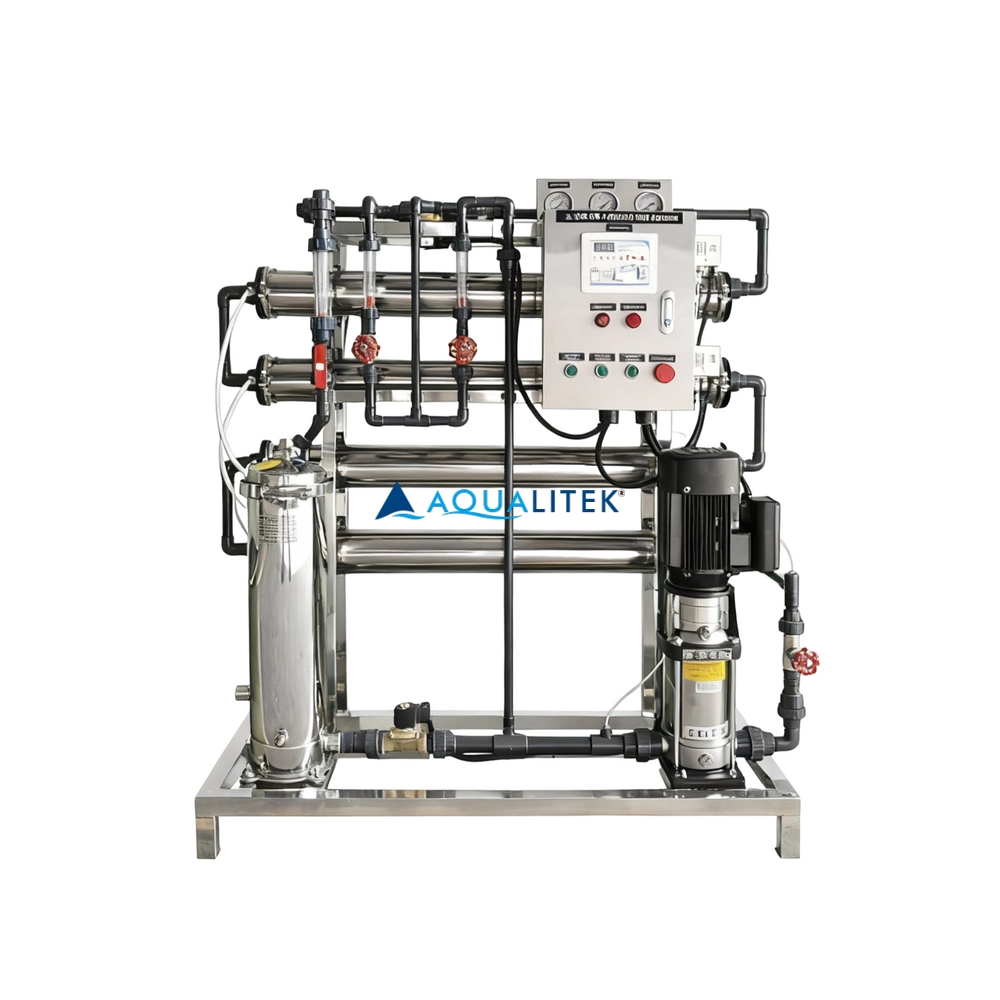
TWF series Reverse Osmosis (RO) systems are pre-engineered and pre-assembled units with 4” membrane housings(multiple elements type) for tap water(lower TDS) .The medium large volumes can help meet your a variety of commercial and industrial applications. They are designed for overall superior performance, high recovery rates and offer great savings with low maintenance and operation costs.
© 2026 AQUALITEK. All rights reserved.
AQUALITEK- Aimee Hoo
AQUALITEK - Aimee Hoo