




How to ensure compliance with water quality standards?
- Ensuring Compliance with Water Quality Standards in Reverse Osmosis Systems
- 1. What are the key water quality standards for reverse osmosis systems?
- 2. How can I verify if an RO system meets these standards?
- 3. What are the consequences of using non-compliant RO systems?
- 4. How does the EPA's WaterSense program relate to RO systems?
- 5. What maintenance practices ensure compliance with water quality standards?
- 6. How do water efficiency standards impact RO system design?
- 7. Are there state-specific regulations for RO systems?
- 8. How does AQUALITEK ensure compliance with water quality standards?
Ensuring Compliance with Water Quality Standards in Reverse Osmosis Systems
Reverse osmosis (RO) systems are widely used for water purification, but ensuring they meet water quality standards is crucial for health and regulatory compliance. Below are common questions and answers to guide professionals in the water treatment industry when purchasing RO systems.
1. What are the key water quality standards for reverse osmosis systems?
RO systems should comply with standards such as NSF/ANSI 58, which covers material safety, structural integrity, and contaminant reduction. Additionally, the ASSE 1086 standard evaluates water efficiency, ensuring systems meet specific recovery and efficiency ratings.
2. How can I verify if an RO system meets these standards?
Look for certifications from recognized organizations like NSF International or the Water Quality Association. These certifications indicate that the system has been tested and meets the required standards for safety and performance.
3. What are the consequences of using non-compliant RO systems?
Using non-compliant systems can lead to health risks due to inadequate contaminant removal, potential regulatory fines, and damage to a company's reputation. For instance, the FDA has highlighted issues like bacterial contamination in RO systems, emphasizing the need for thorough periodic disinfection.
4. How does the EPA's WaterSense program relate to RO systems?
The EPA's WaterSense program has developed draft specifications for point-of-use RO systems, aiming to label water-efficient products. These specifications require systems to have a minimum recovery rating of 30% and an efficiency rating of 30%, promoting water conservation without compromising performance.
5. What maintenance practices ensure compliance with water quality standards?
Regular maintenance, including timely replacement of filters and membranes, system sanitization, and monitoring of water quality parameters, is essential. Proper maintenance helps prevent issues like fouling and ensures the system operates within compliance standards.
6. How do water efficiency standards impact RO system design?
Water efficiency standards, such as those from the EPA's WaterSense program, influence RO system design by setting recovery and efficiency benchmarks. Systems must balance water conservation with effective contaminant removal, leading to innovations in membrane technology and system design.
7. Are there state-specific regulations for RO systems?
Yes, states like California have stringent water conservation requirements. RO systems sold or installed in such states often need to meet specific efficiency standards, such as those outlined by the EPA's WaterSense program or ASSE 1086, to be legally sold or installed.
8. How does AQUALITEK ensure compliance with water quality standards?
AQUALITEK designs and manufactures RO systems that adhere to international standards, including NSF/ANSI 58 and ASSE 1086. Their products undergo rigorous testing and certification processes to ensure safety, performance, and water efficiency, providing reliable solutions for water treatment needs.
Ensuring compliance with water quality standards is vital for the effectiveness and safety of reverse osmosis systems. By understanding these standards and selecting certified products, professionals can make informed decisions that meet both regulatory requirements and operational needs.




Request More Information or Expert Advice
Share a few details, and we’ll provide deeper insights, tailored suggestions, or product support.
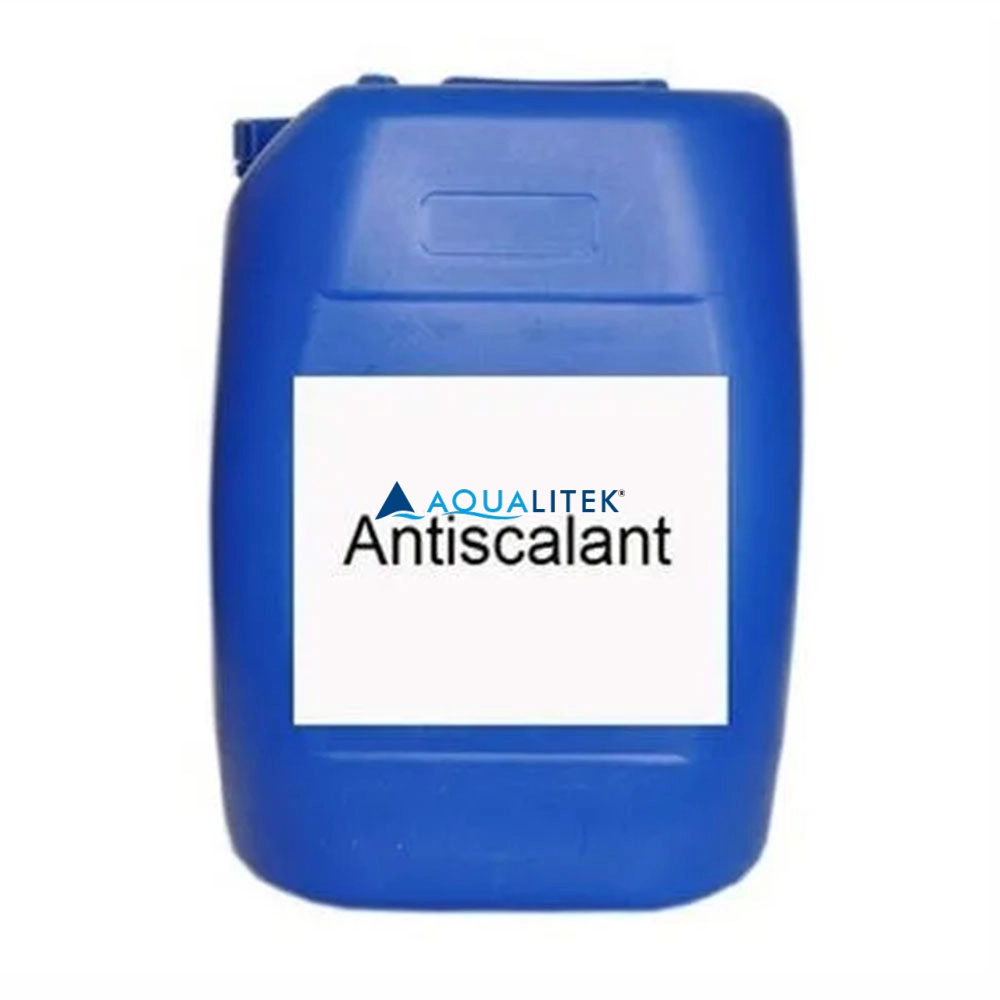
Anti-Scalant is a specialized water treatment chemical designed to prevent the formation of scale in reverse osmosis (RO) systems. Scaling is a common issue in RO systems, where minerals like calcium, magnesium, and silica precipitate and form hard deposits on the membrane surface. These deposits can clog the membranes, reduce water production efficiency, and increase operational costs.
RO chemical anti-scalants work by inhibiting the crystallization of scale-forming minerals, effectively keeping them in solution and preventing them from adhering to the membrane. This ensures the longevity and optimal performance of the RO system.
Anti-scalants are essential in applications with hard water or high mineral content, such as in industrial, municipal, and desalination plants.
These chemicals are highly effective in preventing scaling caused by common minerals such as calcium carbonate, calcium sulfate, barium sulfate, and silica, helping to extend the lifespan of the membranes, reduce cleaning cycles, and enhance system efficiency.
By incorporating an RO chemical anti-scalant into your water treatment process, you can improve the reliability and overall performance of your reverse osmosis system, ensuring consistent, high-quality water output while minimizing maintenance costs.
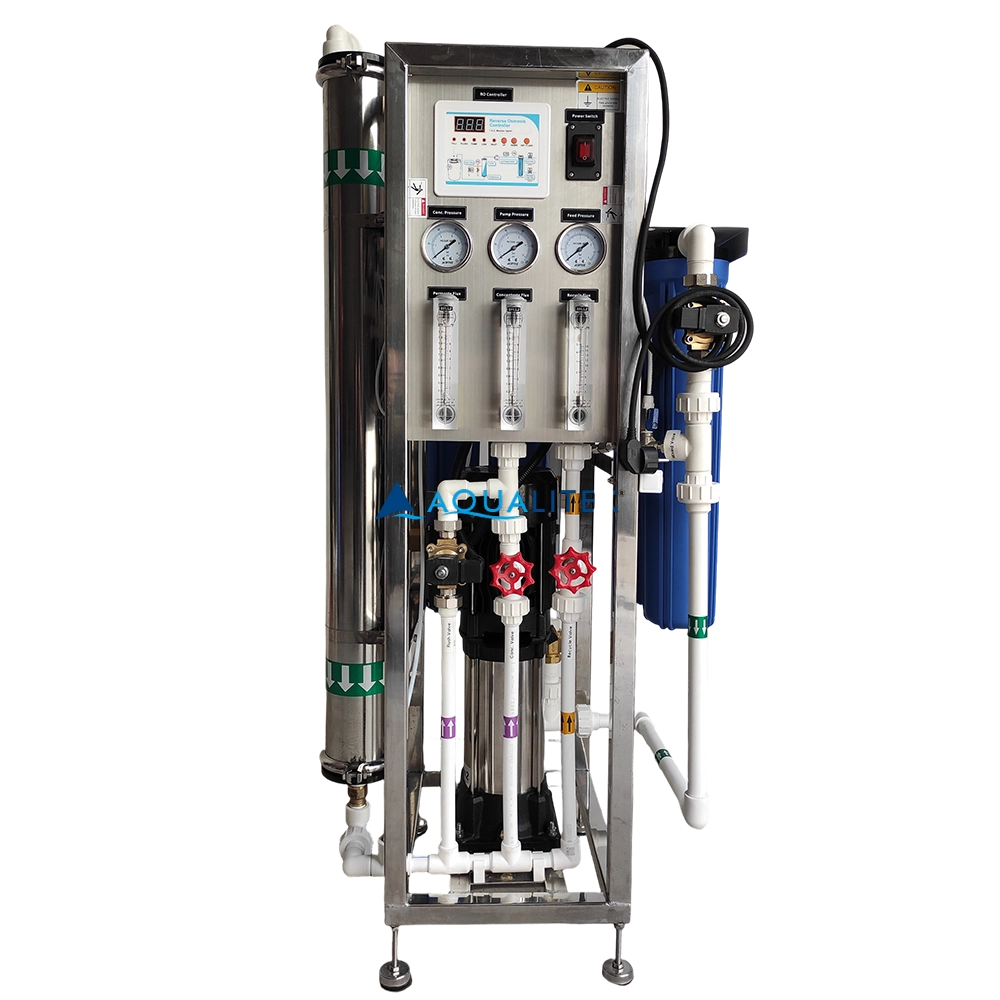
Our 500 LPH Reverse Osmosis (RO) System is engineered to provide high-quality purified water for commercial applications. Designed with advanced RO technology, durable components, and a user-friendly interface, this system ensures consistent performance, low maintenance, and long-term reliability.
With its compact design and robust skid-mounted frame, it’s an excellent choice for businesses that demand efficiency and quality in water purification.
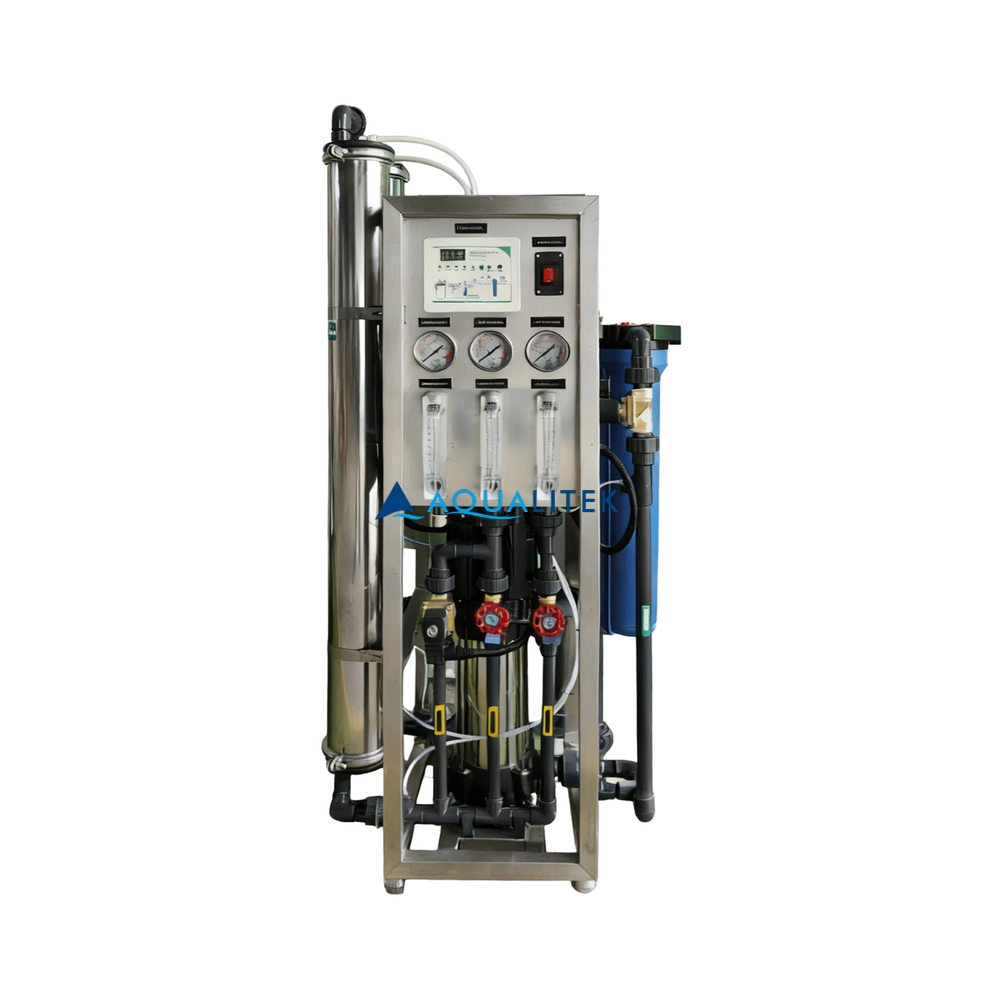
TWV series Reverse Osmosis (RO) systems are pre-engineered and pre-assembled units with 2.5”/4” membrane housings(single element type)for tap water(lower TDS).They are designed for overall superior performance, high recovery rates and offer great savings with low maintenance and operation costs.
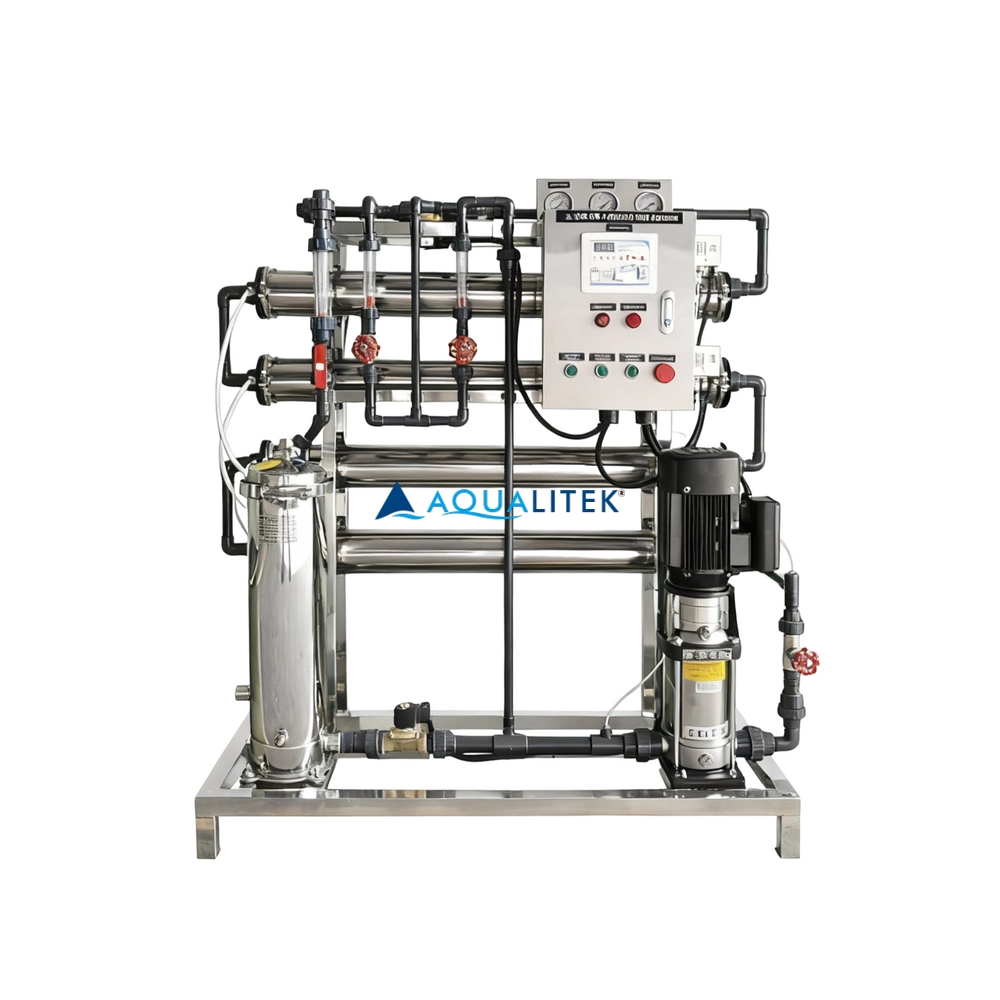
TWF series Reverse Osmosis (RO) systems are pre-engineered and pre-assembled units with 4” membrane housings(multiple elements type) for tap water(lower TDS) .The medium large volumes can help meet your a variety of commercial and industrial applications. They are designed for overall superior performance, high recovery rates and offer great savings with low maintenance and operation costs.
© 2026 AQUALITEK. All rights reserved.
AQUALITEK- Aimee Hoo
AQUALITEK - Aimee Hoo