




How to implement remote monitoring for RO systems?
- Understanding Reverse Osmosis Systems and Remote Monitoring Implementation
- 1. What Are the Common Challenges in Reverse Osmosis Systems?
- 2. How Does Remote Monitoring Enhance RO System Performance?
- 3. What Key Parameters Should Be Monitored Remotely in RO Systems?
- 4. What Technologies Are Essential for Implementing Remote Monitoring?
- 5. How Do Remote Monitoring Systems Handle Connectivity Issues?
- 6. What Are the Costs and Benefits of Implementing Remote Monitoring?
- 7. How Can AQUALITEK Enhance Your RO System Performance?
Understanding Reverse Osmosis Systems and Remote Monitoring Implementation
Reverse osmosis (RO) systems are pivotal in water treatment, offering efficient purification by removing contaminants through a semi-permeable membrane. As industries and municipalities increasingly rely on RO for clean water, integrating remote monitoring becomes essential for optimizing performance and ensuring reliability. This guide addresses common concerns and provides actionable solutions for implementing remote monitoring in RO systems.
1. What Are the Common Challenges in Reverse Osmosis Systems?
RO systems, while effective, often encounter several issues:
Membrane Fouling: Accumulation of impurities on membranes can reduce efficiency and water quality.
Pressure Drops: Decreases in system pressure may indicate blockages or leaks.
Water Quality Fluctuations: Variations in parameters like Total Dissolved Solids (TDS) can affect the safety and taste of the produced water.
Energy Consumption: High energy usage can lead to increased operational costs.
System Downtime: Unplanned outages can disrupt water supply and impact operations.
2. How Does Remote Monitoring Enhance RO System Performance?
Implementing remote monitoring offers several advantages:
Real-Time Data Access: Continuous tracking of parameters such as water production rates, energy consumption, and water quality metrics.
Predictive Maintenance: Early detection of anomalies allows for proactive maintenance, reducing downtime and extending system lifespan.
Operational Efficiency: Remote adjustments and optimizations can be made without on-site visits, streamlining operations.
Regulatory Compliance: Continuous monitoring ensures adherence to water quality standards and facilitates reporting.
3. What Key Parameters Should Be Monitored Remotely in RO Systems?
Effective remote monitoring should focus on:
Water Quality Metrics: TDS, pH levels, and turbidity to ensure safe and clean water output.
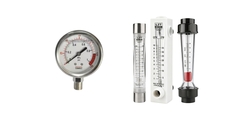
System Pressures: Monitoring feed and permeate pressures to detect potential issues like fouling or leaks.
Flow Rates: Assessing permeate and concentrate flow rates to evaluate system performance.
Energy Consumption: Tracking energy usage to identify inefficiencies and optimize costs.
Operational Status: Monitoring equipment health, including pumps, valves, and membranes, to ensure smooth operation.
4. What Technologies Are Essential for Implementing Remote Monitoring?
Key technologies include:
IoT Sensors: Devices that collect real-time data on various system parameters.
Communication Networks: Cellular, satellite, or Wi-Fi connections to transmit data from the RO system to monitoring platforms.
Cloud-Based Platforms: Software solutions that aggregate and analyze data, providing accessible dashboards and alert systems.
Data Analytics Tools: Software that processes collected data to identify trends, predict maintenance needs, and optimize performance.
5. How Do Remote Monitoring Systems Handle Connectivity Issues?
Modern remote monitoring systems are designed to manage connectivity challenges effectively:
Data Buffering: During connectivity interruptions, data is stored locally and transmitted once the connection is restored.
Multiple Communication Options: Utilizing various communication methods, such as cellular, satellite, or Wi-Fi, ensures continuous data transmission.
Low Bandwidth Consumption: Optimized data transmission protocols minimize bandwidth usage, making remote monitoring feasible even in areas with limited connectivity.
6. What Are the Costs and Benefits of Implementing Remote Monitoring?
While initial setup costs for remote monitoring can range from $3,000 to $15,000, depending on system complexity and features, the investment offers significant returns:
Reduced Downtime: Proactive maintenance and quick issue resolution minimize operational disruptions.
Operational Savings: Optimizing system performance leads to energy savings and extended equipment life.
Regulatory Compliance: Continuous monitoring ensures adherence to water quality standards, avoiding potential fines.
Improved Decision-Making: Access to real-time data supports informed operational and strategic decisions.
7. How Can AQUALITEK Enhance Your RO System Performance?
AQUALITEK offers advanced remote monitoring solutions tailored for RO systems, providing:
Comprehensive Monitoring: Real-time tracking of all critical system parameters.
User-Friendly Interfaces: Intuitive dashboards accessible via web and mobile platforms.
Predictive Maintenance Alerts: Automated notifications for maintenance needs, reducing downtime.
Data Analytics: In-depth analysis to optimize system performance and efficiency.
By integrating AQUALITEK's remote monitoring solutions, you can ensure optimal performance, reliability, and longevity of your RO systems.
For more information on AQUALITEK's offerings, visit our website or contact our sales team.


Request More Information or Expert Advice
Share a few details, and we’ll provide deeper insights, tailored suggestions, or product support.
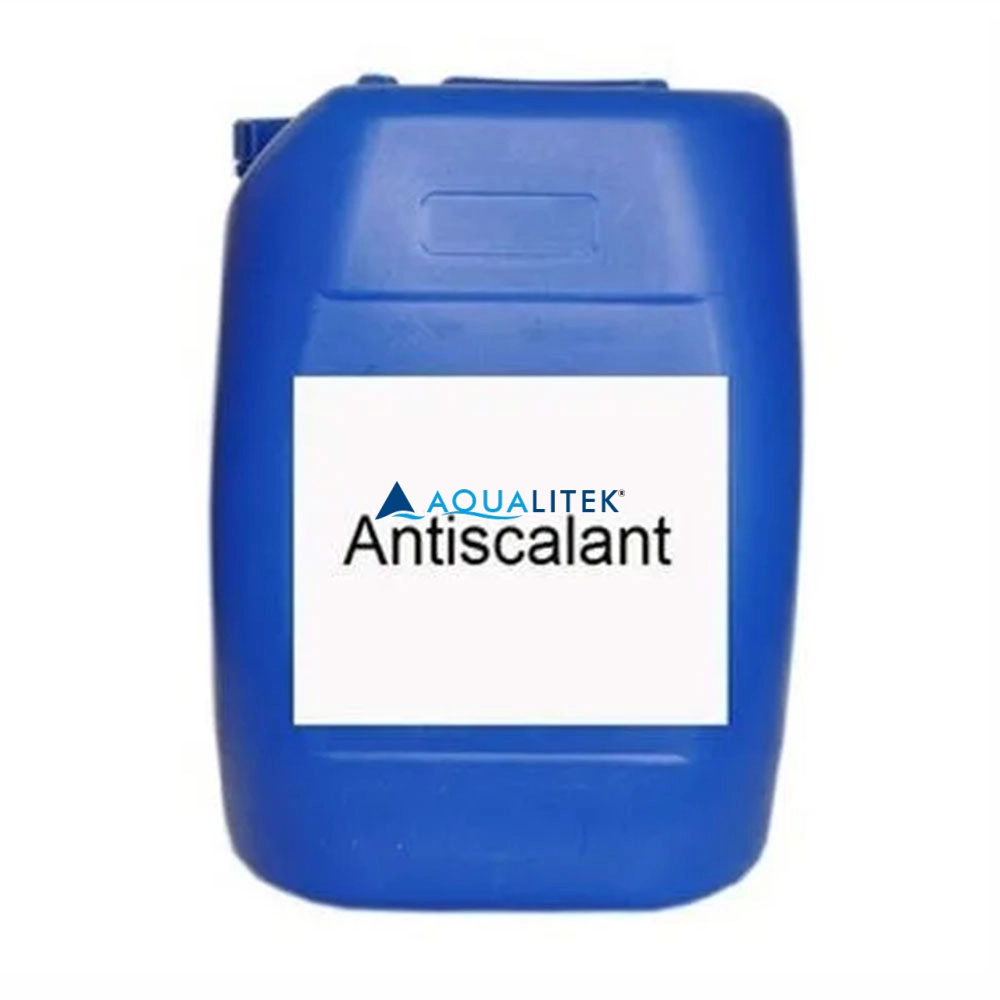
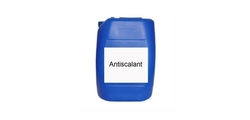
Anti-Scalant is a specialized water treatment chemical designed to prevent the formation of scale in reverse osmosis (RO) systems. Scaling is a common issue in RO systems, where minerals like calcium, magnesium, and silica precipitate and form hard deposits on the membrane surface. These deposits can clog the membranes, reduce water production efficiency, and increase operational costs.
RO chemical anti-scalants work by inhibiting the crystallization of scale-forming minerals, effectively keeping them in solution and preventing them from adhering to the membrane. This ensures the longevity and optimal performance of the RO system.
Anti-scalants are essential in applications with hard water or high mineral content, such as in industrial, municipal, and desalination plants.
These chemicals are highly effective in preventing scaling caused by common minerals such as calcium carbonate, calcium sulfate, barium sulfate, and silica, helping to extend the lifespan of the membranes, reduce cleaning cycles, and enhance system efficiency.
By incorporating an RO chemical anti-scalant into your water treatment process, you can improve the reliability and overall performance of your reverse osmosis system, ensuring consistent, high-quality water output while minimizing maintenance costs.
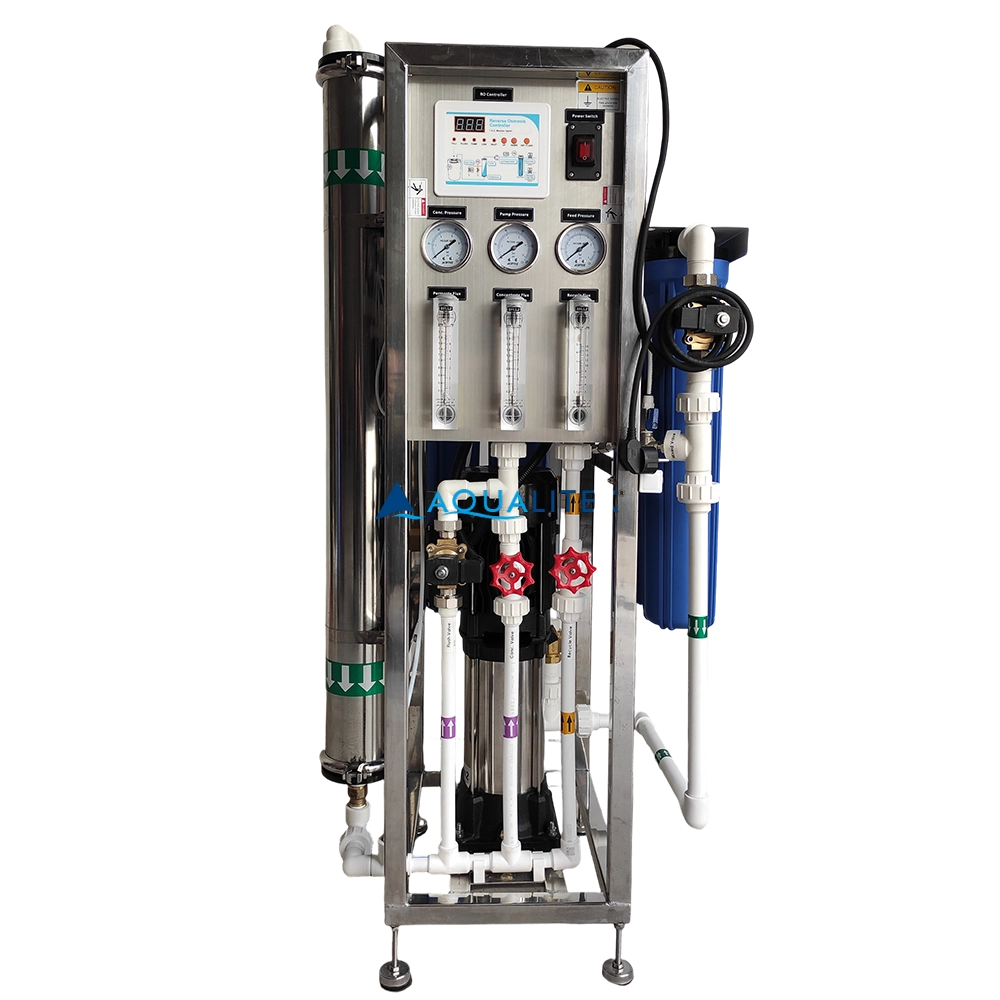
Our 500 LPH Reverse Osmosis (RO) System is engineered to provide high-quality purified water for commercial applications. Designed with advanced RO technology, durable components, and a user-friendly interface, this system ensures consistent performance, low maintenance, and long-term reliability.
With its compact design and robust skid-mounted frame, it’s an excellent choice for businesses that demand efficiency and quality in water purification.
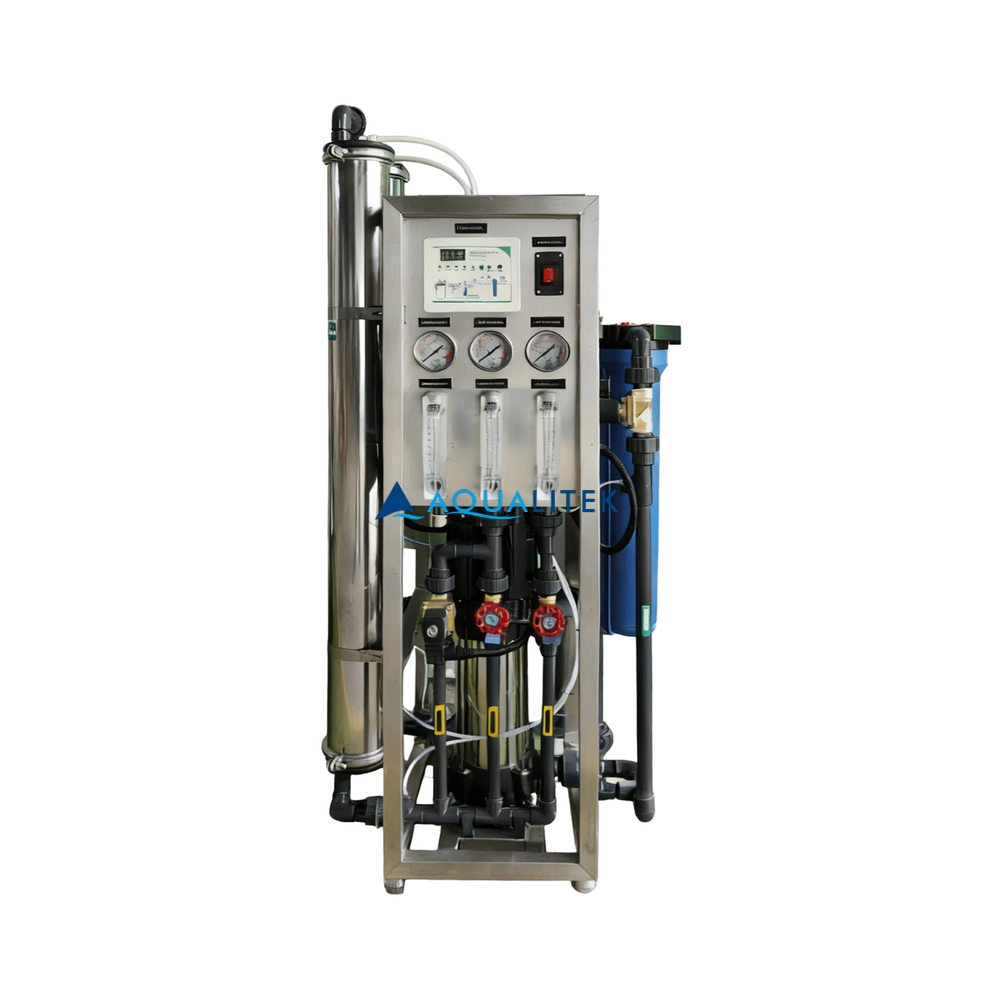
TWV series Reverse Osmosis (RO) systems are pre-engineered and pre-assembled units with 2.5”/4” membrane housings(single element type)for tap water(lower TDS).They are designed for overall superior performance, high recovery rates and offer great savings with low maintenance and operation costs.
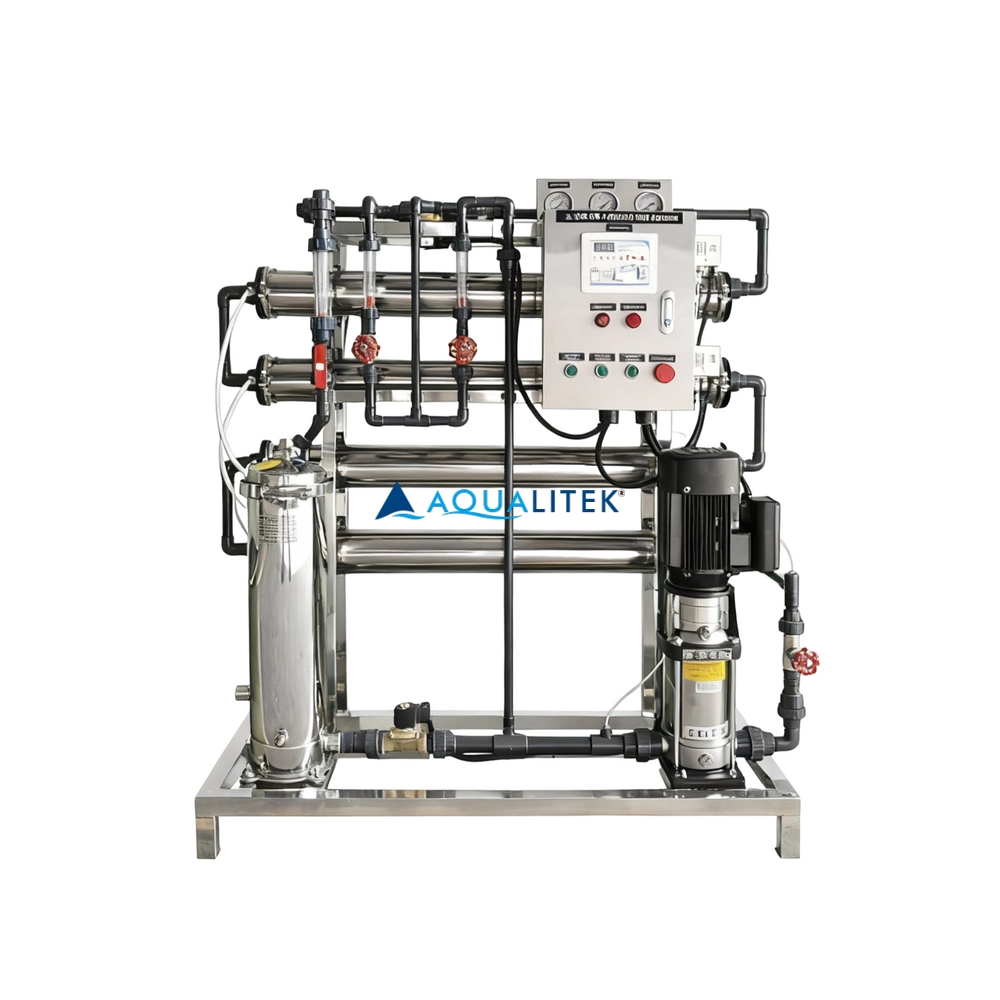
TWF series Reverse Osmosis (RO) systems are pre-engineered and pre-assembled units with 4” membrane housings(multiple elements type) for tap water(lower TDS) .The medium large volumes can help meet your a variety of commercial and industrial applications. They are designed for overall superior performance, high recovery rates and offer great savings with low maintenance and operation costs.
© 2026 AQUALITEK. All rights reserved.
AQUALITEK- Aimee Hoo
AQUALITEK - Aimee Hoo