




What are key KPIs for reverse osmosis plant performance?
- Understanding Reverse Osmosis Systems: A Comprehensive Guide
- 1. How Do Reverse Osmosis Systems Operate?
- 2. What Are the Key Performance Indicators (KPIs) for Reverse Osmosis Plant Performance?
- 3. What Maintenance Practices Are Essential for Reverse Osmosis Systems?
- 4. How Do I Select the Right Reverse Osmosis System for My Needs?
- 5. What Are the Advantages of Reverse Osmosis Systems Over Other Water Purification Methods?
- 6. Are There Any Limitations or Considerations with Reverse Osmosis Systems?
- 7. How Do I Ensure the Longevity of My Reverse Osmosis System?
- 8. How Do Reverse Osmosis Systems Compare to Other Water Filtration Methods?
- Conclusion: Why Choose AQUALITEK for Your Reverse Osmosis System Needs?
Understanding Reverse Osmosis Systems: A Comprehensive Guide
Reverse osmosis (RO) systems are integral to water treatment, offering efficient purification by removing contaminants through a semi-permeable membrane. This guide addresses common questions and considerations for professionals in the water treatment industry when selecting and maintaining RO systems.
1. How Do Reverse Osmosis Systems Operate?
RO systems utilize pressure to force water through multiple filtration stages:
Pre-Filtration: Water passes through sediment and carbon filters to eliminate dirt, rust, and chlorine.
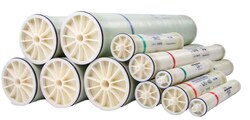
Reverse Osmosis Membrane: The water is then pushed through a semi-permeable membrane that separates dissolved solids and microscopic contaminants from clean water.
Post-Filtration: A final filter polishes the water before it reaches the faucet, ensuring purity and taste.
2. What Are the Key Performance Indicators (KPIs) for Reverse Osmosis Plant Performance?
Monitoring the following KPIs is crucial for assessing RO system efficiency:
Recovery Rate: The percentage of feedwater converted into purified water. Higher recovery rates indicate better efficiency.
Salt Rejection Rate: The system's ability to reject dissolved salts; higher rates signify effective contaminant removal.
Permeate Flow Rate: The volume of purified water produced per unit time, reflecting system capacity.
Energy Consumption: Evaluating energy use per gallon of purified water helps in assessing operational costs.
Membrane Fouling Rate: The rate at which membranes become fouled, affecting performance and maintenance schedules.
3. What Maintenance Practices Are Essential for Reverse Osmosis Systems?
Regular maintenance ensures optimal performance and longevity:
Filter Replacement: Replace sediment and carbon filters every 6 to 12 months, depending on water quality and usage.
Membrane Cleaning: Clean membranes periodically to prevent fouling and maintain efficiency.
System Inspection: Regularly check for leaks, pressure issues, and component wear to prevent system failures.
4. How Do I Select the Right Reverse Osmosis System for My Needs?
Consider the following factors when choosing an RO system:
Water Quality Assessment: Analyze the specific contaminants present to select a system capable of addressing them.
Capacity Requirements: Determine the required flow rate and recovery rate based on daily water usage.
Space Constraints: Ensure the system fits within available installation space, especially for under-sink models.
Budget Considerations: Balance initial investment with long-term operational and maintenance costs.
5. What Are the Advantages of Reverse Osmosis Systems Over Other Water Purification Methods?
RO systems offer several benefits:
High Contaminant Removal Efficiency: Capable of removing up to 99.99% of contaminants, including heavy metals and chemicals.
Improved Water Taste and Odor: Effectively eliminates substances that affect water flavor and smell.
Low Maintenance Requirements: Designed for ease of maintenance, reducing the need for frequent interventions.
6. Are There Any Limitations or Considerations with Reverse Osmosis Systems?
While effective, RO systems have some limitations:
Water Waste: Traditional RO systems can waste several gallons of water for every gallon purified; however, newer models have improved efficiency.
Mineral Removal: RO systems remove beneficial minerals; consider remineralization options if mineral content is a concern.
Initial Cost: Higher upfront costs compared to some other filtration methods, though offset by long-term benefits.
7. How Do I Ensure the Longevity of My Reverse Osmosis System?
To extend system life:
Regular Maintenance: Follow a consistent maintenance schedule for filter and membrane replacement.
Monitor Performance: Keep track of KPIs to identify issues early.
Professional Servicing: Engage qualified technicians for complex maintenance tasks to ensure proper care.
8. How Do Reverse Osmosis Systems Compare to Other Water Filtration Methods?
Compared to other methods:
Effectiveness: RO systems generally offer superior contaminant removal.
Cost: Higher initial investment but lower operational costs over time.
Maintenance: Requires regular upkeep to maintain performance.
Understanding these aspects aids in making informed decisions regarding water purification needs.
Conclusion: Why Choose AQUALITEK for Your Reverse Osmosis System Needs?
AQUALITEK stands out in the water treatment industry by offering:
High-Quality Systems: Designed for durability and efficiency, ensuring long-term performance.
Comprehensive Support: Providing expert guidance and customer service to assist in system selection and maintenance.
Innovative Solutions: Continuously developing advanced technologies to meet evolving water purification challenges.
Choosing AQUALITEK ensures access to reliable, effective, and customer-focused reverse osmosis systems tailored to your specific requirements.
References:
Fresh Water Systems. (n.d.). Reverse Osmosis Water Systems. Retrieved from
Reverse Osmosis Online. (n.d.). Best Reverse Osmosis Systems - 2025 Reviews & Guide. Retrieved from
US Water Systems. (n.d.). Reverse Osmosis Systems for Home and Commercial Use - Water Treatment Solutions. Retrieved from
RainSoft. (n.d.). Reverse Osmosis Systems. Retrieved from
Water Filter. (n.d.). Reverse Osmosis Systems. Retrieved from
Water Filter Online. (n.d.). Reverse Osmosis Filtration RO Drinking Water Systems. Retrieved from
Express Water. (n.d.). Reverse Osmosis Water Filters. Retrieved from
Reverse Osmosis Online. (n.d.). Reverse Osmosis Pure Drinking Water Systems. Retrieved from
Fresh Water Systems. (2023, October 2). 6 MUST HAVE Reverse Osmosis Water System Features -- don't buy before watching! . YouTube. Retrieved from
iSpring Water Systems. (2022, July 9). Why would I need a reverse osmosis system? . YouTube. Retrieved from


Request More Information or Expert Advice
Share a few details, and we’ll provide deeper insights, tailored suggestions, or product support.
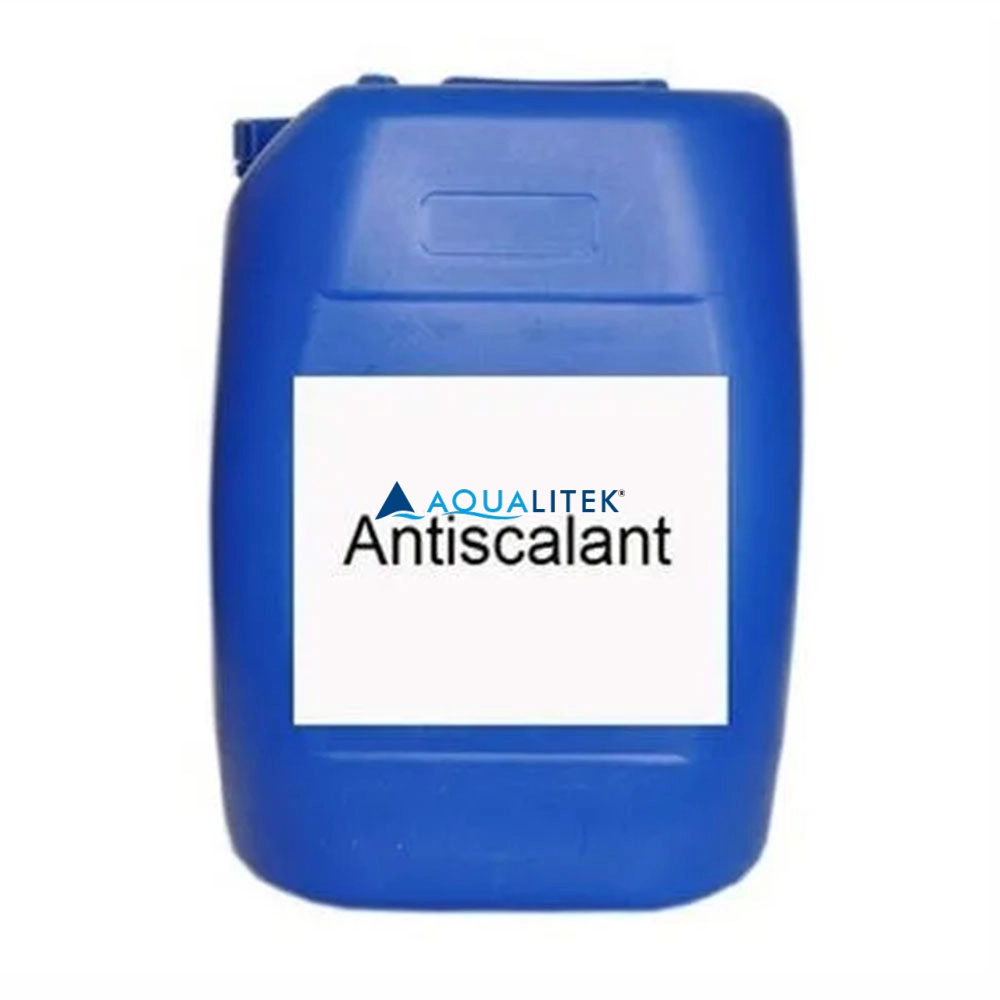
Anti-Scalant is a specialized water treatment chemical designed to prevent the formation of scale in reverse osmosis (RO) systems. Scaling is a common issue in RO systems, where minerals like calcium, magnesium, and silica precipitate and form hard deposits on the membrane surface. These deposits can clog the membranes, reduce water production efficiency, and increase operational costs.
RO chemical anti-scalants work by inhibiting the crystallization of scale-forming minerals, effectively keeping them in solution and preventing them from adhering to the membrane. This ensures the longevity and optimal performance of the RO system.
Anti-scalants are essential in applications with hard water or high mineral content, such as in industrial, municipal, and desalination plants.
These chemicals are highly effective in preventing scaling caused by common minerals such as calcium carbonate, calcium sulfate, barium sulfate, and silica, helping to extend the lifespan of the membranes, reduce cleaning cycles, and enhance system efficiency.
By incorporating an RO chemical anti-scalant into your water treatment process, you can improve the reliability and overall performance of your reverse osmosis system, ensuring consistent, high-quality water output while minimizing maintenance costs.
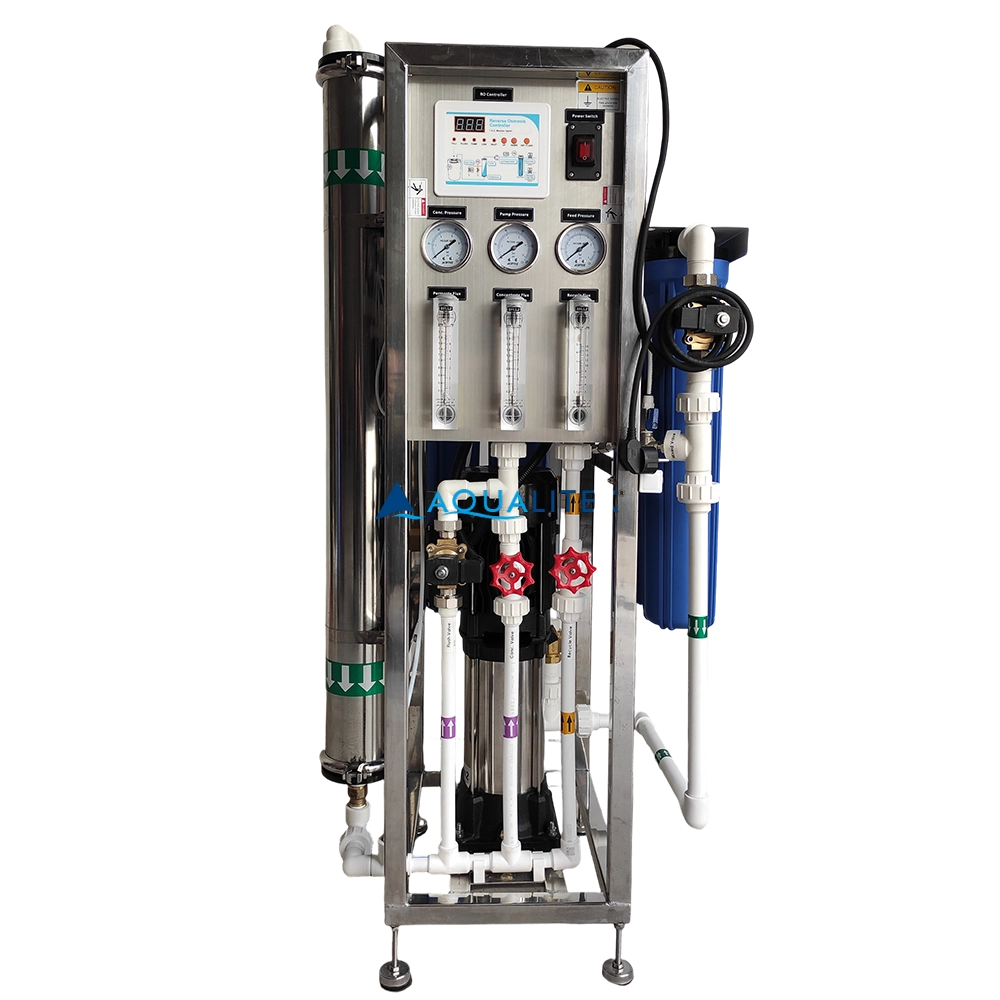
Our 500 LPH Reverse Osmosis (RO) System is engineered to provide high-quality purified water for commercial applications. Designed with advanced RO technology, durable components, and a user-friendly interface, this system ensures consistent performance, low maintenance, and long-term reliability.
With its compact design and robust skid-mounted frame, it’s an excellent choice for businesses that demand efficiency and quality in water purification.
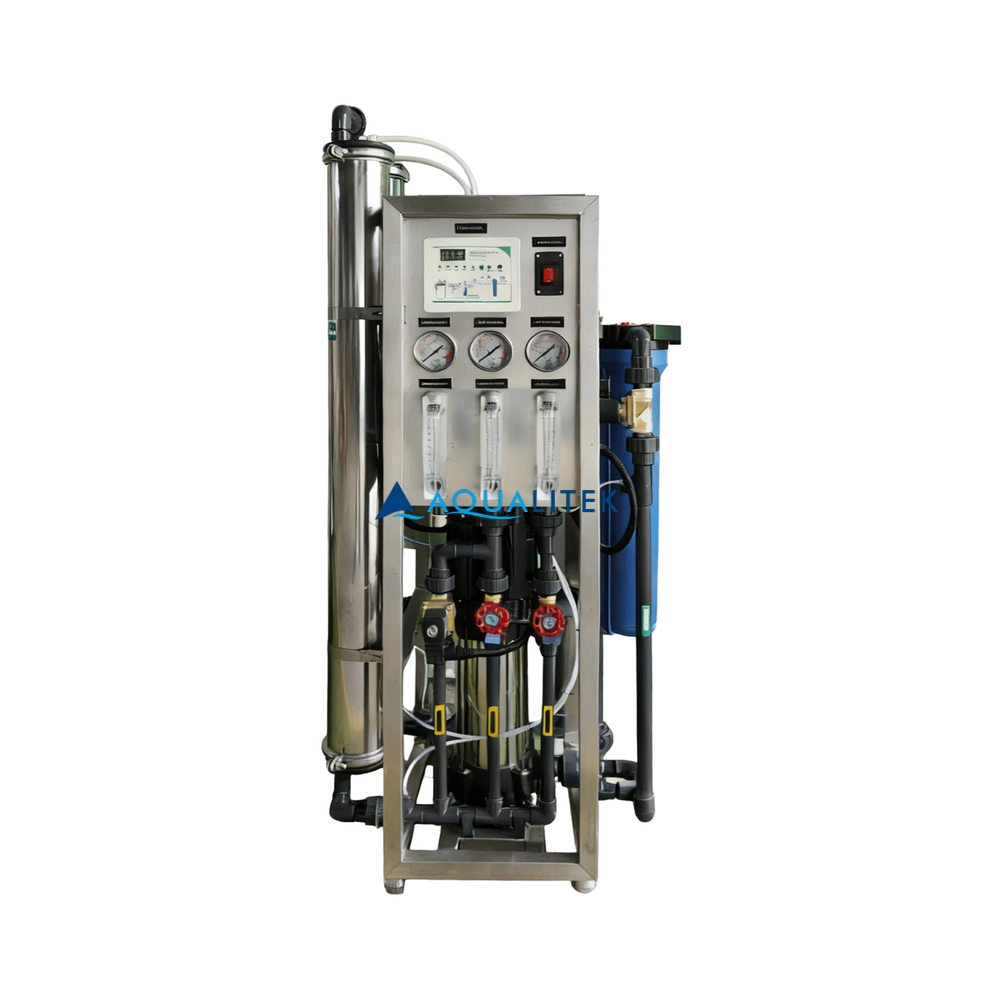
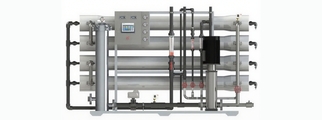
TWV series Reverse Osmosis (RO) systems are pre-engineered and pre-assembled units with 2.5”/4” membrane housings(single element type)for tap water(lower TDS).They are designed for overall superior performance, high recovery rates and offer great savings with low maintenance and operation costs.
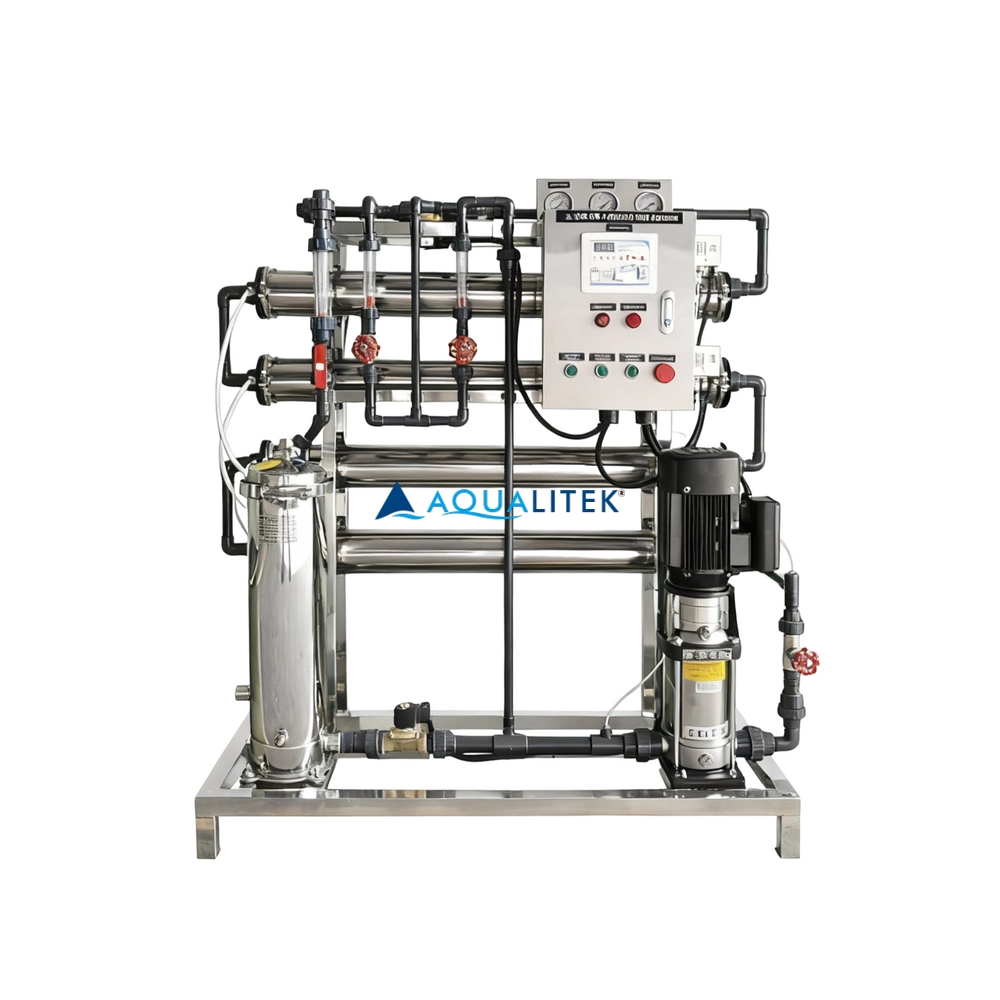
TWF series Reverse Osmosis (RO) systems are pre-engineered and pre-assembled units with 4” membrane housings(multiple elements type) for tap water(lower TDS) .The medium large volumes can help meet your a variety of commercial and industrial applications. They are designed for overall superior performance, high recovery rates and offer great savings with low maintenance and operation costs.
© 2026 AQUALITEK. All rights reserved.
AQUALITEK- Aimee Hoo
AQUALITEK - Aimee Hoo