



Is More Frequent Chemical Cleaning Always Better for RO Systems?| Insights by AQUALITEK
Is frequent chemical cleaning beneficial for RO systems? Learn the optimal cleaning frequency, risks of over-cleaning, key indicators for CIP timing, and best practices to protect membrane lifespan and system performance.
- Is More Frequent Chemical Cleaning Always Better? — Best Guide for RO System Operators
- ✔ Why RO Membranes Need Chemical Cleaning
- ✔ Why More Frequent Chemical Cleaning Is Not Better
- ✔ When Should You Perform Chemical Cleaning? (Industry Best Indicators)
- ✔ How Often Should an RO System Be Cleaned?
- ✔ Best Practices to Avoid Over-Cleaning
- ✔ Conclusion
Is More Frequent Chemical Cleaning Always Better? — Best Guide for RO System Operators
Chemical cleaning (CIP) is essential for maintaining the performance and lifespan of industrial reverse osmosis (RO) systems. However, many operators assume that cleaning more often leads to better membrane protection. In reality, excessively frequent chemical cleaning can actually damage RO membranes and increase operating costs. This article explains when to clean, why over-cleaning is harmful, and how to establish a proper cleaning schedule.
✔ Why RO Membranes Need Chemical Cleaning
During long-term operation, RO membranes accumulate:
•Fouling (silt, suspended solids, colloids)
•Scaling (CaCO₃, CaSO₄, BaSO₄, silica)
•Organic matter
•Biological growth
•Oxidative compounds from upstream issues
CIP removes these deposits, restores flux, and prevents irreversible damage.
But the key is: clean only when necessary, not as often as possible.
✔ Why More Frequent Chemical Cleaning Is Not Better
Over-cleaning introduces several risks:
1. Chemical Stress Accelerates Membrane Aging
Every cleaning cycle exposes the membrane to:
•High pH / low pH stress
•Chemical oxidation risk
•Mechanical flushing shock
Excessive CIPs reduce the membrane’s expected lifespan (3–5 years).
2. Increased Probability of Human Error
More cleaning cycles = more chances for:
•Wrong chemical concentration
•Incorrect soaking/recirculation time
•Improper temperature control
•Incomplete rinsing
Any of these mistakes can permanently damage the membrane surface.
3. Higher Operating Costs
Unnecessary cleaning increases:
•Chemical consumption
•Labor cost
•Downtime losses
•Wear on pumps, tanks, and CIP equipment
Cleaning too frequently wastes resources without improving water quality.
✔ When Should You Perform Chemical Cleaning? (Industry Best Indicators)
Recommended triggers for CIP:
1.Normalized permeate flow decreases by 10–15%
2.Normalized salt rejection declines by 5–10%
3.Feed pressure increases 10–15% at constant flux
4.Differential pressure (ΔP) increases by 15%
5.Conductivity or SDI of feed water becomes unstable
6.Biofouling indicators appear (slime, odor, viscosity changes)
Cleaning too early or too late both cause unnecessary membrane stress.
✔ How Often Should an RO System Be Cleaned?
There is no fixed universal frequency — it depends on feed quality, pretreatment, system loading, and maintenance.
But typical industry averages are:
•Well-designed systems: CIP every 6–12 months
•Moderate fouling conditions: CIP every 3–6 months
•Poor pretreatment or challenging feed water: CIP every 1–3 months
If cleaning is needed every few weeks, pretreatment must be improved.
✔ Best Practices to Avoid Over-Cleaning
1. Strengthen Pretreatment
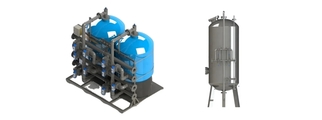
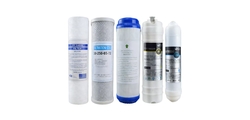
•Multi-media filtration
•Cartridge filters (5 μm or better)
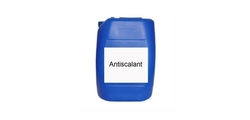
•Anti-scalant dosing
•Activated carbon or dechlorination
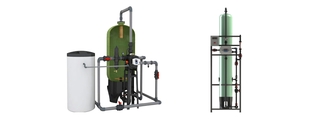
•Softening (if hardness is high)
•UF membrane pretreatment (for high-turbidity water)
2. Maintain Stable Operating Conditions
•Avoid sudden shutdowns
•Keep recovery rate within recommended limits
•Monitor and control feed SDI, pH, and temperature
3. Use Data-Driven Cleaning
Always rely on normalized performance logs—not subjective judgment.
✔ Conclusion
More frequent chemical cleaning is not always better for RO systems. The correct approach is timely cleaning based on performance indicators, combined with strong pretreatment and stable operation. By optimizing cleaning intervals, you can maximize membrane life, reduce costs, and keep your RO system running efficiently.


Request More Information or Expert Advice
Share a few details, and we’ll provide deeper insights, tailored suggestions, or product support.
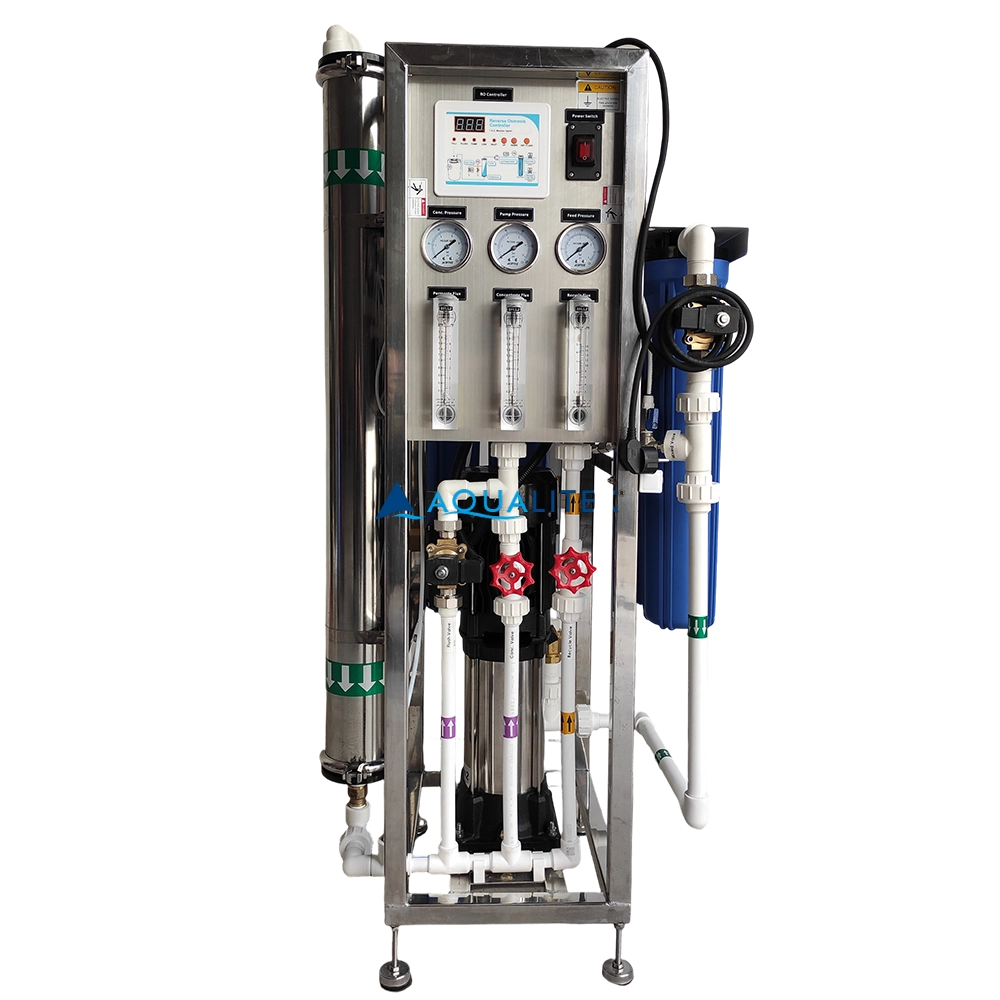
Our 500 LPH Reverse Osmosis (RO) System is engineered to provide high-quality purified water for commercial applications. Designed with advanced RO technology, durable components, and a user-friendly interface, this system ensures consistent performance, low maintenance, and long-term reliability.
With its compact design and robust skid-mounted frame, it’s an excellent choice for businesses that demand efficiency and quality in water purification.
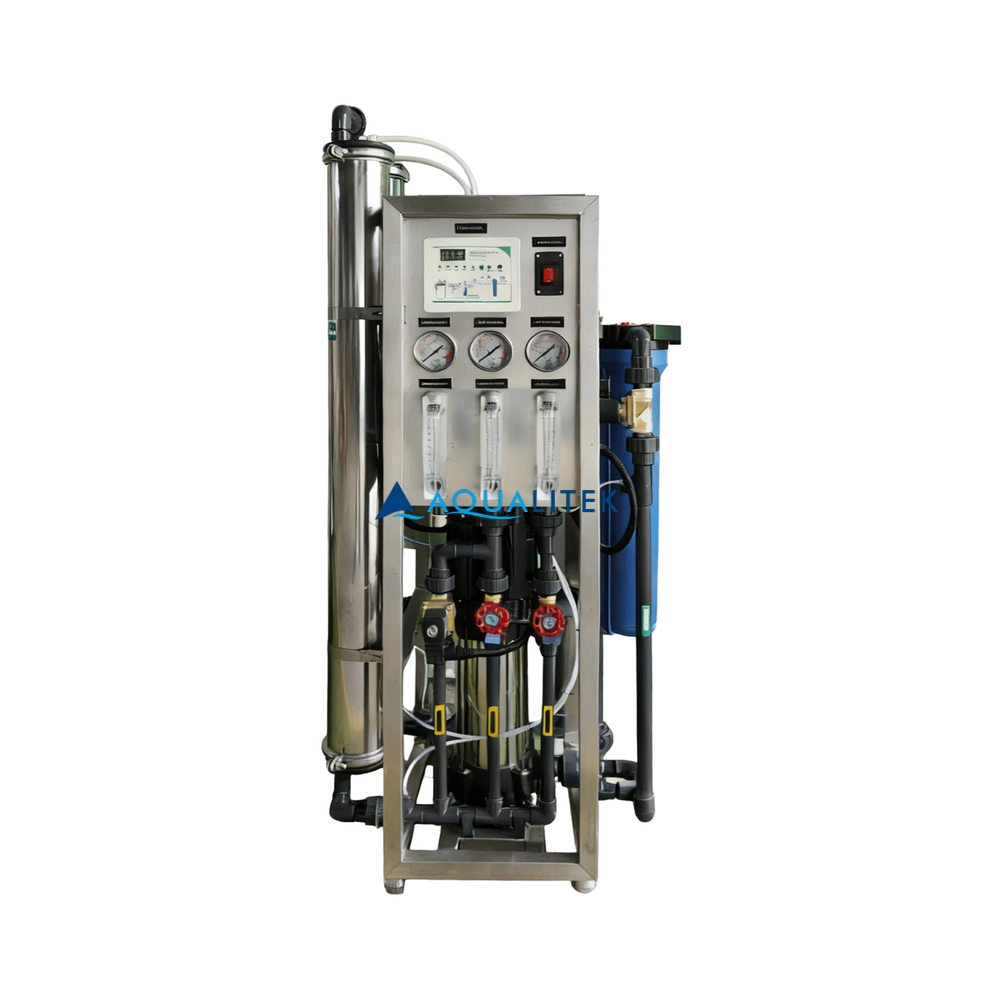
TWV series Reverse Osmosis (RO) systems are pre-engineered and pre-assembled units with 2.5”/4” membrane housings(single element type)for tap water(lower TDS).They are designed for overall superior performance, high recovery rates and offer great savings with low maintenance and operation costs.
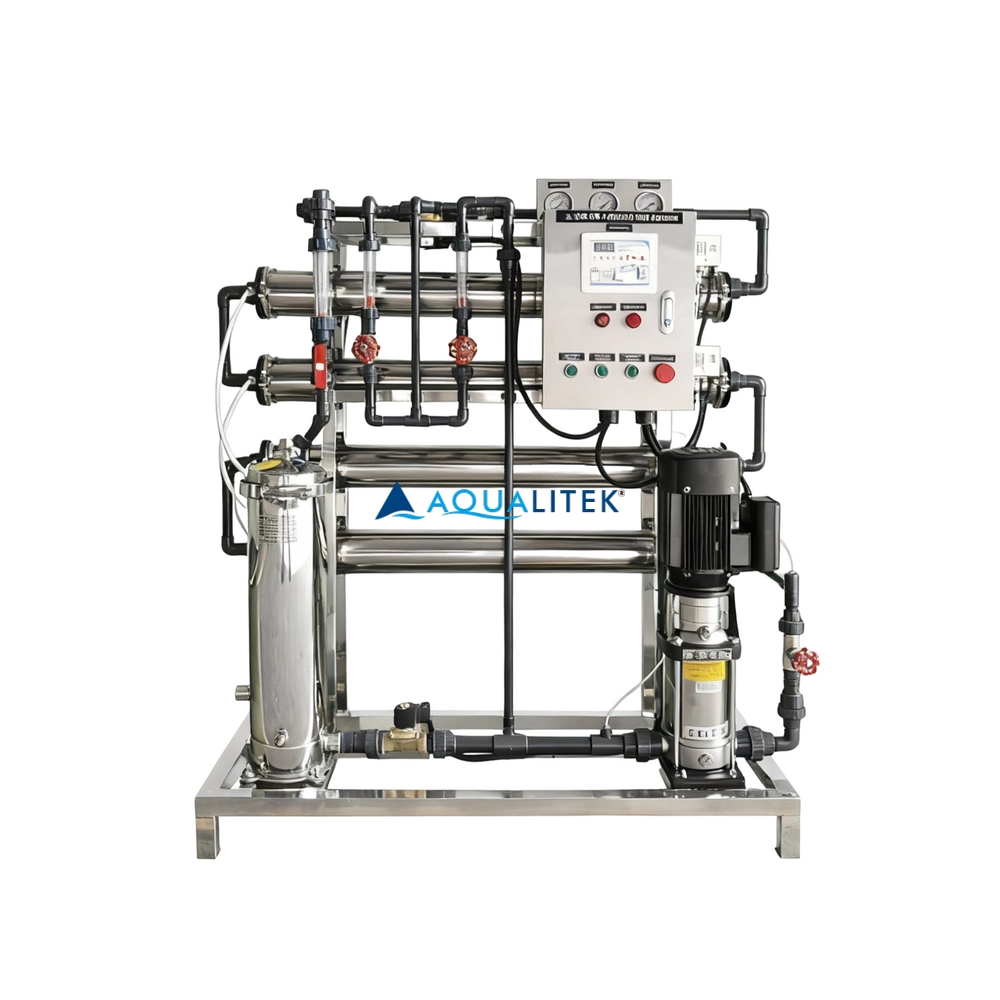
TWF series Reverse Osmosis (RO) systems are pre-engineered and pre-assembled units with 4” membrane housings(multiple elements type) for tap water(lower TDS) .The medium large volumes can help meet your a variety of commercial and industrial applications. They are designed for overall superior performance, high recovery rates and offer great savings with low maintenance and operation costs.

TWE series Reverse Osmosis (RO) systems are pre-engineered and pre-assembled units with 8” membrane housings for tap water (lower TDS). The large volumes can help meet your a variety of industrial applications. They are designed for overall superior performance, high recovery rates and offer great savings with low maintenance and operation costs.
© 2026 AQUALITEK. All rights reserved.
AQUALITEK- Aimee Hoo
AQUALITEK - Aimee Hoo