




Best Guide: What Are the Most Crucial and Expensive Consumables in an Industrial RO System?| Insights by AQUALITEK
Industrial RO systems rely on several key consumables that directly affect water quality, system performance, and long-term operating cost. This Best Guide explains the most important—and often the most expensive—consumables, how they work, and how to manage them efficiently.
- 1. Introduction: Why Consumables Matter in RO Systems
- 2. The Most Crucial and Expensive Consumables in an Industrial RO System
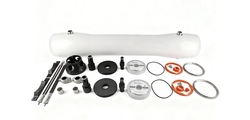
- (1) RO Membrane Elements – The Most Expensive Core Consumable
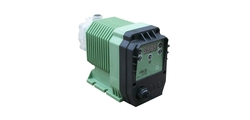
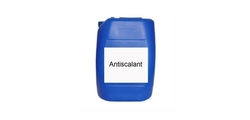
- (2) Antiscalant Chemicals – Essential for Scaling Prevention
- (3) Sodium Bisulfite (SBS) – For Dechlorination Protection
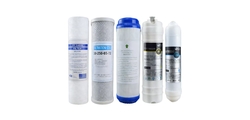
- (4) Cartridge Filters (5 µm, 1 µm, etc.) – High-Frequency Consumables
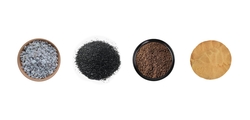
- (5) Activated Carbon (in Pretreatment) – For Chlorine & Organic Removal
- (6) Cleaning Chemicals (CIP) – For Restoring Membrane Performance
- (7) Resin (Optional Systems) – When Softening Is Required
- 3. Summary: Which Consumables Matter the Most?
- 4. How to Reduce Consumable Costs in an Industrial RO System
- 5. Conclusion
1. Introduction: Why Consumables Matter in RO Systems
Unlike household RO purifiers, industrial RO systems operate continuously and treat large volumes of water. Over time, critical components degrade, foul, or require replacement. Some of these consumables represent a significant portion of the system’s operating cost.
Understanding which consumables matter most helps operators maintain stable water quality and reduce long-term expenses.
2. The Most Crucial and Expensive Consumables in an Industrial RO System
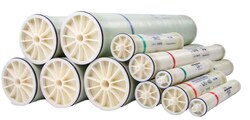
(1) RO Membrane Elements – The Most Expensive Core Consumable
Why They’re Important
RO membranes are the heart of the system. They determine salt rejection, permeate quality, and energy consumption.
Why They’re Expensive
•Precision manufacturing
•Thin-film composite technology
•Strict performance standards
•Large quantity required in multi-stage systems
Replacement Frequency
Typically 3–7 years, depending on operation quality and pretreatment.
Cost Impact
Membrane replacement is often the largest single operational expense in long-term RO maintenance.
(2) Antiscalant Chemicals – Essential for Scaling Prevention
Purpose
Prevent calcium carbonate, sulfate, silica, and metal fouling inside RO membranes.
Why They’re Crucial
Scaling is one of the fastest ways to damage a membrane beyond repair. Correct antiscalant dosage directly extends membrane lifespan.
Cost Impact
Although not as expensive as membranes, antiscalant is consumed continuously and represents a significant annual chemical cost.
(3) Sodium Bisulfite (SBS) – For Dechlorination Protection
Purpose
Neutralize chlorine before feed water enters the RO system.
Why It’s Necessary
Chlorine oxidizes and permanently damages RO membranes. Without SBS, membrane failure can occur within hours.
Cost Impact
Moderate cost but absolutely essential—membrane protection depends on it.
(4) Cartridge Filters (5 µm, 1 µm, etc.) – High-Frequency Consumables
Purpose
Remove fine particles after pretreatment and before RO.
Why They’re Crucial
They prevent particulate fouling and protect high-pressure pumps and membrane elements.
Replacement Frequency
Every 1–4 weeks, depending on water quality.
Cost Impact
Individually inexpensive, but high replacement frequency makes them a major recurring cost.
(5) Activated Carbon (in Pretreatment) – For Chlorine & Organic Removal
Purpose
Remove residual chlorine and organics, reduce COD, protect RO membranes.
Why It Matters
Poor carbon performance → chlorine breakthrough → irreversible membrane oxidation.
Replacement Frequency
Every 6–24 months, depending on load.
Cost Impact
Moderate but essential for membrane safety.
(6) Cleaning Chemicals (CIP) – For Restoring Membrane Performance
RO membranes require periodic chemical cleaning when:
•Differential pressure increases
•Permeate flow decreases
•Conductivity increases
Types of Cleaning Chemicals
•Alkaline cleaners (for organic fouling)
•Acid cleaners (for scaling)
•Enzymatic cleaners (for biofouling)
•Surfactant blends
Cost Impact
Cleaning chemicals are essential to avoid premature membrane replacement, reducing long-term cost.
(7) Resin (Optional Systems) – When Softening Is Required
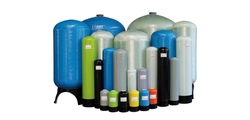
For water sources with high hardness, ion-exchange resin is used upstream to prevent scaling.
Cost Impact
Not used in all RO systems, but in hard-water regions, resin replacement becomes a major consumable expense.
3. Summary: Which Consumables Matter the Most?
|
Consumable |
Importance |
Cost Level |
Notes |
|
RO Membrane Elements |
★★★★★ |
★★★★★ |
Highest long-term cost |
|
Antiscalant |
★★★★★ |
★★★★☆ |
Continuous consumption |
|
Cartridge Filters |
★★★★☆ |
★★★☆☆ |
High replacement frequency |
|
Activated Carbon |
★★★★☆ |
★★★☆☆ |
Essential for dechlorination |
|
CIP System |
★★★★☆ |
★★★☆☆ |
Extends membrane life |
|
Ion-Exchange Resin |
★★★☆☆ |
★★★★☆ |
Significant cost in hard-water applications |
4. How to Reduce Consumable Costs in an Industrial RO System
✔ Improve Pretreatment
Better pretreatment reduces membrane fouling, extending membrane lifespan.
✔ Optimize Antiscalant Dosage
Neither overdosing nor underdosing is ideal—use precise dosing pumps.
✔ Maintain Proper CIP Frequency
Clean membranes early, not late.
✔ Monitor SDI & Turbidity
High SDI leads to faster cartridge filter consumption and membrane fouling.
✔ Avoid Chlorine Breakthrough
Regularly check ORP and SBS dosing.
✔ Run System at Optimal Recovery
High recovery increases fouling and chemical costs.
5. Conclusion
The most crucial and expensive consumables in industrial RO systems are the RO membranes, antiscalant, SBS, cartridge filters, and cleaning chemicals. Managing these consumables effectively helps operators:
•Reduce long-term operating costs
•Extend membrane life
•Ensure system stability
•Improve purified water quality
A well-managed consumable strategy can significantly reduce the total cost of ownership for any industrial RO system.


![The Ultimate 2026 Guide to Nanofiltration for industrial: Everything You Need to Know [Expert Insights]](https://www.aqualitek.com/upload/img/GY729933660850/the-ultimate-2026-guide-to-nanofiltration-for-industrial-everything-you-need-to-know-expert-insights.png?x-oss-process=image/watermark,t_100,g_center,x_5,y_5,image_dXBsb2FkL2ltZy9HWTcyOTkzMzY2MDg1MC9sb2dvLW5ldy0zLnBuZz94LW9zcy1wcm9jZXNzPWltYWdlL3Jlc2l6ZSxQXzI1/format,webp/quality,Q_100 "The-Ultimate-2026-Guide-to-Nanofiltration-for-industrial:-Everything-You-Need-to-Know-[Expert-Insights]")
Request More Information or Expert Advice
Share a few details, and we’ll provide deeper insights, tailored suggestions, or product support.
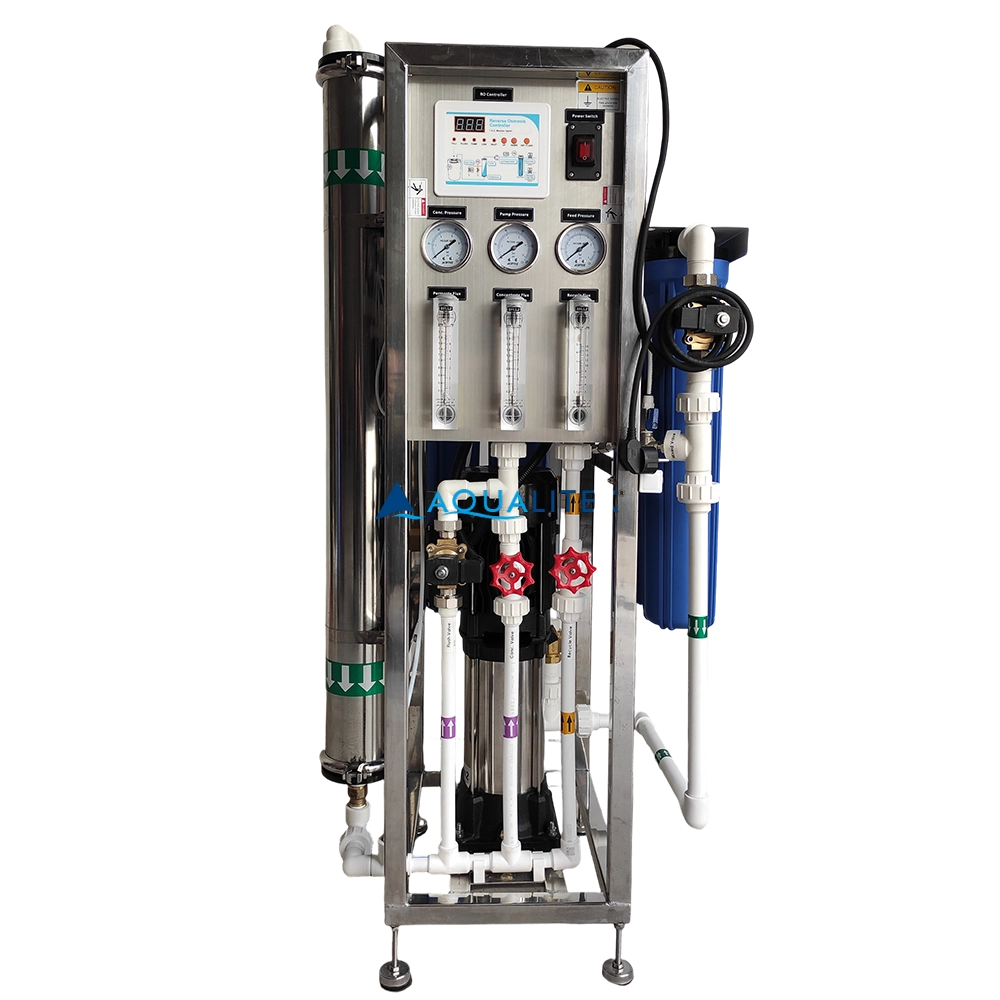
Our 500 LPH Reverse Osmosis (RO) System is engineered to provide high-quality purified water for commercial applications. Designed with advanced RO technology, durable components, and a user-friendly interface, this system ensures consistent performance, low maintenance, and long-term reliability.
With its compact design and robust skid-mounted frame, it’s an excellent choice for businesses that demand efficiency and quality in water purification.
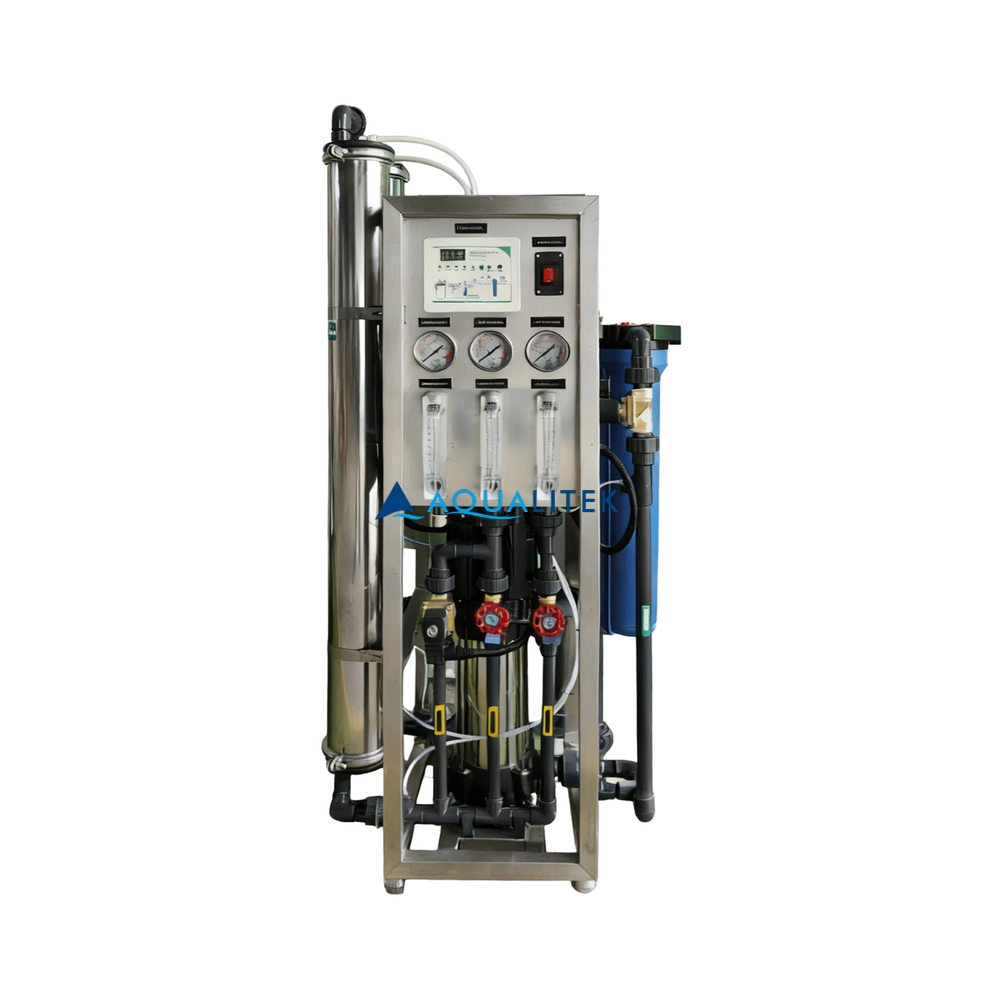
TWV series Reverse Osmosis (RO) systems are pre-engineered and pre-assembled units with 2.5”/4” membrane housings(single element type)for tap water(lower TDS).They are designed for overall superior performance, high recovery rates and offer great savings with low maintenance and operation costs.
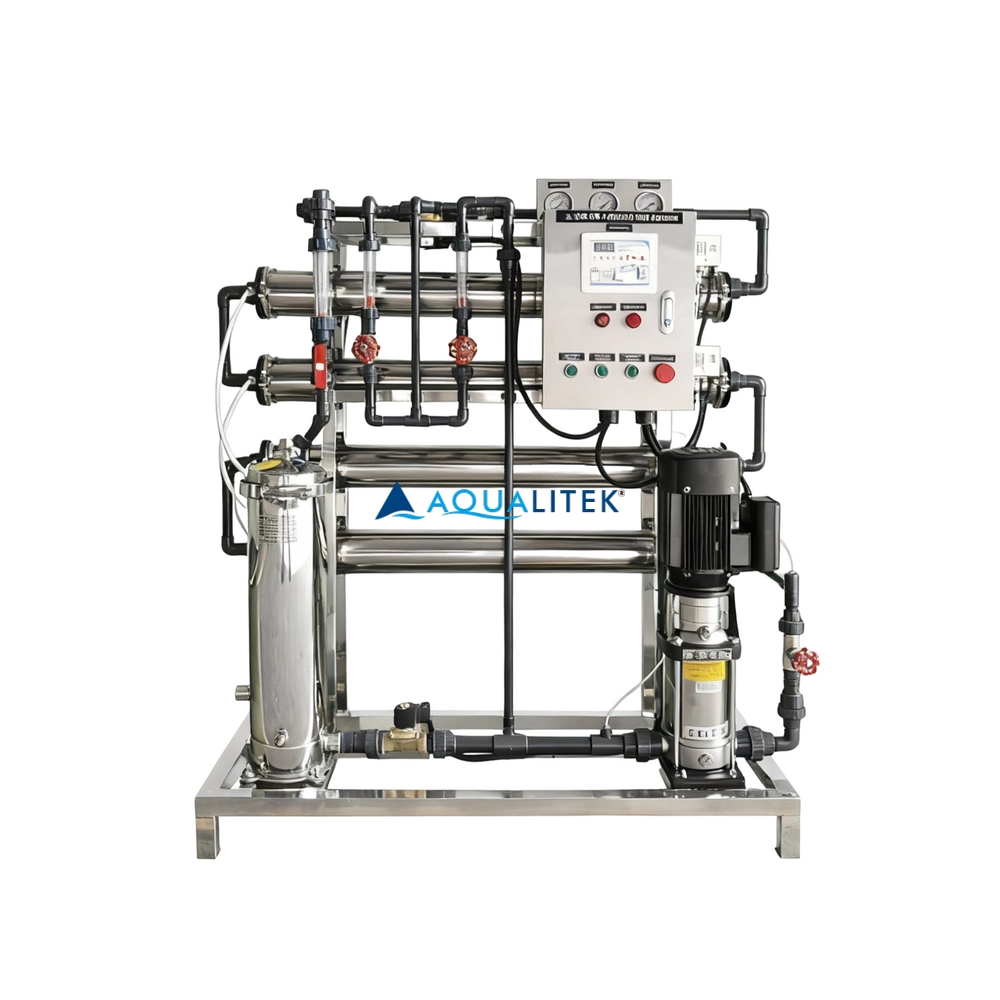
TWF series Reverse Osmosis (RO) systems are pre-engineered and pre-assembled units with 4” membrane housings(multiple elements type) for tap water(lower TDS) .The medium large volumes can help meet your a variety of commercial and industrial applications. They are designed for overall superior performance, high recovery rates and offer great savings with low maintenance and operation costs.

TWE series Reverse Osmosis (RO) systems are pre-engineered and pre-assembled units with 8” membrane housings for tap water (lower TDS). The large volumes can help meet your a variety of industrial applications. They are designed for overall superior performance, high recovery rates and offer great savings with low maintenance and operation costs.
© 2026 AQUALITEK. All rights reserved.
AQUALITEK- Aimee Hoo
AQUALITEK - Aimee Hoo