



Best Guide: What Are the Possible Causes of an Off-Odor in RO Produced Water?| Insights by AQUALITEK
RO-purified water should be clean, odorless, and fresh. When the permeate develops an unusual smell, it usually indicates problems in pretreatment, membrane performance, post-filtration components, or system hygiene. This article explains the common causes of off-odor in RO water, how to diagnose them, and how to resolve the issue effectively.
- 1. Why Should RO Water Normally Have No Odor?
- 2. Common Causes of Off-Odor in RO Permeate
- Cause 1: Contamination in the Storage Tank or Piping
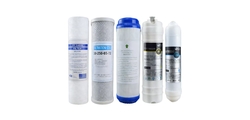
- Cause 2: Activated Carbon Post-Filter Exhaustion
- Cause 3: Biofouling or Contamination on the RO Membrane
- Cause 4: Chlorine Breakthrough Damaging the RO Membrane
- Cause 5: Bacterial Contamination in Post-RO Accessories
- Cause 6: Material Odor from New Components
- Cause 7: Source Water Odor Passing Through Due to Pretreatment Failure
- 3. How to Diagnose the Source of the Odor?
- 4. How to Prevent Permeate Odor Long-Term
- Conclusion
1. Why Should RO Water Normally Have No Odor?
A properly functioning RO system removes:
•Dissolved salts
•Organic matter
•Odor-causing compounds
•Microorganisms
Therefore, any noticeable odor is an abnormal condition and should be investigated immediately.
2. Common Causes of Off-Odor in RO Permeate
Cause 1: Contamination in the Storage Tank or Piping
This is the most common cause in household and industrial systems.
Possible sources:
•Biofilm buildup in storage tanks
•Mold growth due to long stagnation
•Food-grade bladder tanks aging
•Rubber materials releasing odor
•Poor hygiene of distribution piping
Typical smells: musty, earthy, rubber-like
Solutions:
•Clean and disinfect the tank
•Replace aged bladder components
•Flush piping with disinfectant (NaClO, H₂O₂)
•Avoid long-term stagnant water
Cause 2: Activated Carbon Post-Filter Exhaustion
If a post carbon filter (T33) is saturated, it may:
•Fail to remove residual odors
•Release microbial metabolites
•Produce slight chemical smell
Typical smells: chlorine-like, chemical, plastic
Solutions:
•Replace post carbon filter
•Ensure regular maintenance cycle
•Flush adequately after filter replacement
Cause 3: Biofouling or Contamination on the RO Membrane
If microorganisms colonize the membrane surface, permeate quality may drop.
Typical smells: musty, swampy, rotten water odor
Causes:
•Inadequate disinfection
•Long shutdown without proper preservation
•Pretreatment failure
•High TOC in feedwater
Solutions:
•Perform chemical cleaning (biocide/acid)
•Strengthen pre-filtration
•Ensure proper membrane preservation during shutdown
Cause 4: Chlorine Breakthrough Damaging the RO Membrane
When chlorine leaks through exhausted activated carbon:
•Membrane surface is oxidized
•The membrane loses rejection
•Organics pass through easily
•Permeate becomes odorous
Typical smell: chlorine-like, chemical
Solutions:
•Replace carbon filter
•Check residual chlorine
•Verify membrane integrity
Cause 5: Bacterial Contamination in Post-RO Accessories
Components such as:
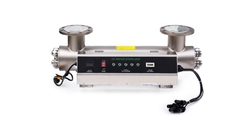
•UV chambers
•Mineralization cartridges
•Alkaline cartridges
•Hollow fiber polishing filters
can become microbial hotspots if:
•They are used past service life
•They are not flushed properly
•Water stays stagnant for days
Typical smells: earthy, sour, musty
Solutions:
•Replace suspect cartridges
•Sanitize the system
•Improve flushing routine
Cause 6: Material Odor from New Components
New:
•tubing
•housings
•tanks
•O-rings
may release initial odors.
Typical smells: plastic, rubber
Solutions:
•Thoroughly flush system
•Sanitize with weak disinfectant
•Ensure NSF-certified food-grade materials
Cause 7: Source Water Odor Passing Through Due to Pretreatment Failure
If pretreatment is inadequate:
•High TOC
•Hydrogen sulfide (H₂S)
•Volatile organic compounds
may penetrate or overwhelm the RO system.
Typical smells: rotten egg (H₂S), fishy, earthy
Solutions:
•Check feedwater quality changes
•Replace pretreatment media
•Add activated carbon or aeration steps
3. How to Diagnose the Source of the Odor?
Step-by-step approach:
1.Smell the permeate directly from the RO membrane
If odor exists → membrane/post-filters issue
If no odor → tank/piping issue
2.Check storage tank and distribution piping
Most common biofilm location
3.Check post activated carbon filter (T33)
Replace if exceeded lifespan
4.Check feedwater odor
Source water may be the problem
5.Observe permeate conductivity trend
Sharp increase may indicate membrane damage
6.Test bacterial levels if necessary
4. How to Prevent Permeate Odor Long-Term
•Maintain regular flushing
•Replace filters on schedule
•Keep system disinfected during shutdown
•Use high-quality food-grade components
•Prevent long-term stagnation of water
•Install UV after storage tanks (industrial systems)
Conclusion
An off-odor in RO permeate is usually linked to:
•Biofilm growth
•Exhausted carbon filters
•Post-filter contamination
•Membrane fouling or oxidation
•Poor pretreatment
•New component odor
With systematic diagnosis and proper maintenance, the issue can be quickly identified and resolved.




Request More Information or Expert Advice
Share a few details, and we’ll provide deeper insights, tailored suggestions, or product support.
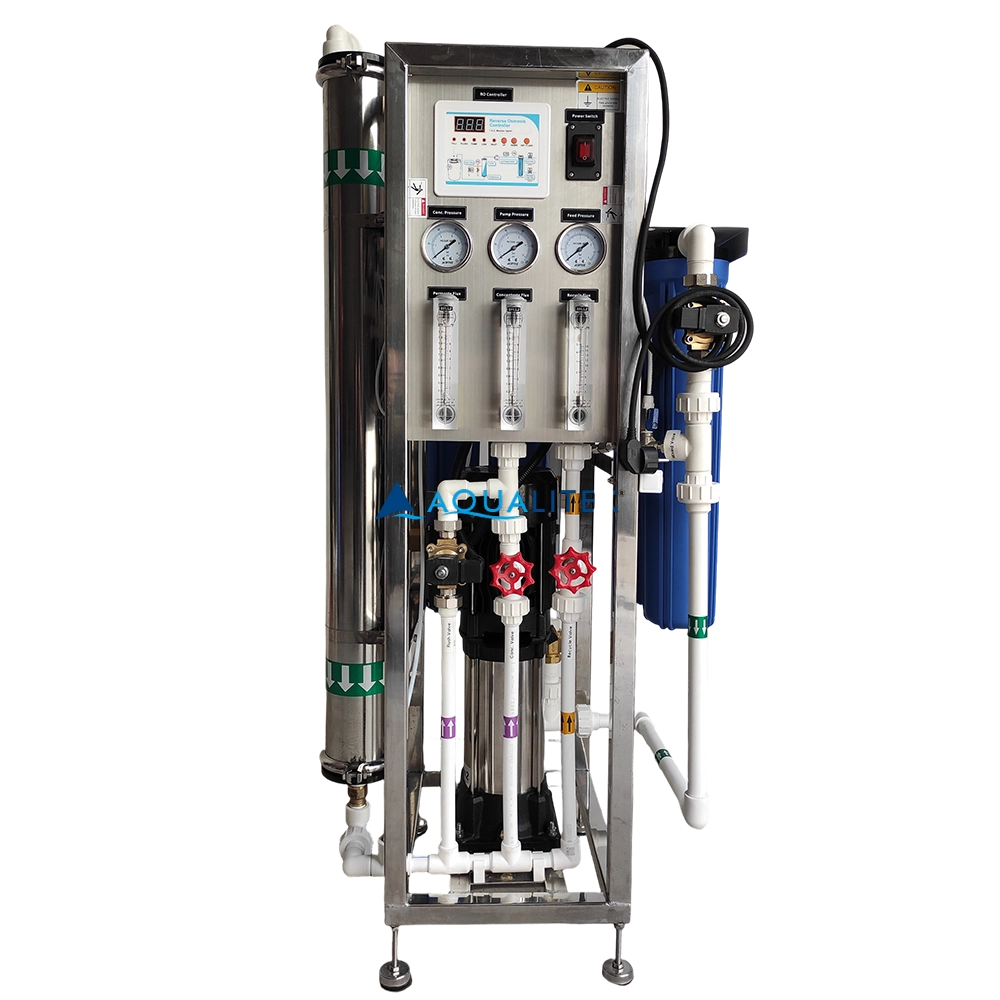
Our 500 LPH Reverse Osmosis (RO) System is engineered to provide high-quality purified water for commercial applications. Designed with advanced RO technology, durable components, and a user-friendly interface, this system ensures consistent performance, low maintenance, and long-term reliability.
With its compact design and robust skid-mounted frame, it’s an excellent choice for businesses that demand efficiency and quality in water purification.
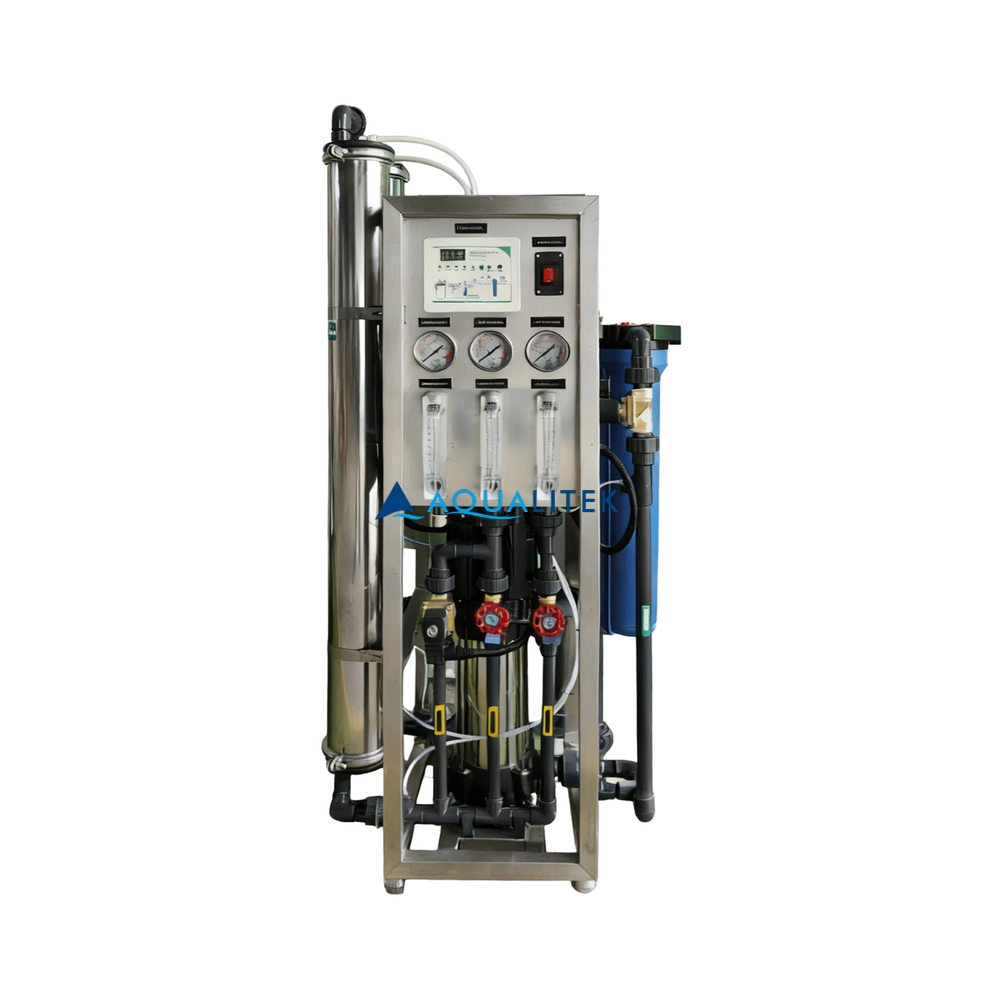
TWV series Reverse Osmosis (RO) systems are pre-engineered and pre-assembled units with 2.5”/4” membrane housings(single element type)for tap water(lower TDS).They are designed for overall superior performance, high recovery rates and offer great savings with low maintenance and operation costs.
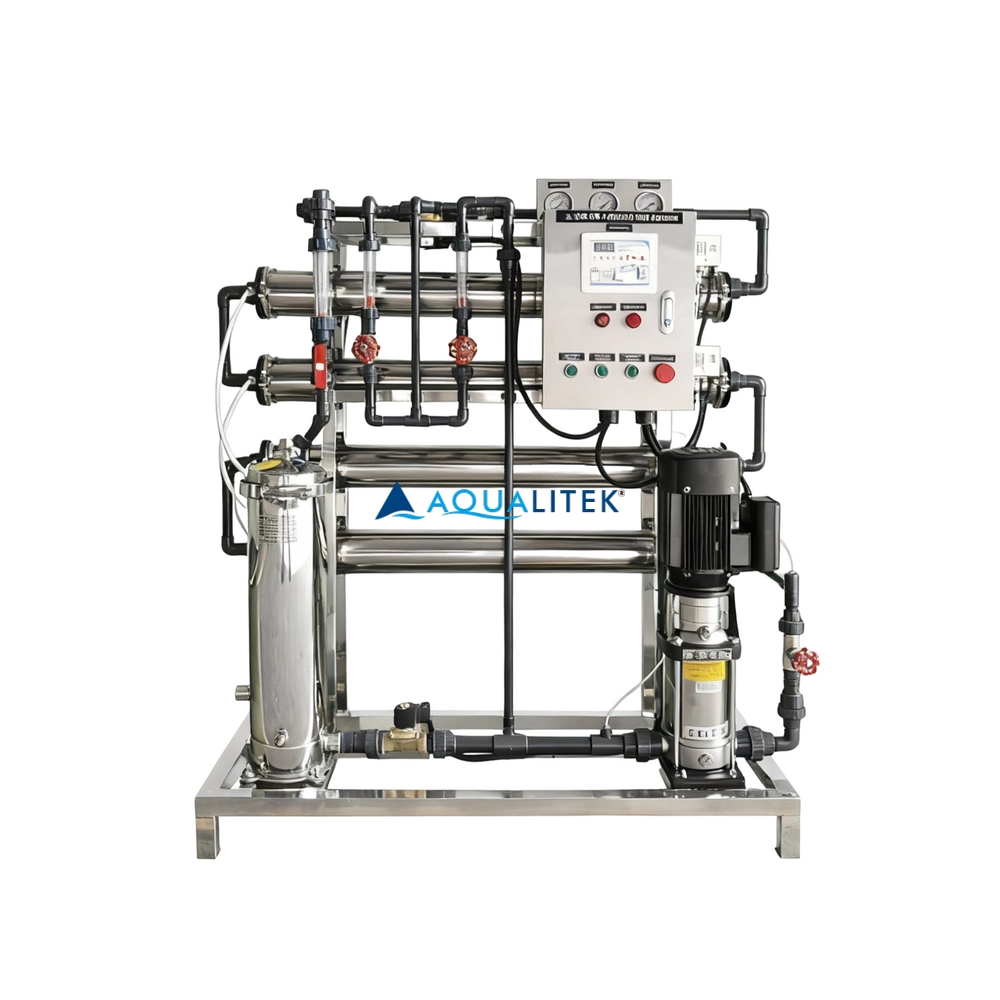
TWF series Reverse Osmosis (RO) systems are pre-engineered and pre-assembled units with 4” membrane housings(multiple elements type) for tap water(lower TDS) .The medium large volumes can help meet your a variety of commercial and industrial applications. They are designed for overall superior performance, high recovery rates and offer great savings with low maintenance and operation costs.

TWE series Reverse Osmosis (RO) systems are pre-engineered and pre-assembled units with 8” membrane housings for tap water (lower TDS). The large volumes can help meet your a variety of industrial applications. They are designed for overall superior performance, high recovery rates and offer great savings with low maintenance and operation costs.
© 2026 AQUALITEK. All rights reserved.
AQUALITEK- Aimee Hoo
AQUALITEK - Aimee Hoo