



What Substances Must Be Critically Controlled During Seawater RO Pretreatment?| Insights by AQUALITEK
Seawater pretreatment is crucial for RO system reliability. This article explains which substances must be removed or controlled before seawater enters RO membranes and why each one matters.
- Introduction
- 1. Suspended Solids (SS) and Particulate Matter
- Why They Are Critical
- Control Target
- Typical Removal Methods
- 2. Colloidal Particles
- Why They Are Dangerous
- Examples
- Control Strategy
- 3. Natural Organic Matter (NOM)
- Why It Must Be Controlled
- Control Indicators
- Removal Methods
- 4. Microorganisms and Biological Activity
- Why Biofouling Is the Most Severe Risk
- Key Control Approach
- Typical Measures
- 5. Oxidants (Free Chlorine, Chloramines, Ozone)
- Why Oxidants Are Extremely Dangerous
- Acceptable Limit
- Control Methods
- 6. Iron, Manganese, and Metal Ions
- Why Metals Cause Serious Fouling
- Sources
- Control Target
- 7. Oil, Grease, and Hydrocarbons
- Why They Are High-Risk Contaminants
- Control Measures
- 8. Silt Density Index (SDI) – A Key Composite Indicator
- Conclusion
Introduction
In seawater reverse osmosis (SWRO) systems, pretreatment is not about improving water quality for users—it is about protecting the RO membrane system.
Unlike brackish water, seawater contains a complex mixture of:
•Suspended solids
•Colloids
•Organic matter
•Microorganisms
•Oxidants and metals
If these substances are not properly controlled, RO membranes will foul, scale, or degrade rapidly, regardless of membrane brand or system pressure.
This article outlines the most critical substances that seawater pretreatment must remove or control, and explains why each one is dangerous to SWRO systems.
1. Suspended Solids (SS) and Particulate Matter
Why They Are Critical
Suspended solids include:
•Sand
•Silt
•Clay
•Rust particles
•Fine debris
Even at low concentrations, they:
•Cause rapid surface fouling
•Increase differential pressure
•Block membrane feed channels
Control Target
•SDI₁₅ ≤ 3–5
•Turbidity ≤ 1 NTU (typically ≤ 0.5 NTU for SWRO)
Typical Removal Methods
•Coagulation + flocculation
•Media filtration
•Ultrafiltration (UF)
•Cartridge (security) filtration
2. Colloidal Particles
Why They Are Dangerous
Colloids (0.001–1 μm) are:
•Electrically charged
•Stable in suspension
•Difficult to settle or filter
They cause:
•Dense, irreversible fouling layers
•Poor cleanability
•Rapid flux decline
Examples
•Iron hydroxides
•Aluminum flocs
•Silica colloids
•Organic-metal complexes
Control Strategy
•Proper coagulation chemistry
•Sufficient flocculation time
•Fine filtration or UF membranes
3. Natural Organic Matter (NOM)
Why It Must Be Controlled
Seawater contains:
•Humic substances
•Fulvic acids
•Dissolved organic carbon (DOC)
These substances:
•Adsorb strongly onto membrane surfaces
•Promote biofouling
•React with disinfectants to form DBPs
Control Indicators
•TOC
•UV₂₅₄ absorbance
Removal Methods
•Optimized coagulation
•Activated carbon (in some designs)
•UF with enhanced coagulation
4. Microorganisms and Biological Activity
Why Biofouling Is the Most Severe Risk
Seawater is biologically active and contains:
•Bacteria
•Algae
•Biofilm-forming microorganisms
Biofouling leads to:
•Rapid pressure drop increase
•Irreversible membrane damage
•Frequent chemical cleaning
Key Control Approach
•Prevention, not elimination
•Reduce nutrients and attachment sites
Typical Measures
•Coagulation to remove biomass
•Physical filtration
•Periodic shock dosing (non-oxidizing biocides)
5. Oxidants (Free Chlorine, Chloramines, Ozone)
Why Oxidants Are Extremely Dangerous
Most RO membranes are polyamide-based and:
•Are irreversibly damaged by oxidants
•Lose salt rejection permanently
Acceptable Limit
•Free chlorine: < 0.01 mg/L at RO inlet
Control Methods
•Sodium metabisulfite (SMBS) dosing
•Activated carbon dechlorination
•ORP monitoring
6. Iron, Manganese, and Metal Ions
Why Metals Cause Serious Fouling
Iron and manganese:
•Oxidize and precipitate
•Form dense, sticky fouling layers
•Are difficult to remove by CIP
Sources
•Seawater intake corrosion
•Chemical dosing impurities
•Coagulant carryover
Control Target
•Total iron typically < 0.05 mg/L
7. Oil, Grease, and Hydrocarbons
Why They Are High-Risk Contaminants
In coastal and industrial areas, seawater may contain:
•Petroleum hydrocarbons
•Lubricants
•Organic solvents
These substances:
•Strongly adhere to membrane surfaces
•Cause severe organic fouling
•Are difficult to clean completely
Control Measures
•Proper intake location
•Oil-water separation
•Emergency shutdown protocols
8. Silt Density Index (SDI) – A Key Composite Indicator
SDI does not represent a single substance, but reflects:
•Particulates
•Colloids
•Organic matter
It is one of the most important pretreatment performance indicators for SWRO.
Typical design requirement:
•SDI₁₅ ≤ 3–5
Conclusion
Seawater pretreatment is not optional fine-tuning—it is the foundation of RO system reliability.
The most critical substances that must be removed or controlled include:
•Suspended solids and colloids
•Natural organic matter
•Microorganisms
•Oxidants
•Metals and hydrocarbons
Effective pretreatment:
•Extends membrane life
•Reduces chemical cleaning frequency
•Stabilizes energy consumption
•Protects high-value RO assets
In SWRO systems, pretreatment quality determines overall plant success.


Request More Information or Expert Advice
Share a few details, and we’ll provide deeper insights, tailored suggestions, or product support.
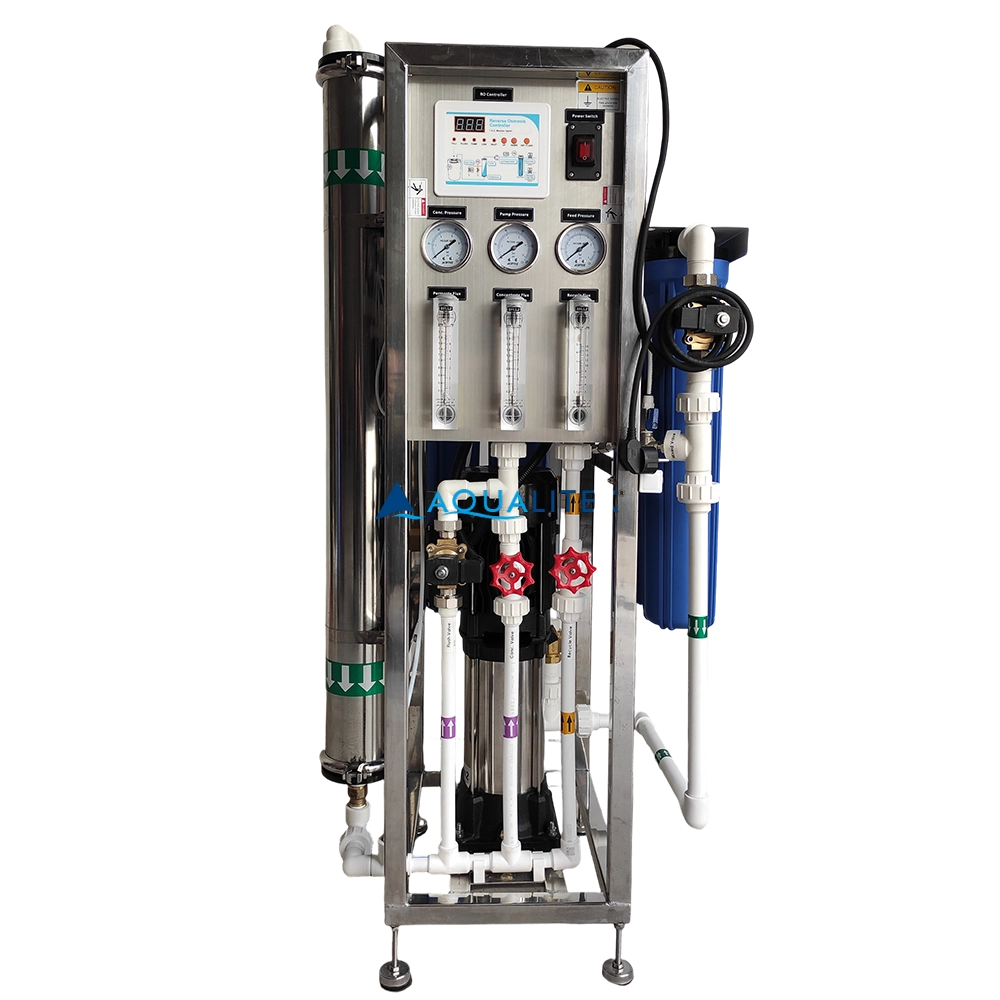
Our 500 LPH Reverse Osmosis (RO) System is engineered to provide high-quality purified water for commercial applications. Designed with advanced RO technology, durable components, and a user-friendly interface, this system ensures consistent performance, low maintenance, and long-term reliability.
With its compact design and robust skid-mounted frame, it’s an excellent choice for businesses that demand efficiency and quality in water purification.
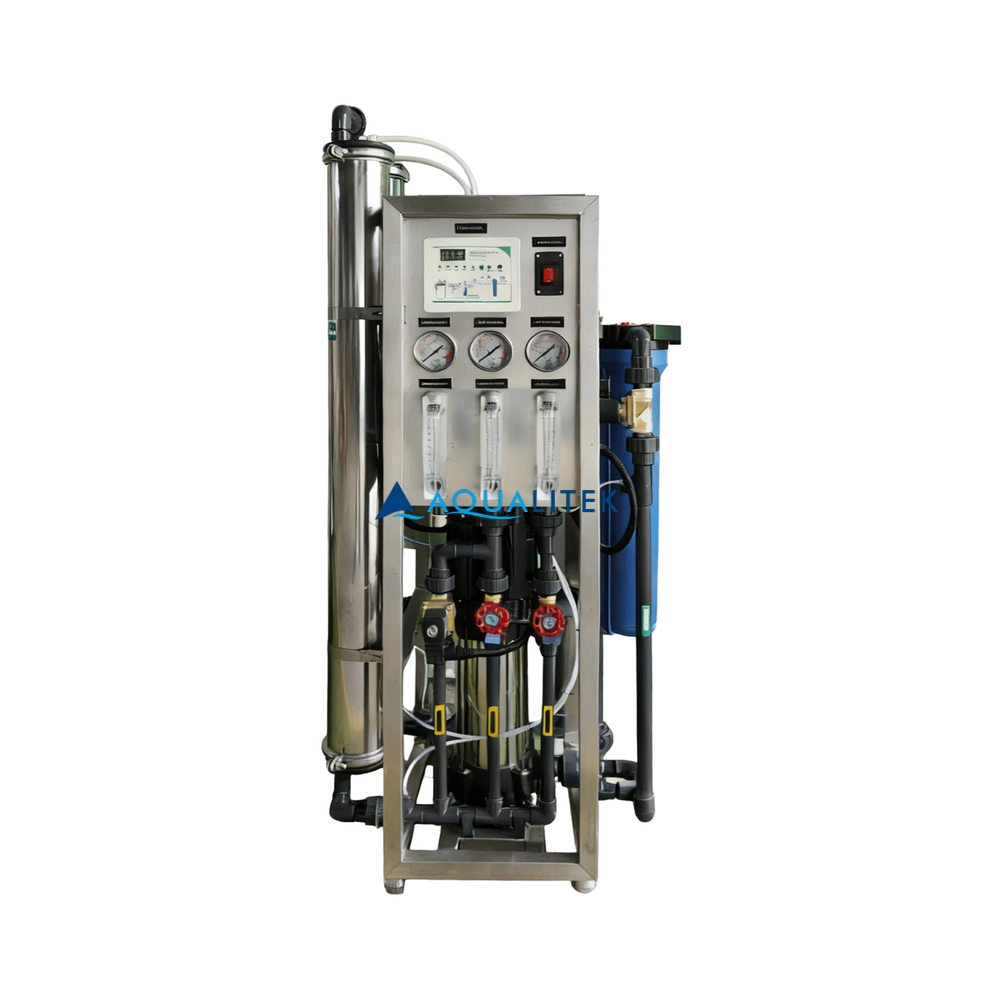
TWV series Reverse Osmosis (RO) systems are pre-engineered and pre-assembled units with 2.5”/4” membrane housings(single element type)for tap water(lower TDS).They are designed for overall superior performance, high recovery rates and offer great savings with low maintenance and operation costs.
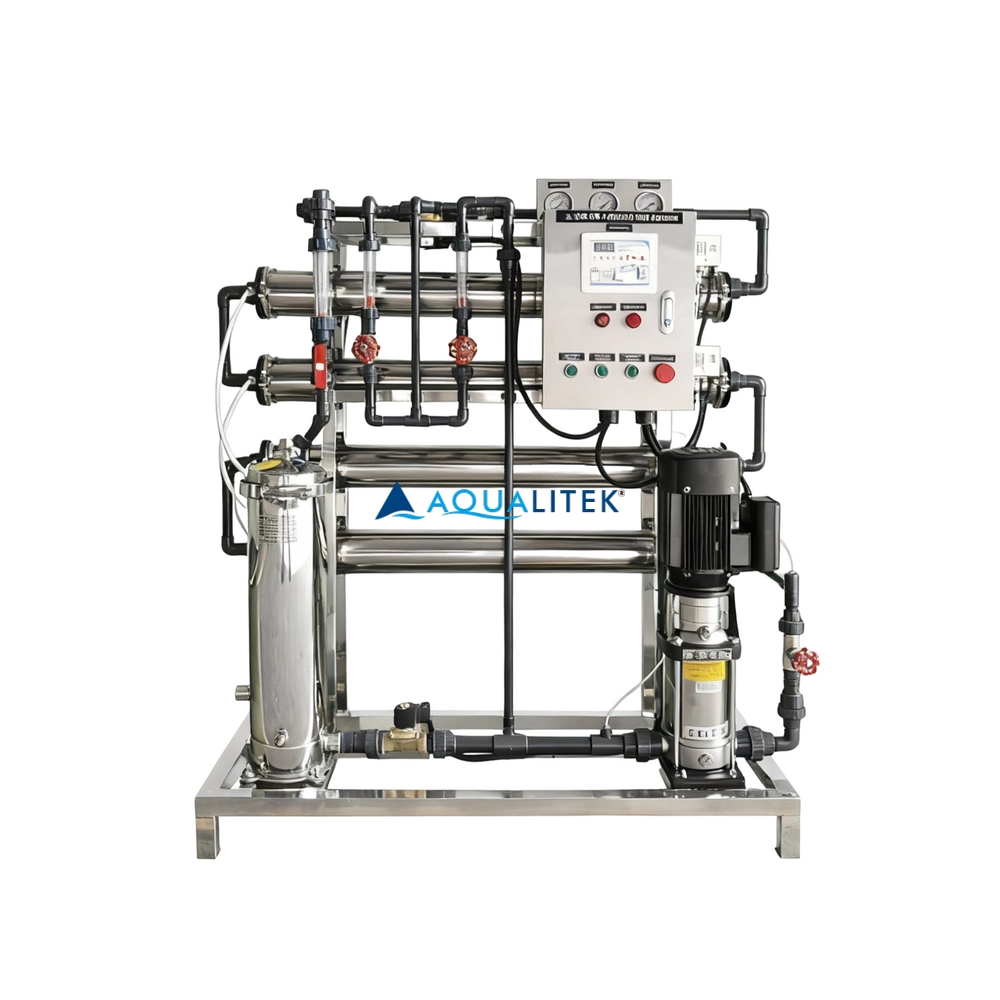
TWF series Reverse Osmosis (RO) systems are pre-engineered and pre-assembled units with 4” membrane housings(multiple elements type) for tap water(lower TDS) .The medium large volumes can help meet your a variety of commercial and industrial applications. They are designed for overall superior performance, high recovery rates and offer great savings with low maintenance and operation costs.

TWE series Reverse Osmosis (RO) systems are pre-engineered and pre-assembled units with 8” membrane housings for tap water (lower TDS). The large volumes can help meet your a variety of industrial applications. They are designed for overall superior performance, high recovery rates and offer great savings with low maintenance and operation costs.
© 2026 AQUALITEK. All rights reserved.
AQUALITEK- Aimee Hoo
AQUALITEK - Aimee Hoo