



How to Effectively Prevent Microorganism and Algae Proliferation in Seawater Desalination Systems?| Insights by AQUALITEK
Microorganisms and algae are major threats to seawater desalination systems. Learn the most effective strategies to prevent biological proliferation and protect membranes from biofouling.
- Introduction
- 1. Understand the Root Cause of Biological Proliferation
- 2. Proper Seawater Intake Design (First Line of Defense)
- 3. Continuous or Intermittent Oxidant Dosing (Upstream Only)
- 4. Optimize Coagulation and Flocculation to Remove Biomass
- 5. High-Performance Filtration (Media Filter or UF)
- 6. Avoid Nutrient Accumulation in the System
- 7. Eliminate Dead Zones and Stagnant Flow
- 8. Controlled Use of Non-Oxidizing Biocides (When Necessary)
- 9. Proper Shutdown and Standby Protection
- Conclusion
Introduction
Seawater is a highly biologically active medium.
It naturally contains:
•Bacteria
•Algae
•Plankton
•Biofilm-forming microorganisms
In seawater reverse osmosis (SWRO) systems, biological proliferation is one of the most destructive and difficult-to-control problems. Once biofouling establishes itself, it can lead to:
•Rapid pressure drop increase
•Irreversible membrane fouling
•Frequent chemical cleaning
•Premature membrane failure
The key principle is simple:
You cannot sterilize seawater, but you can effectively prevent uncontrolled biological growth.
This article explains practical, proven strategies to prevent microorganism and algae proliferation throughout a seawater RO system.
1. Understand the Root Cause of Biological Proliferation
Microorganisms and algae proliferate when three conditions coexist:
1.Living organisms (always present in seawater)
2.Nutrients (organic matter, ammonia, phosphates)
3.Favorable conditions (low flow, warm temperature, stagnant zones)
Effective prevention focuses on removing nutrients and eliminating favorable growth environments, rather than trying to kill everything.
2. Proper Seawater Intake Design (First Line of Defense)
Why Intake Design Matters
Many biological problems originate before pretreatment even begins.
Best Practices
•Locate intake away from:
Harbors and wastewater outlets
Shallow coastal zones with algae blooms
•Use deep-water or offshore intakes where possible
•Install coarse screens to block large organisms
A well-designed intake significantly reduces:
•Algae load
•Plankton intrusion
•Seasonal bloom impacts
3. Continuous or Intermittent Oxidant Dosing (Upstream Only)
Purpose
Controlled oxidant dosing is used to:
•Suppress biological activity in intake pipelines
•Prevent biofilm formation before filtration
Common Oxidants
•Sodium hypochlorite
•Chlorine gas
•Ozone (limited cases)
Critical Rule
All oxidants must be completely removed before RO membranes.
Control Measures
•Dechlorination using sodium metabisulfite (SMBS)
•ORP and residual chlorine monitoring
Oxidants are effective only when used upstream and carefully controlled.
4. Optimize Coagulation and Flocculation to Remove Biomass
Why This Is Crucial
Many microorganisms and algae are:
•Too large to pass membranes
•Too small to settle naturally
Optimized coagulation:
•Agglomerates algae and bacteria
•Removes them physically instead of killing them
Key Factors
•Correct coagulant selection
•Proper dosing rate
•Adequate flocculation time
This step dramatically reduces biological load entering filtration units.
5. High-Performance Filtration (Media Filter or UF)
Filtration as a Physical Barrier
Filtration removes:
•Algae cells
•Bacterial clusters
•Organic debris
Recommended Targets
•Turbidity ≤ 0.5 NTU
•SDI₁₅ ≤ 3–5
Ultrafiltration Advantage
UF systems provide:
•Consistent biological removal
•Strong resistance to seasonal algae blooms
•More stable RO operation
6. Avoid Nutrient Accumulation in the System
Even trace nutrients can support biofilm growth.
Key Nutrients to Control
•Dissolved organic carbon (DOC)
•Ammonia
•Phosphates
Control Strategies
•Effective organic removal in pretreatment
•Avoid chemical overdosing
•Prevent coagulant and polymer carryover
7. Eliminate Dead Zones and Stagnant Flow
Why Hydraulics Matter
Microorganisms thrive in:
•Low-flow zones
•Dead ends
•Idle pipelines
Design & Operation Measures
•Avoid oversized pipelines
•Minimize dead legs
•Maintain minimum flushing velocities
•Flush idle units regularly
Good hydraulics are one of the most underrated biofouling control measures.
8. Controlled Use of Non-Oxidizing Biocides (When Necessary)
When to Use
•Severe biological fouling risk
•Warm seawater environments
•Persistent biofouling history
Key Principles
•Use intermittently, not continuously
•Rotate biocides to avoid resistance
•Ensure compatibility with membranes
Biocides are a supportive tool, not a primary solution.
9. Proper Shutdown and Standby Protection
During shutdowns:
•Biological growth accelerates rapidly
Best Practices
•Flush system with clean, low-nutrient water
•Avoid long stagnant periods
•Apply preservation chemicals for long shutdowns
Many biofouling incidents originate during system downtime.
Conclusion
Preventing microorganism and algae proliferation in seawater RO systems requires a system-wide, preventive strategy, not a single treatment step.
Effective control relies on:
•Smart intake design
•Physical removal over chemical killing
•Nutrient reduction
•Hydraulic optimization
•Careful chemical management
When done correctly, these measures:
•Greatly reduce biofouling risk
•Extend membrane life
•Stabilize RO performance
•Lower operating costs
In SWRO systems, biofouling prevention is always more effective—and cheaper—than biofouling removal.


Request More Information or Expert Advice
Share a few details, and we’ll provide deeper insights, tailored suggestions, or product support.
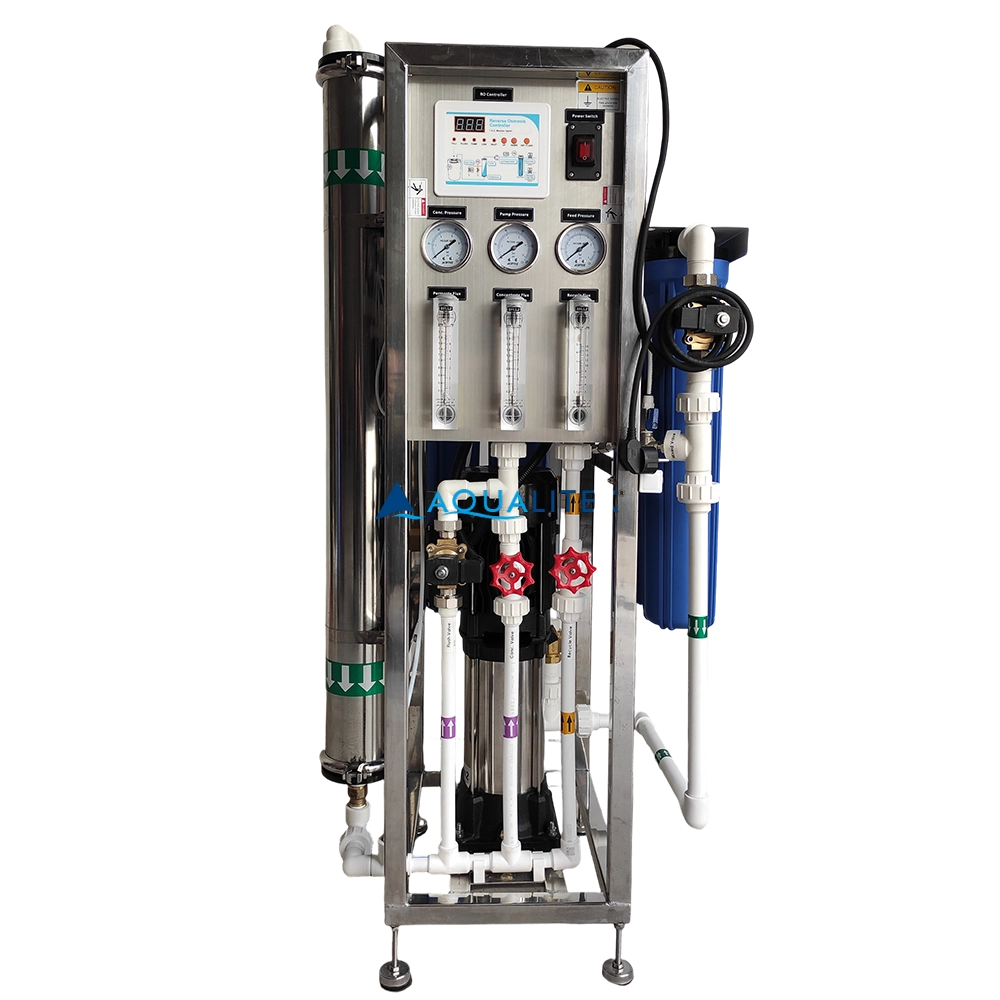
Our 500 LPH Reverse Osmosis (RO) System is engineered to provide high-quality purified water for commercial applications. Designed with advanced RO technology, durable components, and a user-friendly interface, this system ensures consistent performance, low maintenance, and long-term reliability.
With its compact design and robust skid-mounted frame, it’s an excellent choice for businesses that demand efficiency and quality in water purification.
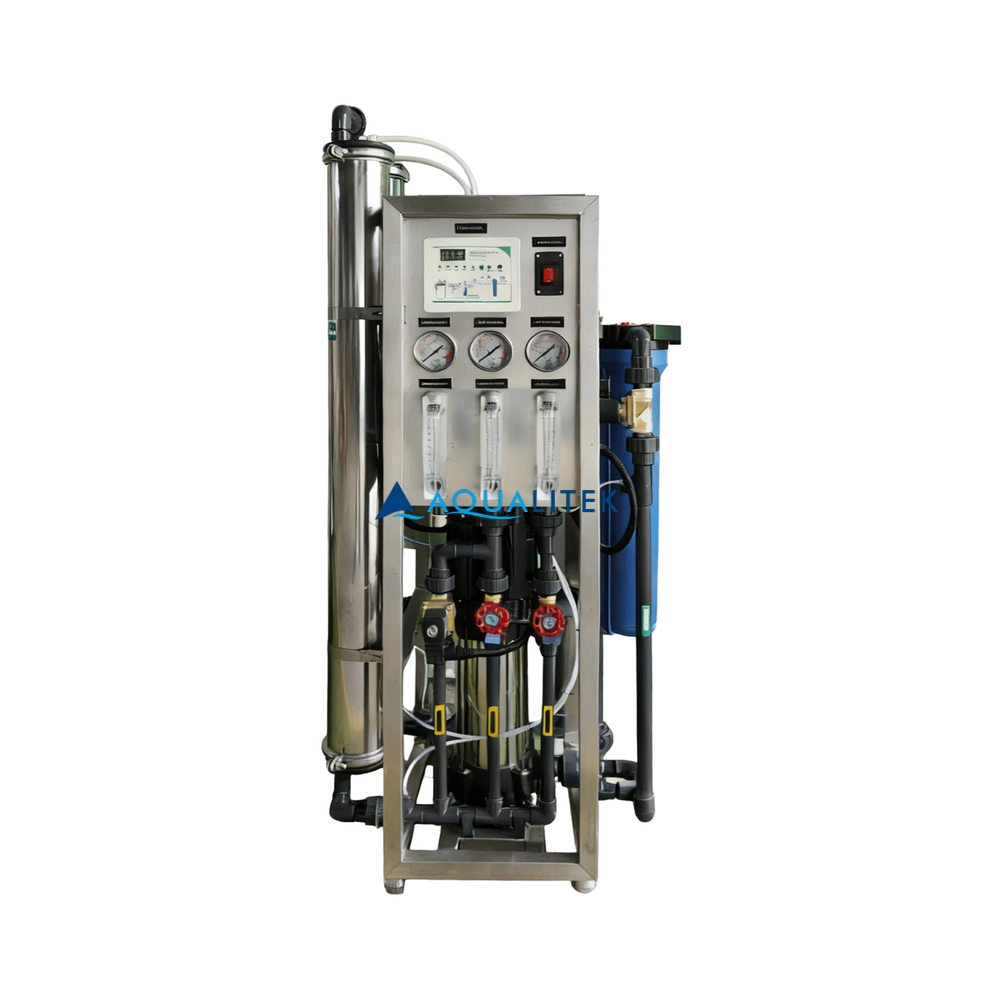
TWV series Reverse Osmosis (RO) systems are pre-engineered and pre-assembled units with 2.5”/4” membrane housings(single element type)for tap water(lower TDS).They are designed for overall superior performance, high recovery rates and offer great savings with low maintenance and operation costs.
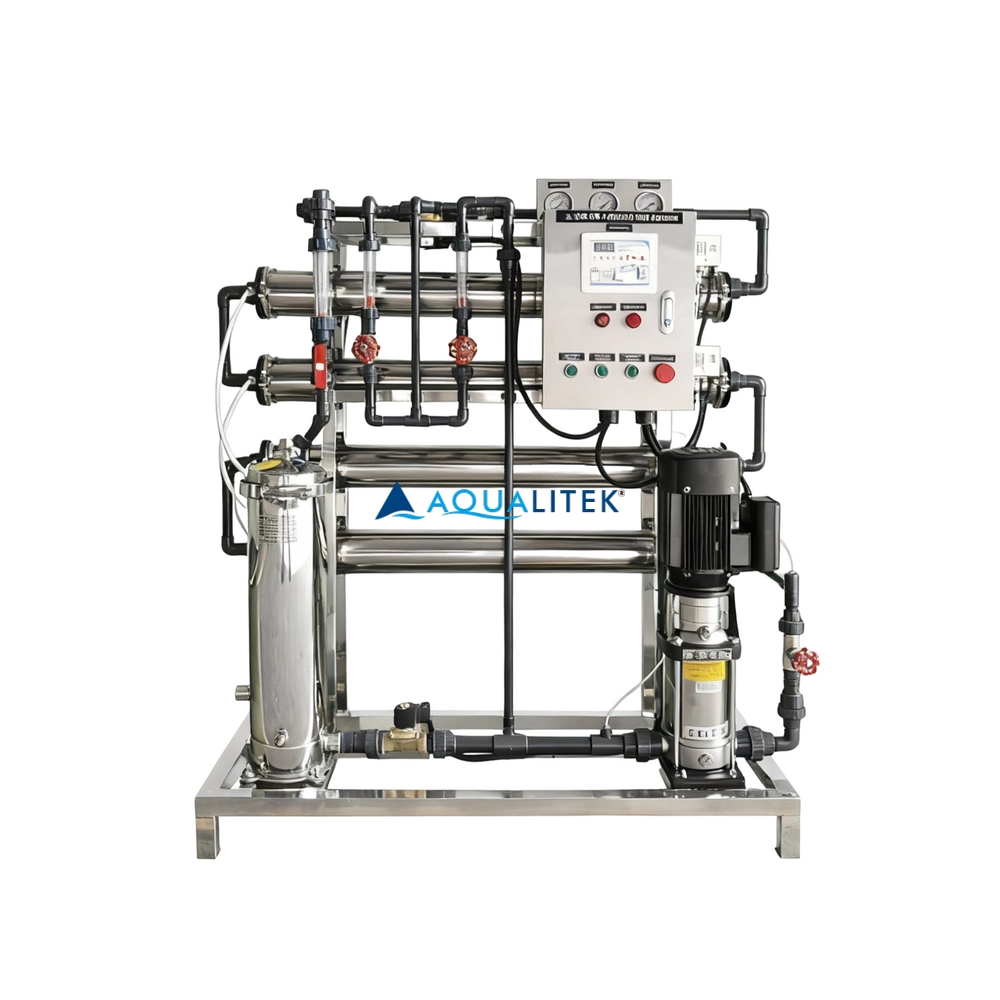
TWF series Reverse Osmosis (RO) systems are pre-engineered and pre-assembled units with 4” membrane housings(multiple elements type) for tap water(lower TDS) .The medium large volumes can help meet your a variety of commercial and industrial applications. They are designed for overall superior performance, high recovery rates and offer great savings with low maintenance and operation costs.

TWE series Reverse Osmosis (RO) systems are pre-engineered and pre-assembled units with 8” membrane housings for tap water (lower TDS). The large volumes can help meet your a variety of industrial applications. They are designed for overall superior performance, high recovery rates and offer great savings with low maintenance and operation costs.
© 2026 AQUALITEK. All rights reserved.
AQUALITEK- Aimee Hoo
AQUALITEK - Aimee Hoo