



How to manage concentrate or brine from RO systems?
- Understanding Reverse Osmosis Systems
- How Does Reverse Osmosis Work?
- What Are the Common Applications of RO Systems?
- What Is Brine, and How Is It Managed?
- What Are the Environmental Impacts of RO Systems?
- How Do I Maintain My RO System?
- What Are the Costs Associated with RO Systems?
- How Do I Choose the Right RO System for My Needs?
Understanding Reverse Osmosis Systems
Reverse Osmosis (RO) systems are advanced water filtration solutions that utilize a semi-permeable membrane to remove contaminants from water, delivering purified drinking water. These systems are widely used in both residential and commercial settings to ensure high-quality water by eliminating impurities such as salts, minerals, and other dissolved solids.
Key Components of an RO System:
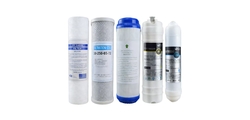
Pre-Filters: These filters remove larger particles and chlorine, protecting the RO membrane from damage.
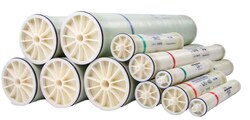
RO Membrane: The core component that separates contaminants from water, allowing only pure water molecules to pass through.
Post-Filters: These filters further polish the water, enhancing taste and removing any residual odors.
Benefits of Using an RO System:
High-Quality Water: RO systems can remove up to 99% of contaminants, including heavy metals, chemicals, and dissolved solids, providing pure and safe drinking water.
Improved Taste and Odor: By eliminating impurities, RO systems enhance the taste and odor of water, making it more enjoyable to drink.
Cost-Effective: Having an RO system at home reduces the need for bottled water, leading to long-term savings.
Considerations When Choosing an RO System:
Water Quality: Assess the specific contaminants present in your water to select a system that effectively addresses them.
System Capacity: Determine the daily water consumption to choose a system with adequate capacity.
Maintenance Requirements: Regular maintenance, including filter changes, is essential to ensure optimal performance.
How Does Reverse Osmosis Work?
Reverse Osmosis operates by applying pressure to water, forcing it through a semi-permeable membrane that blocks contaminants while allowing water molecules to pass through. This process results in purified water on one side of the membrane and a concentrated waste stream, known as brine, on the other.
What Are the Common Applications of RO Systems?
RO systems are versatile and can be used in various applications, including:
Residential Drinking Water: Providing purified water for daily consumption.
Commercial Use: Supplying high-quality water for businesses such as restaurants, coffee shops, and offices.
Industrial Processes: Supplying water for manufacturing processes that require high purity levels.
What Is Brine, and How Is It Managed?
Brine is the concentrated waste stream produced by RO systems, containing the contaminants removed from the water. Proper management of brine is crucial to minimize environmental impact and comply with regulations.
Brine Management Strategies:
Disposal: In some cases, brine can be safely discharged into sewer systems, provided it meets local environmental standards.
Zero Liquid Discharge (ZLD): This approach involves treating and recovering all water from the brine, leaving only solid waste, which can be disposed of safely.
Evaporation Ponds: In arid regions, brine can be evaporated in ponds, leaving behind solid waste that can be managed appropriately.
What Are the Environmental Impacts of RO Systems?
While RO systems provide high-quality water, they also have environmental considerations:
Water Waste: Traditional RO systems can waste up to 4 gallons of water for every gallon of purified water produced. However, modern systems have improved efficiency, achieving a 1:1 waste-to-purified water ratio.
Energy Consumption: The process requires energy, especially in systems with high capacity or those employing additional treatment steps.
Brine Disposal: Improper disposal of brine can lead to environmental pollution. Therefore, effective brine management is essential.
How Do I Maintain My RO System?
Regular maintenance is vital to ensure the longevity and efficiency of your RO system:
Filter Replacement: Pre-filters and post-filters should be replaced as recommended by the manufacturer, typically every 6 to 12 months.
Membrane Cleaning: The RO membrane may require cleaning or replacement every 2 to 3 years, depending on water quality and usage.
System Sanitization: Periodically sanitize the system to prevent bacterial growth and ensure water quality.
What Are the Costs Associated with RO Systems?
The cost of an RO system varies based on capacity, features, and brand:
Residential Systems: Typically range from $200 to $500, with additional costs for installation and maintenance.
Commercial Systems: Can range from $500 to several thousand dollars, depending on capacity and complexity.
Maintenance Costs: Include filter replacements, membrane cleaning, and potential repairs.
How Do I Choose the Right RO System for My Needs?
Selecting the appropriate RO system involves:
Assessing Water Quality: Conduct a water test to identify contaminants.
Determining Water Usage: Calculate daily water consumption to select a system with adequate capacity.
Considering Features: Look for features like remineralization filters, UV sterilization, and permeate pumps.
Evaluating Brands: Research reputable brands known for quality and customer support.
AQUALITEK's Advantages:
AQUALITEK offers a range of high-quality RO systems designed to meet diverse water purification needs. Their systems are known for:
Advanced Filtration Technology: Ensuring effective removal of contaminants for pure water.
Energy Efficiency: Incorporating features that reduce water waste and energy consumption.
User-Friendly Design: Easy installation and maintenance processes.
Comprehensive Support: Providing excellent customer service and support for system maintenance.
By choosing AQUALITEK, you invest in a reliable and efficient water purification solution that delivers high-quality water while considering environmental impact and system longevity.
Sources:


Request More Information or Expert Advice
Share a few details, and we’ll provide deeper insights, tailored suggestions, or product support.
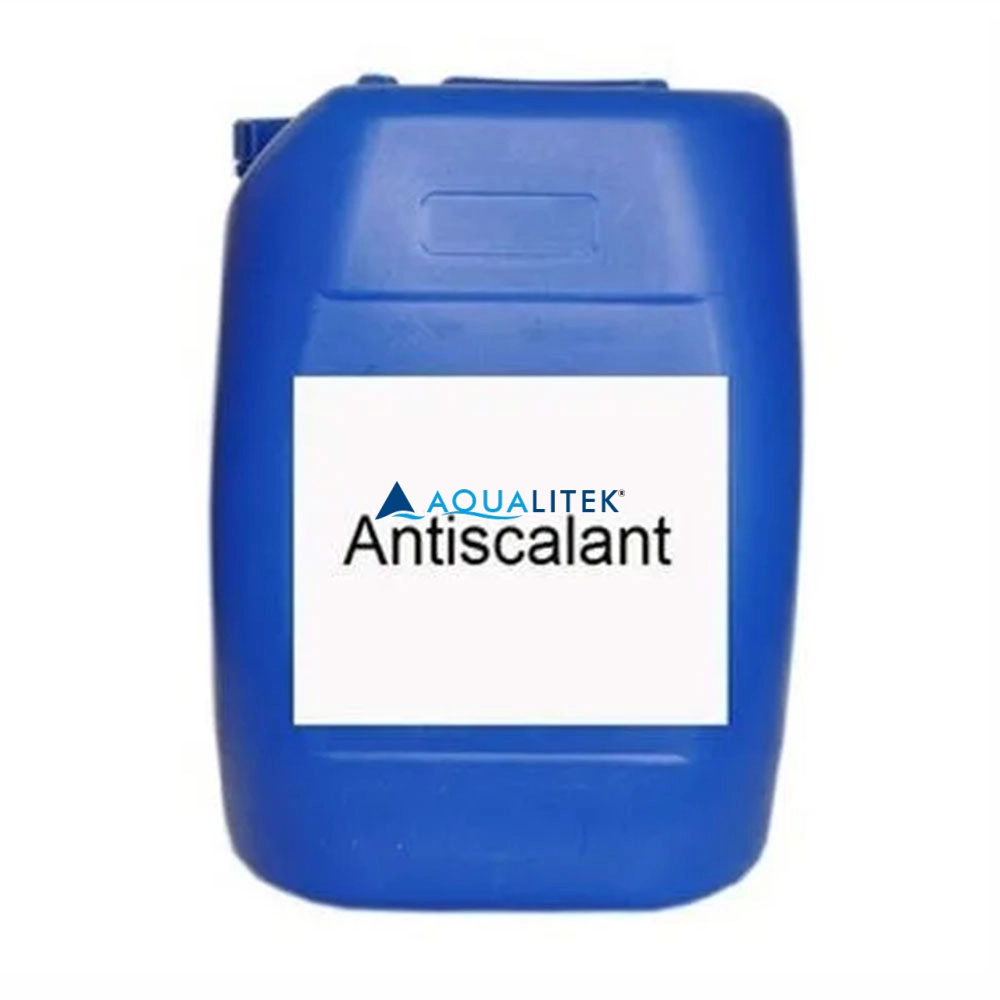
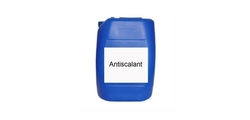
Anti-Scalant is a specialized water treatment chemical designed to prevent the formation of scale in reverse osmosis (RO) systems. Scaling is a common issue in RO systems, where minerals like calcium, magnesium, and silica precipitate and form hard deposits on the membrane surface. These deposits can clog the membranes, reduce water production efficiency, and increase operational costs.
RO chemical anti-scalants work by inhibiting the crystallization of scale-forming minerals, effectively keeping them in solution and preventing them from adhering to the membrane. This ensures the longevity and optimal performance of the RO system.
Anti-scalants are essential in applications with hard water or high mineral content, such as in industrial, municipal, and desalination plants.
These chemicals are highly effective in preventing scaling caused by common minerals such as calcium carbonate, calcium sulfate, barium sulfate, and silica, helping to extend the lifespan of the membranes, reduce cleaning cycles, and enhance system efficiency.
By incorporating an RO chemical anti-scalant into your water treatment process, you can improve the reliability and overall performance of your reverse osmosis system, ensuring consistent, high-quality water output while minimizing maintenance costs.
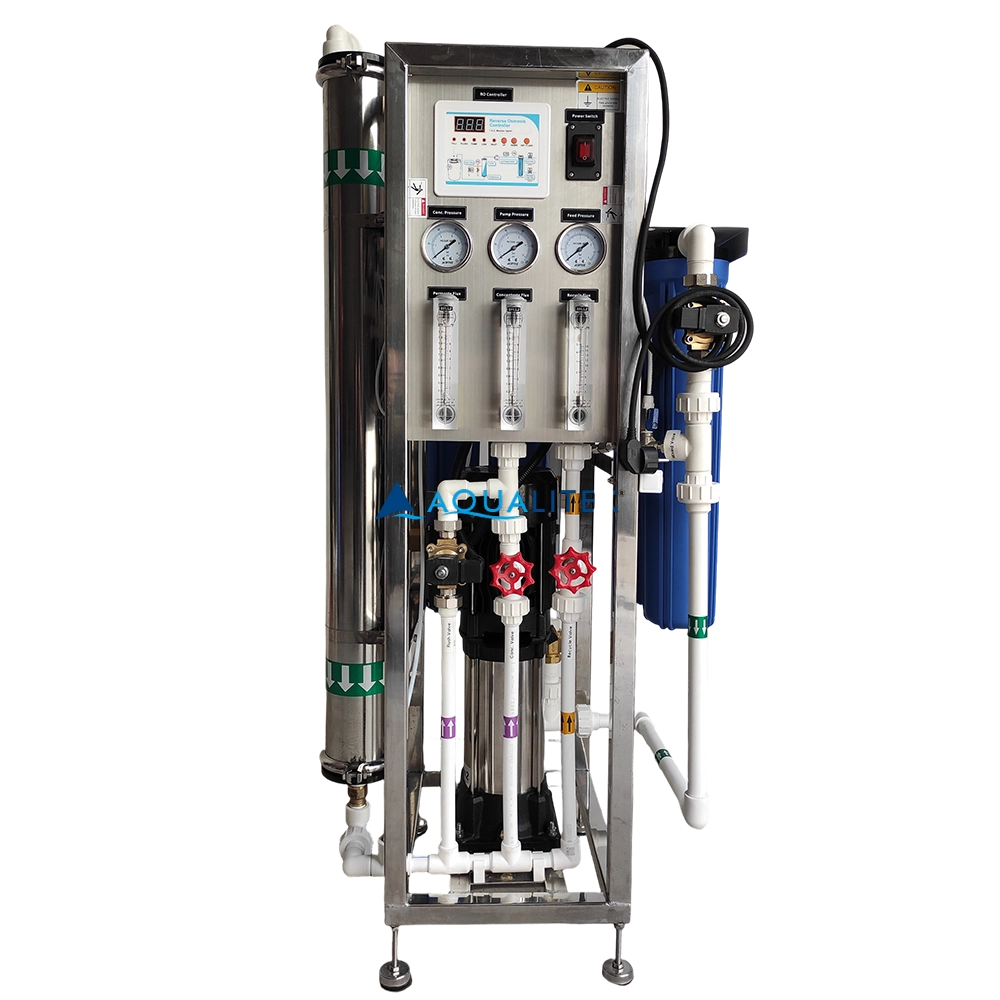
Our 500 LPH Reverse Osmosis (RO) System is engineered to provide high-quality purified water for commercial applications. Designed with advanced RO technology, durable components, and a user-friendly interface, this system ensures consistent performance, low maintenance, and long-term reliability.
With its compact design and robust skid-mounted frame, it’s an excellent choice for businesses that demand efficiency and quality in water purification.
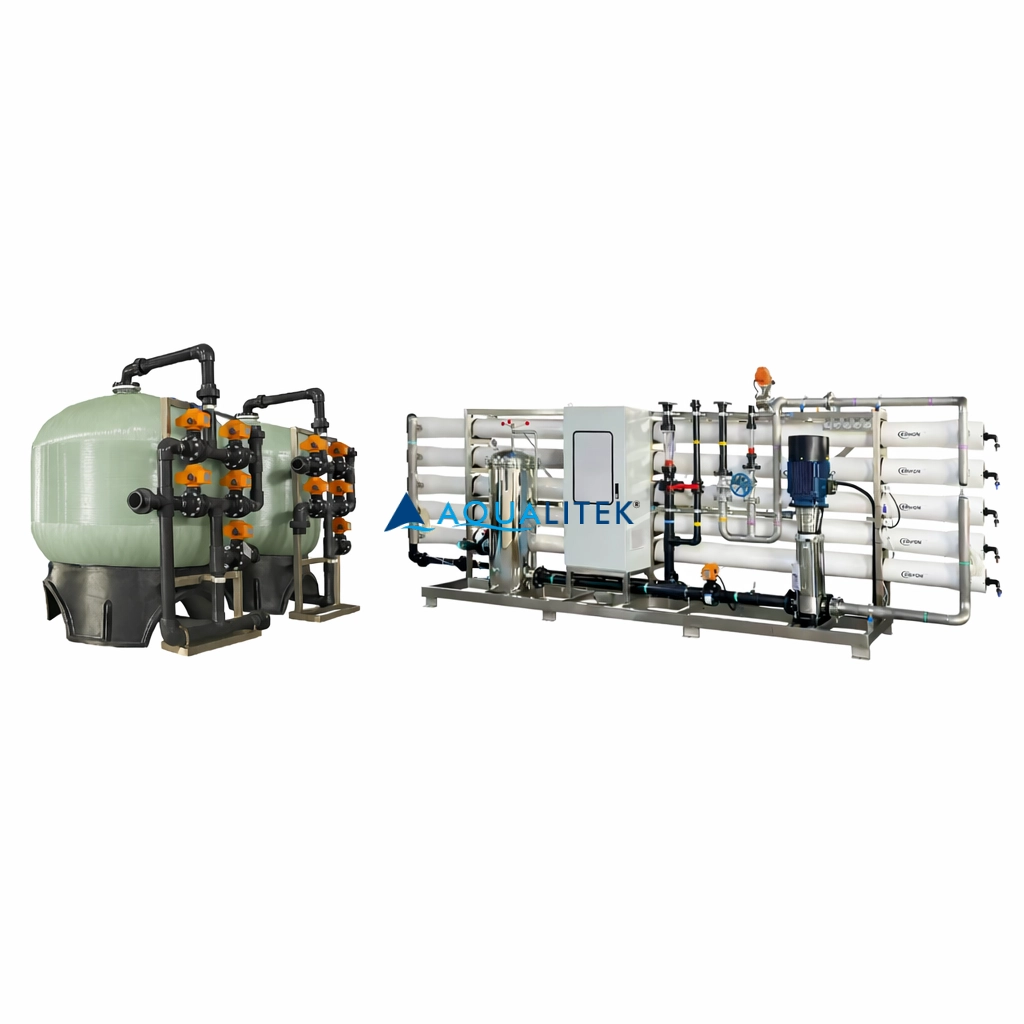
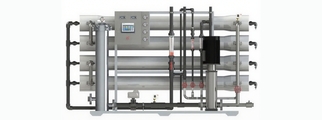
30TPH Industrial Reverse Osmosis (RO) System designed for industrial and municipal water treatment. High salt rejection, energy-efficient design, PLC control, and customizable configuration.
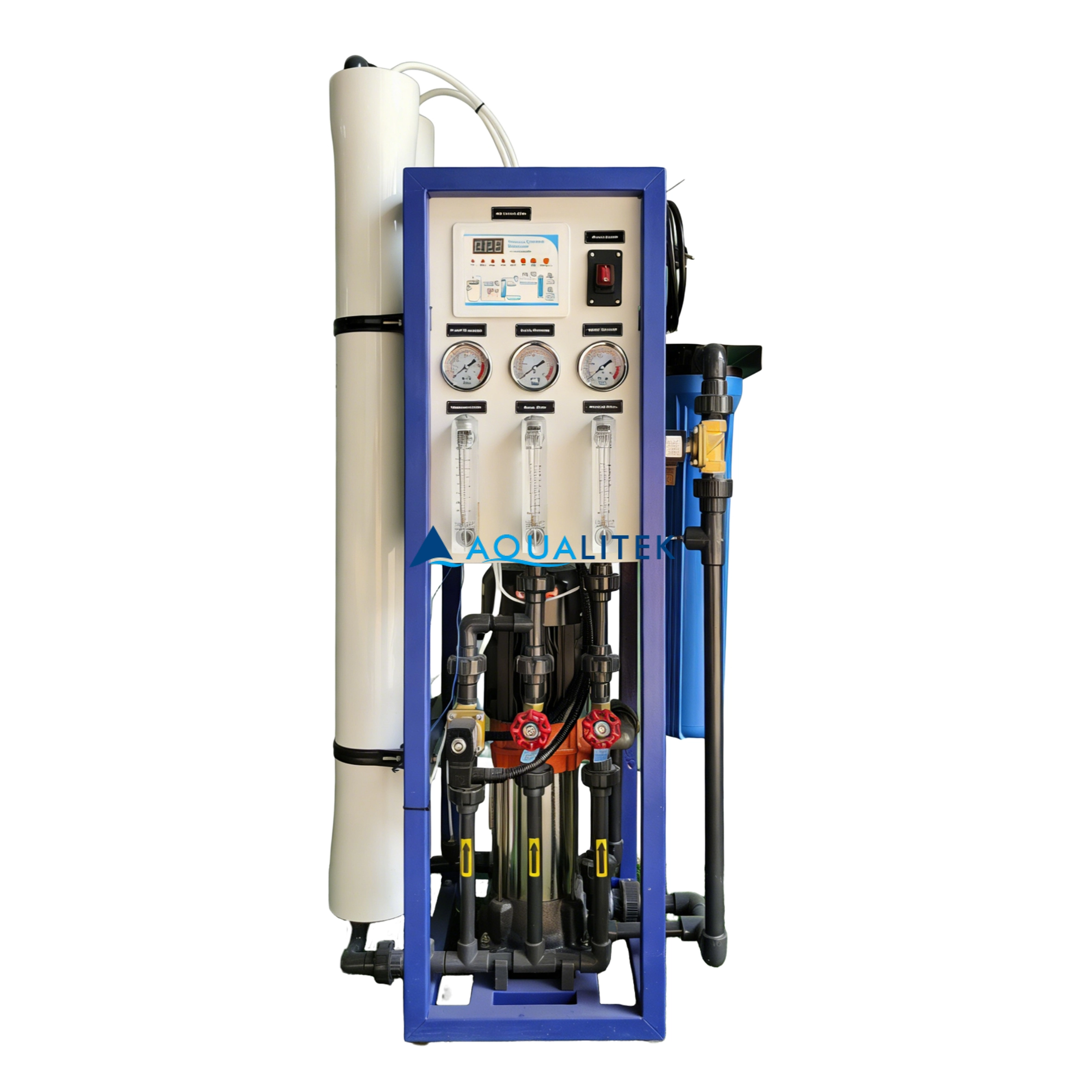
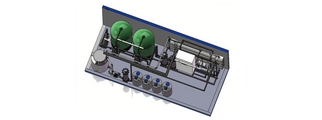
AQUALITEK's 500LPH Panel Mounted Reverse Osmosis Water Purification System delivers reliable 500 LPH RO water production. This compact industrial reverse osmosis unit is ideal for small scale industrial RO needs, ensuring efficient and high-quality purified water in a space-saving design.
© 2026 AQUALITEK. All rights reserved.
AQUALITEK- Aimee Hoo
AQUALITEK - Aimee Hoo