



What maintenance schedule ensures RO membrane longevity?
- Understanding Reverse Osmosis System Maintenance for Membrane Longevity
- 1. What Is the Typical Lifespan of an RO Membrane?
- 2. What Is the Recommended Maintenance Schedule for RO Systems?
- 3. How Can I Extend the Lifespan of My RO Membrane?
- 4. What Are Common Issues That Affect RO Membrane Performance?
- 5. How Do I Know When to Replace My RO Membrane?
- 6. What Are the Benefits of Regular RO System Maintenance?
- 7. How Does Feed Water Quality Impact RO Membrane Longevity?
- 8. What Are the Signs That My RO System Needs Maintenance?
- Conclusion: Why Choose AQUALITEK for Your RO System Needs?
Understanding Reverse Osmosis System Maintenance for Membrane Longevity
Reverse osmosis (RO) systems are integral to producing clean, purified water across various applications. To ensure the longevity and efficiency of RO membranes, adhering to a structured maintenance schedule is crucial. Below are key considerations and practices to optimize membrane lifespan and system performance.
1. What Is the Typical Lifespan of an RO Membrane?
The lifespan of an RO membrane varies based on factors such as feed water quality, system usage, and maintenance practices. Generally:
Residential Systems: Membranes typically last between 2 to 5 years. Regular maintenance and optimal water quality can extend this period.
Industrial Systems: With proper care, membranes can function effectively for 3 to 7 years.
2. What Is the Recommended Maintenance Schedule for RO Systems?
A consistent maintenance routine is essential for prolonging membrane life:
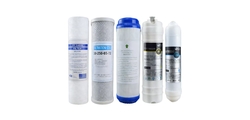
Pre-Filters (Sediment and Carbon Filters): Replace every 6 to 12 months to prevent contaminants from reaching the RO membrane.
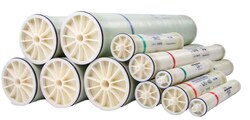
RO Membrane: Typically replaced every 2 to 3 years, depending on water quality and system usage.
Post-Filters: Replace every 6 to 12 months to maintain water taste and quality.
System Cleaning and Sanitization: Perform annually to prevent microbial growth and fouling.
3. How Can I Extend the Lifespan of My RO Membrane?
Implementing the following practices can enhance membrane longevity:
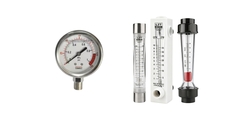
Regular Monitoring: Use a Total Dissolved Solids (TDS) meter to assess water quality and detect early signs of membrane degradation.
Leak Detection: Inspect all system components for leaks to prevent water wastage and inefficiency.
System Sanitization: Clean and sanitize the system annually to mitigate microbial growth and fouling.
Proper Pre-Treatment: Implement pre-treatment processes like water softening and activated carbon filtration to reduce membrane fouling.
4. What Are Common Issues That Affect RO Membrane Performance?
Several factors can compromise membrane efficiency:
Fouling: Accumulation of contaminants on the membrane surface, leading to reduced performance.
Scaling: Mineral deposits forming on the membrane, often due to high hardness levels in feed water.
Chemical Degradation: Exposure to harsh chemicals or incorrect pH levels can damage membrane materials.
5. How Do I Know When to Replace My RO Membrane?
Indicators that membrane replacement is necessary include:
Declining Water Quality: Increased TDS levels or poor taste and odor.
Reduced Flow Rate: Noticeable decrease in water production despite stable system conditions.
Ineffective Cleaning: Cleaning cycles that no longer restore membrane performance.
6. What Are the Benefits of Regular RO System Maintenance?
Consistent maintenance offers several advantages:
Extended Membrane Life: Regular upkeep can prolong membrane functionality, reducing replacement costs.
Improved Water Quality: Ensures the system consistently produces clean, safe water.
Operational Efficiency: Prevents unexpected breakdowns and maintains system performance.
7. How Does Feed Water Quality Impact RO Membrane Longevity?
The quality of feed water plays a significant role in membrane lifespan:
High Contaminant Levels: Feed water with elevated levels of hardness, chlorine, or organic matter can accelerate fouling and scaling.
Pre-Treatment Necessity: Implementing pre-treatment processes like water softening and activated carbon filtration can mitigate these issues.
8. What Are the Signs That My RO System Needs Maintenance?
Common signs indicating the need for maintenance include:
Decreased Water Flow: Slower than usual water production.
Unpleasant Taste or Odor: Presence of chlorine, metallic, or musty flavors and smells.
High TDS Readings: Elevated TDS levels indicating reduced filtration efficiency.
Conclusion: Why Choose AQUALITEK for Your RO System Needs?
AQUALITEK offers advanced reverse osmosis systems designed for optimal performance and durability. Our products incorporate the latest technology to ensure efficient water purification and extended membrane life. With a commitment to quality and customer satisfaction, AQUALITEK is your trusted partner in water treatment solutions.




Request More Information or Expert Advice
Share a few details, and we’ll provide deeper insights, tailored suggestions, or product support.
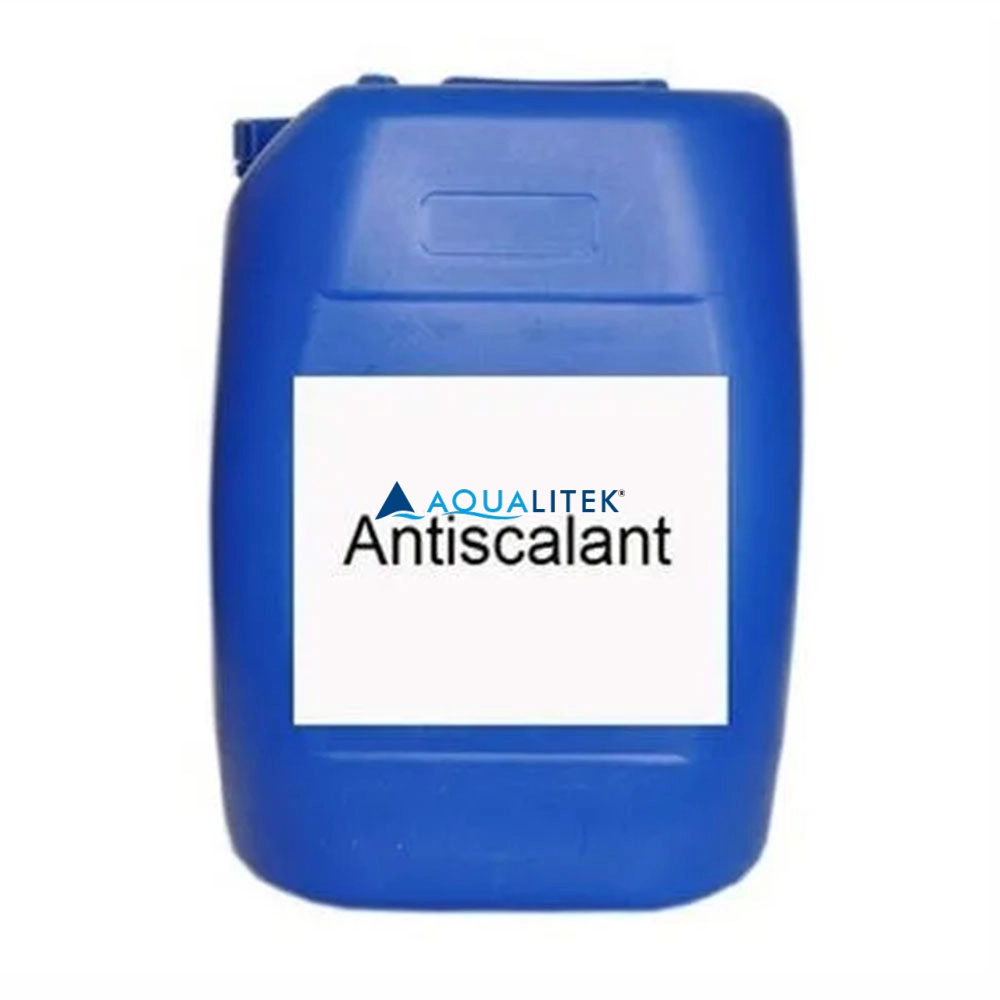
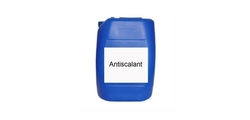
Anti-Scalant is a specialized water treatment chemical designed to prevent the formation of scale in reverse osmosis (RO) systems. Scaling is a common issue in RO systems, where minerals like calcium, magnesium, and silica precipitate and form hard deposits on the membrane surface. These deposits can clog the membranes, reduce water production efficiency, and increase operational costs.
RO chemical anti-scalants work by inhibiting the crystallization of scale-forming minerals, effectively keeping them in solution and preventing them from adhering to the membrane. This ensures the longevity and optimal performance of the RO system.
Anti-scalants are essential in applications with hard water or high mineral content, such as in industrial, municipal, and desalination plants.
These chemicals are highly effective in preventing scaling caused by common minerals such as calcium carbonate, calcium sulfate, barium sulfate, and silica, helping to extend the lifespan of the membranes, reduce cleaning cycles, and enhance system efficiency.
By incorporating an RO chemical anti-scalant into your water treatment process, you can improve the reliability and overall performance of your reverse osmosis system, ensuring consistent, high-quality water output while minimizing maintenance costs.
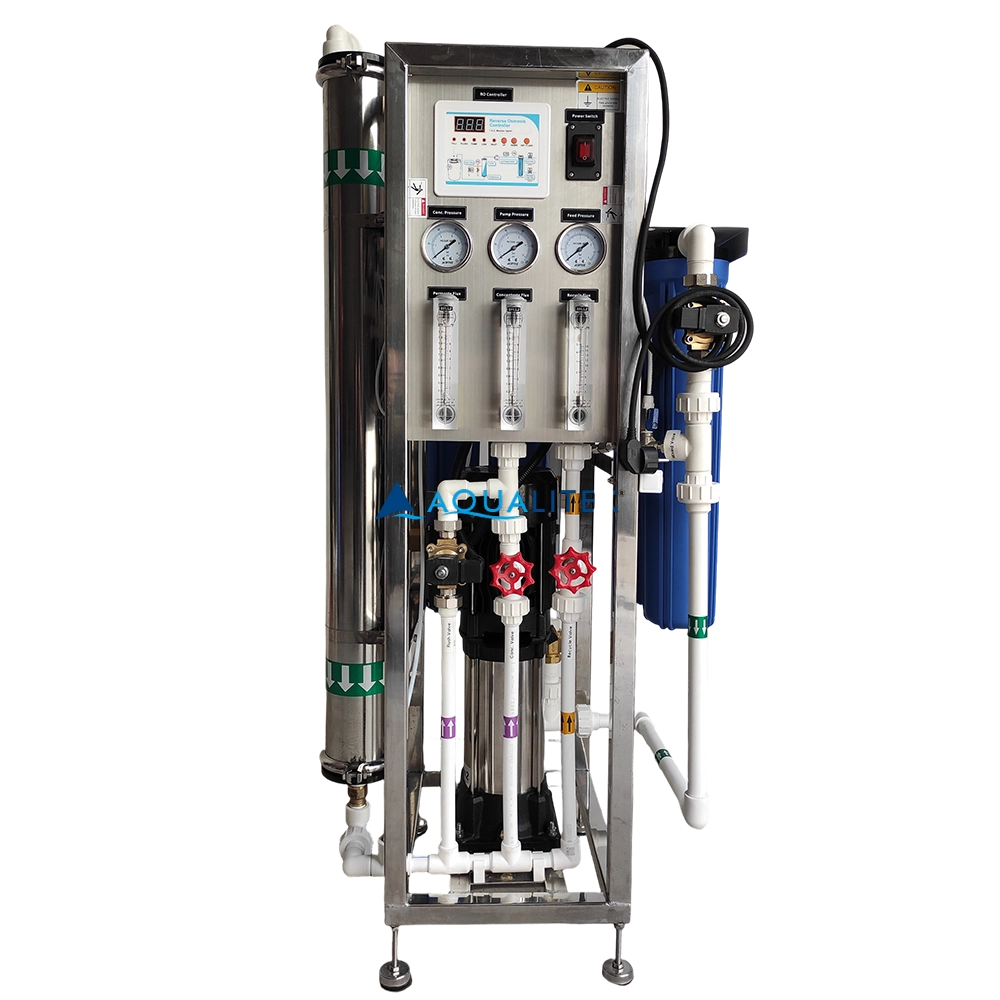
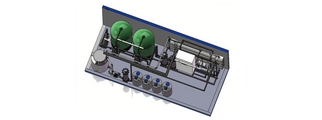
Our 500 LPH Reverse Osmosis (RO) System is engineered to provide high-quality purified water for commercial applications. Designed with advanced RO technology, durable components, and a user-friendly interface, this system ensures consistent performance, low maintenance, and long-term reliability.
With its compact design and robust skid-mounted frame, it’s an excellent choice for businesses that demand efficiency and quality in water purification.
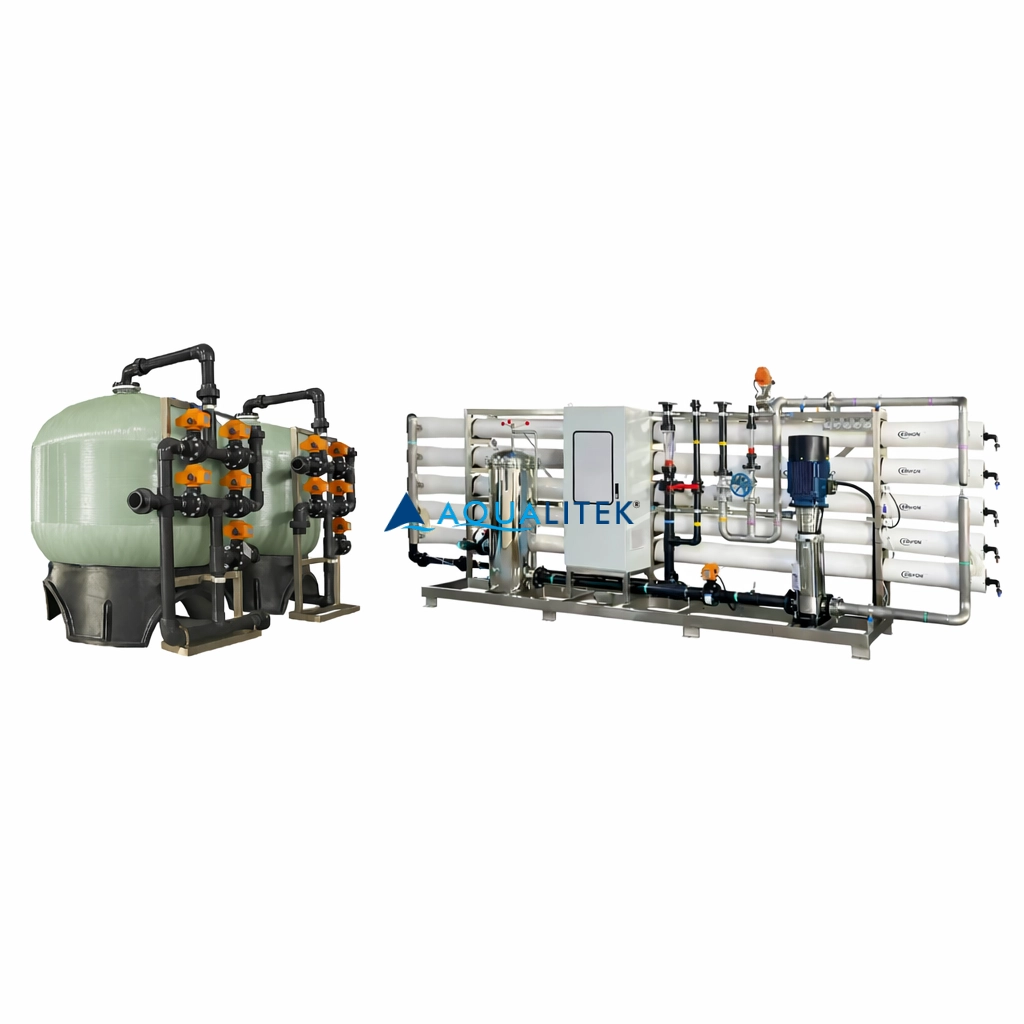
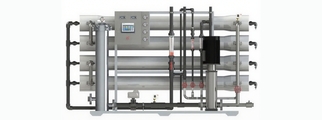
30TPH Industrial Reverse Osmosis (RO) System designed for industrial and municipal water treatment. High salt rejection, energy-efficient design, PLC control, and customizable configuration.
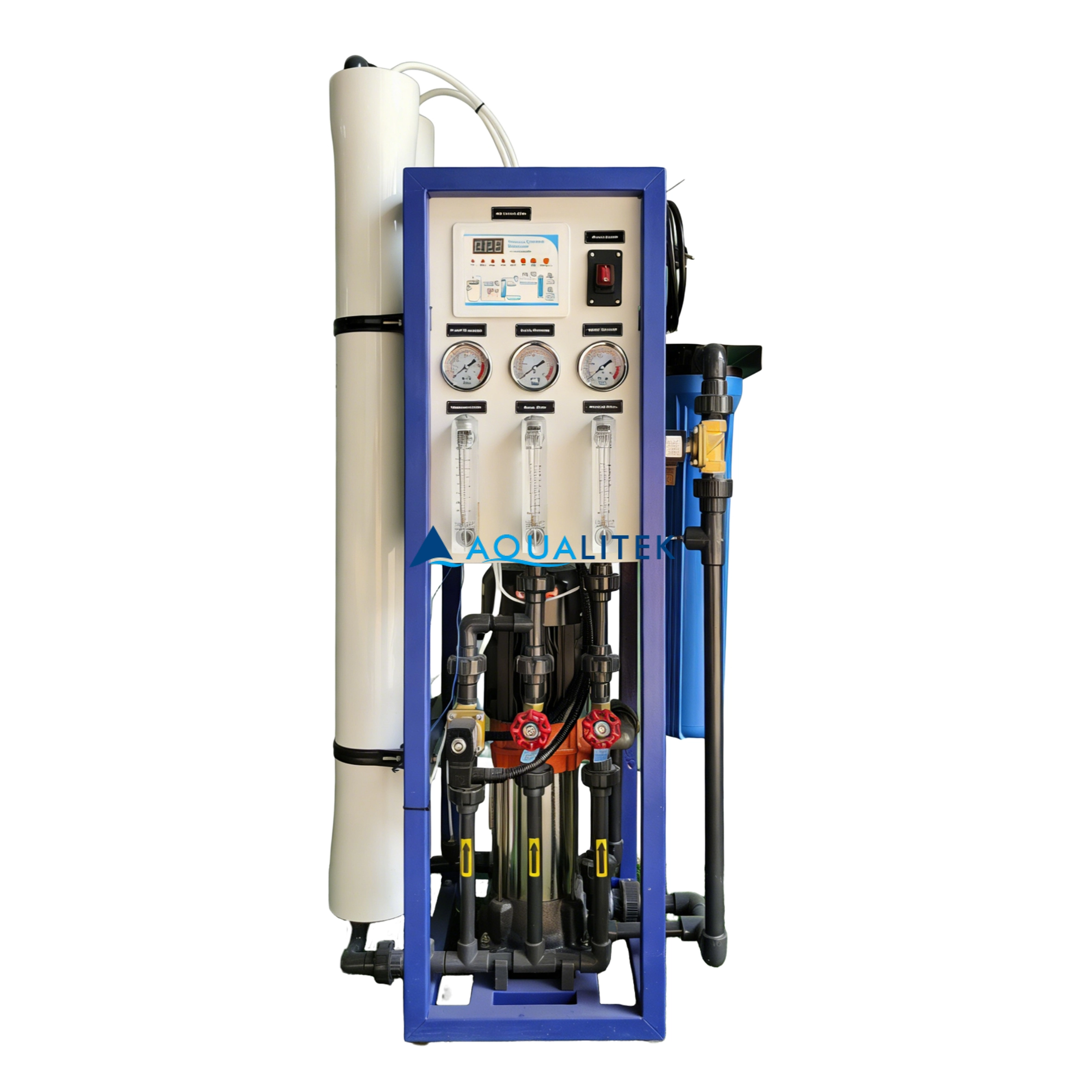
AQUALITEK's 500LPH Panel Mounted Reverse Osmosis Water Purification System delivers reliable 500 LPH RO water production. This compact industrial reverse osmosis unit is ideal for small scale industrial RO needs, ensuring efficient and high-quality purified water in a space-saving design.
© 2026 AQUALITEK. All rights reserved.
AQUALITEK- Aimee Hoo
AQUALITEK - Aimee Hoo