




How does temperature impact RO performance?
- Understanding the Impact of Temperature on Reverse Osmosis System Performance
- 1. How Does Temperature Affect RO System Efficiency?
- 2. What Are the Implications of Temperature on Energy Consumption?
- 3. How Does Temperature Influence Membrane Longevity?
- 4. What Strategies Can Optimize RO Performance Across Temperature Variations?
- 5. How Do Seasonal Changes Affect RO System Performance?
- 6. What Are the Risks of Ignoring Temperature Effects in RO Systems?
- 7. How Does Temperature Affect Salt Rejection in RO Systems?
- 8. What Are the Best Practices for Managing Temperature in RO Systems?
- Conclusion
- AQUALITEK: Your Partner in Optimal RO System Performance
Understanding the Impact of Temperature on Reverse Osmosis System Performance
Reverse osmosis (RO) systems are integral to water purification processes, providing clean and safe water across various applications. One critical factor influencing the efficiency and effectiveness of RO systems is the temperature of the feed water. This article delves into how temperature variations affect RO performance and offers insights into optimizing system operation under different thermal conditions.
1. How Does Temperature Affect RO System Efficiency?
Water temperature plays a pivotal role in RO system performance. As temperature increases, water viscosity decreases, allowing water molecules to pass through the RO membrane more easily. This reduction in viscosity enhances permeate flow, leading to increased water production rates. Conversely, lower temperatures increase water viscosity, resulting in reduced permeate flow and necessitating higher operating pressures to maintain desired output levels. For instance, a 1°F decrease in water temperature can lead to approximately a 3% reduction in product flow rate.
2. What Are the Implications of Temperature on Energy Consumption?
Temperature fluctuations directly impact the energy requirements of RO systems. In colder conditions, the increased viscosity of feed water demands higher pressures to achieve the same permeate flow, thereby elevating energy consumption. In contrast, warmer temperatures reduce water viscosity, allowing for lower operating pressures and decreased energy usage. Therefore, understanding and managing feed water temperature is essential for optimizing energy efficiency in RO operations.
3. How Does Temperature Influence Membrane Longevity?
The longevity and performance of RO membranes are significantly affected by feed water temperature. Elevated temperatures can accelerate membrane fouling and degradation, leading to a shorter operational lifespan. High temperatures may also compromise membrane structure, resulting in reduced salt rejection capabilities and potential system inefficiencies. Conversely, extremely low temperatures can cause membrane materials to become brittle, increasing the risk of mechanical damage. Maintaining feed water within the manufacturer's recommended temperature range is crucial for extending membrane life and ensuring consistent system performance.
4. What Strategies Can Optimize RO Performance Across Temperature Variations?
To mitigate the adverse effects of temperature fluctuations on RO systems, consider implementing the following strategies:
Temperature Compensation: Utilize temperature correction factors to adjust system parameters, such as operating pressure, in response to feed water temperature changes. This approach helps maintain consistent permeate flow rates and water quality.
Insulation and Heat Management: Insulate RO system components, including pipes and storage tanks, to minimize heat loss in colder environments and prevent overheating in warmer conditions. Employing heat exchangers or chillers can also help regulate feed water temperature, ensuring it remains within optimal ranges for membrane performance.
Regular Monitoring and Maintenance: Implement continuous monitoring of feed water temperature and system performance to promptly identify and address any deviations from optimal operating conditions. Regular maintenance, including membrane cleaning and replacement, is essential to sustain system efficiency and prolong membrane lifespan.
5. How Do Seasonal Changes Affect RO System Performance?
Seasonal variations can have a profound impact on RO system performance. During colder months, reduced feed water temperatures can lead to decreased permeate flow and increased energy consumption. In contrast, warmer temperatures in summer can enhance permeate flow but may also increase the risk of membrane fouling due to higher microbial activity. To adapt to these seasonal changes, operators should adjust system parameters accordingly, such as increasing operating pressure during colder periods and implementing enhanced cleaning protocols during warmer months to address potential fouling issues.
6. What Are the Risks of Ignoring Temperature Effects in RO Systems?
Neglecting the influence of temperature on RO system performance can lead to several issues, including:
Reduced Water Quality: Inadequate temperature management can result in decreased salt rejection rates, leading to higher concentrations of dissolved solids in the permeate and compromised water quality.
Increased Operational Costs: Failure to account for temperature effects can lead to inefficient energy use, higher maintenance expenses, and more frequent membrane replacements.
System Downtime: Extreme temperatures can cause mechanical failures or damage to system components, leading to unplanned downtime and potential service interruptions.
7. How Does Temperature Affect Salt Rejection in RO Systems?
Temperature variations influence the salt rejection capabilities of RO membranes. Higher temperatures can increase the diffusion rates of dissolved salts, potentially leading to reduced salt rejection and lower water quality. Conversely, lower temperatures can enhance salt rejection but may require higher operating pressures to maintain permeate flow. Balancing temperature effects on salt rejection is essential for ensuring consistent water quality and system efficiency.
8. What Are the Best Practices for Managing Temperature in RO Systems?
To effectively manage temperature impacts on RO systems, consider the following best practices:
Feed Water Temperature Control: Implement systems to regulate feed water temperature, such as preheating in cold climates or cooling in hot climates, to maintain optimal conditions for membrane performance.
System Design Considerations: Design RO systems with temperature fluctuations in mind, selecting materials and components that can withstand the expected temperature ranges and incorporating features that facilitate temperature control.
Operator Training: Ensure that operators are trained to recognize and respond to temperature-related performance issues, including adjusting system parameters and performing maintenance tasks as needed.
Conclusion
Understanding the impact of temperature on reverse osmosis system performance is vital for optimizing water purification processes. By recognizing how temperature influences efficiency, energy consumption, membrane longevity, and water quality, operators can implement effective strategies to mitigate adverse effects and enhance system performance. Regular monitoring, proactive maintenance, and thoughtful system design are key to ensuring that RO systems operate efficiently across varying temperature conditions.
AQUALITEK: Your Partner in Optimal RO System Performance
AQUALITEK specializes in providing advanced reverse osmosis solutions tailored to meet diverse water treatment needs. Our systems are designed with temperature resilience in mind, ensuring consistent performance and longevity across a wide range of environmental conditions. With a commitment to quality and customer satisfaction, AQUALITEK offers:
Innovative Technology: Cutting-edge RO systems equipped with features to manage temperature fluctuations effectively.
Expert Support: A team of professionals dedicated to assisting with system design, installation, and maintenance to optimize performance.
Comprehensive Solutions: A full spectrum of water treatment services, from consultation to after-sales support, ensuring seamless operation of your RO systems.
Choose AQUALITEK for reliable, efficient, and temperature-adaptive reverse osmosis solutions that meet your water purification requirements.
References:
(https://saltsep.co.uk/the-impact-of-water-temperature-on-reverse-osmosis-systems)
(https://shopwaterlux.com/blogs/news/how-temperature-affects-reverse-osmosis-efficiency)
(https://www.moruiwater.com/knowledge/how-does-feed-water-temperature-affect-ro-plant-output)
(https://water.viomi.com/blogs/hydration-lab/snowmelt-impact-reverse-osmosis-efficiency)
(https://stark-water.com/de/blog/feedwater-temperature-ro-performance/)
(https://daltonen.com/blogs/blog/the-effect-of-temperature-on-the-water-permeability-of-ro-membranes)
(https://aquaticlife.com/blogs/news/how-temperature-affects-ro-water-production)
(https://water.viomi.com/blogs/hydration-lab/heat-dissipation-for-ro-systems)


Request More Information or Expert Advice
Share a few details, and we’ll provide deeper insights, tailored suggestions, or product support.
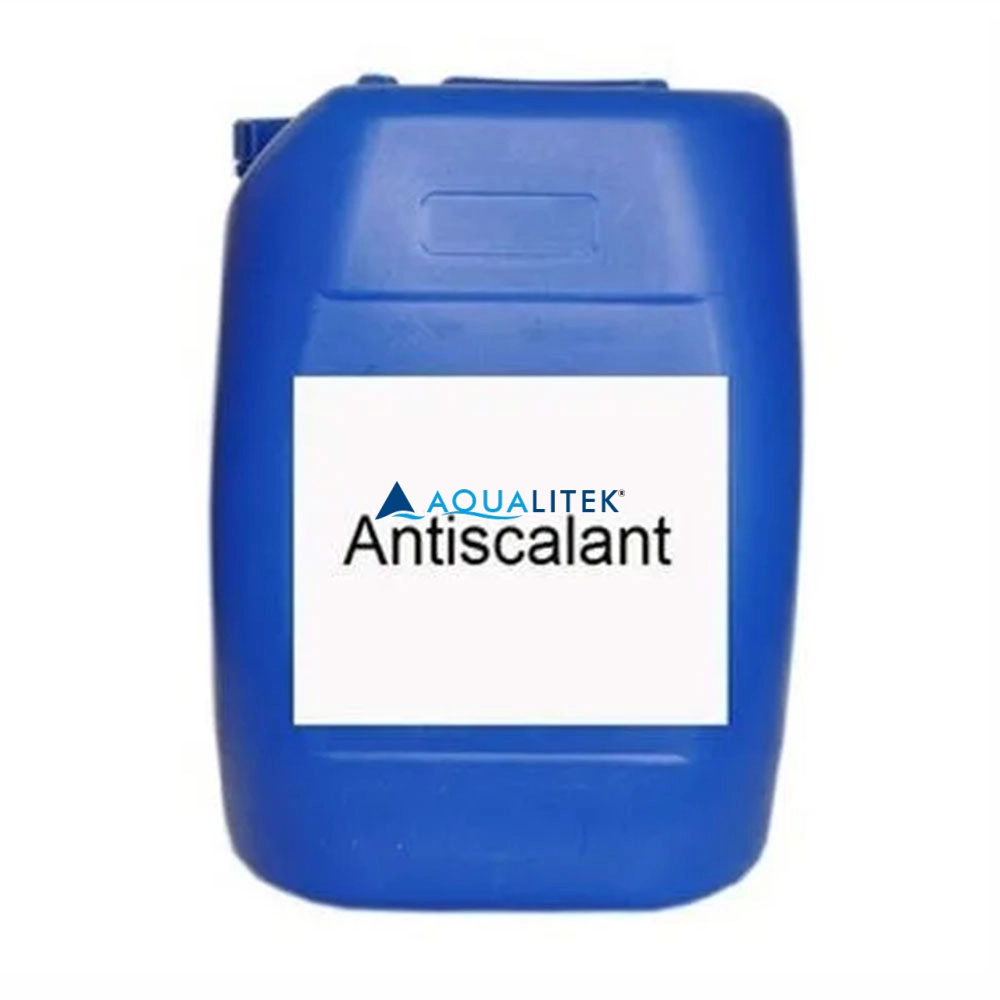
Anti-Scalant is a specialized water treatment chemical designed to prevent the formation of scale in reverse osmosis (RO) systems. Scaling is a common issue in RO systems, where minerals like calcium, magnesium, and silica precipitate and form hard deposits on the membrane surface. These deposits can clog the membranes, reduce water production efficiency, and increase operational costs.
RO chemical anti-scalants work by inhibiting the crystallization of scale-forming minerals, effectively keeping them in solution and preventing them from adhering to the membrane. This ensures the longevity and optimal performance of the RO system.
Anti-scalants are essential in applications with hard water or high mineral content, such as in industrial, municipal, and desalination plants.
These chemicals are highly effective in preventing scaling caused by common minerals such as calcium carbonate, calcium sulfate, barium sulfate, and silica, helping to extend the lifespan of the membranes, reduce cleaning cycles, and enhance system efficiency.
By incorporating an RO chemical anti-scalant into your water treatment process, you can improve the reliability and overall performance of your reverse osmosis system, ensuring consistent, high-quality water output while minimizing maintenance costs.
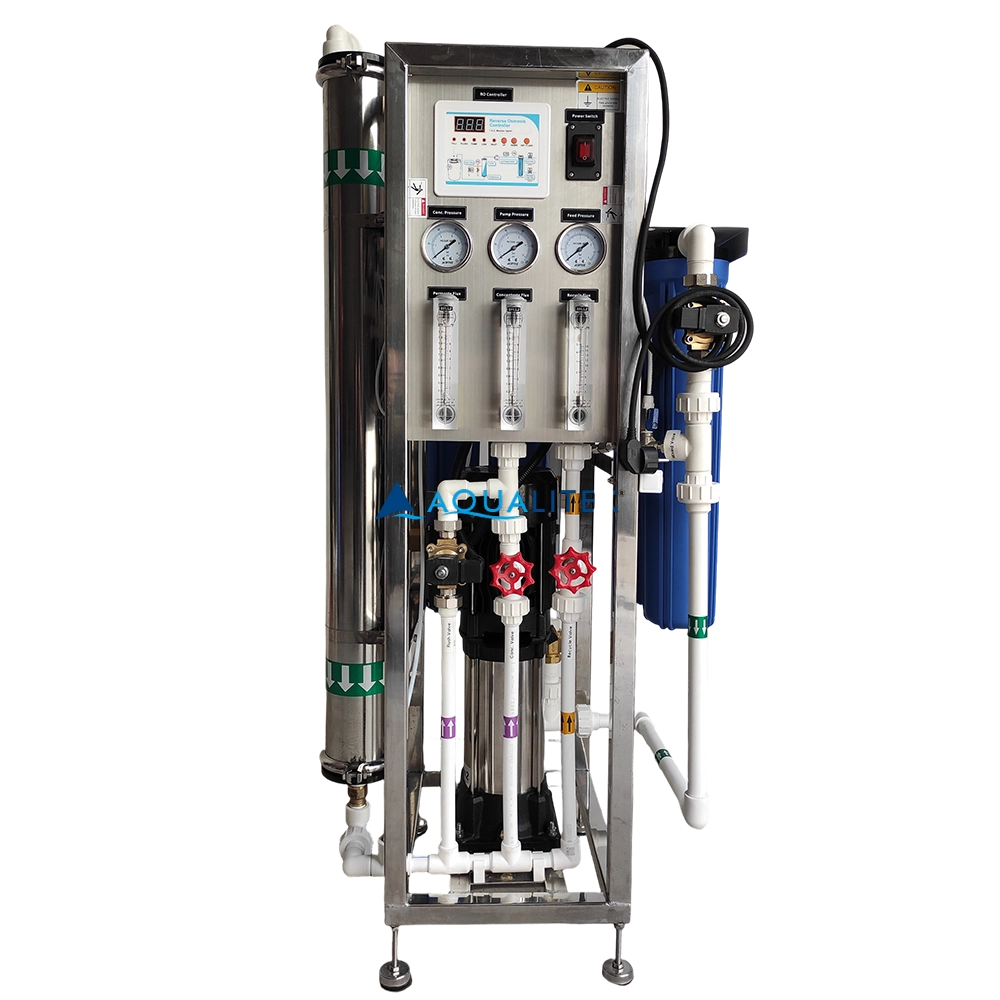
Our 500 LPH Reverse Osmosis (RO) System is engineered to provide high-quality purified water for commercial applications. Designed with advanced RO technology, durable components, and a user-friendly interface, this system ensures consistent performance, low maintenance, and long-term reliability.
With its compact design and robust skid-mounted frame, it’s an excellent choice for businesses that demand efficiency and quality in water purification.
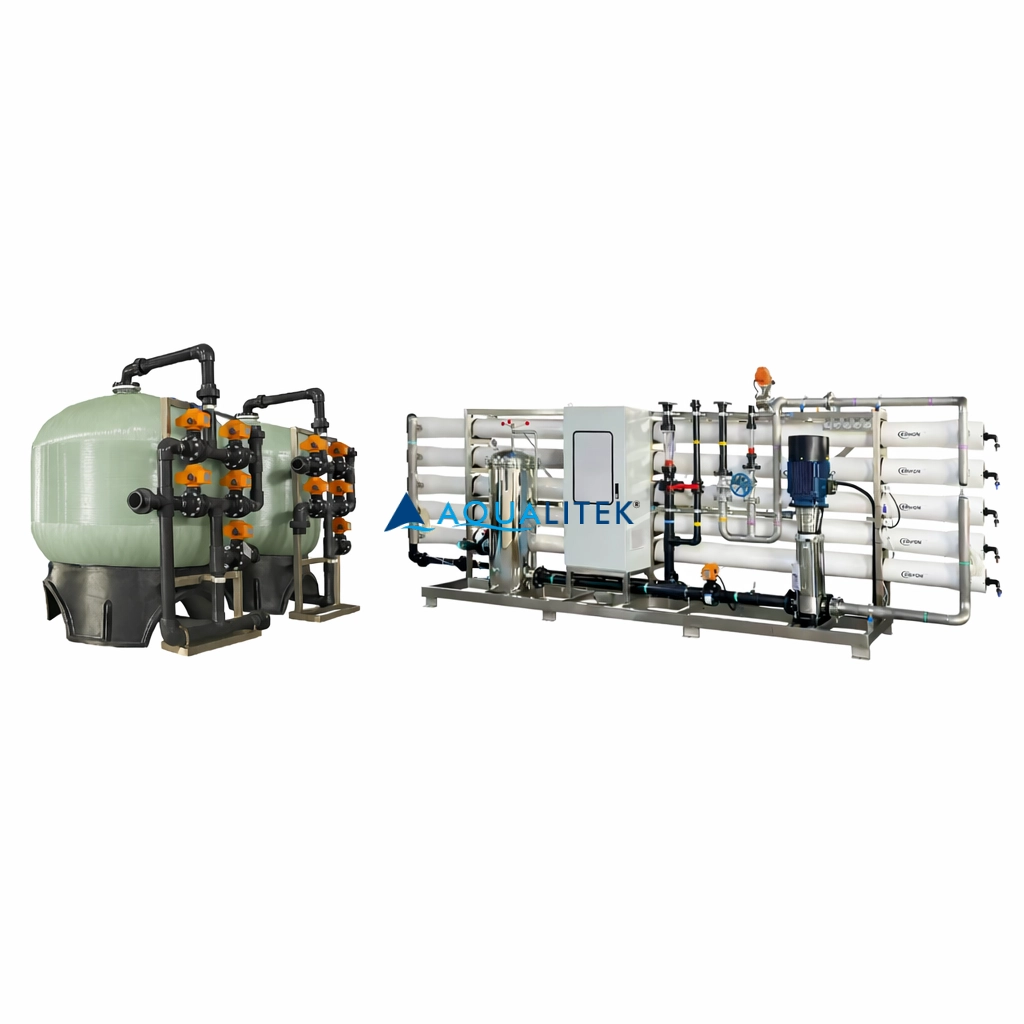
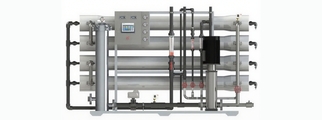
30TPH Industrial Reverse Osmosis (RO) System designed for industrial and municipal water treatment. High salt rejection, energy-efficient design, PLC control, and customizable configuration.
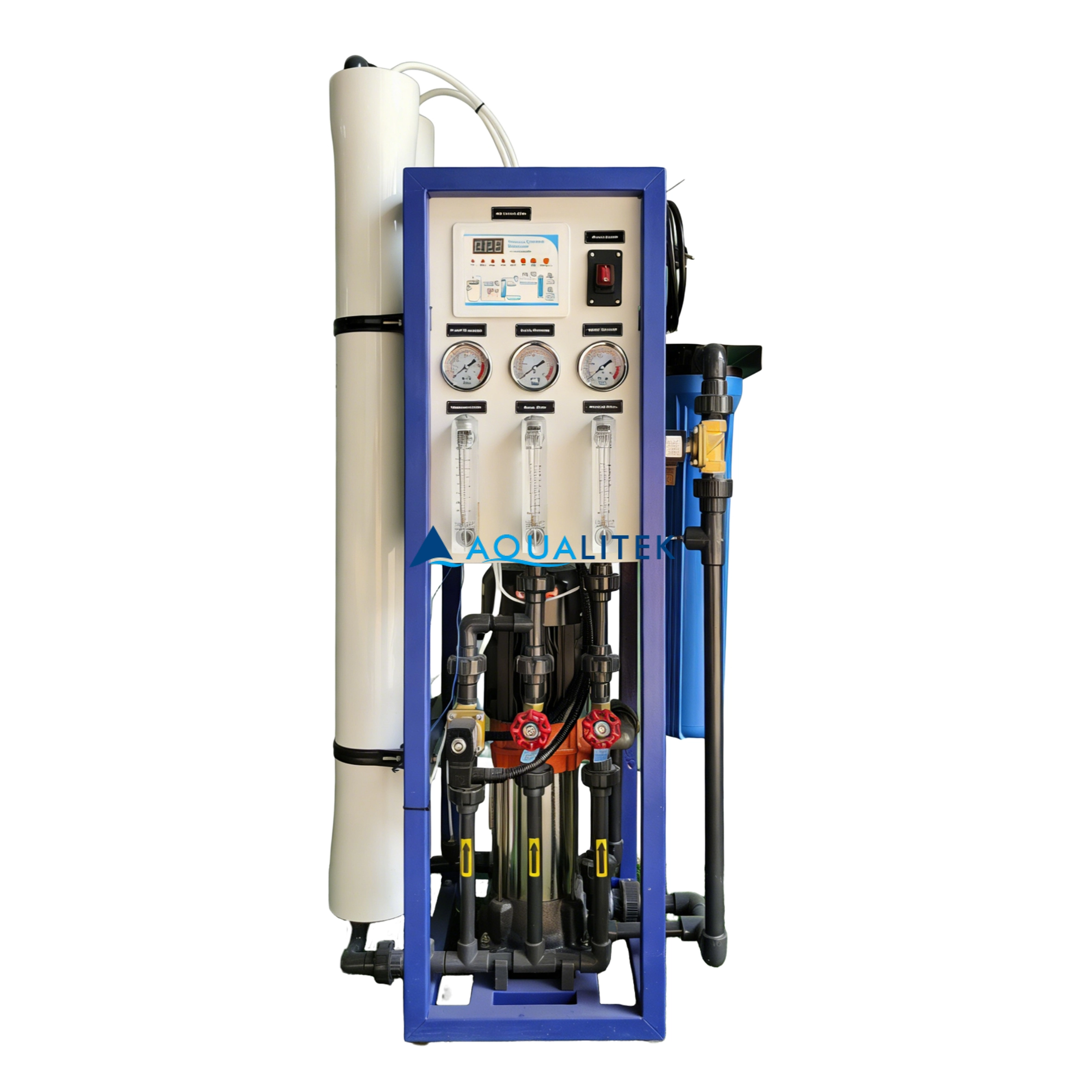
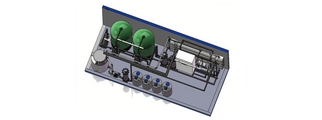
AQUALITEK's 500LPH Panel Mounted Reverse Osmosis Water Purification System delivers reliable 500 LPH RO water production. This compact industrial reverse osmosis unit is ideal for small scale industrial RO needs, ensuring efficient and high-quality purified water in a space-saving design.
© 2026 AQUALITEK. All rights reserved.
AQUALITEK- Aimee Hoo
AQUALITEK - Aimee Hoo