



Why High-Pressure Pumps Should Avoid Frequent Starts and Stops (Expert RO System Guide)| Insights by AQUALITEK
Learn why high-pressure pumps in RO systems must not start and stop frequently within short intervals. This expert guide explains mechanical, electrical, hydraulic, and membrane-related risks, with best practices for stable and safe operation.
- Introduction
- 1. Why High-Pressure Pumps Should Not Start and Stop Frequently
- 2. Mechanical Stress on the Pump and Motor
- (1) High Starting Load
- (2) Bearing and Shaft Damage
- 3. Hydraulic Shock to the RO System
- (1) Sudden Pressure Spikes
- (2) Membrane Element Telescoping Risk
- 4. Electrical and Control System Risks
- (1) Overload of Electrical Components
- (2) Control Instability
- 5. Risk to Membrane Performance and Lifespan
- (1) Incomplete Pressurization
- (2) Repeated Pressure Impact
- 6. Increased Energy Consumption and Cost
- 7. Best Practices to Prevent Frequent Pump Cycling
- (1) Maintain Proper Feed Tank Level
- (2) Verify Low-Pressure Switch and Sensors
- (3) Use VFD (Variable Frequency Drive) Control
- (4) Implement Delay Logic in PLC
- (5) Keep Pretreatment Stable
- Conclusion
Introduction
In industrial RO systems, the high-pressure pump is the heart of the entire operation. However, many system failures stem from one simple operational mistake—frequent starting and stopping of the high-pressure pump within a short period. Although this may appear harmless, it can significantly impact pump lifespan, energy consumption, system stability, and even membrane integrity.
This Best-class article explains why high-pressure pumps must avoid rapid cycling, the risks involved, and the best operating practices for optimal system performance.
1. Why High-Pressure Pumps Should Not Start and Stop Frequently
Frequent pump cycling introduces both mechanical stress and hydraulic shock, accelerating system wear and causing severe operational issues.
Below are the key reasons:
2. Mechanical Stress on the Pump and Motor
(1) High Starting Load
A high-pressure pump draws very high inrush current every time it starts.
Frequent starts:
•Overheats the motor windings
•Damages insulation
•Accelerates motor aging
•Increases the chance of motor burnout
(2) Bearing and Shaft Damage
Each start introduces sudden torque and axial load, causing:
•Faster bearing wear
•Shaft misalignment
•Vibration-related damage
Pumps are designed for continuous operation—not for rapid on/off cycling.
3. Hydraulic Shock to the RO System
(1) Sudden Pressure Spikes
Every time the pump starts, the system experiences a rapid rise in pressure. This “water hammer effect” can:
•Stress membrane elements
•Damage pressure vessels
•Cause O-ring displacement
•Lead to leaks around fittings and joints
(2) Membrane Element Telescoping Risk
Rapid pressure changes can push membrane spacers and layers forward, especially in older or poorly supported membranes.
4. Electrical and Control System Risks
(1) Overload of Electrical Components
Frequent starting impacts:
•Starters
•Contactors
•Soft starters/VFDs
•Circuit breakers
This shortens component lifespan and increases maintenance costs.
(2) Control Instability
If the pump cycles rapidly, system automation struggles to stabilize:
•Recovery rate fluctuates
•Conductivity drifts
•Flow balance becomes unstable
This can disrupt downstream production.
5. Risk to Membrane Performance and Lifespan
(1) Incomplete Pressurization
Frequent short runs prevent the membrane from reaching steady-state pressure, causing:
•Suboptimal rejection
•Poor permeate quality
(2) Repeated Pressure Impact
Membranes are sensitive to pressure shocks.
Frequent surges lead to:
•Internal delamination
•Glue-line cracking
•Brine seal deformation
These irreversible issues shorten membrane lifespan.
6. Increased Energy Consumption and Cost
Frequent starts require more energy than stable continuous operation.
The inrush current spike is several times higher than running current, making operation inefficient and costly.
7. Best Practices to Prevent Frequent Pump Cycling
(1) Maintain Proper Feed Tank Level
Low tank levels trigger repeated pump shutdowns.
(2) Verify Low-Pressure Switch and Sensors
Faulty sensors cause unnecessary pump stops.
(3) Use VFD (Variable Frequency Drive) Control
Allows:
•Soft starts
•Smooth ramping
•Pressure stabilization
(4) Implement Delay Logic in PLC
Add minimum run and minimum stop intervals.
(5) Keep Pretreatment Stable
Fluctuations in feed pressure or flow can trigger pump cycling.
Conclusion
Frequent starting and stopping of a high-pressure pump within a short period is highly detrimental to the RO system. It increases mechanical wear, causes hydraulic shock, consumes more energy, destabilizes membrane performance, and can trigger costly failures. Maintaining steady, continuous operation is essential for maximizing pump lifespan, ensuring stable water quality, and protecting the entire RO system.



Request More Information or Expert Advice
Share a few details, and we’ll provide deeper insights, tailored suggestions, or product support.
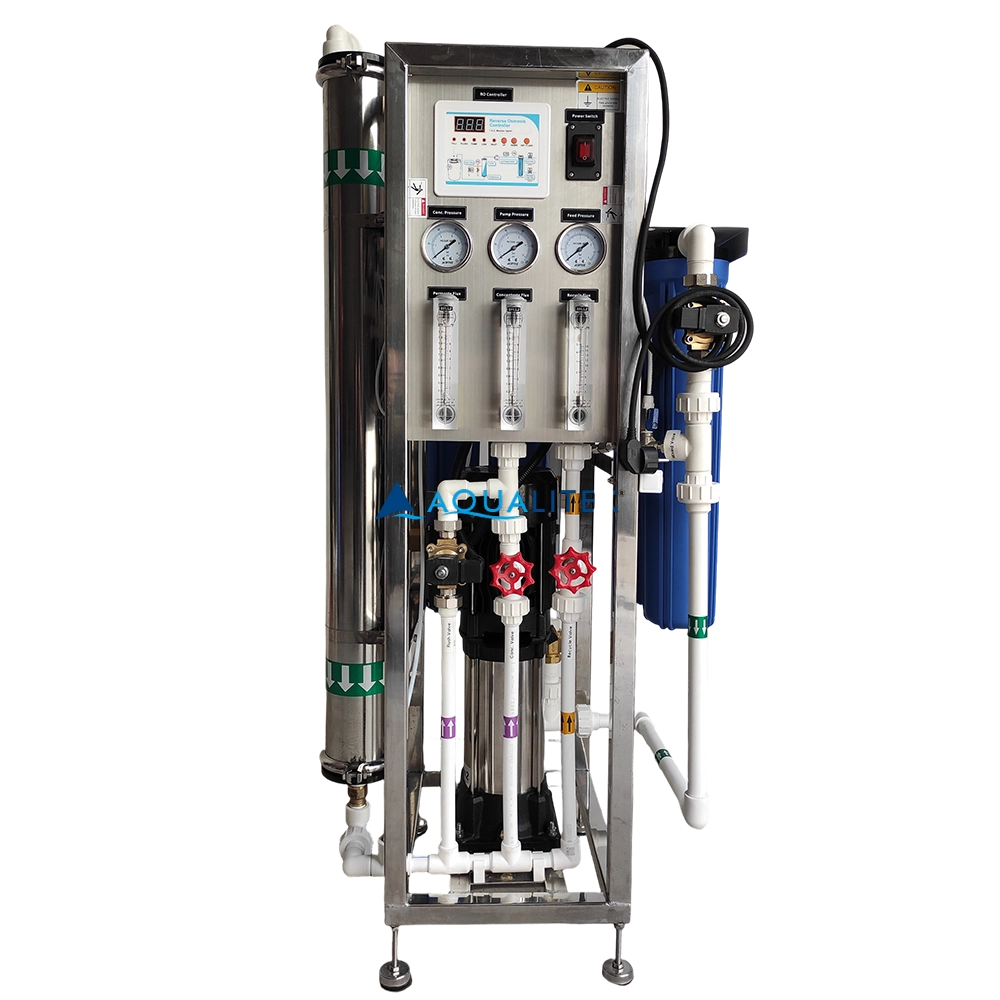
Our 500 LPH Reverse Osmosis (RO) System is engineered to provide high-quality purified water for commercial applications. Designed with advanced RO technology, durable components, and a user-friendly interface, this system ensures consistent performance, low maintenance, and long-term reliability.
With its compact design and robust skid-mounted frame, it’s an excellent choice for businesses that demand efficiency and quality in water purification.
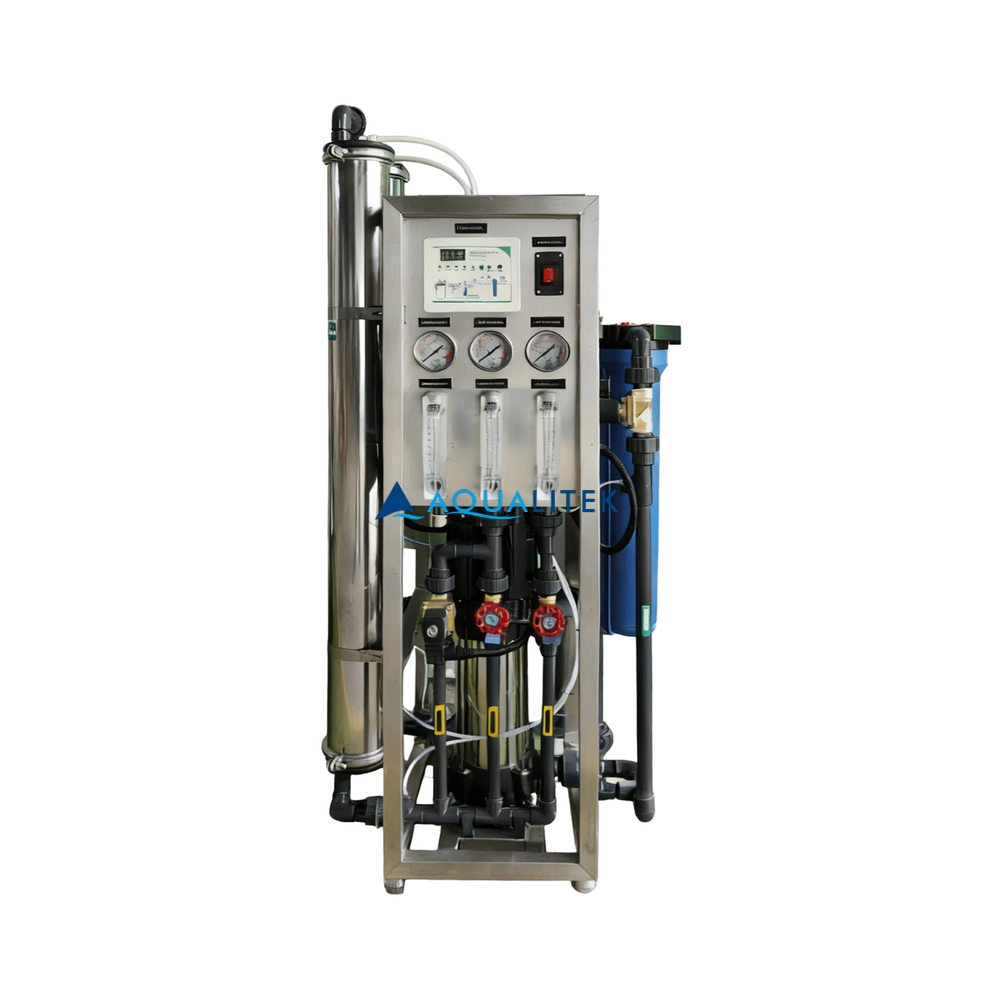
TWV series Reverse Osmosis (RO) systems are pre-engineered and pre-assembled units with 2.5”/4” membrane housings(single element type)for tap water(lower TDS).They are designed for overall superior performance, high recovery rates and offer great savings with low maintenance and operation costs.
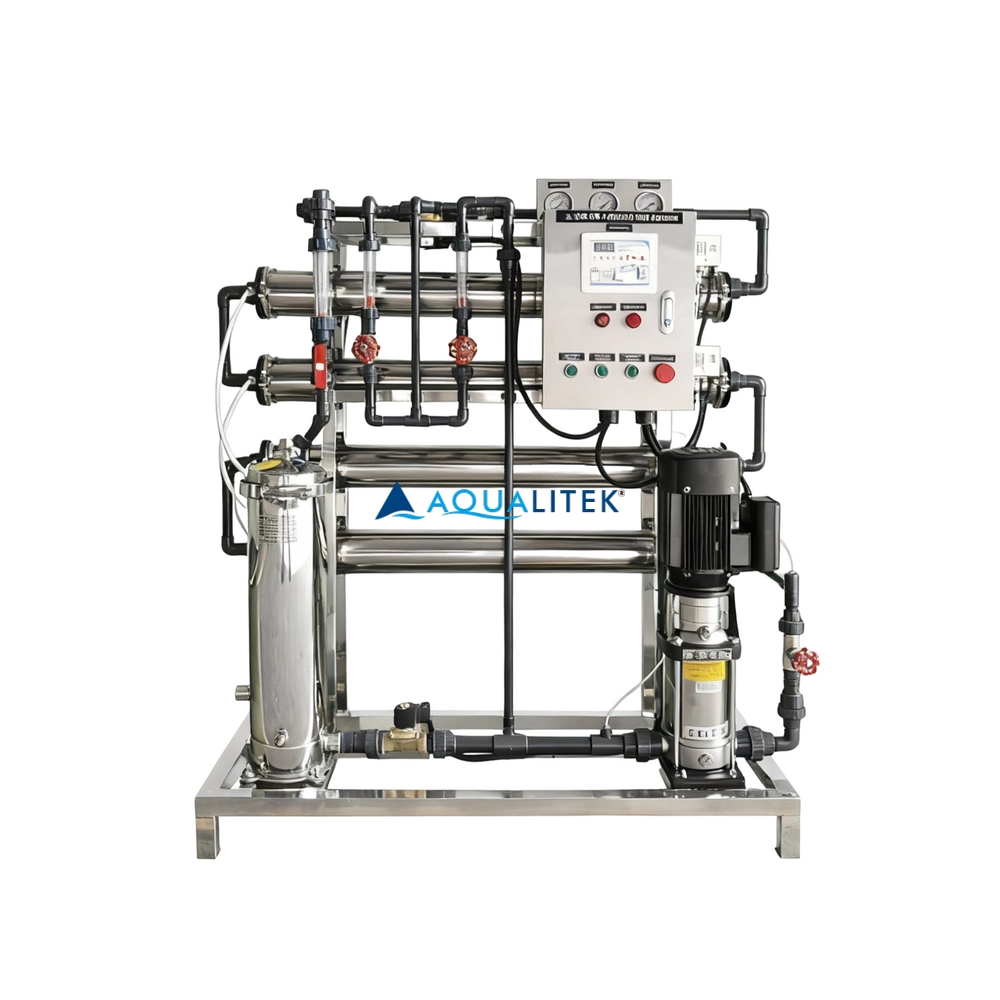
TWF series Reverse Osmosis (RO) systems are pre-engineered and pre-assembled units with 4” membrane housings(multiple elements type) for tap water(lower TDS) .The medium large volumes can help meet your a variety of commercial and industrial applications. They are designed for overall superior performance, high recovery rates and offer great savings with low maintenance and operation costs.

TWE series Reverse Osmosis (RO) systems are pre-engineered and pre-assembled units with 8” membrane housings for tap water (lower TDS). The large volumes can help meet your a variety of industrial applications. They are designed for overall superior performance, high recovery rates and offer great savings with low maintenance and operation costs.
© 2026 AQUALITEK. All rights reserved.
AQUALITEK- Aimee Hoo
AQUALITEK - Aimee Hoo