




What Irreversible Damage Can Residual Chlorine and Oxidants Cause to RO Membranes? (Expert Industrial Guide)| Insights by AQUALITEK
Residual chlorine and oxidants can cause irreversible degradation of RO membranes. This in-depth guide explains the chemical damage mechanisms, performance impacts, early warning signs, and best preventive measures for industrial RO systems.
- Introduction
- 1. Why RO Membranes Are Extremely Sensitive to Chlorine and Oxidants
- 2. Irreversible Damage Caused by Residual Chlorine & Oxidants
- (1) Destruction of the Polyamide Active Layer
- (2) Sharp Increase in Permeate Conductivity (Permanent)
- (3) Increased Water Flux (Abnormally High Permeability)
- (4) Loss of Membrane Integrity and Mechanical Strength
- (5) Accelerated Biofouling After Partial Oxidation
- (6) Glue-Line and Brine Seal Degradation
- 3. Early Warning Signs of Oxidant Damage
- (1) Conductivity of permeate suddenly increases
- (2) Water flux increases unusually
- (3) Irrecoverable performance drop after cleaning
- (4) Multiple elements fail simultaneously
- 4. How to Prevent Oxidant Damage in RO Systems
- (1) Strict Dechlorination Before RO
- (2) Use Online ORP Monitoring
- (3) Prevent Overdosing of Oxidant in Pretreatment
- (4) Add SBS before any possible chlorine source
- (5) Ensure SBS dosing system is stable
- (6) Avoid bio-shock chlorination without isolating RO
- 5. What to Do if Oxidant Damage Is Confirmed
- Conclusion
Introduction
Reverse osmosis (RO) membranes—especially polyamide thin-film composite (TFC) membranes—are highly sensitive to oxidizing substances such as free chlorine, hypochlorite, permanganate, ozone, and other strong oxidants. While these chemicals are commonly used in pretreatment for disinfection, any residual amount reaching the RO system can cause permanent and irreversible membrane damage.
This Best-class article details how oxidants damage membranes, what irreversible changes occur, how to recognize the symptoms early, and how to prevent catastrophic degradation.
1. Why RO Membranes Are Extremely Sensitive to Chlorine and Oxidants
Most industrial RO membranes are made of polyamide (PA).
PA has excellent desalination capability but poor oxidation resistance.
Oxidants break the chemical bonds within the membrane’s polyamide layer, causing:
•Structural changes
•Surface degradation
•Permanent loss of selectivity
Even 0.1–0.3 mg/L free chlorine can cause measurable damage.
Higher concentrations cause rapid destruction in minutes.
2. Irreversible Damage Caused by Residual Chlorine & Oxidants
Below are the main forms of irreversible damage that occur once chlorine reaches the RO membrane.
(1) Destruction of the Polyamide Active Layer
Residual chlorine oxidizes the PA layer, breaking amide bonds.
Results:
•Active layer thins
•Selectivity collapses
•Salt rejection drops permanently
This is the most common irreversible failure mode.
(2) Sharp Increase in Permeate Conductivity (Permanent)
Once the active layer is chemically destroyed:
•Conductivity rises drastically
•Permeability increases
•Rejection cannot recover after flushing or cleaning
This performance drop cannot be restored by any cleaning method.
(3) Increased Water Flux (Abnormally High Permeability)
While fouling usually decreases flux, chlorine attack causes the opposite:
•Water flux suddenly increases
•But quality becomes poor
•Indicates structural deterioration
This is a typical sign of oxidation damage.
(4) Loss of Membrane Integrity and Mechanical Strength
Oxidation weakens the membrane polymer matrix:
•Cracking
•Brittleness
•Surface pitting
•Enlarged pores
•Separation of layers
The membrane becomes structurally unstable.
(5) Accelerated Biofouling After Partial Oxidation
Paradoxically, oxidized PA surfaces become:
•More hydrophilic
•More adsorptive
•More prone to microbial attachment
Once damaged by chlorine, the membrane biofouls faster—even after chemicals are removed.
(6) Glue-Line and Brine Seal Degradation
Oxidants can also affect bonding resins and seals:
•Glue-line weakening
•Brine seal hardening
•Increased bypass or leakage
This results in uneven flow and further loss of rejection.
3. Early Warning Signs of Oxidant Damage
Operators should look for these symptoms:
(1) Conductivity of permeate suddenly increases
Indicates loss of rejection capacity.
(2) Water flux increases unusually
Opposite of fouling; suggests chemical attack.
(3) Irrecoverable performance drop after cleaning
Cleaning cannot repair oxidized membranes.
(4) Multiple elements fail simultaneously
Chlorine damage affects all elements in the same stage.
4. How to Prevent Oxidant Damage in RO Systems
(1) Strict Dechlorination Before RO
Use:
•Sodium bisulfite (SBS)
•Activated carbon
•Catalytic carbon
Keep free chlorine < 0.05 mg/L (often target: ND).
(2) Use Online ORP Monitoring
ORP 200–300 mV is typical for dechlorinated water.
(3) Prevent Overdosing of Oxidant in Pretreatment
Especially with:
•Chlorine
•Sodium hypochlorite
•Ozone
•Permanganate
(4) Add SBS before any possible chlorine source
Place SBS injection immediately after chlorination and ahead of multimedia filters.
(5) Ensure SBS dosing system is stable
Check:
•Pump pulsation
•Stock solution concentration
•Tank mixing
•Flow-paced dosing
(6) Avoid bio-shock chlorination without isolating RO
Always bypass RO during high-chlorine treatments.
5. What to Do if Oxidant Damage Is Confirmed
Unfortunately, oxidation damage is irreversible.
Once confirmed:
•Replace the affected membrane elements
•Inspect pretreatment dosing system
•Adjust ORP/free chlorine monitoring
•Modify process control logic to prevent recurrence
There is no chemical cleaning method that can restore oxidized membranes.
Conclusion
Residual chlorine and other oxidants are among the most dangerous contaminants for RO membranes. Even small amounts can cause irreversible chemical degradation, leading to permanent loss of salt rejection, abnormal flux, structural breakdown, and accelerated biofouling. Proper dechlorination, ORP monitoring, and dosing control are essential to protecting the membrane and ensuring long-term RO system performance.


Request More Information or Expert Advice
Share a few details, and we’ll provide deeper insights, tailored suggestions, or product support.
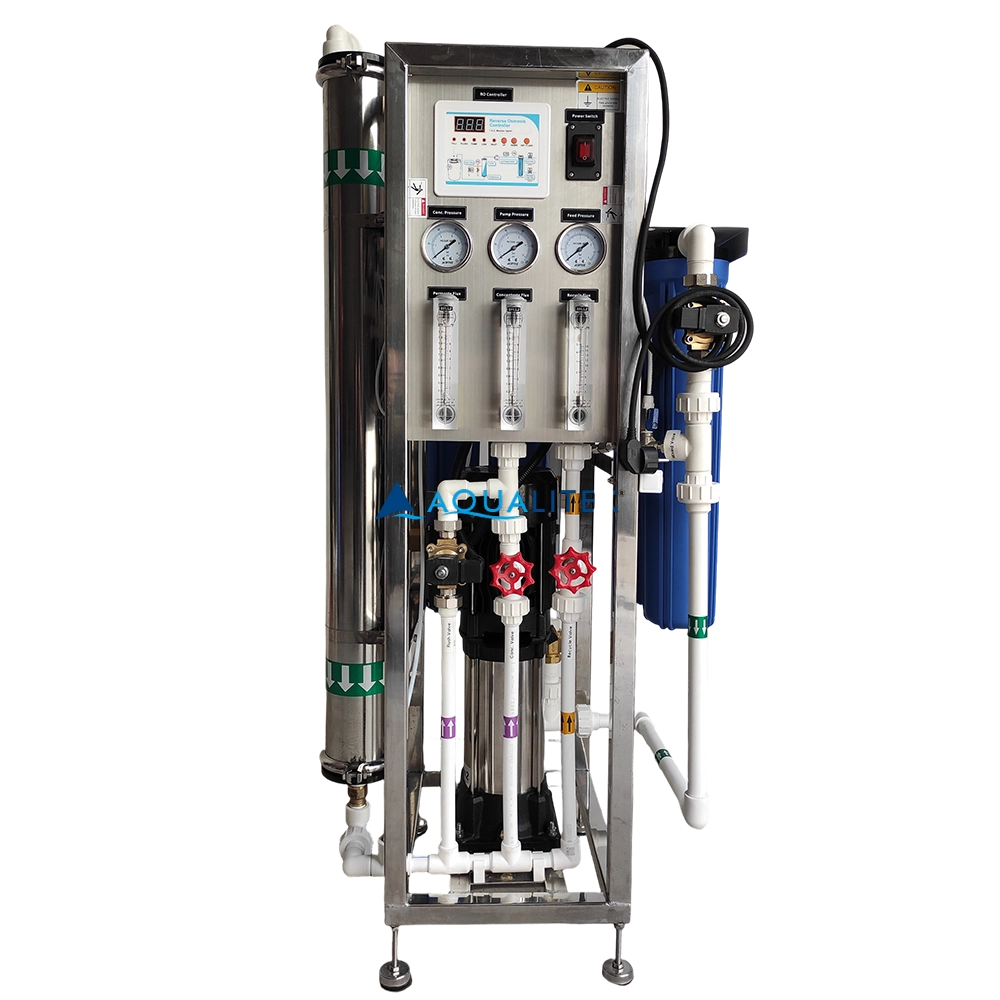
Our 500 LPH Reverse Osmosis (RO) System is engineered to provide high-quality purified water for commercial applications. Designed with advanced RO technology, durable components, and a user-friendly interface, this system ensures consistent performance, low maintenance, and long-term reliability.
With its compact design and robust skid-mounted frame, it’s an excellent choice for businesses that demand efficiency and quality in water purification.
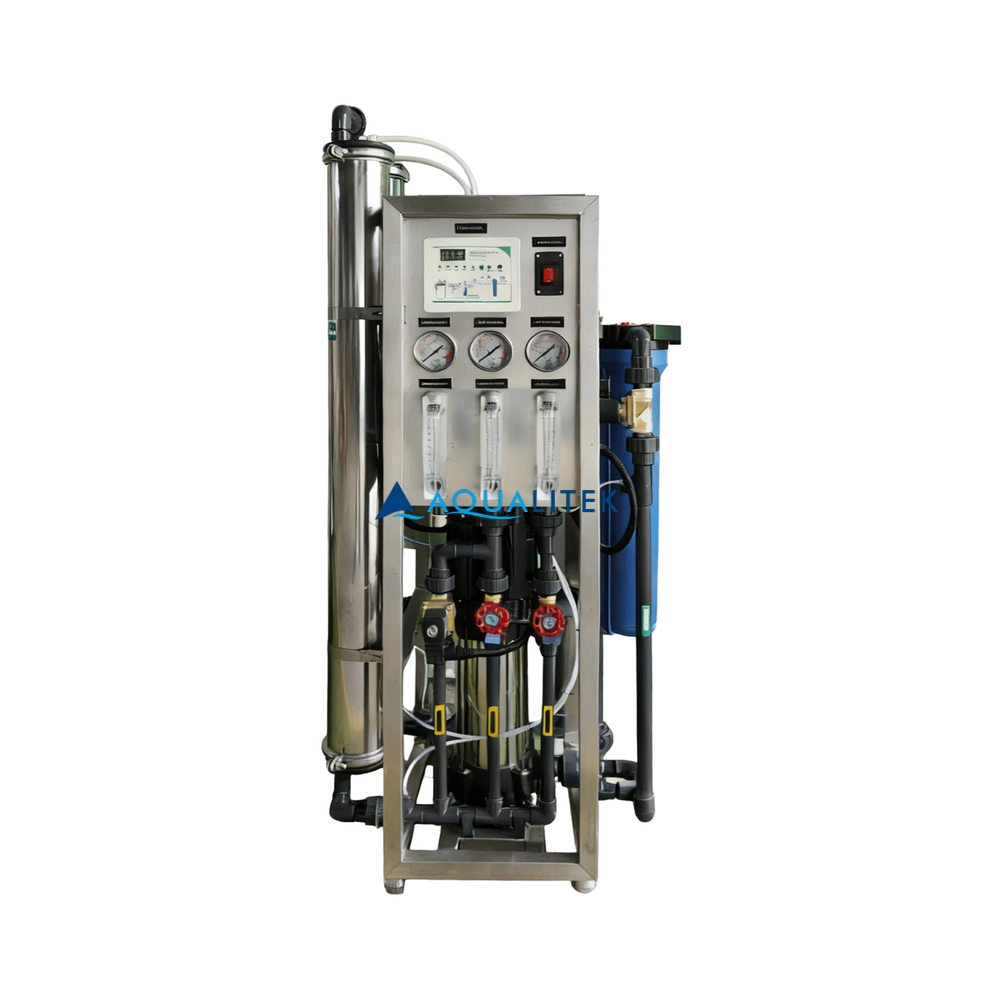
TWV series Reverse Osmosis (RO) systems are pre-engineered and pre-assembled units with 2.5”/4” membrane housings(single element type)for tap water(lower TDS).They are designed for overall superior performance, high recovery rates and offer great savings with low maintenance and operation costs.
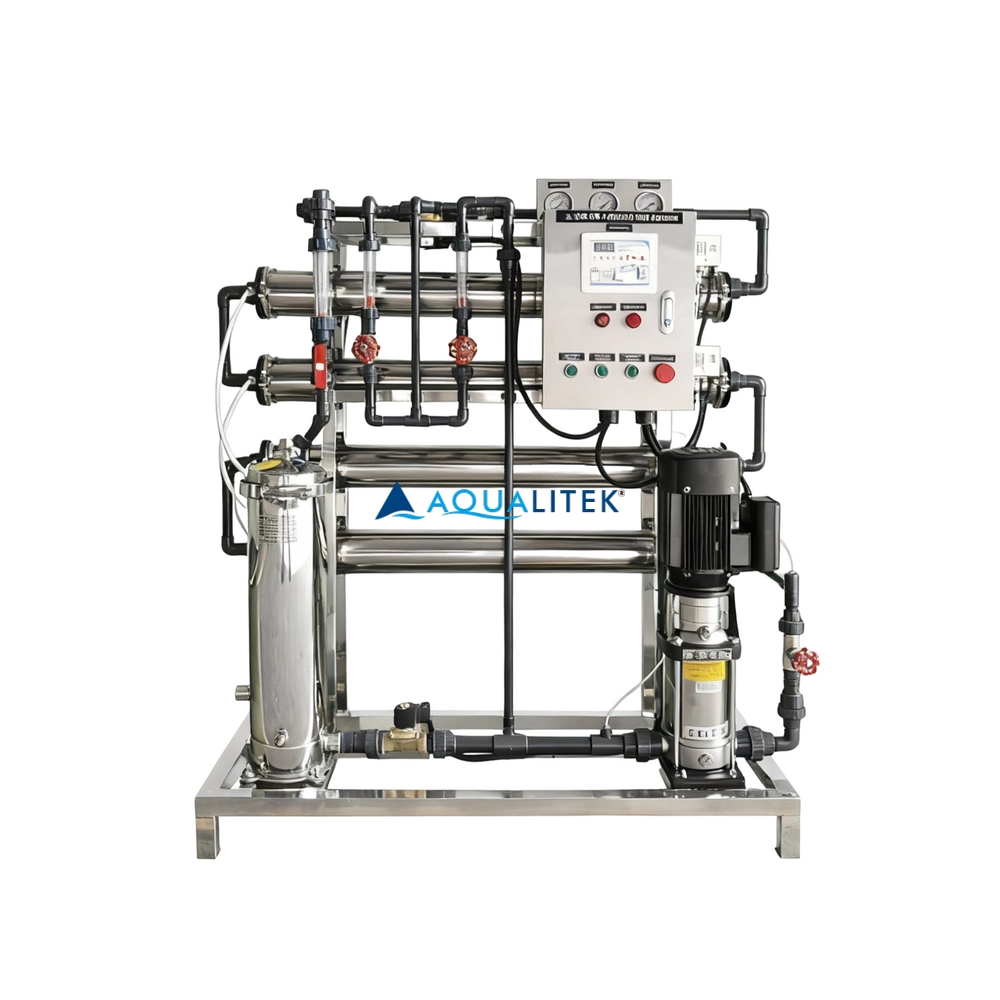
TWF series Reverse Osmosis (RO) systems are pre-engineered and pre-assembled units with 4” membrane housings(multiple elements type) for tap water(lower TDS) .The medium large volumes can help meet your a variety of commercial and industrial applications. They are designed for overall superior performance, high recovery rates and offer great savings with low maintenance and operation costs.

TWE series Reverse Osmosis (RO) systems are pre-engineered and pre-assembled units with 8” membrane housings for tap water (lower TDS). The large volumes can help meet your a variety of industrial applications. They are designed for overall superior performance, high recovery rates and offer great savings with low maintenance and operation costs.
© 2026 AQUALITEK. All rights reserved.
AQUALITEK- Aimee Hoo
AQUALITEK - Aimee Hoo