




Best Water Temperature Range for RO Systems: Complete Guide for Optimal Performance| Insights by AQUALITEK
Understanding the ideal water temperature range for RO (Reverse Osmosis) systems is essential for ensuring stable performance, high permeate flow, and long membrane life. This guide explains the recommended temperature range, how temperature affects system efficiency, and best practices for both home and industrial RO applications.
- Best Water Temperature Range for RO Systems
- 1. Why Water Temperature Matters in RO Systems
- 2. Recommended Operating Water Temperature Range
- 3. How Temperature Affects RO Performance
- 3.1 Low Temperature (<10°C / 50°F)
- 3.2 High Temperature (>35°C / 95°F)
- 4. Industry Standards and Manufacturer Guidelines
- 5. Best Temperature Ranges for Different Applications
- 6. Final Recommendation
Best Water Temperature Range for RO Systems
1. Why Water Temperature Matters in RO Systems
Water temperature directly affects RO membrane permeability, system pressure requirements, energy consumption, and the lifespan of membrane elements. Because water viscosity changes with temperature, RO membranes perform differently at low and high temperatures:
•Higher temperature = lower viscosity → higher water flux
•Lower temperature = higher viscosity → lower water flux
This means that temperature control is essential for maintaining design performance and preventing membrane damage.
2. Recommended Operating Water Temperature Range
Typical recommended range: 10°C – 35°C (50°F – 95°F)
This is the globally accepted safe operating range across most RO membrane manufacturers including FilmTec, Toray, Hydranautics, and Vontron.
Standard design temperature: 25°C (77°F)
RO system flow rates, salt rejection, and pressure requirements are typically calculated based on this reference temperature.
Maximum allowable temperature:
•Most RO membranes: up to 45°C (113°F)
(Not recommended for continuous operation—high temperatures accelerate membrane degradation.)
Best performance range:
•20°C – 30°C (68°F – 86°F)
This range offers the best balance of flux, stability, and membrane longevity.
3. How Temperature Affects RO Performance
3.1 Low Temperature (<10°C / 50°F)
Effects:
•Water flux drops significantly (approx. 2–3% per °C)
•Higher feed pressure is required to maintain production
•System energy consumption increases
•Salt rejection may slightly improve, but overall efficiency decreases
Recommended actions:
•Increase operating pressure
•Install a feed water heater for extremely cold climates
•Monitor permeate TDS to ensure stable quality
3.2 High Temperature (>35°C / 95°F)
Effects:
•Flux increases, but salt rejection may decrease
•Membrane polymer structure weakens over time
•Biofouling risk increases
•Long-term operation near 45°C causes irreversible membrane damage
Recommended actions:
•Use cooling systems or heat exchangers
•Avoid operating near maximum temperature limits
•Increase cleaning frequency in warm climates
4. Industry Standards and Manufacturer Guidelines
Most RO membrane manufacturers specify:
|
Manufacturer |
Standard Temp |
Recommended Range |
Max Temp |
|
FilmTec (DOW) |
25°C |
10–35°C |
45°C |
|
Hydranautics |
25°C |
10–35°C |
45°C |
|
Toray |
25°C |
10–35°C |
45°C |
|
Vontron |
25°C |
5–45°C |
45°C |
Although membranes can technically tolerate up to 45°C, running near this limit significantly shortens membrane lifespan.
5. Best Temperature Ranges for Different Applications
Home RO Systems
•Best range: 20–30°C
•Low winter temperatures may require heating in some regions
Commercial RO Systems
•Best range: 15–35°C
•Uses boosters or temperature conditioning to stabilize performance
Industrial RO Systems (e.g., food, manufacturing, power plants)
•Optimal: 20–30°C
•Temperature control systems are commonly installed
SWRO (Seawater RO)
•Can operate at wider temperature ranges (10–35°C)
•Still benefits from being kept near 25°C for stable flux and salt rejection
6. Final Recommendation
To ensure optimal operation, stable permeate quality, and extended membrane lifespan:
✅ Recommended RO operating temperature range: 10°C – 35°C
⭐ Best overall performance range: 20°C – 30°C
⚠️ Avoid prolonged operation above 35°C and never exceed 45°C
Maintaining water temperature within the recommended range reduces energy cost, protects membranes, and ensures consistent production quality.



Request More Information or Expert Advice
Share a few details, and we’ll provide deeper insights, tailored suggestions, or product support.
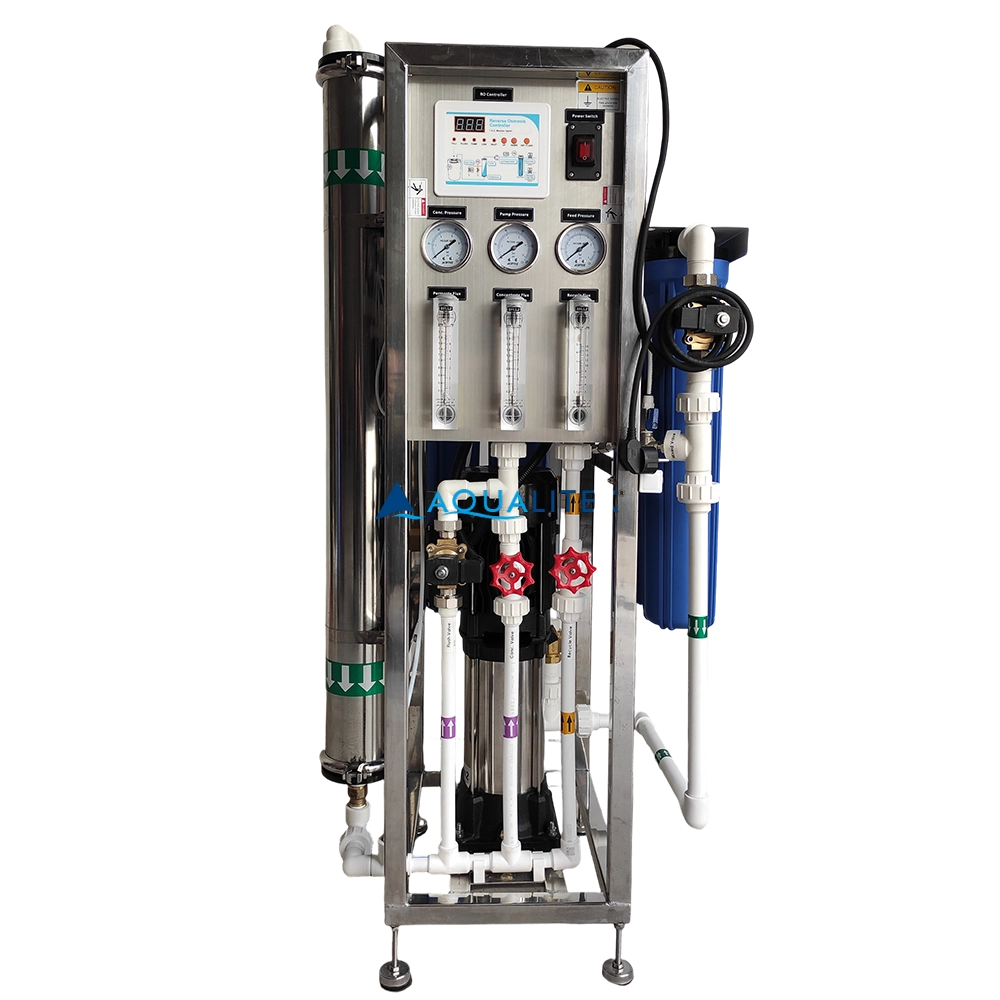
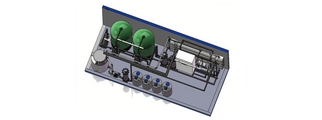
Our 500 LPH Reverse Osmosis (RO) System is engineered to provide high-quality purified water for commercial applications. Designed with advanced RO technology, durable components, and a user-friendly interface, this system ensures consistent performance, low maintenance, and long-term reliability.
With its compact design and robust skid-mounted frame, it’s an excellent choice for businesses that demand efficiency and quality in water purification.
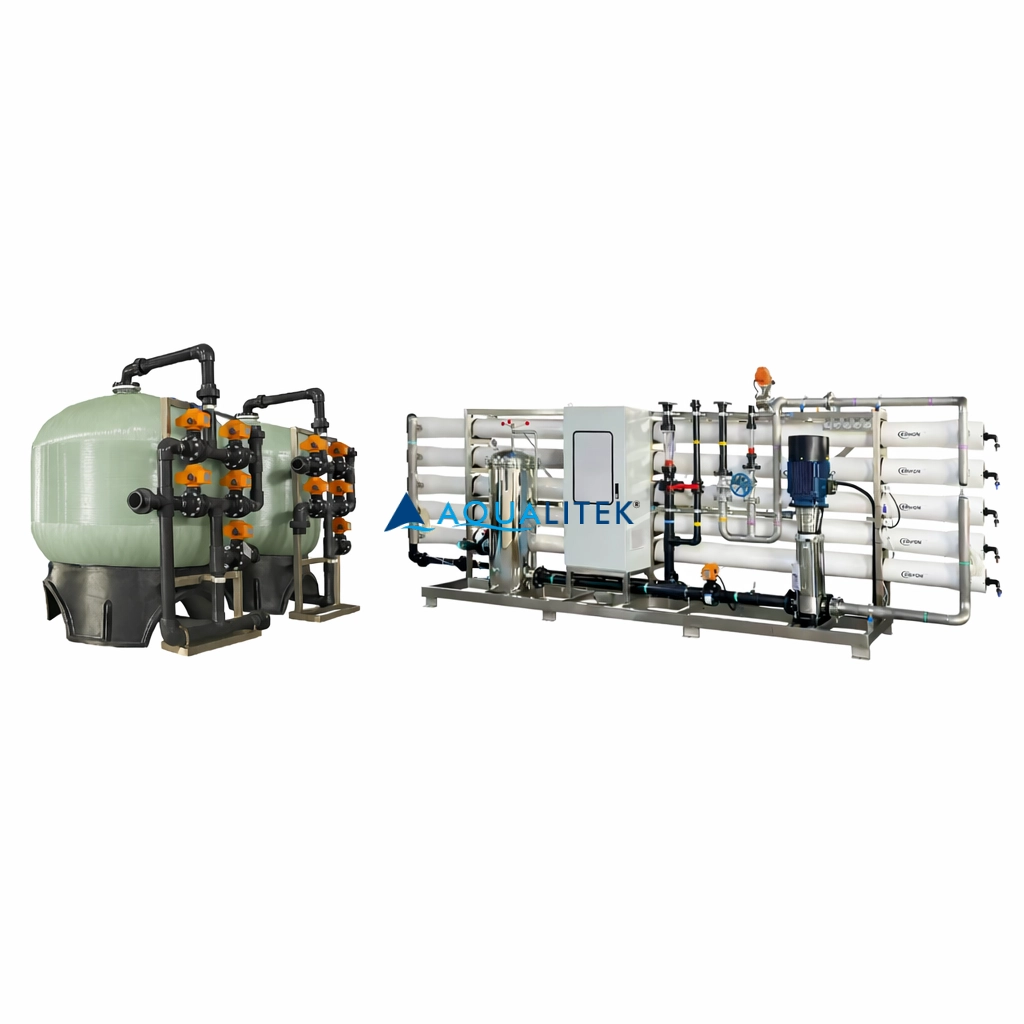
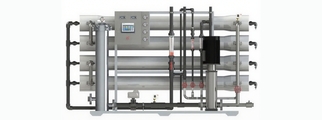
30TPH Industrial Reverse Osmosis (RO) System designed for industrial and municipal water treatment. High salt rejection, energy-efficient design, PLC control, and customizable configuration.
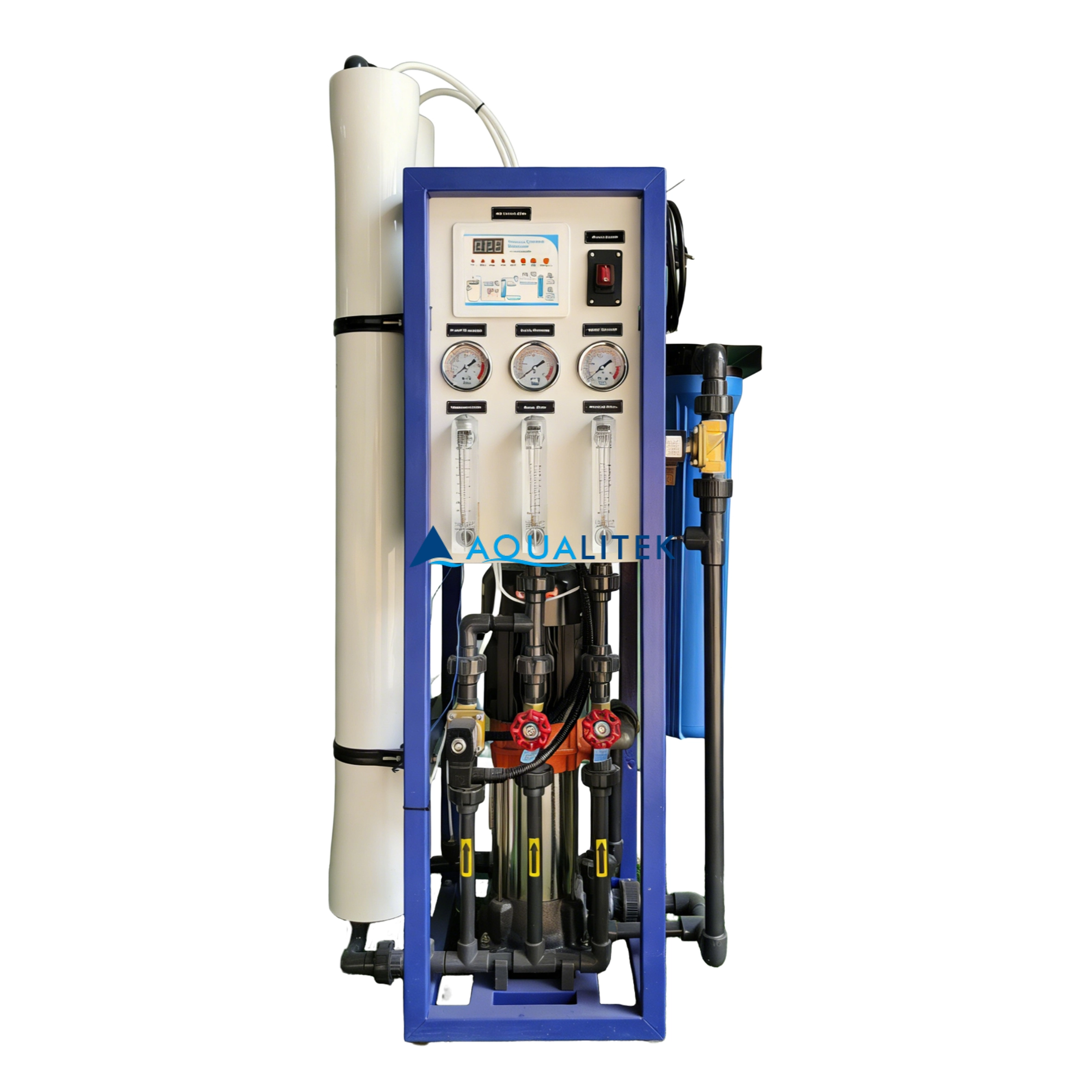
AQUALITEK's 500LPH Panel Mounted Reverse Osmosis Water Purification System delivers reliable 500 LPH RO water production. This compact industrial reverse osmosis unit is ideal for small scale industrial RO needs, ensuring efficient and high-quality purified water in a space-saving design.
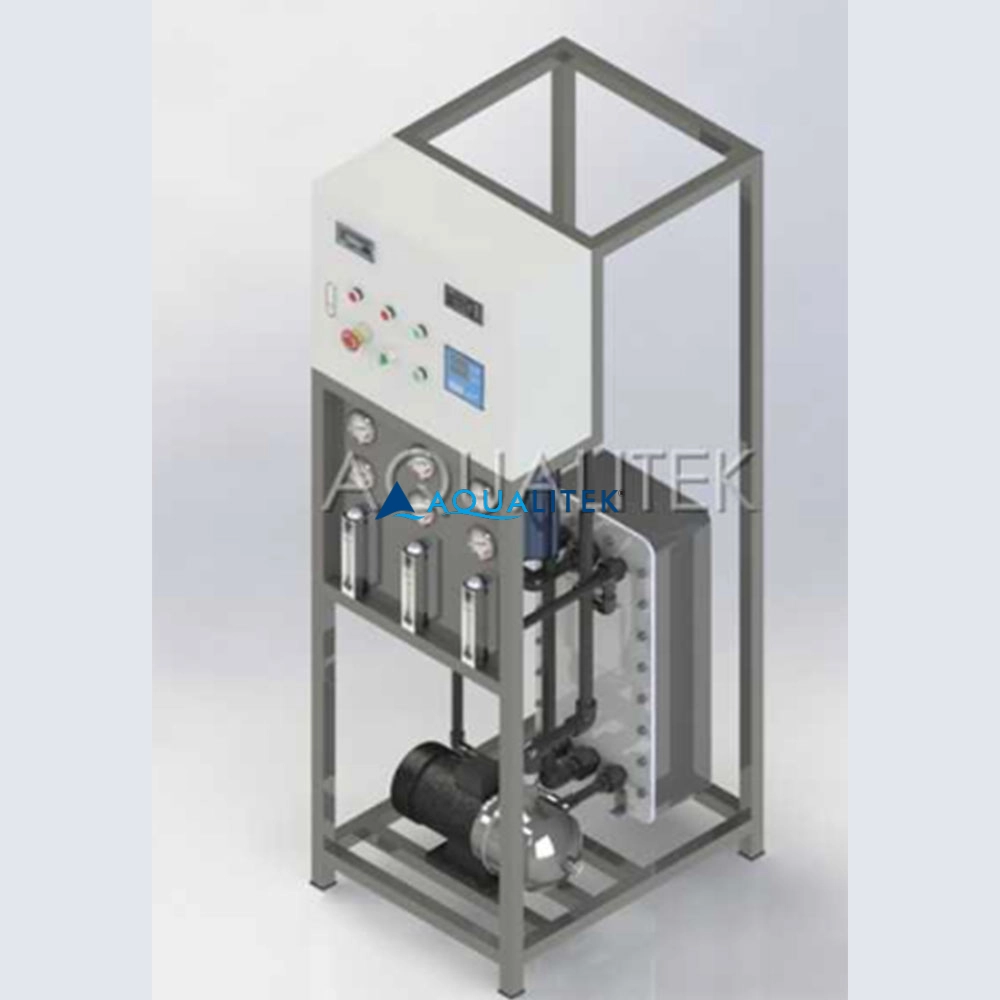
Electrodeionization (EDI) system is an advanced water purification technology that combines ion exchange and electrochemical processes to produce ultra-pure water. Unlike traditional deionization methods, which rely on chemical regeneration, EDI utilizes electric fields to drive the movement of ions through ion-exchange membranes, effectively removing dissolved salts and other ionic contaminants.
This process is continuous and does not require the use of chemicals for regeneration, making it an environmentally friendly and cost-effective solution for producing high-quality deionized water. EDI systems are widely used in applications requiring ultrapure water, such as in the pharmaceutical, semiconductor, power generation, and biotechnology industries, as well as for laboratory use.
By offering high-purity water without the need for chemical regeneration, EDI systems provide a sustainable, efficient, and reliable alternative to traditional deionization methods, making them an ideal choice for industries where water quality and process control are critical.
© 2026 AQUALITEK. All rights reserved.
AQUALITEK- Aimee Hoo
AQUALITEK - Aimee Hoo