




What Is the Required SDI Value for Seawater Entering RO Membranes? And How to Achieve It?| Insights by AQUALITEK
In seawater reverse osmosis (SWRO) systems, one of the most critical parameters determining membrane performance and lifespan is the Silt Density Index (SDI).
If SDI is too high, membranes will foul rapidly, pressure will increase, cleaning frequency will rise, and membrane life may be reduced by 50% or more.
So what SDI value is actually required before seawater enters RO membranes? And how can plants reliably achieve that target?
This article provides a complete technical breakdown.
- 1. What Is SDI?
- 2. Required SDI Value for Seawater RO Feed
- Industry Standard Requirement:
- High-Performance SWRO Plants:
- Why SDI15 ≤ 3 Is the Best Practice
- 3. Risks of High SDI Entering RO Membranes
- 3.1 Rapid Differential Pressure Increase
- 3.2 Increased Cleaning Frequency
- 3.3 Biofouling Acceleration
- 4. How to Achieve Required SDI for SWRO Systems
- 4.1 Seawater Intake Optimization
- 4.2 Coagulation & Flocculation
- 4.3 Dual Media Filtration (DMF)
- 4.4 Dissolved Air Flotation (DAF) (If High Algae Load)
- 4.5 Ultrafiltration (UF) – The Most Reliable Solution
- 4.6 Cartridge (Security) Filters
- 5. Monitoring and Controlling SDI
- Best Monitoring Practices:
- 6. Target SDI vs System Performance Relationship
- 7. Economic Impact of SDI Control
- Conclusion
1. What Is SDI?
SDI (Silt Density Index) measures the fouling potential of water caused by:
•Colloidal particles
•Fine suspended solids
•Organic matter
•Algae and microorganisms
It evaluates how quickly a 0.45 μm filter membrane becomes clogged over time.
In seawater desalination, SDI is typically measured as:
SDI15 (15-minute test)
2. Required SDI Value for Seawater RO Feed
Industry Standard Requirement:
SDI15 ≤ 5 (absolute maximum limit)
Recommended design target: SDI15 ≤ 3
High-Performance SWRO Plants:
SDI15 ≤ 2 (ultrafiltration pretreatment systems)
Why SDI15 ≤ 3 Is the Best Practice
Lower SDI leads to:
•Reduced membrane fouling rate
•Lower differential pressure rise
•Longer cleaning intervals
•Extended membrane lifespan
•Stable permeate quality
If SDI exceeds 5:
•Rapid colloidal fouling occurs
•Pressure drop increases quickly
•Frequent CIP is required
•Energy consumption rises
3. Risks of High SDI Entering RO Membranes
3.1 Rapid Differential Pressure Increase
Fine particles accumulate in:
•Feed spacers
•Membrane surface
Result:
•Uneven flow distribution
•Localized fouling hotspots
3.2 Increased Cleaning Frequency
Higher SDI often results in:
•CIP every 1–2 weeks
•Increased chemical consumption
•Shortened membrane life
3.3 Biofouling Acceleration
Colloids and organic particles serve as:
•Nutrient carriers
•Bacterial attachment sites
This increases biofilm formation risk.
4. How to Achieve Required SDI for SWRO Systems
Achieving SDI ≤ 3 requires a well-designed multi-stage pretreatment system.
4.1 Seawater Intake Optimization
Good intake design reduces:
•Sand intrusion
•Organic debris
•Algae concentration
Options include:
•Open intake with coarse screens
•Subsurface intakes
•Beach wells
Subsurface intakes can naturally reduce SDI to <3 in many cases.
4.2 Coagulation & Flocculation
Dosing coagulants:
•Ferric chloride
•Polyaluminum chloride
Helps aggregate fine colloids into removable flocs.
Key control parameters:
•pH optimization
•Jar testing
•Proper mixing intensity
4.3 Dual Media Filtration (DMF)
Sand + anthracite filtration:
•Removes suspended solids
•Reduces turbidity
•Stabilizes SDI
Proper backwashing is essential.
4.4 Dissolved Air Flotation (DAF) (If High Algae Load)
DAF is effective for:
•Red tide conditions
•Algal bloom events
•High organic load seawater
4.5 Ultrafiltration (UF) – The Most Reliable Solution
Modern high-performance SWRO plants increasingly use UF pretreatment.
Advantages:
•Stable SDI ≤ 2
•Excellent turbidity removal
•Better biofouling control
•Reduced RO cleaning frequency
UF is considered the gold standard for large-scale desalination pretreatment.
4.6 Cartridge (Security) Filters
Final barrier before RO:
•Typically 5 μm nominal rating
•Protects membranes from unexpected particle breakthrough
Note:
Cartridge filters cannot reduce high SDI alone — they are only a safeguard.
5. Monitoring and Controlling SDI
Best Monitoring Practices:
•Daily SDI15 testing
•Online turbidity monitoring
•Seasonal seawater quality tracking
•Differential pressure trend analysis
During events like storms or algae blooms, SDI may fluctuate dramatically.
Advanced plants implement:
•Real-time coagulation adjustment
•Automated chemical dosing control
6. Target SDI vs System Performance Relationship
|
SDI15 |
Expected RO Performance |
|
≤ 2 |
Excellent stability |
|
2–3 |
Optimal industrial range |
|
3–5 |
Acceptable but higher fouling risk |
|
> 5 |
High risk of rapid fouling |
7. Economic Impact of SDI Control
Maintaining SDI ≤ 3 can:
•Extend membrane life by 30–50%
•Reduce CIP frequency by 40%
•Lower energy consumption
•Improve plant uptime
Pretreatment optimization often delivers higher ROI than upgrading membranes.
Conclusion
The required SDI value for seawater entering RO membranes is:
Absolute maximum: SDI15 ≤ 5
Recommended operational target: SDI15 ≤ 3
Best practice (UF pretreatment): SDI15 ≤ 2
Achieving and maintaining this standard requires:
•Proper intake design
•Effective coagulation
•Reliable media filtration
•Ultrafiltration (for high-performance plants)
•Continuous monitoring and adjustment
Controlling SDI is not just about protecting membranes — it is about ensuring long-term system stability, cost control, and sustainable desalination performance.



Request More Information or Expert Advice
Share a few details, and we’ll provide deeper insights, tailored suggestions, or product support.
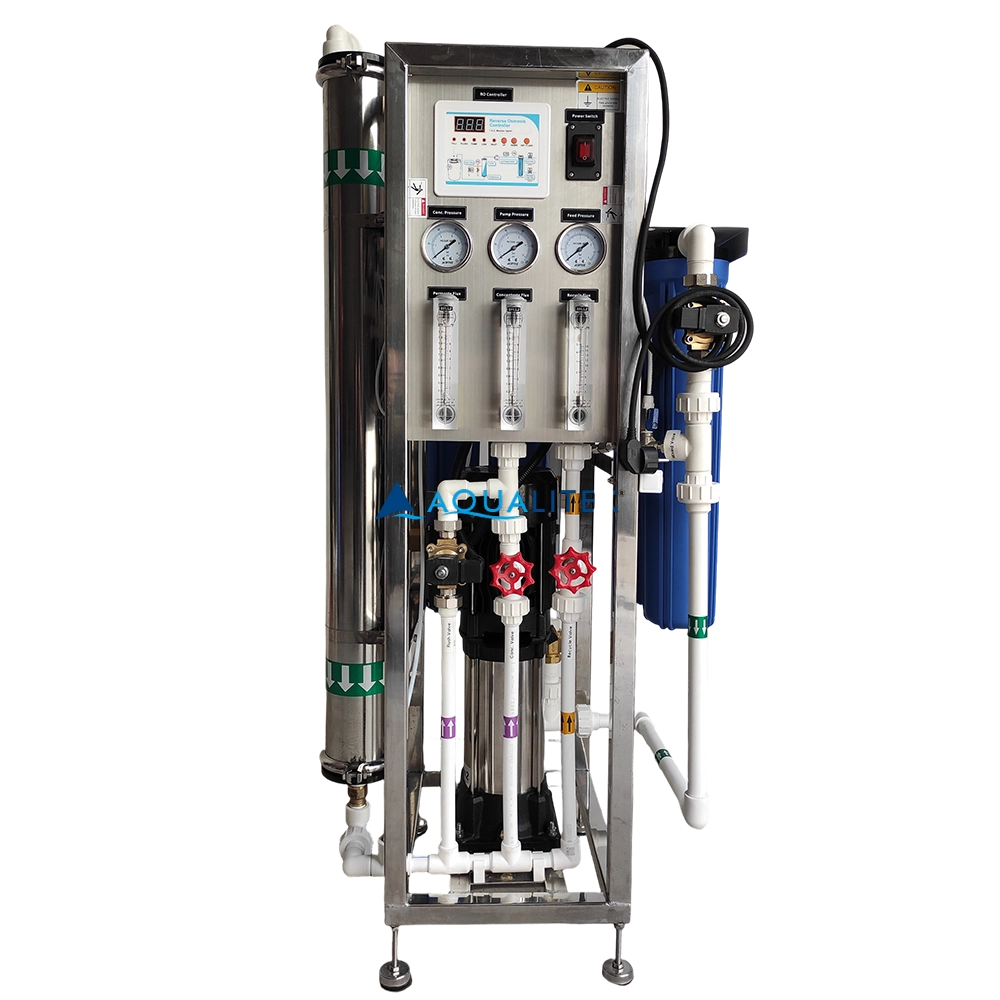
Our 500 LPH Reverse Osmosis (RO) System is engineered to provide high-quality purified water for commercial applications. Designed with advanced RO technology, durable components, and a user-friendly interface, this system ensures consistent performance, low maintenance, and long-term reliability.
With its compact design and robust skid-mounted frame, it’s an excellent choice for businesses that demand efficiency and quality in water purification.
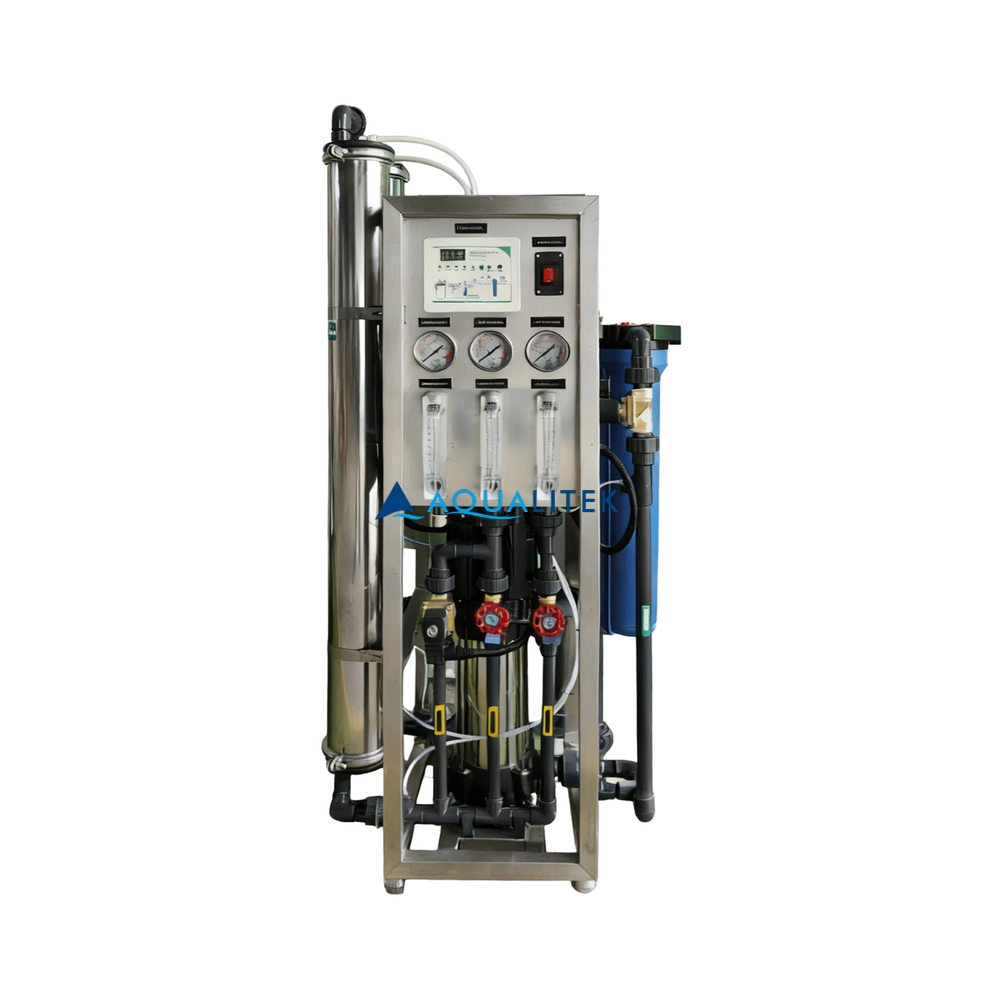
TWV series Reverse Osmosis (RO) systems are pre-engineered and pre-assembled units with 2.5”/4” membrane housings(single element type)for tap water(lower TDS).They are designed for overall superior performance, high recovery rates and offer great savings with low maintenance and operation costs.
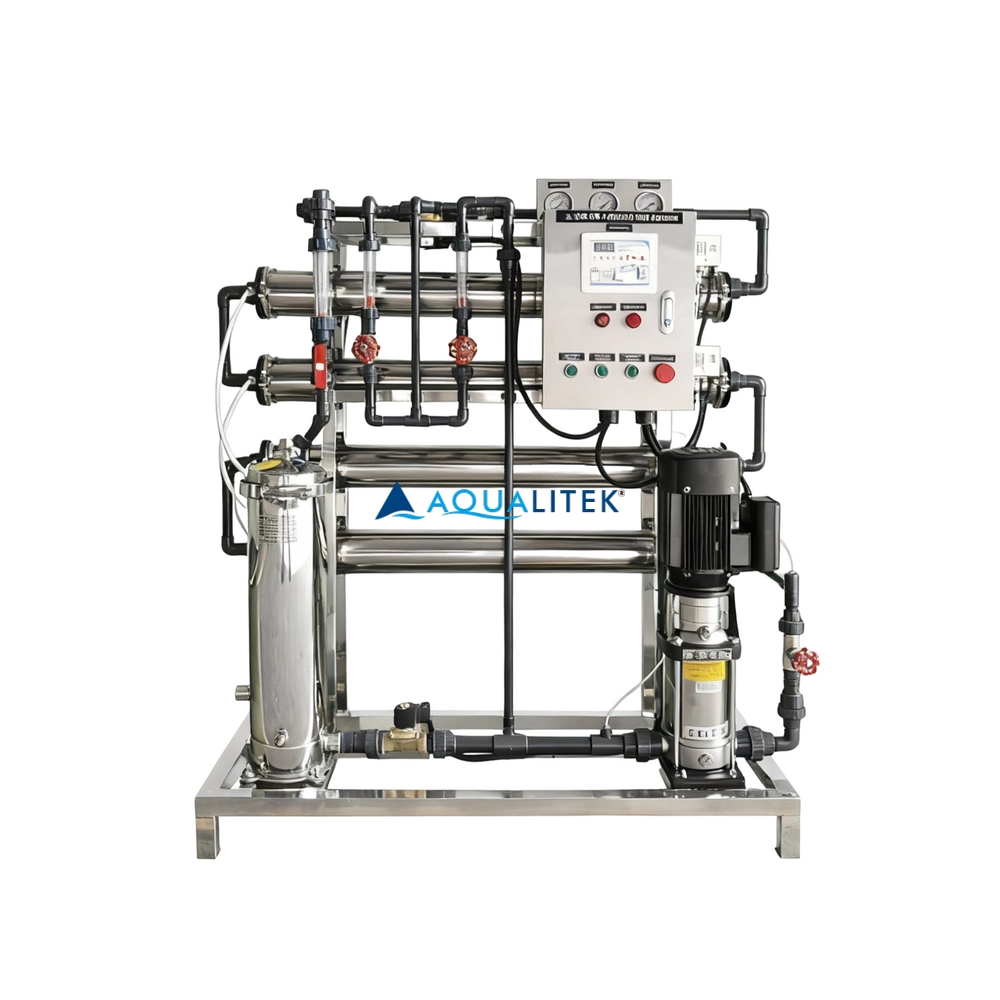
TWF series Reverse Osmosis (RO) systems are pre-engineered and pre-assembled units with 4” membrane housings(multiple elements type) for tap water(lower TDS) .The medium large volumes can help meet your a variety of commercial and industrial applications. They are designed for overall superior performance, high recovery rates and offer great savings with low maintenance and operation costs.

TWE series Reverse Osmosis (RO) systems are pre-engineered and pre-assembled units with 8” membrane housings for tap water (lower TDS). The large volumes can help meet your a variety of industrial applications. They are designed for overall superior performance, high recovery rates and offer great savings with low maintenance and operation costs.
© 2026 AQUALITEK. All rights reserved.
AQUALITEK- Aimee Hoo
AQUALITEK - Aimee Hoo