




What Is the Main Purpose of Low-Pressure Flushing Before and After RO System Startup and Shutdown?| Insights by AQUALITEK
Low-pressure flushing is a standard and essential operating procedure in RO (Reverse Osmosis) systems. This article explains why flushing is required before startup and after shutdown, how it protects RO membranes, and the overall benefits to system stability and longevity.
- Why Low-Pressure Flushing Is Essential Before and After RO System Startup and Shutdown
- 1. Main Purpose of Low-Pressure Flushing
- 1.1 Before Startup: Remove Stagnant or Contaminated Water
- 1.2 After Shutdown: Remove Concentrated Brine and Prevent Scaling
- 2. Secondary Purposes and Additional Benefits
- 2.1 Reduce Mechanical Stress on Membranes
- 2.2 Reduce Fouling Potential During Start/Stop Cycles
- 2.3 Remove Residual Chemicals After Cleaning
- 2.4 Improve Overall System Stability
- 3. Best Practices for Low-Pressure Flushing
- 4. Summary: Why Low-Pressure Flushing Is Necessary
- Overall
Why Low-Pressure Flushing Is Essential Before and After RO System Startup and Shutdown
Low-pressure flushing, also known as “low-pressure rinse,” is performed by feeding clean water through the RO system at minimal pressure. While simple, it plays a critical role in protecting membrane elements and maintaining long-term system performance.
Below is a complete breakdown of its purposes, benefits, and best practices.
1. Main Purpose of Low-Pressure Flushing
1.1 Before Startup: Remove Stagnant or Contaminated Water
When an RO system is idle, particularly for hours or overnight, water inside the pressure vessels becomes:
•Stagnant
•High in microbial activity
•Potentially contaminated with debris
•Chemically unstable, especially after dosing antiscalants or coagulants
Low-pressure flushing replaces this degraded water with fresh feed water, preventing the membranes from being exposed to harmful or concentrated contaminants when the system ramps up to high pressure.
1.2 After Shutdown: Remove Concentrated Brine and Prevent Scaling
At the moment of shutdown, the concentrate side contains:
•High-TDS brine
•Concentrated hardness ions (Ca²⁺, Mg²⁺)
•Suspended solids
•Residual chemicals
If left inside the membrane housing, these concentrated substances will:
•Rapidly form scale
•Settle and cause fouling
•Increase biofilm growth
•Damage the membrane surface
Low-pressure flushing removes this concentrated brine and replaces it with lower-TDS water, protecting the membrane during downtime.
2. Secondary Purposes and Additional Benefits
2.1 Reduce Mechanical Stress on Membranes
Sudden high-pressure startup can damage membrane elements.
Flushing allows:
•Smooth, gradual pressure increase
•Lower risk of membrane telescoping
•Protection for O-rings and adaptors
2.2 Reduce Fouling Potential During Start/Stop Cycles
Frequent start-stop cycles promote fouling. Flushing helps to:
•Wash away particles before pressure is applied
•Prevent mudballs and deposit formation
•Limit biological attachment
2.3 Remove Residual Chemicals After Cleaning
If the system has just been chemically cleaned:
•Low-pressure flushing helps remove cleaning chemicals
•Prevents chemical incompatibilities during startup
•Protects the membrane from oxidant residues or extreme pH
2.4 Improve Overall System Stability
RO systems run more consistently when:
•Pressure ramps up gradually
•No stagnant or concentrated water remains inside
•Fouling is minimized from the beginning
3. Best Practices for Low-Pressure Flushing
•Use clean, filtered feed water or permeate for flushing
(Avoid using raw water with high solids content.)
•Flush until permeate TDS stabilizes at normal feed levels
•Flush for 1–2 minutes before startup (depending on system size)
•Flush for 1–3 minutes after shutdown
•Ensure pressure < 30 psi (2 bar) during flushing
•Do not allow the system to stop with brine in the housings
Proper low-pressure flushing can extend membrane lifetime by 20–40% and reduce annual cleaning frequency.
4. Summary: Why Low-Pressure Flushing Is Necessary
Before Startup
•Removes stagnant water
•Reduces microbial load
•Prevents fouling at high pressure
After Shutdown
•Flushes out high-TDS brine
•Prevents scaling and deposition
•Protects membranes during idle periods
Overall
Low-pressure flushing is one of the simplest yet most effective steps to protect RO membranes, stabilize system performance, and reduce operating costs.



Request More Information or Expert Advice
Share a few details, and we’ll provide deeper insights, tailored suggestions, or product support.
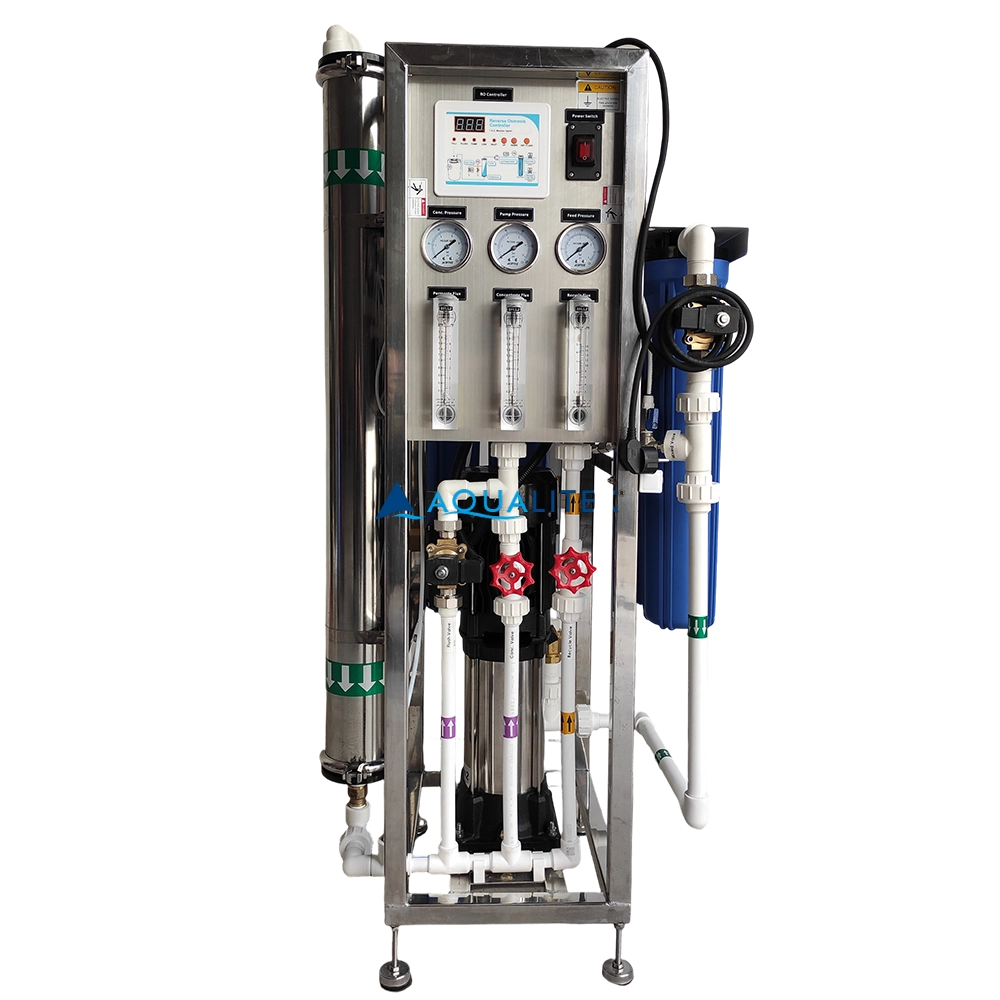
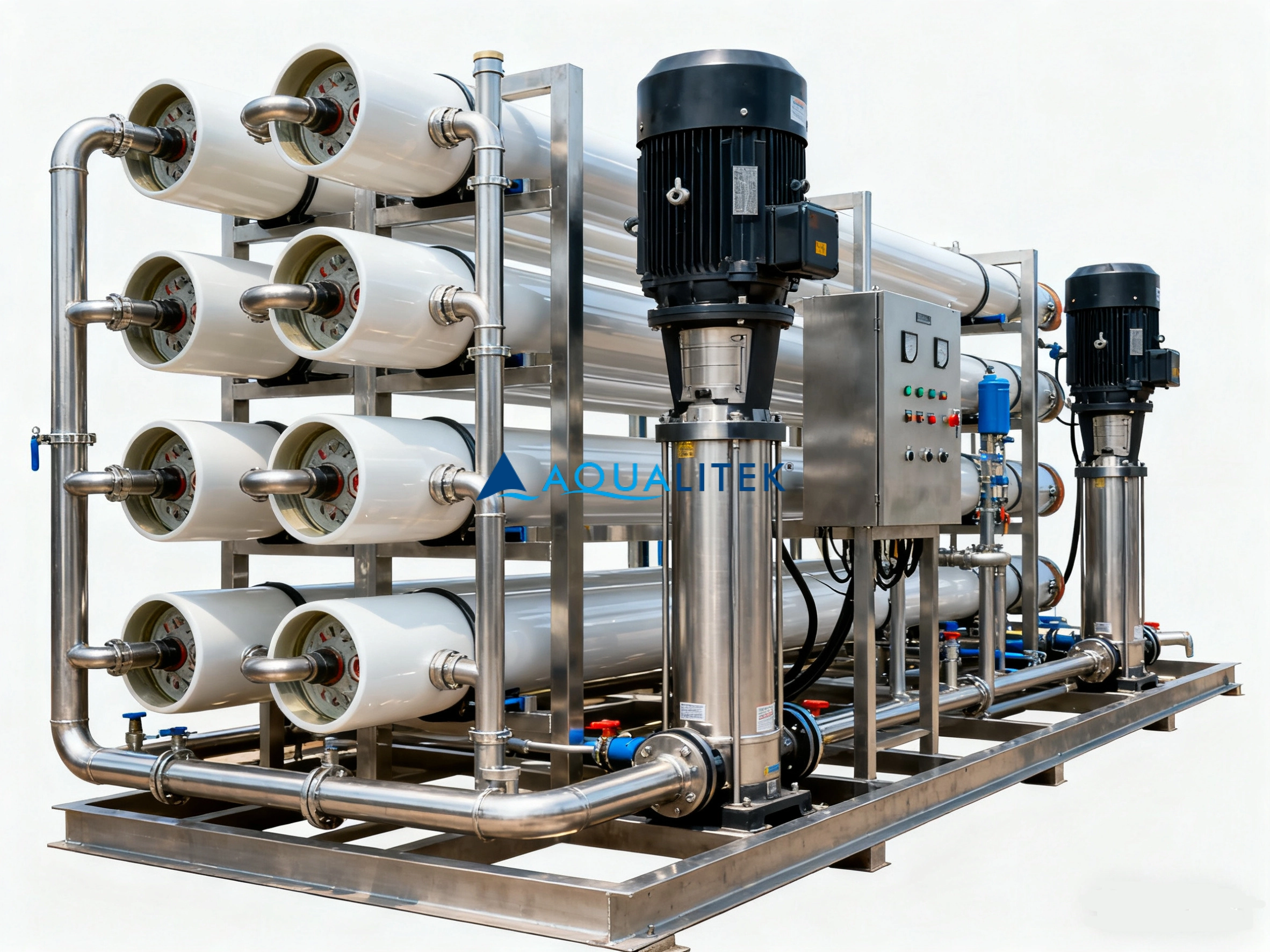
Our 500 LPH Reverse Osmosis (RO) System is engineered to provide high-quality purified water for commercial applications. Designed with advanced RO technology, durable components, and a user-friendly interface, this system ensures consistent performance, low maintenance, and long-term reliability.
With its compact design and robust skid-mounted frame, it’s an excellent choice for businesses that demand efficiency and quality in water purification.
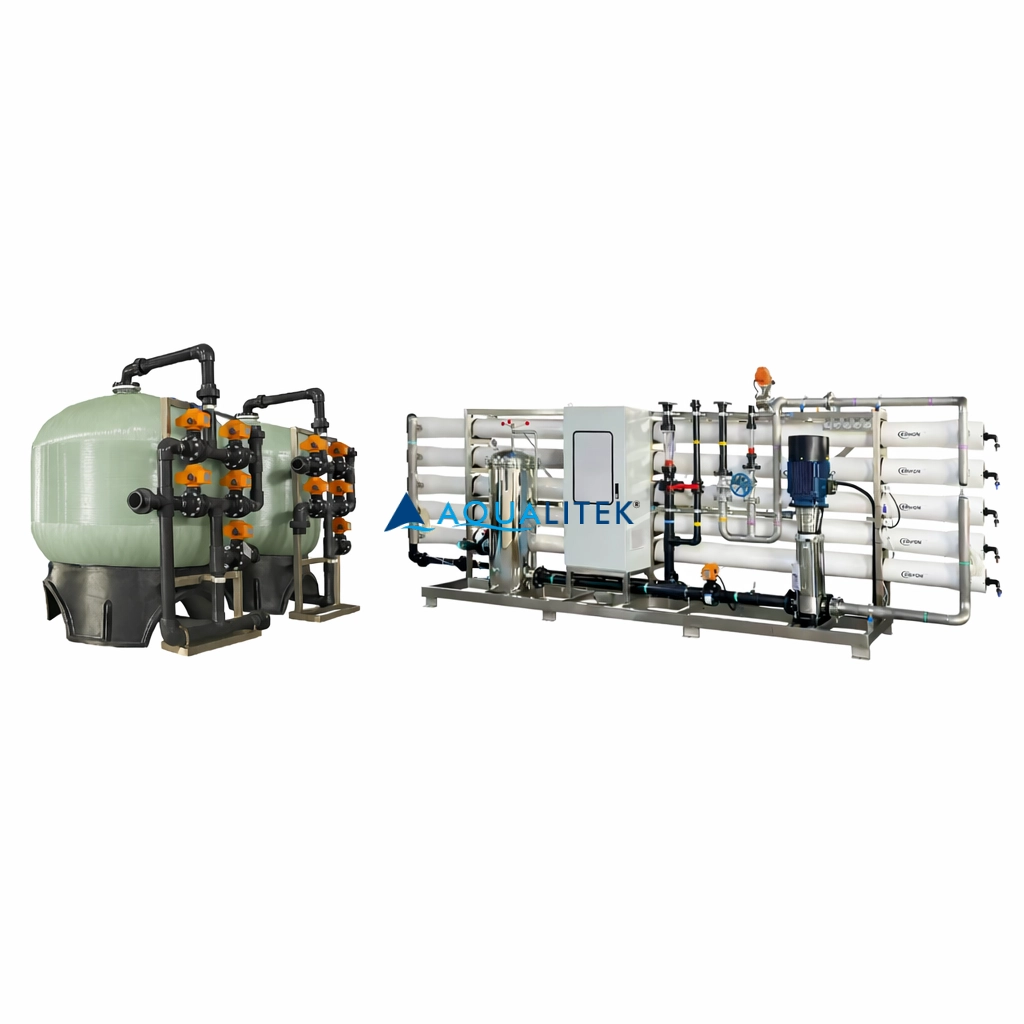
30TPH Industrial Reverse Osmosis (RO) System designed for industrial and municipal water treatment. High salt rejection, energy-efficient design, PLC control, and customizable configuration.
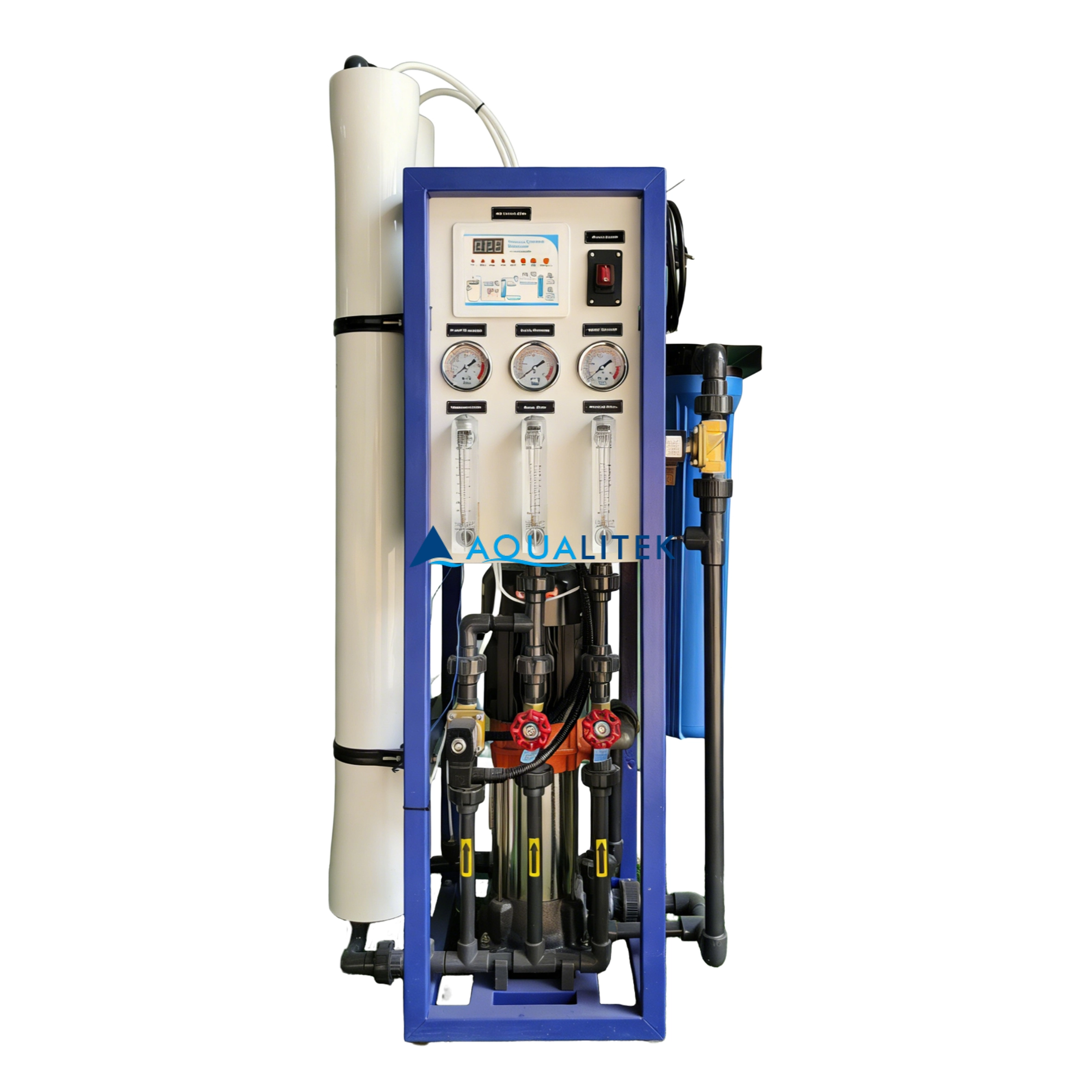
AQUALITEK's 500LPH Panel Mounted Reverse Osmosis Water Purification System delivers reliable 500 LPH RO water production. This compact industrial reverse osmosis unit is ideal for small scale industrial RO needs, ensuring efficient and high-quality purified water in a space-saving design.
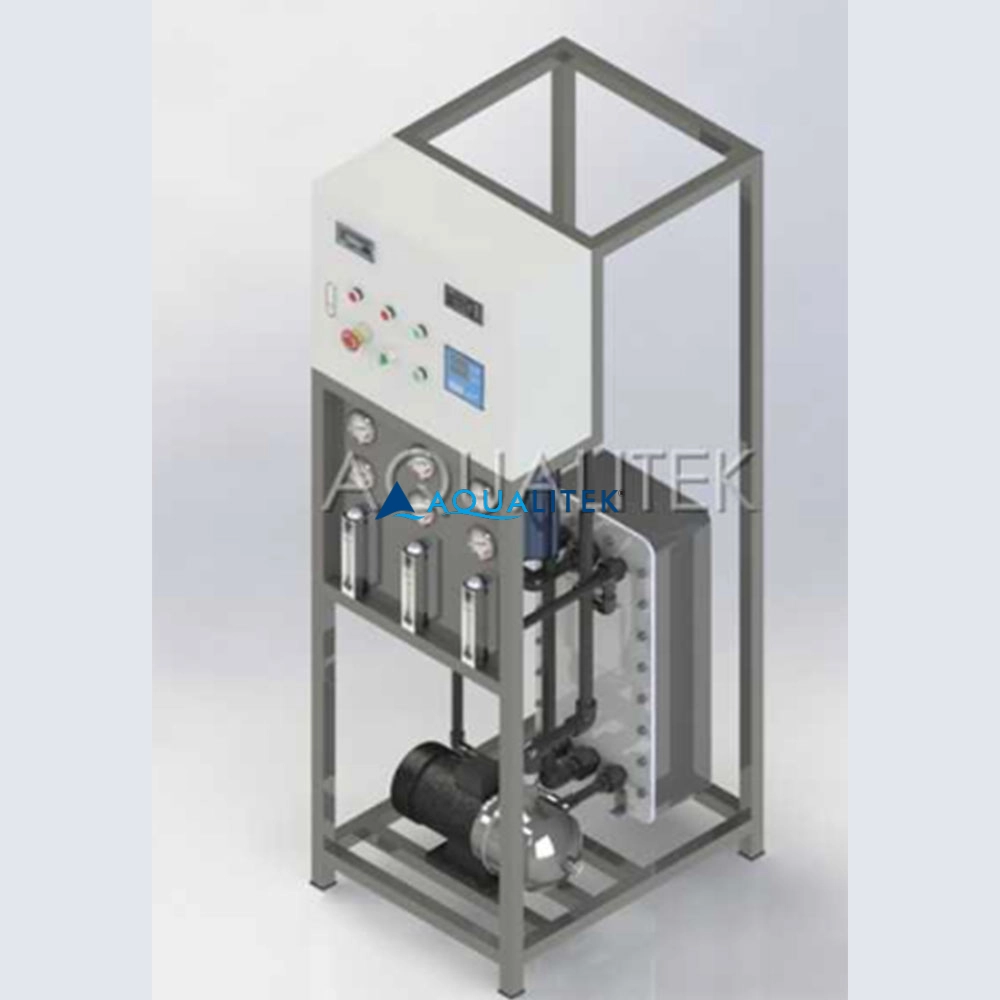
Electrodeionization (EDI) system is an advanced water purification technology that combines ion exchange and electrochemical processes to produce ultra-pure water. Unlike traditional deionization methods, which rely on chemical regeneration, EDI utilizes electric fields to drive the movement of ions through ion-exchange membranes, effectively removing dissolved salts and other ionic contaminants.
This process is continuous and does not require the use of chemicals for regeneration, making it an environmentally friendly and cost-effective solution for producing high-quality deionized water. EDI systems are widely used in applications requiring ultrapure water, such as in the pharmaceutical, semiconductor, power generation, and biotechnology industries, as well as for laboratory use.
By offering high-purity water without the need for chemical regeneration, EDI systems provide a sustainable, efficient, and reliable alternative to traditional deionization methods, making them an ideal choice for industries where water quality and process control are critical.
© 2026 AQUALITEK. All rights reserved.
AQUALITEK- Aimee Hoo
AQUALITEK - Aimee Hoo