




Benefits of Brackish Water Reverse Osmosis for Well Water
- Benefits of Brackish Water Reverse Osmosis for Well Water
- Why select Water Treatment Systems for Well Water?
- What is Brackish Water Reverse Osmosis (BWRO)?
- How BWRO works for brackish well water
- Key benefits of BWRO for well water: high level overview
- Advantages in water quality: what BWRO removes and improves
- Operational efficiency and recovery rates
- Comparison: BWRO vs alternatives for well water treatment
- Interpretation of the comparison
- Brackish Water Reverse Osmosis (BWRO) Systems BWE Series — product overview
- Why the BWE Series suits well water applications
- Typical features and benefits of the BWE Series
- Pre-treatment: what well owners must consider before BWRO
- Monitoring and control recommendations
- Operation, maintenance, and lifecycle expectations
- Energy and chemical considerations
- Cost considerations and return on investment (ROI)
- Where BWRO is most commonly applied for well water
- Brand advantage: why choose BWRO Systems BWE Series for your well water project
- Frequently Asked Questions (FAQ)
- Contact us / See the product
- References and authoritative resources

Benefits of Brackish Water Reverse Osmosis for Well Water
Why select Water Treatment Systems for Well Water?
Well water can be an excellent source of fresh water, but it often contains dissolved minerals, salts, iron, manganese, organics, and sometimes microbial contamination. Choosing specialized Water Treatment Systems for Well Water addresses these issues to protect human health, equipment, and processes. Systems designed for well water must be adaptable: they need to handle variable feed quality, seasonal changes, and site-specific contaminants while remaining cost-effective and easy to operate. Brackish Water Reverse Osmosis (BWRO) is one of the most effective and scalable technologies for reducing dissolved salts (TDS) and improving overall water quality when wells present higher-than-desired mineral content.
What is Brackish Water Reverse Osmosis (BWRO)?
Brackish Water Reverse Osmosis (BWRO) uses semi-permeable membranes to remove dissolved salts, hardness ions, and many dissolved organic molecules from water with moderate TDS concentrations (typically from about 1,000 to 10,000 mg/L, though definitions vary). BWRO differs from seawater RO (SWRO) primarily by feed water salinity and system design (operating pressures and membrane selection). For well water with elevated TDS, BWRO offers an optimal balance of energy use, recovery, and water quality improvement compared with other desalting processes.
How BWRO works for brackish well water
BWRO systems pressurize feed water and force it through RO membranes. The membrane rejects a large portion of dissolved salts and larger molecules; the purified stream (permeate) flows out, and the concentrated brine (reject) is discharged or further treated. Effective BWRO performance depends on proper pre-treatment to remove iron, manganese, turbidity, and scale-forming ions; correct system sizing; and membrane selection adapted to feed TDS and desired recovery. When applied to well water, BWRO can deliver consistent potable or process-quality water while minimizing chemical usage compared to some alternative methods.
Key benefits of BWRO for well water: high level overview
BWRO delivers a combination of benefits that address the most common well water challenges: reduced TDS and hardness, removal of many contaminants, predictable performance, and operational flexibility. Specifically, BWRO can: significantly lower dissolved salts and conductivity; reduce scaling and fouling in downstream equipment; improve taste and odor by removing dissolved organics; and provide a scalable solution from small community systems to industrial plants. These advantages make BWRO a strong option among Water Treatment Systems for Well Water.
Advantages in water quality: what BWRO removes and improves
BWRO membranes remove a broad range of contaminants relevant to well water quality. Typical removals include dissolved salts (sodium, chloride), hardness ions (calcium, magnesium), many heavy metals (iron and manganese often require pre-filtration but are reduced), nitrate, and many organic compounds. While RO is not a disinfection step for bacteria, BWRO combined with proper pre- and post-treatment (e.g., UV, chlorination) provides microbiologically safe water. For users who need low conductivity, consistent pH-stable water for industrial processes, or potable standards for communities, BWRO is a reliable technology choice among Water Treatment Systems for Well Water.
Operational efficiency and recovery rates
BWRO systems typically achieve higher recovery rates than seawater systems because brackish feed needs lower operating pressure. Higher recovery means more permeate (product water) per unit of feed water, reducing raw water demands and disposal volumes. Typical recovery ranges depend on feed TDS and system design; conservative design often targets 50–85% recovery for brackish sources, with higher recoveries requiring careful anti-scalant dosing and monitoring. For well owners, higher recovery translates to lower operational costs and less environmental burden from concentrate handling.
Comparison: BWRO vs alternatives for well water treatment
Selecting the right Water Treatment Systems for Well Water means comparing technologies. The table below summarizes practical differences between BWRO and other common options such as ion exchange, distillation, and conventional filtration-based approaches.
| Feature | BWRO (Brackish RO) | Ion Exchange (Water Softening) | Distillation | Conventional Filtration (Carbon, Sand) |
|---|---|---|---|---|
| Typical target contaminants | Dissolved salts (TDS), hardness, many organics, some metals | Hardness (Ca, Mg), certain metals (with specific resins) | Dissolved salts, organics, microbes (thermal) | Turbidity, chlorine, organics (limited TDS removal) |
| Typical recovery | 50–85% (depends on TDS & design) | Near 100% for water treated, but produces brine for regeneration | Low to moderate (energy intensive) | N/A (doesn't remove dissolved salts) |
| Energy use | Moderate (pressure-driven) | Low (chemical regeneration energy embodied) | High (heat input) | Low |
| Maintenance complexity | Membrane cleaning, monitoring, pre-treatment | Resin regeneration chemistry and brine handling | Scale control, energy system maintenance | Filter change/backwash |
| Suitability for higher TDS well water | Very suitable (designed for brackish feed) | Limited or requires staging | Suitable but costly | Not suitable |
Interpretation of the comparison
The table shows BWRO offers broad contaminant removal with moderate energy needs and scalable recovery rates, making it especially effective for well water with elevated TDS. Other methods have niche strengths (e.g., ion exchange for targeted hardness removal), but BWRO excels when the goal is broad reduction of dissolved salts and consistent product water quality.
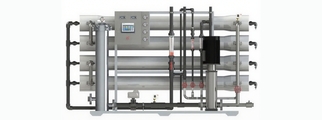
Brackish Water Reverse Osmosis (BWRO) Systems BWE Series — product overview
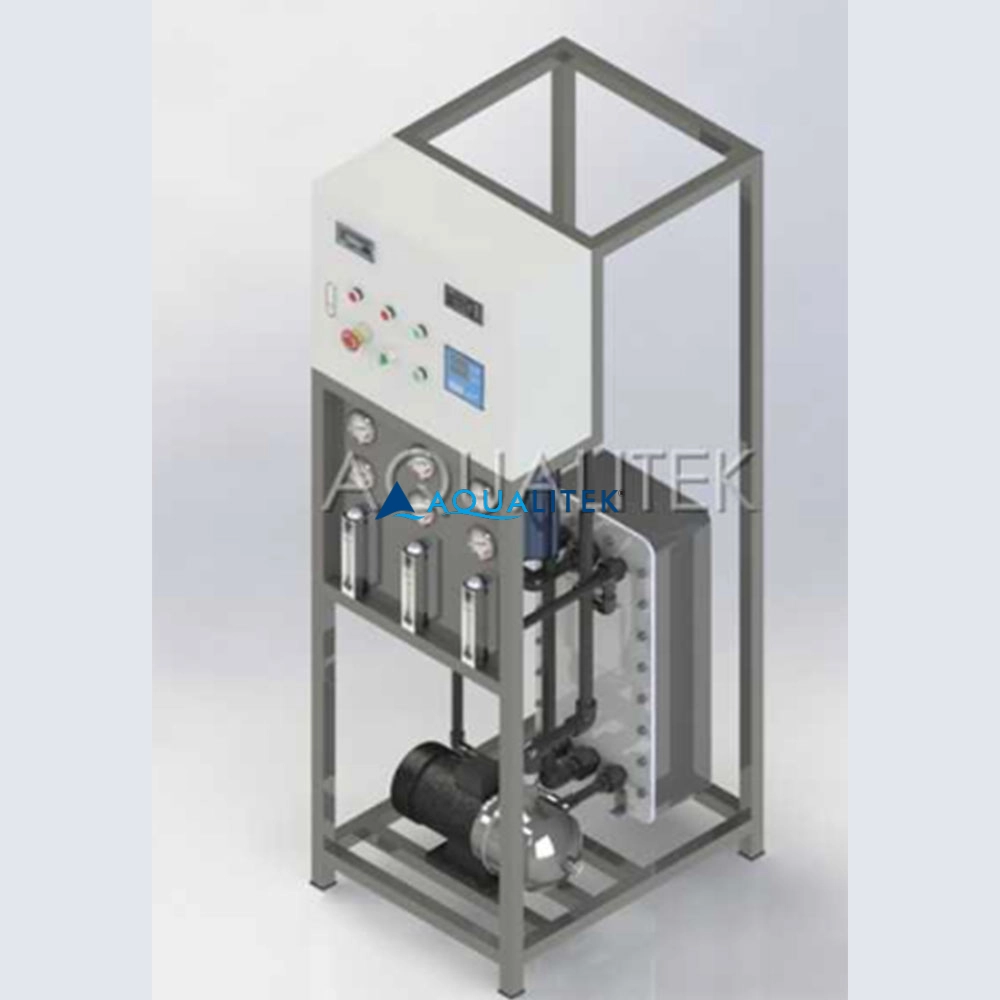
BWE series Reverse Osmosis (RO) systems are pre-engineered and pre-assembled units with 8” membrane housings for brackish water(higher TDS).The large volumes can help meet your a variety of industrial applications.T hey are designed for overall superior performance, high recovery rates and offer great savings with low maintenance and operation costs.
Why the BWE Series suits well water applications
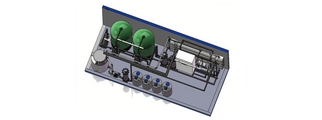
The Brackish Water Reverse Osmosis (BWRO) Systems BWE Series is built to simplify installation and commissioning: pre-engineered, pre-assembled skid systems reduce onsite engineering and shorten time to operation. The 8” membrane housings support common industry membrane sizes and allow high throughput per skid. For well water customers, this means easier integration into existing treatment trains (pre-filtration, anti-scalant dosing, disinfection) and predictable performance tailored to higher TDS feeds. The design focus on high recovery and low maintenance reduces lifecycle costs—critical for municipalities and industries relying on well water sources.
Typical features and benefits of the BWE Series
- Pre-assembled skid reduces installation time and site engineering.
- 8” membrane housings for high flow and efficient footprint.
- Designed for higher TDS brackish water and industrial-scale demands.
- High recovery options lower raw water consumption and waste volume.
- Lower maintenance and operation costs through optimized hydraulics and standard components.
Pre-treatment: what well owners must consider before BWRO
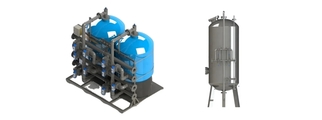
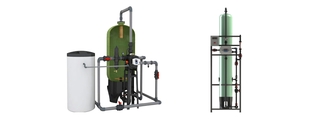
To protect RO membranes and achieve reliable operation, well water generally needs pre-treatment tailored to its specific contaminants. Common pre-treatment steps include: sediment filtration to remove turbidity and particulates; iron and manganese removal (oxidation/filtration) because they foul membranes; softening or anti-scalant dosing when hardness and scaling ions are high; and removal of organics or oil that could foul membranes. Microbiological control (e.g., chlorination with dechlorination before membranes, or UV) should be designed into the system to prevent biofouling and to ensure safe permeate quality. A thorough water analysis is the first step; it guides an effective pre-treatment design that maximizes the BWRO System BWE Series’ performance and lifespan.
Monitoring and control recommendations
Effective BWRO operation relies on routine monitoring: feed TDS and conductivity, permeate quality, differential pressures across membranes, flow and recovery rates, and periodic membrane integrity checks. Automated controls for anti-scalant dosing and cleaning-in-place (CIP) can extend membrane life and maintain consistent output. For well water systems, seasonality and groundwater fluctuations mean data logging and alarms for sudden feed changes are particularly useful.
Operation, maintenance, and lifecycle expectations
Operation of BWRO systems focuses on membrane care, pre-treatment upkeep, and routine checks. Membrane lifespan varies with feedwater characteristics and maintenance but typically ranges from 3 to 7 years under normal conditions. Regular CIP, replacing pre-filters, maintaining chemical dosing systems, and scheduled inspections keep operating costs predictable. The BWE Series’ pre-engineered approach simplifies maintenance scheduling and spare parts management, helping operators minimize downtime and extend membrane life.
Energy and chemical considerations
BWRO energy use is primarily pressure-driven (pumps) and is lower than seawater RO. Efficient pump selection and variable frequency drives (VFDs) reduce electrical demand. Chemical use—anti-scalants, cleaning agents, and possible pH adjustment chemicals—should be optimized to balance membrane protection with operating cost. These operating expenses are important when evaluating total cost of ownership versus alternate treatment options.
Cost considerations and return on investment (ROI)
When evaluating Water Treatment Systems for Well Water, consider both capital expenditures (CAPEX) and operating expenditures (OPEX). BWRO CAPEX includes skid cost, pre-treatment systems, pumps, and installation. OPEX covers energy, membrane replacement, chemicals, and labor. The high recovery and low maintenance characteristics of the BWE Series can reduce OPEX—fewer raw water withdrawals, less brine to handle, and predictable membrane maintenance. For many industrial and municipal users, payback occurs through reduced water purchasing, improved process efficiency, and lower disposal costs over the system lifecycle. Performing a site-specific economic analysis with local energy and water costs will quantify ROI most accurately.
Where BWRO is most commonly applied for well water
BWRO solutions like the BWE Series are commonly used in: small municipal water systems using brackish aquifers, industrial process water (manufacturing, food & beverage), commercial facilities requiring high-quality make-up water, and agricultural or irrigation settings where dissolved salts must be controlled. The modular nature of pre-assembled BWRO systems allows scaling to meet demand while keeping installation straightforward.
Brand advantage: why choose BWRO Systems BWE Series for your well water project
The BWE Series combines pre-engineering, standardized components, and design tuned to brackish feedwaters to help customers accelerate project timelines and reduce lifecycle costs. Advantages include fast deployment, simplified maintenance planning, high recovery capabilities to reduce raw water consumption, and compatibility with typical pre-treatment trains used for well water. These benefits make the BWE Series a competitive choice among Water Treatment Systems for Well Water, particularly where reliability, low maintenance, and consistent product quality are priorities.
Frequently Asked Questions (FAQ)
Q1: Is BWRO suitable for all well water?
A1: BWRO is suitable for well water with elevated dissolved salts (brackish ranges). A water analysis is required to determine specific pre-treatment needs (iron, manganese, hardness, organics) and to size the system properly.
Q2: What pre-treatment is necessary before BWRO?
A2: Typical pre-treatment includes sediment filtration, iron/manganese removal, anti-scalant dosing or softening for high hardness, and microbiological control via chlorination/UV. Pre-treatment protects membrane life and maintains system performance.
Q3: How much maintenance do BWRO systems need?
A3: Routine maintenance includes periodic membrane cleaning (CIP), replacing pre-filters, checking pumps and controls, and monitoring water quality and pressures. With proper pre-treatment, maintenance requirements are moderate and predictable.
Q4: What is the expected lifespan of RO membranes?
A4: Membrane lifespan typically ranges from 3 to 7 years depending on feedwater quality, maintenance, and operating conditions. Good pre-treatment and regular cleaning extend life.
Q5: How does the BWE Series simplify installation?
A5: The BWE Series is pre-engineered and pre-assembled on skids with standardized 8” membrane housings, reducing onsite engineering, enabling faster commissioning, and lowering installation labor.
Contact us / See the product
If you want to evaluate Brackish Water Reverse Osmosis (BWRO) Systems BWE Series for your well water project or request a site assessment, contact our sales team for a free consultation and customized quote. Visit our product page or reach out via phone or email to schedule a water analysis and system proposal. We can provide performance estimates, lifecycle cost comparisons, and references from similar projects. After installation, performance consistency depends on upkeep. A structured maintenance guide for BWRO BWE series in well water applications ensures stable water quality, membrane life, and operational reliability.
References and authoritative resources
For further reading and to verify technical details, see the following authoritative resources:
- Reverse osmosis — Wikipedia: https://en.wikipedia.org/wiki/Reverse_osmosis
- U.S. Environmental Protection Agency — Drinking Water Treatment Technologies: https://www.epa.gov/dwstandardsregulations
- World Health Organization — Water Treatment for Household Use: https://www.who.int/water_sanitation_health/publications/en/
- American Water Works Association (AWWA): https://www.awwa.org/
Signs Your Water Purification System Needs Repair
Validating Electrodeionization Systems for Pharmaceutical Water
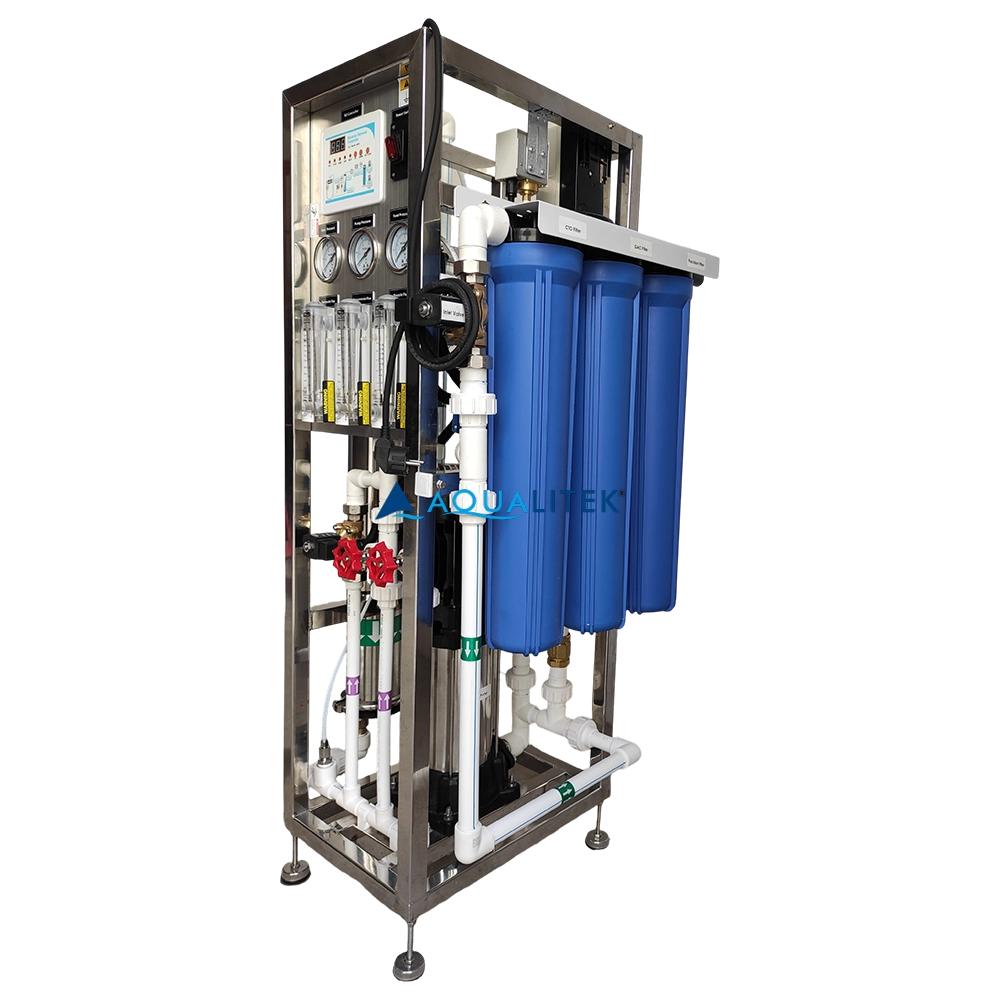
How the Best Reverse Osmosis Water Filter System Improves Taste
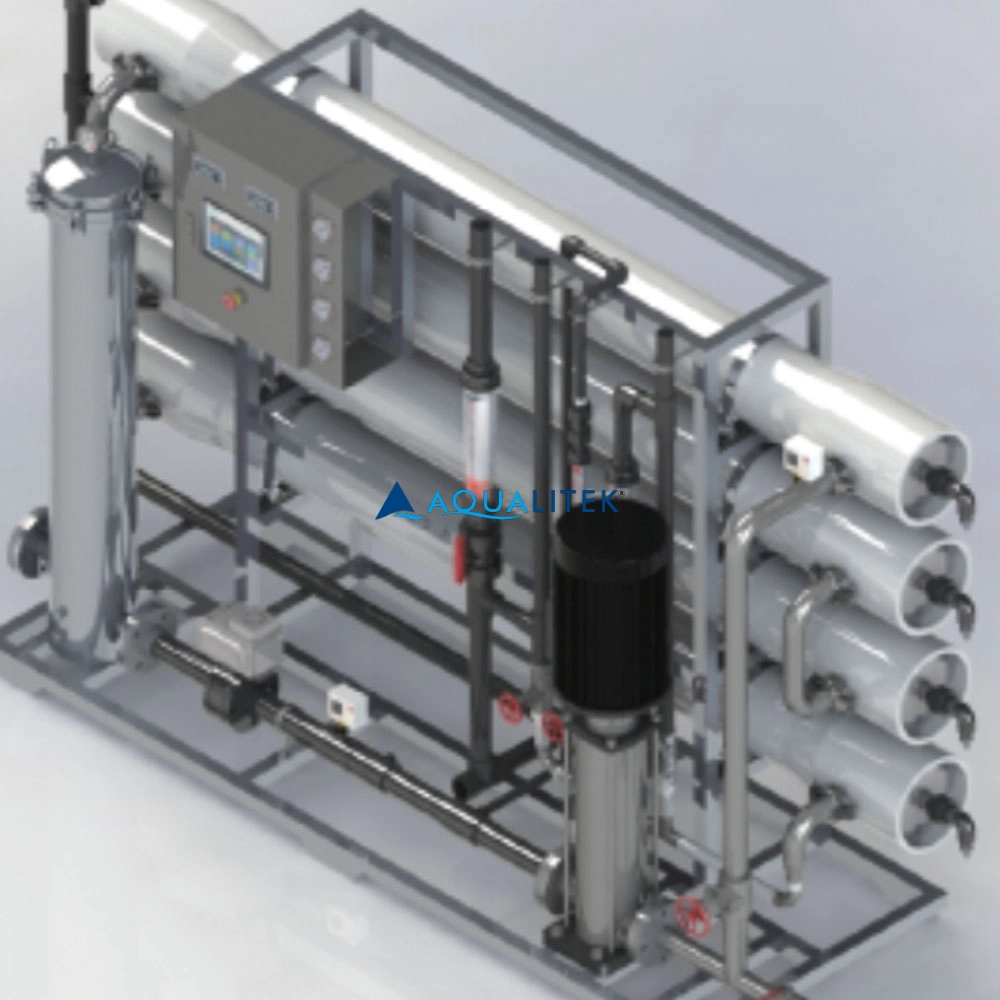
Common Well Water Contaminants Removed by BWRO BWE Series
Ion Exchange Water Treatment Systems
Can ion exchange work with seawater or high-TDS water?
Ion exchange is more suitable for low to moderate TDS water. High-TDS applications often use RO as a primary treatment.
What is the difference between softening and deionization?
Softening removes only hardness ions (Ca²⁺, Mg²⁺), while deionization removes both cations and anions to produce high-purity water.
Membrane Water Treatment Systems
How long do membranes last?
With proper maintenance and CIP, UF and RO membranes can last 3–5 years, depending on feed water quality and system design.
Solutions
Are AQT’s water treatment products certified?
Yes! Our products comply with international quality and safety standards, including ISO, CE, and NSF certifications. We prioritize high-quality materials, advanced technology, and strict quality control to ensure superior performance and reliability.
What industries does AQT serve?
We provide water treatment solutions for a wide range of industries, including:
1. Industrial Manufacturing – Process water treatment, cooling water, and boiler feed.
2. Hospitality & Commercial – Hotels, restaurants, and office buildings.
3. Residential Applications – Drinking water purification and softening.
4. Healthcare & Pharmaceuticals – Ultra-pure water for laboratories and hospitals.
5. Municipal & Public Utilities – Water supply and wastewater treatment.
6. Food & Beverage Processing – Filtration for beverage p
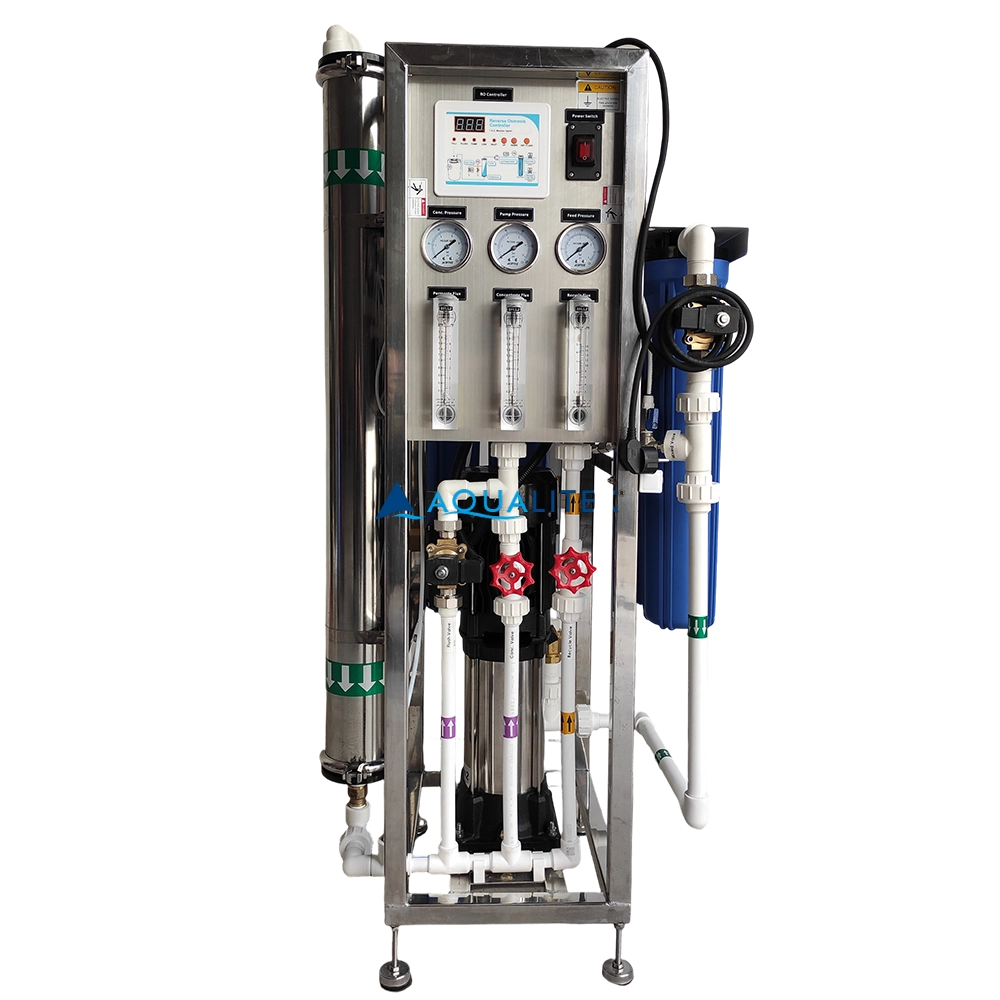
500 LPH Reverse Osmosis (RO) Water Purification Machine TWV - 412
Our 500 LPH Reverse Osmosis (RO) System is engineered to provide high-quality purified water for commercial applications. Designed with advanced RO technology, durable components, and a user-friendly interface, this system ensures consistent performance, low maintenance, and long-term reliability.
With its compact design and robust skid-mounted frame, it’s an excellent choice for businesses that demand efficiency and quality in water purification.
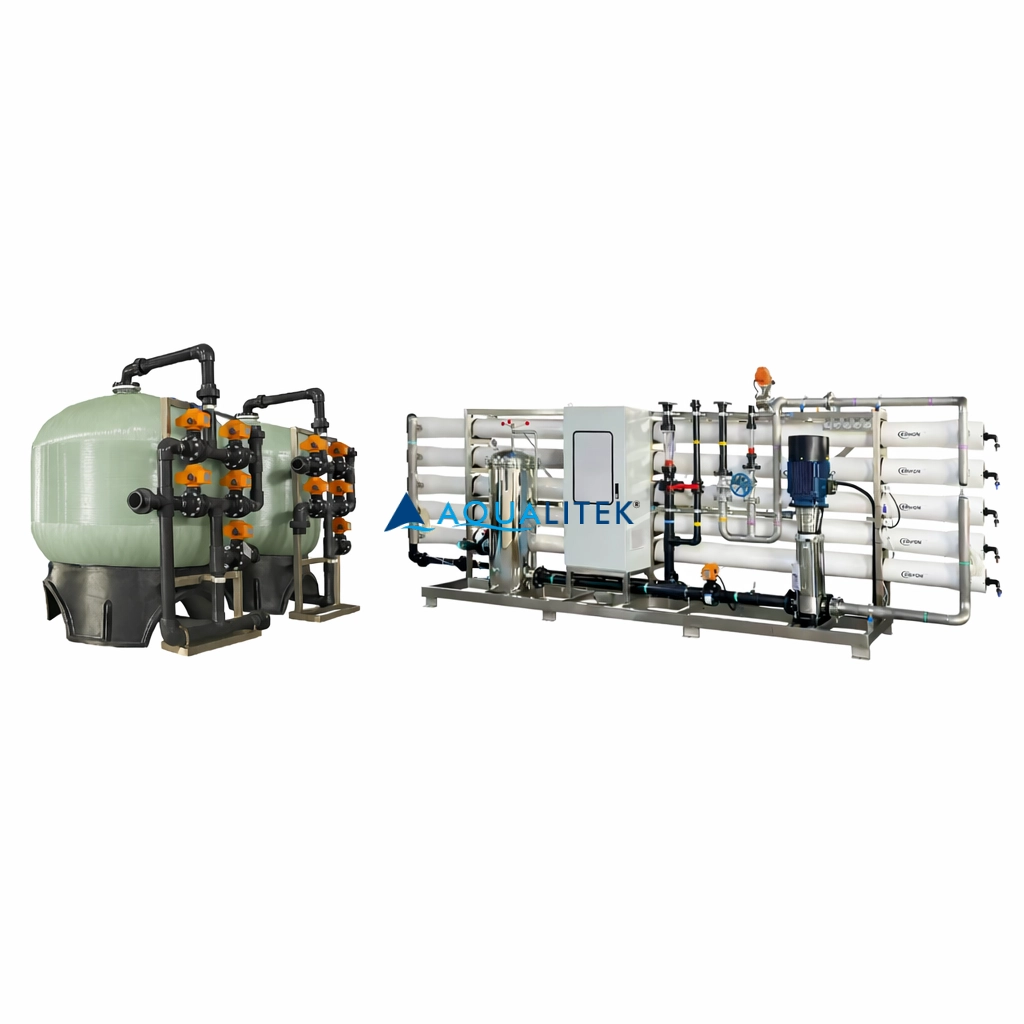
30TPH Industrial Reverse Osmosis (RO) System
30TPH Industrial Reverse Osmosis (RO) System designed for industrial and municipal water treatment. High salt rejection, energy-efficient design, PLC control, and customizable configuration.
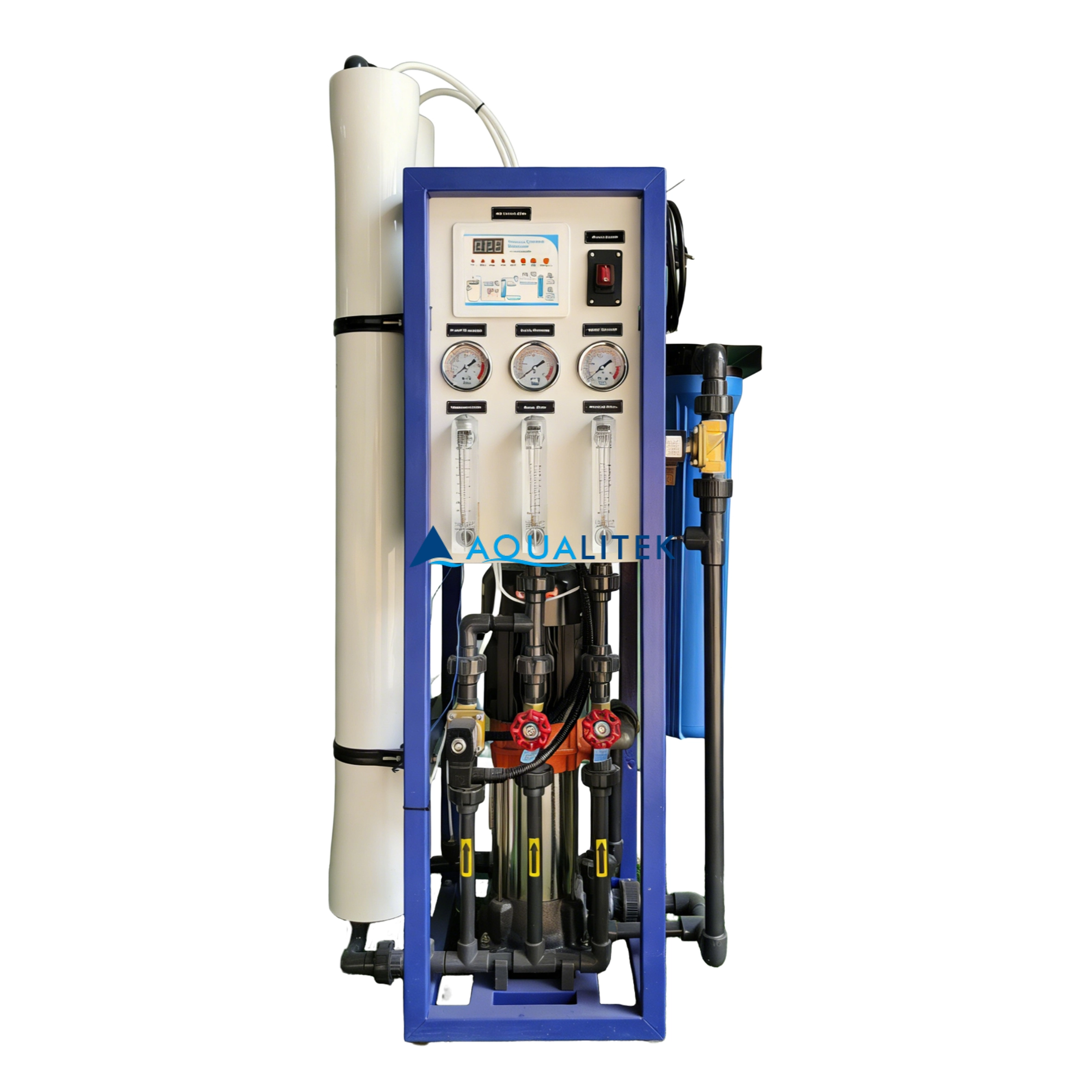
500LPH Panel Mounted Reverse Osmosis Water Purification System
AQUALITEK's 500LPH Panel Mounted Reverse Osmosis Water Purification System delivers reliable 500 LPH RO water production. This compact industrial reverse osmosis unit is ideal for small scale industrial RO needs, ensuring efficient and high-quality purified water in a space-saving design.
Electrodeionization Systems to Get UltraPure Water
Electrodeionization (EDI) system is an advanced water purification technology that combines ion exchange and electrochemical processes to produce ultra-pure water. Unlike traditional deionization methods, which rely on chemical regeneration, EDI utilizes electric fields to drive the movement of ions through ion-exchange membranes, effectively removing dissolved salts and other ionic contaminants.
This process is continuous and does not require the use of chemicals for regeneration, making it an environmentally friendly and cost-effective solution for producing high-quality deionized water. EDI systems are widely used in applications requiring ultrapure water, such as in the pharmaceutical, semiconductor, power generation, and biotechnology industries, as well as for laboratory use.
By offering high-purity water without the need for chemical regeneration, EDI systems provide a sustainable, efficient, and reliable alternative to traditional deionization methods, making them an ideal choice for industries where water quality and process control are critical.
Request More Information
Contact us today for product catalogs, customization options, and a free quotation designed for your business needs.
Rest assured that your privacy is important to us, and all information provided will be handled with the utmost confidentiality.
© 2026 AQUALITEK. All rights reserved.
AQUALITEK- Aimee Hoo
AQUALITEK - Aimee Hoo