




Maintenance Guide for BWRO BWE Series in Well Water Applications
- Maintenance Guide for BWRO BWE Series in Well Water Applications
- Overview: Why Proper Maintenance Matters for Water Treatment Systems for Well Water
- Product Introduction: Brackish Water Reverse Osmosis (BWRO) Systems BWE Series
- Pre-installation Considerations for Well Water Applications
- Installation Checklist to Avoid Early Failures
- Start-up and Commissioning Procedures
- Routine Maintenance Schedule for BWE Series
- Membrane Care: Cleaning-In-Place (CIP) and Chemical Handling
- Troubleshooting Common Issues in Well Water Applications
- Spare Parts, Consumables, and Inventory Planning
- Performance Monitoring, Data Logging, and KPIs
- Safety, Regulatory Compliance, and Water Quality Standards
- Cost-saving Tips and Improving ROI for Water Treatment Systems for Well Water
- Comparison: Typical Maintenance Intervals and Expected Lifetimes
- Brand Advantages: Why Choose BWE Series for Well Water?
- FAQ — Frequently Asked Questions
- Q: How often should I clean the membranes on a BWE Series system?
- Q: Can BWE Series handle iron and manganese in well water?
- Q: What antiscalant should I use?
- Q: Is periodic chlorination okay for well water before RO?
- Contact Sales / View Product
- Authoritative References and Further Reading
- Final Notes

Maintenance Guide for BWRO BWE Series in Well Water Applications
Overview: Why Proper Maintenance Matters for Water Treatment Systems for Well Water
Brackish Water Reverse Osmosis (BWRO) Systems BWE Series are engineered to treat higher-TDS well water with high recovery rates and low operating costs. Proper maintenance of Water Treatment Systems for Well Water ensures consistent water quality, longer membrane life, better energy efficiency, and lower unplanned downtime. This guide is designed for plant operators, maintenance technicians, and procurement teams who use the BWE Series to treat brackish well water in industrial or commercial applications.
Product Introduction: Brackish Water Reverse Osmosis (BWRO) Systems BWE Series
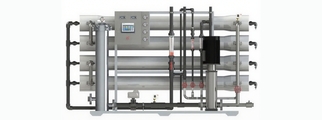
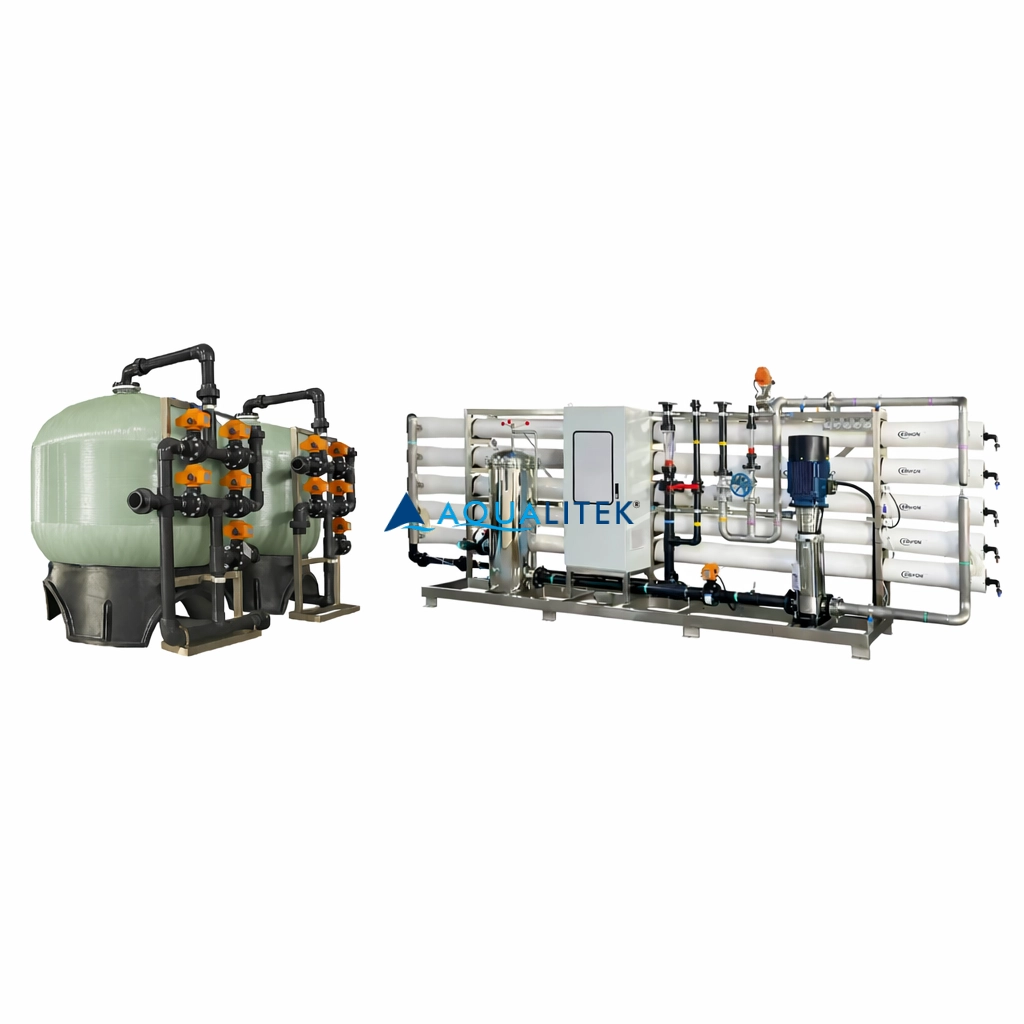
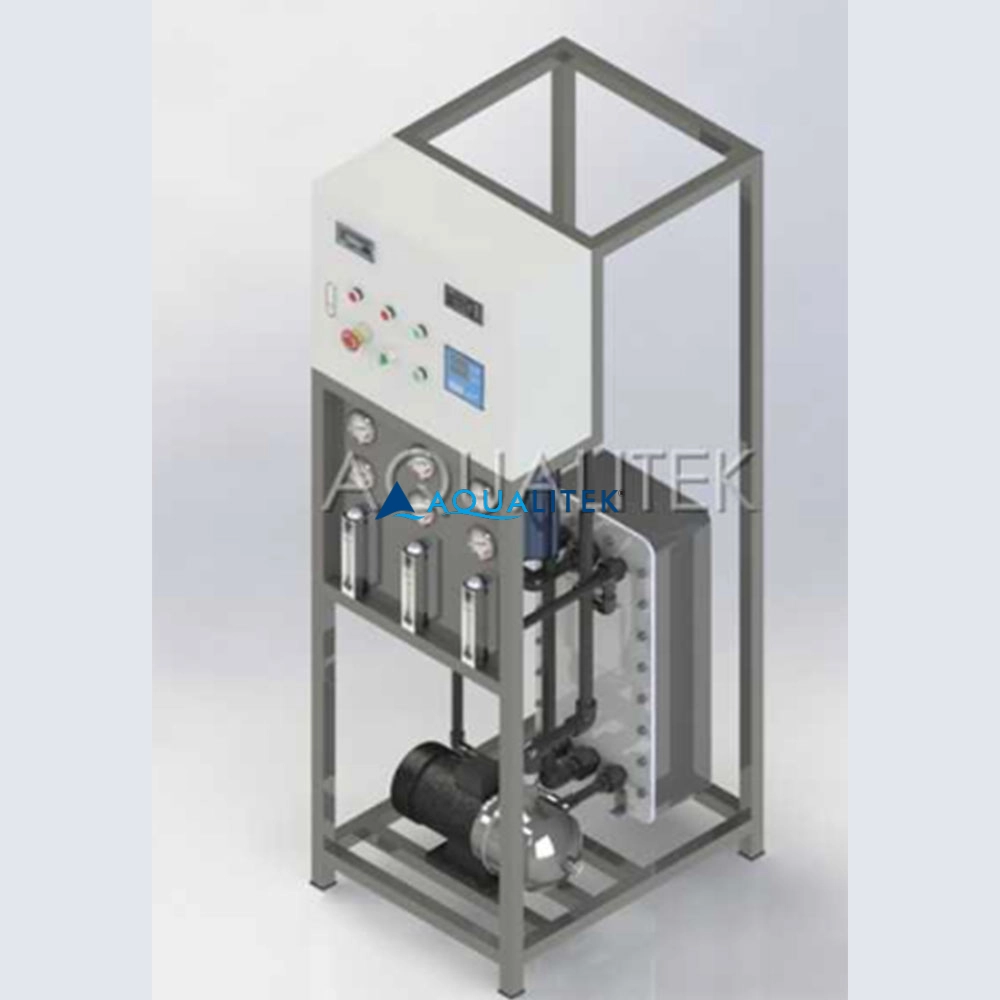
BWE series Reverse Osmosis (RO) systems are pre-engineered and pre-assembled units with 8” membrane housings for brackish water(higher TDS).The large volumes can help meet your a variety of industrial applications.T hey are designed for overall superior performance, high recovery rates and offer great savings with low maintenance and operation costs.
Pre-installation Considerations for Well Water Applications
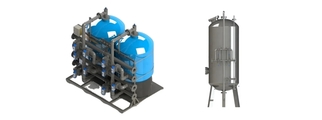
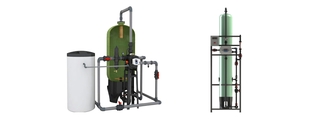
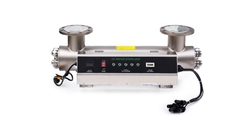
Before installing a BWE Series BWRO system, perform a full water analysis of the well supply (TDS, hardness, iron, manganese, silica, ammonia, organics, turbidity, pH, and microbiological indicators). This baseline determines whether pretreatment (e.g., multimedia filtration, cartridge filtration, softening, chemical dosing, iron removal, or UV disinfection) is needed. Proper pretreatment reduces fouling and scaling, which lowers cleaning frequency and protects membranes—especially with variable well water quality.
Installation Checklist to Avoid Early Failures
Follow a step-by-step installation checklist to avoid common issues that lead to premature wear:
- Confirm feed pump capacity and pressure meet BWE Series specifications.
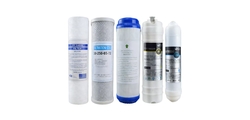
- Install strainer and cartridge filters upstream to protect membranes from particulates.
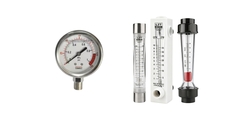
- Install instruments: conductivity meters (feed/permeate), pressure gauges, flowmeters, and a pH sensor if chemical dosing is used.
- Verify piping materials and valving to prevent dead legs and allow easy isolation for cleaning.
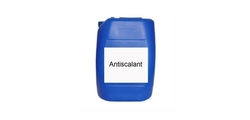
- Provide a chemical dosing point for antiscalant and pH adjustment if required.
- Ensure proper electrical connections and control panel grounding.
Completing these steps during installation reduces troubleshooting and long-term maintenance workload.
Start-up and Commissioning Procedures
Commissioning is where long-term reliability is established. Key actions include slow ramp-up of feed pressure, staged flushing to remove preservatives, checking for leaks, and verifying instrumentation. Record initial performance metrics—permeate flow, permeate conductivity, feed pressure, differential pressure across cartridges, and recovery rate. These baseline numbers are essential for trend analysis and early detection of problems.
Routine Maintenance Schedule for BWE Series
Adopt a routine maintenance schedule broken down into daily, weekly, monthly, and annual tasks. The table below provides a practical checklist for operators.
| Interval | Task | Purpose |
|---|---|---|
| Daily | Check gauges, flows, permeate conductivity, and visual leaks | Detect immediate performance changes or leaks |
| Weekly | Inspect pre-filters, clean strainers, verify antiscalant dosing | Prevent particulate fouling and scaling |
| Monthly | Record full system performance, check pump health, and verify dosing levels | Track trends and adjust operating parameters |
| Quarterly | Inspect membrane housings, test for biological growth, and perform CIP readiness checks | Identify media or biological fouling early |
| Annually | Perform membrane integrity tests, full CIP (if needed), calibration of instruments | Ensure membrane health and measurement accuracy |
Membrane Care: Cleaning-In-Place (CIP) and Chemical Handling
Membrane cleaning is the most critical maintenance activity for BWRO treating well water. Establish a CIP protocol based on observed fouling type—organic, particulate, biological, or scaling. Typical steps:
- Pre-rinse with low-pressure, low-TDS water to remove loose solids.
- Alkaline cleaning to remove organic fouling and biofilm (use appropriate membrane-safe alkaline cleaners).
- Acid cleaning to remove scale (citric or phosphoric acids per membrane manufacturer guidance).
- Intermediate neutralization and final rinse until pH and conductivity return to acceptable levels.
Safety: always follow chemical MSDS, use correct PPE, and train staff on neutralization and spill response. Maintain a CIP log (date, chemistry, temperature, times, results) to refine cleaning intervals and improve membrane longevity.
Troubleshooting Common Issues in Well Water Applications
Common problems include increased differential pressure, reduced permeate flow, higher permeate conductivity, and fouled prefilters. Quick diagnostic actions:
- Increased delta P across cartridges: replace cartridges and check for silt or particulate in feed water.
- Reduced permeate flow with stable feed: check membrane scaling—perform an acid test sample or inspect CIP history.
- Rising permeate conductivity: check for membrane breach or seal failure; perform integrity checks and review permeate blending valves.
- Biological growth: check residual disinfectant upstream and consider periodic chlorination followed by dechlorination before the membrane (membranes are chlorine-sensitive).
Spare Parts, Consumables, and Inventory Planning
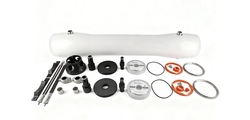
Critical spares reduce downtime. Stock items for BWE Series should include: cartridge filter elements (multiple sizes), membrane housing O-rings and seals, antiscalant, CIP chemicals, pressure gauge replacements, permeate pumps, and a spare membrane element or two if downtime costs justify it. Use a simple reorder point system tied to usage rates and vendor lead times.
Performance Monitoring, Data Logging, and KPIs
Monitor key performance indicators (KPIs) and maintain logs for trending. Important KPIs are recovery rate, specific energy consumption (kWh/m3 permeate), permeate conductivity, feed pressure, and differential pressure across cartridges and membrane arrays. Automated data logging helps in predictive maintenance and provides evidence for warranty claims.
Safety, Regulatory Compliance, and Water Quality Standards
Well water applications must comply with local regulations for discharge and product water quality. Check national or regional guidelines for potable or process water where applicable. Ensure safe handling of antiscalants, acids and alkalis used in CIP—provide training and appropriate PPE for operators, and ensure proper containment for chemical spills and waste brine disposal.
Cost-saving Tips and Improving ROI for Water Treatment Systems for Well Water
Small process changes can improve economics: optimize antiscalant dosing to reduce chemical usage, maintain proper pretreatment to minimize membrane cleanings, schedule membrane cleanings based on trend data instead of fixed intervals, and recover heat or use variable-frequency drives (VFDs) on feed pumps to reduce energy costs. These measures increase membrane life and reduce lifecycle costs—key selling points for the BWE Series.
Comparison: Typical Maintenance Intervals and Expected Lifetimes
The table below summarizes typical maintenance intervals and expected component lifetimes. Actual values depend on well water quality and operational discipline.
| Component | Typical Maintenance Interval | Expected Lifetime (with proper care) |
|---|---|---|
| Cartridge filters | Replace every 1–4 weeks | Single-use per cartridge (maintain stock) |
| Antiscalant dosing system | Monthly inspection | 5–10 years |
| Membrane elements | CIP as required (quarterly to annually) | 3–7 years (depends on feed water) |
| Pumps and motors | Monthly/quarterly checks | 5–15 years |
Brand Advantages: Why Choose BWE Series for Well Water?
The Brackish Water Reverse Osmosis (BWRO) Systems BWE Series combines pre-engineered design, modular membrane housings, and optimized hydraulics to deliver consistent performance in high-TDS well water. Key brand advantages include:
- Pre-assembled units reduce installation time and commissioning cost.
- Eight-inch membrane housings provide high throughput and better dynamics for scaling control.
- High recovery rates reduce waste brine volumes and lower operating costs.
- Designed for low maintenance with straightforward access for CIP and parts replacement.
- Backed by technical support for startup, training, and troubleshooting.
These benefits directly support lower total cost of ownership (TCO) and faster ROI for industrial users of well water.
FAQ — Frequently Asked Questions
Q: How often should I clean the membranes on a BWE Series system?
A: Cleaning frequency depends on feed water quality. With good pretreatment, plan for performance-based CIP when permeate flow drops by 10–15% or when normalized differential pressure increases. For many well water applications, CIP intervals range from quarterly to annually.
Q: Can BWE Series handle iron and manganese in well water?
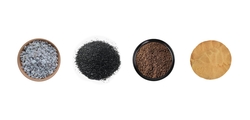
A: The BWE Series is designed for brackish TDS but not for raw iron/manganese removal. Pre-treatment (oxidation/filtration or greensand/ion exchange) is recommended to remove iron and manganese before RO to avoid fouling and staining of membranes.
Q: What antiscalant should I use?
A: Antiscalant selection should be based on a detailed feedwater analysis and membrane supplier guidelines. Use membrane-compatible antiscalants and dose per supplier-recommended curves for the feed TDS, hardness, silica, and operating recovery.
Q: Is periodic chlorination okay for well water before RO?
A: Chlorination can control biofouling upstream, but chlorine must be removed (dechlorinated) before the RO membrane because most RO membranes are chlorine-sensitive. Use activated carbon or chemical dechlorination as needed.
Contact Sales / View Product
For product specifications, spare parts, or to schedule a site assessment for the Brackish Water Reverse Osmosis (BWRO) Systems BWE Series, contact our sales team. Email: sales@yourcompany.com or call +1-800-555-ROWT (replace with your contact). Request a demo or site audit to optimize system configuration for your well water. Routine maintenance not only protects components but also impacts operating costs. Applying proven energy efficiency tips for BWRO BWE reverse osmosis systems can significantly reduce power consumption over time.
Authoritative References and Further Reading
Below are authoritative resources to consult for technical standards, reverse osmosis fundamentals, and regulatory guidance:
- Reverse osmosis — Wikipedia: https://en.wikipedia.org/wiki/Reverse_osmosis
- U.S. EPA — Ground Water & Drinking Water: https://www.epa.gov/ground-water-and-drinking-water
- NSF International — Water Treatment Standards and Certifications: https://www.nsf.org
- American Water Works Association (AWWA): https://www.awwa.org
- World Health Organization — Guidelines for drinking-water quality: https://www.who.int/publications/i/item/9789241548151
Final Notes
Proper, documented maintenance practices tailored to well water characteristics are the most effective way to protect your investment in the BWE Series BWRO system. By combining robust pretreatment, performance monitoring, scheduled inspections, and trained staff, operators can maximize uptime, minimize OPEX, and prolong membrane life. If you need a custom maintenance plan or operator training for your specific well water chemistry, reach out to our technical support team.
Pre-treatment Requirements for Commercial Reverse Osmosis Systems
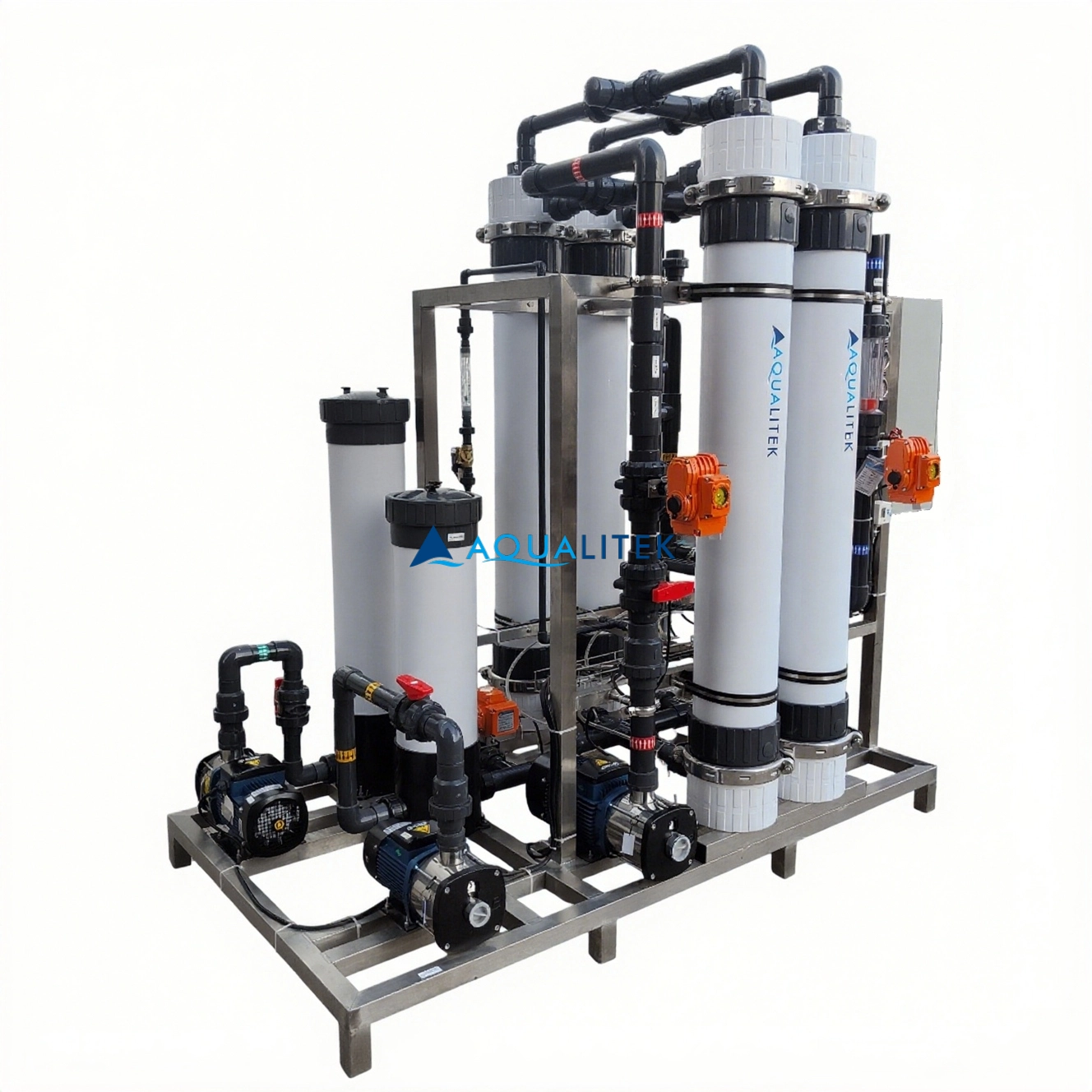
Selecting Vendors: What B2B Buyers Should Ask About UF Systems
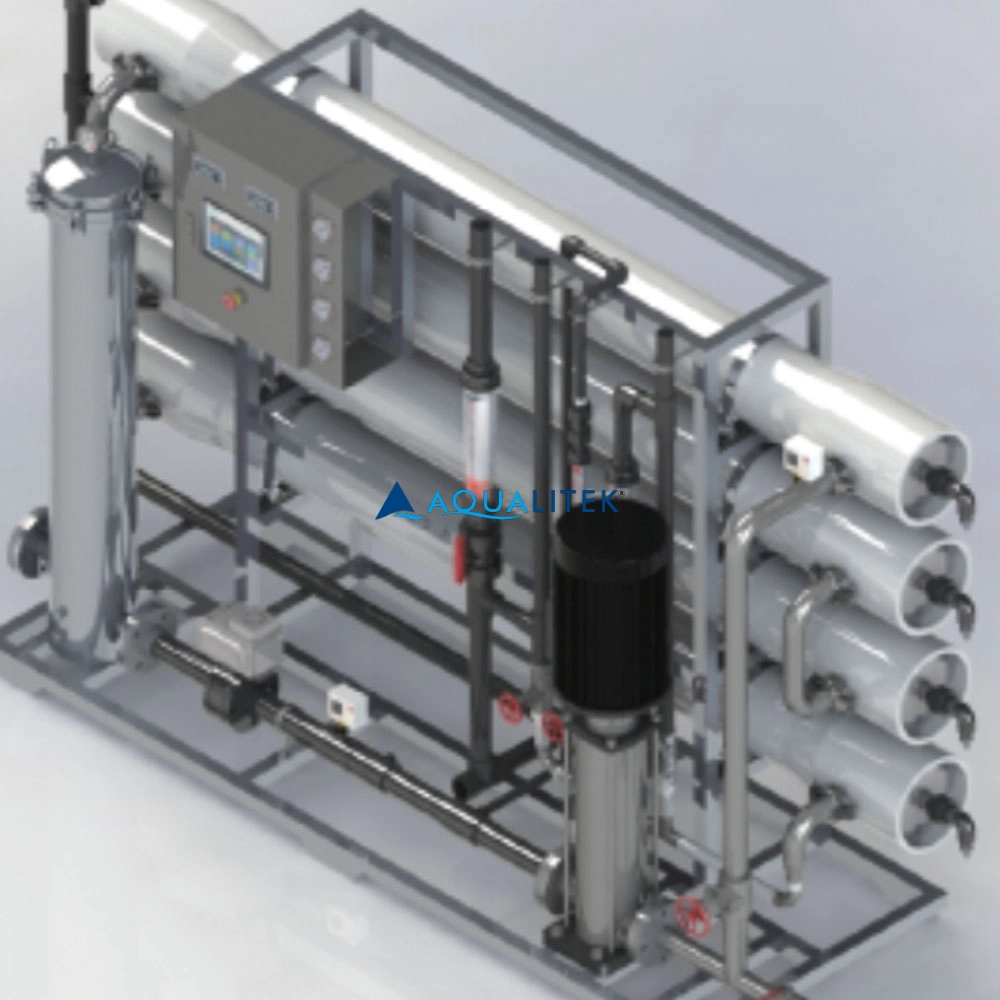
Troubleshooting BWRO BWE Systems: Solving Well Water Issues
Signs Your Water Purification System Needs Repair — Practical Guide
Solutions
What industries does AQT serve?
We provide water treatment solutions for a wide range of industries, including:
1. Industrial Manufacturing – Process water treatment, cooling water, and boiler feed.
2. Hospitality & Commercial – Hotels, restaurants, and office buildings.
3. Residential Applications – Drinking water purification and softening.
4. Healthcare & Pharmaceuticals – Ultra-pure water for laboratories and hospitals.
5. Municipal & Public Utilities – Water supply and wastewater treatment.
6. Food & Beverage Processing – Filtration for beverage p
Water Filters
Do you provide replacement parts and consumables?
Yes. We supply cartridges, filter bags, media (sand, carbon, etc.), valve kits, and O-rings for all major systems.
FAQ-aqualitek
What industries does AQT serve?
We provide water treatment solutions for a wide range of industries, including:
Industrial Manufacturing – Process water treatment, cooling water, and boiler feed.
Hospitality & Commercial – Hotels, restaurants, and office buildings.
Residential Applications – Drinking water purification and softening.
Healthcare & Pharmaceuticals – Ultra-pure water for laboratories and hospitals.
Municipal & Public Utilities – Water supply and wastewater treatment.
Food & Beverage Processing – Filtration for beverage production and food safety.
Membrane Water Treatment Systems
Do you offer plug-and-play solutions?
Absolutely. We offer containerized membrane systems that are factory-tested, compact, and quick to deploy.
Ion Exchange Water Treatment Systems
What is the difference between softening and deionization?
Softening removes only hardness ions (Ca²⁺, Mg²⁺), while deionization removes both cations and anions to produce high-purity water.
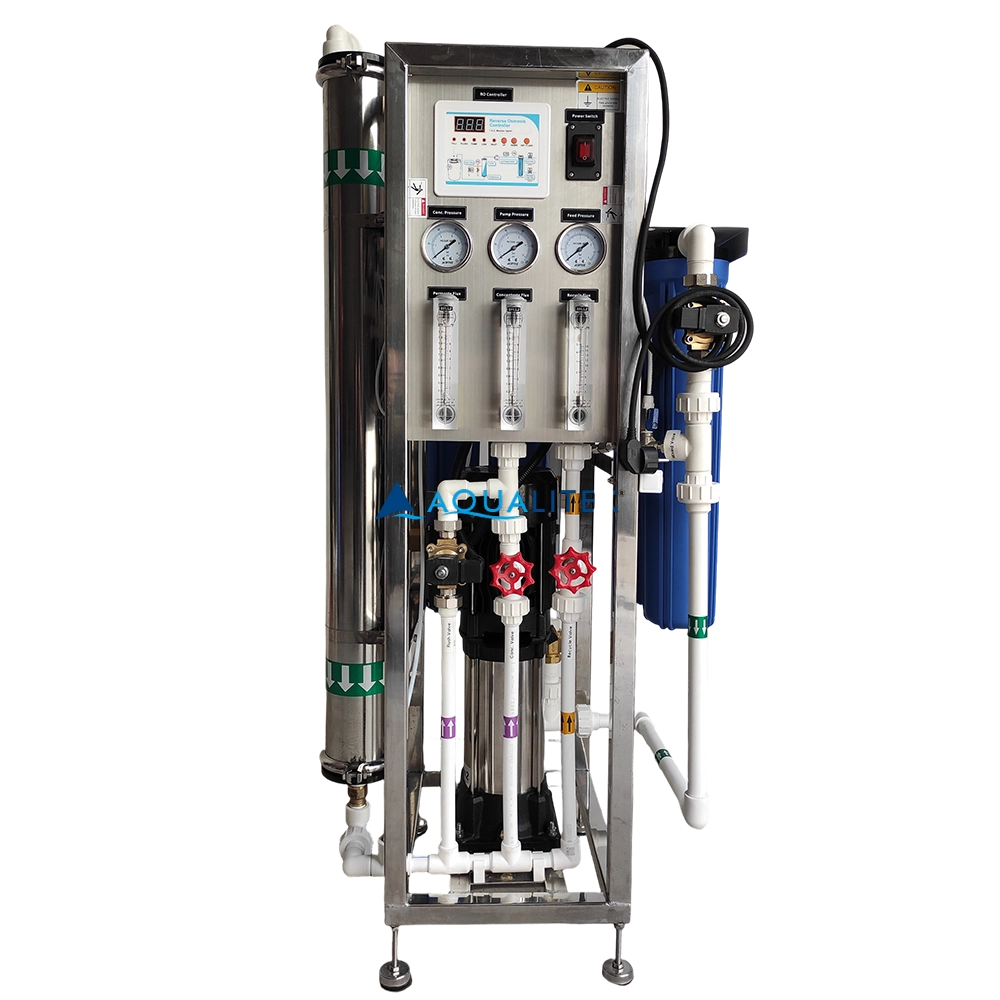
500 LPH Reverse Osmosis (RO) Water Purification Machine TWV - 412
Our 500 LPH Reverse Osmosis (RO) System is engineered to provide high-quality purified water for commercial applications. Designed with advanced RO technology, durable components, and a user-friendly interface, this system ensures consistent performance, low maintenance, and long-term reliability.
With its compact design and robust skid-mounted frame, it’s an excellent choice for businesses that demand efficiency and quality in water purification.
30TPH Industrial Reverse Osmosis (RO) System
30TPH Industrial Reverse Osmosis (RO) System designed for industrial and municipal water treatment. High salt rejection, energy-efficient design, PLC control, and customizable configuration.
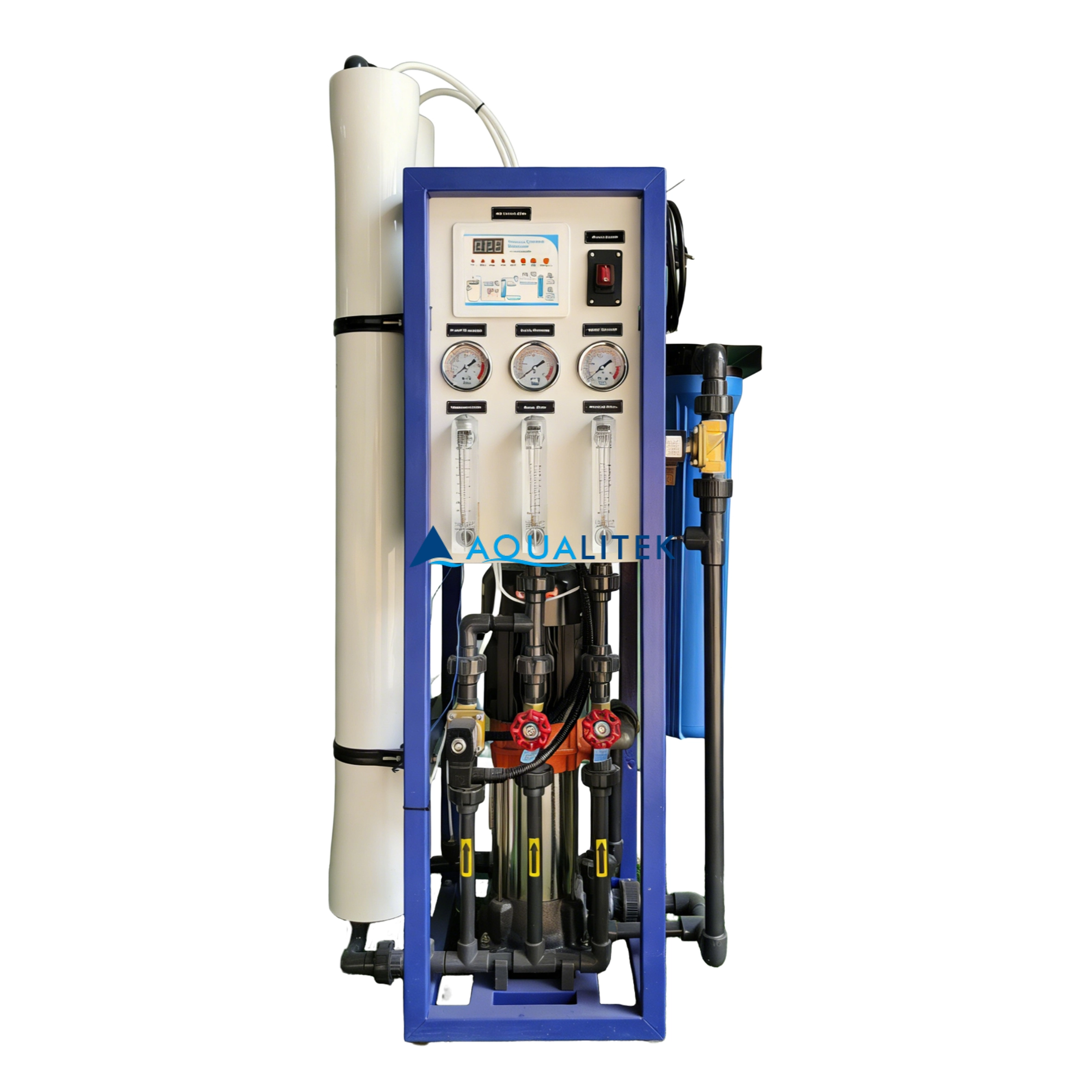
500LPH Panel Mounted Reverse Osmosis Water Purification System
AQUALITEK's 500LPH Panel Mounted Reverse Osmosis Water Purification System delivers reliable 500 LPH RO water production. This compact industrial reverse osmosis unit is ideal for small scale industrial RO needs, ensuring efficient and high-quality purified water in a space-saving design.
Electrodeionization Systems to Get UltraPure Water
Electrodeionization (EDI) system is an advanced water purification technology that combines ion exchange and electrochemical processes to produce ultra-pure water. Unlike traditional deionization methods, which rely on chemical regeneration, EDI utilizes electric fields to drive the movement of ions through ion-exchange membranes, effectively removing dissolved salts and other ionic contaminants.
This process is continuous and does not require the use of chemicals for regeneration, making it an environmentally friendly and cost-effective solution for producing high-quality deionized water. EDI systems are widely used in applications requiring ultrapure water, such as in the pharmaceutical, semiconductor, power generation, and biotechnology industries, as well as for laboratory use.
By offering high-purity water without the need for chemical regeneration, EDI systems provide a sustainable, efficient, and reliable alternative to traditional deionization methods, making them an ideal choice for industries where water quality and process control are critical.
Request More Information
Contact us today for product catalogs, customization options, and a free quotation designed for your business needs.
Rest assured that your privacy is important to us, and all information provided will be handled with the utmost confidentiality.
© 2026 AQUALITEK. All rights reserved.
AQUALITEK- Aimee Hoo
AQUALITEK - Aimee Hoo