




Energy Efficiency Tips for BWRO BWE Reverse Osmosis Systems
- Energy Efficiency Tips for BWRO BWE Reverse Osmosis Systems
- Why energy efficiency matters for Water Treatment Systems for Well Water
- About the Brackish Water Reverse Osmosis (BWRO) Systems BWE Series
- Understand baseline energy use: measure before you modify
- Optimize feedwater quality in your Water Treatment Systems for Well Water
- Choose the right pump and motor for BWRO BWE Reverse Osmosis Systems BWE Series
- Leverage recovery optimization and staging strategies
- Consider energy recovery technologies for larger BWRO systems
- Routine maintenance and monitoring to sustain efficiency in Water Treatment Systems for Well Water
- Use controls and automation to optimize operation
- Material and membrane selection for longer-term efficiency
- Energy-saving measures comparison (quick reference)
- Practical implementation plan for BWRO BWE Reverse Osmosis Systems BWE Series
- Brand advantages: Why choose Brackish Water Reverse Osmosis (BWRO) Systems BWE Series for well water applications
- FAQ — Energy Efficiency and BWE Series for Water Treatment Systems for Well Water
- Q: What is a realistic target for energy consumption (kWh/m3) with a BWRO treating well water?
- Q: Will adding a VFD always save energy?
- Q: How often should membranes be cleaned to maintain energy efficiency?
- Q: Are energy recovery devices recommended for BWRO BWE Reverse Osmosis Systems BWE Series?
- Q: How can I estimate ROI for pump and motor upgrades?
- Contact us / See the product
- References and authoritative resources

Energy Efficiency Tips for BWRO BWE Reverse Osmosis Systems
Why energy efficiency matters for Water Treatment Systems for Well Water
Energy represents one of the largest operating costs for brackish water reverse osmosis (BWRO) systems deployed in Water Treatment Systems for Well Water. Optimizing energy use not only reduces utility bills but also extends equipment life, lowers carbon footprint, and improves system reliability. For facilities evaluating Brackish Water Reverse Osmosis (BWRO) Systems BWE Series, implementing energy-saving approaches can produce rapid payback through reduced pump power, optimized recovery, and smarter control strategies. Energy efficiency improves even further when feed water conditions are optimized. That’s why optimizing BWRO BWE performance through proper pre-treatment for well water is a key strategy for stable, low-energy operation.
About the Brackish Water Reverse Osmosis (BWRO) Systems BWE Series
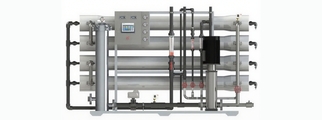
BWE series Reverse Osmosis (RO) systems are pre-engineered and pre-assembled units with 8” membrane housings for brackish water(higher TDS).The large volumes can help meet your a variety of industrial applications.T hey are designed for overall superior performance, high recovery rates and offer great savings with low maintenance and operation costs.
Understand baseline energy use: measure before you modify
Before implementing changes, measure current energy consumption and water productivity. Key metrics to capture for Water Treatment Systems for Well Water include:
- kW (instantaneous power) and kWh (energy over time) for high-pressure feed pumps and any booster/prefiltration pumps
- Specific energy consumption expressed as kWh per cubic meter (kWh/m3) of permeate
- Feed water parameters: TDS, temperature, turbidity, iron/manganese levels — these affect osmotic pressure and fouling rates
- System recovery rate (%) and permeate flow (m3/day)
Typical energy use for BWRO systems varies with feed TDS and recovery. Brackish RO commonly ranges from ~0.8 to 3.0 kWh/m3 depending on TDS and pump efficiency; measure your actual numbers to prioritize interventions. Accurate baseline data lets you calculate ROI for upgrades and validate expected savings.
Optimize feedwater quality in your Water Treatment Systems for Well Water
Good pretreatment reduces fouling and scaling, which keeps membrane flux high and reduces the need for high-pressure pumping. For well water, pretreatment usually addresses:
- Iron and manganese removal (oxidation + filtration or sequestration)
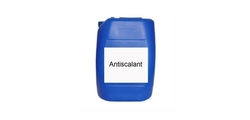
- Hardness control to prevent scaling (antiscalants, softening where necessary)
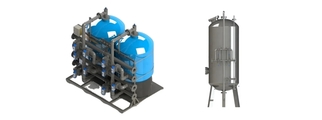
- Turbidity control via multimedia filters or cartridge filters
- Disinfection/biological control to limit biofouling
Effective pretreatment reduces cleaning frequency and pressure drop across membranes — both of which save energy and extend membrane life. Antiscalant dosing and periodic monitoring of saturation indices (e.g., Langelier, Stiff & Davis) are simple, low-cost measures with outsized benefits.
Choose the right pump and motor for BWRO BWE Reverse Osmosis Systems BWE Series
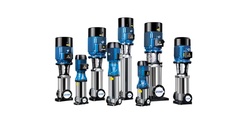
Pumps account for most RO energy use. Selecting and maintaining efficient pump systems is central to energy reduction for Water Treatment Systems for Well Water:
- Use high-efficiency multistage centrifugal or positive displacement pumps sized correctly for the system. Oversized pumps run inefficiently when throttled.
- Install High Quality-efficiency motors (IE3/IE4 where available) and maintain motor alignment and bearings to avoid losses.
- Consider variable frequency drives (VFDs) to match pump speed to instantaneous demand — VFDs often give rapid payback in systems with variable production or fluctuating feed conditions.
Energy savings from upgrading pumps and motors can be substantial: replacing older, inefficient motors with High Quality-efficiency equivalents often saves 5–15% of motor energy. VFDs can provide larger savings when the system frequently operates below design flow.
Leverage recovery optimization and staging strategies
Recovery rate (percentage of feed converted to permeate) directly impacts the feed pressure required and thus energy consumption. For BWRO BWE Reverse Osmosis Systems BWE Series used in well water applications, smart recovery management includes:
- Optimizing recovery to a level that balances water savings and increased osmotic pressure — pushing recovery too high raises feed pressure and energy per m3.
- Using multi-stage RO trains or interstage boosting to reduce the maximum operating pressure required while maintaining high overall recovery.
- Implementing permeate blending when necessary to meet water quality targets without excessive pressure penalties.
For brackish feeds with moderate TDS, a modest increase in recovery (e.g., from 70% to 80%) can lower raw water demand but may increase energy per unit if osmotic pressure rises substantially. Model outcomes using vendor-provided performance curves to find the optimal operating point for your well water quality.
Consider energy recovery technologies for larger BWRO systems
While energy recovery devices (ERDs) are most common in seawater RO, some ERDs and pressure exchangers are applicable to high-flow BWRO systems and can return part of the high-pressure energy from brine to the feed stream. Evaluate ERDs when:
- Your system has high brine flow because of moderate rejection at high recovery
- Operating pressures exceed threshold levels where ERD payback becomes attractive
- Capital justification is supported by long-term utility savings
Even a modest reduction in pump power via ERD implementation can have strong lifecycle economic benefits on high-duty systems. Discuss compatibility and expected savings with BWRO unit suppliers and ERD manufacturers.
Routine maintenance and monitoring to sustain efficiency in Water Treatment Systems for Well Water
Maintaining membranes, pumps, and pretreatment systems prevents efficiency degradation. Key maintenance items include:
- Scheduled membrane cleaning using validated CIP procedures to restore flux
- Monitoring differential pressure across filters and membranes to identify fouling early
- Regular inspection and servicing of pumps, bearings, seals, and VFDs
- Water quality monitoring (TDS, turbidity, TOC, chlorine residual) to detect trends that precede energy impacts
Automation and alarm thresholds that notify operators of rising pressure drops or declining permeate flow can prevent energy-wasting conditions and unplanned downtime.
Use controls and automation to optimize operation
Advanced controls reduce human error and optimize setpoints continuously. For Water Treatment Systems for Well Water, consider:
- Integrating VFD control with system PLCs and SCADA for real-time flow and pressure optimization
- Auto-adjusting recovery or pump speed with feedwater quality changes to avoid over-pressurization
- Remote telemetry and analytics to identify opportunities for tuning and to schedule preventive maintenance
Automated control can reduce energy use by keeping the system at the most efficient operating point through daily variations in well output and temperature.
Material and membrane selection for longer-term efficiency
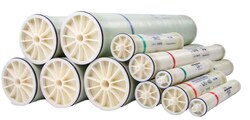
Membrane selection affects salt rejection, flux, and fouling propensity. Consider these factors when specifying BWRO membranes for the BWE Series:
- High-permeability membranes reduce required feed pressure to achieve the same permeate flow.
- - Low-fouling membranes help maintain performance between cleanings.
- Compatibility with CIP chemistries to allow effective recovery of flux without damaging the membrane.
When paired with the BWE Series pre-engineered design, specifying the right membrane pack can lower lifetime energy costs and reduce chemical usage.
Energy-saving measures comparison (quick reference)
| Measure | Typical Energy Savings | Estimated Payback | Applicability to Well Water BWRO (BWE Series) |
|---|---|---|---|
| Upgrade to High Quality-efficiency motor | 5–15% on motor energy | 1–3 years | High (direct pump replacements) |
| Install VFD on feed pump | 10–40% (if variable load) | 6 months–2 years | High (fluctuating well output) |
| Improve pretreatment (antiscalant/filters) | Indirect: reduces membrane cleaning and pressure loss | 6–24 months | High (iron/turbidity in well water) |
| Energy recovery device (ERD) | Variable; significant for large high-pressure systems | 2–6 years | Moderate (evaluate for high brine flow) |
| Membrane upgrade to higher permeability | 5–20% (depends on pressure reduction) | 1–4 years | High (when membranes are due for replacement) |
Practical implementation plan for BWRO BWE Reverse Osmosis Systems BWE Series
Follow a structured approach:
- Baseline: meter kW and kWh; record feed/permeate flows and water quality for 30–90 days.
- Quick wins: tune setpoints, install pressure gauges, replace worn seals and bearings, calibrate instruments.
- Mid-term upgrades: install VFDs, upgrade motors, optimize pretreatment dosing.
- Long-term projects: evaluate ERDs, membrane technology upgrades, and control system enhancements.
- Monitor results: compare kWh/m3 before/after; track cleaning frequency and membrane life.
Brand advantages: Why choose Brackish Water Reverse Osmosis (BWRO) Systems BWE Series for well water applications
The BWE Series is engineered for high recovery, reliable operation, and low maintenance costs — attributes that support energy-efficient operation in Water Treatment Systems for Well Water:
- Pre-assembled modular design reduces installation variability that can cause inefficiencies.
- Standardized 8" membrane housings simplify membrane selection and replacement.
- Designed for industrial duty with robust materials and components that maintain performance over time.
- High recovery capability reduces raw water demand and overall system footprint.
Combined with the energy optimization strategies above — right-sizing pumps, using VFDs, and maintaining pretreatment — the BWE Series can deliver low-life-cycle energy costs and predictable performance for well water projects.
FAQ — Energy Efficiency and BWE Series for Water Treatment Systems for Well Water
Q: What is a realistic target for energy consumption (kWh/m3) with a BWRO treating well water?
A: For brackish well water, typical specific energy consumption ranges from approximately 0.8 to 3.0 kWh/m3 depending on feed TDS, temperature, system recovery and equipment efficiency. Measure your own system to set targets.
Q: Will adding a VFD always save energy?
A: VFDs save the most energy when the system operates at variable flow or pressure compared with design conditions. If your system runs near full load continuously, the savings may be modest. Combine VFDs with control logic for best results.
Q: How often should membranes be cleaned to maintain energy efficiency?
A: Cleaning frequency depends on feedwater quality and operating conditions. Monitor differential pressure and decline in permeate flow; many systems perform CIP every few months. Effective pretreatment reduces cleaning frequency, saving energy and downtime.
Q: Are energy recovery devices recommended for BWRO BWE Reverse Osmosis Systems BWE Series?
A: ERDs can be beneficial for large, high-recovery BWRO installations with significant brine flow. Evaluate on a case-by-case basis with expected operating pressures and flows; small systems may not justify the added capital cost.
Q: How can I estimate ROI for pump and motor upgrades?
A: Use baseline kWh consumption, local electricity rates, and expected efficiency gain to calculate annual savings. Divide upgrade cost by annual savings to get simple payback. The table above gives typical payback ranges as a guide.
Contact us / See the product
If you operate Water Treatment Systems for Well Water and want to optimize energy use with purpose-built equipment, contact our sales team to discuss the Brackish Water Reverse Osmosis (BWRO) Systems BWE Series. We can provide performance modeling using your well water data and prepare a customized energy and cost-savings plan. Email sales@example.com or call +1-800-XXX-XXXX to schedule a consultation and product demo.
References and authoritative resources
Authoritative sources used for recommendations and further reading:
- EPA — Private Drinking Water Wells: https://www.epa.gov/privatewells
- Wikipedia — Reverse osmosis: https://en.wikipedia.org/wiki/Reverse_osmosis
- USGS — Water Science School (well water basics): https://www.usgs.gov/special-topics/water-science-school
- Water Quality Association (WQA): https://www.wqa.org/
- U.S. Department of Energy — Energy-Efficient Pumping Systems: https://www.energy.gov/eere/amo/energy-efficient-pumps
- International Water Association (IWA): https://iwa-network.org/
How to Test Well Water: Parameters, Methods, and Frequency
Top Industrial RO System Brands 2026
Innovations in Water Purification Technology to Watch
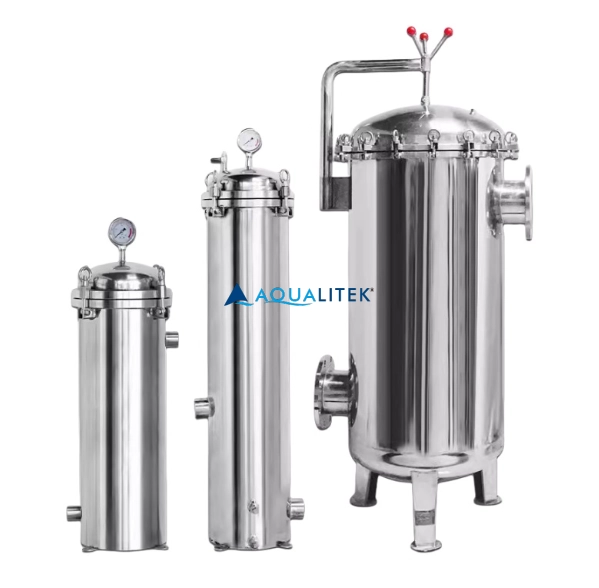
Compliance and Material Standards for Stainless Steel Filter Housings
FAQ-aqualitek
Does AQT provide technical support and after-sales service?
Yes! We offer comprehensive technical support, including installation guidance, troubleshooting, spare parts supply, and ongoing maintenance assistance. Our after-sales team is available to ensure your water treatment system operates efficiently.
Blog
Can I use a water softener with a septic system?
Yes. Studies show no negative impact, especially when using metered regeneration systems.
Solutions
What types of water treatment systems does AQT offer?
AQT provides a wide range of water purification solutions, including reverse osmosis (RO) systems, ultrafiltration (UF) systems, nanofiltration (NF) systems, deionization (DI) systems, electro-deionization (EDI) systems, chemical dosing systems, and water softeners. We also supply spare parts and components for water treatment systems.
Membrane Water Treatment Systems
Do you offer plug-and-play solutions?
Absolutely. We offer containerized membrane systems that are factory-tested, compact, and quick to deploy.
How long do membranes last?
With proper maintenance and CIP, UF and RO membranes can last 3–5 years, depending on feed water quality and system design.
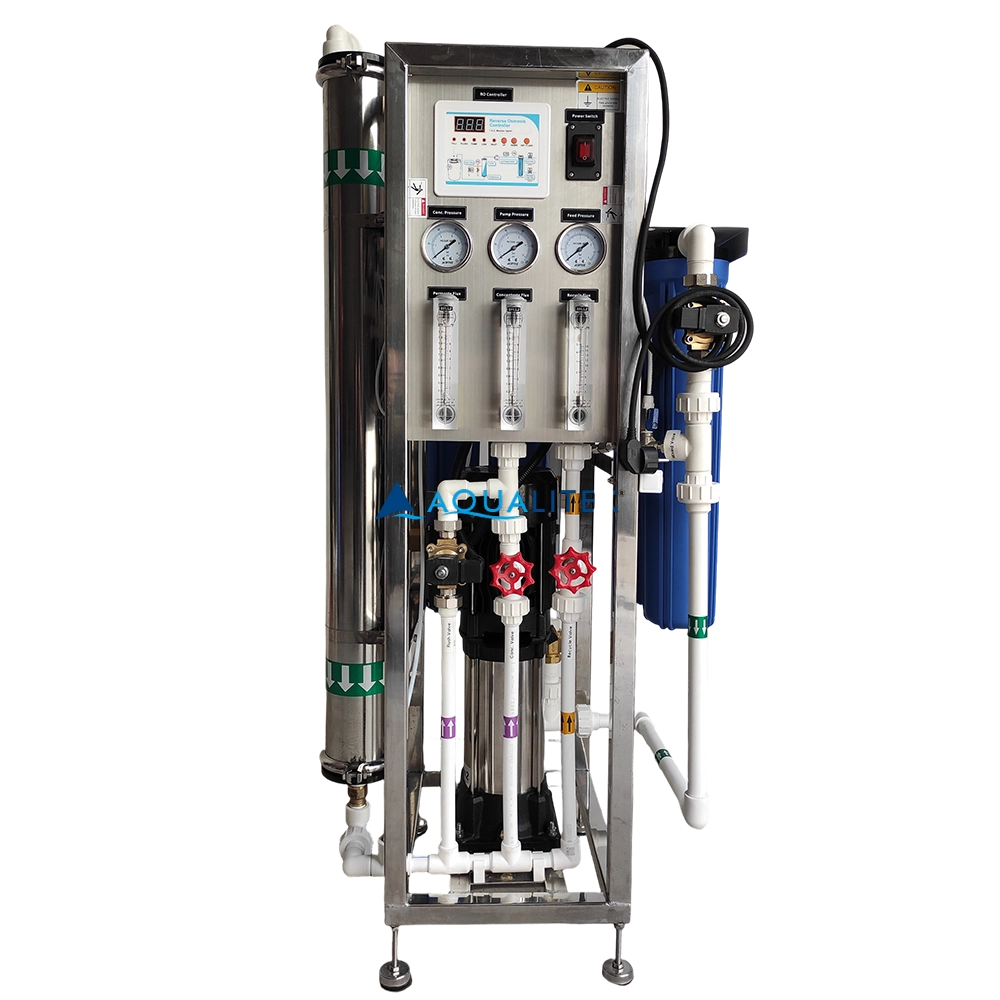
500 LPH Reverse Osmosis (RO) Water Purification Machine TWV - 412
Our 500 LPH Reverse Osmosis (RO) System is engineered to provide high-quality purified water for commercial applications. Designed with advanced RO technology, durable components, and a user-friendly interface, this system ensures consistent performance, low maintenance, and long-term reliability.
With its compact design and robust skid-mounted frame, it’s an excellent choice for businesses that demand efficiency and quality in water purification.
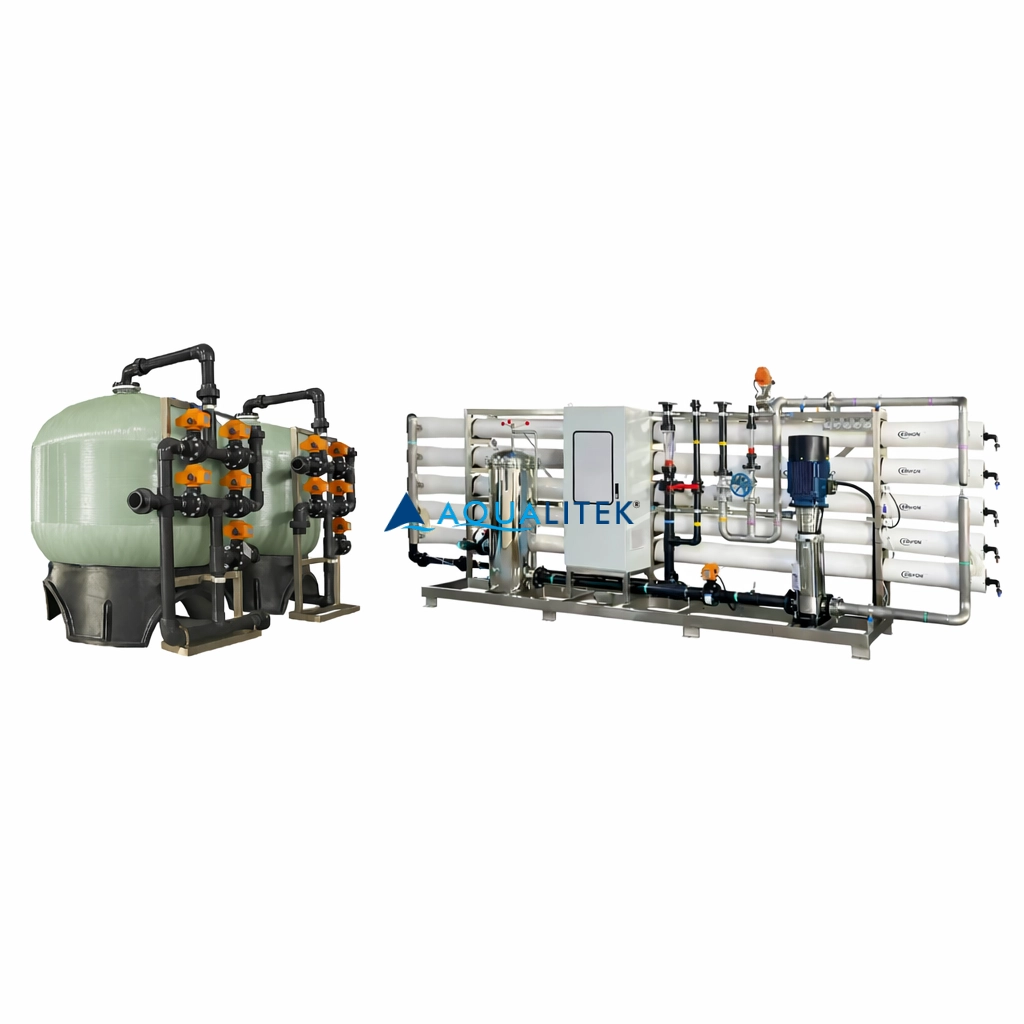
30TPH Industrial Reverse Osmosis (RO) System
30TPH Industrial Reverse Osmosis (RO) System designed for industrial and municipal water treatment. High salt rejection, energy-efficient design, PLC control, and customizable configuration.
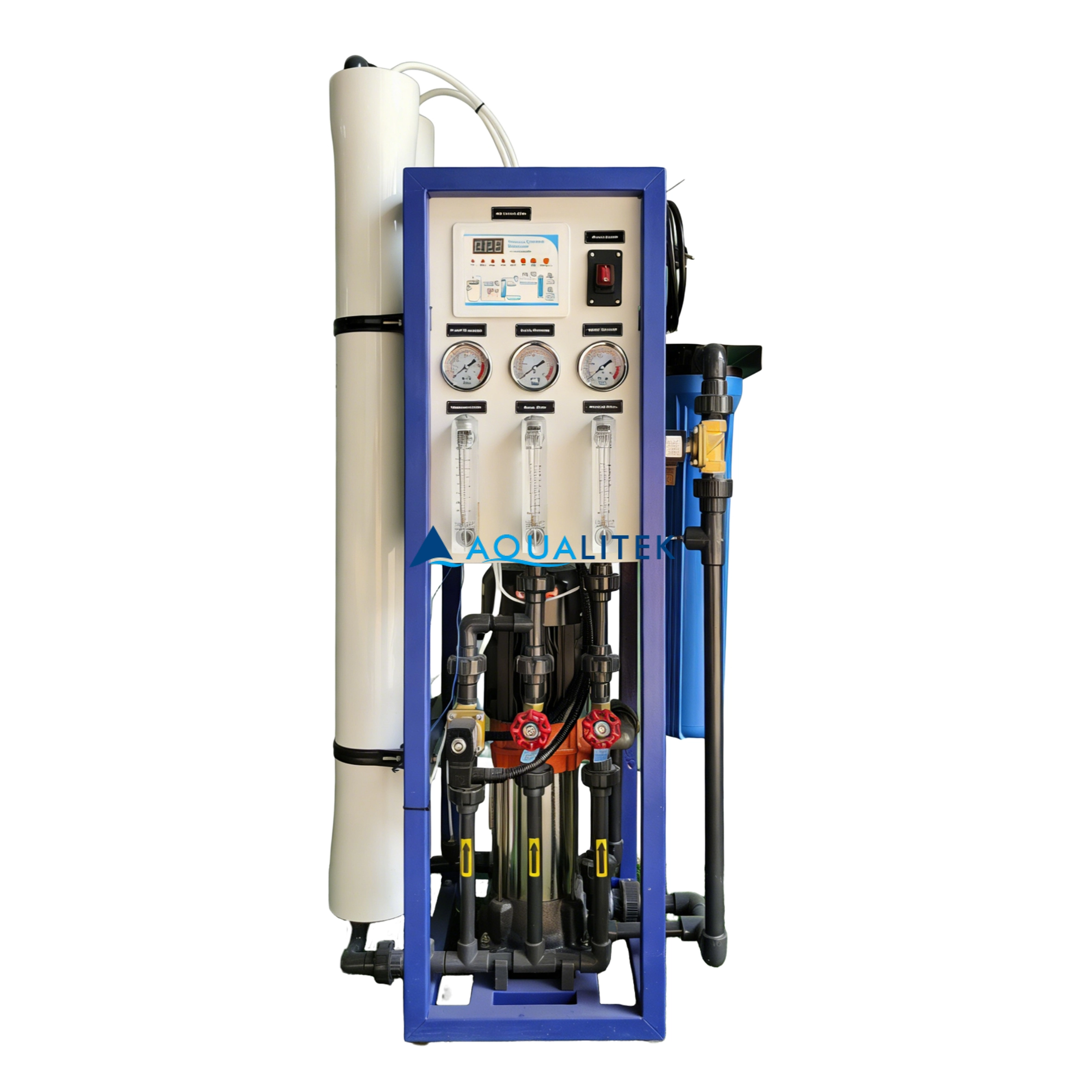
500LPH Panel Mounted Reverse Osmosis Water Purification System
AQUALITEK's 500LPH Panel Mounted Reverse Osmosis Water Purification System delivers reliable 500 LPH RO water production. This compact industrial reverse osmosis unit is ideal for small scale industrial RO needs, ensuring efficient and high-quality purified water in a space-saving design.
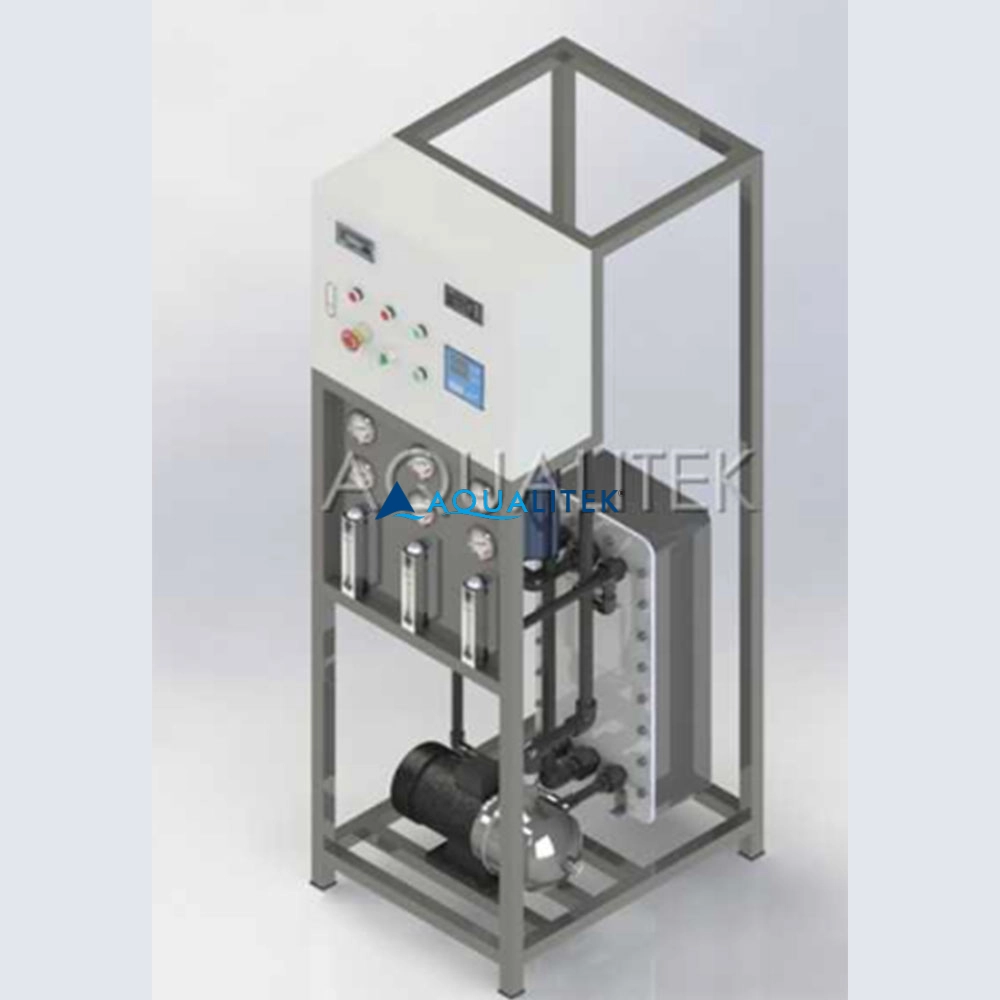
Electrodeionization Systems to Get UltraPure Water
Electrodeionization (EDI) system is an advanced water purification technology that combines ion exchange and electrochemical processes to produce ultra-pure water. Unlike traditional deionization methods, which rely on chemical regeneration, EDI utilizes electric fields to drive the movement of ions through ion-exchange membranes, effectively removing dissolved salts and other ionic contaminants.
This process is continuous and does not require the use of chemicals for regeneration, making it an environmentally friendly and cost-effective solution for producing high-quality deionized water. EDI systems are widely used in applications requiring ultrapure water, such as in the pharmaceutical, semiconductor, power generation, and biotechnology industries, as well as for laboratory use.
By offering high-purity water without the need for chemical regeneration, EDI systems provide a sustainable, efficient, and reliable alternative to traditional deionization methods, making them an ideal choice for industries where water quality and process control are critical.
Request More Information
Contact us today for product catalogs, customization options, and a free quotation designed for your business needs.
Rest assured that your privacy is important to us, and all information provided will be handled with the utmost confidentiality.
© 2026 AQUALITEK. All rights reserved.
AQUALITEK- Aimee Hoo
AQUALITEK - Aimee Hoo