




Compliance and Material Standards for Stainless Steel Filter Housings
- Compliance and Material Standards for Stainless Steel Filter Housings
- Introduction: Why compliance matters for cartridge filter housing
- Regulatory landscape affecting cartridge filter housing
- Material selection: stainless steel grades for filter housings
- Surface finish, welding and sanitary criteria for cartridge filter housing
- Design criteria, pressure ratings and relevant codes
- Corrosion and chemical compatibility for water purification housings
- Testing, inspections and certification expectations
- Installation, operation and maintenance best practices for cartridge filter housing
- How to specify a Multi-cartridge Filter Housing stainless steel micron filter for water purification
- Comparison table: common compliance requirements by application
- Brand alignment: how our Multi-cartridge Filter Housing meets standards
- Selection checklist for procurement teams
- FAQ — Frequently Asked Questions about cartridge filter housing compliance
- Contact us / View product
- Authoritative references and further reading
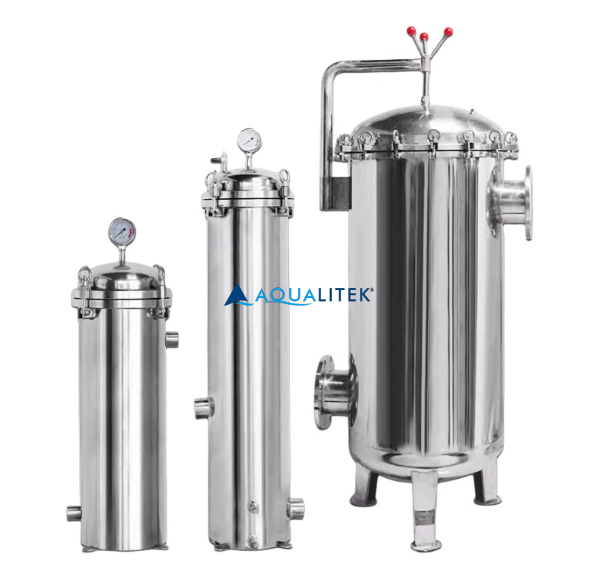
Compliance and Material Standards for Stainless Steel Filter Housings
Introduction: Why compliance matters for cartridge filter housing
Cartridge filter housing is central to reliable liquid filtration. For water purification and many industrial processes, compliance with material and safety standards is not optional — it protects public health, ensures process integrity, and minimizes risk of downtime or contamination. This article explains which standards apply to stainless steel filter housings, how material choices affect performance, and practical steps to design, test, and maintain multi-cartridge systems that meet regulatory and commercial requirements.
Regulatory landscape affecting cartridge filter housing
Manufacturers, specifiers, and end users must be familiar with several widely recognized codes and regulations that govern pressure vessels, materials, and contact with potable water. Key regimes include:
- ASME Boiler & Pressure Vessel Code (BPVC) — for pressure-containing components in many jurisdictions.
- ASTM material standards (for example ASTM A240 for stainless plate/sheet) — which define chemical composition and mechanical properties for stainless steels.
- NSF/ANSI 61 — for components that contact drinking water (bio- and chemical safety requirements).
- Pressure Equipment Directive (PED 2014/68/EU) — mandatory for pressure equipment placed on the EU market above defined thresholds.
- 3-A Sanitary Standards — for food and beverage and dairy applications requiring hygienic design.
- ISO 9001 and industry-specific quality systems — for traceability and manufacturing quality control.
Understanding which standards apply depends on the intended application (potable water, pharmaceutical, food, industrial) and regional market. For example, municipal drinking water plants will prioritize NSF/ANSI compliance and corrosion resistance, while industrial chemical processes may emphasize ASME pressure ratings and specific material compatibility.
Material selection: stainless steel grades for filter housings
Selecting the correct stainless steel grade for a cartridge filter housing affects corrosion resistance, mechanical strength, weldability, and cost. Common choices include 304, 316L, and duplex grades. When discussing multi-cartridge Filter Housing stainless steel micron filter for water purification, 316L is often the baseline for potable and high-purity water because of its superior chloride pitting resistance.
| Grade | Typical Use | Key Properties |
|---|---|---|
| 304 | General purpose, non-chloride environments | Good corrosion resistance, economical |
| 316L | Potable water, chemical exposure, higher chloride environments | Improved pitting resistance, low carbon for weldability |
| 2205 Duplex | Highly corrosive environments, chloride stress | Higher strength, excellent pitting resistance |
| 316Ti/317L | Elevated temperature or specific chemical environments | Stabilized/resistant variants for specialized needs |
Relevant material specifications to reference include ASTM A240 (stainless steel plate, sheet, and strip for pressure vessels) and manufacturer data sheets that list chemical composition and certifications. For welded housings, low-carbon variants (316L) reduce sensitization and intergranular corrosion risks after welding.
Surface finish, welding and sanitary criteria for cartridge filter housing
Surface finish matters for fouling, cleanability, and regulatory acceptance. Typical finishes used inside housings are:
- Mechanical polish (Ra values commonly 0.8–1.6 µm for general use)
- Electropolish (for enhanced passivation, Ra ≤0.4 µm where sanitary requirements demand)
- Pickling and passivation treatments after welding to restore corrosion resistance
Welding procedures and qualifications should follow recognized standards (ASME Section IX for welder qualification). Post-weld heat treatment is rare for austenitic stainless steels but proper pickling and passivation are essential. Sanitary applications (food, pharma) often require welds with full penetration and smooth profiles to avoid crevices where bacteria can grow.
Design criteria, pressure ratings and relevant codes
Design of cartridge filter housing must meet pressure and temperature requirements of the process. ASME BPVC and PED provide calculation methods and classification thresholds. Key design inputs include maximum allowable working pressure (MAWP), design temperature, and intended head loss across cartridge elements.
- Material allowable stress values are temperature-dependent — confirm values per ASME/ASTM tables during design calculations.
- Flange, closure, gasket and bolting materials must be compatible and rated to the chosen MAWP.
- Design for safe access and venting — vacuum protection, pressure relief provision, and appropriate instrumentation (pressure gauge, relief valve) are required for compliance and safe operation.
Corrosion and chemical compatibility for water purification housings
Water treatment environments expose housings to different chemistries — chlorination, chlorine dioxide, ozone, acids, and alkalis. Evaluate compatibility of stainless grade versus disinfectants and cleaning agents. While 316L resists many conditions, high free-chlorine, hot brines, or certain oxidizers can accelerate localized corrosion. When severe conditions exist, duplex stainless steels or specialty alloys may be required.
Testing, inspections and certification expectations
To assure compliance and reliability, cartridge filter housing should undergo a documented program of testing and inspection. Typical tests and certifications include:
- Material test reports (MTRs) showing chemical and mechanical properties per ASTM standards.
- Nondestructive testing (NDT) of welds — dye penetrant or radiography where required.
- Hydrostatic or pneumatic pressure tests to the specified test pressure (commonly 1.3× MAWP for hydro tests, subject to code).
- Surface finish verification (Ra measurements), and passivation verification where applicable.
- Third-party certification such as CE/PED marking in the EU, or documentation for ASME code stamp where applicable.
- For potable water, NSF/ANSI 61 certification or evidence of compliance for wetted materials to protect public health.
Documenting these inspections and maintaining traceability from raw material MTRs to finished vessel test reports is essential for audits and for meeting customer expectations.
Installation, operation and maintenance best practices for cartridge filter housing
Good practices extend the life of housings and reduce compliance risk:
- Install housings with proper supports and alignment to prevent undue stress on nozzles and closures.
- Follow torque sequences and gasket recommendations to ensure sealing without deformation.
- Implement scheduled inspection for corrosion, gasket condition, and bolt torque.
- Adopt chemical cleaning protocols compatible with material grade and surface finish; document procedures and chemical concentrations.
- Keep records of cartridge change-outs, maintenance actions, and any repairs — traceability supports warranty and regulatory obligations.
How to specify a Multi-cartridge Filter Housing stainless steel micron filter for water purification
When procuring a multi-cartridge cartridge filter housing for water purification, specify clearly to ensure compliance and performance:
- Intended application (potable water, process water, food, pharma), desired micron rating, and target flow rate.
- Material grade (e.g., 316L), required surface finish (electropolished or mechanical), and any sanitary standards (3-A, FDA compatibility, NSF/ANSI 61).
- Design pressure and design temperature, including transient conditions if pump trips or thermal shocks are expected.
- Required certifications — MTRs, hydrostatic test certificates, NDT reports, and third-party stamps (PED, ASME) if applicable.
- Connection types (tri-clamp, flanged, threaded) and orientation for cartridge access and drainage.
Comparison table: common compliance requirements by application
| Application | Typical Material | Common Standards/Certifications |
|---|---|---|
| Municipal & Potable Water | 316L stainless | NSF/ANSI 61, MTRs, Hydro Test |
| Food & Beverage | 316L electropolished | 3-A standards, FDA material compliance, surface finish spec |
| Pharmaceutical / High Purity | 316L or higher, electropolished | ASTM, ASME BPE, validated cleanability, MTRs |
| Chemical / Desalination | Duplex or 316L | PED/ASME, chemical compatibility data, NDT |
Brand alignment: how our Multi-cartridge Filter Housing meets standards
Our Multi-cartridge Filter Housing stainless steel micron filter for water purification is engineered to align with the compliance and material standards described above. Key characteristics include:
- Constructed from certified 316L stainless steel with available upgrades to duplex where required.
- Interior electropolishing option to meet hygienic surface finish requirements.
- Fabrication under ISO 9001 quality systems, with MTRs, pressure testing, and weld documentation delivered with each unit.
- Design flexibility for NSF/ANSI 61 verification and optional third-party inspection for PED or ASME requirements.
Product brief:
Cartridge filter housing is a critical component in liquid filtration systems, designed to securely hold and protect filter cartridges while allowing liquids to flow through the filter media. These housings are essential for industries that require reliable filtration solutions to remove contaminants from liquids, such as water treatment, pharmaceuticals, food and beverage processing, chemicals, and industrial applications.
Cartridge filter housings are typically constructed from durable materials like stainless steel, polypropylene, or fiber glass, providing excellent resistance to corrosion and ensuring long-term performance. They are available in a variety of configurations, including single or multi-cartridge designs, to accommodate different flow rates and filtration needs. These housings are engineered to securely seal the filter cartridges, preventing any bypass of unfiltered liquid, ensuring the integrity of the filtration process.
Designed for easy maintenance, cartridge filter housings offer the flexibility to replace or clean filter cartridges quickly, making them a convenient solution for systems requiring regular maintenance. Their efficiency and versatility make them ideal for applications where precise filtration is crucial for improving the quality of liquids, whether for industrial processes, potable water production, or high-purity applications.
Selection checklist for procurement teams
Use this checklist to ensure the cartridge filter housing you specify meets compliance and performance needs:
- Define application and fluid chemistry
- Specify stainless grade and surface finish
- Confirm design pressure, temperature and MAWP
- Request MTRs, weld procedures, and NDT reports
- Require hydrostatic/pneumatic test certificates and passivation evidence
- Confirm any regulatory certifications (NSF, PED, ASME, 3-A)
- Verify spare parts availability (gaskets, clamps, cartridges)
- Document maintenance procedures and warranty terms
FAQ — Frequently Asked Questions about cartridge filter housing compliance
Q: Which stainless steel grade should I choose for potable water?
A: 316L stainless steel is the standard choice for potable water and most water purification processes, due to its superior resistance to chloride-induced corrosion and good weldability.
Q: Do cartridge filter housings need ASME or PED certification?
A: It depends on pressure, volume, and regional regulation. Small housings below PED thresholds may not require PED, but many industrial users still ask for compliance documentation or third-party inspection. For high-pressure applications or EU market placement, PED compliance is commonly required.
Q: How important is surface finish?
A: Very important for sanitary and high-purity applications. Electropolishing reduces surface roughness, improves passivation, and helps prevent biofilm formation. For food, beverage, and pharmaceutical uses, specified Ra values and sanitary welds are often contract requirements.
Q: Can I use 304 stainless for filter housings?
A: Yes for non-chloride, non-aggressive environments. For potable water and where disinfectants like chlorine are used, 316L is safer to minimize pitting and crevice corrosion risks.
Q: What tests should I request on delivery?
A: Material Test Reports (MTRs), hydrostatic test certificate, weld NDT (if specified), and surface finish/passivation documentation. For regulatory markets, check for stamping or third-party certificate (PED/ASME).
Contact us / View product
To discuss specifications, request quotations, or view detailed datasheets for our Multi-cartridge Filter Housing stainless steel micron filter for water purification, please contact our sales team or view the product page:
Authoritative references and further reading
Key standards and references:
- ASTM A240 - Standard Specification for Chromium and Chromium-Nickel Stainless Steel Plate, Sheet, and Strip for Pressure Vessels and for General Applications
- ASME Codes and Standards
- NSF International — Drinking Water Standards and Guidelines
- EU Pressure Equipment Directive (PED)
- 3-A Sanitary Standards
- ISO 9001 Quality Management
- WHO Guidelines for Drinking-water Quality
For tailored advice on compliance or to request documentation for our Multi-cartridge Filter Housing stainless steel micron filter for water purification, reach out to our engineering team. Adhering to correct material selection, fabrication practices, and testing regimes will maximize both safety and lifetime value of your filtration systems.
Design considerations for industrial carbon filtration systems
Top 10 Ultra filtration water system Manufacturers and Supplier Brands
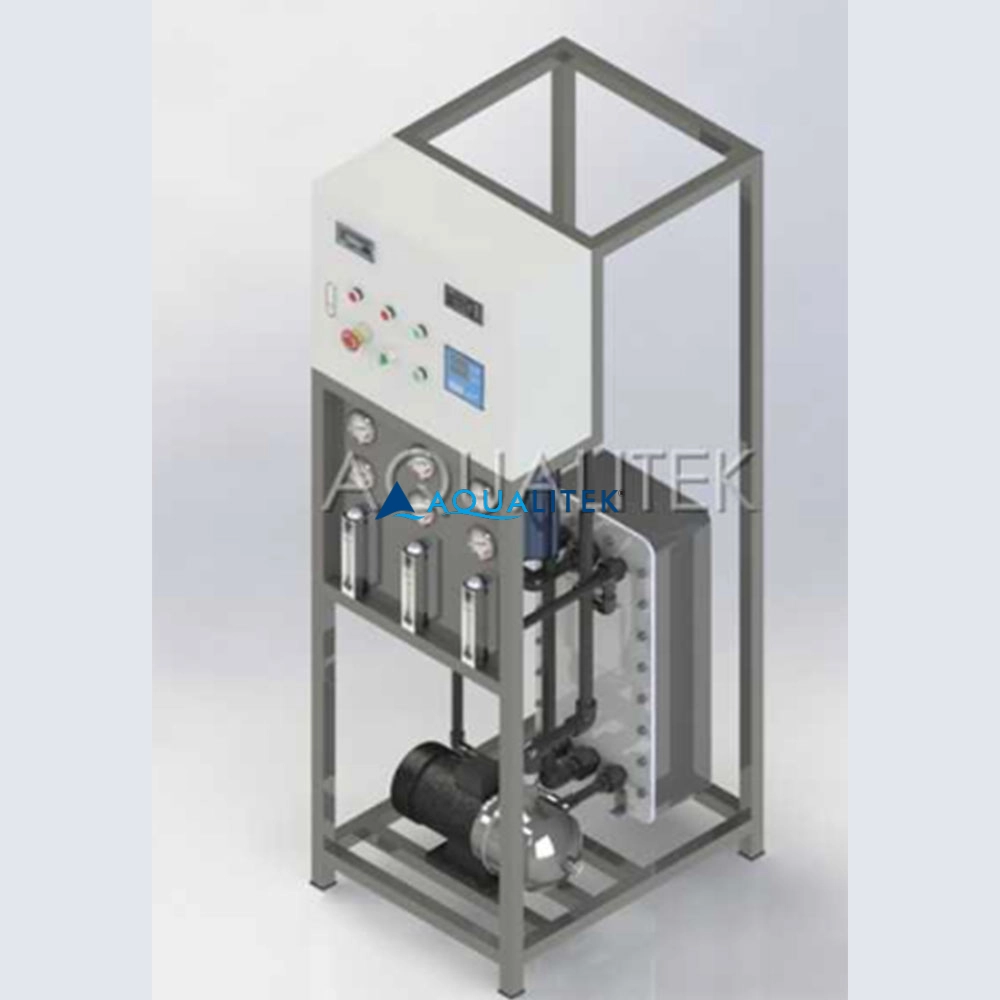
How Electrodeionization Systems Improve Water Purity Reliability
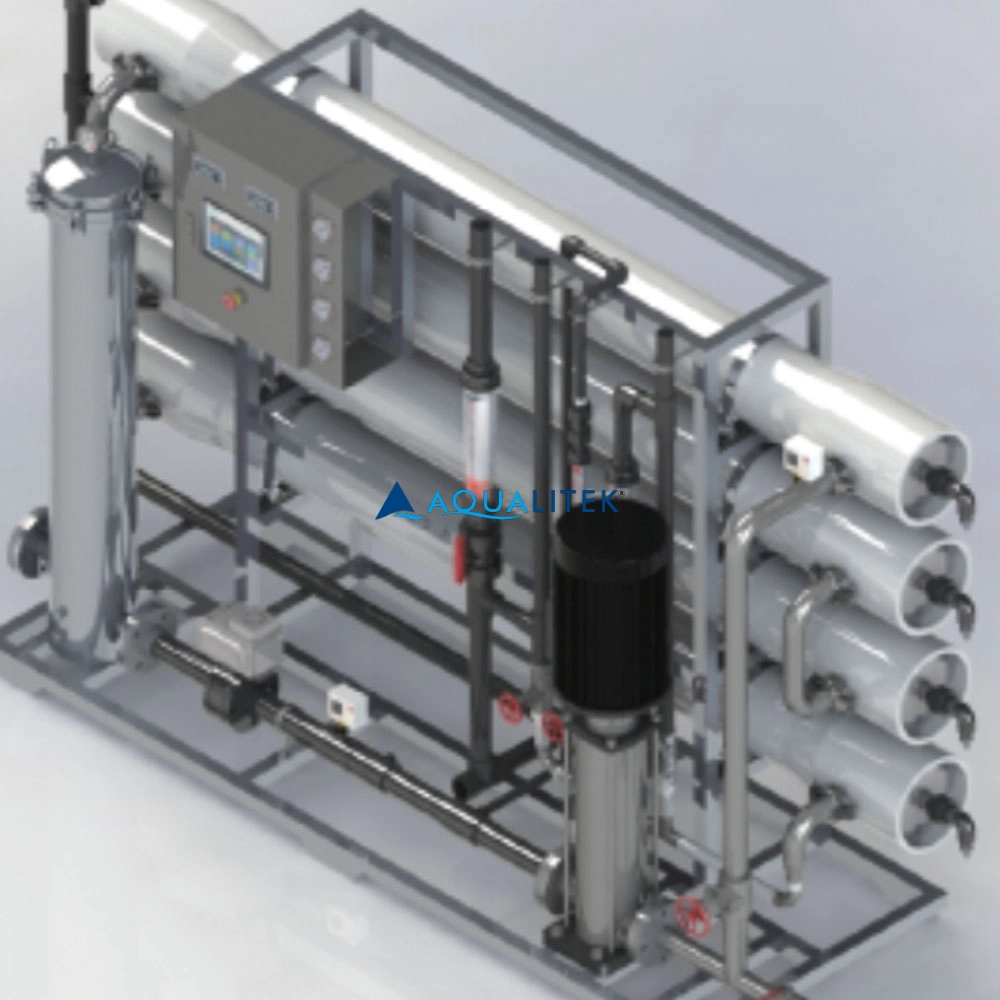
Scaling and Fouling Control Strategies for BWRO BWE Systems
Blog
How do I know when to add salt to my softener?
Check the brine tank monthly. Modern systems often alert you automatically when salt levels are low.
FAQ-aqualitek
How do I choose the right water treatment system for my needs?
The choice depends on factors such as water quality, application, flow rate, and purification requirements. Our team of experts can analyze your water source and recommend the most suitable solution for residential, commercial, or industrial applications.
Does AQT provide technical support and after-sales service?
Yes! We offer comprehensive technical support, including installation guidance, troubleshooting, spare parts supply, and ongoing maintenance assistance. Our after-sales team is available to ensure your water treatment system operates efficiently.
Membrane Water Treatment Systems
How long do membranes last?
With proper maintenance and CIP, UF and RO membranes can last 3–5 years, depending on feed water quality and system design.
Solutions
Does AQT provide technical support and after-sales service?
Yes! We offer comprehensive technical support, including installation guidance, troubleshooting, spare parts supply, and ongoing maintenance assistance. Our after-sales team is available to ensure your water treatment system operates efficiently.
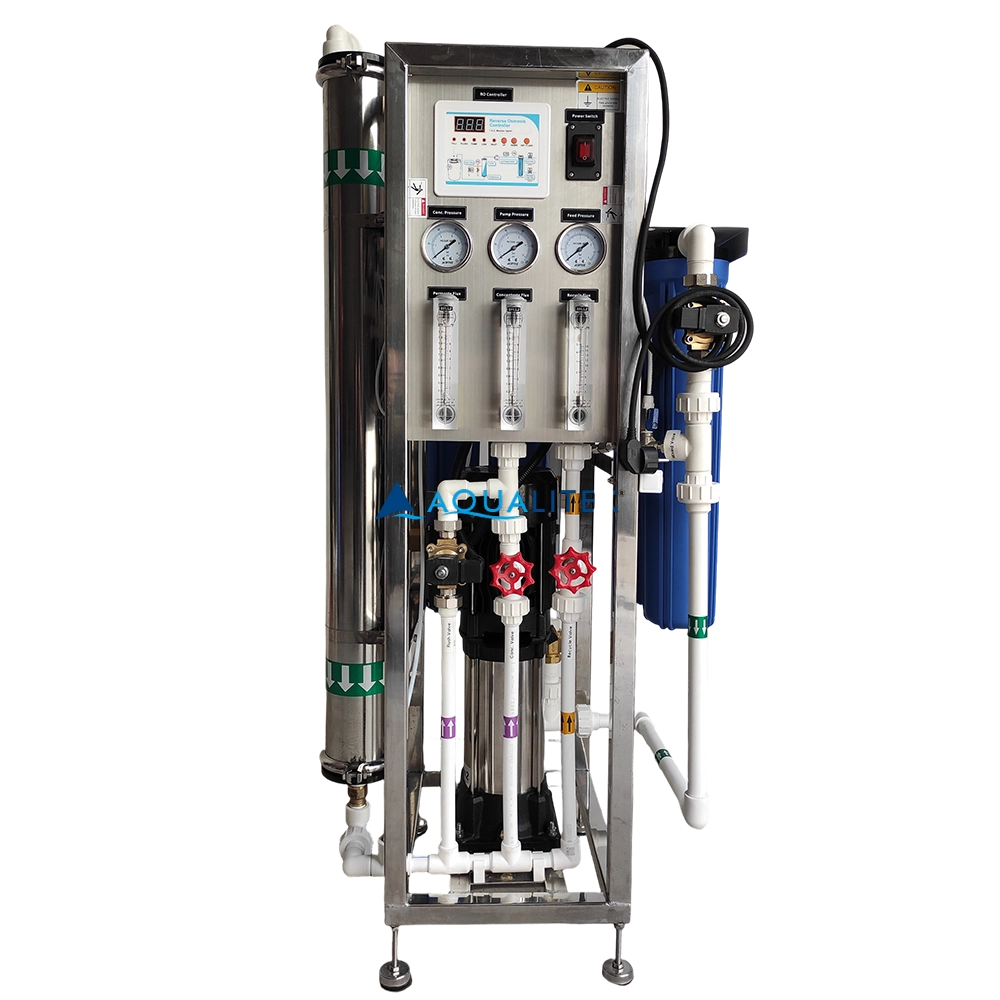
500 LPH Reverse Osmosis (RO) Water Purification Machine TWV - 412
Our 500 LPH Reverse Osmosis (RO) System is engineered to provide high-quality purified water for commercial applications. Designed with advanced RO technology, durable components, and a user-friendly interface, this system ensures consistent performance, low maintenance, and long-term reliability.
With its compact design and robust skid-mounted frame, it’s an excellent choice for businesses that demand efficiency and quality in water purification.
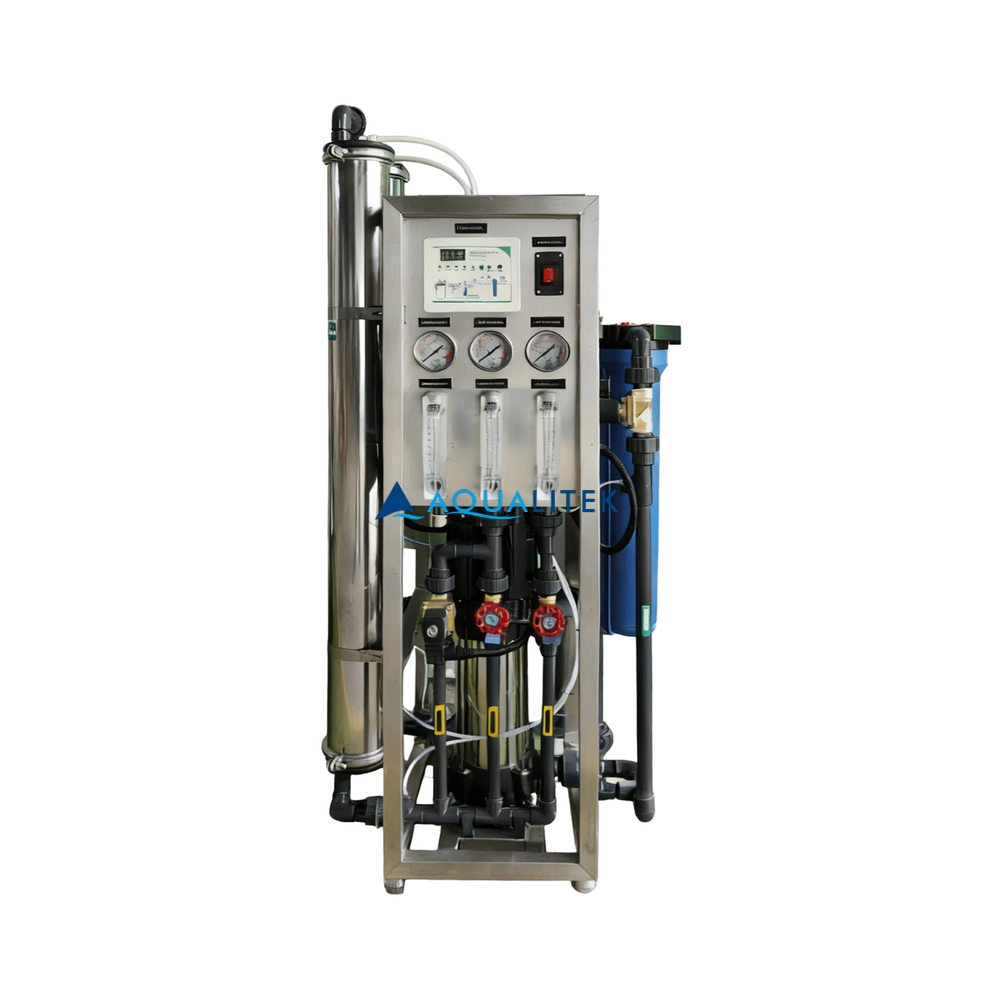
Tap Water Reverse Osmosis (TWRO) Systems TWV Series
TWV series Reverse Osmosis (RO) systems are pre-engineered and pre-assembled units with 2.5”/4” membrane housings(single element type)for tap water(lower TDS).They are designed for overall superior performance, high recovery rates and offer great savings with low maintenance and operation costs.
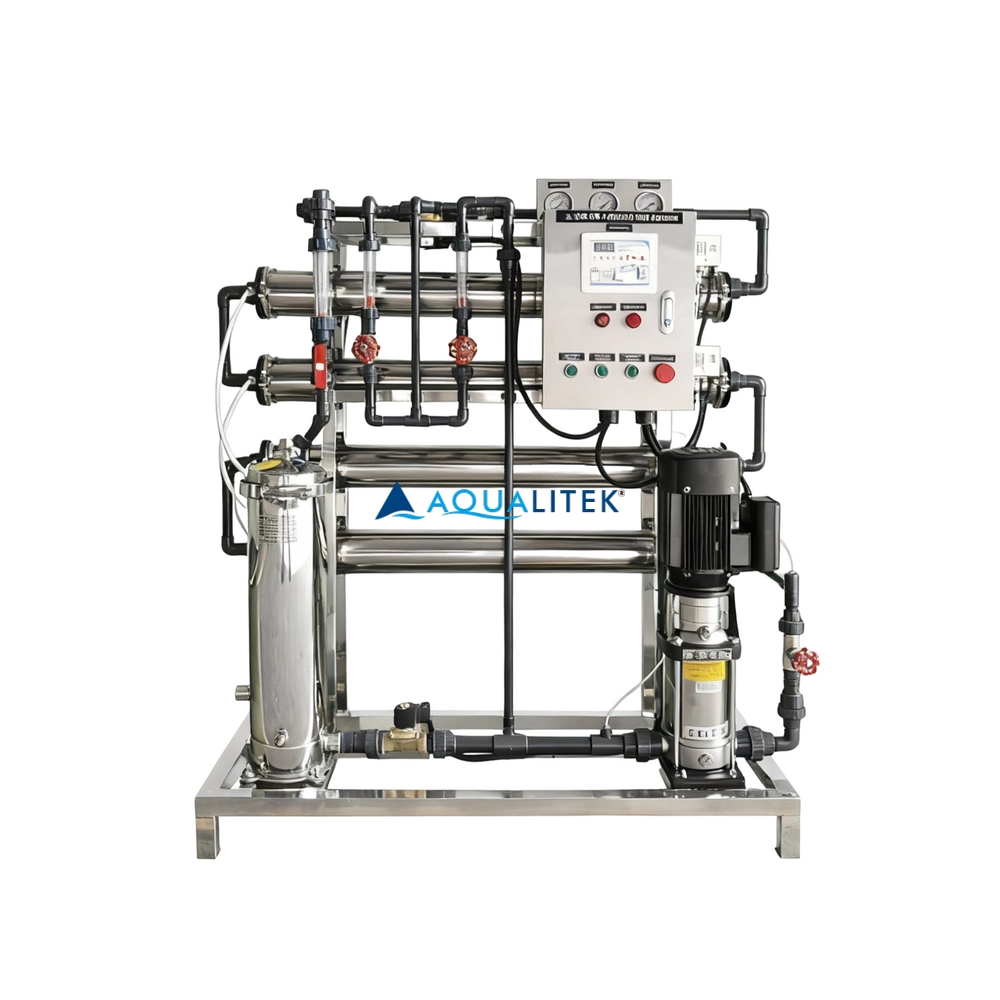
Tap Water Reverse Osmosis (TWRO) Systems TWF Series
TWF series Reverse Osmosis (RO) systems are pre-engineered and pre-assembled units with 4” membrane housings(multiple elements type) for tap water(lower TDS) .The medium large volumes can help meet your a variety of commercial and industrial applications. They are designed for overall superior performance, high recovery rates and offer great savings with low maintenance and operation costs.

Tap Water Reverse Osmosis (TWRO) Systems TWE Series
TWE series Reverse Osmosis (RO) systems are pre-engineered and pre-assembled units with 8” membrane housings for tap water (lower TDS). The large volumes can help meet your a variety of industrial applications. They are designed for overall superior performance, high recovery rates and offer great savings with low maintenance and operation costs.
Request More Information
Contact us today for product catalogs, customization options, and a free quotation designed for your business needs.
Rest assured that your privacy is important to us, and all information provided will be handled with the utmost confidentiality.
© 2026 AQUALITEK. All rights reserved.
AQUALITEK- Aimee Hoo
AQUALITEK - Aimee Hoo