




How Electrodeionization Systems Improve Water Purity Reliability
- Ensuring Consistent Water Quality for Critical Industries
- Why purity reliability matters
- Common purity challenges with traditional systems
- How Electrodeionization Works and Why It’s More Reliable
- Principles of EDI: ion-exchange and electric fields
- Continuous, chemical-free operation
- Design elements that enhance reliability
- Performance Advantages: Metrics and Comparisons
- Comparing EDI, mixed-bed DI, and RO
- Typical performance: resistivity, TDS, and ion removal
- Operational savings and lifecycle costs
- Selecting, Operating, and Maintaining EDI Systems for Maximum Reliability
- Sizing and pretreatment considerations
- Monitoring, controls, and automation
- Maintenance best practices and troubleshooting
- Real-world Use Cases and Implementation Tips
- Pharmaceutical and biotechnology
- Semiconductor and microelectronics
- Power generation and high-pressure boilers
- Frequently Asked Questions (FAQ)
- Q: What is the difference between EDI and conventional deionization?
- Q: Can EDI produce ultrapure water alone, or is RO required?
- Q: How does EDI handle organic contaminants and silica?
- Q: What are the main maintenance requirements?
- Q: Are there environmental benefits to using EDI?

Electrodeionization (EDI) provides a stable, continuous source of ultrapure water by combining ion-exchange elements and an applied electric field to remove ionic contaminants without chemical regeneration. For facilities in pharmaceuticals, semiconductor manufacturing, power generation, and research laboratories where water purity consistency is critical, EDI reduces variability, lowers lifecycle costs, and minimizes environmental and operational risks.
Ensuring Consistent Water Quality for Critical Industries
Why purity reliability matters
Many processes — from semiconductor wafer rinses to pharmaceutical formulations and boiler feedwater — are highly sensitive to ionic contaminants. Even small fluctuations in resistivity, total dissolved solids (TDS), or ionic species profiles can cause yield loss, product deviations, scaling, or corrosion. Ensuring reliable water purity reduces downtime, rejects, and expensive rework. Plants therefore prioritize technologies that offer continuous control and predictable performance.
Common purity challenges with traditional systems
Traditional deionization using mixed-bed ion-exchange or batch regeneration systems introduces variability because these systems require periodic chemical regeneration. Regeneration cycles create transient quality dips and require storage and handling of acids and caustics, which increase operational complexity and safety risk. Reverse osmosis (RO) alone reduces dissolved solids but typically cannot reach the resistivity and ionic purity required for ultrapure water without downstream polishers. Electrodeionization addresses these gaps.
How Electrodeionization Works and Why It’s More Reliable
Principles of EDI: ion-exchange and electric fields
Electrodeionization integrates ion-exchange resins with ion-selective membranes and an applied direct current. Feed water first passes through ion-exchange resin where ions are temporarily held. The electric field continuously drives those ions through cation and anion exchange membranes into concentrate compartments, regenerating the resin in situ. This mechanism allows continuous removal of ionized species and avoids the need for chemical regeneration cycles. For a technical overview, see the Wikipedia article on electrodeionization (Electrodeionization — Wikipedia).
Continuous, chemical-free operation
Because EDI regenerates resin continuously by using electric current, it eliminates acid and caustic handling and the process variability caused by regeneration events. This continuous mode supports stable outlet resistivity and conductivity over sustained periods — a critical characteristic for applications requiring consistent ultrapure water. Continuous deionization also reduces waste streams associated with chemical regenerants, supporting sustainability goals.
Design elements that enhance reliability
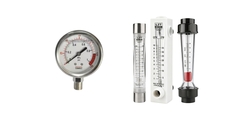
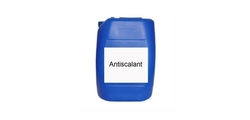
High-reliability EDI systems incorporate robust pretreatment (e.g., RO, cartridge filtration, antiscalant dosing), reliable feedwater controls, and modular stack design for redundancy. Internal sensors (conductivity, resistivity, pressure, and leak detection) and automated controls allow early detection of deviations and enable predictable maintenance windows rather than emergency interventions. When combined with a properly sized RO pretreatment stage, EDI can maintain resistivity values close to 18.2 MΩ·cm for ultrapure water applications.
Performance Advantages: Metrics and Comparisons
Comparing EDI, mixed-bed DI, and RO
Understanding where electrodeionization fits requires a direct comparison against common alternatives. The table below summarizes typical differences in operation, chemical use, continuity, and typical outlet quality.
| Technology | Regeneration | Chemical Use | Continuity | Typical Outlet Quality | Typical Applications |
|---|---|---|---|---|---|
| Electrodeionization (EDI) | Electric-field continuous resin regeneration | None for resin regeneration | Continuous | High resistivity (approaching 18.2 MΩ·cm with RO pretreatment); low ionic contaminants | Pharma, semiconductor, lab water polish |
| Mixed-bed Ion Exchange (MB DI) | Chemical batch regeneration (acid/caustic) | Significant (regenerants) | Intermittent (quality dips during regeneration) | Very high when fresh; variable over cycle | Laboratories, where batch regeneration is acceptable |
| Reverse Osmosis (RO) | No resin regeneration | Low (antiscalants sometimes) | Continuous but limited purity | Moderate TDS reduction (~90–99%); not ultrapure | Pre-treatment for EDI/DI, industrial process water |
Sources: general industry performance summaries and technical references such as the Wikipedia articles on Electrodeionization and Ultrapure water.
Typical performance: resistivity, TDS, and ion removal
With proper RO pretreatment, EDI typically produces water with resistivity near 18.2 MΩ·cm at 25°C for non-dissolved gases and extremely low total dissolved solids (TDS). EDI excels at removing common ionic contaminants (sodium, chloride, calcium, magnesium) and reduces conductivity fluctuations caused by variable feedwater composition. Because EDI targets ionized species, operators must still control organics, silica, and dissolved gases via pretreatment or downstream polishing depending on application requirements.
Operational savings and lifecycle costs
EDI systems often have higher capital cost than small mixed-bed DI towers but lower operational costs over time due to eliminated chemical purchases, reduced waste disposal, and minimized labor for regeneration cycles. For large continuous-demand installations, the total cost of ownership frequently favors EDI. Additionally, eliminating hazardous chemical handling reduces regulatory compliance burden and safety risks.
Selecting, Operating, and Maintaining EDI Systems for Maximum Reliability
Sizing and pretreatment considerations
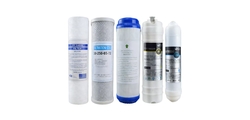
To achieve reliable ultrapure output, EDI must be sized to match peak and average flow demands and paired with effective pretreatment. Reverse osmosis is the most common pretreatment to reduce hardness, silica, and TDS to levels compatible with EDI stacks. Cartridge filtration (to 1–5 μm), antiscalant use, and control of free chlorine (which can damage resin and membranes) are essential. Feedwater analysis should assess conductivity, silica, hardness, organic load, and oxidants to properly select pretreatment steps and protect the EDI module.
Monitoring, controls, and automation
Reliable EDI operation depends on continuous monitoring of key parameters: inlet and outlet conductivity/resistivity, stack current, pressure differentials, and feedwater flow. Modern systems integrate programmable logic controllers (PLCs), remote monitoring, and automatic adjustments to maintain consistent output. Proactive alarm logic for threshold breaches (e.g., feed conductivity increases or stack current drift) prevents quality excursions and supports planned maintenance rather than emergency shutdowns.
Maintenance best practices and troubleshooting
Routine maintenance keeps EDI reliable: regular checks of pretreatment integrity, cartridge replacement, membrane inspections, and monitoring of stack performance. Typical troubleshooting steps include verifying RO performance, checking for fouling or scaling on membranes, confirming proper current application, and analyzing feedwater chemistry for sudden changes. Because EDI does not use chemical regeneration, addressing the root cause (e.g., feedwater spikes, biological growth, or oxidant intrusion) often restores performance without complex chemical procedures.
Brand advantage: Electrodeionization Systems to Get UltraPure Water
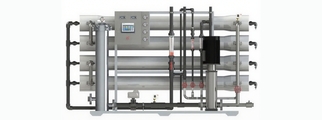
Our Electrodeionization Systems to Get UltraPure Water are engineered for long-term reliability. They combine modular EDI stacks with integrated pretreatment packages, automated monitoring, and factory-tested controls. These systems are designed for low chemical footprint, simplified maintenance, and predictable uptime — making them an ideal solution for facilities seeking both performance and sustainability.
Real-world Use Cases and Implementation Tips
Pharmaceutical and biotechnology
In pharmaceutical manufacturing, water for injection (WFI) and other high-purity water streams require strict control. While final WFI specifications may require additional polishing, EDI can reliably supply high-quality water for upstream processes, buffers, and utility systems. Integration with validated monitoring and documentation supports compliance requirements.
Semiconductor and microelectronics
Semiconductor fabs demand ultrapure water with extremely low ionic and particulate loads. EDI systems — when combined with multi-stage RO, ultrapure polishing, and tight particulate controls — contribute to consistent rinse water quality and improved yield. Reducing variation in ionic content helps minimize defects and enhances process control.
Power generation and high-pressure boilers
In power plants, consistent water purity protects turbines and boilers from corrosion and scaling. EDI can provide high-quality makeup water and feedwater polish, reducing the need for chemical softening or frequent resin regeneration while delivering steady conductivity control important for high-pressure systems.
Frequently Asked Questions (FAQ)
Q: What is the difference between EDI and conventional deionization?
A: Electrodeionization regenerates ion-exchange resin continuously using an electric field and ion-selective membranes, eliminating chemical regeneration. Conventional mixed-bed deionizers require periodic acid and caustic regeneration, which causes operational interruptions and handling of hazardous chemicals.
Q: Can EDI produce ultrapure water alone, or is RO required?
A: EDI typically requires RO pretreatment to reduce TDS, hardness, and silica to levels that protect the EDI stack and ensure optimal performance. RO + EDI combinations are common for producing ultrapure water with stable resistivity near 18.2 MΩ·cm.
Q: How does EDI handle organic contaminants and silica?
A: EDI is most effective at removing ionized species. Neutral organics are not removed by EDI and may require activated carbon, oxidizing pretreatment, or downstream polishing. Silica removal depends on feedwater chemistry and pretreatment; high silica can challenge EDI and should be controlled by RO and chemical softening if necessary.
Q: What are the main maintenance requirements?
A: Maintenance focuses on protecting pretreatment (RO membranes, filters), monitoring stack current and conductivity, checking for fouling or scaling, and replacing consumables like prefilters. Since EDI avoids chemical regenerants, maintenance routines are generally simpler and safer than for mixed-bed systems.
Q: Are there environmental benefits to using EDI?
A: Yes. EDI eliminates chemical regenerant usage and reduces hazardous wastewater streams, lowering environmental impact and regulatory burden. Continuous operation also minimizes chemical transportation and storage risks.
If you have questions specific to your facility or would like a capacity assessment, contact our team to discuss how Electrodeionization Systems to Get UltraPure Water can improve reliability and reduce lifecycle costs. View product details or request a quote: Electrodeionization Systems to Get UltraPure Water.
References and further reading:
Electrodeionization (EDI) system is an advanced water purification technology that combines ion exchange and electrochemical processes to produce ultra-pure water. Unlike traditional deionization methods, which rely on chemical regeneration, EDI utilizes electric fields to drive the movement of ions through ion-exchange membranes, effectively removing dissolved salts and other ionic contaminants.
This process is continuous and does not require the use of chemicals for regeneration, making it an environmentally friendly and cost-effective solution for producing high-quality deionized water. EDI systems are widely used in applications requiring ultrapure water, such as in the pharmaceutical, semiconductor, power generation, and biotechnology industries, as well as for laboratory use.
By offering high-purity water without the need for chemical regeneration, EDI systems provide a sustainable, efficient, and reliable alternative to traditional deionization methods, making them an ideal choice for industries where water quality and process control are critical.
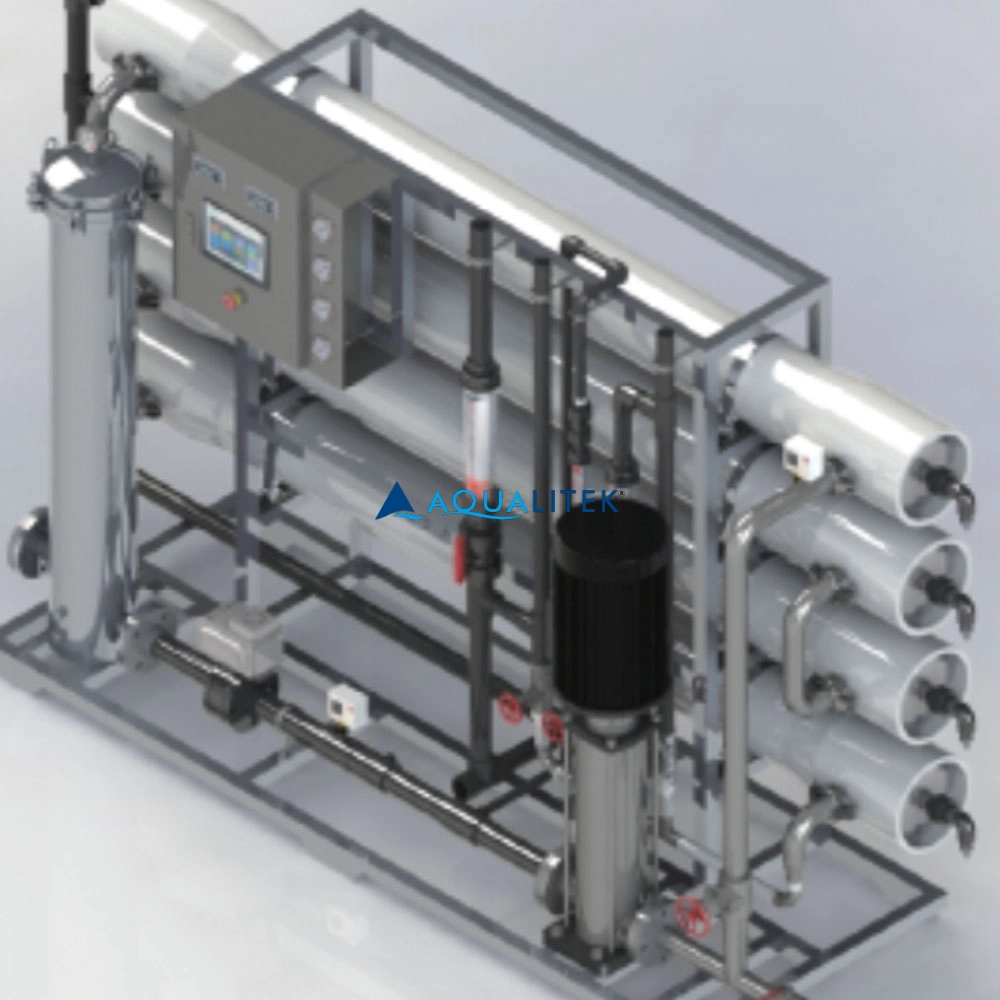
Troubleshooting BWRO BWE Systems: Solving Well Water Issues
UV Disinfection for Well Water: Benefits and Limitations

Total Cost of Ownership for Industrial RO Systems in Manufacturing
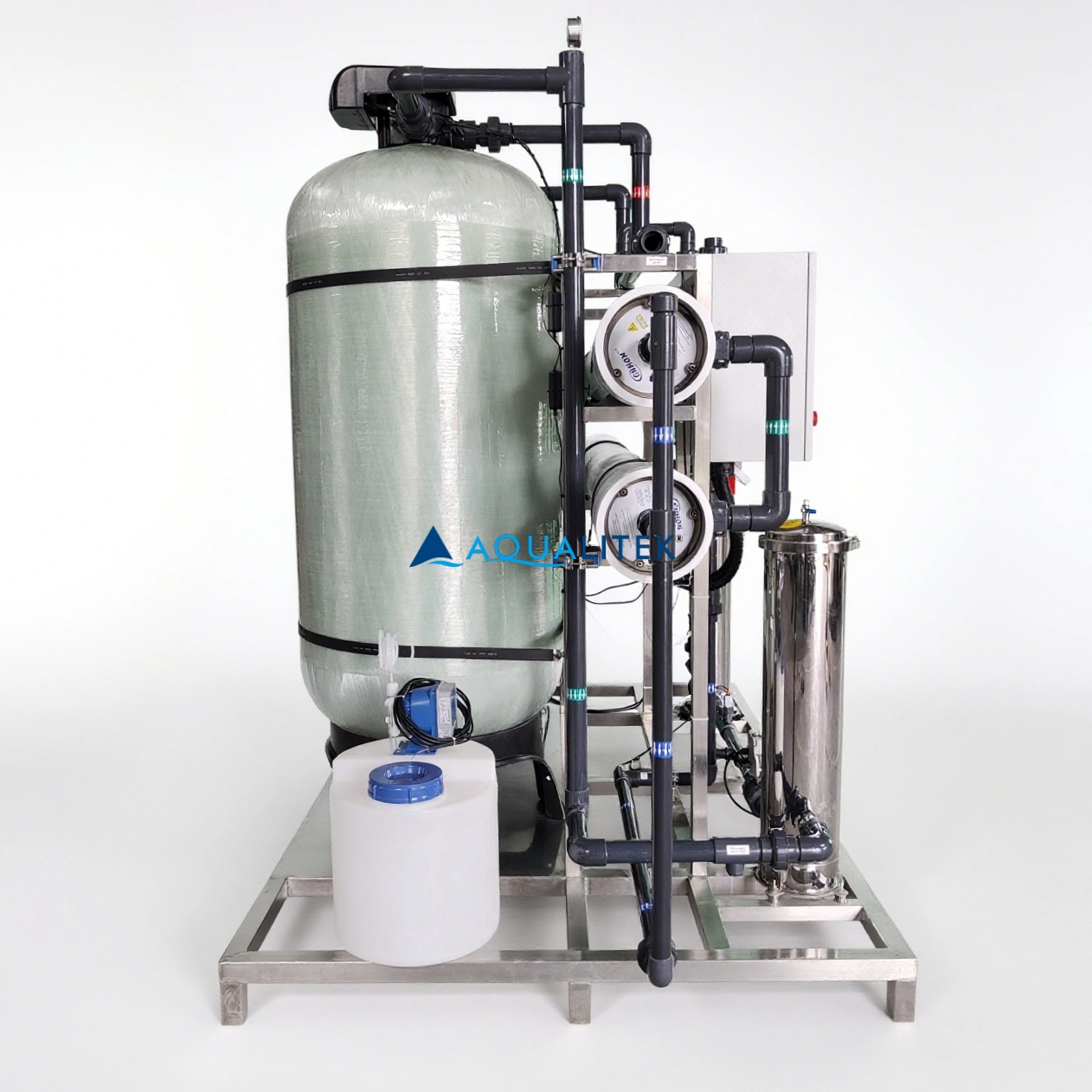
Key Specs to Evaluate in an Industrial RO System Purchase
Membrane Water Treatment Systems
Do you offer plug-and-play solutions?
Absolutely. We offer containerized membrane systems that are factory-tested, compact, and quick to deploy.
FAQ-aqualitek
What types of water treatment systems does AQT offer?
AQT provides a wide range of water purification solutions, including reverse osmosis (RO) systems, ultrafiltration (UF) systems, nanofiltration (NF) systems, deionization (DI) systems, electro-deionization (EDI) systems, chemical dosing systems, and water softeners. We also supply spare parts and components for water treatment systems.
Water Filters
Do you provide replacement parts and consumables?
Yes. We supply cartridges, filter bags, media (sand, carbon, etc.), valve kits, and O-rings for all major systems.
Solutions
Can I use AQT’s water treatment systems for seawater desalination?
Yes! We provide seawater desalination systems using advanced reverse osmosis (RO) technology, specifically designed to convert seawater into fresh, drinkable water. These systems are ideal for coastal communities, marine applications, and industrial desalination projects.
Blog
How do I know when to add salt to my softener?
Check the brine tank monthly. Modern systems often alert you automatically when salt levels are low.
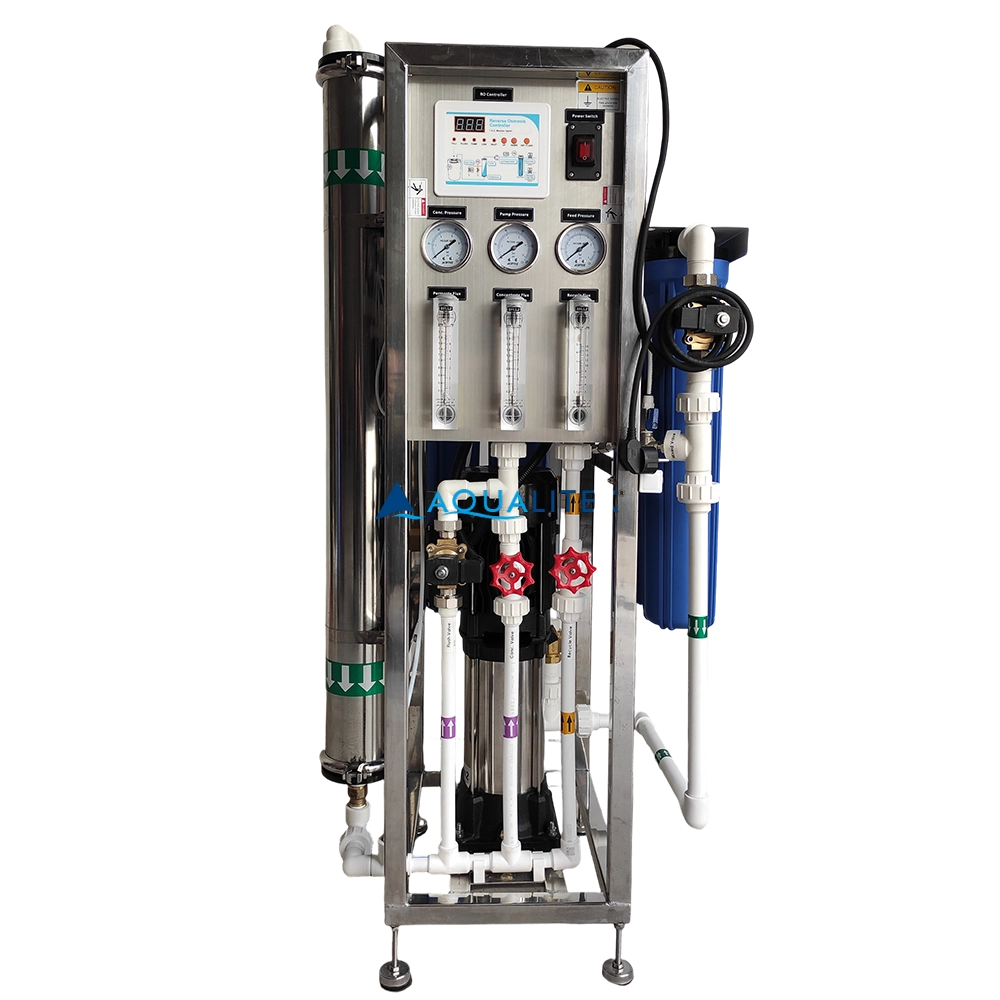
500 LPH Reverse Osmosis (RO) Water Purification Machine TWV - 412
Our 500 LPH Reverse Osmosis (RO) System is engineered to provide high-quality purified water for commercial applications. Designed with advanced RO technology, durable components, and a user-friendly interface, this system ensures consistent performance, low maintenance, and long-term reliability.
With its compact design and robust skid-mounted frame, it’s an excellent choice for businesses that demand efficiency and quality in water purification.
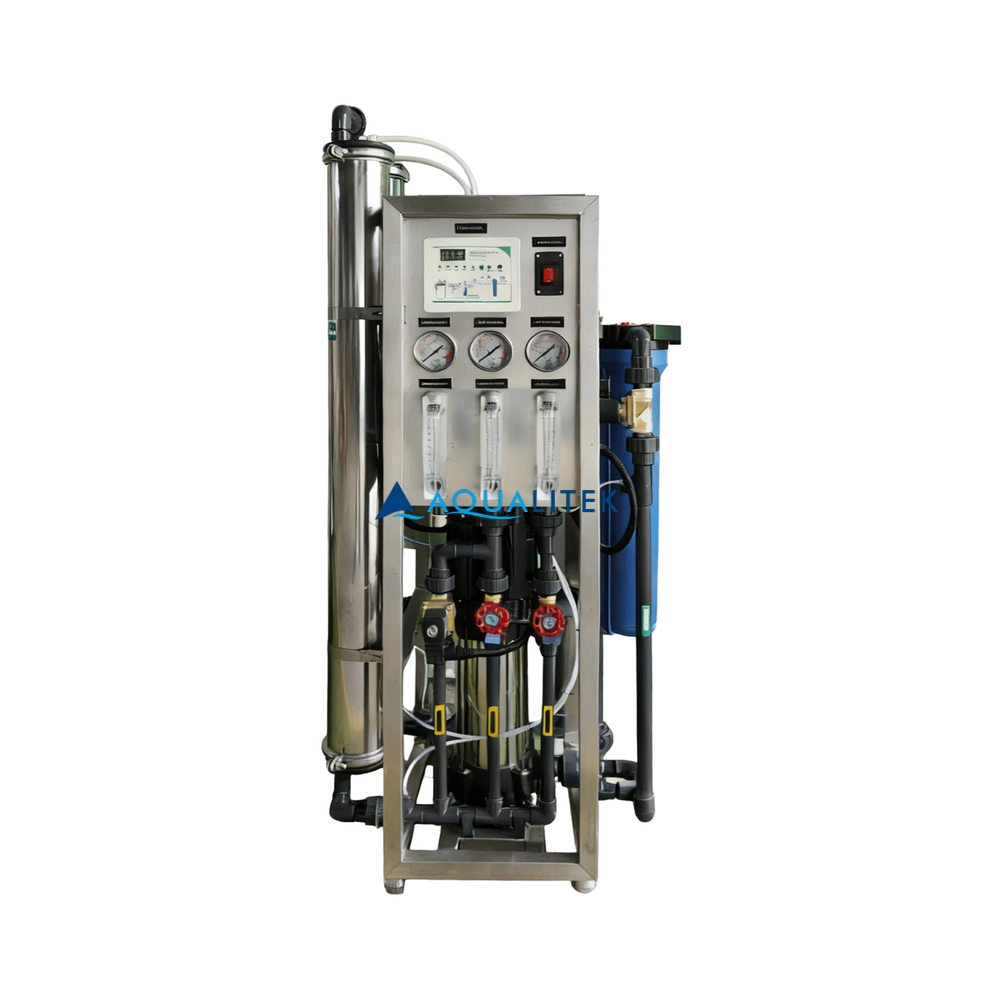
Tap Water Reverse Osmosis (TWRO) Systems TWV Series
TWV series Reverse Osmosis (RO) systems are pre-engineered and pre-assembled units with 2.5”/4” membrane housings(single element type)for tap water(lower TDS).They are designed for overall superior performance, high recovery rates and offer great savings with low maintenance and operation costs.
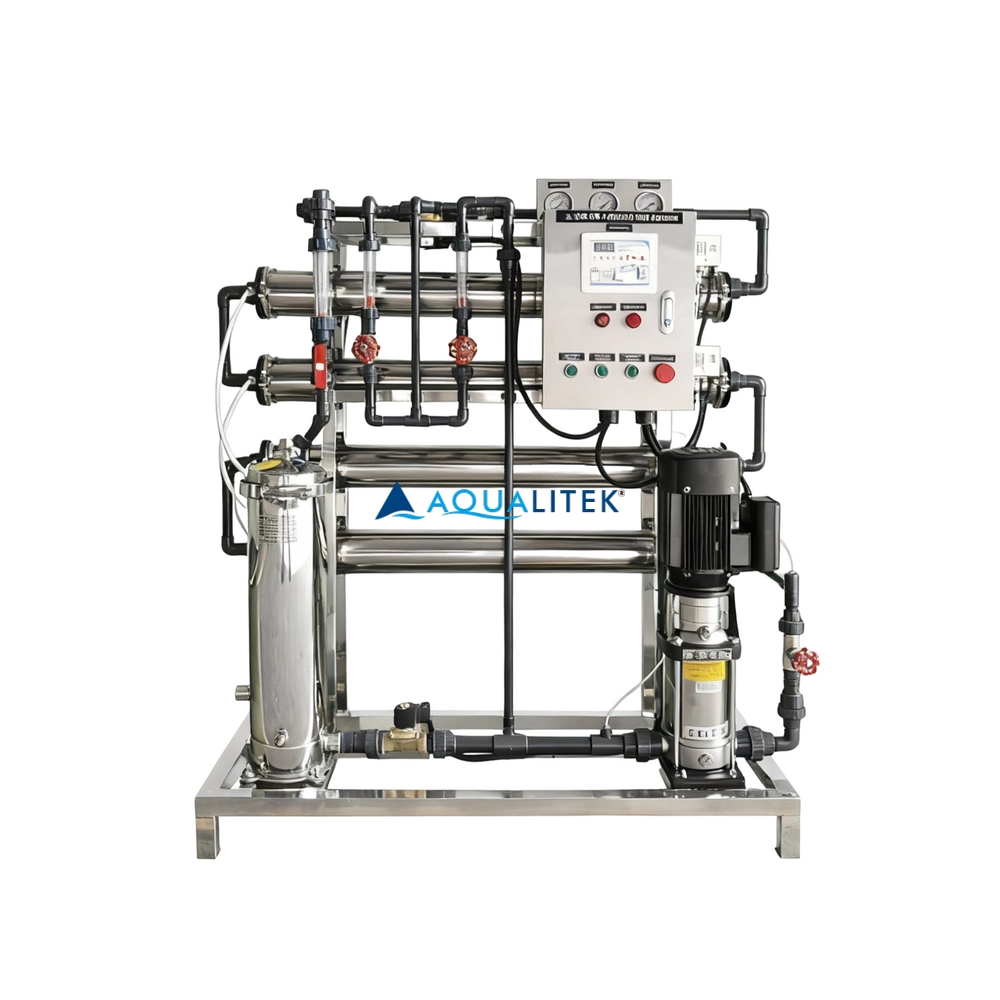
Tap Water Reverse Osmosis (TWRO) Systems TWF Series
TWF series Reverse Osmosis (RO) systems are pre-engineered and pre-assembled units with 4” membrane housings(multiple elements type) for tap water(lower TDS) .The medium large volumes can help meet your a variety of commercial and industrial applications. They are designed for overall superior performance, high recovery rates and offer great savings with low maintenance and operation costs.

Tap Water Reverse Osmosis (TWRO) Systems TWE Series
TWE series Reverse Osmosis (RO) systems are pre-engineered and pre-assembled units with 8” membrane housings for tap water (lower TDS). The large volumes can help meet your a variety of industrial applications. They are designed for overall superior performance, high recovery rates and offer great savings with low maintenance and operation costs.
Request More Information
Contact us today for product catalogs, customization options, and a free quotation designed for your business needs.
Rest assured that your privacy is important to us, and all information provided will be handled with the utmost confidentiality.
© 2026 AQUALITEK. All rights reserved.
AQUALITEK- Aimee Hoo
AQUALITEK - Aimee Hoo