




Total Cost of Ownership for Industrial RO Systems in Manufacturing
- Total Cost of Ownership for Industrial RO Systems in Manufacturing
- What does Total Cost of Ownership (TCO) mean for an industrial ro system?
- Why TCO matters to manufacturing
- Key TCO components for an industrial ro system
- Example assumptions and baseline for a 4TPH industrial ro system
- Why these assumptions?
- Sample annual costs and 10-year lifecycle table (illustrative)
- How AQUALITEK 4TPH Industrial Reverse Osmosis System can reduce TCO
- Practical strategies to lower TCO for industrial ro systems
- Quantifying downtime and quality risk
- Comparative scenarios: low-capex vs optimized-efficiency purchase
- Regulatory and compliance impacts on TCO for industrial ro system
- Selecting the right vendor: features that influence TCO
- Brand advantages: AQUALITEK 4TPH Industrial Reverse Osmosis Water Purification RO System
- Frequently Asked Questions (FAQ)
- Q1: How do I start calculating TCO for our facility?
- Q2: How often should membranes be replaced in an industrial RO system?
- Q3: Can energy recovery devices be used on a 4TPH system?
- Q4: What is the payback period for investing in a higher-efficiency RO system?
- Q5: How does feedwater variability affect TCO?
- Contact us / View product
- Authoritative references

Total Cost of Ownership for Industrial RO Systems in Manufacturing
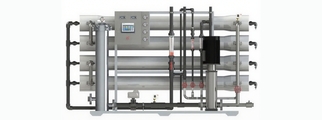
AQUALITEK 4TPH Industrial Reverse Osmosis Water Purification RO System, high-efficiency industrial-grade RO water treatment plant for manufacturing & processing, commercial reverse osmosis filtration system ideal for electronic component cleaning water use.
What does Total Cost of Ownership (TCO) mean for an industrial ro system?
Total Cost of Ownership (TCO) for an industrial ro system measures all costs over the system's lifecycle — not just the purchase price. For manufacturers, TCO includes capital expenditure (CAPEX), operating expenditure (OPEX), maintenance, consumables, energy, downtime, compliance, and eventual disposal or replacement. Evaluating TCO helps procurement and engineering teams choose systems that minimize lifecycle costs while delivering required water quality and uptime.
Why TCO matters to manufacturing
Manufacturers rely on consistent water quality for processes like electronic component cleaning, surface treatment, and cooling. A low initial purchase price can be offset by high running costs. Conversely, a slightly higher-capability RO system such as the AQUALITEK 4TPH Industrial Reverse Osmosis Water Purification RO System may lower overall lifecycle costs through higher efficiency, reduced chemical use, and longer membrane lifetime—critical when product quality and uptime are essential.
Key TCO components for an industrial ro system
Break down TCO into measurable categories to create accurate comparisons between suppliers and system designs:
- CAPEX: equipment, installation, site preparation, pre-treatment, and commissioning.
- Energy costs: pumps, boosters, and any heating or cooling associated with pretreatment or post-treatment.
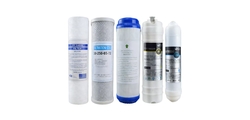
- Consumables: membranes, filters, antiscalants, cleaning chemicals, and replacement parts.
- Maintenance & labor: scheduled servicing, unplanned repairs, and monitoring.
- Wastewater/disposal: concentrate disposal and associated handling or treatment costs.
- Downtime & quality risk: lost production, rework, or product rejects due to water-quality failures.
- Regulatory & compliance costs: monitoring, reporting, and any corrective upgrades.
- Residual value & disposal: salvage value or decommissioning cost at end of life.
Example assumptions and baseline for a 4TPH industrial ro system
To make TCO tangible, we use a standardized operating scenario for a 4TPH industrial ro system. Clarifying assumptions is critical when comparing vendors:
- System: AQUALITEK 4TPH Industrial Reverse Osmosis Water Purification RO System
- Capacity: 4 m3/hour (4 tonnes per hour), continuous 24/7 operation
- Annual throughput: 4 m3/hr * 24 hr/day * 365 days = 35,040 m3/year
- Recovery rate: 75% (typical for brackish industrial RO with good pre-treatment)
- Energy consumption: 2.0 kWh/m3 (conservative, depends on feedwater salinity and system design)
- Electricity price: $0.10 per kWh (adjust to local rates)
- Membrane life: 4 years average (varies by fouling and maintenance)
Why these assumptions?
These values are realistic for industrial RO in manufacturing but should be adjusted for local feedwater conditions (TDS, hardness, organics), available pre-treatment (sand filters, water softeners, antiscalant dosing), and site-specific energy costs. The AQUALITEK 4TPH system is designed for high-efficiency operation in manufacturing environments, making these assumptions a reasonable starting point for TCO modeling.
Sample annual costs and 10-year lifecycle table (illustrative)
The table below provides a sample cost breakdown for the 4TPH system using the assumptions above. These are illustrative values intended to show how TCO categories interact; use your facility data for accurate budgeting.
| Cost Category | Unit / Assumption | Annual Cost (USD) | Notes |
|---|---|---|---|
| Energy | 2.0 kWh/m3 * 35,040 m3 * $0.10/kWh | $7,008 | Main feed pumps, controls; energy recovery devices can reduce this. |
| Membranes | Replacement every 4 years; $8,000 per replacement | $2,000 | Average annualized cost (8k/4) |
| Pre-filters & consumables | Cartridges, carbon, antiscalant | $3,000 | Depends on feedwater quality and pretreatments. |
| CIP (Clean-in-place) chemicals | Acids/alkalis, detergents | $2,500 | Frequency driven by fouling rate. |
| Labor & maintenance | 1.5 FTE-equivalent or contracted service | $18,000 | Includes scheduled service and occasional repairs. |
| Waste concentrate disposal | Handling & treatment | $4,000 | Varies by volume and local disposal fees. |
| Annualized CAPEX | System cost $120,000 amortized over 10 years | $12,000 | Includes installation and pre-treatment hardware amortized. |
| Total annual cost | $48,508 | Illustrative total |
10-year lifecycle cost (simple sum, not discounted): $485,080. Use net present value (NPV) if you want to account for time value of money and escalation in energy or labor costs.
How AQUALITEK 4TPH Industrial Reverse Osmosis System can reduce TCO
The AQUALITEK 4TPH system is tailored for manufacturing applications like electronic component cleaning where stable, high-purity water and consistent throughput are essential. Specific TCO-reducing features include:
- High-efficiency pumps and optimized hydraulic design to reduce kWh/m3.
- Modular design for easy maintenance and reduced downtime.
- Industrial-grade membranes selected for longer life and robustness against fouling.
- Integrated monitoring and control to enable predictive maintenance and minimize unplanned outages.
- Flexible pre-treatment options to protect membranes and reduce chemical/CIP frequency.
Practical strategies to lower TCO for industrial ro systems
Manufacturers can take targeted actions to reduce each TCO component:
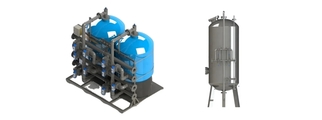
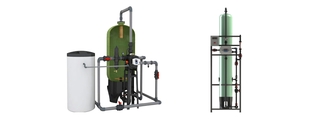
- Optimize pre-treatment: Proper filtration, softening, and antiscalant dosing prevent fouling, extending membrane life and reducing CIP frequency.
- Use energy recovery where feasible: For higher recovery processes, energy recovery devices can substantially cut pump energy use.
- Schedule predictive maintenance: Condition-based monitoring prevents catastrophic membrane failure that causes both replacement costs and downtime.
- Standardize spare parts: Keep a recommended spare-part kit to reduce lead times and avoid extended downtime.
- Train operators: Skilled operators reduce human error, optimize operation, and respond quickly to alarms.
- Measure and benchmark: Track kWh/m3, CIP frequency, recovery rate, and permeate conductivity to spot performance degradation early.
Quantifying downtime and quality risk
Downtime and poor water quality can be the largest hidden costs for manufacturing. For example, a single day of lost production in an electronics cleaning line can exceed the annual OPEX of a small RO plant. When calculating TCO, assign realistic monetary values to:
- Lost production volume per hour/day
- Scrap or rework caused by out-of-spec water
- Supplier penalties for missed delivery schedules
Mitigation measures include redundant systems, hot-swap membrane skids, and real-time quality monitoring with automatic failover.
Comparative scenarios: low-capex vs optimized-efficiency purchase
Two procurement approaches often appear:
- Buy a lower-cost system with minimal features and lower energy efficiency—lower CAPEX but higher OPEX and risk.
- Buy a higher-efficiency system (e.g., AQUALITEK 4TPH) with better components and controls—higher CAPEX but lower OPEX and less downtime risk.
Over a 10-year lifecycle, the higher-efficiency system commonly shows lower TCO when energy savings, reduced membrane replacement, and lower downtime risk are accounted for. Use the sample table above and replace the line items with vendor-specific quotes to run a direct comparison.
Regulatory and compliance impacts on TCO for industrial ro system
Compliance costs can be material when discharge limits, water re-use standards, or hazardous waste rules apply. For the electronics industry, water purity and rinsate disposal must meet customer and environmental standards. Incorporating compliance measures into the initial design (e.g., permeate polishing, concentrate handling) often lowers TCO vs retrofitting later.
Selecting the right vendor: features that influence TCO
When choosing an industrial ro system vendor, evaluate beyond price. Prioritize:
- Proven references in your industry and region
- Service availability and spare-parts logistics
- Warranty terms and performance guarantees
- Remote monitoring and diagnostic support
- Customization to match feedwater and process needs
AQUALITEK's approach emphasizes factory-tested modules, local service networks, and clear performance documentation—features that reduce unplanned costs and shorten payback time.
Brand advantages: AQUALITEK 4TPH Industrial Reverse Osmosis Water Purification RO System
In summary, the AQUALITEK 4TPH system combines industrial-grade reliability, energy-efficient components, and tailored pre-treatment options that together lower the TCO for manufacturing customers. Key advantages include:
- Application fit: Designed for manufacturing & processing, ideal for electronic component cleaning water use.
- Efficiency: Optimized hydraulics and pump selection to reduce kWh/m3.
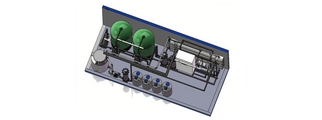
- Serviceability: Modular skid design enables quick servicing and minimal downtime.
- Support: Performance validation, commissioning assistance, and training reduce operator error and speed ROI.
Frequently Asked Questions (FAQ)
Q1: How do I start calculating TCO for our facility?
Start by collecting: local energy price, expected operating hours, feedwater quality (TDS, hardness, organics), current wastewater disposal costs, and present labor costs. Use a baseline annual throughput (e.g., 35,040 m3/year for a 4TPH continuous system) and plug those inputs into the cost categories provided earlier.
Q2: How often should membranes be replaced in an industrial RO system?
Membrane lifetime typically ranges from 3 to 7 years depending on feedwater quality and maintenance. Proper pre-treatment and regular CIP can extend life. Use membrane performance metrics (normalized permeate flow and salt passage) to plan replacements.
Q3: Can energy recovery devices be used on a 4TPH system?
Energy recovery is most effective on high-pressure, high-recovery systems (e.g., seawater RO). For brackish or low-pressure industrial RO, energy recovery options are limited but improved hydraulics and efficient pumps still provide meaningful savings.
Q4: What is the payback period for investing in a higher-efficiency RO system?
Payback depends on the capital High Quality, energy savings, reduced membrane and chemical costs, and avoided downtime. In many industrial cases the payback falls in the 2–6 year range when all operational benefits are accounted for.
Q5: How does feedwater variability affect TCO?
Significantly. High variability increases fouling risk, CIP frequency, and membrane replacement. Designing adaptive pre-treatment and control strategies for variable feedwater reduces those costs over time.
Contact us / View product
A clear TCO analysis depends on accurate technical inputs, making it critical to review key specs to evaluate in an industrial RO system purchase.To evaluate TCO for your specific plant and to get a tailored quote for the AQUALITEK 4TPH Industrial Reverse Osmosis Water Purification RO System, contact our sales engineers for a free site assessment and lifecycle cost model. Visit the product page or contact our team to schedule a demo and get a customized TCO analysis.
Authoritative references
- Reverse osmosis — Wikipedia: https://en.wikipedia.org/wiki/Reverse_osmosis
- US EPA — Desalination and Water Reuse: https://www.epa.gov/water-research/desalination
- International Desalination Association (IDA): https://idadesal.org/
- U.S. Department of Energy — Desalination (EERE): https://www.energy.gov/eere/water/desalination
- International Water Association (IWA): https://www.iwa-network.org/
- American Membrane Technology Association (AMTA): https://www.amtaorg.com/
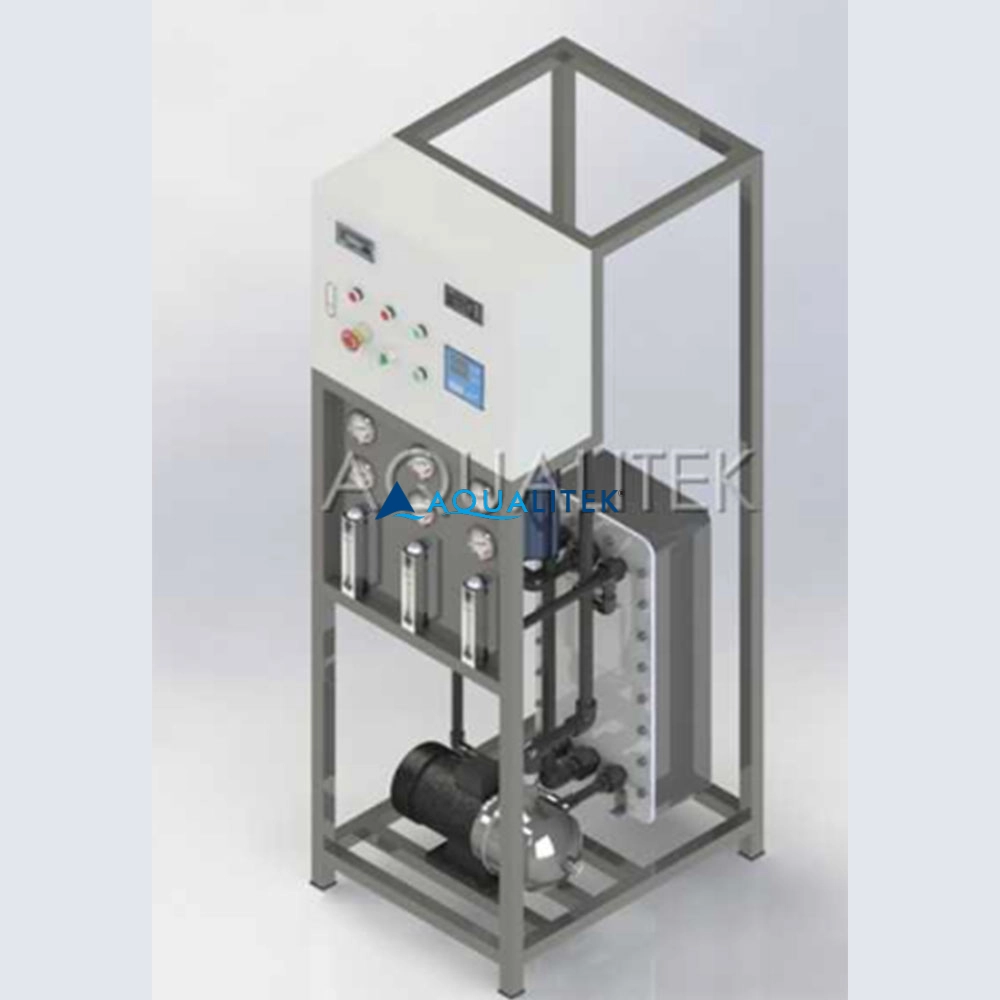
Choosing Electrodeionization Systems: Key Specs to Compare
Selecting Electrodeionization Systems for Semiconductor and Lab Use
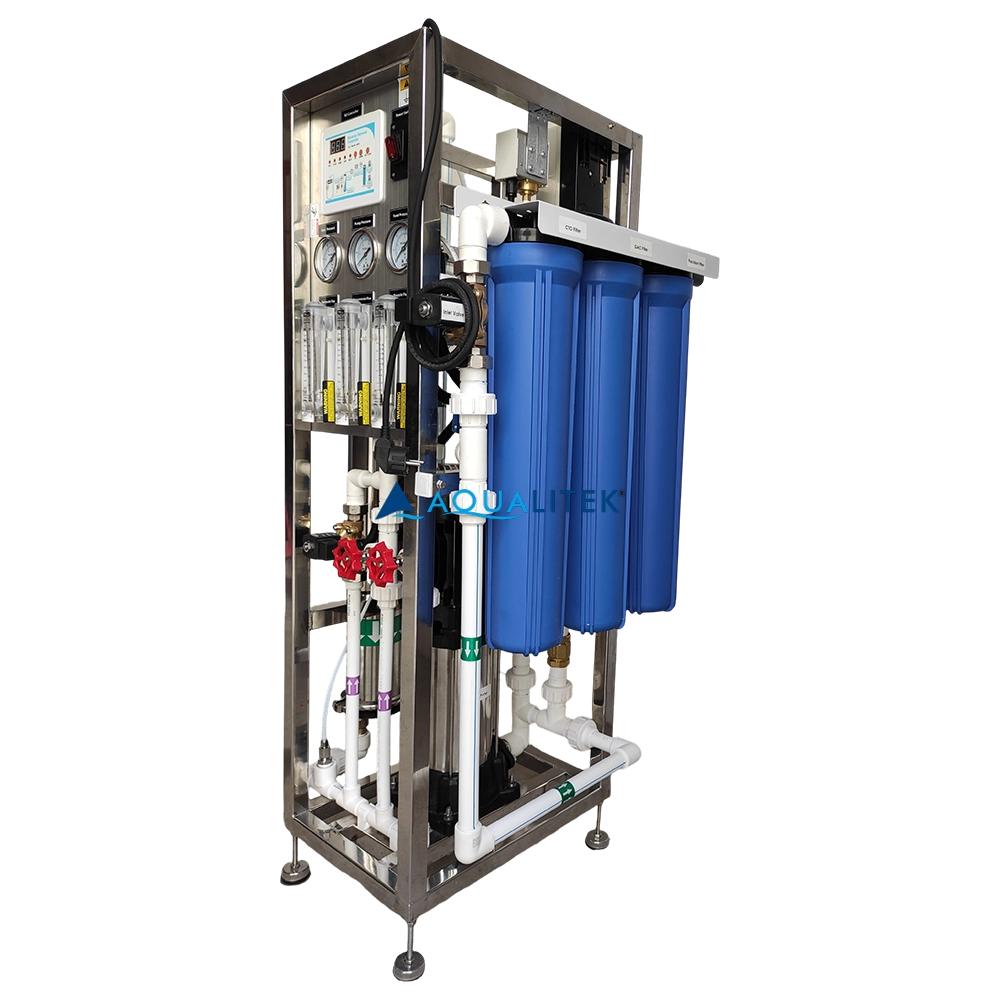
Best Reverse Osmosis Water Filter System for High Capacity Use
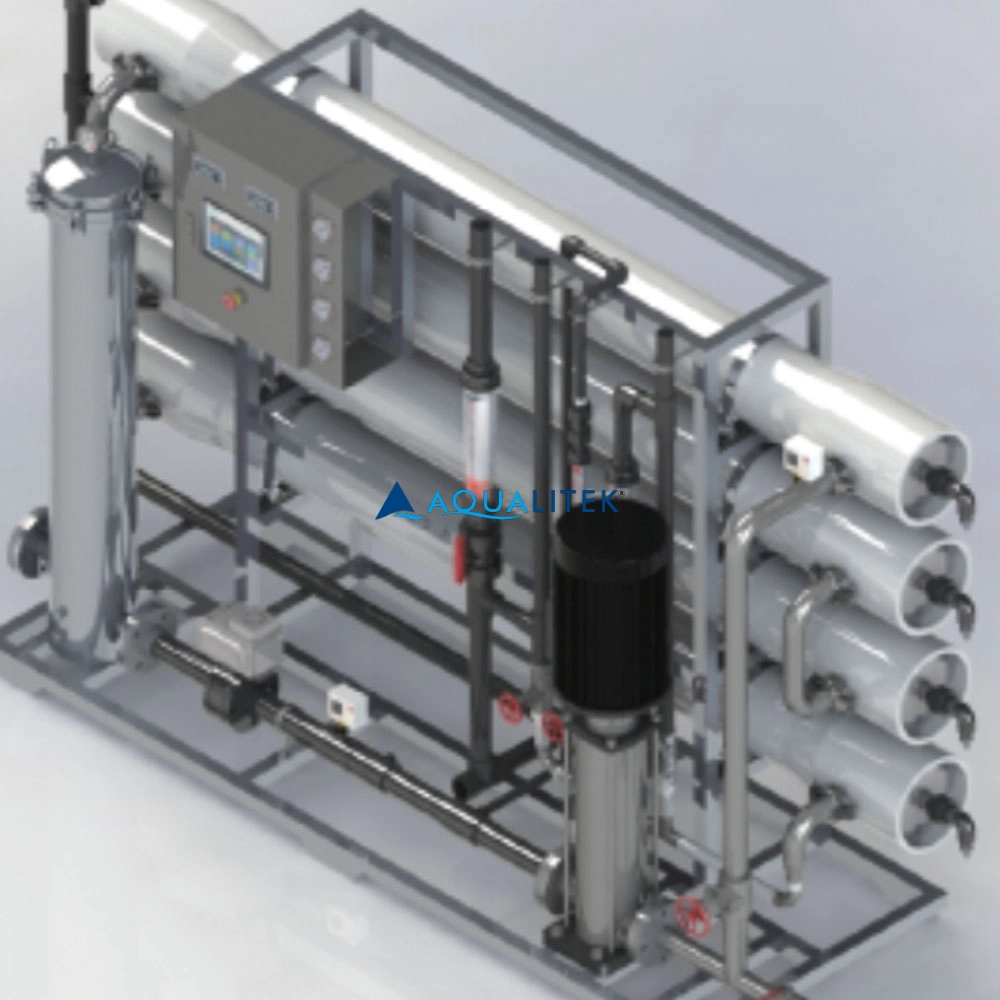
Benefits of Brackish Water Reverse Osmosis for Well Water
Solutions
How do I choose the right water treatment system for my needs?
The choice depends on factors such as water quality, application, flow rate, and purification requirements. Our team of experts can analyze your water source and recommend the most suitable solution for residential, commercial, or industrial applications.
Are AQT’s water treatment products certified?
Yes! Our products comply with international quality and safety standards, including ISO, CE, and NSF certifications. We prioritize high-quality materials, advanced technology, and strict quality control to ensure superior performance and reliability.
How often should I replace filters and membranes?
Filter and membrane lifespan depends on water quality, usage, and system type. General guidelines:
1. Sediment & Carbon Filters: Replace every 6–12 months.
2. RO Membranes: Replace every 2–3 years, depending on water conditions.
3. UF/NF Membranes: Replace every 1–2 years.
Regular maintenance ensures optimal performance and water quality.
Blog
How long does a water softener system last?
Most systems last 10–15 years with proper maintenance. Resin beads may need replacement after 8–10 years.
Is softened water safe to drink?
Yes, but those on low-sodium diets should consider potassium-based softeners or install a separate drinking water filter.
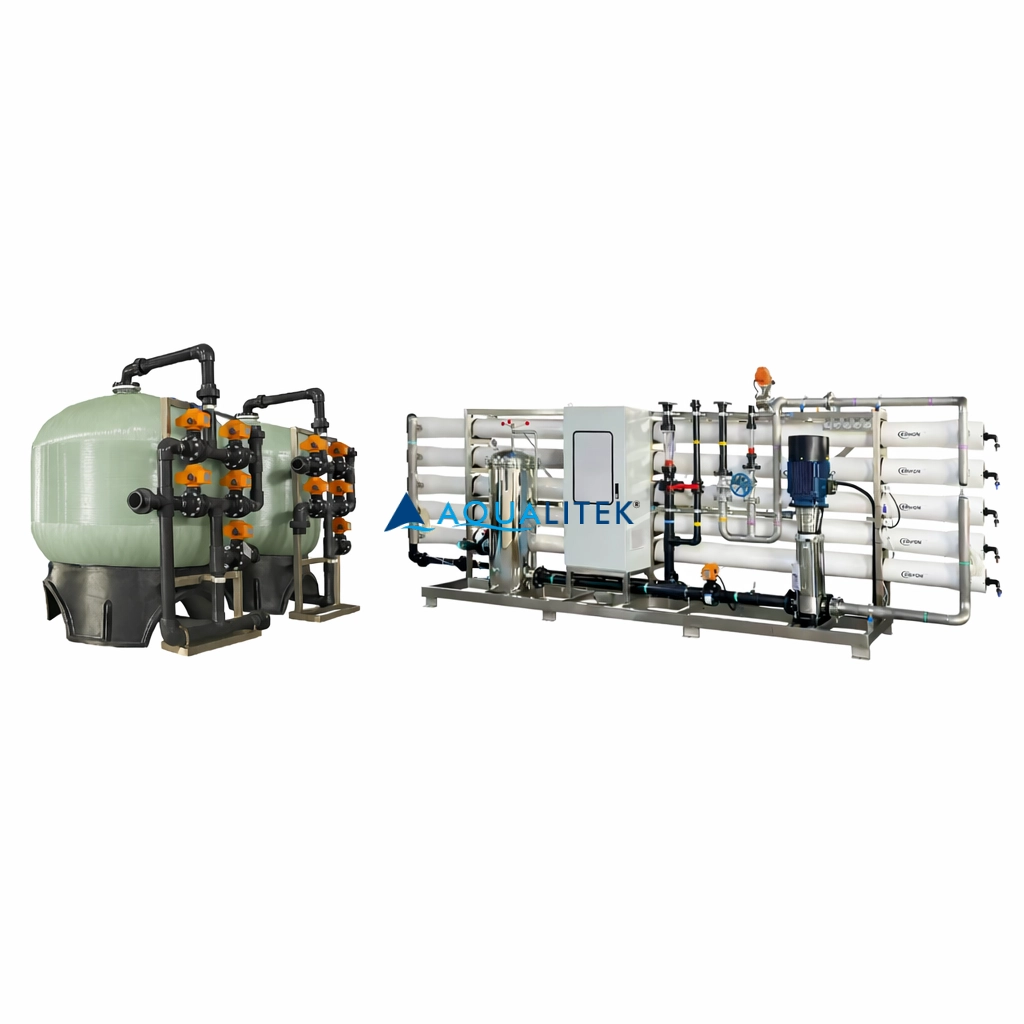
30TPH Industrial Reverse Osmosis (RO) System
30TPH Industrial Reverse Osmosis (RO) System designed for industrial and municipal water treatment. High salt rejection, energy-efficient design, PLC control, and customizable configuration.
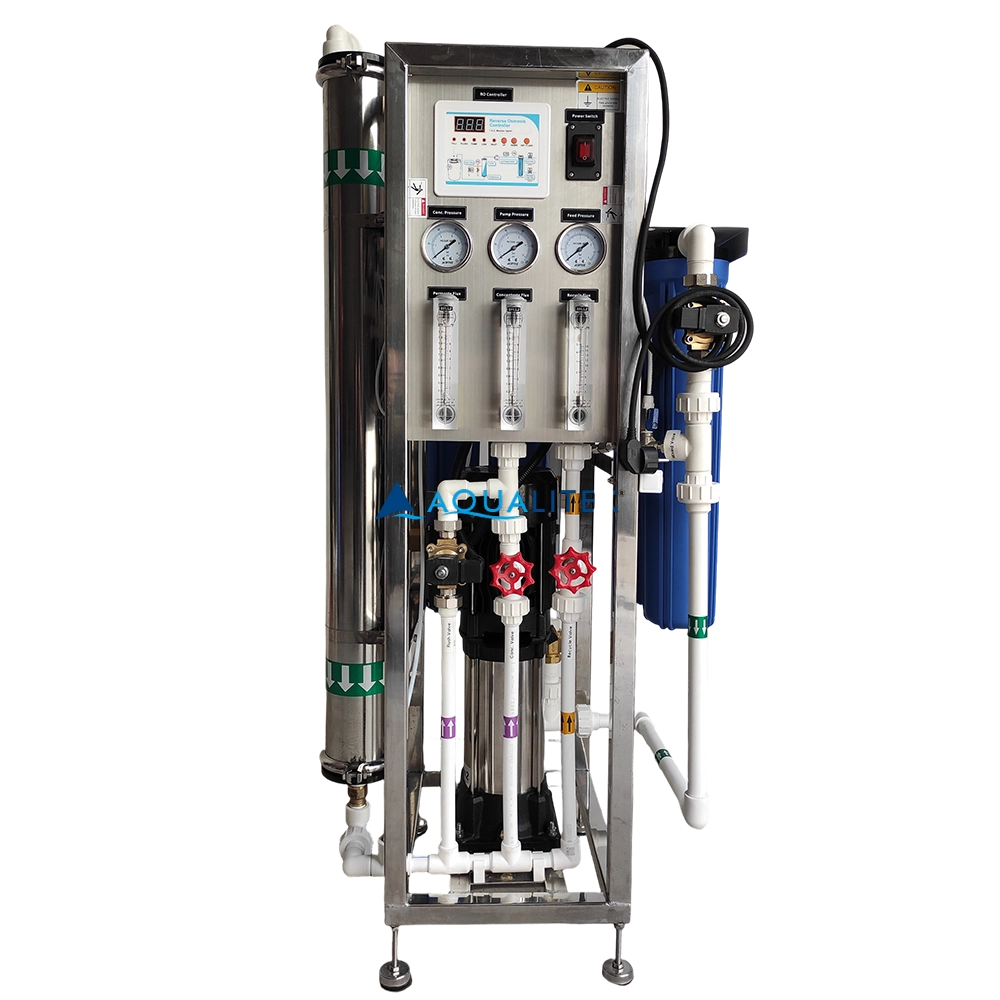
500 LPH Reverse Osmosis (RO) Water Purification Machine TWV - 412
Our 500 LPH Reverse Osmosis (RO) System is engineered to provide high-quality purified water for commercial applications. Designed with advanced RO technology, durable components, and a user-friendly interface, this system ensures consistent performance, low maintenance, and long-term reliability.
With its compact design and robust skid-mounted frame, it’s an excellent choice for businesses that demand efficiency and quality in water purification.
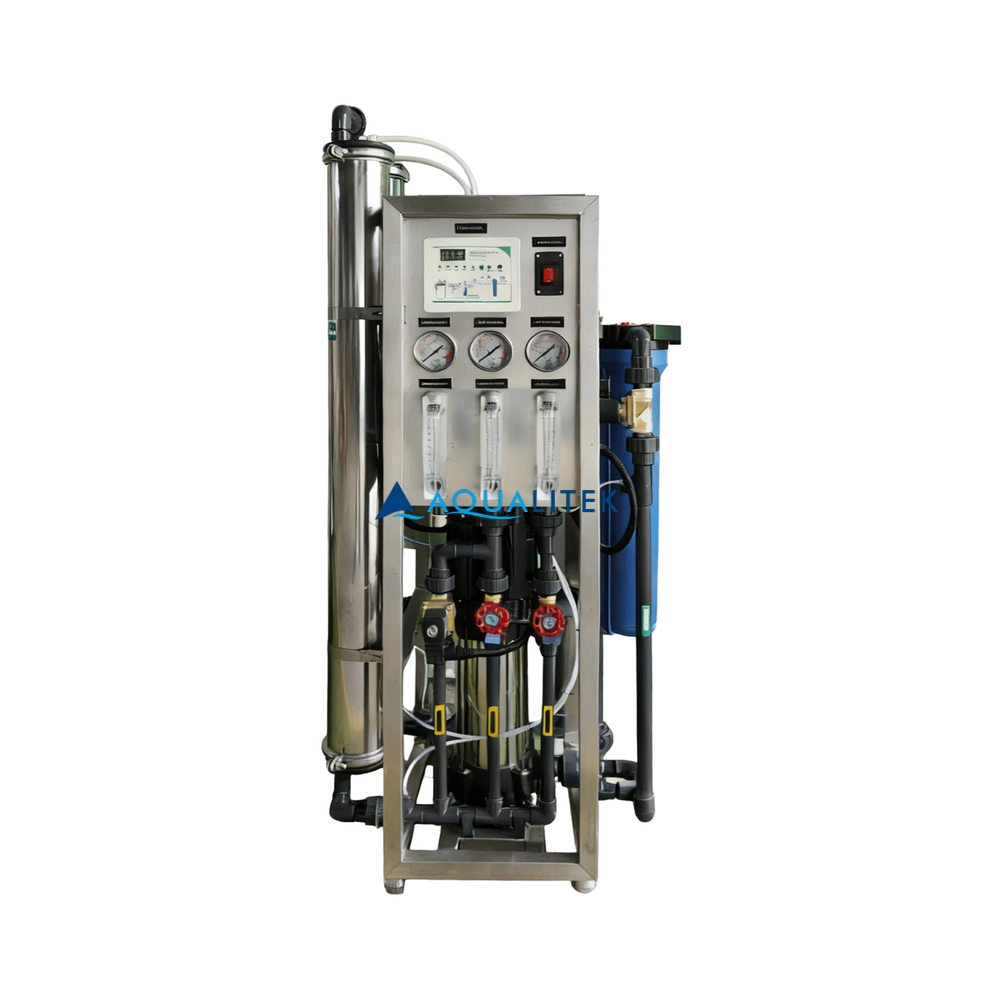
Tap Water Reverse Osmosis (TWRO) Systems TWV Series
TWV series Reverse Osmosis (RO) systems are pre-engineered and pre-assembled units with 2.5”/4” membrane housings(single element type)for tap water(lower TDS).They are designed for overall superior performance, high recovery rates and offer great savings with low maintenance and operation costs.
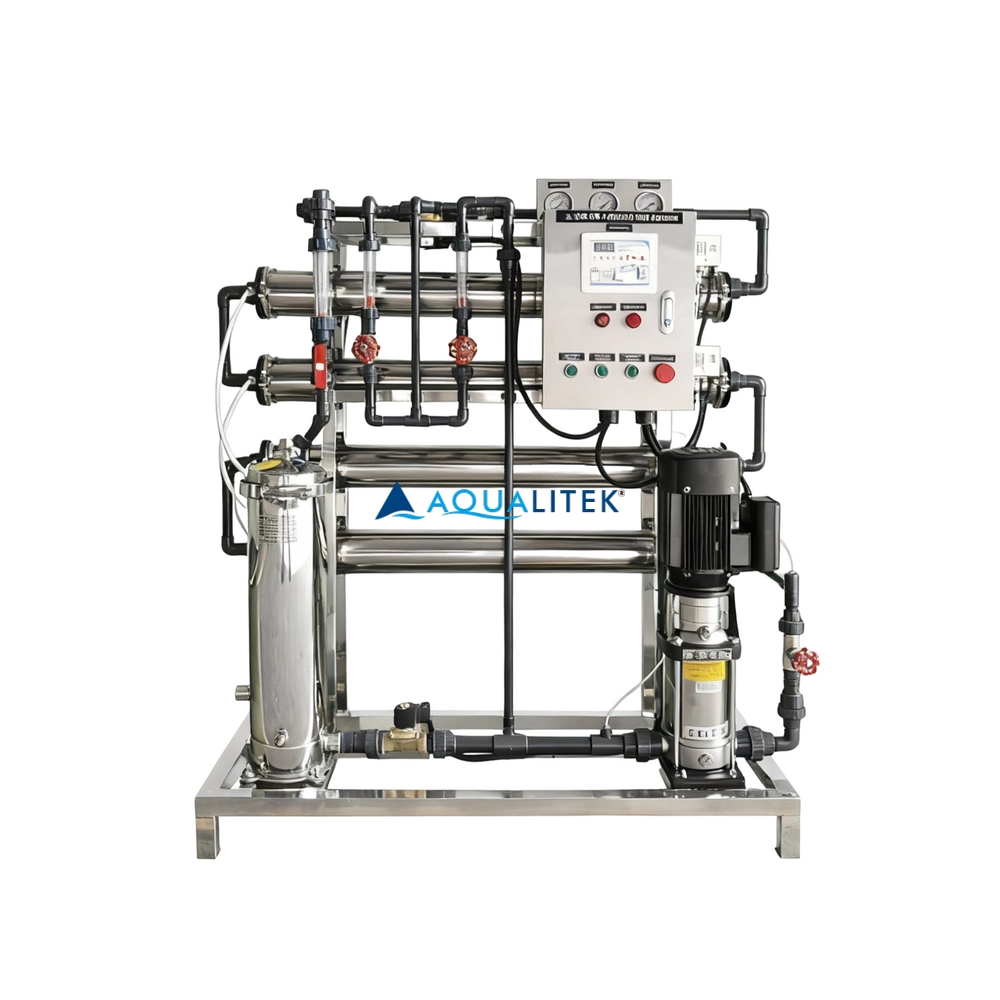
Tap Water Reverse Osmosis (TWRO) Systems TWF Series
TWF series Reverse Osmosis (RO) systems are pre-engineered and pre-assembled units with 4” membrane housings(multiple elements type) for tap water(lower TDS) .The medium large volumes can help meet your a variety of commercial and industrial applications. They are designed for overall superior performance, high recovery rates and offer great savings with low maintenance and operation costs.
Request More Information
Contact us today for product catalogs, customization options, and a free quotation designed for your business needs.
Rest assured that your privacy is important to us, and all information provided will be handled with the utmost confidentiality.
© 2026 AQUALITEK. All rights reserved.
AQUALITEK- Aimee Hoo
AQUALITEK - Aimee Hoo