



Selecting Electrodeionization Systems for Semiconductor and Lab Use
- Understanding Electrodeionization and Its Role in High-Purity Water Production
- What is electrodeionization (EDI) and how it works
- Why EDI for semiconductor fabs and labs
- Where EDI fits in a purification train
- Key Selection Criteria for Electrodeionization Systems
- Water quality targets: resistivity, TOC and silica
- Flow rate and recovery requirements
- Feedwater quality and pretreatment needs
- Design, Operation and Maintenance Considerations
- Stack design and materials compatibility
- Monitoring, controls and automation
- Maintenance intervals and consumables
- Performance Comparison: EDI vs Alternatives
- When to choose EDI over mixed-bed DI
- Integration with Reverse Osmosis and other polishing steps
- Comparison table
- Selecting the Right Electrodeionization System for Your Facility
- Match system capacity to process demand and redundancy
- Consider physical footprint, utility requirements and installation
- Validation, documentation and compliance
- Brand and Product Considerations: Electrodeionization Systems to Get UltraPure Water
- Product overview
- Brand advantages and differentiators
- Service, warranties and lifecycle support
- Practical Tips and Troubleshooting
- Preventing fouling and scaling
- Addressing resistivity drift or sudden drops
- When TOC reduction is inadequate
- Frequently Asked Questions (FAQ)
- Q: Can EDI replace mixed-bed DI for all ultrapure water needs?
- Q: What feedwater quality is required for reliable EDI operation?
- Q: How do I size an EDI system for my lab or fab?
- Q: What typical operating costs should I expect compared to mixed-bed DI?
- Q: Is EDI environmentally friendly?

Electrodeionization (EDI) is a continuous, chemical-free deionization technology that produces ultrapure water with stable resistivity and low ionic contamination, making it ideal for semiconductor manufacturing and laboratory applications where water quality, process control, and sustainability are critical. This guide explains how to choose EDI systems, integration with pretreatment (RO + polishing), performance metrics (resistivity, total organic carbon (TOC), and silica control), operational considerations, and the practical trade-offs between EDI, mixed-bed ion exchange, and other polishing technologies. When all application-specific requirements are considered, teams often return to the buyer’s guide for electrodeionization systems for ultrapure water to finalize a well-informed procurement decision.
Understanding Electrodeionization and Its Role in High-Purity Water Production
What is electrodeionization (EDI) and how it works
Electrodeionization combines ion exchange resins and ion-exchange membranes with an applied electric field to continuously remove ionic contaminants from water. Unlike mixed-bed deionizers that require periodic chemical regeneration, EDI continuously removes ions by migrating them through selective membranes toward electrodes and into concentrate streams. For an accessible technical overview, see the Electrodeionization article on Wikipedia (https://en.wikipedia.org/wiki/Electrodeionization).
Why EDI for semiconductor fabs and labs
Semiconductor manufacturing and analytical laboratories require ultrapure water with stable high resistivity (approaching 18.2 MΩ·cm), very low ionic background, and tight control of organics and particulate contamination. EDI supports continuous production of high-quality deionized water without chemical regenerants, improving process repeatability, reducing chemical handling hazards, and lowering waste disposal demands. Ultrapure water principles are summarized in the Ultrapure Water article (https://en.wikipedia.org/wiki/Ultrapure_water).
Where EDI fits in a purification train
Typical layouts for semiconductor/lab-grade water use a staged approach: pretreatment (sediment/carbon, softening if required), reverse osmosis (RO) to remove bulk ions, followed by EDI as a final polishing step to reach target resistivity and ionic limits. EDI is most effective when feedwater has low conductivity (typical RO permeate < 50–100 µS/cm) to keep concentrate currents manageable and maximize electrode life.
Key Selection Criteria for Electrodeionization Systems
Water quality targets: resistivity, TOC and silica
Define clear specifications: target resistivity (e.g., 16–18.2 MΩ·cm), maximum TOC (often < 10 ppb for critical semiconductor processes), particulate limits (< 0.05 µm for some tools), and silica limits. These targets determine EDI stack sizing, the need for additional polishing (mixed-bed or UV), and the type of resin/membrane options. Monitoring TOC and resistivity provides early warning of performance drift.
Flow rate and recovery requirements
Select an EDI based on continuous flow demand (L/min or m3/h) plus a safety margin (typically 15–25%). For intermittent high peaks, consider buffer tanks and recirculation loops to maintain continuous EDI operation; EDI performance depends on steady flows and stable feed conductivity.
Feedwater quality and pretreatment needs
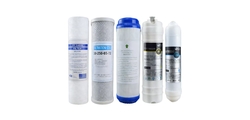
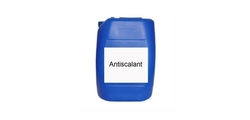
EDI performs best on RO permeate: low TDS, low hardness, and minimal chlorine/chloramine (which can damage ion-exchange resins and membranes). Ensure proper pretreatment: activated carbon to remove free chlorine, appropriate softening or antiscalants to control hardness and silica, and cartridge filtration to remove particulates. A robust pretreatment reduces fouling and extends EDI stack life.
Design, Operation and Maintenance Considerations
Stack design and materials compatibility
Consider stack configuration (number of cell pairs), membrane chemistry, and resin type. Semiconductor and lab applications favor low-leaching, high-purity materials to keep extractables and TOC low. Confirm that housings, seals, and gaskets meet high-purity material standards (e.g., EPDM, PTFE where appropriate) and are compatible with any CIP (clean-in-place) procedures.
Monitoring, controls and automation
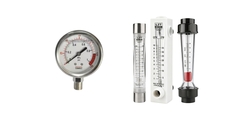
Effective EDI systems include real-time monitoring for resistivity/conductivity, differential pressure (for fouling detection), temperature compensation (resistivity is temperature-dependent), and optionally TOC sensors. Integration with SCADA or building automation systems allows alarm thresholds, data logging, and trend analysis — critical for fabs and regulated labs that require traceable records.
Maintenance intervals and consumables
Although EDI eliminates chemical regenerants, it still requires periodic maintenance: membrane cleaning or replacement, electrode maintenance, resin reconditioning (depending on design), and routine pretreatment cartridge change-outs. Expected membrane life varies with feedwater and operating conditions; plan for scheduled inspections and keep spare critical components to avoid unplanned downtime.
Performance Comparison: EDI vs Alternatives
When to choose EDI over mixed-bed DI
EDI replaces mixed-bed deionization in continuous processes where chemical-free operation, lower labor, and reduced waste are priorities. Mixed-bed DI can still provide the highest polishing in batch or critical point-of-use applications but requires regular acid/base regenerations, chemical handling, and downtime.
Integration with Reverse Osmosis and other polishing steps
RO + EDI is a proven combination: RO removes most salts and organics, lowering ion load on the EDI and improving efficiency. For the most demanding semiconductor needs, an RO + EDI + final mixed-bed or ultrapure polishing loop (including UV TOC reduction and submicron filtration) may be used to meet the most stringent TOC and particle specs.
Comparison table
Below is a practical comparison of common polishing approaches for ultrapure water production.
| Technology | Strengths | Limitations | Best Use |
|---|---|---|---|
| Electrodeionization (EDI) | Chemical-free, continuous, low operating labor, stable resistivity | Requires RO pretreatment; sensitive to chlorine/scaling; upfront cost | Continuous ultrapure water for labs & semiconductor fabs |
| Mixed-Bed Ion Exchange (MB DI) | High polishing capacity; flexible for point-of-use | Chemical regeneration, downtime, waste regeneration brine | Batch polishing, final point-of-use polishing |
| Reverse Osmosis (RO) | High salt rejection; removes most TDS and organics | Not sufficient alone for 18.2 MΩ·cm; rejects but does not remove dissolved gases/organics fully | Primary desalting pretreatment |
Selecting the Right Electrodeionization System for Your Facility
Match system capacity to process demand and redundancy
Choose an EDI with rated capacity that comfortably meets steady-state demand; for mission-critical semiconductor tools, design for N+1 redundancy. A typical configuration is two parallel EDI trains with automatic switchover or a primary EDI plus standby module to enable maintenance without interrupting supply.
Consider physical footprint, utility requirements and installation
Evaluate the footprint, electrical requirements (voltage/current for stacks), drainage for concentrate stream, and any ventilation needs for electrode compartments. Confirm that site RO permeate flow and pressure are compatible with EDI feed specifications. Plan piping materials and point-of-use routing to minimize contamination pickup after polishing.
Validation, documentation and compliance
For regulated environments, ensure the EDI vendor can provide documentation: material certificates, factory acceptance tests, validation protocols (IQ/OQ/PQ), and long-term service agreements. Traceable calibration and data logging help meet audit requirements. Industry standards and guidance, including SEMI and laboratory best practices, inform qualification strategies (see SEMI Standards overview: https://www.semi.org/en/standards).
Brand and Product Considerations: Electrodeionization Systems to Get UltraPure Water
Product overview
Electrodeionization Systems to Get UltraPure Water: Electrodeionization (EDI) system is an advanced water purification technology that combines ion exchange and electrochemical processes to produce ultra-pure water. Unlike traditional deionization methods, which rely on chemical regeneration, EDI utilizes electric fields to drive the movement of ions through ion-exchange membranes, effectively removing dissolved salts and other ionic contaminants.
This process is continuous and does not require the use of chemicals for regeneration, making it an environmentally friendly and cost-effective solution for producing high-quality deionized water. EDI systems are widely used in applications requiring ultrapure water, such as in the pharmaceutical, semiconductor, power generation, and biotechnology industries, as well as for laboratory use.
By offering high-purity water without the need for chemical regeneration, EDI systems provide a sustainable, efficient, and reliable alternative to traditional deionization methods, making them an ideal choice for industries where water quality and process control are critical.
Brand advantages and differentiators
- Proven RO + EDI integration packages sized for semiconductor and laboratory throughput, minimizing performance risks from mismatched components.
- Low-leach membranes and virgin high-purity resins to reduce TOC and extractables, targeting sub-ppb TOC levels when combined with UV polishing.
- Advanced control systems with real-time resistivity and TOC monitoring, temperature compensation, and remote telemetry for predictive maintenance.
- Designed for maintainability: modular stacks, accessible electrodes, and service-friendly components reduce Mean Time To Repair (MTTR).
- Comprehensive documentation packages (IQ/OQ/PQ) and industry reference installations to support validation for regulated labs and fabs.
Service, warranties and lifecycle support
Long-term reliability depends on responsive service and planned preventive maintenance. Choose vendors that provide scheduled membrane inspections, spare parts kits, extended warranties, and training for onsite technicians. A service contract that includes performance guarantees for resistivity and TOC helps mitigate operational risks.
Practical Tips and Troubleshooting
Preventing fouling and scaling
Maintain robust pretreatment: keep chlorine/chloramine out of feedwater with activated carbon, control hardness and silica via appropriate RO antiscalants or softening, and ensure particulate filtration (typically 1–5 µm cartridges) upstream of the EDI stack. Monitor differential pressure and reject conductivity to detect early signs of fouling.
Addressing resistivity drift or sudden drops
Common causes of resistivity drop: increased feed conductivity (RO membrane failure or increased TDS), TOC spikes, membrane damage from oxidants, or compromised pretreatment. Check RO permeate quality, verify carbon beds for breakthrough, inspect for leaks or by-pass paths, and review operating logs for recent upsets.
When TOC reduction is inadequate
TOC is not fully removed by EDI; combining UV oxidation and TOC removal steps (UV at 185 nm for TOC reduction and 254 nm for disinfection) plus activated carbon and proper polishing is often required for stringent TOC specs. Place TOC sensors before and after polishing to localize sources.
Frequently Asked Questions (FAQ)
Q: Can EDI replace mixed-bed DI for all ultrapure water needs?
A: EDI is an excellent continuous alternative to mixed-bed DI for many applications. However, the final point-of-use requirements for some semiconductor processes may still mandate mixed-bed polishing or closed-loop recirculation to achieve the particle or TOC limits. Often RO + EDI + UV + polishing loop provides the best combination.
Q: What feedwater quality is required for reliable EDI operation?
A: EDI typically requires RO permeate with low conductivity (often < 50–100 µS/cm), low hardness, and no residual chlorine. Proper pretreatment (carbon filtration, cartridge filters, antiscalant/softening as needed) is essential to avoid membrane damage and fouling.
Q: How do I size an EDI system for my lab or fab?
A: Determine the continuous flow (L/min or m3/h) required at target resistivity, include a safety margin (15–25%), account for peak demands with buffer storage, and consider redundancy for critical processes. Engage with vendors to perform a site-specific water balance and sizing study.
Q: What typical operating costs should I expect compared to mixed-bed DI?
A: EDI typically has higher initial capital cost than a single mixed-bed unit but lower operating cost over time because there are no chemical regenerants and reduced labor. Total cost depends on local chemical disposal costs, labor rates, and electricity for EDI stacks. A detailed lifecycle cost assessment will quantify the payoff period.
Q: Is EDI environmentally friendly?
A: Yes. EDI eliminates the need for acid/base regeneration chemicals and associated hazardous waste. It does generate a concentrate stream that needs proper disposal or treatment, but overall chemical consumption and hazardous waste generation are significantly lower than traditional regenerable DI systems.
If you would like assistance selecting the right Electrodeionization Systems to Get UltraPure Water for your semiconductor fab or laboratory, contact our technical sales team for a site evaluation, system sizing, and pilot testing options. View our product pages or request a quote through our contact center.
Contact Us: For product details, validation documentation, or to schedule a technical consultation, please contact our sales engineers or request a quote on the product page. Explore Electrodeionization Systems to Get UltraPure Water and get tailored recommendations for your facility.
Top Innovations from Reverse Osmosis System Manufacturers 2025
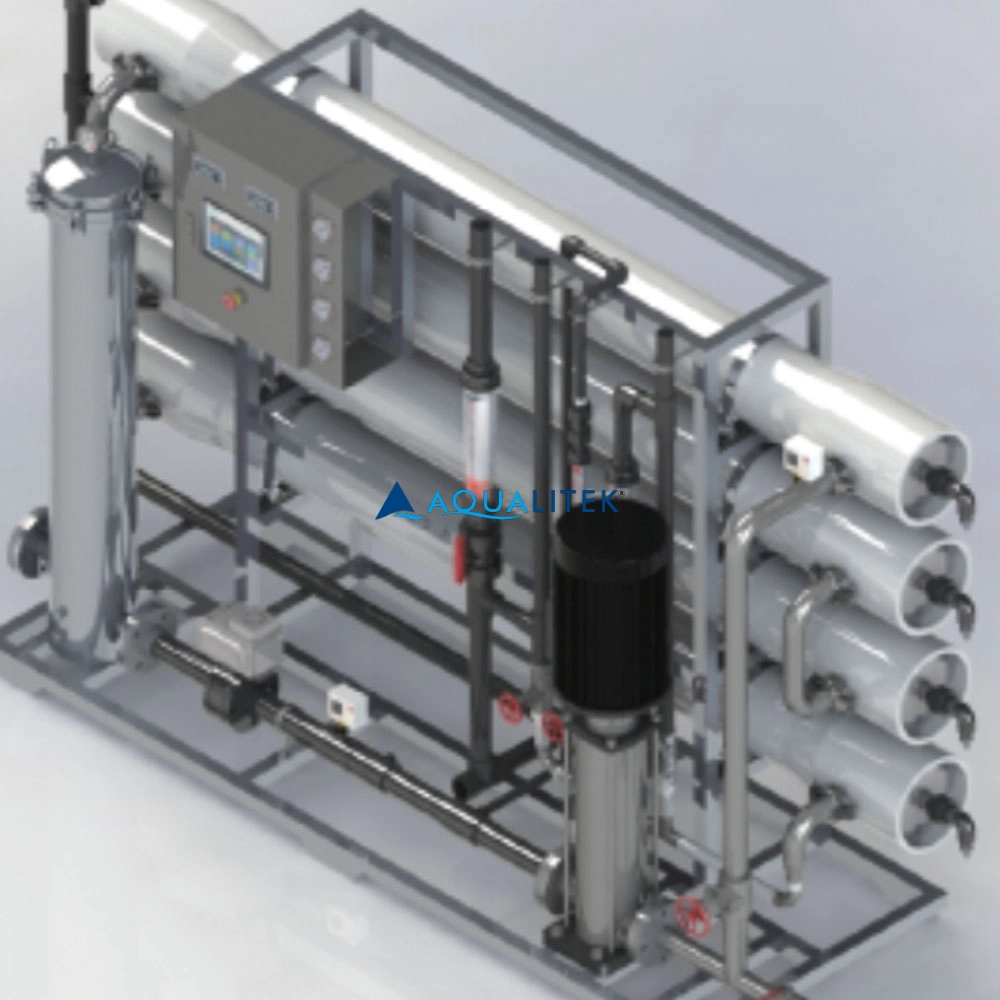
Troubleshooting BWRO BWE Systems: Solving Well Water Issues
Benefits of activated carbon filtration in industrial water treatment
Optimizing BWRO BWE Performance: Pre-treatment for Well Water
Membrane Water Treatment Systems
Can your membrane systems treat seawater?
Yes. Our seawater RO systems are designed to handle high salinity with corrosion-resistant materials and energy recovery devices.
Blog
Can I use a water softener with a septic system?
Yes. Studies show no negative impact, especially when using metered regeneration systems.
Solutions
Are AQT’s water treatment products certified?
Yes! Our products comply with international quality and safety standards, including ISO, CE, and NSF certifications. We prioritize high-quality materials, advanced technology, and strict quality control to ensure superior performance and reliability.
FAQ-aqualitek
How often should I replace filters and membranes?
Filter and membrane lifespan depends on water quality, usage, and system type. General guidelines:
1. Sediment & Carbon Filters: Replace every 6–12 months.
2. RO Membranes: Replace every 2–3 years, depending on water conditions.
3. UF/NF Membranes: Replace every 1–2 years.
Regular maintenance ensures optimal performance and water quality.
Can AQT provide custom water treatment solutions?
Yes! We specialize in OEM/ODM water treatment solutions and can design custom filtration systems tailored to your business, industry, or brand requirements. Our team can assist with system design, branding, private labeling, and technical support.
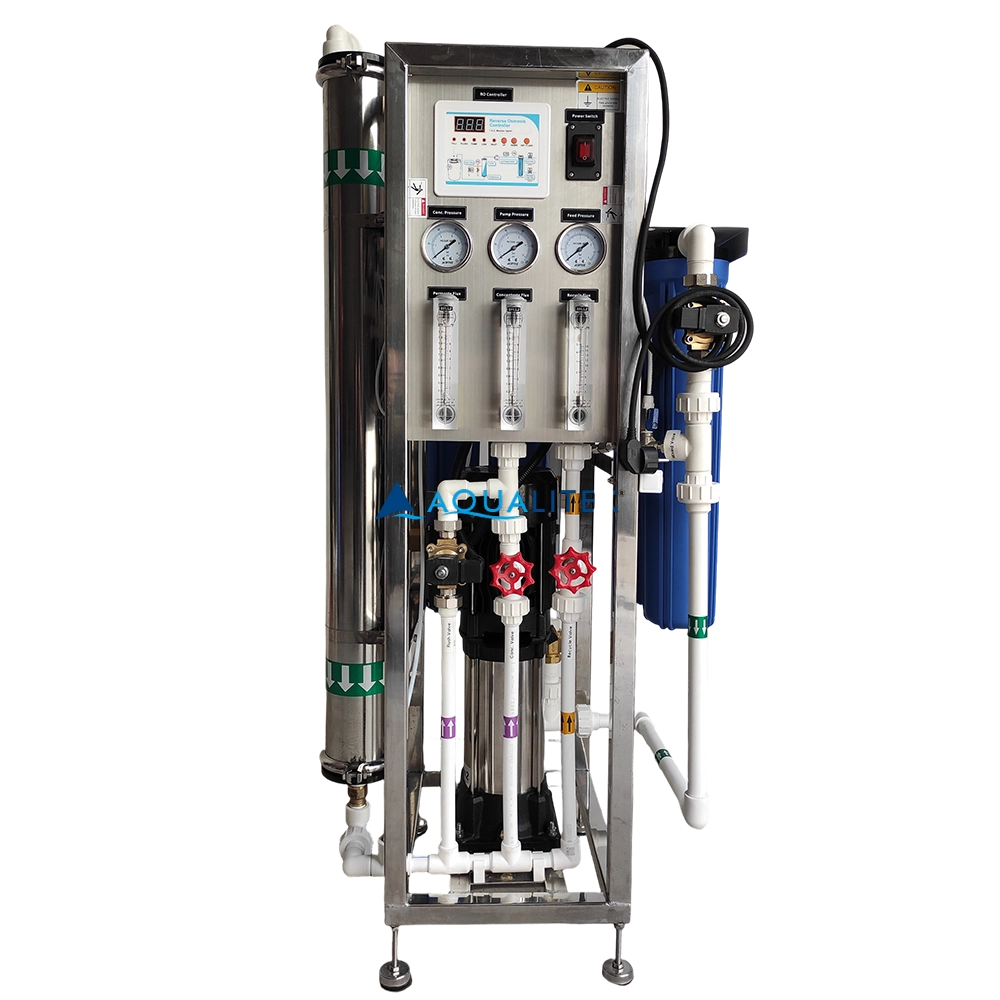
500 LPH Reverse Osmosis (RO) Water Purification Machine TWV - 412
Our 500 LPH Reverse Osmosis (RO) System is engineered to provide high-quality purified water for commercial applications. Designed with advanced RO technology, durable components, and a user-friendly interface, this system ensures consistent performance, low maintenance, and long-term reliability.
With its compact design and robust skid-mounted frame, it’s an excellent choice for businesses that demand efficiency and quality in water purification.
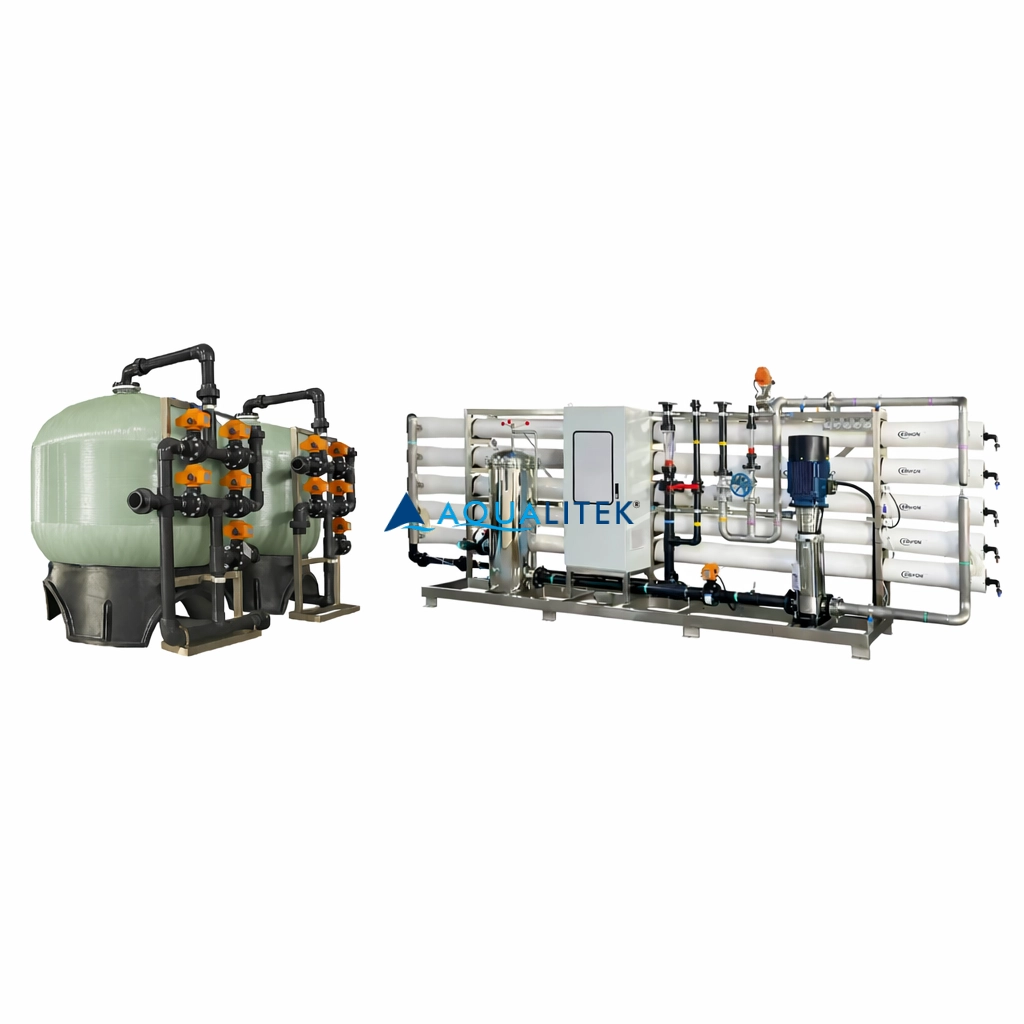
30TPH Industrial Reverse Osmosis (RO) System
30TPH Industrial Reverse Osmosis (RO) System designed for industrial and municipal water treatment. High salt rejection, energy-efficient design, PLC control, and customizable configuration.
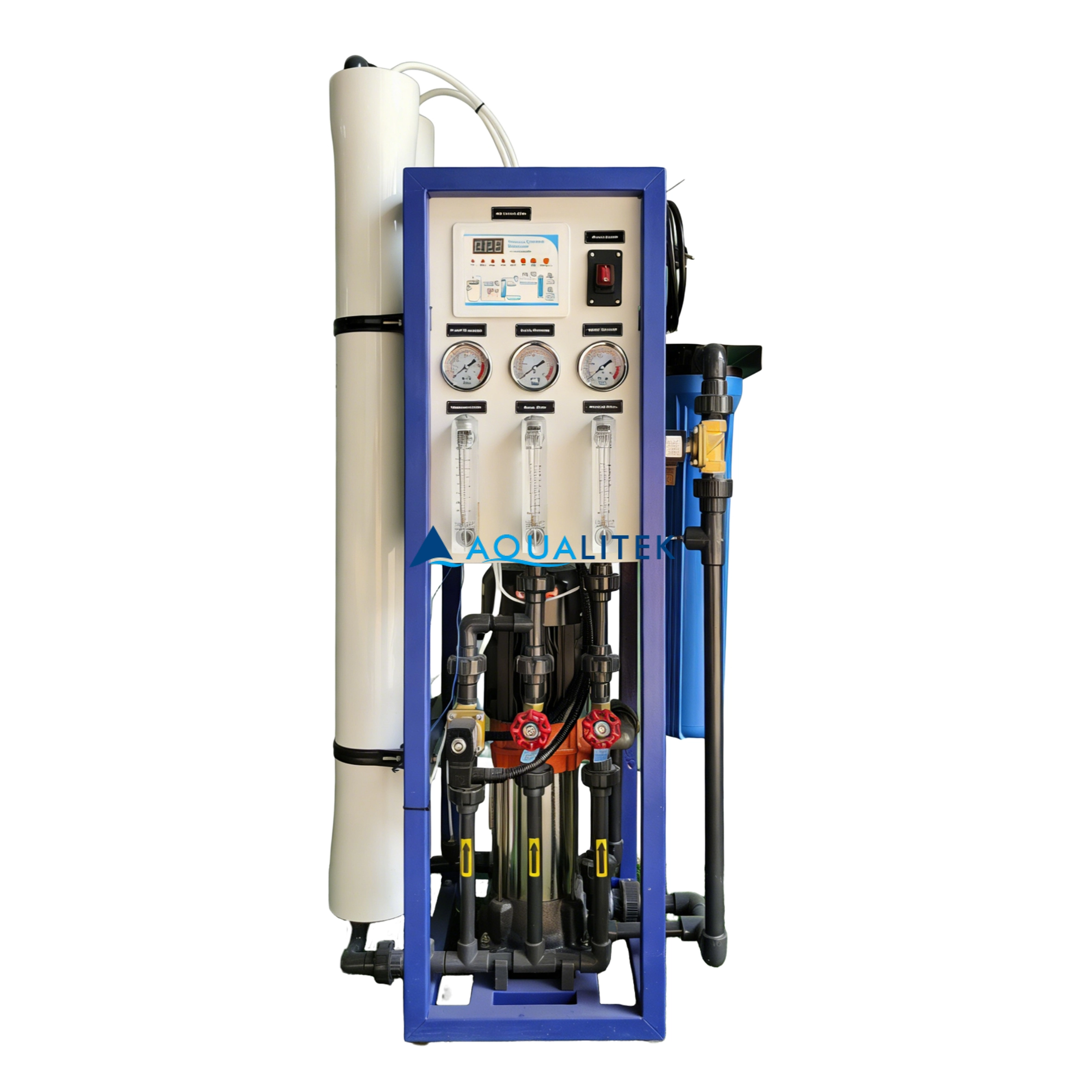
500LPH Panel Mounted Reverse Osmosis Water Purification System
AQUALITEK's 500LPH Panel Mounted Reverse Osmosis Water Purification System delivers reliable 500 LPH RO water production. This compact industrial reverse osmosis unit is ideal for small scale industrial RO needs, ensuring efficient and high-quality purified water in a space-saving design.
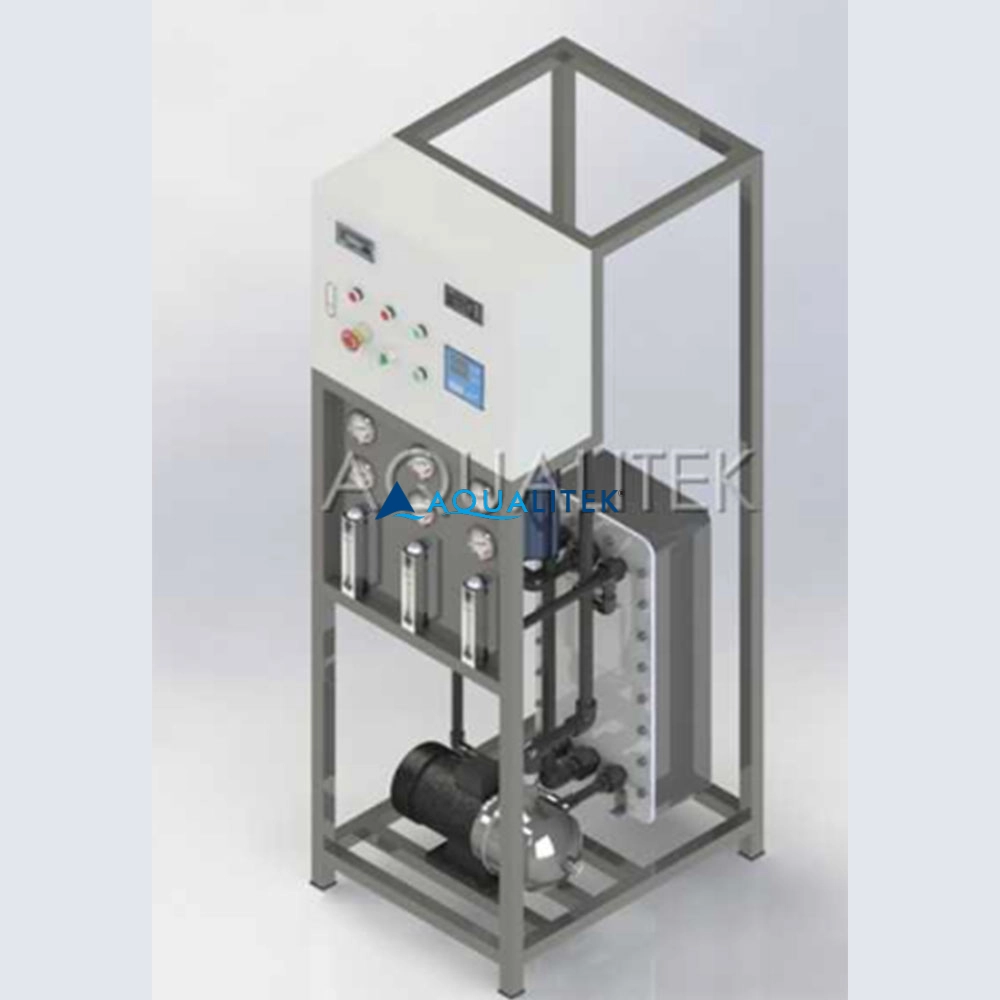
Electrodeionization Systems to Get UltraPure Water
Electrodeionization (EDI) system is an advanced water purification technology that combines ion exchange and electrochemical processes to produce ultra-pure water. Unlike traditional deionization methods, which rely on chemical regeneration, EDI utilizes electric fields to drive the movement of ions through ion-exchange membranes, effectively removing dissolved salts and other ionic contaminants.
This process is continuous and does not require the use of chemicals for regeneration, making it an environmentally friendly and cost-effective solution for producing high-quality deionized water. EDI systems are widely used in applications requiring ultrapure water, such as in the pharmaceutical, semiconductor, power generation, and biotechnology industries, as well as for laboratory use.
By offering high-purity water without the need for chemical regeneration, EDI systems provide a sustainable, efficient, and reliable alternative to traditional deionization methods, making them an ideal choice for industries where water quality and process control are critical.
Request More Information
Contact us today for product catalogs, customization options, and a free quotation designed for your business needs.
Rest assured that your privacy is important to us, and all information provided will be handled with the utmost confidentiality.
© 2026 AQUALITEK. All rights reserved.
AQUALITEK- Aimee Hoo
AQUALITEK - Aimee Hoo