




Top Innovations from Reverse Osmosis System Manufacturers 2025
- Top Innovations from Reverse Osmosis System Manufacturers 2025
- Why 2025 is a turning point for reverse osmosis system manufacturers
- Advanced membrane materials: higher flux, lower fouling
- Energy recovery and system-level efficiency improvements from reverse osmosis system manufacturers
- Practical tip:
- Integrated pretreatment: ultrafiltration, electrocoagulation, and hybrid systems
- Digitalization and AI: predictive maintenance and process optimization
- Modular, skid-mounted and containerized systems for faster deployment
- Brine minimization, resource recovery and zero liquid discharge (ZLD)
- Antimicrobial surfaces and fouling-resistant coatings
- Hybrid and alternative desalination configurations
- Data-driven procurement checklist for reverse osmosis system manufacturers
- Comparing traditional RO vs. 2025 innovations (high-level)
- How to specify an RO system from reverse osmosis system manufacturers — practical steps
- Aqualitek: how a modern manufacturer integrates these 2025 innovations
- Aqualitek core products and competitive strengths
- Real-world application examples and where these innovations add most value
- Cost vs. benefit: when to invest in High Quality innovations from reverse osmosis system manufacturers
- FAQs — reverse osmosis system manufacturers
- Q1: How much energy can I realistically save by choosing a modern RO system?
- Q2: Do antimicrobial membranes eliminate the need for chemical cleaning?
- Q3: Are digital monitoring solutions secure and vendor-locking?
- Q4: How should I evaluate claims of higher membrane flux from manufacturers?
- Q5: When is a hybrid FO-RO or RO-ED solution justified?
- Contact us / See products
- References and data sources
Top Innovations from Reverse Osmosis System Manufacturers 2025
Why 2025 is a turning point for reverse osmosis system manufacturers
By 2025, reverse osmosis system manufacturers are addressing long-standing cost, energy and fouling challenges while responding to tighter environmental regulations and decentralized water needs. This article explains the most impactful innovations — from membrane chemistry to AI-driven monitoring — and gives practical guidance for plant operators, specifiers, and procurement teams who evaluate or buy RO systems.
Advanced membrane materials: higher flux, lower fouling
One of the biggest leaps in 2025 is improved membrane chemistry. Manufacturers have moved beyond incremental tweaks to produce thin-film polyamide membranes with engineered surface properties that reduce organic and biological fouling and tolerate intermittent chlorine exposure better than older membranes. These membranes deliver 10–30% higher flux at similar salt rejection for brackish water, reducing footprint and capital cost for many applications. For operators, the practical benefits are lower cleaning frequency, longer run lengths between CIP cycles, and more predictable performance curves.
Energy recovery and system-level efficiency improvements from reverse osmosis system manufacturers
Energy recovery devices (ERDs) are now standard on seawater and many brackish systems. Recent mechanical improvements and optimized system hydraulics have driven down specific energy consumption (SEC). Modern SWRO plants designed and supplied by leading reverse osmosis system manufacturers can target SECs near the lower bound of industry ranges through integrated ERDs, optimized pressure staging, and variable-speed drives. For buyers, this translates to lower operational costs and faster payback on capital invested in High Quality equipment.
Practical tip:
When comparing bids from reverse osmosis system manufacturers, request modeled SECs for expected feed conditions and a breakdown of ERD efficiency, motor efficiencies, and projected energy savings over a 10-year life cycle.
Integrated pretreatment: ultrafiltration, electrocoagulation, and hybrid systems
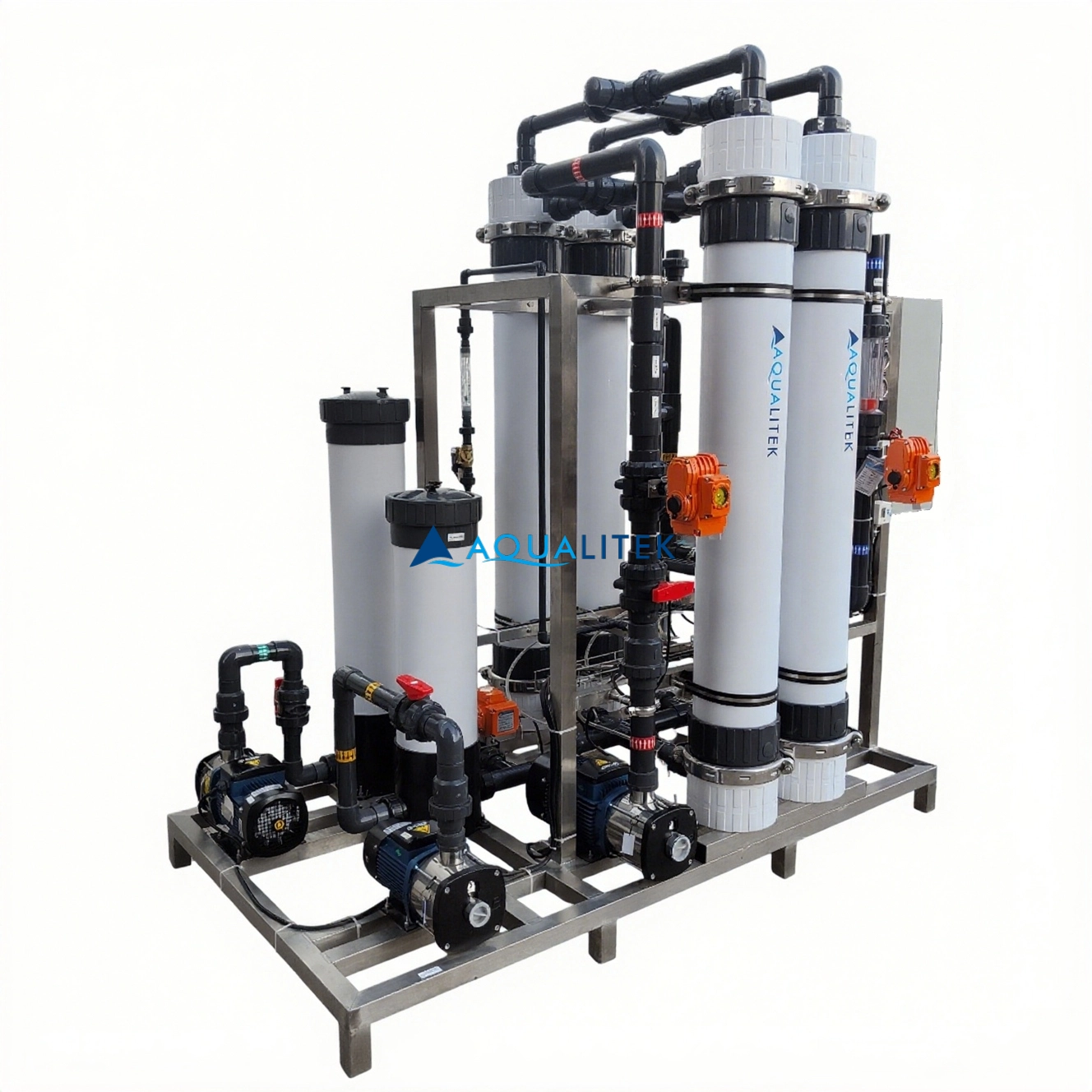
Fouling remains the single largest operational headache. In 2025 many reverse osmosis system manufacturers offer integrated pretreatment modules — skid-mounted ultrafiltration (UF), membrane bioreactors (MBR), or electrocoagulation pre-treatment — designed and matched to RO trains. These pretreatment packages reduce solids loading and biofouling potential, enabling higher RO recovery and extended membrane life. For municipal and industrial customers, integrated pretreatment reduces the operational complexity of staging separate vendors and simplifies spare-part logistics.
Digitalization and AI: predictive maintenance and process optimization
Digital monitoring has matured from basic telemetry to predictive analytics and digital twins. Reverse osmosis system manufacturers now supply systems with embedded sensors (pressure, differential pressure, turbidity, conductivity), cloud analytics, and machine-learning models that learn plant-specific fouling patterns. The result is earlier detection of membrane decline, optimized cleaning schedules, and fewer unplanned shutdowns. For operations teams, this reduces O&M costs and enables condition-based maintenance rather than calendar-based routines.
Modular, skid-mounted and containerized systems for faster deployment
Manufacturers increasingly offer factory-tested modular RO skids and containerized plants that minimize on-site assembly and commissioning time. These solutions are especially attractive for remote communities, mining camps, and emergency response, reducing project risk and shortening lead times. Modular designs also allow incremental capacity expansion — a critical feature for municipalities facing uncertain growth.
Brine minimization, resource recovery and zero liquid discharge (ZLD)
Sustainability-focused innovations from reverse osmosis system manufacturers target brine reduction and resource recovery. Advanced staged recovery, coupled with secondary processes such as electrodialysis, forward osmosis concentration, and thermal crystallizers in ZLD schemes, enable higher water recovery while extracting salts or minerals of value. For industries subject to discharge limits or where water scarcity is critical, these integrated solutions can be more cost-effective than simple discharge or hauling brine off-site.
Antimicrobial surfaces and fouling-resistant coatings
To reduce biofouling without relying solely on chemicals, several manufacturers introduced membranes and wetted-part coatings with antimicrobial agents or engineered surface topographies that discourage biofilm formation. These innovations lower chemical cleaning frequency and reduce downtime. When specifying systems, check independent test results for membrane fouling rates under representative feedwater to validate vendor claims.
Hybrid and alternative desalination configurations
Hybrid systems combining forward osmosis (FO) and RO, or integrating electrodialysis (ED) for brackish water, are now offered by some reverse osmosis system manufacturers for niche applications. These hybrids are not universal replacements for RO but can improve energy or recovery performance in specific contexts (e.g., high-organic brines, wastewater reuse with high fouling potential).
Data-driven procurement checklist for reverse osmosis system manufacturers
Procurement teams should standardize evaluation criteria to compare proposals objectively. Key items to include:
- Modeled performance: SEC, recovery%, permeate quality under worst-case feed.
- Warranty terms: membrane performance warranty, system uptime guarantees.
- OPEX transparency: projected chemical usage, membrane replacement schedules, energy cost scenarios.
- Digital capabilities: sensor suite, remote monitoring, analytics subscription costs.
- Modularity and expandability options.
- Environmental compliance: brine handling strategy, chemical management.
Comparing traditional RO vs. 2025 innovations (high-level)
The table below summarizes typical values and improvements you can expect when selecting modern systems from leading reverse osmosis system manufacturers. Values are indicative and will vary by feedwater and project design.
| Parameter | Traditional RO (pre-2018) | Modern RO (2025 innovations) | Practical benefit |
|---|---|---|---|
| Specific Energy Consumption (SWRO) | ~3.5–5.0 kWh/m3 | ~2.5–3.5 kWh/m3 | Lower operating cost (energy) |
| Membrane flux | Baseline | +10–30% higher flux (new membranes) | Smaller footprint, lower CAPEX |
| Fouling / CIP frequency | Higher (calendar-based cleaning) | Lower (predictive cleaning enabled) | Less downtime, reduced chemical use |
| Automation level | Basic controls | Cloud analytics, predictive maintenance | Improved reliability, optimized O&M |
| Deployment time | Months (site assembly) | Weeks (modular/containerized) | Faster commissioning |
Sources: industry reports and manufacturer published performance ranges (see references at end).
How to specify an RO system from reverse osmosis system manufacturers — practical steps
Follow a clear specification process to minimize risk and ensure long-term performance:
- Define feedwater quality with seasonal and upset samples, not a single grab sample.
- Set realistic permeate quality and recovery targets, considering downstream processes and brine handling constraints.
- Request vendor performance models that use your feedwater (including worst-case scenarios).
- Require factory FAT (Factory Acceptance Test) for skids and detailed commissioning protocols.
- Ask for a ten-year OPEX projection, including membrane replacement and consumables.
- Include acceptance testing criteria and liquidated damages for critical projects.
Aqualitek: how a modern manufacturer integrates these 2025 innovations
Aqualitek Water Treatment Technologies Co., Ltd. (AQT), headquartered in Guangzhou, China, is a leading manufacturer and supplier of advanced water treatment systems and high-quality component parts. We specialize in delivering customized solutions for residential, commercial, and industrial applications, meeting diverse water purification needs worldwide.
With a strong foundation in engineering expertise, cutting-edge technology, and manufacturing excellence, we are committed to delivering innovative, reliable, and cost-effective water treatment solutions to our global partners.
We offer a comprehensive range of water treatment products and system solutions, organized by application needs and technical functions. From pretreatment equipment to core treatment units and end-use recycling systems, our structured product categories help you easily find the right solution—efficient, reliable, and sustainable.
Our mission is to deliver high-performance, sustainable, and affordable water treatment solutions that ensure access to clean and safe water for households, businesses, and industries worldwide.
Aqualitek core products and competitive strengths
Aqualitek's main product lines include membrane systems, water filtering systems, ion exchange systems, and customized water purification systems. The company's core competitive advantages are:
- End-to-end engineering and manufacturing capability, enabling quality control and faster delivery.
- Custom design experience across residential, commercial, and industrial scales.
- Integration of modern membranes, energy recovery strategies, and digital monitoring into turnkey systems.
- Global supply chain for components and spare parts with after-sales technical support.
When evaluating reverse osmosis system manufacturers for a project, Aqualitek's combination of applied R&D, modular product architecture and global project experience makes it a practical partner for deploying 2025 innovations effectively.
Real-world application examples and where these innovations add most value
Innovation impact varies by sector:
- Municipal reuse: digital monitoring plus advanced pretreatment reduces operational risk and helps meet regulatory reuse standards.
- Desalination (seawater): ERDs and high-flux membranes cut energy costs and footprint.
- Industrial process water: brine minimization and resource recovery reduce waste disposal costs.
- Remote/decentralized water supply: modular, containerized RO systems enable rapid deployment and local ownership.
Cost vs. benefit: when to invest in High Quality innovations from reverse osmosis system manufacturers
Not every project needs the most advanced MEMBRANE or AI suite. Use a simple decision rule:
- If energy is a dominant OPEX line (e.g., seawater desalination) — prioritize ERDs and optimized hydraulics.
- If feed fouling potential is high — invest in advanced pretreatment and fouling-resistant membranes.
- If uptime is critical — require digital predictive maintenance and robust warranties.
- If project sites are remote — choose modular or containerized solutions to reduce commissioning risk.
FAQs — reverse osmosis system manufacturers
Q1: How much energy can I realistically save by choosing a modern RO system?
A1: Energy savings depend on feedwater and system design. For seawater desalination, modern plants with efficient ERDs can reduce SEC from historical averages (3.5–5.0 kWh/m3) to around 2.5–3.5 kWh/m3. For brackish water RO, savings are proportionally lower but still meaningful. Always request vendor-modeled SEC using your feedwater data.
Q2: Do antimicrobial membranes eliminate the need for chemical cleaning?
A2: No. Antimicrobial or fouling-resistant membranes reduce biofouling rate and chemical consumption but do not entirely replace periodic cleaning. They can, however, extend run lengths and reduce cleaning intensity.
Q3: Are digital monitoring solutions secure and vendor-locking?
A3: Modern solutions emphasize security and open data protocols. Ask vendors about data ownership, API access, and local vs. cloud options to avoid unwanted vendor lock-in. Ensure cybersecurity measures are specified in the contract.
Q4: How should I evaluate claims of higher membrane flux from manufacturers?
A4: Require independent test data and performance curves under your projected feed conditions. Request warranties tied to specific permeate flow and salt rejection over defined operating conditions.
Q5: When is a hybrid FO-RO or RO-ED solution justified?
A5: Hybrids are justified when feedwater has high osmotic pressure (e.g., certain industrial brines), where RO alone cannot economically reach desired recovery or when specific resource recovery (e.g., salts, acids) is the goal. Conduct a techno-economic analysis comparing CAPEX and lifetime OPEX.
Contact us / See products
If you are evaluating reverse osmosis system manufacturers for a project, contact Aqualitek for a no-obligation consultation, customized performance modeling, and product specifications. Our team can provide FAT documentation, site commissioning plans, and long-term service agreements. Email our sales engineering team or request a product datasheet to begin.
References and data sources
Key references used for industry context and typical performance ranges:
- International Desalination Association (IDA) — industry performance summaries and technology outlooks.
- International Water Association (IWA) publications on membrane technology and water reuse.
- U.S. Department of Energy reports on the water–energy nexus and desalination energy use.
- Peer-reviewed journals and manufacturer technical datasheets (industry-aggregated performance ranges).
For vendor-specific performance, always request site-specific modeling and factory acceptance test records from shortlisted reverse osmosis system manufacturers.
Smart Water Purification Systems: Features and Benefits
ROI and TCO Analysis for a 12TPH Industrial UF Water Treatment Device
How Does a Water Purification System Work?
Top 10 Water Softeners for Home Use in 2025
Water Filters
How do I choose between a media filter and a micron filter?
Media filters are ideal for high-volume solids removal and can be backwashed. Micron filters offer precise filtration for fine particles and are best for polishing applications.
Do you provide replacement parts and consumables?
Yes. We supply cartridges, filter bags, media (sand, carbon, etc.), valve kits, and O-rings for all major systems.
What is the expected lifespan of a water filter?
Cartridge filters generally last 1–3 months. Media filters require periodic backwashing and media replacement every 1–2 years, depending on usage.
Blog
Do softener systems remove iron or chlorine?
Not typically. If your water contains iron, manganese, or chlorine, consider a dual-system setup or add specialized pre-filters.
Can I use a water softener with a septic system?
Yes. Studies show no negative impact, especially when using metered regeneration systems.
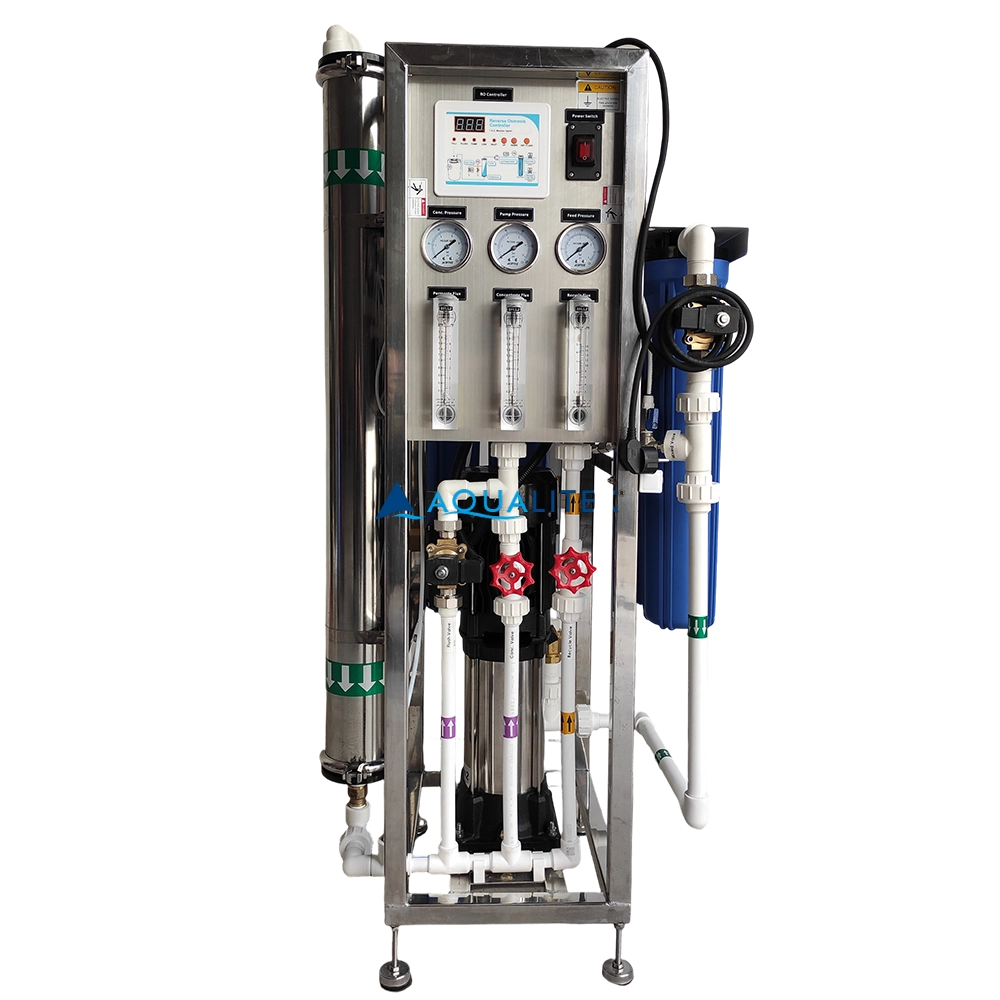
500 LPH Reverse Osmosis (RO) Water Purification Machine TWV - 412
Our 500 LPH Reverse Osmosis (RO) System is engineered to provide high-quality purified water for commercial applications. Designed with advanced RO technology, durable components, and a user-friendly interface, this system ensures consistent performance, low maintenance, and long-term reliability.
With its compact design and robust skid-mounted frame, it’s an excellent choice for businesses that demand efficiency and quality in water purification.
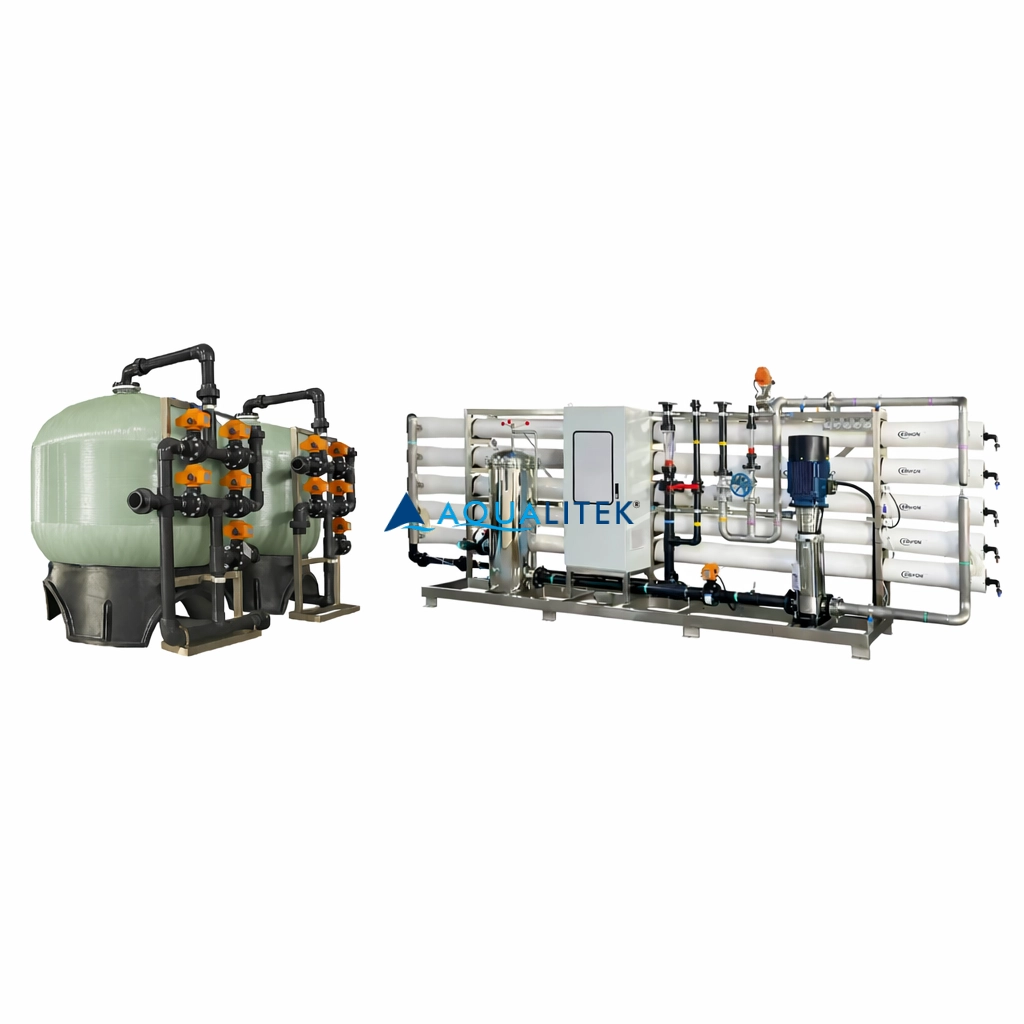
30TPH Industrial Reverse Osmosis (RO) System
30TPH Industrial Reverse Osmosis (RO) System designed for industrial and municipal water treatment. High salt rejection, energy-efficient design, PLC control, and customizable configuration.
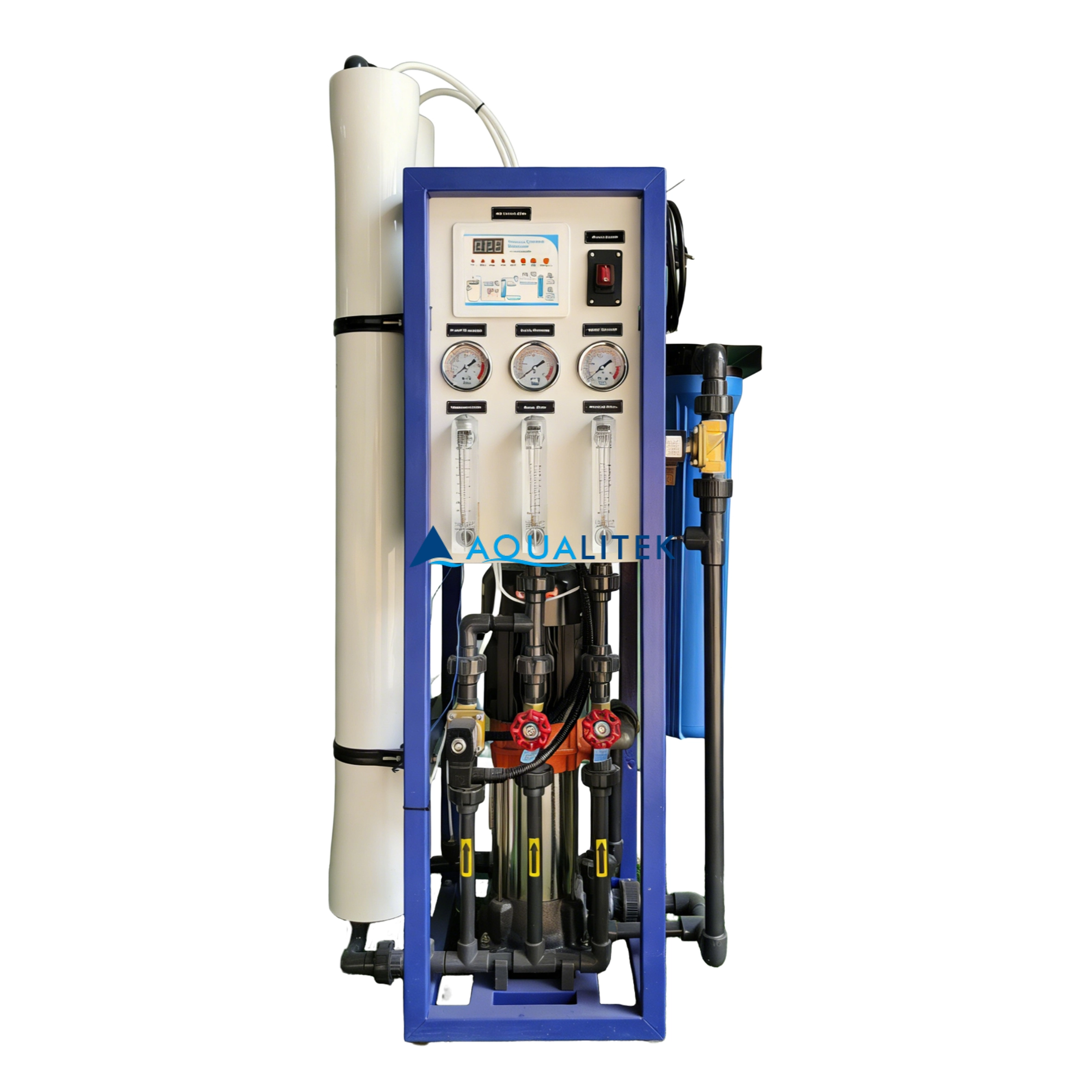
500LPH Panel Mounted Reverse Osmosis Water Purification System
AQUALITEK's 500LPH Panel Mounted Reverse Osmosis Water Purification System delivers reliable 500 LPH RO water production. This compact industrial reverse osmosis unit is ideal for small scale industrial RO needs, ensuring efficient and high-quality purified water in a space-saving design.
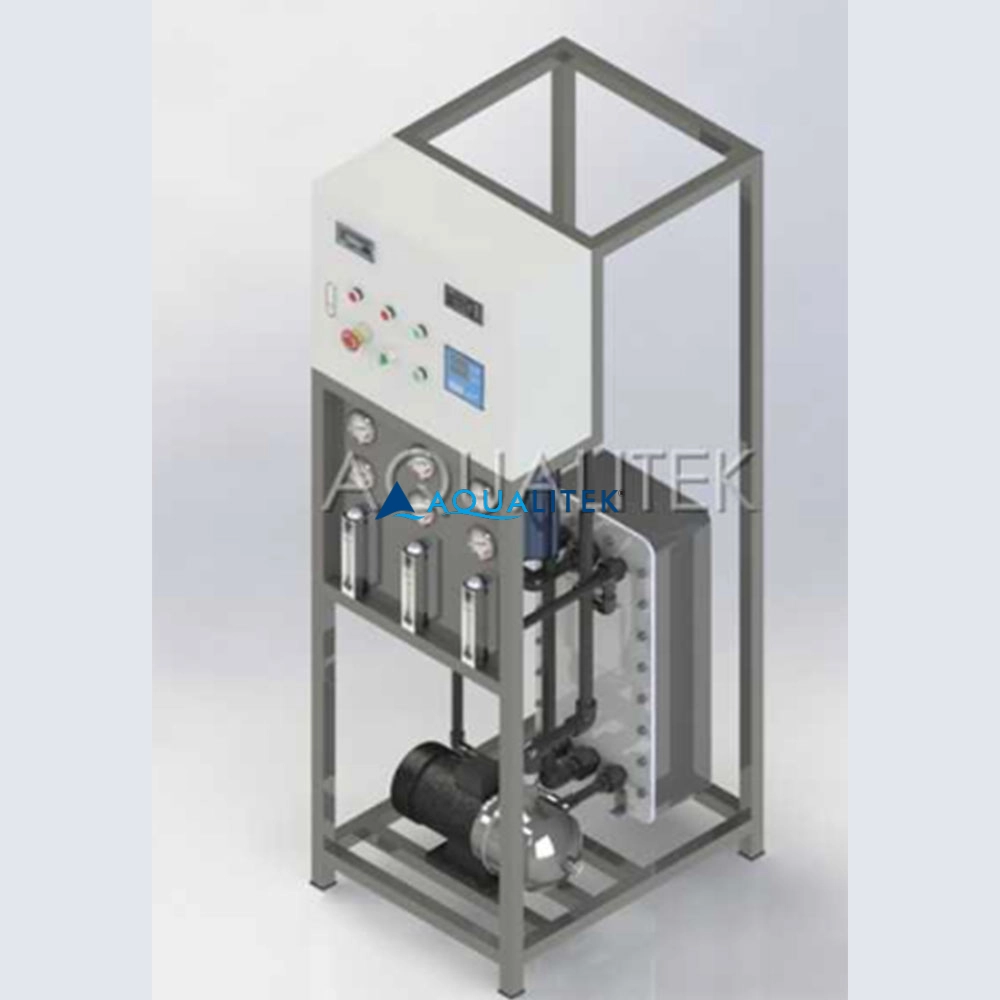
Electrodeionization Systems to Get UltraPure Water
Electrodeionization (EDI) system is an advanced water purification technology that combines ion exchange and electrochemical processes to produce ultra-pure water. Unlike traditional deionization methods, which rely on chemical regeneration, EDI utilizes electric fields to drive the movement of ions through ion-exchange membranes, effectively removing dissolved salts and other ionic contaminants.
This process is continuous and does not require the use of chemicals for regeneration, making it an environmentally friendly and cost-effective solution for producing high-quality deionized water. EDI systems are widely used in applications requiring ultrapure water, such as in the pharmaceutical, semiconductor, power generation, and biotechnology industries, as well as for laboratory use.
By offering high-purity water without the need for chemical regeneration, EDI systems provide a sustainable, efficient, and reliable alternative to traditional deionization methods, making them an ideal choice for industries where water quality and process control are critical.
Request More Information
Contact us today for product catalogs, customization options, and a free quotation designed for your business needs.
Rest assured that your privacy is important to us, and all information provided will be handled with the utmost confidentiality.
© 2026 AQUALITEK. All rights reserved.
AQUALITEK- Aimee Hoo
AQUALITEK - Aimee Hoo