




Buyer’s Guide: Electrodeionization Systems for Ultrapure Water
- How Electrodeionization Works and Why It Matters
- Principles of EDI: ion exchange plus electrochemical migration
- What ultrapure means in practice
- Key Components and Integration Considerations
- Pre-treatment and RO pairing
- Instrumentation, monitoring, and controls
- Materials and module selection
- Sizing, Performance Metrics, and Cost Considerations
- How to size an EDI system
- Operating costs and lifecycle comparison
- Comparison: EDI vs Mixed-bed DI vs RO (Table)
- Selection Criteria and Practical Buying Tips
- Define water quality and regulatory requirements
- Evaluate total solution providers vs component vendors
- Key technical questions to ask vendors
- Operation, Maintenance, and Troubleshooting
- Routine maintenance tasks
- Common performance issues and fixes
- Spare parts and consumables
- Brand Advantages and Why Choose Our Electrodeionization Systems
- Product overview: Electrodeionization Systems to Get UltraPure Water
- Our competitive differentiators
- Case example: pharmaceutical lab installation
- References and Further Reading
- FAQs — Electrodeionization Systems to Get UltraPure Water
- What feed water quality is required for EDI?
- Can EDI replace mixed-bed deionizers completely?
- How often do EDI modules need replacement?
- Are EDI systems environmentally friendly?
- What about TOC and non-ionic contaminants?

Electrodeionization (EDI) systems are increasingly the technology of choice for producing ultrapure water in industries where consistent high resistivity, low ionic contamination, and chemical-free operation matter. This guide explains how EDI works, how it pairs with pretreatment like reverse osmosis (RO), how to size and specify a system, lifecycle and OPEX considerations, and practical troubleshooting and maintenance tips—helping engineers and procurement teams select Electrodeionization Systems to Get UltraPure Water that meet process requirements, regulatory standards, and sustainability goals. After reviewing a comprehensive buyer’s guide to electrodeionization systems for ultrapure water, decision-makers typically move on to choosing electrodeionization systems by comparing key specs such as resistivity, recovery rate, and operating limits.
How Electrodeionization Works and Why It Matters
Principles of EDI: ion exchange plus electrochemical migration
Electrodeionization combines ion-exchange resins with an applied electric field and selective ion-exchange membranes to continuously remove dissolved ions without chemical regeneration. Feed water passes through a module containing mixed-bed ion-exchange media and alternating cation and anion exchange membranes. The electric field drives ions out of the resin compartments across membranes into concentrate channels; the resin is continuously regenerated in place by the electrical driving force. This continuous regeneration avoids the resin replacement and acid/caustic regeneration cycles used in conventional mixed-bed deionizers.
What ultrapure means in practice
Ultrapure water typically refers to water with very low ionic and organic contamination, commonly measured by specific resistivity (or conductivity), total organic carbon (TOC), and particle counts. For many pharmaceutical, semiconductor, and power-generation applications, resistivity near 18.2 MΩ·cm at 25°C is the benchmark for ultrapure water. EDI is particularly effective for achieving and maintaining low conductivity and minimizing ionic breakthrough when fed by properly pretreated water.
Key Components and Integration Considerations
Pre-treatment and RO pairing
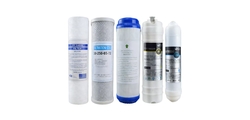
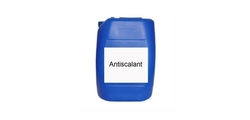
For reliable EDI operation, feed water quality is critical. EDI is designed to polish water after a reverse osmosis (RO) system; RO typically removes >90–99% of dissolved salts and organics, reducing the ionic load to a level EDI can handle continuously. Typical feed targets to EDI are <50 μS/cm conductivity and low silica. Pretreatment often includes particulate filtration, antiscalant dosing, cartridge filters, and RO. Guidance from water treatment authorities such as the US EPA and technical sources can help define pretreatment requirements (Wikipedia: Electrodeionization, US EPA Water Research).
Instrumentation, monitoring, and controls
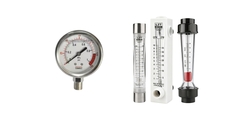
Modern EDI systems use conductivity/resistivity probes, flow meters, pressure sensors, and TOC analyzers for continuous monitoring. Controls should include interlocks for low feed conductivity, high feed pressure drop, and concentrate flow monitoring. Automated soft-start and fault logging improve uptime and facilitate compliance with quality systems such as ISO and cGMP in pharmaceutical environments.
Materials and module selection
EDI modules vary by membrane type, internal geometry, and resin composition. Choose modules engineered to handle your feed chemistry (silica, hardness, organics). Consider systems with modular skid design for staged capacity, allowing parallel operation for redundancy and maintenance without process downtime.
Sizing, Performance Metrics, and Cost Considerations
How to size an EDI system
Sizing an EDI system depends on required flow (m3/hr or GPM), target outlet resistivity or conductivity, feedwater quality, and allowable recovery. Start with your process demand for ultrapure water (peak and average), determine the RO polishing duty, then select an EDI train sized for the average flow with capacity margin for peak loads. Consider redundant or parallel modules for continuous processes that cannot tolerate interruption.
Operating costs and lifecycle comparison
EDI eliminates the recurring cost of acid and caustic chemicals for regeneration, reduces handling and storage risks, and lowers wastes related to regenerant disposal. Operating costs comprise electricity for the applied voltage, routine monitoring and maintenance, periodic replacement of membranes or modules, and energy for pretreatment and RO. Capital costs are generally higher than simple mixed-bed DI but lower when accounting for long-term chemical and labor savings.
Comparison: EDI vs Mixed-bed DI vs RO (Table)
| Feature | Electrodeionization (EDI) | Mixed-bed Deionizer (Chemical DI) | Reverse Osmosis (RO) |
|---|---|---|---|
| Regeneration | Continuous, chemical-free | Batch, requires acid/caustic | Membrane-based, no ion exchange |
| Typical outlet quality | Very high (near 18.2 MΩ·cm with RO pretreatment) | High immediately after regeneration, variable | Good for TDS reduction; not ultrapure alone |
| OPEX | Moderate (electricity + maintenance) | Higher (chemical purchase, handling, disposal) | Low-medium (energy + membrane replacement) |
| Suitability for continuous processes | Excellent | Poor to moderate (downtime for regeneration) | Excellent as pretreatment |
Selection Criteria and Practical Buying Tips
Define water quality and regulatory requirements
Start by documenting required water quality parameters: resistivity/conductivity, TOC, silica, particle count, and temperature. For pharmaceutical and biotech, align specifications with regulatory guides and pharmacopeia; for semiconductor fabs, confirm compatibility with wafer-process specifications. Use standards and guidance from authoritative bodies for benchmarking.
Evaluate total solution providers vs component vendors
Buying an EDI system often means selecting a full skid including RO pretreatment, EDI modules, controls, and installation services. Full solution providers can optimize pretreatment to protect EDI modules and offer warranties and service-level agreements. Component vendors may be suitable for experienced in-house teams that assemble systems themselves.
Key technical questions to ask vendors
- What are the guaranteed outlet resistivity and recovery under my feed conditions?
- What are the feedwater limits (silica, hardness, organics) and required pretreatment?
- How modular and serviceable are the modules? What are expected replacement intervals?
- Is remote monitoring or OEM service included?
- What warranties and spare-part support are provided?
Operation, Maintenance, and Troubleshooting
Routine maintenance tasks
Routine maintenance for EDI systems includes monitoring feed RO performance, replacing pre-filters (sediment and carbon), periodic cleaning of RO membranes if used, checking conductivity/resistivity probes for calibration, inspecting EDI module flow distribution, and verifying the concentrate purge is functioning. Keep a log of resistivity versus time to detect slow degradation before excursion events.
Common performance issues and fixes
1) Conductivity drift or rising outlet conductivity: check RO permeate quality and prefilters; silica or organic loading may be exceeding design limits. 2) High differential pressure across modules: inspect for particulate fouling and verify prefiltration and cartridge life. 3) Low current or voltage anomalies: verify electrical connections and control logic, and review concentrate flow rates. Proactive pretreatment and automated alerts help prevent major failures.
Spare parts and consumables
Typical consumables include pre-filter cartridges, RO membranes (if installed), conductivity/TOC probes, and eventually EDI modules or membranes. Maintain a spare parts list and stocking plan based on lead times and criticality of continuous ultrapure water to your process.
Brand Advantages and Why Choose Our Electrodeionization Systems
Product overview: Electrodeionization Systems to Get UltraPure Water
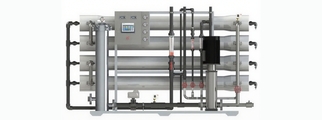
Electrodeionization (EDI) system is an advanced water purification technology that combines ion exchange and electrochemical processes to produce ultra-pure water. Unlike traditional deionization methods, which rely on chemical regeneration, EDI utilizes electric fields to drive the movement of ions through ion-exchange membranes, effectively removing dissolved salts and other ionic contaminants.
This process is continuous and does not require the use of chemicals for regeneration, making it an environmentally friendly and cost-effective solution for producing high-quality deionized water. EDI systems are widely used in applications requiring ultrapure water, such as in the pharmaceutical, semiconductor, power generation, and biotechnology industries, as well as for laboratory use.
By offering high-purity water without the need for chemical regeneration, EDI systems provide a sustainable, efficient, and reliable alternative to traditional deionization methods, making them an ideal choice for industries where water quality and process control are critical.
Our competitive differentiators
- Proven module reliability: engineered membranes and resin blends optimized for long life under expected silica and organics loads.
- Integrated solutions: tailored RO + EDI skids with modular expansion and redundant design options for 24/7 processes.
- Comprehensive service and remote monitoring: performance warranties, preventive maintenance plans, and cloud-based telemetry for condition-based service.
- Regulatory and application expertise: documentation and validation support for pharmaceutical and semiconductor customers following international guidelines.
Case example: pharmaceutical lab installation
A mid-size pharmaceutical QA/QC lab required continuous ultrapure water at 18.2 MΩ·cm for analytical instruments. After evaluating options, they selected an EDI system combined with a two-stage RO pretreatment and activated carbon polishing. The system eliminated chemical regenerant handling, reduced downtime from regeneration cycles, and reduced total cost of ownership by 20% over five years compared to mixed-bed DI systems.
References and Further Reading
For technical background and standards, see authoritative resources such as the EDI overview on Wikipedia (https://en.wikipedia.org/wiki/Electrodeionization) and water treatment research and guidance from the US EPA (https://www.epa.gov/water-research). For application-specific standards and guidance, consult industry bodies and pharmacopeia relevant to your sector.
FAQs — Electrodeionization Systems to Get UltraPure Water
What feed water quality is required for EDI?
EDI typically requires RO-treated feed water with low conductivity (often <50 μS/cm), low hardness, and controlled silica and organics. Specific limits depend on module design; consult vendor specifications and perform feedwater analysis before selection.
Can EDI replace mixed-bed deionizers completely?
In many continuous applications, EDI is a superior alternative because it eliminates chemical regeneration. However, in high-silica or highly variable feed conditions, a staged approach (RO + EDI) or hybrid solutions may be preferred. Some fabs or labs still use mixed-bed DI for batch polishing in specific workflows.
How often do EDI modules need replacement?
Module life depends on feedwater quality and operating conditions. With proper pretreatment and maintenance, modules can last several years. Regular monitoring of outlet resistivity and module pressure drop will indicate when replacement is needed.
Are EDI systems environmentally friendly?
Yes. EDI eliminates the need for acid and caustic regenerants and reduces chemical waste, making it an environmentally favorable choice compared to traditional chemical DI systems.
What about TOC and non-ionic contaminants?
EDI primarily removes ionic species. For TOC and non-ionic organics, include carbon filtration, RO, UV oxidation, or specialized polishing (e.g., ultrafiltration, TOC removal units) as required by your application.
Ready to select the right Electrodeionization Systems to Get UltraPure Water? Contact our technical sales team for a free feedwater evaluation, sizing proposal, and lifecycle cost comparison. View product details and request a quote: Electrodeionization Systems to Get UltraPure Water or email us at sales@example.com.
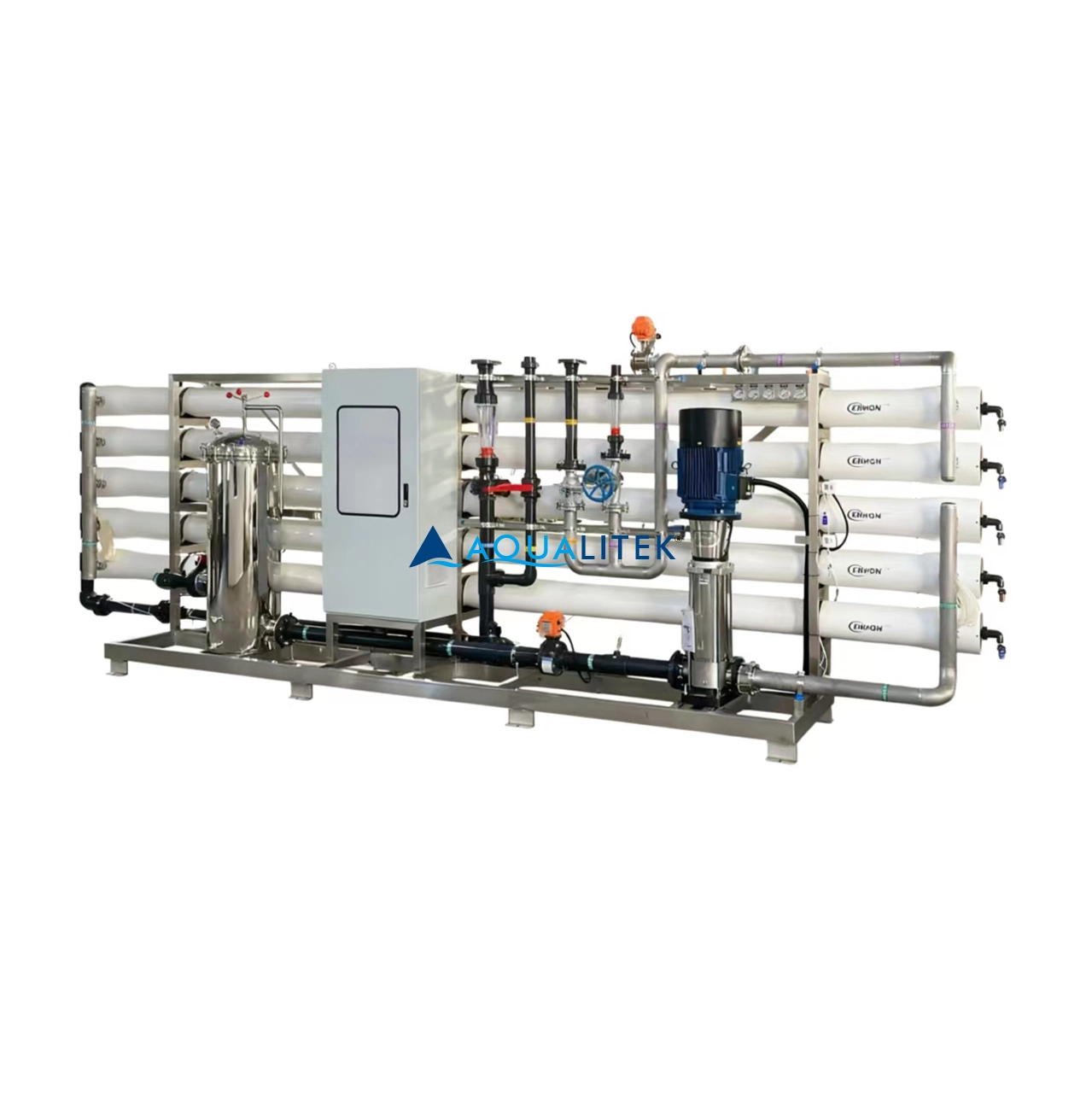
Buying Guide: Commercial Reverse Osmosis System Essentials
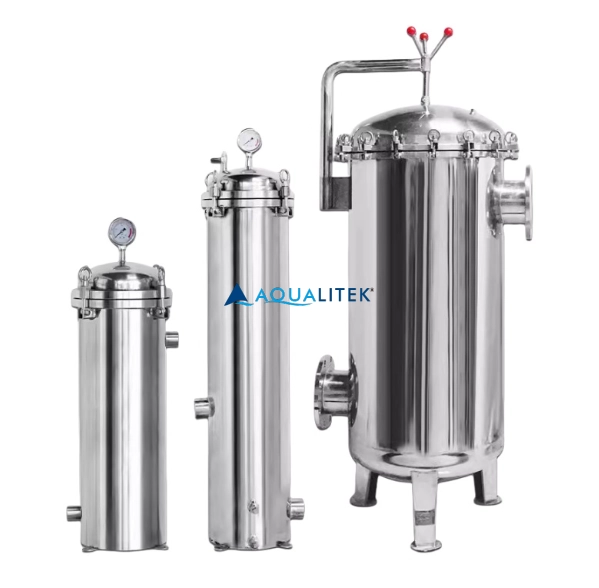
Compliance and Material Standards for Stainless Steel Filter Housings
Selecting the Right BWRO BWE System for Your Well Water Needs

Selecting Pretreatment for Industrial RO Systems
FAQ-aqualitek
Are AQT’s water treatment products certified?
Yes! Our products comply with international quality and safety standards, including ISO, CE, and NSF certifications. We prioritize high-quality materials, advanced technology, and strict quality control to ensure superior performance and reliability.
What industries does AQT serve?
We provide water treatment solutions for a wide range of industries, including:
Industrial Manufacturing – Process water treatment, cooling water, and boiler feed.
Hospitality & Commercial – Hotels, restaurants, and office buildings.
Residential Applications – Drinking water purification and softening.
Healthcare & Pharmaceuticals – Ultra-pure water for laboratories and hospitals.
Municipal & Public Utilities – Water supply and wastewater treatment.
Food & Beverage Processing – Filtration for beverage production and food safety.
Does AQT provide technical support and after-sales service?
Yes! We offer comprehensive technical support, including installation guidance, troubleshooting, spare parts supply, and ongoing maintenance assistance. Our after-sales team is available to ensure your water treatment system operates efficiently.
Water Filters
Do you provide replacement parts and consumables?
Yes. We supply cartridges, filter bags, media (sand, carbon, etc.), valve kits, and O-rings for all major systems.
Solutions
How often should I replace filters and membranes?
Filter and membrane lifespan depends on water quality, usage, and system type. General guidelines:
1. Sediment & Carbon Filters: Replace every 6–12 months.
2. RO Membranes: Replace every 2–3 years, depending on water conditions.
3. UF/NF Membranes: Replace every 1–2 years.
Regular maintenance ensures optimal performance and water quality.
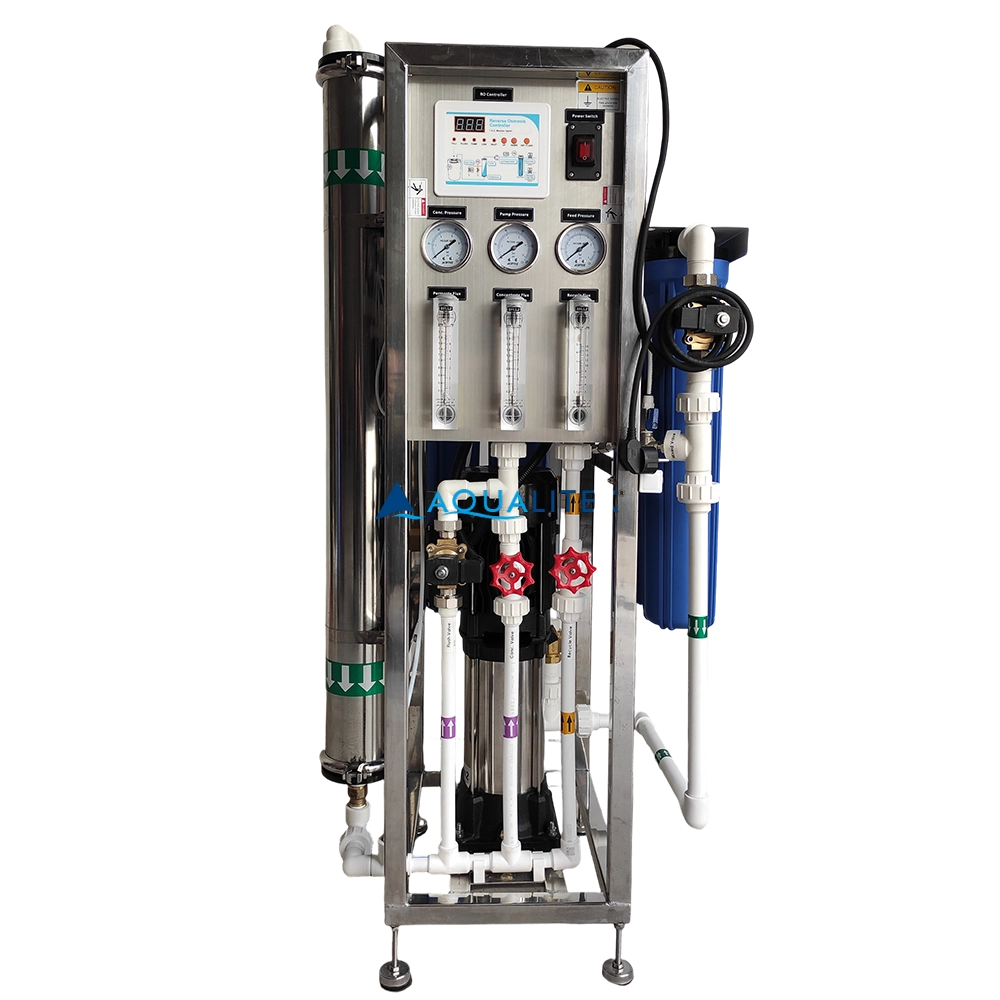
500 LPH Reverse Osmosis (RO) Water Purification Machine TWV - 412
Our 500 LPH Reverse Osmosis (RO) System is engineered to provide high-quality purified water for commercial applications. Designed with advanced RO technology, durable components, and a user-friendly interface, this system ensures consistent performance, low maintenance, and long-term reliability.
With its compact design and robust skid-mounted frame, it’s an excellent choice for businesses that demand efficiency and quality in water purification.
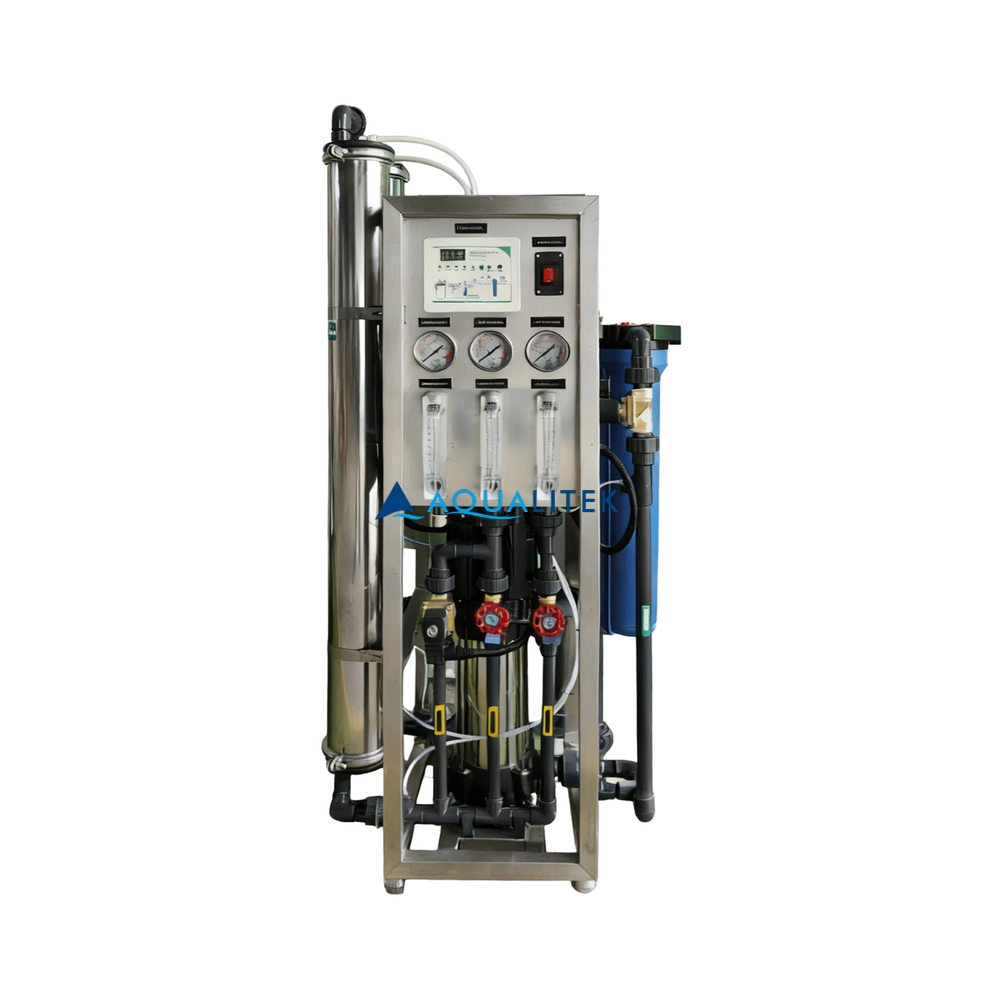
Tap Water Reverse Osmosis (TWRO) Systems TWV Series
TWV series Reverse Osmosis (RO) systems are pre-engineered and pre-assembled units with 2.5”/4” membrane housings(single element type)for tap water(lower TDS).They are designed for overall superior performance, high recovery rates and offer great savings with low maintenance and operation costs.
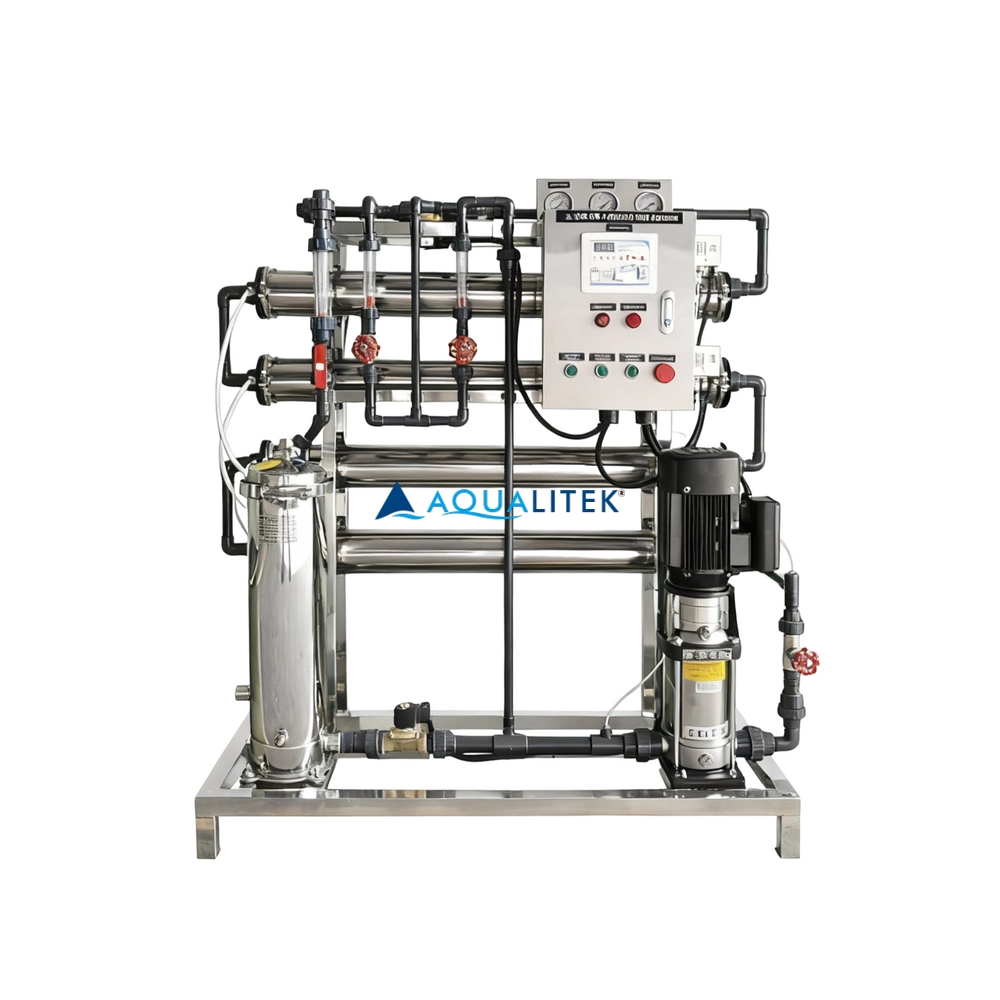
Tap Water Reverse Osmosis (TWRO) Systems TWF Series
TWF series Reverse Osmosis (RO) systems are pre-engineered and pre-assembled units with 4” membrane housings(multiple elements type) for tap water(lower TDS) .The medium large volumes can help meet your a variety of commercial and industrial applications. They are designed for overall superior performance, high recovery rates and offer great savings with low maintenance and operation costs.

Tap Water Reverse Osmosis (TWRO) Systems TWE Series
TWE series Reverse Osmosis (RO) systems are pre-engineered and pre-assembled units with 8” membrane housings for tap water (lower TDS). The large volumes can help meet your a variety of industrial applications. They are designed for overall superior performance, high recovery rates and offer great savings with low maintenance and operation costs.
Request More Information
Contact us today for product catalogs, customization options, and a free quotation designed for your business needs.
Rest assured that your privacy is important to us, and all information provided will be handled with the utmost confidentiality.
© 2026 AQUALITEK. All rights reserved.
AQUALITEK- Aimee Hoo
AQUALITEK - Aimee Hoo