




Key Specs to Evaluate in an Industrial RO System Purchase
- Key Specs to Evaluate in an Industrial RO System Purchase
- Introduction: Why the right industrial RO system matters
- Product snapshot: AQUALITEK 4TPH Industrial Reverse Osmosis Water Purification RO System
- 1. Production capacity (Flow rate) — match output to demand
- 2. Recovery rate and concentrate (brine) handling
- 3. Salt rejection and product water quality (TDS / conductivity)
- Example: Typical specification table
- 4. Feed water quality and pre-treatment requirements
- 5. Membrane selection and lifespan
- 6. Operating pressure, pumps, and energy efficiency
- 7. Materials of construction and corrosion resistance
- 8. Automation, controls and monitoring (: buy industrial ro system with smart controls)
- 9. Footprint, piping layout and site integration
- 10. Maintenance requirements, spare parts and lifecycle costs (OPEX)
- 11. Certifications, compliance and warranties
- 12. Vendor reputation, references and post-sale support
- 13. Return on investment (ROI) and payback considerations
- Brand highlight: Why choose AQUALITEK for your industrial RO needs?
- FAQ — Common questions when buying an industrial RO system
- Q: How long do RO membranes last in industrial systems?
- Q: What is the typical operating cost of an industrial RO system?
- Q: Can RO handle hard water and iron-rich feed water?
- Q: What about wastewater (concentrate) disposal?
- Q: Is a standard RO enough for ultra-pure water required in electronics?
- Final advice and next steps (: buy industrial ro system)
- Contact & CTA
- References and authoritative resources
- Additional notes
Key Specs to Evaluate in an Industrial RO System Purchase
Introduction: Why the right industrial RO system matters
Choosing the right industrial ro system is a critical decision for manufacturers, processors, and commercial operations that depend on consistent, high-quality purified water. An unsuitable system can increase operating costs, cause production downtime, and produce water that fails to meet process or regulatory standards. This article walks procurement managers and engineers through the key specifications to evaluate when buying an industrial RO system, and highlights the AQUALITEK 4TPH Industrial Reverse Osmosis Water Purification RO System as a practical example. Beyond specifications, buyers also need to understand real-world outcomes, which is where how a 4TPH industrial RO system improves plant water quality becomes a deciding factor.
Product snapshot: AQUALITEK 4TPH Industrial Reverse Osmosis Water Purification RO System
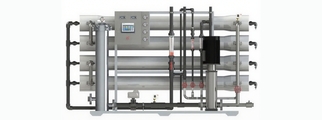
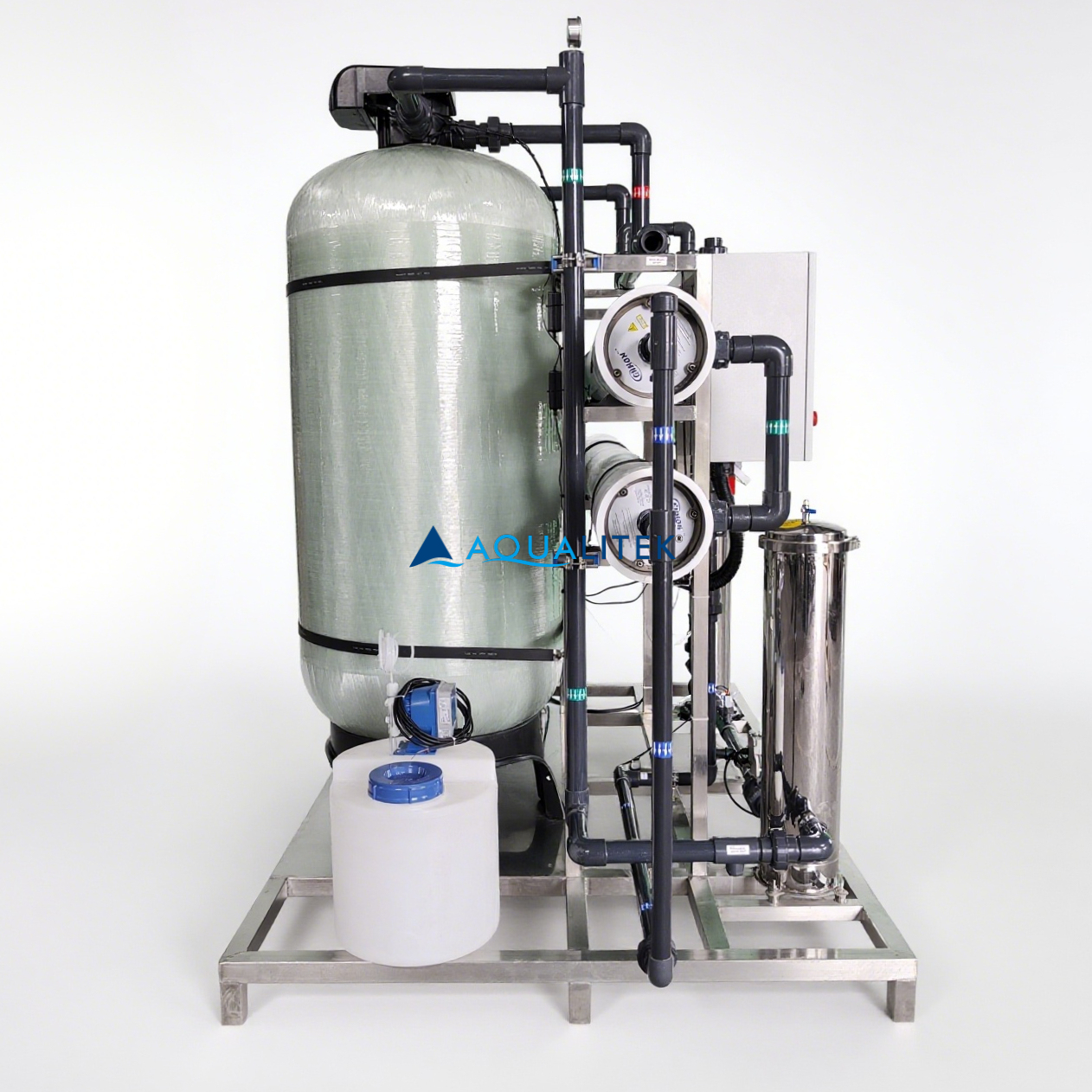
AQUALITEK 4TPH Industrial Reverse Osmosis Water Purification RO System, high-efficiency industrial-grade RO water treatment plant for manufacturing & processing, commercial reverse osmosis filtration system ideal for electronic component cleaning water use.
1. Production capacity (Flow rate) — match output to demand
Production capacity is usually expressed in m3/day, liters/hour, or tons per hour (TPH). For continuous operations, ensure the rated capacity meets peak process demand plus a contingency (typically 10–25%). The AQUALITEK 4TPH Industrial Reverse Osmosis Water Purification RO System delivers approximately 4 TPH (≈96 m3/day at continuous operation), making it suitable for medium-scale manufacturing lines such as electronic component cleaning, chemical dosing feed, or rinse tanks.
Key considerations:
- Determine peak vs average demand; size for peak or add buffer storage for peaks.
- Confirm capacity under real feed-water conditions (temperature and TDS affect output).
- Consider modular expansion — can multiple units be paralleled for growth?
2. Recovery rate and concentrate (brine) handling
Recovery rate (%) measures the share of feedwater converted to permeate (product water). Higher recovery reduces water waste but can increase fouling risk. Industrial systems vary: 40%–85% depending on feedwater and pre-treatment.
Evaluate:
- Target recovery versus feedwater salinity and hardness.
- Availability of concentrate disposal or reuse options (zero liquid discharge, evaporation ponds, etc.).
- Installations where water is costly may prioritize high recovery and additional brine treatment.
3. Salt rejection and product water quality (TDS / conductivity)
Salt rejection (%) or permeate TDS determines whether the RO product water meets process specifications. Typical industrial RO membranes achieve 96–99.8% NaCl rejection. For electronic cleaning or rinse water where conductivity must be low, you may need high-rejection membranes and/or a two-pass RO or mixed-bed polishing.
Ask vendors for: certified permeate TDS or conductivity numbers under stated test conditions, and for examples of similar installations that achieved required quality.
Example: Typical specification table
| Specification | Typical Industrial Range | AQUALITEK 4TPH Industrial RO (example) |
|---|---|---|
| Production Capacity | 1–50 TPH (modular) | 4 TPH (~96 m3/day) |
| Recovery Rate | 40%–85% | 60% (configurable with pre-treatment) |
| Salt Rejection | 96%–99.8% | ≥98% (typical with commercial polyamide membranes) |
| Operating Pressure | 8–25 bar (depends on feed TDS) | 10–18 bar (optimised) |
| Energy Consumption | 2–6 kWh/m3 (with/without energy recovery) | ~3.2 kWh/m3 (typical) |
| Membrane Type | Spiral-wound polyamide common | Industrial spiral-wound polyamide |
4. Feed water quality and pre-treatment requirements
Feed water chemistry directly impacts membrane life and system performance. Common parameters to check: TDS, hardness (Ca2+/Mg2+), silica, iron, manganese, turbidity, organics, and microbial load. Pre-treatment options include:
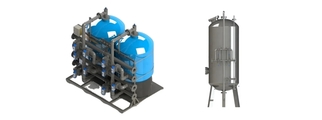
- Media filtration (sand/anthracite) for turbidity.
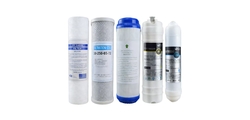
- Activated carbon for chlorine removal and organic compounds.
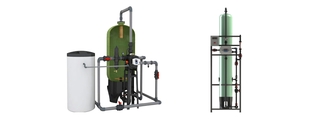
- Water softening (ion-exchange) to prevent scaling.
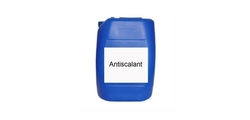
- Anti-scalant dosing and pH adjustment.
- Microfiltration or ultrafiltration for high particulate/microbial loads.
Ensure vendor provides feed-water cut sheets showing recommended pretreatment for the stated recovery and warranty.
5. Membrane selection and lifespan
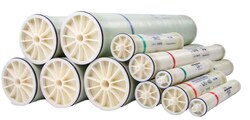
Membrane material and configuration determine salt rejection, fouling resistance, and cleaning regime. Spiral-wound polyamide membranes are industry standard for high rejection industrial RO. Important items:
- Membrane manufacturer and model — request datasheets.
- Expected lifespan under your feedwater and maintenance plan (3–7 years typical).
- Availability and cost of replacement elements.
- Cleaning protocols and recommended CIP chemicals.
6. Operating pressure, pumps, and energy efficiency
Operating pressure depends on feed TDS and membrane type. Higher TDS requires higher pressure, increasing energy consumption. Consider:
- High-efficiency pumps and variable frequency drives (VFDs) to control flow and save energy.
- Energy recovery devices for brackish or seawater RO when applicable.
- Estimate kWh/m3 under your conditions; energy is a major component of OPEX.
7. Materials of construction and corrosion resistance
Industrial systems must withstand continuous operation and corrosive environments. Typical materials:
- SS304 or SS316 stainless steel for frames and piping (SS316 preferred for corrosive or chloride-rich environments).
- GRP or coated steel for tanks when cost constraints exist.
- High-quality valves and fittings rated for operating pressures.
Check material certificates and compliance with site safety requirements.
8. Automation, controls and monitoring (: buy industrial ro system with smart controls)
Modern industrial RO systems include PLC or DCS interfaces, HMI touchscreens, and remote monitoring. Controls should enable:
- Automated start/stop, flushing and CIP scheduling.
- Alarm logging for pressures, conductivity, flow, and level switches.
- Data logging for trending and compliance reporting.
If your operation prioritizes reliability and low staffing, specify remote monitoring and automatic failover where parallel units exist.
9. Footprint, piping layout and site integration
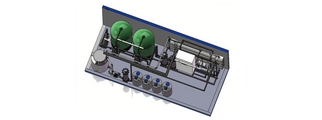
Industrial RO systems must fit into existing plant layouts. Obtain accurate dimensions and piping/routing diagrams. Consider:
- Space for operator access, maintenance, and future expansion.
- Placement of pre-treatment units and chemical dosing systems.
- Accessibility for membrane replacement and pump service.
10. Maintenance requirements, spare parts and lifecycle costs (OPEX)
Initial purchase price is only a portion of total cost — factor in OPEX for energy, consumables (membranes, chemical dosing), labor, and parts. Ask suppliers for:
- A projected 5–10 year lifecycle cost estimate.
- Recommended spare parts list and lead times.
- Local service network and options for maintenance contracts.
11. Certifications, compliance and warranties
Request evidence of quality and safety compliance: ISO certifications, CE (if required), pressure vessel codes, and membrane manufacturer warranties. For potable or regulated uses, confirm NSF/ANSI or local regulatory acceptance.
12. Vendor reputation, references and post-sale support
Evaluate vendor track record in your industry (e.g., electronics manufacturing). Ask for references for similar installations, uptime metrics, and responsiveness of technical support. Consider vendor-provided training, commissioning assistance, and spare parts stocking.
13. Return on investment (ROI) and payback considerations
Estimate ROI by comparing system capital cost plus 5–10 year OPEX against benefits: water savings, improved product quality, reduced downtime, and regulatory compliance. Include intangible benefits like reduced contamination risk for sensitive processes such as electronic component cleaning.
Brand highlight: Why choose AQUALITEK for your industrial RO needs?
AQUALITEK products are designed for industrial reliability and ease of integration. Key brand advantages include:
- Industry-focused designs: AQUALITEK 4TPH Industrial Reverse Osmosis Water Purification RO System is engineered for continuous industrial operation and electronic component cleaning water use.
- Complete systems: Pre-treatment, automation, and optimized membrane configurations included to deliver consistent product water quality.
- Service & support: Commissioning assistance and spare parts for minimal downtime.
- Customization: Options for higher recovery, two-pass RO, or integrated polishing to meet stricter water specs.
FAQ — Common questions when buying an industrial RO system
Q: How long do RO membranes last in industrial systems?
A: Typical membrane life is 3–7 years, depending on feedwater quality, pre-treatment effectiveness, cleaning protocols, and operating conditions. Regular monitoring and appropriate CIP extend membrane life.
Q: What is the typical operating cost of an industrial RO system?
A: Operating costs vary widely based on energy prices, feedwater quality, and recovery. Energy often dominates OPEX and can range from ~2–6 kWh/m3 unless energy recovery is used. Chemical dosing and membrane replacement also contribute. Request a site-specific OPEX estimate from suppliers.
Q: Can RO handle hard water and iron-rich feed water?
A: RO itself does not remove hardness scalants well without pre-treatment. Silica, iron, and hardness must be treated via softening, antiscalant dosing, filtration, or specific pretreatment steps to avoid membrane fouling and scaling.
Q: What about wastewater (concentrate) disposal?
A: Concentrate disposal options depend on local regulations and site constraints: sewer discharge (with permit), evaporation, deep-well injection, or further brine concentration/zero-liquid discharge systems. Early planning is essential.
Q: Is a standard RO enough for ultra-pure water required in electronics?
A: For ultra-pure or deionized water used in high-end electronics, RO is often followed by ion-exchange, electrodeionization (EDI), or mixed-bed polishing to reach conductivity and resistivity targets. A two-pass RO can also lower TDS before polishing.
Final advice and next steps (: buy industrial ro system)
When evaluating vendors, request a complete technical proposal that includes:
- Guaranteed product water quality under your feedwater conditions.
- Detailed BOM, datasheets, and maintenance plan.
- Reference installations and performance testimonials.
- Lifecycle cost analysis (CAPEX + 5–10 year OPEX).
If your requirement aligns with a mid-scale industrial plant, consider the AQUALITEK 4TPH Industrial Reverse Osmosis Water Purification RO System for a balance of capacity, efficiency, and process-focused design.
Contact & CTA
To discuss specifications, request a proposal, or schedule a site survey for the AQUALITEK 4TPH Industrial Reverse Osmosis Water Purification RO System, contact our sales team. View product details or request a quote to evaluate fit, pricing, and lead time.
References and authoritative resources
For deeper technical background and standards, consult the following authoritative sources:
- Reverse osmosis — Wikipedia: https://en.wikipedia.org/wiki/Reverse_osmosis
- U.S. Environmental Protection Agency (EPA) — Water Research & Treatment Technologies: https://www.epa.gov/water-research
- World Health Organization (WHO) — Water Quality and Health: https://www.who.int/water_sanitation_health
- NSF International — Standards and Certification: https://www.nsf.org
- Membrane manufacturer technical resources (e.g., DuPont FilmTec datasheets): https://www.dupont.com
Additional notes
This article is intended to help technical buyers and engineers compare and prioritize specifications when purchasing an industrial RO system. Always validate vendor claims through performance testing at your site conditions and secure contractual guarantees for performance and support.
RO vs UV vs Activated Carbon: Which System Fits You?
Sustainable Water Purification: Reduce Waste and Energy — Practical Guide by Aqualitek
Top 10 Water Purification System Types for Home Use
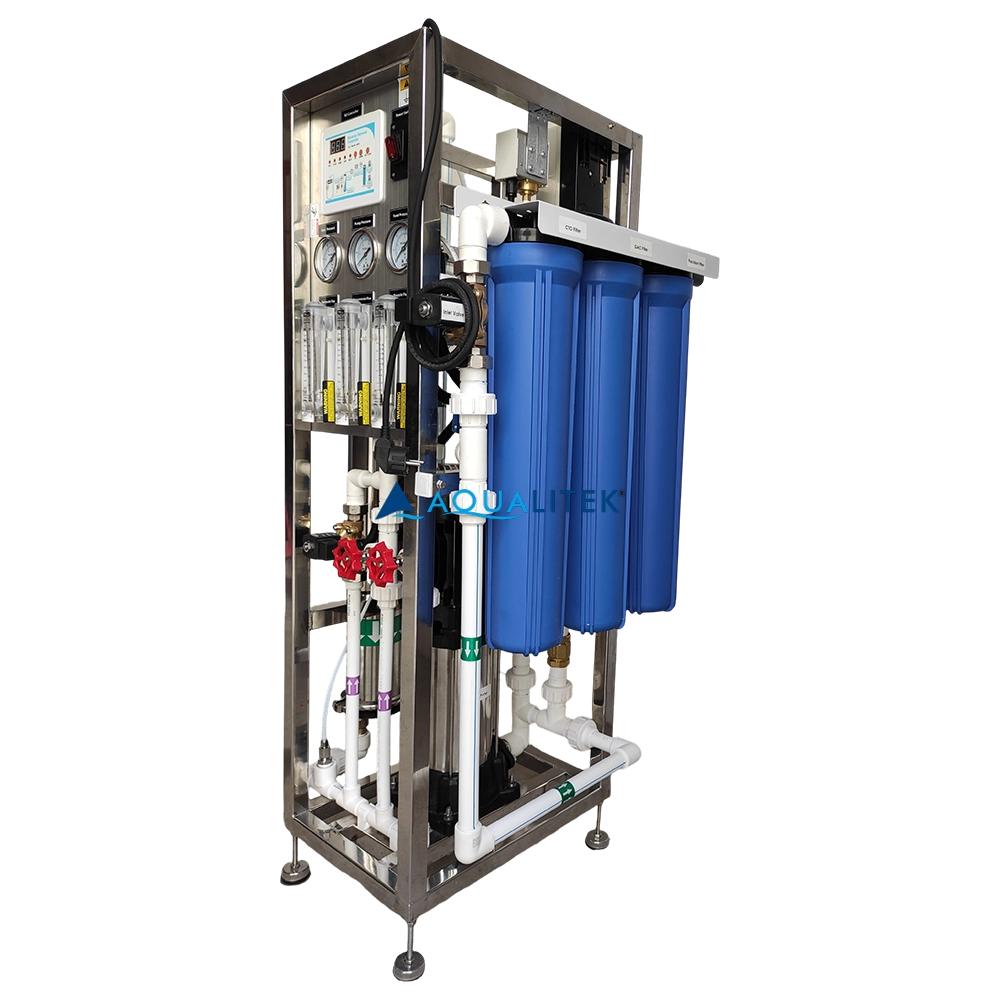
Best Reverse Osmosis Water Filter System for High Capacity Use
FAQ-aqualitek
How do I choose the right water treatment system for my needs?
The choice depends on factors such as water quality, application, flow rate, and purification requirements. Our team of experts can analyze your water source and recommend the most suitable solution for residential, commercial, or industrial applications.
Are AQT’s water treatment products certified?
Yes! Our products comply with international quality and safety standards, including ISO, CE, and NSF certifications. We prioritize high-quality materials, advanced technology, and strict quality control to ensure superior performance and reliability.
What types of water treatment systems does AQT offer?
AQT provides a wide range of water purification solutions, including reverse osmosis (RO) systems, ultrafiltration (UF) systems, nanofiltration (NF) systems, deionization (DI) systems, electro-deionization (EDI) systems, chemical dosing systems, and water softeners. We also supply spare parts and components for water treatment systems.
Solutions
What types of water treatment systems does AQT offer?
AQT provides a wide range of water purification solutions, including reverse osmosis (RO) systems, ultrafiltration (UF) systems, nanofiltration (NF) systems, deionization (DI) systems, electro-deionization (EDI) systems, chemical dosing systems, and water softeners. We also supply spare parts and components for water treatment systems.
Blog
Do softener systems remove iron or chlorine?
Not typically. If your water contains iron, manganese, or chlorine, consider a dual-system setup or add specialized pre-filters.
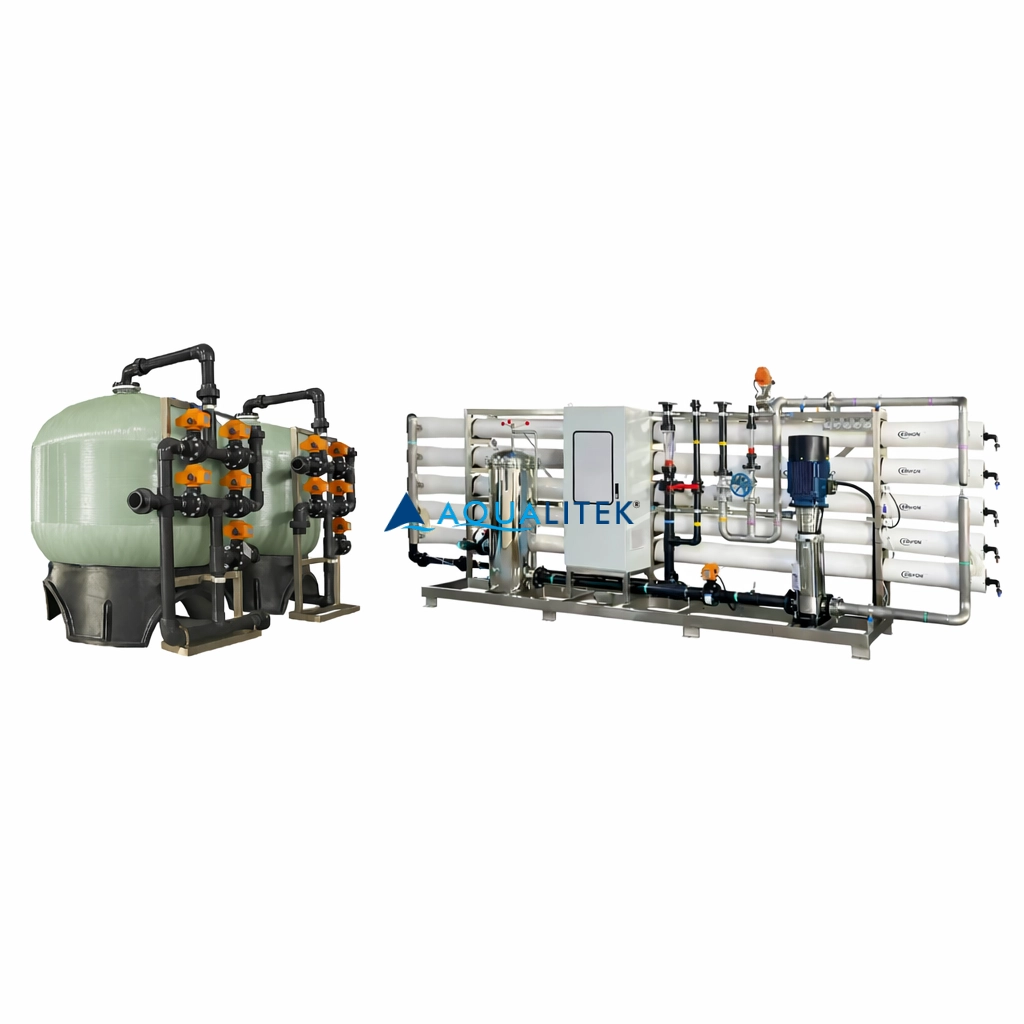
30TPH Industrial Reverse Osmosis (RO) System
30TPH Industrial Reverse Osmosis (RO) System designed for industrial and municipal water treatment. High salt rejection, energy-efficient design, PLC control, and customizable configuration.
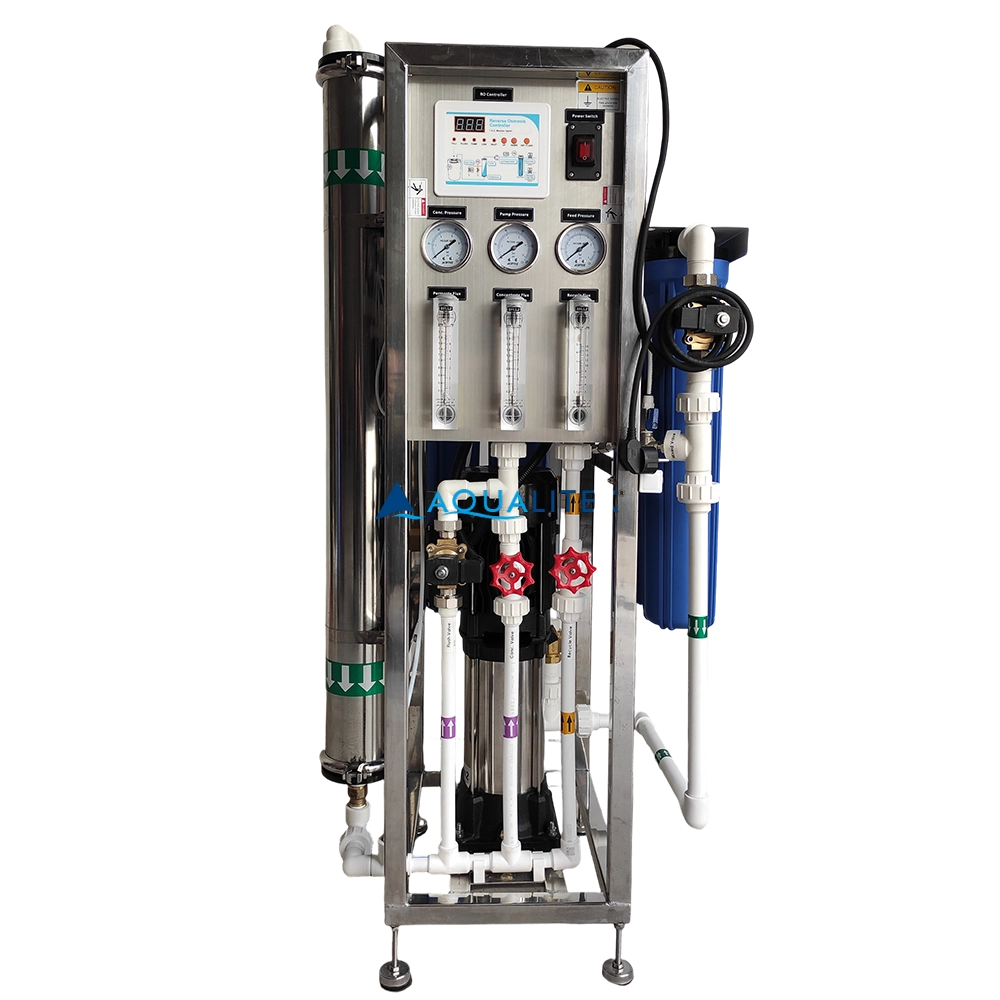
500 LPH Reverse Osmosis (RO) Water Purification Machine TWV - 412
Our 500 LPH Reverse Osmosis (RO) System is engineered to provide high-quality purified water for commercial applications. Designed with advanced RO technology, durable components, and a user-friendly interface, this system ensures consistent performance, low maintenance, and long-term reliability.
With its compact design and robust skid-mounted frame, it’s an excellent choice for businesses that demand efficiency and quality in water purification.
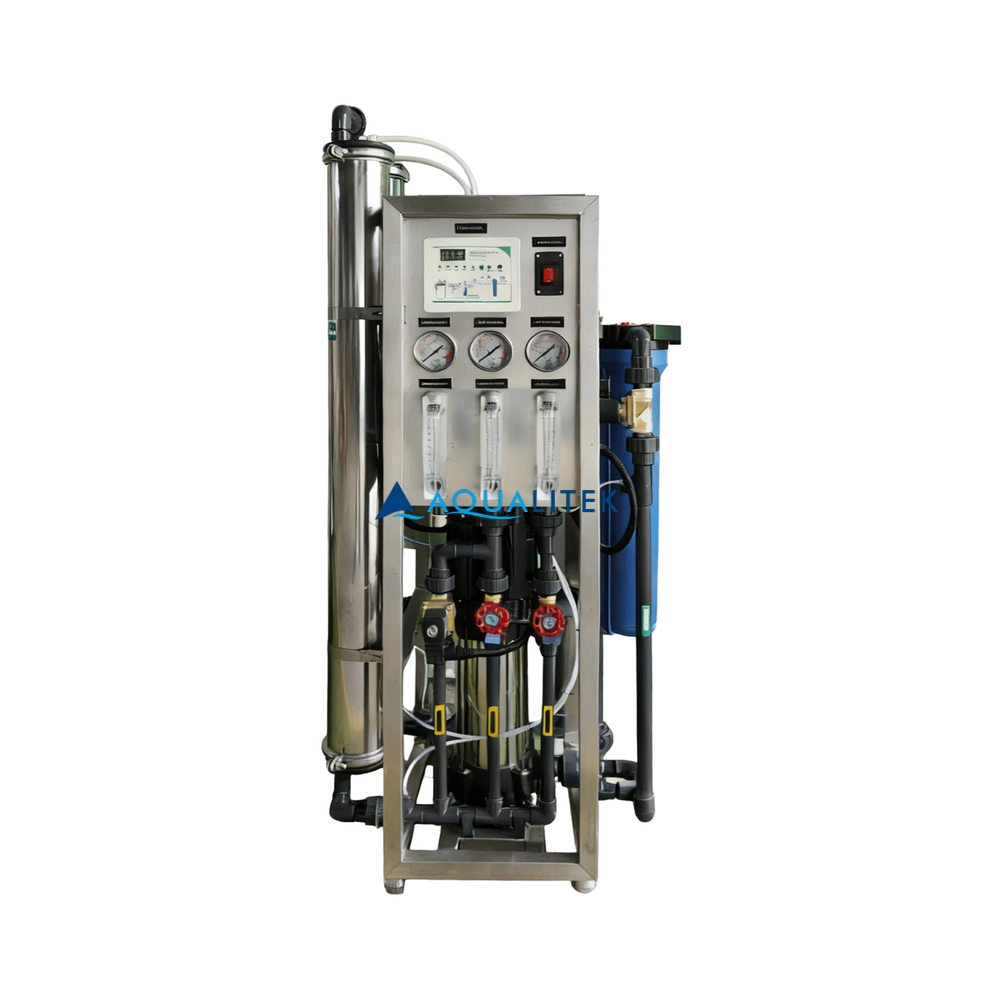
Tap Water Reverse Osmosis (TWRO) Systems TWV Series
TWV series Reverse Osmosis (RO) systems are pre-engineered and pre-assembled units with 2.5”/4” membrane housings(single element type)for tap water(lower TDS).They are designed for overall superior performance, high recovery rates and offer great savings with low maintenance and operation costs.
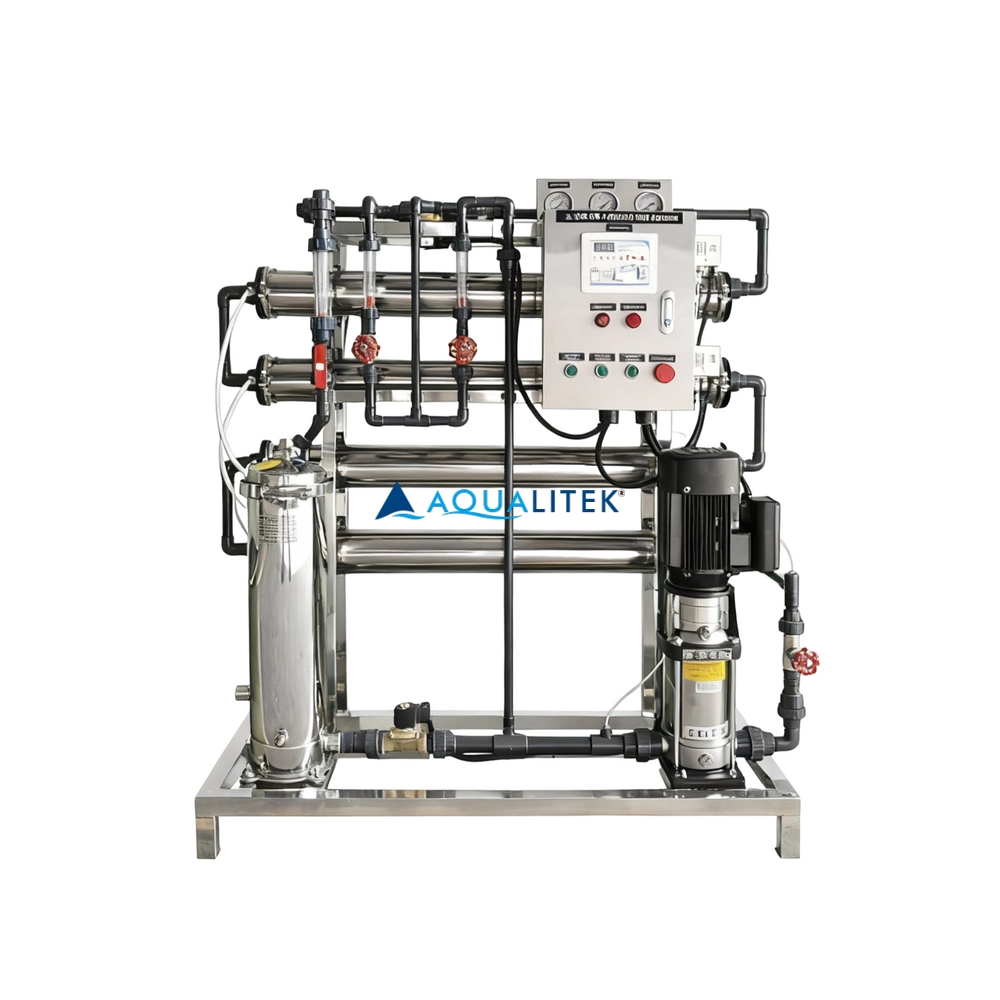
Tap Water Reverse Osmosis (TWRO) Systems TWF Series
TWF series Reverse Osmosis (RO) systems are pre-engineered and pre-assembled units with 4” membrane housings(multiple elements type) for tap water(lower TDS) .The medium large volumes can help meet your a variety of commercial and industrial applications. They are designed for overall superior performance, high recovery rates and offer great savings with low maintenance and operation costs.
Request More Information
Contact us today for product catalogs, customization options, and a free quotation designed for your business needs.
Rest assured that your privacy is important to us, and all information provided will be handled with the utmost confidentiality.
© 2026 AQUALITEK. All rights reserved.
AQUALITEK- Aimee Hoo
AQUALITEK - Aimee Hoo