




Scaling and Fouling Control Strategies for BWRO BWE Systems
- Scaling and Fouling Control Strategies for BWRO BWE Systems — Water Treatment Systems for Well Water
- Understanding scaling and fouling in Water Treatment Systems for Well Water
- Why BWRO BWE Series needs targeted scaling and fouling controls
- Step 1 — Comprehensive feedwater analysis for well water
- Step 2 — Pre-treatment options and choosing the right solution
- Step 3 — Antiscalant selection and dosing strategy
- Step 4 — Operational parameters for BWRO BWE Series
- Step 5 — Cleaning-in-place (CIP) and chemical protocols
- Step 6 — Monitoring, instrumentation, and process control
- Membrane selection, element type, and configuration choices
- Biofouling-specific measures for well water systems
- Troubleshooting common scenarios in BWRO BWE Series operations
- Economic trade-offs: CAPEX vs OPEX and ROI considerations
- Maintenance checklist for reliable BWRO BWE Series performance
- How the BWE Series helps reduce scaling and fouling risk
- FAQ — Frequently Asked Questions about scaling and fouling for BWRO BWE Series
- Contact and product action — Learn more about BWE Series
- References and authoritative resources

Scaling and Fouling Control Strategies for BWRO BWE Systems — Water Treatment Systems for Well Water
Scaling and fouling are the two most common performance limitations for brackish water reverse osmosis (BWRO) plants treating well water. This article focuses on practical, industry-proven strategies to reduce scaling and fouling risk in BWRO units, specifically addressing Brackish Water Reverse Osmosis (BWRO) Systems BWE Series. We cover feedwater characterization, pre-treatment choices, antiscalant and chemical cleaning approaches, operational best practices, monitoring, and maintenance. The guidance is written for plant operators, engineers, and decision makers who specify or operate Water Treatment Systems for Well Water. Even with strong preventive measures, operational challenges can still arise. When performance drops or alarms occur, troubleshooting BWRO BWE systems to solve well water issues provides practical solutions for fast recovery.
Understanding scaling and fouling in Water Treatment Systems for Well Water
Scaling is precipitation of sparingly soluble salts (e.g., calcium carbonate, calcium sulfate, barium sulfate, silica) on membrane surfaces and within feed channels when local supersaturation occurs. Fouling encompasses organic matter, biofouling (microbial growth and biofilm), colloidal/particulate deposition, and iron/manganese precipitates common in well water. Both phenomena reduce permeate flow, raise differential pressure, lower salt rejection, and increase cleaning frequency and operating cost.
Why BWRO BWE Series needs targeted scaling and fouling controls
Brackish feedwaters from wells often have higher hardness, elevated silica, iron, and natural organic matter (NOM). The
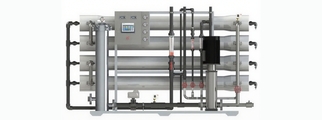
BWE series Reverse Osmosis (RO) systems are pre-engineered and pre-assembled units with 8” membrane housings for brackish water(higher TDS).The large volumes can help meet your a variety of industrial applications.T hey are designed for overall superior performance, high recovery rates and offer great savings with low maintenance and operation costs.
To preserve the BWE Series' high recovery and low-maintenance benefits, operators must implement a coordinated strategy of feedwater analysis, pre-treatment, controlled recovery, antiscalant dosing, and routine maintenance.
Step 1 — Comprehensive feedwater analysis for well water
Effective prevention begins with good data. Key parameters to measure for Water Treatment Systems for Well Water include:
- pH and alkalinity (total and bicarbonate)
- Hardness: calcium and magnesium
- Sulfate, chloride, sodium (TDS)
- Silica (reactive and total)
- Iron and manganese (dissolved and particulate)
- Temperature
- Natural organic matter (TOC, UV254)
- Suspended solids and turbidity
- Microbial indicators (heterotrophic plate count) when biofouling suspected
Use this data to calculate saturation indices for common salts (e.g., LSI and scaling indices for CaCO3, CaSO4, BaSO4) and to model expected scaling at different recoveries. Modern design tools and antiscalant suppliers can predict scaling potential and recommended dosing using these analyses.
Step 2 — Pre-treatment options and choosing the right solution
Pre-treatment must be selected based on feedwater composition and plant recovery goals. For well water, common pre-treatment steps include:
- Oxidation and clarification for iron/manganese removal (e.g., aeration, chemical oxidation + filtration)
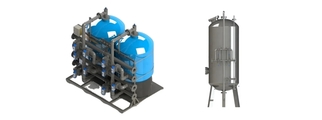
- Media filtration (sand/anthracite) or multimedia filtration for turbidity and particulate removal
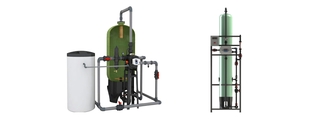
- Greensand/ion exchange for iron and manganese where required
- Softening (ion exchange or chemical precipitation) when hardness is very high and high recovery is required
- Cartridge filtration (5–1 µm) immediately upstream of RO to protect membranes
- Advanced options: nanofiltration pretreatment to remove divalent ions at the cost of additional CAPEX
Table — Comparison of common pre-treatment options for well water (strengths and limitations):
| Pre-treatment | Primary target | Strengths | Limitations |
|---|---|---|---|
| Oxidation + Filtration | Iron, Manganese, H2S | Effective, robust, relatively low cost | Requires handling of oxidant, backwash wastes |
| Media Filtration | Particulates, Turbidity | Low maintenance, protects RO membranes | Not effective for dissolved ions |
| Softening (Ion Exchange) | Hardness (Ca2+, Mg2+) | Drastically reduces scaling potential | Regenerant disposal, higher OPEX |
| Nanofiltration Pretreatment | Divalent ions, organics | High performance, can enable higher RO recovery | Higher CAPEX, additional complexity |
| Cartridge Filtration | Fine particulates | Protects membranes; low cost | Frequent changeouts if solids high |
Step 3 — Antiscalant selection and dosing strategy
Antiscalants are often the most cost-effective method to manage inorganic scaling for BWRO treating well water. Key points:
- Choose antiscalants designed to inhibit the specific salts predicted to scale (CaCO3, CaSO4, BaSO4, silica)
- Dose based on feedwater chemistry, temperature, and chosen recovery. Supplier dosing calculators and lab jar tests are essential.
- Consider feed-forward vs. feedback dosing. Feed-forward uses measured feedwater parameters and modeled dosing; feedback adjusts dosing using real-time sensors (e.g., online conductivity or permeate flow decline).
- Avoid overdosing which can increase organic fouling potential and raise OPEX; underdosing leads to scale formation and reduced membrane life.
Step 4 — Operational parameters for BWRO BWE Series
Operational control is critical. Best practices include:
- Set practical recovery limits based on scaling indices. If feedwater is scaling-prone, reduce recovery rather than risking frequent CIP or membrane replacement.
- Maintain appropriate crossflow velocity to limit concentration polarization and particle deposition. The BWE Series' design with 8 housings supports favorable velocities when flow is balanced correctly.
- Use permeate flux control: avoid high localized flux that increases concentration polarization and scaling risk.
- Implement staged recovery (multiple arrays) where possible to stage concentration and reduce overall scaling at high recovery.
Step 5 — Cleaning-in-place (CIP) and chemical protocols
Even with the best prevention, periodic CIP is required. Develop a CIP protocol that addresses both inorganic scale and organic/biofouling:
- Acid cleaning (e.g., citric, hydrochloric, or specialized acid formulations) to dissolve carbonate and metal salts. Ensure compatibility with membrane type.
- Alkaline cleaning (e.g., NaOH with surfactants/chelant) to remove organics and biofilms.
- Use enzymatic or biological cleaners when biofouling is severe.
- Follow supplier-recommended temperatures, concentrations, and contact times. Record differential pressures and fluxes pre- and post-CIP to assess effectiveness.
Step 6 — Monitoring, instrumentation, and process control
Early detection is essential to avoid irreversible damage. Invest in the following monitoring elements for Water Treatment Systems for Well Water:
- Online differential pressure monitoring across pressure vessels
- Feed, brine, and permeate conductivity sensors
- Flow meters on permeate and concentrate lines
- Periodic sampling for silica, calcium, sulfate, iron, and TOC
- Operational alarms for sudden increases in TMP or loss of permeate flux
Combine alarms with a standard operating procedure (SOP) that defines corrective actions (e.g., reduce recovery, initiate antiscalant boost, inspect pre-treatment filters).
Membrane selection, element type, and configuration choices
Select membranes with suitable chemical tolerance and anti-fouling features. For high silica or organic content, choose membranes with known performance in those environments and established cleaning resilience. Consider element configuration (feed spacer thickness, element length) since tighter feed spacers reduce fouling but can increase pressure drop. Discuss options with membrane manufacturers and use pilot testing under real well-water conditions when possible.
Biofouling-specific measures for well water systems
While deep well waters are often low in biological activity, shallow wells or distribution system ingress can introduce biofouling risk. Controls include:
- Chlorination or alternative biocides upstream with dechlorination before RO when necessary
- UV or membrane filtration for particle reduction
- Maintaining oxidant residuals and avoiding nutrient sources that promote growth
- Regular microbial monitoring (HPC, ATP tests) to detect growth early
Troubleshooting common scenarios in BWRO BWE Series operations
Common problems and first-line responses:
- Rapid flux decline with rising TMP: check cartridge filters, media filters, and consider immediate backwash or cartridge change. If not solids, consider scaling — check antiscalant dosing and feedwater composition.
- Drop in salt rejection: inspect for membrane damage, high feedwater chlorine (oxidative damage), or compaction due to high temperature/pressure swings.
- Increased cleaning frequency: review pre-treatment, antiscalant type/dose, and operating recovery.
Economic trade-offs: CAPEX vs OPEX and ROI considerations
Design decisions (e.g., adding softening or nanofiltration) increase CAPEX but can greatly reduce OPEX by lowering chemical usage, reducing cleaning frequency, and extending membrane life. Antiscalants and automated dosing have low CAPEX and often quick payback. Provide a simple costing comparison during design phase: initial expenditure vs. annual operating savings (chemical, membrane replacement, downtime). A pilot test can refine ROI estimates.
Maintenance checklist for reliable BWRO BWE Series performance
Recommended routine tasks:
- Daily: Check pressures, flows, antiscalant dosing, and alarms
- Weekly: Inspect feed pretreatment backwash cycles and cartridge integrity
- Monthly: Collect water chemistry for critical scalants (Ca, Mg, silica, sulfate), verify antiscalant stock
- Quarterly: Perform membrane performance trending and recalibrate sensors
- Annually: Full system review, element integrity test, consider pilot testing if feedwater changes
How the BWE Series helps reduce scaling and fouling risk
The Brackish Water Reverse Osmosis (BWRO) Systems BWE Series provides several design features that assist operators in managing scaling and fouling for Water Treatment Systems for Well Water:
- Pre-engineered 8 membrane housings that support standardized element configurations for predictable crossflow and velocity control.
- High recovery design capabilities when combined with appropriate pre-treatment and antiscalant strategies, enabling lower concentrate volumes and reduced wastewater.
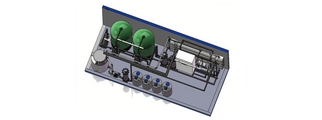
- Compact pre-assembled skids that simplify integration of dosing pumps, monitoring instruments, and CIP loops.
- Robust materials and easy access for CIP, reducing downtime and maintenance complexity.
When paired with a proper pretreatment train, correctly dosed antiscalant, and disciplined monitoring, the BWE Series can deliver reliable, long-term performance for well water applications while minimizing lifecycle costs.
FAQ — Frequently Asked Questions about scaling and fouling for BWRO BWE Series
Q1: What is the single most effective step to reduce scaling in a BWRO treating well water?
A1: Conduct a detailed feedwater analysis and implement the appropriate pre-treatment. Often the most impactful single step is correct antiscalant selection and dosing based on that analysis; however, very high hardness may necessitate softening.
Q2: Can I run the BWE Series at high recovery with minimal pre-treatment?
A2: Running at high recovery without adequate pre-treatment increases scaling risk and cleaning frequency. High recovery is achievable with the BWE Series if pre-treatment, antiscalant dosing, and monitoring are designed for the feedwater's scaling potential.
Q3: How often should CIP be performed?
A3: CIP frequency depends on feedwater quality and operating conditions. Typical intervals range from monthly to quarterly for inorganic-heavy feeds; however, trend monitoring of flux and TMP will determine optimal timing. Avoid reactive CIP after severe fouling—proactive maintenance is better.
Q4: Are antiscalants safe for membranes and the environment?
A4: Modern antiscalants are formulated to be membrane-compatible at recommended doses. Manage concentrate discharge according to local regulations; some antiscalants are biodegradable but disposal rules vary.
Q5: What monitoring instruments are essential for a BWRO treating well water?
A5: Essential instruments include feed/brine/permeate conductivity meters, flow meters, pressure gauges (including TMP), and periodic lab testing for silica, hardness, TOC, iron, and microbiological indicators.
Contact and product action — Learn more about BWE Series
If you operate or plan Water Treatment Systems for Well Water and want to reduce scaling and fouling risk, contact our technical sales team for a feedwater assessment, pilot testing, or a custom proposal for the Brackish Water Reverse Osmosis (BWRO) Systems BWE Series. View the product page or contact sales for a quote: .
References and authoritative resources
For deeper technical guidance and standards, consult these authoritative sources:
- U.S. Environmental Protection Agency (EPA) — Reverse Osmosis and Nanofiltration: https://www.epa.gov/water-research
- World Health Organization (WHO) — Water Treatment Technologies: https://www.who.int/water_sanitation_health/publications
- AWWA (American Water Works Association) Manuals and Standards: https://www.awwa.org
- International Desalination Association (IDA) — Desalination and Water Reuse: https://idadesal.org
- Membrane Technology and Research (MTR) — Guides on scaling and antiscalants: https://www.mtrinc.com
- Membrane Society of Australasia / Industry technical guides: https://www.membranes.org.au
- EPA National Primary Drinking Water Regulations and Chemistry References: https://www.epa.gov/ground-water-and-drinking-water
Implementing a data-driven, layered strategy — accurate feedwater assays, right-sized pre-treatment, correct antiscalant dosing, controlled operating recovery, and routine monitoring — will protect BWRO BWE Series systems from scaling and fouling and preserve low operating costs and long membrane life.
Top 10 water softener system Manufacturers and Supplier Brands
Common Contaminants in Well Water and Treatment Options
Choosing a 12TPH Industrial UF Water Treatment Device for Plants
Reverse Osmosis Water Purification System Explained
Solutions
Can I use AQT’s water treatment systems for seawater desalination?
Yes! We provide seawater desalination systems using advanced reverse osmosis (RO) technology, specifically designed to convert seawater into fresh, drinkable water. These systems are ideal for coastal communities, marine applications, and industrial desalination projects.
Are AQT’s water treatment products certified?
Yes! Our products comply with international quality and safety standards, including ISO, CE, and NSF certifications. We prioritize high-quality materials, advanced technology, and strict quality control to ensure superior performance and reliability.
Blog
How do I know when to add salt to my softener?
Check the brine tank monthly. Modern systems often alert you automatically when salt levels are low.
FAQ-aqualitek
What types of water treatment systems does AQT offer?
AQT provides a wide range of water purification solutions, including reverse osmosis (RO) systems, ultrafiltration (UF) systems, nanofiltration (NF) systems, deionization (DI) systems, electro-deionization (EDI) systems, chemical dosing systems, and water softeners. We also supply spare parts and components for water treatment systems.
Can I use AQT’s water treatment systems for seawater desalination?
Yes! We provide seawater desalination systems using advanced reverse osmosis (RO) technology, specifically designed to convert seawater into fresh, drinkable water. These systems are ideal for coastal communities, marine applications, and industrial desalination projects.
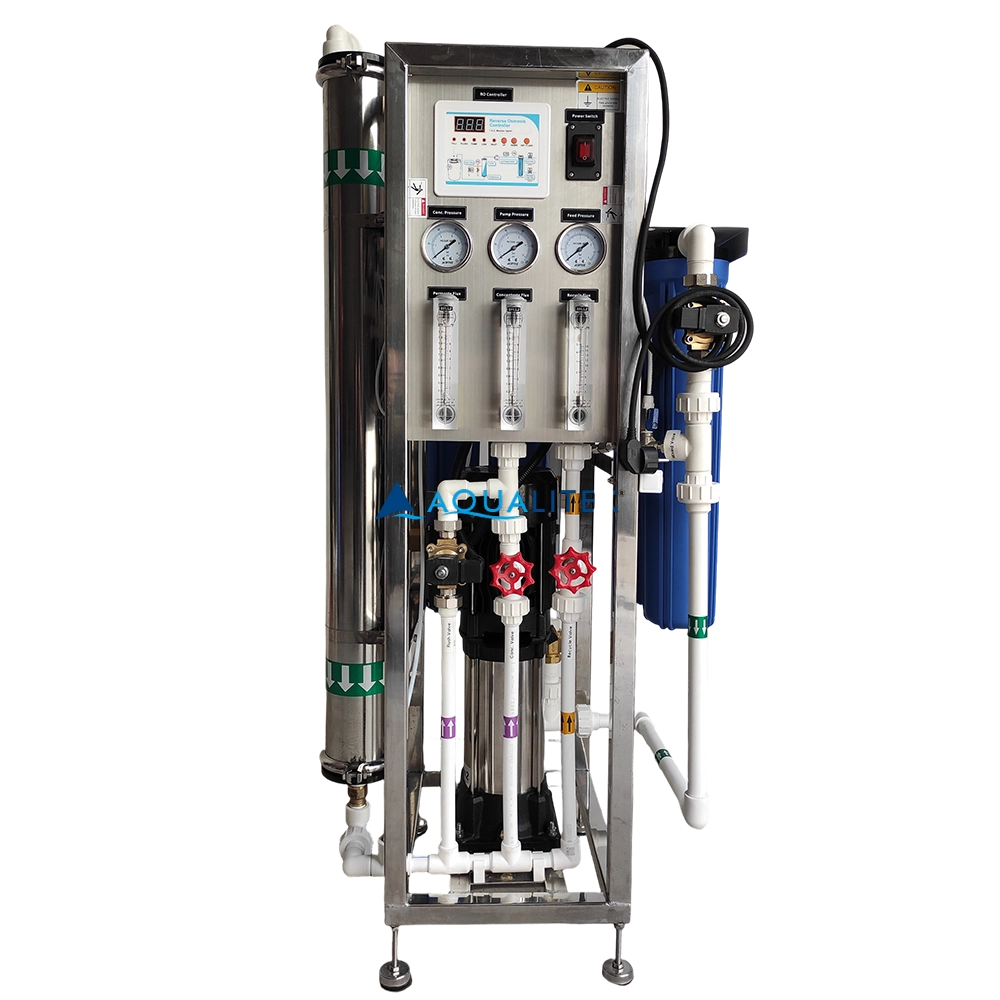
500 LPH Reverse Osmosis (RO) Water Purification Machine TWV - 412
Our 500 LPH Reverse Osmosis (RO) System is engineered to provide high-quality purified water for commercial applications. Designed with advanced RO technology, durable components, and a user-friendly interface, this system ensures consistent performance, low maintenance, and long-term reliability.
With its compact design and robust skid-mounted frame, it’s an excellent choice for businesses that demand efficiency and quality in water purification.
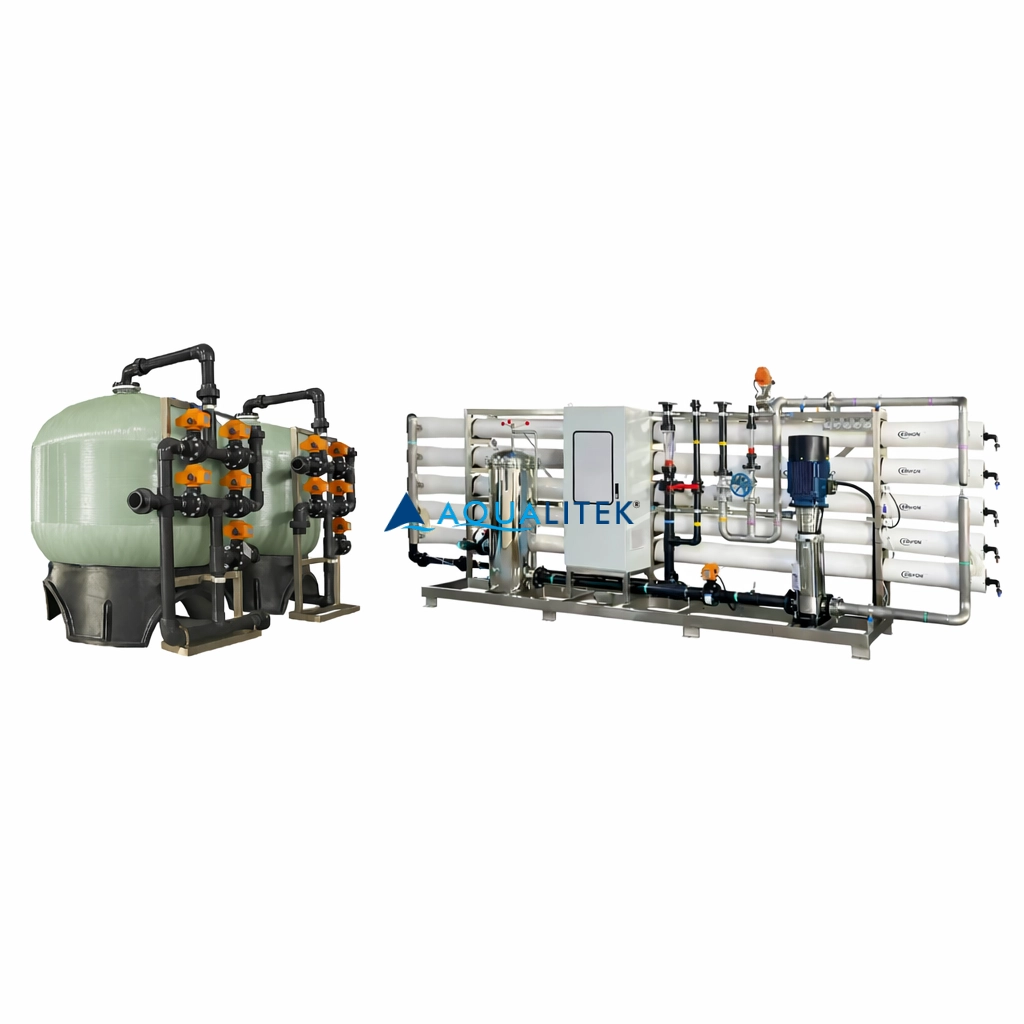
30TPH Industrial Reverse Osmosis (RO) System
30TPH Industrial Reverse Osmosis (RO) System designed for industrial and municipal water treatment. High salt rejection, energy-efficient design, PLC control, and customizable configuration.
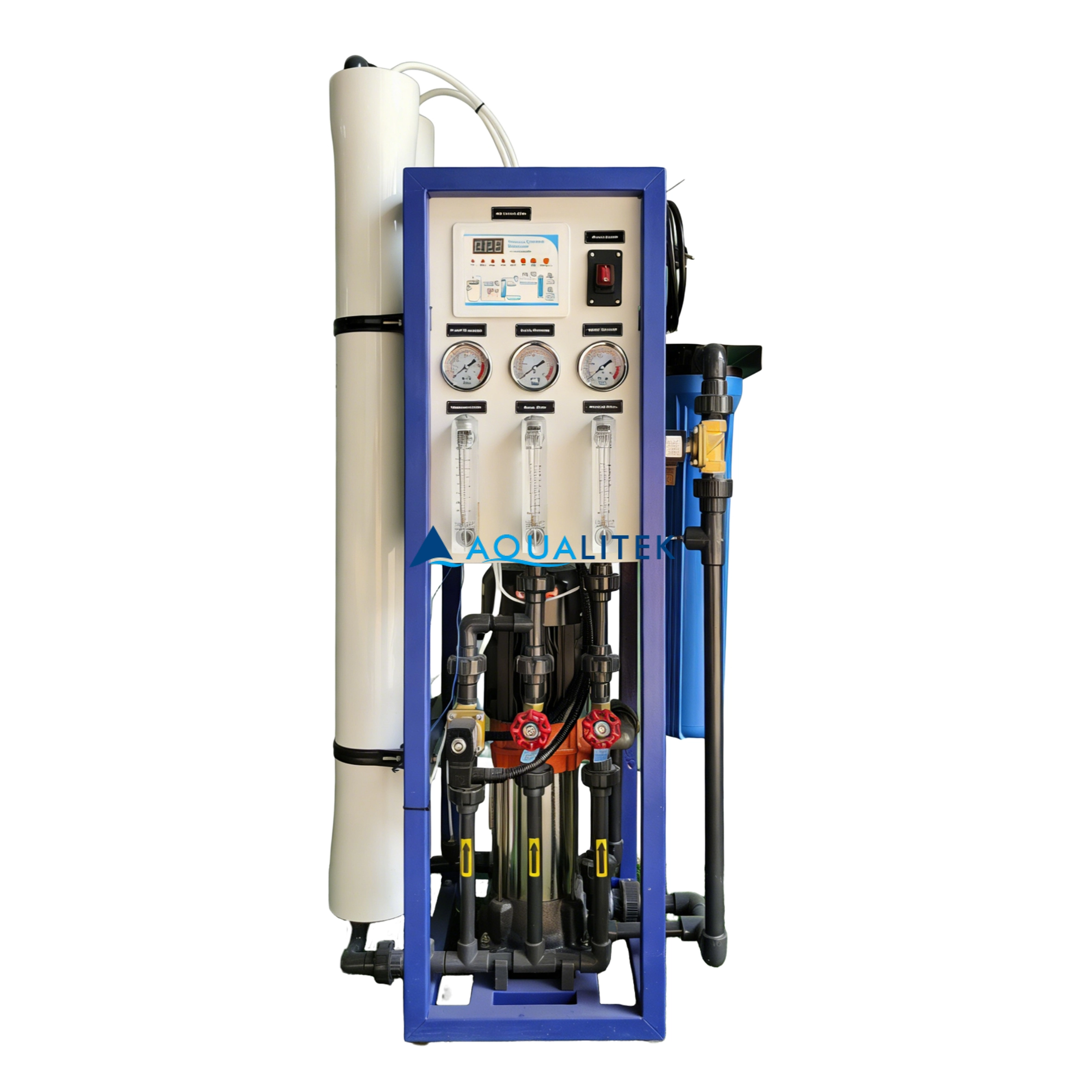
500LPH Panel Mounted Reverse Osmosis Water Purification System
AQUALITEK's 500LPH Panel Mounted Reverse Osmosis Water Purification System delivers reliable 500 LPH RO water production. This compact industrial reverse osmosis unit is ideal for small scale industrial RO needs, ensuring efficient and high-quality purified water in a space-saving design.
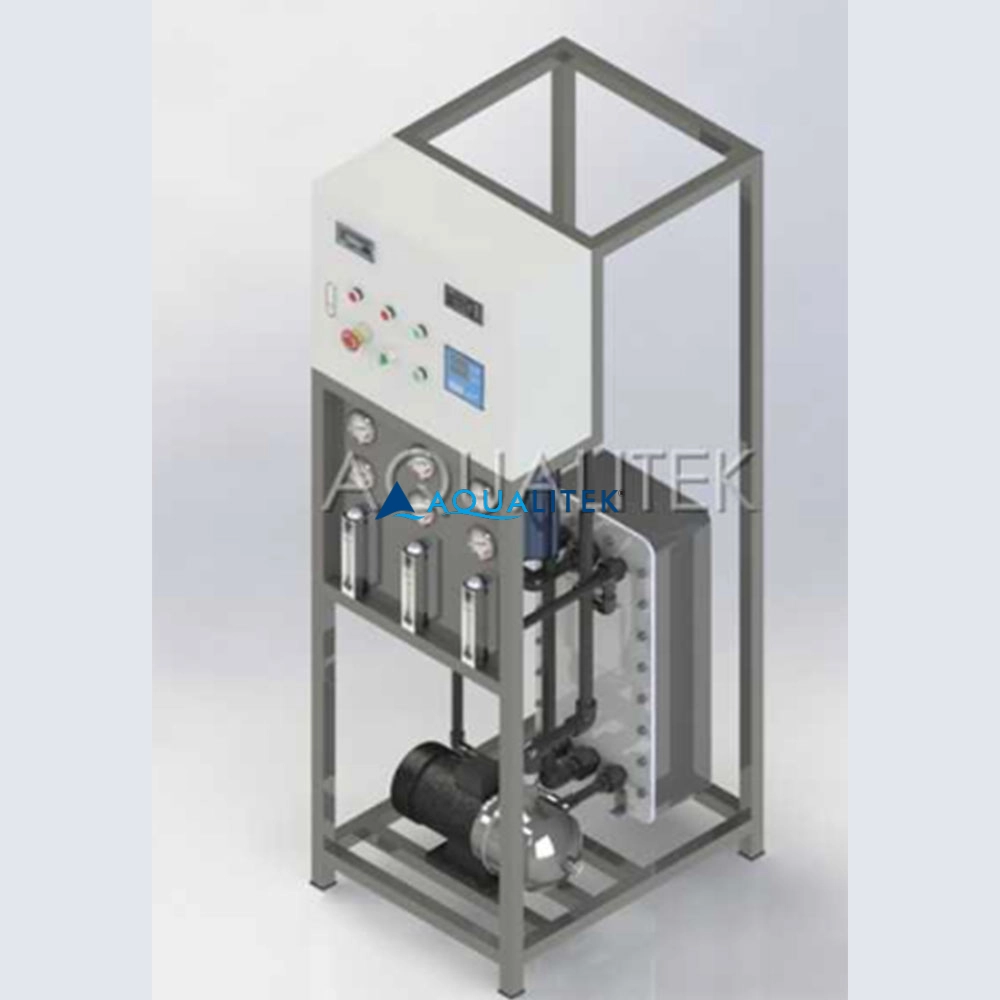
Electrodeionization Systems to Get UltraPure Water
Electrodeionization (EDI) system is an advanced water purification technology that combines ion exchange and electrochemical processes to produce ultra-pure water. Unlike traditional deionization methods, which rely on chemical regeneration, EDI utilizes electric fields to drive the movement of ions through ion-exchange membranes, effectively removing dissolved salts and other ionic contaminants.
This process is continuous and does not require the use of chemicals for regeneration, making it an environmentally friendly and cost-effective solution for producing high-quality deionized water. EDI systems are widely used in applications requiring ultrapure water, such as in the pharmaceutical, semiconductor, power generation, and biotechnology industries, as well as for laboratory use.
By offering high-purity water without the need for chemical regeneration, EDI systems provide a sustainable, efficient, and reliable alternative to traditional deionization methods, making them an ideal choice for industries where water quality and process control are critical.
Request More Information
Contact us today for product catalogs, customization options, and a free quotation designed for your business needs.
Rest assured that your privacy is important to us, and all information provided will be handled with the utmost confidentiality.
© 2026 AQUALITEK. All rights reserved.
AQUALITEK- Aimee Hoo
AQUALITEK - Aimee Hoo