




Common Contaminants in Well Water and Treatment Options
- Understanding Your Well Water: Health Risks and Solutions — Water Treatment Systems for Well Water
- Why test and treat well water — Water Treatment Systems for Well Water
- Common microbiological contaminants — Water Treatment Systems for Well Water
- Common chemical contaminants — Water Treatment Systems for Well Water
- Iron, manganese, hardness and taste issues — Water Treatment Systems for Well Water
- Table: Typical contaminants, detection, and recommended Water Treatment Systems for Well Water
- How to test your well and interpret results — Water Treatment Systems for Well Water
- Overview of Water Treatment Systems for Well Water: technologies, strengths and limits
- Selecting and sizing Water Treatment Systems for Well Water
- Costs and maintenance considerations — Water Treatment Systems for Well Water
- Practical case examples — Water Treatment Systems for Well Water
- Aqualitek and tailored Water Treatment Systems for Well Water
- Maintenance checklist and performance verification — Water Treatment Systems for Well Water
- Choosing a vendor and ensuring compliance — Water Treatment Systems for Well Water
- Frequently Asked Questions — Water Treatment Systems for Well Water
- Contact and product inquiry
- References and data sources
Understanding Your Well Water: Health Risks and Solutions — Water Treatment Systems for Well Water
Private wells supply clean water to millions of households worldwide, but well water quality is highly variable. Regular testing, correct interpretation of results, and choosing the right Water Treatment Systems for Well Water are essential to protect health and property. This article walks through common contaminants, detection methods, effective treatment technologies, cost and maintenance considerations, and how to select reliable system providers.
Why test and treat well water — Water Treatment Systems for Well Water
Unlike municipal supplies, private wells are not regulated; owners are responsible for testing and treatment. Routine testing reveals microbiological risks (coliform bacteria, E. coli), chemical contaminants (nitrate, arsenic, lead), and aesthetic issues (iron, hardness, sulfur). Choosing appropriate Water Treatment Systems for Well Water depends on contaminant type, concentration, water usage, budget, and site constraints.
Common microbiological contaminants — Water Treatment Systems for Well Water
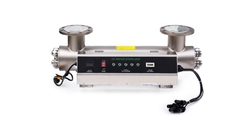
Microorganisms are among the most immediate health hazards in well water. Common targets include total coliforms, E. coli, Legionella (in distribution systems), and protozoa such as Giardia and Cryptosporidium. These are typically introduced via surface water intrusion, faulty well casings, or nearby septic systems. Treatments that reliably address microbiological contamination include ultraviolet (UV) disinfection, chlorination, and point-of-entry chloramine systems, often combined with prefiltration for turbidity reduction.
Common chemical contaminants — Water Treatment Systems for Well Water
Chemical contaminants vary by geology and land use. Nitrate often arises from fertilizer or septic leachate; arsenic is naturally occurring in some aquifers; volatile organic compounds (VOCs) can reflect industrial or agricultural pollution. Lead and copper usually originate from plumbing rather than the aquifer itself. Treatment options range from ion exchange (nitrate), adsorption and reverse osmosis (arsenic and nitrate), to activated carbon adsorption and air stripping for VOCs.
Iron, manganese, hardness and taste issues — Water Treatment Systems for Well Water
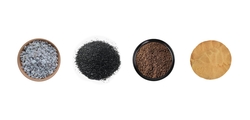
Iron and manganese are common aesthetic problems causing staining, metallic taste, and sediment. Hardness (calcium and magnesium) causes scale and reduces soap performance. Solutions include oxidation followed by filtration (for iron and manganese), catalytic carbon, water softeners using ion exchange (for hardness), and specialized filters for sulfur and taste removal.
Table: Typical contaminants, detection, and recommended Water Treatment Systems for Well Water
| Contaminant | Common Source | Health/Property Impact | Typical Detection Method | Recommended Treatment Technologies |
|---|---|---|---|---|
| Coliforms / E. coli | Surface runoff, septic leaks | Gastrointestinal illness | Lab bacteriological test | UV disinfection, chlorination, point-of-entry systems |
| Nitrate | Fertilizers, septic | Methemoglobinemia in infants | Laboratory chemical analysis | Ion exchange, reverse osmosis, biological denitrification |
| Arsenic | Geologic | Long-term cancer risk | ICP-MS or laboratory methods | Adsorptive media, reverse osmosis, coagulation/filtration |
| Lead | Plumbing/fixtures | Neurological effects, especially children | Laboratory lead analysis | Point-of-use RO, replacement of plumbing, corrosion control |
| VOCs (e.g., benzene, MTBE) | Industrial spills, gasoline | Various acute and chronic effects | GC-MS laboratory testing | Granular activated carbon (GAC), air stripping, RO |
| Iron / Manganese | Geologic | Staining, taste, filter clogging | Field and lab chemistry | Oxidation + filtration, greensand, catalytic carbon |
How to test your well and interpret results — Water Treatment Systems for Well Water
Start with a certified lab and request a comprehensive panel: bacteriological tests, nitrate, nitrite, pH, hardness, iron, manganese, total dissolved solids (TDS), and any local contaminants of concern (e.g., arsenic or VOCs). Compare results to national or local drinking water standards (for example, EPA MCLs in the US). If contaminants exceed guidelines or if there are repeated bacterial positives, implement corrective actions—well shock chlorination for bacteria, or install point-of-entry treatment systems for chemical contaminants. Keep records and retest after any treatment installation or well repair.
Overview of Water Treatment Systems for Well Water: technologies, strengths and limits
Choosing a technology requires matching contaminant, concentration, flow rate, and desired point of application (point-of-use vs point-of-entry). Below is a concise comparison to guide selection.
| Technology | Primary Targets | Typical Installation | Advantages | Limitations |
|---|---|---|---|---|
| Ultraviolet (UV) | Bacteria, viruses, protozoa | Point-of-entry or wellhead | No chemicals, effective rapid disinfection | Requires low turbidity; no residual disinfectant |
| Chlorination | Bacteria, some viruses, iron control | Point-of-entry with contact tank | Provides residual, low cost | Byproduct formation, requires monitoring |
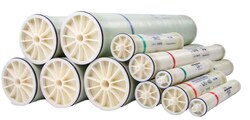
| Reverse Osmosis (RO) | Arsenic, nitrate, lead, TDS | Point-of-use (drinking water) or household RO systems | High removal rates for many dissolved contaminants | Water waste, higher cost, requires prefiltration |
| Ion Exchange (softener / nitrate) | Hardness, nitrate (special resins) | Point-of-entry softener units | Proven technology, regenerable | Regenerant discharge, not for all contaminants |
| Activated Carbon (GAC) | VOCs, taste and odor, chlorine | Point-of-entry or point-of-use cartridges | Good for organic contaminants and tastes | Limited capacity, requires replacement or regeneration |
| Aeration / Oxidation | Iron, manganese, hydrogen sulfide | Point-of-entry oxidizer + filter | Effective for dissolved metals and H2S | Complex equipment; requires proper design |
Selecting and sizing Water Treatment Systems for Well Water
Follow a staged approach: test, diagnose, design, install, and maintain. Key steps: (1) Identify primary contaminants and concentrations; (2) Determine household flow rates and peak demand; (3) Choose point-of-entry for whole-house issues (taste, hardness, iron) and point-of-use for drinking water concerns (arsenic, lead); (4) Factor prefiltration needs, backwash requirements, and waste disposal; (5) Work with local-certified installers and request system performance data and third-party certifications (e.g., NSF/ANSI standards).
Costs and maintenance considerations — Water Treatment Systems for Well Water
Costs vary widely. Basic sediment and carbon filters may cost a few hundred dollars installed, while RO or full-house systems can cost several thousand with ongoing maintenance. Expected items: media replacement, membrane replacement, salt for softeners, bulb replacement for UV, and periodical disinfection. Budget for annual inspection and water testing. Below is a general cost and maintenance comparison to set expectations.
| System Type | Estimated Installed Cost | Annual Maintenance | Typical Lifespan of Components |
|---|---|---|---|
| Sediment + Carbon Filters | $300 - $1,200 | $50 - $200 (filters) | Cartridges 3-12 months |
| Water Softener | $800 - $3,000 | Salt replenishment, periodic resin checks | 10-15 years (tank), resin 10-15 years |
| Reverse Osmosis (Whole House or POUs) | $500 - $5,000 | Membrane and prefilter replacement | Membrane 2-5 years |
| UV Disinfection | $400 - $2,000 | Bulb annual replacement, sleeve cleaning | Bulb ~1 year |
Practical case examples — Water Treatment Systems for Well Water
Case 1: Rural home with repeated coliform positives and moderate turbidity. Solution: wellhead repair, shock chlorination, install sediment prefilter and UV disinfection at point-of-entry. Case 2: Shallow agricultural well with nitrate of 25 mg/L. Solution: install point-of-entry ion exchange unit designed for nitrate or consider whole-house reverse osmosis for drinking water only plus point-of-entry pretreatment. Case 3: Well with 1.5 mg/L arsenic. Solution: arsenic-specific adsorptive media or RO at drinking water taps. Each solution requires site-specific design and compliance with local disposal rules for wastes and regenerant brine.
Aqualitek and tailored Water Treatment Systems for Well Water
Aqualitek Water Treatment Technologies Co., Ltd. (AQT), headquartered in Guangzhou, China, is a leading manufacturer and supplier of advanced water treatment systems and high-quality component parts. We specialize in delivering customized solutions for residential, commercial, and industrial applications, meeting diverse water purification needs worldwide. With a strong foundation in engineering expertise, cutting-edge technology, and manufacturing excellence, Aqualitek is committed to delivering innovative, reliable, and cost-effective water treatment solutions to global partners.
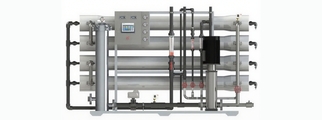
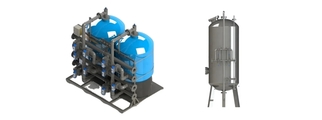
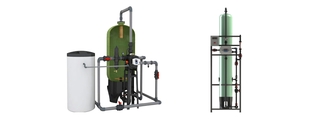
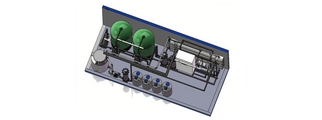
Aqualitek product strengths and main systems include membrane systems, water filtering systems, ion exchange systems, and customized water purification systems. Their competitive advantages include in-house engineering and manufacturing, integrated product lines from pretreatment to core units and recycling systems, and the ability to provide performance-validated solutions for specific well water challenges. For projects that require tailored Water Treatment Systems for Well Water, Aqualitek offers design support, modular components, and international quality compliance to streamline deployment and reduce lifecycle costs.
Maintenance checklist and performance verification — Water Treatment Systems for Well Water
After installation, follow a maintenance schedule: replace cartridges and filters on manufacturer timelines, inspect and change UV bulbs annually, check softener salt levels monthly, and perform annual comprehensive water testing. Maintain logs of service and test results. Verify system performance periodically with independent lab tests to confirm contaminant reduction meets targets and regulatory requirements.
Choosing a vendor and ensuring compliance — Water Treatment Systems for Well Water
Select vendors who provide third-party certification (NSF/ANSI where applicable), clear performance data, installation training or certified installers, and a documented warranty. For larger systems, request pilot testing or on-site performance demonstration. Confirm that waste streams (backwash, regenerant brine, concentrate) are managed per local environmental regulations.
Frequently Asked Questions — Water Treatment Systems for Well Water
Q1: How often should I test my private well? A1: At minimum test annually for bacteria and nitrate. Test more frequently after repairs, flooding, or if household members have unexplained illnesses. Expand testing for arsenic, lead, VOCs, and other site-specific concerns every 2-3 years or as recommended by local health authorities.
Q2: Can one system remove everything? A2: No single technology removes all contaminants efficiently. Typical practice combines pretreatment, targeted removal (RO, ion exchange, GAC), and disinfection (UV or chlorination). System design should be contaminant-specific.
Q3: Are point-of-use systems sufficient? A3: For drinking and cooking, point-of-use systems (RO, under-sink filters) are effective. For whole-house issues like hardness, iron staining, or sulfur odors, point-of-entry systems are required.
Q4: How do I handle disposal of RO concentrate or softener brine? A4: Disposal options depend on local rules. Many systems discharge to septic or sewer if permitted; otherwise you may need to manage onsite evaporation or work with local utilities. Check regulations before purchase.
Q5: How long does a typical water treatment system last? A5: Tanks and housings can last 10-20 years. Components like membranes, resins, and bulbs have shorter lifespans (2-10 years) and require scheduled replacement. Longevity depends on feed water quality and maintenance.
Q6: What certifications should I look for? A6: Look for NSF/ANSI certifications relevant to the contaminant (e.g., NSF/ANSI 53 for health-related contaminant reduction, 55 for UV), plus local approvals and test reports from accredited labs.
Contact and product inquiry
If you need a site assessment, customized Water Treatment Systems for Well Water, or technical documentation, contact Aqualitek Water Treatment Technologies Co., Ltd. for solution design and product options. For fast response, request a water analysis and describe household or facility flow rates, peak demand, and any known contaminants. Aqualitek can provide tailored proposals, pilot testing, and global shipping options.
References and data sources
- US EPA Private Drinking Water Wells: https://www.epa.gov/privatewells (accessed 2025-12-01)
- CDC Well Water Testing: https://www.cdc.gov/healthywater/drinking/private/wells/index. (accessed 2025-12-01)
- USGS Groundwater and Well Quality overview: https://www.usgs.gov/special-topics/water-science-school/science/well-water (accessed 2025-12-01)
- WHO Guidelines for Drinking-water Quality: https://www.who.int/publications/i/item/9789240045064 (accessed 2025-12-01)
- NSF International Standards and Product Certifications: https://www.nsf.org/ (accessed 2025-12-01)
- Peer-reviewed review on well water contaminants and health impacts, Environmental Health Perspectives: https://ehp.niehs.nih.gov/ (search relevant articles, accessed 2025-12-01)
For personalized recommendations, water testing support, or to explore Aqualitek membrane systems, water filtering systems, ion exchange systems, and customized water purification systems, contact Aqualitek for a proposal and technical datasheets.
Improve Tap Water Taste: Best Purification Tips
What are the Top Vendors for Customized Industrial Water Solutions?
Top 10 water softener system Manufacturers and Supplier Brands
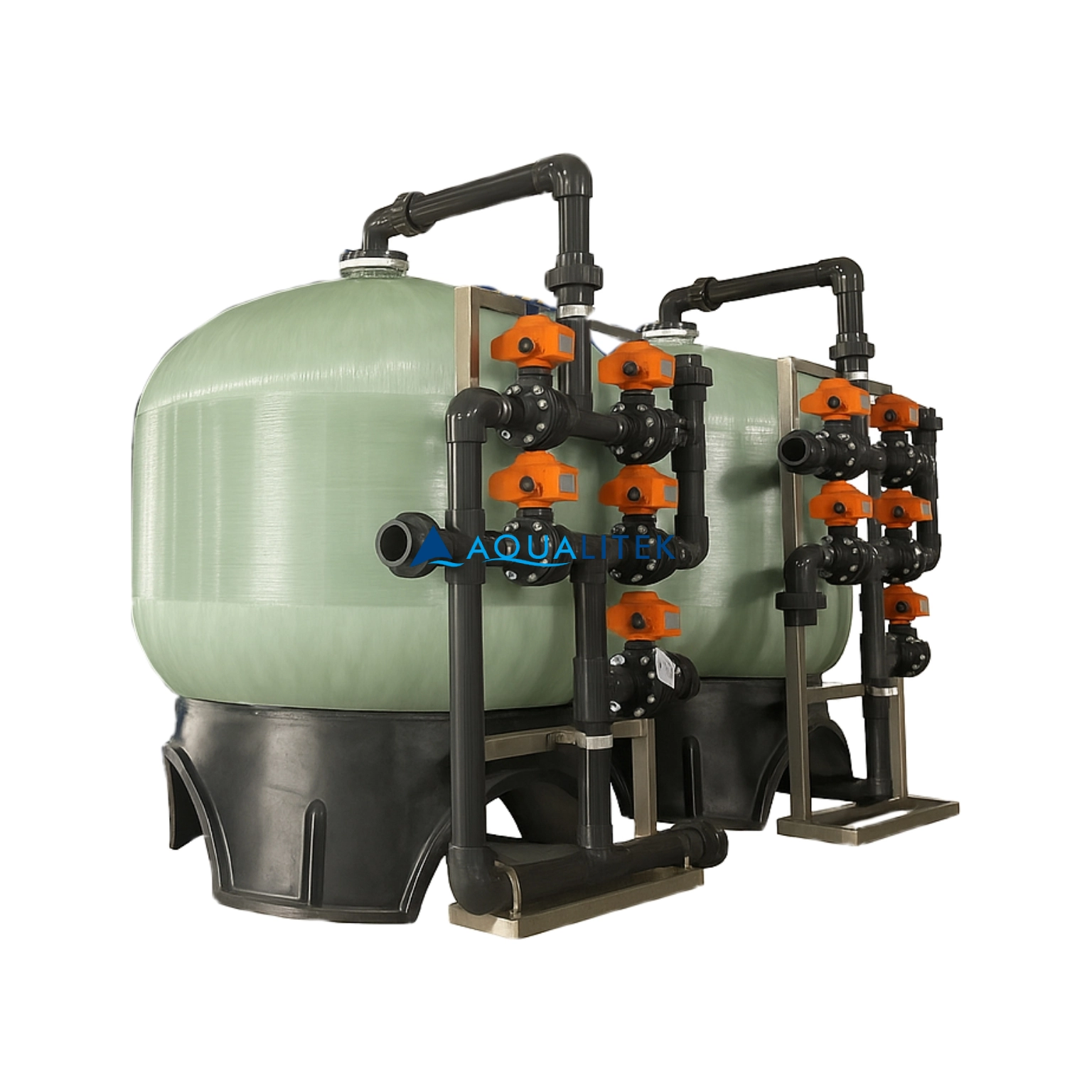
Comparing Commercial Reverse Osmosis Systems by Performance
Water Filters
How do I choose between a media filter and a micron filter?
Media filters are ideal for high-volume solids removal and can be backwashed. Micron filters offer precise filtration for fine particles and are best for polishing applications.
Are your filters suitable for seawater or chemical-heavy applications?
Yes, we offer FRP and stainless steel housings resistant to corrosion and suitable for marine or aggressive chemical environments.
Solutions
What is the difference between Reverse Osmosis (RO), Ultrafiltration (UF), and Nanofiltration (NF)?
1. Reverse Osmosis (RO): Removes up to 99.9% of contaminants, including salts, bacteria, viruses, and heavy metals.
2. Ultrafiltration (UF): Uses a membrane filtration process to remove bacteria and particles, while retaining essential minerals.
3. Nanofiltration (NF): Falls between RO and UF, removing some salts and organic compounds while allowing certain minerals to pass through.
FAQ-aqualitek
What industries does AQT serve?
We provide water treatment solutions for a wide range of industries, including:
Industrial Manufacturing – Process water treatment, cooling water, and boiler feed.
Hospitality & Commercial – Hotels, restaurants, and office buildings.
Residential Applications – Drinking water purification and softening.
Healthcare & Pharmaceuticals – Ultra-pure water for laboratories and hospitals.
Municipal & Public Utilities – Water supply and wastewater treatment.
Food & Beverage Processing – Filtration for beverage production and food safety.
Membrane Water Treatment Systems
Can your membrane systems treat seawater?
Yes. Our seawater RO systems are designed to handle high salinity with corrosion-resistant materials and energy recovery devices.
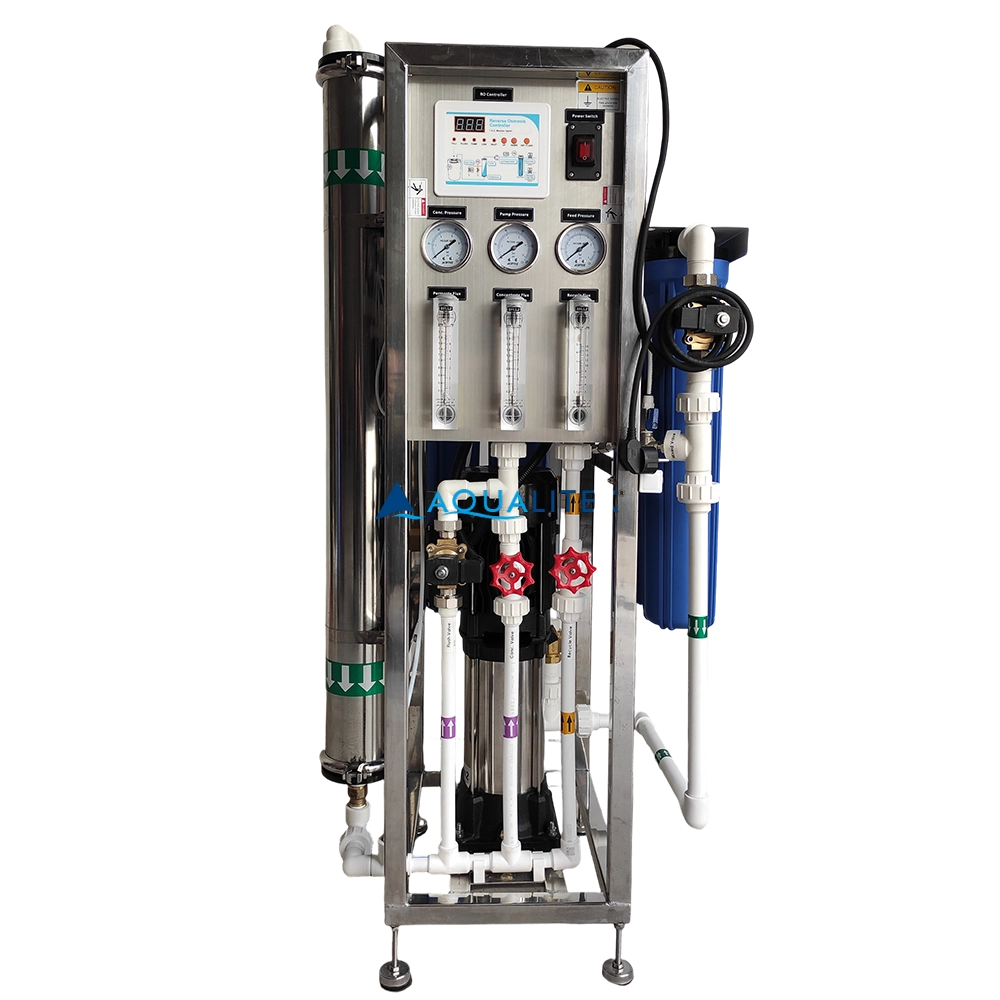
500 LPH Reverse Osmosis (RO) Water Purification Machine TWV - 412
Our 500 LPH Reverse Osmosis (RO) System is engineered to provide high-quality purified water for commercial applications. Designed with advanced RO technology, durable components, and a user-friendly interface, this system ensures consistent performance, low maintenance, and long-term reliability.
With its compact design and robust skid-mounted frame, it’s an excellent choice for businesses that demand efficiency and quality in water purification.
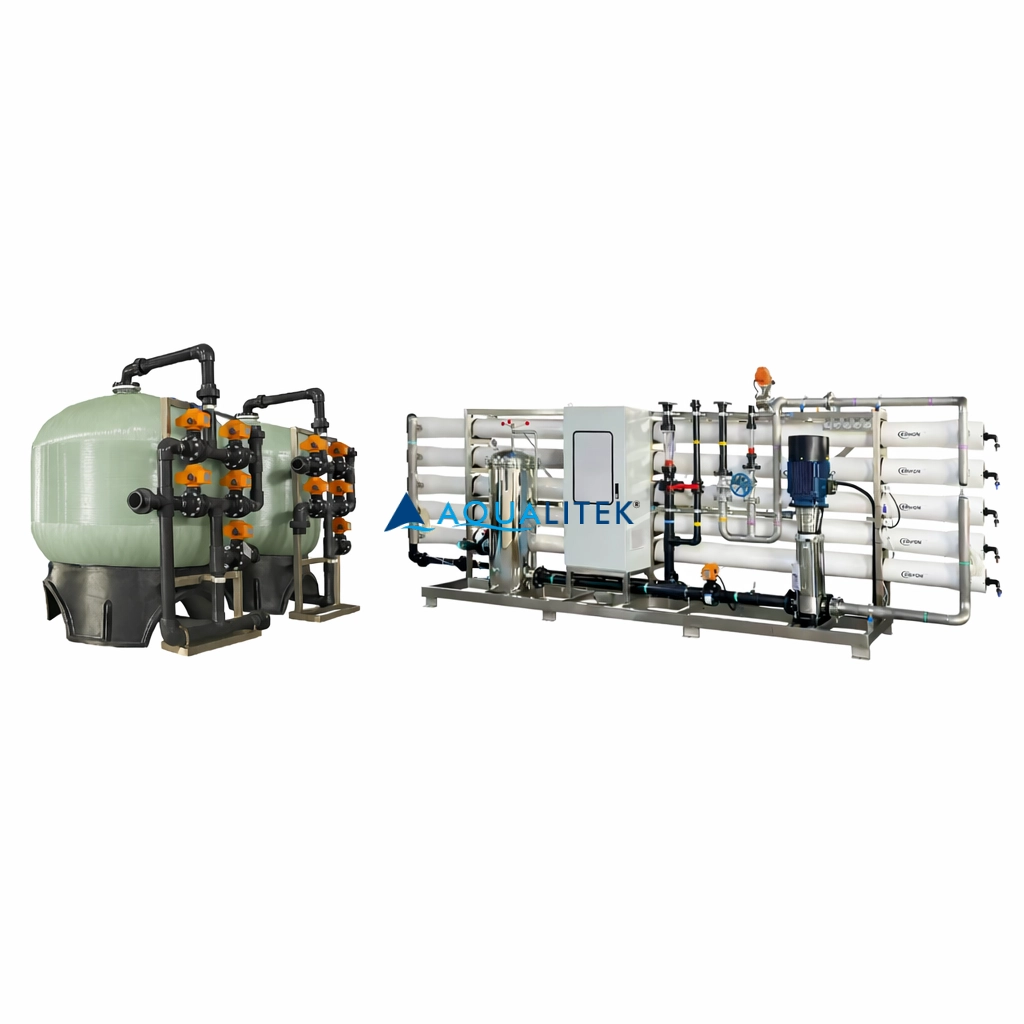
30TPH Industrial Reverse Osmosis (RO) System
30TPH Industrial Reverse Osmosis (RO) System designed for industrial and municipal water treatment. High salt rejection, energy-efficient design, PLC control, and customizable configuration.
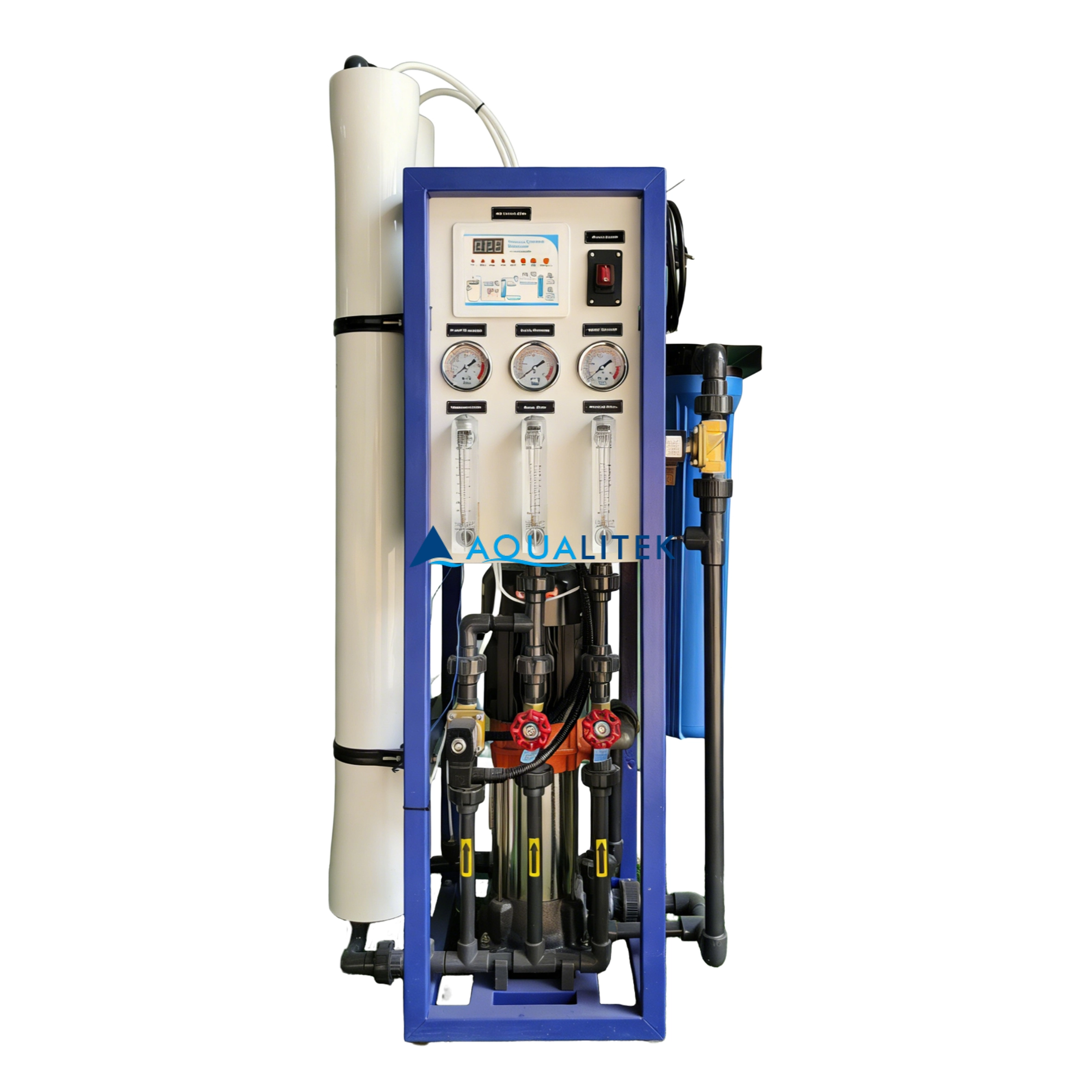
500LPH Panel Mounted Reverse Osmosis Water Purification System
AQUALITEK's 500LPH Panel Mounted Reverse Osmosis Water Purification System delivers reliable 500 LPH RO water production. This compact industrial reverse osmosis unit is ideal for small scale industrial RO needs, ensuring efficient and high-quality purified water in a space-saving design.
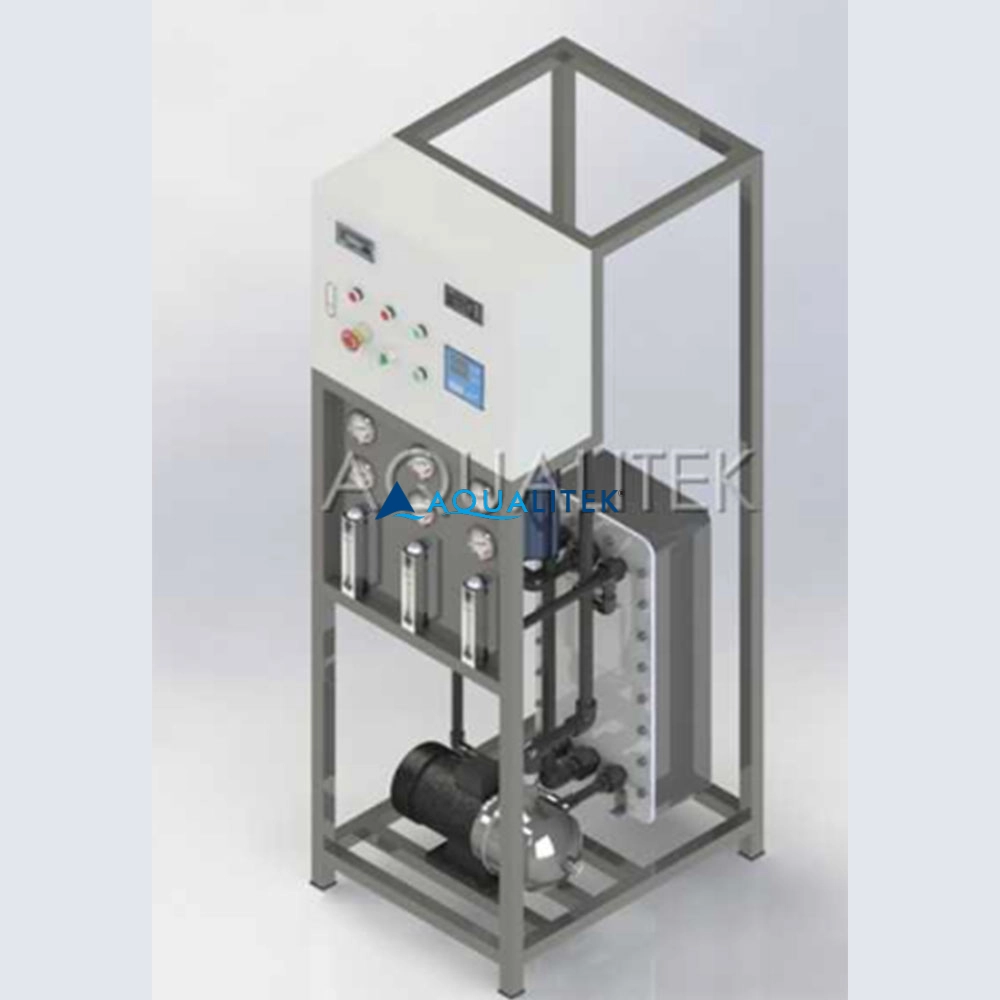
Electrodeionization Systems to Get UltraPure Water
Electrodeionization (EDI) system is an advanced water purification technology that combines ion exchange and electrochemical processes to produce ultra-pure water. Unlike traditional deionization methods, which rely on chemical regeneration, EDI utilizes electric fields to drive the movement of ions through ion-exchange membranes, effectively removing dissolved salts and other ionic contaminants.
This process is continuous and does not require the use of chemicals for regeneration, making it an environmentally friendly and cost-effective solution for producing high-quality deionized water. EDI systems are widely used in applications requiring ultrapure water, such as in the pharmaceutical, semiconductor, power generation, and biotechnology industries, as well as for laboratory use.
By offering high-purity water without the need for chemical regeneration, EDI systems provide a sustainable, efficient, and reliable alternative to traditional deionization methods, making them an ideal choice for industries where water quality and process control are critical.
Request More Information
Contact us today for product catalogs, customization options, and a free quotation designed for your business needs.
Rest assured that your privacy is important to us, and all information provided will be handled with the utmost confidentiality.
© 2026 AQUALITEK. All rights reserved.
AQUALITEK- Aimee Hoo
AQUALITEK - Aimee Hoo