




Comparing Commercial Reverse Osmosis Systems by Performance
- Key performance metrics for evaluating commercial reverse osmosis systems
- Understanding salt rejection and permeate quality
- Recovery rate and its operational impact
- Energy consumption and cost per cubic meter
- Comparative performance: 30TPH Industrial Reverse Osmosis (RO) System and alternatives
- Product snapshot: 30TPH Industrial Reverse Osmosis (RO) System
- Typical alternative configurations
- Performance comparison table
- Design considerations that determine long-term performance
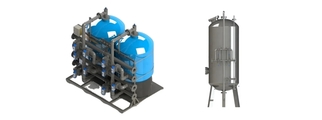
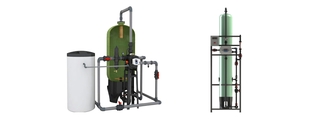
- Feedwater characterization and pre-treatment needs
- Membrane selection and fouling control
- Automation, monitoring and operational reliability
- Cost factors and lifecycle considerations for commercial RO installations
- Capital expenditure vs operating expenditure
- Maintenance planning and spare parts strategy
- Regulatory and quality standards
- Implementation checklist and best practices
- Pre-installation site survey and utilities
- Factory testing, FAT and commissioning
- Training and operational KPIs
- References and standards
- FAQ — Common questions about commercial reverse osmosis systems
- What feedwater characteristics does the 30TPH Industrial RO System handle?
- How energy-efficient is the 30TPH system compared to other commercial RO systems?
- What is the expected membrane life and maintenance schedule?
- How do I estimate total cost of ownership (TCO) for a commercial RO system?
- Can the 30TPH system be integrated with SCADA and plant automation?
- How do I choose between modular and centralized RO solutions?
This geo-aware summary highlights commercial reverse osmosis system solutions for industrial and municipal facilities worldwide. Operators, consultants, and procurement teams evaluating treatment trains can use the performance comparisons and practical metrics below to match water quality requirements, site constraints, and lifecycle costs. The featured product, the 30TPH Industrial Reverse Osmosis (RO) System, is profiled among other typical configurations to illustrate trade-offs in salt rejection, recovery, energy consumption, and maintenance.
Key performance metrics for evaluating commercial reverse osmosis systems
Understanding salt rejection and permeate quality
Salt rejection is the primary measure of membrane effectiveness in a commercial reverse osmosis system. It indicates the percentage of dissolved salts retained by the membrane; typical RO membranes used in brackish and industrial applications achieve 95–99% salt rejection . When specifying a commercial RO unit, require vendor data showing salt rejection at design salinity, temperature and pressure, because rejection drops with higher temperature and feed conductivity.
Recovery rate and its operational impact
Recovery rate (permeate as a fraction of feed) strongly affects both water usage and concentrate handling. Higher recovery reduces feed water needs and lowers effluent volume but can increase scaling risk and require more aggressive antiscalant dosing or advanced pre-treatment. Typical recovery ranges: 50–85% for brackish systems, 70–90% for well-pretreated municipal feeds. Choose a recovery that balances water savings and membrane lifespan for your commercial RO system.
Energy consumption and cost per cubic meter
Energy use (kWh/m3) is a major operating expense. Modern industrial RO systems use energy recovery devices when treating higher salinity waters; for brackish systems energy can be as low as 0.3–0.8 kWh/m3, while seawater desalination is typically 2.5–4.0 kWh/m3. When comparing systems, assess both pump/motor efficiency and integrated energy recovery, plus the expected annual throughput to estimate lifecycle energy costs.
Comparative performance: 30TPH Industrial Reverse Osmosis (RO) System and alternatives
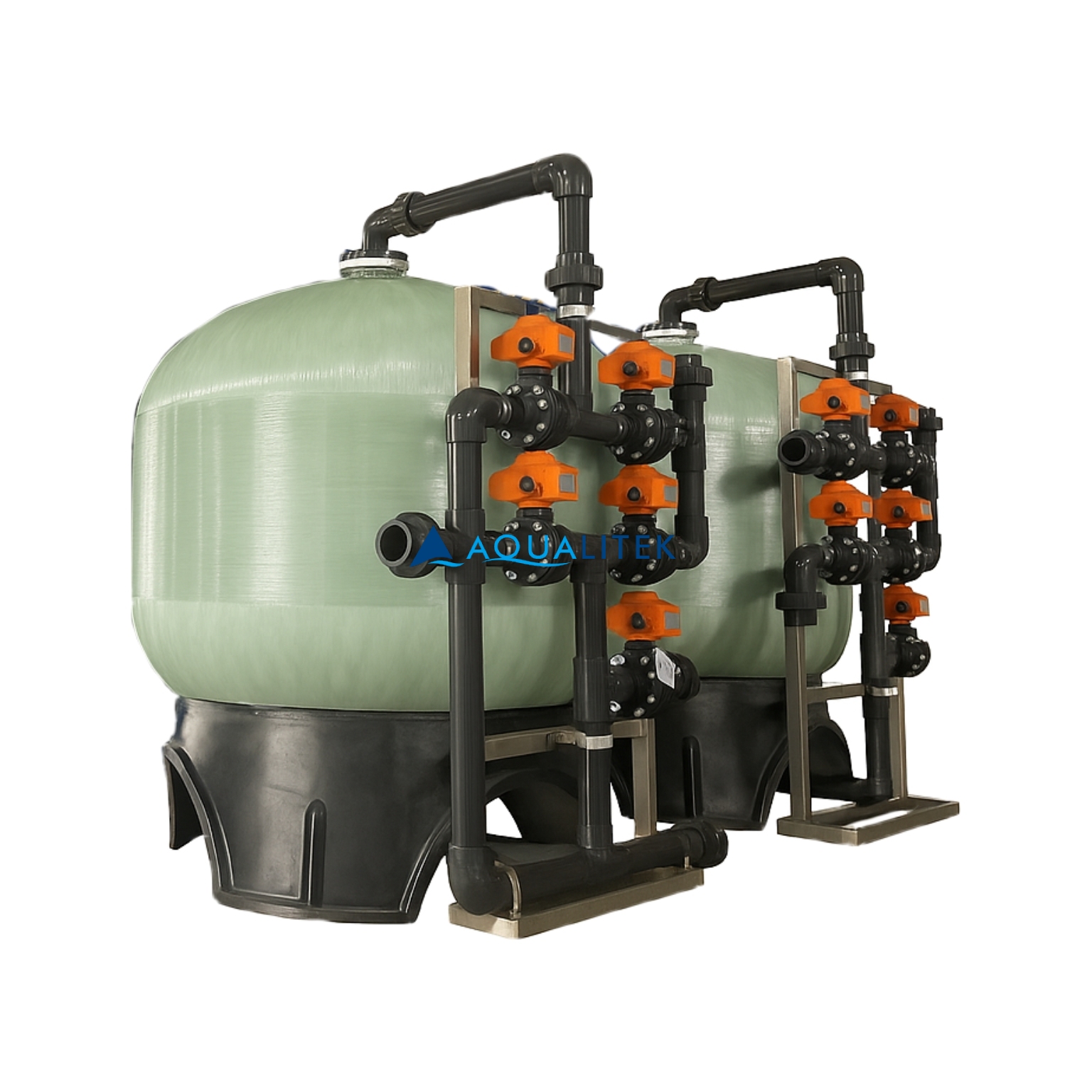
Product snapshot: 30TPH Industrial Reverse Osmosis (RO) System
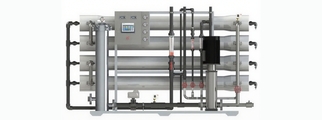
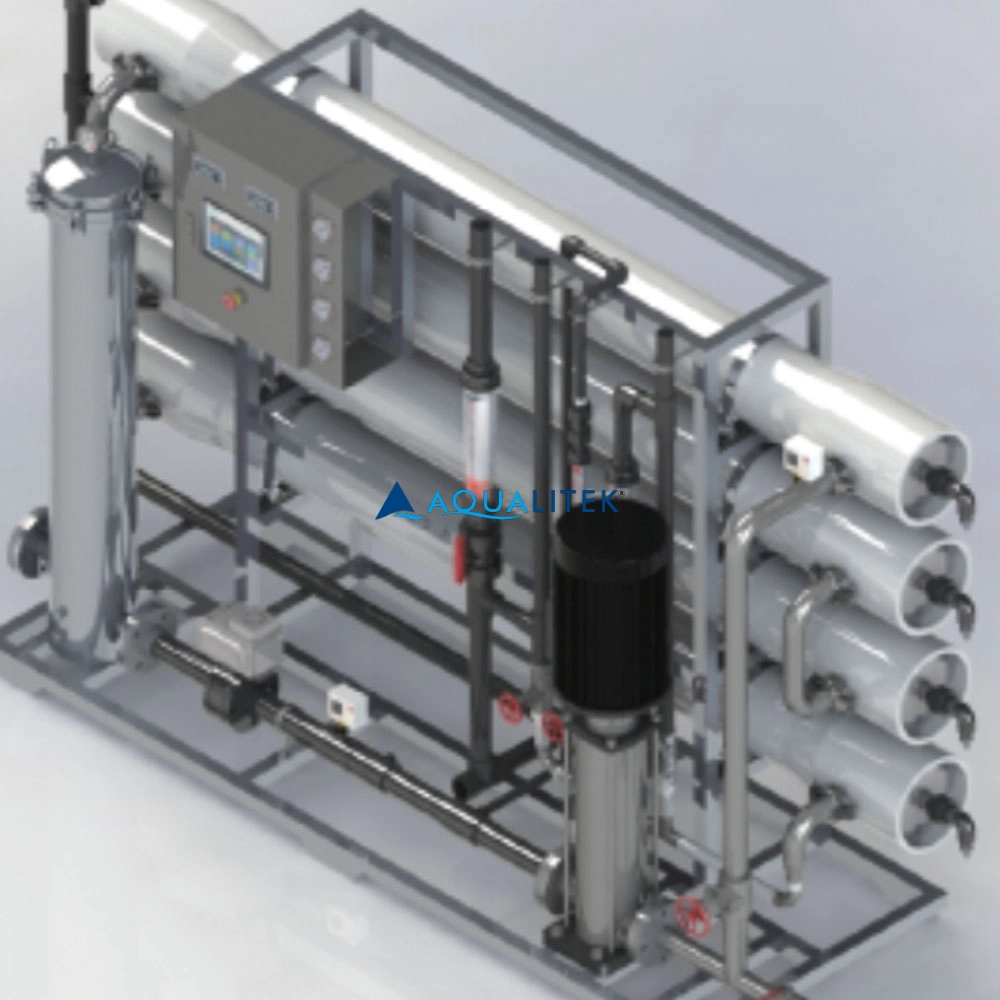
30TPH Industrial Reverse Osmosis (RO) System designed for industrial and municipal water treatment. High salt rejection, energy-efficient design, PLC control, and customizable configuration.
This product targets mid-to-large facilities needing consistent high-quality permeate with automated control. PLC control enables remote monitoring and process interlocks; customizable skid layouts adapt to site footprint constraints. High salt rejection and energy-efficient pumps reduce operating cost and simplify compliance with discharge limits.Typical alternative configurations
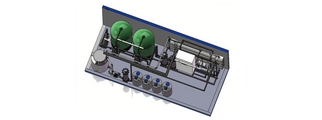
To provide context, common commercial RO options include small modular systems (5–20 TPH), mid-size packaged units like the 30TPH model, and large centralized trains (50+ TPH). Each choice affects capital cost, footprint, maintenance complexity and redundancy strategies. For decentralized facilities, modular systems lower project risk; for centralized plant deployments, larger trains often realize economies of scale.
Performance comparison table
The following table compares representative commercial reverse osmosis system types including the 30TPH unit. These figures are illustrative ranges based on industry practice and should be validated with vendor specifications for a given feedwater.
| System | Capacity | Salt Rejection | Recovery Rate | Energy (kWh/m3) | Control | Typical Applications |
|---|---|---|---|---|---|---|
| Modular Containerized RO | 5–20 TPH | 95–98% | 50–75% | 0.5–1.2 | Basic PLC/remote | Remote sites, temporary plants, small industrial users |
| 30TPH Industrial RO System (featured) | 30 TPH | 97–99% (high-rejection membranes) | 60–80% (customizable) | 0.4–0.9 (energy-efficient design) | Advanced PLC, SCADA-ready | Municipal pretreatment, industrial process water, boiler feed |
| High-Recovery Large RO | 50+ TPH | 95–99% | 70–85% | 0.35–1.0 (with ERD) | Redundant PLC/SCADA | Large municipal plants, centralized industrial sites |
| Seawater Desalination RO | Variable | 99%+ | 40–50% | 2.5–4.5 | Advanced control, high-pressure systems | Coastal desalination plants |
When evaluating vendors, ask for performance curves (rejection vs. recovery), validated energy consumption at design conditions, and references for installations treating similar feed water.
Design considerations that determine long-term performance
Feedwater characterization and pre-treatment needs
Performance of any commercial reverse osmosis system starts with the feedwater analysis: TDS, hardness, silica, iron, manganese, organics, and microbial load. Pre-treatment options—sand filtration, multimedia, cartridge filters, antiscalant dosing, softening, and ultrafiltration—directly affect membrane fouling rates and salt rejection stability. For industrial plants, inadequate pre-treatment increases cleaning frequency and OPEX.
Membrane selection and fouling control
Membrane chemistry (low-pressure brackish RO vs. high-pressure seawater RO), element configuration (2.5 vs. 4 vs. spiral wound), and manufacturer performance curves determine achievable permeate quality and recovery. Incorporating periodic chemical clean-in-place (CIP) procedures and automated cleaning schedules into PLC sequences prolongs membrane life and stabilizes output. Consider vendors that supply validated membrane warranties and local membrane support.
Automation, monitoring and operational reliability
Modern commercial RO systems benefit significantly from PLC-based control, remote SCADA integration, and onboard diagnostics. Systems with real-time conductivity monitoring, differential pressure alarms, and automated feed adjustments reduce operator intervention and improve uptime. The 30TPH Industrial Reverse Osmosis (RO) System includes PLC control and can be configured for remote monitoring — an important advantage for ensuring consistent permeate and proactive maintenance.
Cost factors and lifecycle considerations for commercial RO installations
Capital expenditure vs operating expenditure
CAPEX covers membranes, high-pressure pumps, skids, instrumentation, civil works and installation. OPEX includes energy, chemicals (antiscalant, cleaning acids/alkalis, biocides), membrane replacement, and labor. For many facilities, selecting a slightly higher-efficiency system reduces OPEX enough to offset modestly higher CAPEX within 3–7 years. Use site-specific throughput and energy pricing to model payback periods.
Maintenance planning and spare parts strategy
Planned maintenance reduces unexpected downtime. Key parts to stock locally: membrane elements (or a plan for rapid procurement), high-pressure pump seals, membrane housing o-rings, and instrumentation modules. For the 30TPH system, confirm lead times for membrane replacements and availability of qualified service technicians near your site. Detailed maintenance manuals and OEM training improve lifecycle performance and align with best practices described by industry groups such as the American Water Works Association (AWWA).
Regulatory and quality standards
Commercial RO installations frequently need to demonstrate compliance with local discharge limits and drinking water standards. Use authoritative guidelines such as the WHO Guidelines for Drinking-water Quality and local regulatory frameworks to set target permeate quality. Quality management systems and ISO-aligned procurement and commissioning practices help document compliance and operational readiness.
Implementation checklist and best practices
Pre-installation site survey and utilities
Before procurement, complete a site survey covering feedwater variability, available space, power quality, wastewater routing, permitting, and chemical storage. Confirm that feed pumps and piping meet NPSH and pressure requirements and that the electrical supply supports variable-speed drives for the high-pressure pumps.
Factory testing, FAT and commissioning
Request factory acceptance testing (FAT) with documented performance at design conditions. During on-site commissioning, validate permeate conductivity, recovery, energy draw, and CIP procedures. Proper FAT and site commissioning shorten ramp-up and reduce early-life O&M issues.
Training and operational KPIs
Ensure operators receive hands-on training and that KPIs (permeate quality, specific energy, membrane flux decline, cleaning intervals) are established. Long-term data logging and trending are essential for continuous improvement and warranty claims.
References and standards
- Reverse osmosis primer: Reverse osmosis — Wikipedia
- Drinking-water quality guidance: WHO Guidelines for Drinking-water Quality
- Industry best practices and standards: American Water Works Association (AWWA)
- Water research and technology resources: U.S. EPA — Water Research
FAQ — Common questions about commercial reverse osmosis systems
What feedwater characteristics does the 30TPH Industrial RO System handle?
The 30TPH Industrial Reverse Osmosis (RO) System is designed for a range of feedwaters typical in industrial and municipal contexts, including brackish groundwater, surface water after conventional pretreatment, and secondary-treated municipal sources. Specific limits (TDS, iron/manganese, silt density index) should be validated during a site feedwater survey; additional pretreatment such as softening or ultrafiltration may be recommended for challenging waters.
How energy-efficient is the 30TPH system compared to other commercial RO systems?
Thanks to optimized high-efficiency pumps, membrane selection and system hydraulics, the 30TPH unit typically operates in the 0.4–0.9 kWh/m3 range for brackish applications — competitive with other mid-size industrial systems. Actual energy consumption depends on feed salinity, recovery setpoint, and presence of energy recovery devices for high-salinity feeds.
What is the expected membrane life and maintenance schedule?
Membrane life varies with feedwater quality and maintenance. With proper pretreatment and routine CIP, membranes often last 3–7 years in industrial settings. The 30TPH system supports automated cleaning regimes via PLC and provides accessible housing and documentation to minimize downtime during servicing.
How do I estimate total cost of ownership (TCO) for a commercial RO system?
TCO includes CAPEX (equipment, installation) and OPEX (energy, chemicals, membrane replacement, labor). Build a model using expected annual throughput (m3/year), energy price, chemical consumption rates, and projected membrane replacement intervals. Vendors can supply reference OPEX figures from similar installations to refine your estimate.
Can the 30TPH system be integrated with SCADA and plant automation?
Yes — the 30TPH Industrial Reverse Osmosis (RO) System features PLC control and is SCADA-ready for remote monitoring, alarm management, and data logging. Integration simplifies KPI tracking and predictive maintenance when connected to your plant historian.
How do I choose between modular and centralized RO solutions?
Choose modular systems when rapid deployment, scalability, or remote operation are priorities. Centralized large RO trains are more economical for steady, high-throughput sites where centralized maintenance resources are available. Consider redundancy, ease of service, and site logistics when selecting the architecture.
If you have specific feedwater data or project constraints, our engineering team can provide a tailored performance and cost comparison. View product details or contact sales to request a datasheet, FAT documentation, or a site-specific proposal:
View 30TPH Industrial Reverse Osmosis (RO) System | Contact Sales
How BWRO BWE Series Treats High-TDS Well Water Effectively
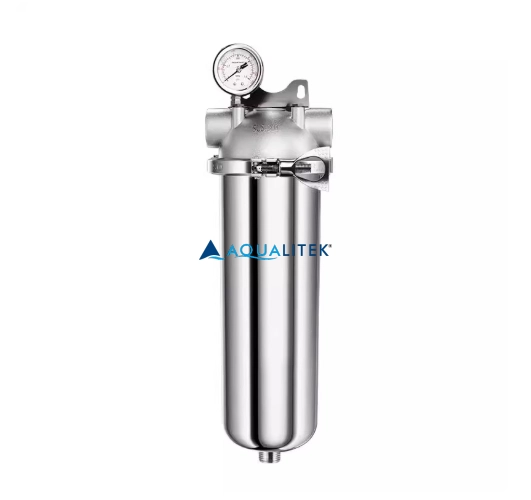
Evaluating Flow Capacity of Multi-cartridge Filter Housings
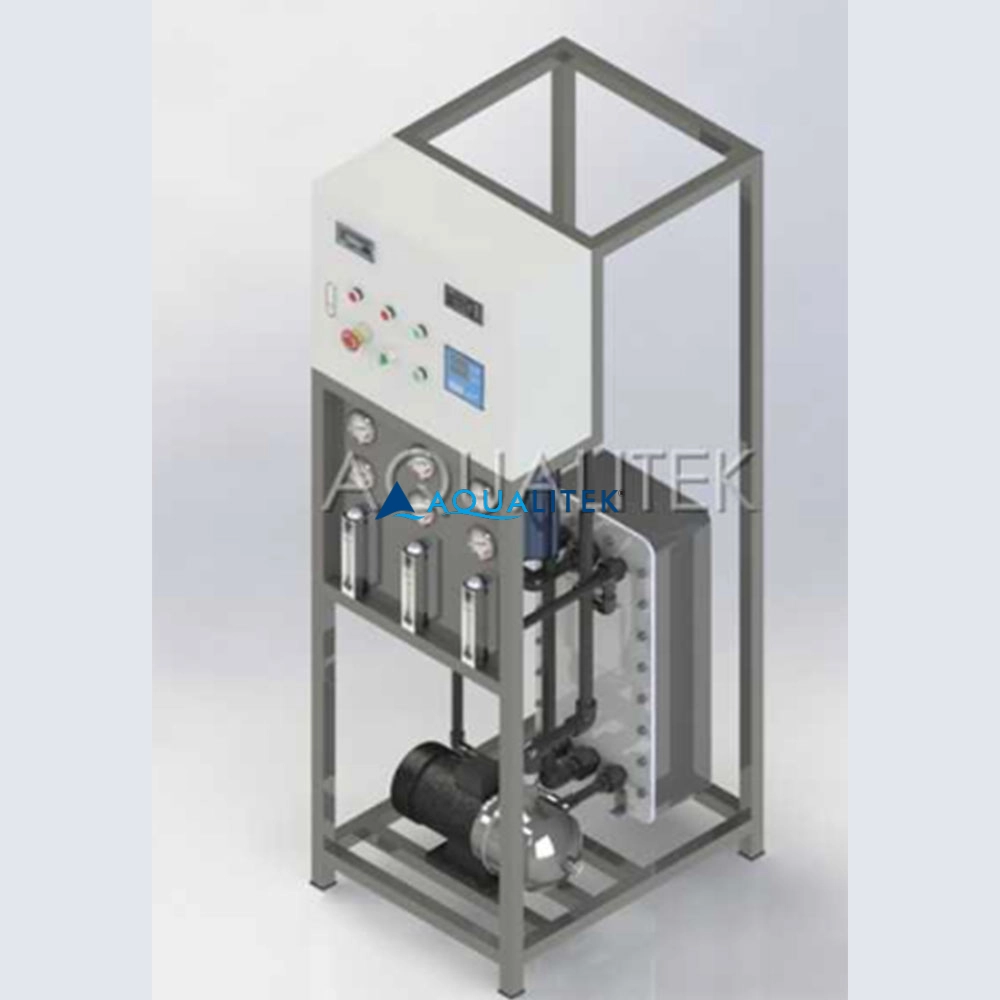
How Electrodeionization Systems Improve Water Purity Reliability
Choosing Electrodeionization Systems: Key Specs to Compare
Blog
Is softened water safe to drink?
Yes, but those on low-sodium diets should consider potassium-based softeners or install a separate drinking water filter.
Membrane Water Treatment Systems
Do you offer plug-and-play solutions?
Absolutely. We offer containerized membrane systems that are factory-tested, compact, and quick to deploy.
Solutions
Can I use AQT’s water treatment systems for seawater desalination?
Yes! We provide seawater desalination systems using advanced reverse osmosis (RO) technology, specifically designed to convert seawater into fresh, drinkable water. These systems are ideal for coastal communities, marine applications, and industrial desalination projects.
FAQ-aqualitek
What types of water treatment systems does AQT offer?
AQT provides a wide range of water purification solutions, including reverse osmosis (RO) systems, ultrafiltration (UF) systems, nanofiltration (NF) systems, deionization (DI) systems, electro-deionization (EDI) systems, chemical dosing systems, and water softeners. We also supply spare parts and components for water treatment systems.
What is the difference between Reverse Osmosis (RO), Ultrafiltration (UF), and Nanofiltration (NF)?
1. Reverse Osmosis (RO): Removes up to 99.9% of contaminants, including salts, bacteria, viruses, and heavy metals.
2. Ultrafiltration (UF): Uses a membrane filtration process to remove bacteria and particles, while retaining essential minerals.
3. Nanofiltration (NF): Falls between RO and UF, removing some salts and organic compounds while allowing certain minerals to pass through.
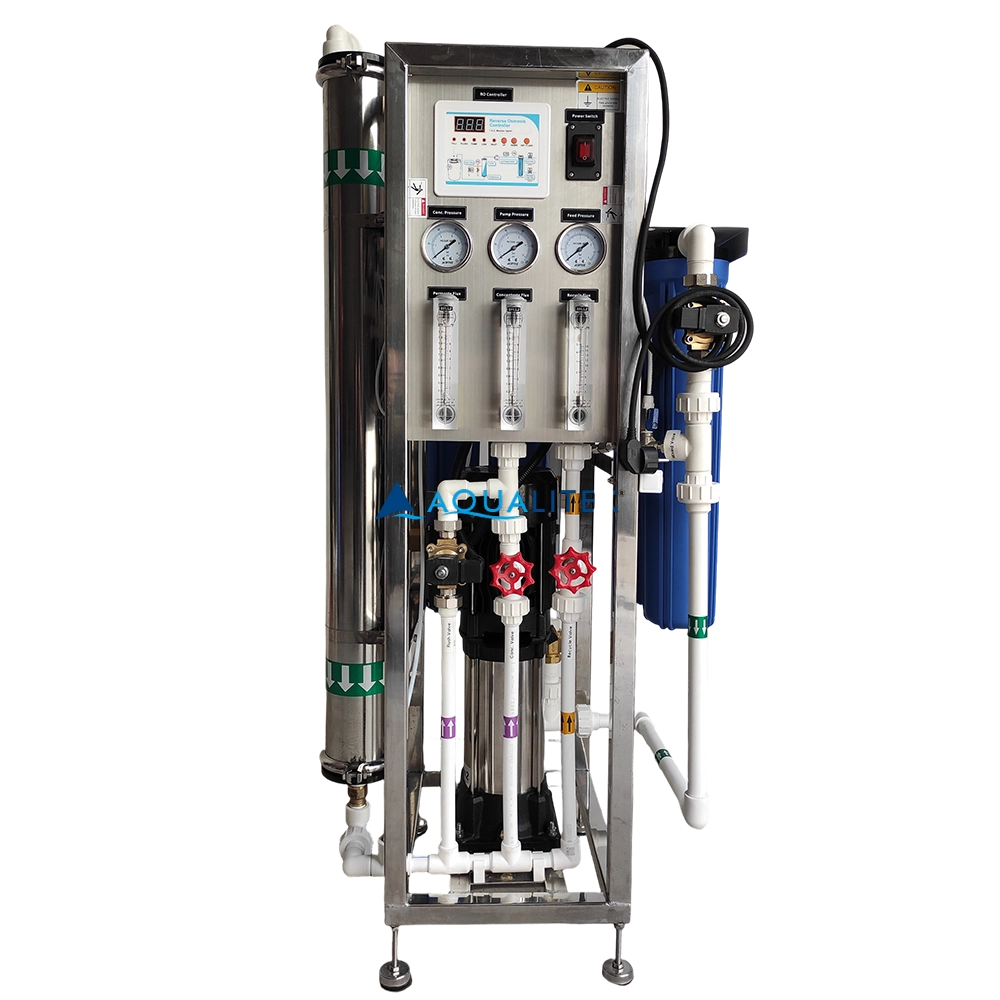
500 LPH Reverse Osmosis (RO) Water Purification Machine TWV - 412
Our 500 LPH Reverse Osmosis (RO) System is engineered to provide high-quality purified water for commercial applications. Designed with advanced RO technology, durable components, and a user-friendly interface, this system ensures consistent performance, low maintenance, and long-term reliability.
With its compact design and robust skid-mounted frame, it’s an excellent choice for businesses that demand efficiency and quality in water purification.
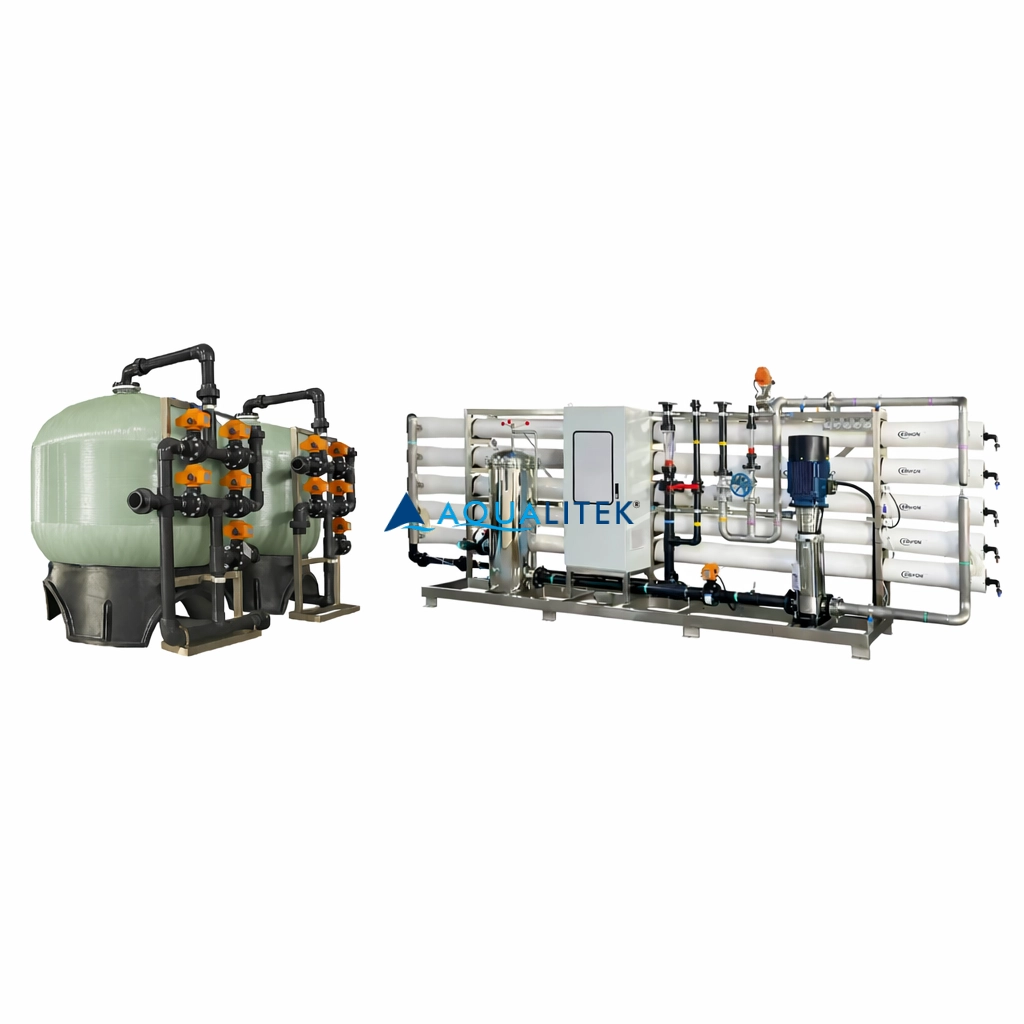
30TPH Industrial Reverse Osmosis (RO) System
30TPH Industrial Reverse Osmosis (RO) System designed for industrial and municipal water treatment. High salt rejection, energy-efficient design, PLC control, and customizable configuration.
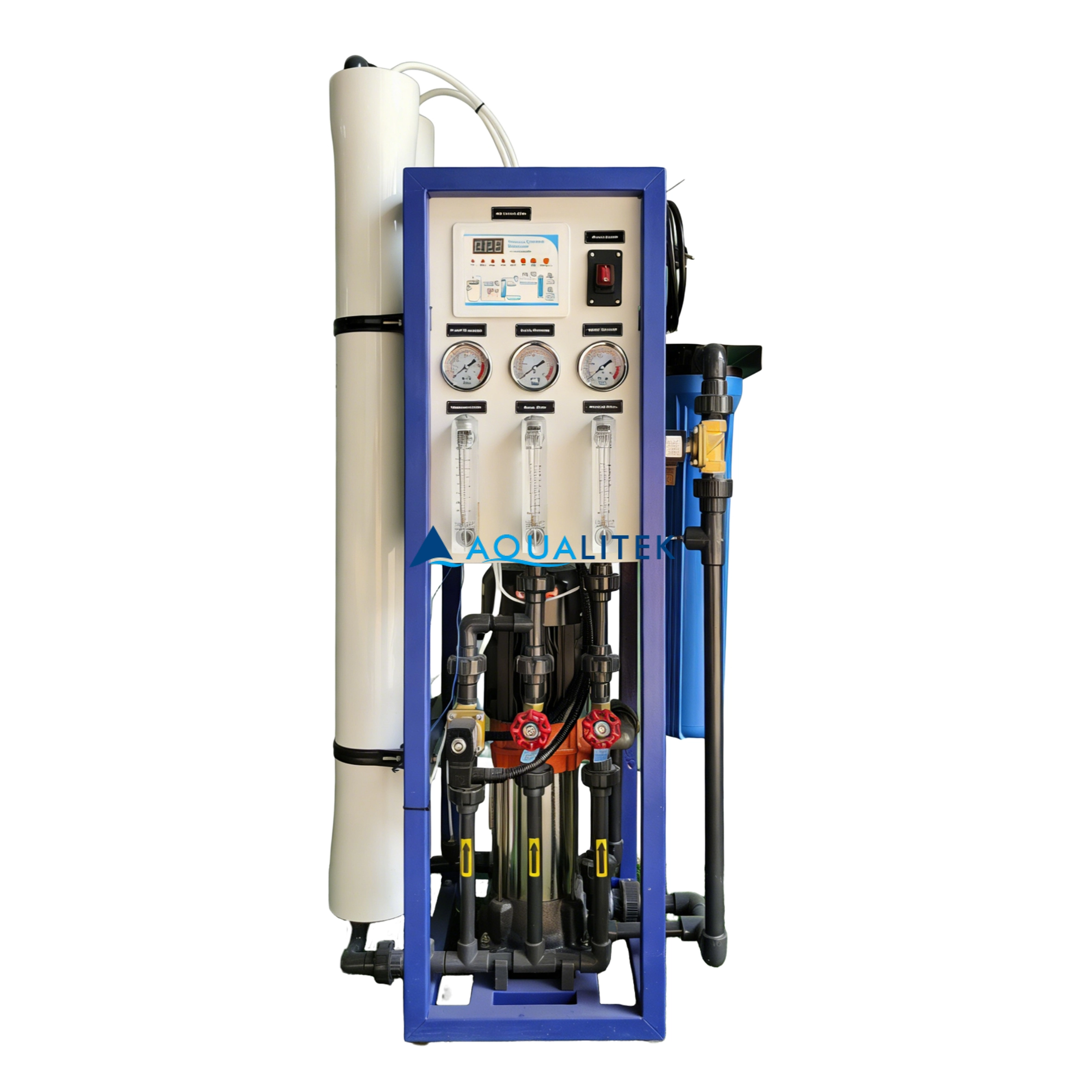
500LPH Panel Mounted Reverse Osmosis Water Purification System
AQUALITEK's 500LPH Panel Mounted Reverse Osmosis Water Purification System delivers reliable 500 LPH RO water production. This compact industrial reverse osmosis unit is ideal for small scale industrial RO needs, ensuring efficient and high-quality purified water in a space-saving design.
Electrodeionization Systems to Get UltraPure Water
Electrodeionization (EDI) system is an advanced water purification technology that combines ion exchange and electrochemical processes to produce ultra-pure water. Unlike traditional deionization methods, which rely on chemical regeneration, EDI utilizes electric fields to drive the movement of ions through ion-exchange membranes, effectively removing dissolved salts and other ionic contaminants.
This process is continuous and does not require the use of chemicals for regeneration, making it an environmentally friendly and cost-effective solution for producing high-quality deionized water. EDI systems are widely used in applications requiring ultrapure water, such as in the pharmaceutical, semiconductor, power generation, and biotechnology industries, as well as for laboratory use.
By offering high-purity water without the need for chemical regeneration, EDI systems provide a sustainable, efficient, and reliable alternative to traditional deionization methods, making them an ideal choice for industries where water quality and process control are critical.
Request More Information
Contact us today for product catalogs, customization options, and a free quotation designed for your business needs.
Rest assured that your privacy is important to us, and all information provided will be handled with the utmost confidentiality.
© 2026 AQUALITEK. All rights reserved.
AQUALITEK- Aimee Hoo
AQUALITEK - Aimee Hoo