




How to Test Well Water: Parameters, Methods, and Frequency
- Why Testing Your Well Water Should Be Your First Priority
- Key Parameters to Test in Well Water
- Sources and standards
- How to Test: Methods Compared
- Sampling: Step-by-step Best Practices
- Interpreting Results and When to Act
- Recommended Testing Frequency
- Treatment Options and Matching Systems to Test Results
- Why Manufacturer Expertise Matters — Aqualitek and Fit-for-Purpose Systems
- Aqualitek capabilities and main products
- Practical Checklist Before Purchasing a Water Treatment System
- Frequently Asked Questions (FAQ)
- 1. How often should I test my private well?
- 2. Can I rely on home testing kits?
- 3. What should I do if my test shows E. coli?
- 4. How do I choose between point-of-use and whole-house systems?
- 5. How can Aqualitek help with my well treatment needs?
- Contact and Next Steps
- References
Why Testing Your Well Water Should Be Your First Priority
Water Treatment Systems for Well Water start with accurate testing. Private wells are not regulated like municipal supplies, so regular testing is the only reliable way to detect contaminants that threaten health, equipment, and plumbing. Whether you’re a homeowner, property manager, or specifying systems for multiple sites, knowing what to test, how to test it, and how often will determine the right treatment approach and ensure any Water Treatment Systems for Well Water you choose will perform correctly and safely.
Key Parameters to Test in Well Water
Well water quality varies with geology, land use, septic systems, agricultural runoff, and well construction. Below is a pragmatic list of parameters every well owner should consider testing, with health impacts and typical triggers for treatment. This section helps match results to Water Treatment Systems for Well Water.
| Parameter | Why It Matters / Health Risk | Typical Guideline or Action Level | Recommended Testing Frequency (general) | Treatment Options (linked to Water Treatment Systems for Well Water) |
|---|---|---|---|---|
| Total coliform / E. coli | Indicator of bacterial contamination; E. coli indicates fecal contamination and acute health risk | No E. coli in 100 mL (any detection requires action) | Annually; immediately after loss of well integrity, flooding, or illness | Shock chlorination, continuous disinfection (UV, chlorine), point-of-entry disinfection systems |
| Nitrate / Nitrite | High nitrate risks for infants (methemoglobinemia) and pregnant women | Nitrate as NO3-: 10 mg/L (US EPA MCL) | Annually (especially near agriculture or septic systems) | Ion exchange, reverse osmosis, blended treatment |
| pH | Corrosivity, metal leaching, impacts on disinfection effectiveness | 6.5–8.5 typical desirable range | Every 1–3 years or with equipment issues | Calcite/alkalinity adjustment, neutralizing filters |
| Hardness (Ca, Mg) | Scaling, soap inefficiency, shortened equipment life | Depends on local norms; >120 mg/L CaCO3 considered hard | Every 1–3 years, if scaling observed | Water softeners (ion exchange), template-assisted crystallization |
| Iron / Manganese | Staining, taste, odor; aesthetic and operational problems | Fe: 0.3 mg/L aesthetic; Mn: 0.05–0.1 mg/L aesthetic | Every 1–3 years; if staining or odor appears | Oxidation + filtration, greensand, aeration, cartridge filters |
| Lead / Copper | Leaching from plumbing; neurotoxic (lead) | Lead: 0 mg/L desirable; action level EPA 0.015 mg/L | After plumbing changes or annually in older plumbing | Point-of-use (RO, certified filters), replace plumbing, pH adjustment |
| Arsenic | Chronic exposure — cancer and other systemic effects | 10 µg/L (US EPA MCL) | Every 3–5 years, more often near known arsenic geology | Adsorptive media, RO, coagulation/filtration |
| VOCs / Pesticides | Industrial and agricultural contamination; chronic risks | Varies by compound; many with MCLs in µg/L range | Every 3–5 years or after nearby spills/land use change | Activated carbon, air stripping, advanced oxidation |
| Radon (in water) | Inhalation risk when water is aerated (showering, cooking) | EPA suggested guidance level varies; test if present in region | Where regional geology suggests risk; test once or every few years | Aeration/air-stripping treatment systems |
| TDS / Conductivity / Turbidity | General water quality, salinity, particulate matter | TDS: secondary standards often 500 mg/L | Annually or as part of comprehensive testing | RO for TDS, sediment filtration for turbidity |
Sources and standards
Standards referenced are primarily from the US EPA and WHO. When specifying Water Treatment Systems for Well Water, use local regulatory limits and health-based guidance to size and select treatment technologies.
How to Test: Methods Compared
Choosing between home kits, field meters, and certified lab testing depends on the parameter, required accuracy, turnaround time, and how results will be used to justify a Water Treatment Systems for Well Water investment.
| Method | Typical Accuracy | Cost | Turnaround Time | Best Uses |
|---|---|---|---|---|
| Home test kits (strips, colorimetric) | Low-moderate; qualitative or semi-quantitative | Low ($10–$50) | Minutes | Quick screening (pH, hardness, chlorine, basic nitrate) |
| Field meters (pH, EC, TDS, turbidity) | Moderate-high (meter calibration important) | Moderate ($100–$1,000+) | Immediate | On-site trending, well diagnostics |
| Certified laboratory analysis | High; regulatory-grade | Moderate-high ($50–$500+ per panel) | 1–14 days | Regulatory actions, treatment design, legal evidence |
For most critical decisions that lead to installing Water Treatment Systems for Well Water (e.g., ion exchange for nitrates, RO for arsenic), use certified lab results documented with chain-of-custody. Home tests and field meters are useful for monitoring and troubleshooting but should not replace lab confirmation for major system purchases.
Sampling: Step-by-step Best Practices
Proper sampling is as important as the analytical method. Poor sample collection will give misleading results and lead to incorrect selection of Water Treatment Systems for Well Water.
- Use appropriate containers: labs provide sterilized bottles for bacteriological tests and specific containers for metals and organics.
- Flush the tap: Run cold water for 3–5 minutes (or longer if the sample is from a rarely used faucet) before collecting, unless instructed to take a first-draw sample for lead testing.
- Avoid contamination: Don’t touch inside of the bottle or cap; wear clean gloves if needed.
- Keep samples cool: Store on ice and deliver quickly to the lab per their holding-time instructions (often within 6–24 hours for bacteriological tests).
- Record conditions: Note recent rainfall, system changes, pump repairs, and any odors/tastes.
Interpreting Results and When to Act
Interpretation requires reference to health-based standards and context (e.g., single exceedance vs persistent trend). Important practical rules when results guide Water Treatment Systems for Well Water:
- Any detection of E. coli requires immediate action: stop using the water for drinking and consult a professional to disinfect the well and plumbing, then retest.
- Nitrate above 10 mg/L (NO3-) — treat immediately for infants and pregnant women. Consider ion exchange or RO for long-term remediation.
- Lead detections indicate plumbing issues; replace plumbing and install point-of-use certified filters or RO systems while correcting the source.
- Persistent iron/manganese, hardness, or high TDS often justify whole-house Water Treatment Systems for Well Water rather than point-of-use fixes.
- VOCs and persistent organics require targeted technologies like GAC (granular activated carbon) or advanced oxidation; lab confirmation and source investigation are critical.
Recommended Testing Frequency
Below are conservative, practical frequencies for private wells; adapt based on local risk factors, known problems, and life stage (pregnancy, infants).
- Bacteriology (total coliform and E. coli): annually and after any well repair, pump replacement, or flooding.
- Nitrate/nitrite: annually in agricultural or septic-influenced areas; every 2–3 years elsewhere.
- Metals (lead, arsenic, iron, manganese): every 2–5 years or after changes to plumbing/well construction.
- VOCs/pesticides: every 3–5 years or after nearby application/spill events.
- pH, TDS, hardness: every 1–3 years or when appliances show signs of scaling/corrosion.
Also test whenever household members experience unexplained health issues potentially related to water, or before installing Water Treatment Systems for Well Water to ensure the chosen system addresses the real contaminants.
Treatment Options and Matching Systems to Test Results
Choosing a Water Treatment Systems for Well Water requires matching measured contaminants, design flow rates, and affordability. Common pairings:
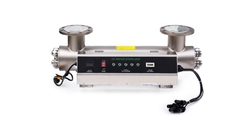
- Bacteria — shock chlorination for the well followed by continuous disinfection (UV for microbiological control; chlorine or chloramines for residual protection).
- Nitrate — ion exchange units designed for nitrate removal or reverse osmosis at point-of-use for drinking water.
- Hardness — ion exchange water softeners or template-assisted crystallization for whole-house scale control.
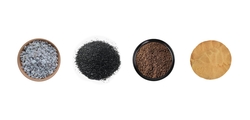
- Iron/Manganese — aeration + filtration, oxidizing media (greensand), or cartridge filters depending on concentration and speciation.
- Arsenic — adsorptive media (iron oxide-based), reverse osmosis, or coagulation/filtration processes.
- VOCs/Pesticides — granular activated carbon (GAC) or advanced oxidation processes.
Why Manufacturer Expertise Matters — Aqualitek and Fit-for-Purpose Systems
When selecting Water Treatment Systems for Well Water, partnering with a manufacturer that can translate lab results into engineered solutions reduces risk and lifecycle cost. Aqualitek Water Treatment Technologies Co., Ltd. (AQT), headquartered in Guangzhou, China, is a leading manufacturer and supplier of advanced water treatment systems and high-quality component parts. They specialize in delivering customized solutions for residential, commercial, and industrial applications and can tailor systems to specific well-water chemistries revealed by testing.
Aqualitek capabilities and main products
AQT combines engineering expertise, manufacturing scale, and a broad product portfolio. Advantages include:
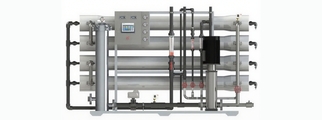
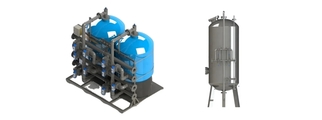
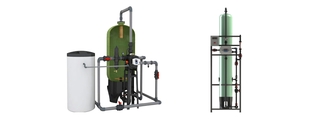
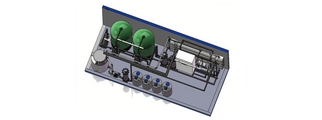
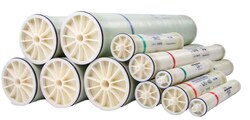
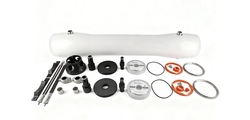
- Comprehensive product range: membrane systems, water filtering systems, ion exchange systems, and customized water purification systems suitable for well water treatment.
- System design support: using verified lab data to size pretreatment, core treatment (e.g., RO, ion exchange), and post-treatment solutions to ensure performance and compliance.
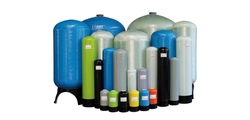
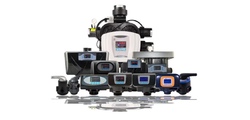
- Quality components and global delivery: high-quality membranes, media housings, and control systems to reduce downtime and simplify maintenance.
- Manufacturing excellence: factory testing and quality control reduce on-site commissioning time and ensure consistent performance across installations.
For well owners and specifiers, Aqualitek can provide turnkey systems that integrate pretreatment (sediment, iron removal), core treatment (membranes, ion exchange), and finishing systems (UV, carbon) — ensuring the chosen Water Treatment Systems for Well Water addresses the contaminants identified in testing and meets flow/pressure requirements for the property.
Practical Checklist Before Purchasing a Water Treatment System
Use this checklist to validate vendor proposals and protect your investment in Water Treatment Systems for Well Water:
- Obtain certified laboratory test results showing contaminants and concentrations.
- Ensure the vendor provides a system design that targets those contaminants and documents expected influent/effluent values.
- Ask for certified component specifications (NSF/ANSI where applicable) and warranty terms.
- Confirm ongoing service, media replacement intervals, and local support or spare parts supply.
- Request a site survey to confirm hydraulic conditions and space requirements.
Frequently Asked Questions (FAQ)
1. How often should I test my private well?
Test at minimum annually for bacteria and nitrate. Test other parameters (metals, VOCs, arsenic) every 2–5 years or based on local risk factors. Also test after any well service, flooding, or when household members have unexplained illnesses.
2. Can I rely on home testing kits?
Home kits are useful for quick screening and monitoring trends but can lack the accuracy of certified lab tests. For any result that could lead to permanent treatment decisions (e.g., installing an RO unit, ion exchange), obtain certified lab confirmation.
3. What should I do if my test shows E. coli?
Stop using the water for drinking and cooking until the well is disinfected and retested. Arrange professional shock chlorination of the well and plumbing, then confirm the absence of E. coli with lab tests before resuming use.
4. How do I choose between point-of-use and whole-house systems?
Match the contaminant and the need: health-based contaminants in drinking water (lead, arsenic, nitrates) often justify point-of-use RO or specialty filters for drinking taps. Aesthetic or operational issues (hardness, iron staining) usually require whole-house Water Treatment Systems for Well Water to protect appliances and plumbing.
5. How can Aqualitek help with my well treatment needs?
Aqualitek offers customized water treatment solutions built from pretreatment to core technologies (membranes, ion exchange, filtration) to match your lab results and performance requirements. They provide engineering support, factory testing, and global supply of components to ensure reliable system delivery and operation.
Contact and Next Steps
If your well testing shows contaminants of concern or you’re planning to install a Water Treatment Systems for Well Water, take these next steps: collect certified lab results, request a site survey, and ask manufacturers for application-specific proposals. For customized solutions and product inquiries, contact Aqualitek Water Treatment Technologies Co., Ltd. (AQT) — headquartered in Guangzhou — for consultation, system sizing, and product lists including membrane systems, water filtering systems, ion exchange systems, and customized water purification systems. Visit their website or reach out to sales for a tailored proposal and commissioning plan.
References
- U.S. Environmental Protection Agency — Private Drinking Water Wells: https://www.epa.gov/privatewells (accessed June 2024)
- Centers for Disease Control and Prevention — Private Wells: https://www.cdc.gov/healthywater/drinking/private/wells/index. (accessed June 2024)
- U.S. Geological Survey — Water Quality: https://www.usgs.gov/mission-areas/water-resources (accessed June 2024)
- World Health Organization — Guidelines for Drinking-water Quality: https://www.who.int/publications/i/item/9789241549950 (accessed June 2024)
- NSF International — Standards for Water Treatment: https://www.nsf.org (accessed June 2024)
For more information or to request product catalogs and system proposals tailored to your well-water test results, contact Aqualitek Water Treatment Technologies Co., Ltd.
Industrial Reverse Osmosis Machine Installation 2026
How Electrodeionization Systems Improve Water Purity Reliability
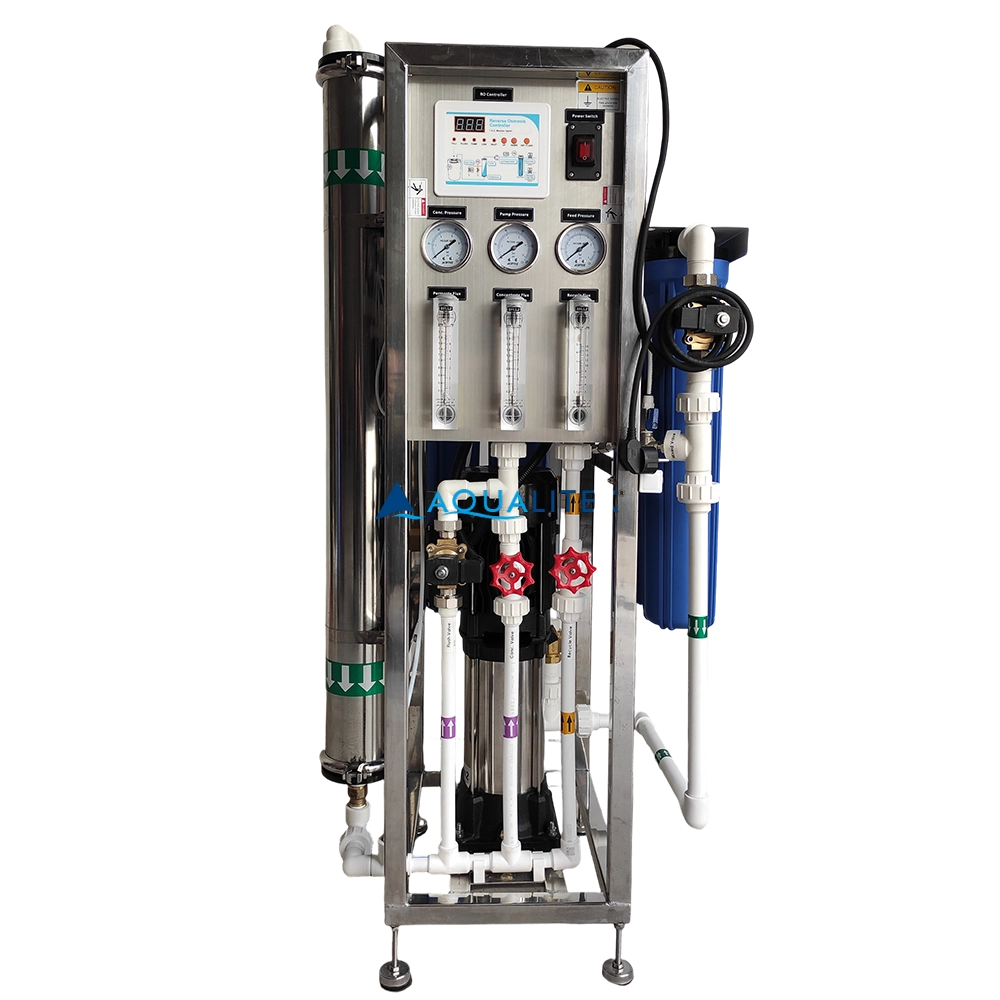
Best Reverse Osmosis Water Filter System: How to Choose Right
Industrial RO Machine Troubleshooting 2026
Solutions
Can I use AQT’s water treatment systems for seawater desalination?
Yes! We provide seawater desalination systems using advanced reverse osmosis (RO) technology, specifically designed to convert seawater into fresh, drinkable water. These systems are ideal for coastal communities, marine applications, and industrial desalination projects.
FAQ-aqualitek
What industries does AQT serve?
We provide water treatment solutions for a wide range of industries, including:
Industrial Manufacturing – Process water treatment, cooling water, and boiler feed.
Hospitality & Commercial – Hotels, restaurants, and office buildings.
Residential Applications – Drinking water purification and softening.
Healthcare & Pharmaceuticals – Ultra-pure water for laboratories and hospitals.
Municipal & Public Utilities – Water supply and wastewater treatment.
Food & Beverage Processing – Filtration for beverage production and food safety.
How do I choose the right water treatment system for my needs?
The choice depends on factors such as water quality, application, flow rate, and purification requirements. Our team of experts can analyze your water source and recommend the most suitable solution for residential, commercial, or industrial applications.
Blog
Is softened water safe to drink?
Yes, but those on low-sodium diets should consider potassium-based softeners or install a separate drinking water filter.
Can I use a water softener with a septic system?
Yes. Studies show no negative impact, especially when using metered regeneration systems.
500 LPH Reverse Osmosis (RO) Water Purification Machine TWV - 412
Our 500 LPH Reverse Osmosis (RO) System is engineered to provide high-quality purified water for commercial applications. Designed with advanced RO technology, durable components, and a user-friendly interface, this system ensures consistent performance, low maintenance, and long-term reliability.
With its compact design and robust skid-mounted frame, it’s an excellent choice for businesses that demand efficiency and quality in water purification.
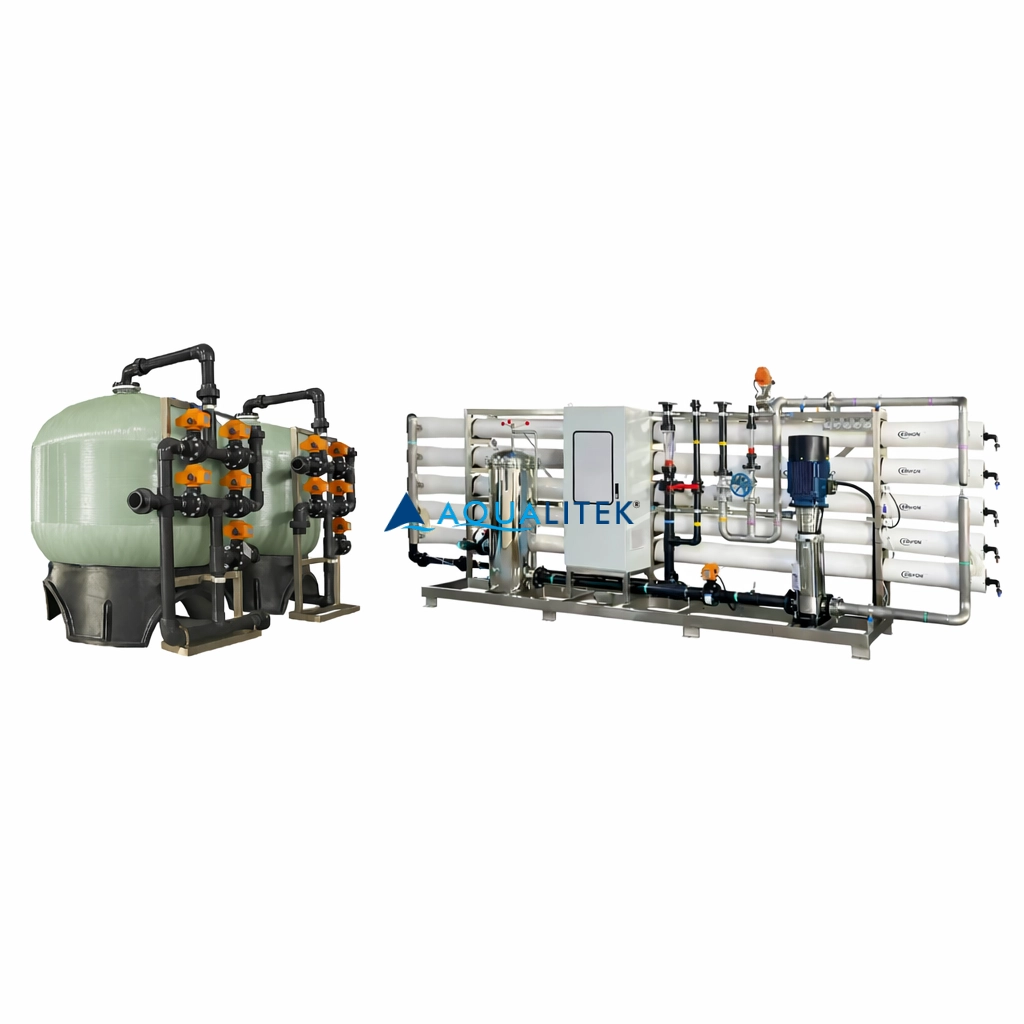
30TPH Industrial Reverse Osmosis (RO) System
30TPH Industrial Reverse Osmosis (RO) System designed for industrial and municipal water treatment. High salt rejection, energy-efficient design, PLC control, and customizable configuration.
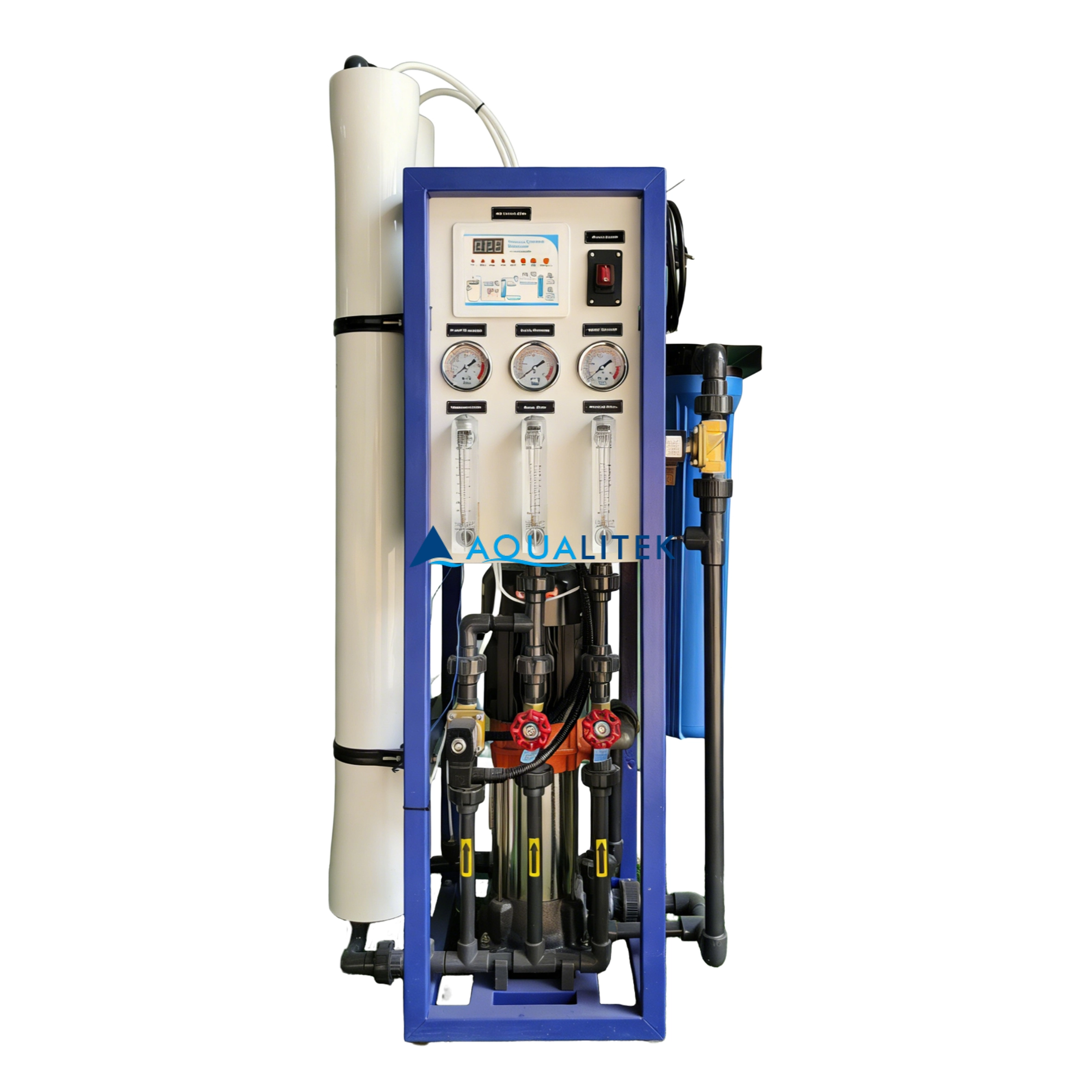
500LPH Panel Mounted Reverse Osmosis Water Purification System
AQUALITEK's 500LPH Panel Mounted Reverse Osmosis Water Purification System delivers reliable 500 LPH RO water production. This compact industrial reverse osmosis unit is ideal for small scale industrial RO needs, ensuring efficient and high-quality purified water in a space-saving design.
Electrodeionization Systems to Get UltraPure Water
Electrodeionization (EDI) system is an advanced water purification technology that combines ion exchange and electrochemical processes to produce ultra-pure water. Unlike traditional deionization methods, which rely on chemical regeneration, EDI utilizes electric fields to drive the movement of ions through ion-exchange membranes, effectively removing dissolved salts and other ionic contaminants.
This process is continuous and does not require the use of chemicals for regeneration, making it an environmentally friendly and cost-effective solution for producing high-quality deionized water. EDI systems are widely used in applications requiring ultrapure water, such as in the pharmaceutical, semiconductor, power generation, and biotechnology industries, as well as for laboratory use.
By offering high-purity water without the need for chemical regeneration, EDI systems provide a sustainable, efficient, and reliable alternative to traditional deionization methods, making them an ideal choice for industries where water quality and process control are critical.
Request More Information
Contact us today for product catalogs, customization options, and a free quotation designed for your business needs.
Rest assured that your privacy is important to us, and all information provided will be handled with the utmost confidentiality.
© 2026 AQUALITEK. All rights reserved.
AQUALITEK- Aimee Hoo
AQUALITEK - Aimee Hoo