




Pre-treatment Requirements for Commercial Reverse Osmosis Systems
Pre-treatment is critical for any commercial reverse osmosis system to ensure membrane lifespan, consistent permeate quality, and energy-efficient operation. This article explains the essential feedwater conditioning steps, monitoring targets, and best practices for protecting a 30TPH Industrial Reverse Osmosis (RO) System in industrial and municipal applications.
- Key feedwater parameters to control before RO
- 1. Particulate load and turbidity
- 2. Free chlorine and oxidants
- 3. Hardness, scaling anions and silica
- Pre-treatment technologies and design choices
- 1. Mechanical filtration: multimedia and cartridge
- 2. Advanced filtration: ultrafiltration (UF) and microfiltration (MF)
- 3. Chemical treatments: antiscalants, acid/alkali, and oxidant control
- Monitoring, instrumentation and control
- 1. Essential sensors and alarms
- 2. Performance metrics and target values
- 3. Data logging and predictive maintenance
- Operational best practices and maintenance
- 1. Cleaning-in-place (CIP) strategies
- 2. Chemical handling, storage and safety
- 3. Commissioning and periodic re-assessment
- Choosing the right pre-treatment for a 30TPH Industrial RO System
- 1. Match technology to source water
- 2. Cost vs. reliability tradeoffs
- 3. Integration with PLC control and plant automation
- References and standards
- Frequently Asked Questions (FAQ)
- Q1: Why is pre-treatment necessary for a commercial reverse osmosis system?
- Q2: What are the minimum pre-treatment targets for a 30TPH Industrial RO system?
- Q3: Can I rely on antiscalant dosing alone to protect membranes?
- Q4: How often should I perform SDI and cleaning checks?
- Q5: Is ultrafiltration worth the extra cost for municipal feedwater?
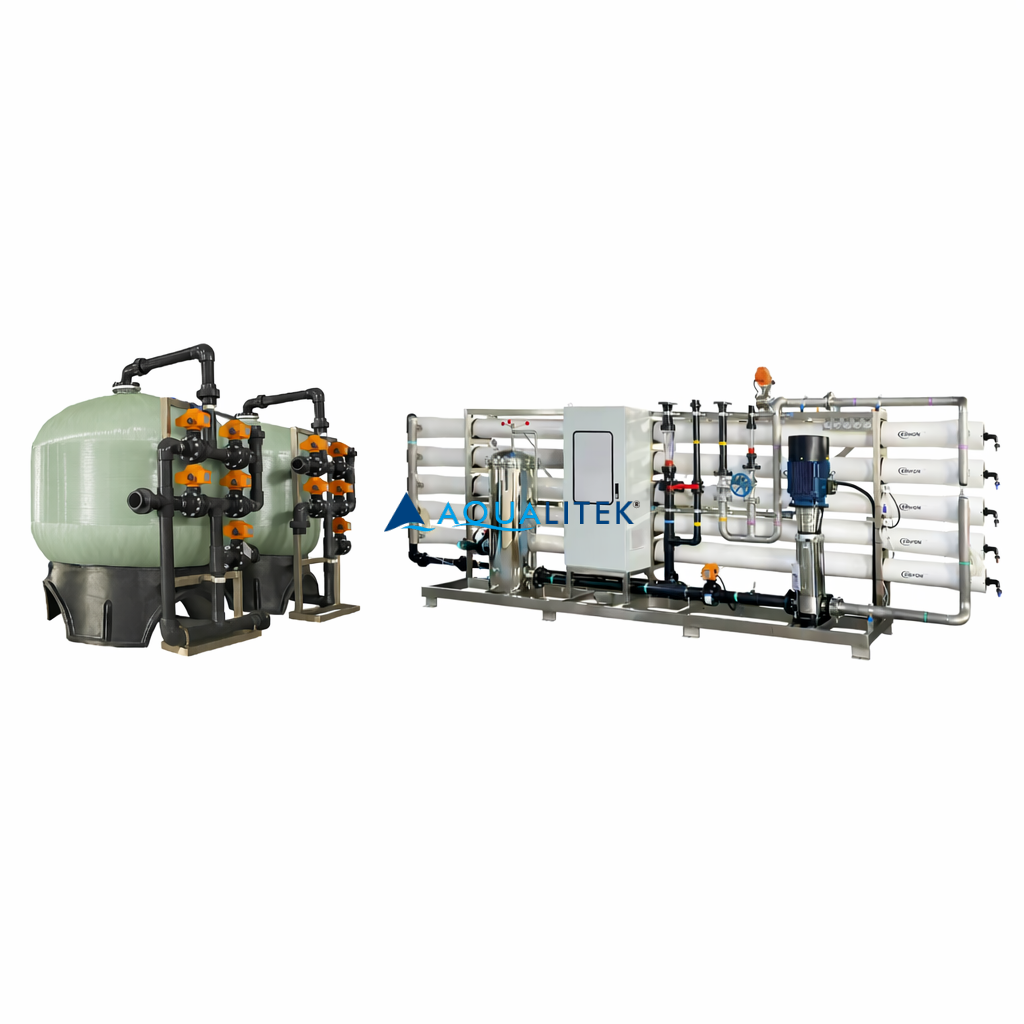
Pre-treatment is the foundation of reliable operation for any commercial reverse osmosis system. Proper conditioning of feedwater—removing particulates, chlorine, hardness, iron, organics and biological load—reduces fouling and scaling, lowers operating costs and extends membrane life. For larger installations such as a 30TPH Industrial Reverse Osmosis (RO) System designed for industrial and municipal water treatment, an engineered pre-treatment train tailored to feedwater characteristics and recovery goals is essential.
Key feedwater parameters to control before RO
1. Particulate load and turbidity
Particulates and suspended solids cause rapid membrane fouling and pressure drop increases. Aim for turbidity <1 NTU and Silt Density Index (SDI-15) <3 for most brackish and municipal RO systems. Ultrafiltration (UF) or multimedia filtration followed by cartridge filtration (5 µm → 1 µm → 0.5 µm) are common approaches to meet these targets. Continuous monitoring of turbidity and periodic SDI testing during commissioning and operation is recommended.
2. Free chlorine and oxidants
Many polymeric RO membranes (thin-film composite, TFC) are highly sensitive to free chlorine and chloramines; exposure causes irreversible oxidation damage. Free chlorine must be removed to <0.1 mg/L prior to RO. Granular activated carbon (GAC) contactors, sodium bisulfite dosing, or catalytic carbon are common dechlorination methods. Use an online free chlorine sensor and automatic dosing interlocks to protect the membrane system.
3. Hardness, scaling anions and silica
Calcium, magnesium, carbonate, sulfate and silica can precipitate on membranes as recovery increases, causing scale and loss of flux. Typical pre-treatment goals: hardness (as CaCO3) reduced to levels compatible with antiscalant dosing and operating recovery; silica and polyvalent ions assessed against threshold curves (often silica <6 mg/L for moderate pH/recovery). Antiscalant dosing, pH adjustment (acid injection for carbonate control), and ion exchange softening are routine measures to prevent scaling. Modeling tools (Langelier/SMI/MTF) should be used during design.
Pre-treatment technologies and design choices
1. Mechanical filtration: multimedia and cartridge
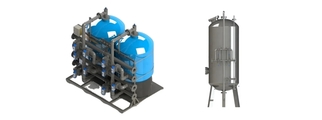
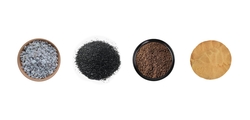
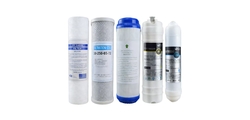
Multimedia (sand/anthracite) filters are effective for high-load particulate removal and are often followed by cartridge filters for fine polishing. For a 30TPH Industrial Reverse Osmosis (RO) System, automatic backwash multimedia filters sized for peak flows and cartridge housings with differential pressure alarms ensure consistent feedwater quality. Media selection and backwash frequency should be optimized for source water (river, surface, groundwater).
2. Advanced filtration: ultrafiltration (UF) and microfiltration (MF)
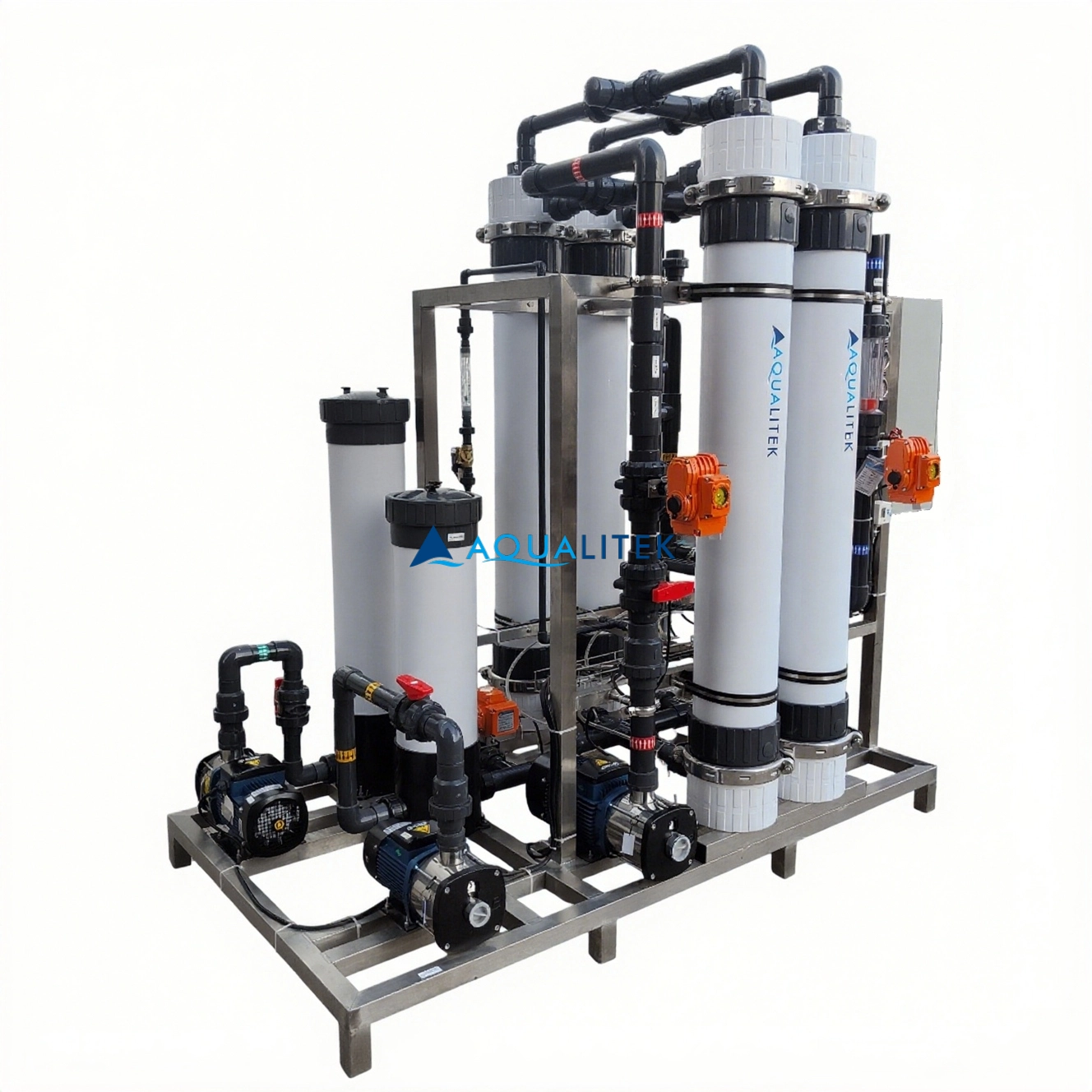
UF/MF provide a robust barrier to turbidity, colloids and bacteria, often enabling direct feed to RO with minimal cartridge filtration. UF reduces biological fouling potential and can be an attractive choice where raw water turbidity is highly variable. Compare lifecycle costs and footprint against traditional media + cartridge trains when designing for municipal or industrial feed streams.
3. Chemical treatments: antiscalants, acid/alkali, and oxidant control
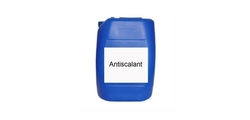
Antiscalant dosing is a frontline tactic to prevent inorganic scaling at increased recoveries; choose a product compatible with downstream membranes and CIP chemicals. Acid injection (e.g., sulfuric or hydrochloric acid) is used to lower pH and control carbonate scaling; alkali dosing may be used to adjust permeate or reject pH. Sodium bisulfite or NSF-approved dechlorinants protect TFC membranes from oxidants.
Monitoring, instrumentation and control
1. Essential sensors and alarms
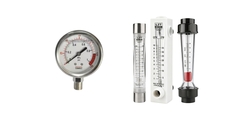
A robust instrumentation package is non-negotiable for commercial RO plants. Minimum recommended sensors: feed and permeate conductivity, differential pressure across filters and RO stages, flow meters, temperature, free chlorine (feed), pH and ORP. For a PLC-controlled 30TPH RO system, integrate automatic shutdowns and bypasses when alarms (e.g., high SDI indication, chlorine spike, high DP) occur to prevent membrane damage.
2. Performance metrics and target values
Track normalized permeate flow, salt rejection (%), specific energy consumption (kWh/m3), and recovery. Typical pre-treatment target values for stable RO operation (industrial/municipal, brackish application):
| Parameter | Recommended Target | Rationale |
|---|---|---|
| SDI-15 | < 3 | Prevents particulate fouling and flux decline |
| Turbidity | < 1 NTU | Protects membranes and reduces cleaning frequency |
| Free chlorine | < 0.1 mg/L | Prevents membrane oxidation |
| Iron (Fe) / Manganese (Mn) | < 0.05 mg/L | Prevents staining, catalyst of foulant formation |
| Silica | Depends on pH/recovery; typically < 6 mg/L for moderate recovery | High silica can form scale; requires modeling |
3. Data logging and predictive maintenance
Historical trends of pressure drops, conductivity and differential pressures can be used to predict fouling events. Machine learning / AI models increasingly help schedule cleaning-in-place (CIP) procedures only when needed, lowering chemical use and downtime. For integrated systems with PLC control, configure remote SCADA access and alerting for 24/7 oversight.
Operational best practices and maintenance
1. Cleaning-in-place (CIP) strategies
CIP procedures (alkaline clean, acid clean) must be developed based on foulant type (organic, biological, scaling). Periodic cleaning intervals depend on feed quality and operational experience. Over-cleaning shortens membrane life; under-cleaning degrades performance. Documented CIP recipes, validated with lab autopsies or membrane autopsy services, improve long-term outcomes.
2. Chemical handling, storage and safety
Industrial-scale pre-treatment requires safe storage and dosing systems for acids, antiscalants, biocides and dechlorinants. Secondary containment, dosing pumps with leak detection, and staff training are essential. Follow local regulations and manufacturer safety data sheets. Refer to relevant standards for workplace chemical safety and storage.
3. Commissioning and periodic re-assessment
Thorough commissioning—feedwater characterization, baseline SDI/turbidity/chlorine mapping, and staged ramp-up—ensures the pre-treatment train performs as designed. Feedwater can change seasonally; schedule periodic reassessments and adjust antiscalant doses, backwash cycles and UF flux accordingly.
Choosing the right pre-treatment for a 30TPH Industrial RO System
1. Match technology to source water
Surface water with variable turbidity often favors a UF front-end plus GAC for chlorine removal. Groundwater with hardness/iron may require ion exchange softening followed by greensand or oxidation/filtration for iron removal. Municipal reuse or tertiary effluents may need advanced oxidation or activated carbon to reduce organics and AOC (assimilable organic carbon) that drive biofouling.
2. Cost vs. reliability tradeoffs
Table: Rough comparison of pre-treatment options for commercial RO (relative scale: Low / Medium / High)
| Technology | Capital Cost | Operating Cost | Reliability for Particulate/Bio Control |
|---|---|---|---|
| Multimedia + Cartridge | Low | Low-Medium | Medium |
| Ultrafiltration (UF) | High | Medium | High |
| GAC (Dechlorination) | Medium | Medium | High (for chlorine removal) |
| Ion Exchange Softening | Medium | Medium-High | High (for hardness) |
| Antiscalant Dosing | Low | Low | High (for inorganic scaling) |
3. Integration with PLC control and plant automation
The 30TPH Industrial Reverse Osmosis (RO) System's PLC control enables automatic adjustments of dosing pumps, backwash cycles and alarms. Ensure pre-treatment skids have full communication (Modbus/Profibus/OPC) with the RO PLC to allow coordinated protections such as automatic shutdown on chlorine breakthrough or SDI excursion.
References and standards
Design and operation recommendations in this article align with authoritative industry references and guidance. For further reading, see:
- Reverse osmosis — Wikipedia (overview of membrane technology)
- EPA — Membrane Filtration Guidance Manual (design and operational guidance)
- WHO — Guidelines for Drinking-water Quality (water quality standards and treatment options)
- International Water Association (IWA) (industry resources and publications)
Frequently Asked Questions (FAQ)
Q1: Why is pre-treatment necessary for a commercial reverse osmosis system?
A: Pre-treatment prevents fouling, scaling and chemical damage to RO membranes. It ensures steady permeate quality, reduces cleaning frequency and extends membrane life—directly lowering total lifecycle cost. Without proper pre-treatment, membranes may fail prematurely and energy consumption will rise.
Q2: What are the minimum pre-treatment targets for a 30TPH Industrial RO system?
A: Minimum commonly accepted targets include SDI-15 <3, turbidity <1 NTU, free chlorine <0.1 mg/L, and low dissolved iron/manganese (<0.05 mg/L). Specific targets depend on desired recovery, membrane type and feedwater composition—site-specific testing is essential.
Q3: Can I rely on antiscalant dosing alone to protect membranes?
A: Antiscalants are essential for controlling inorganic scaling but cannot address particulate fouling, biological contamination or oxidant damage. A comprehensive pre-treatment train combining mechanical/UF filtration, dechlorination and chemical control typically yields the best results.
Q4: How often should I perform SDI and cleaning checks?
A: SDI should be measured during commissioning and regularly (daily to weekly) during initial operation, then at intervals determined by stability. CIP scheduling is based on performance trends—normalized permeate flow and differential pressure rise—and may range from weeks to months depending on feedwater.
Q5: Is ultrafiltration worth the extra cost for municipal feedwater?
A: UF often delivers lower lifecycle cost for variable or highly turbid surface waters because it provides consistent particulate/bacterial removal and reduces RO cleaning frequency. A site-specific cost-benefit analysis should include capital, OPEX, chemical usage and downtime risks.
Product Spotlight:
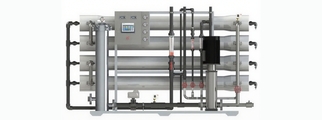
30TPH Industrial Reverse Osmosis (RO) System designed for industrial and municipal water treatment. High salt rejection, energy-efficient design, PLC control, and customizable configuration.
For tailored pre-treatment design, commissioning support or to request the detailed specifications of our 30TPH Industrial Reverse Osmosis (RO) System, contact our sales team or view the product page. Our engineers provide on-site feedwater testing, pilot trials and full system integration to ensure optimal long-term performance.
Selecting Electrodeionization Systems for Semiconductor and Lab Use
Ultrafiltration Water Treatment: Procurement Checklist for B2B Buyers
How Water Purification Systems Affect Health Outcomes: Practical Guide for Better Water and Better Health
Best Industrial Reverse Osmosis Systems 2026
Solutions
Are AQT’s water treatment products certified?
Yes! Our products comply with international quality and safety standards, including ISO, CE, and NSF certifications. We prioritize high-quality materials, advanced technology, and strict quality control to ensure superior performance and reliability.
Ion Exchange Water Treatment Systems
Are mixed bed systems better than two-bed systems?
Mixed bed polishers are used for final polishing after RO or two-bed deionization to achieve ultra-pure water.
Can ion exchange work with seawater or high-TDS water?
Ion exchange is more suitable for low to moderate TDS water. High-TDS applications often use RO as a primary treatment.
Blog
Can I use a water softener with a septic system?
Yes. Studies show no negative impact, especially when using metered regeneration systems.
Water Filters
Can I automate the filter cleaning process?
Absolutely. Our automatic backwash filters come with timer-based or differential pressure-triggered controls.
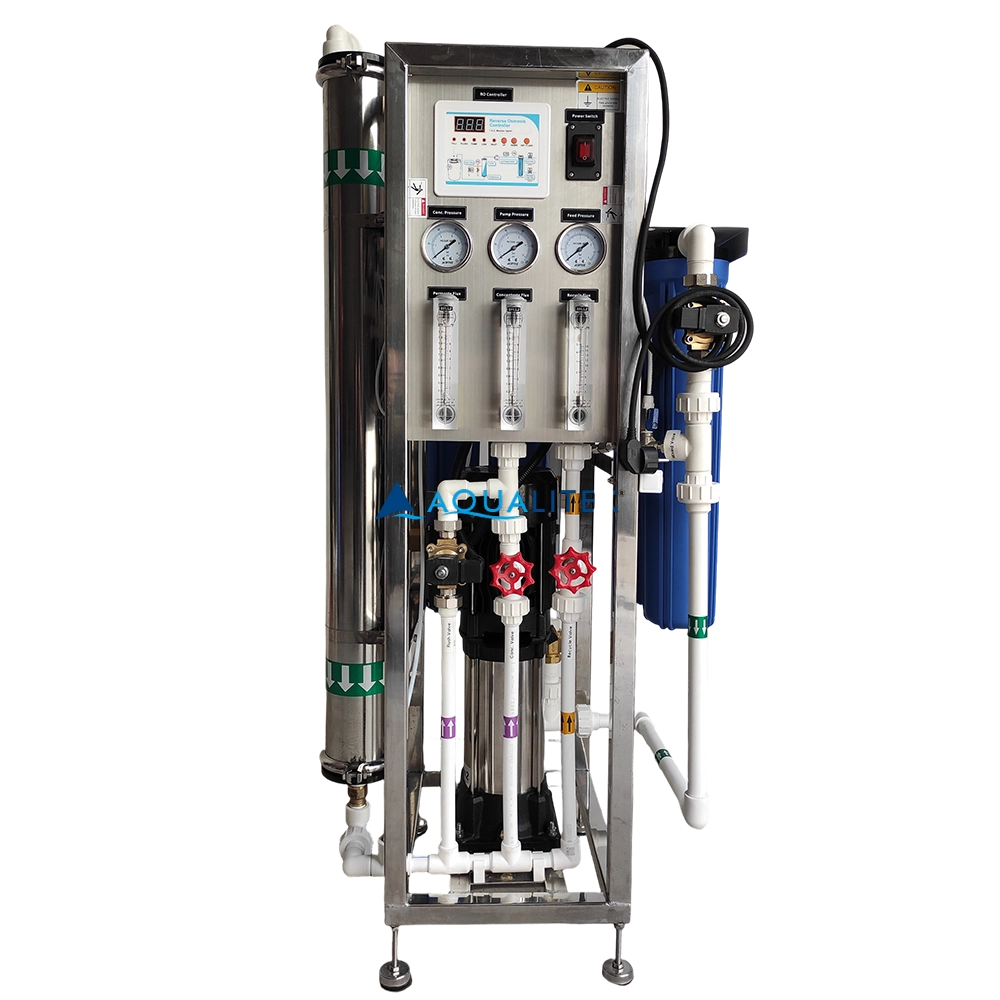
500 LPH Reverse Osmosis (RO) Water Purification Machine TWV - 412
Our 500 LPH Reverse Osmosis (RO) System is engineered to provide high-quality purified water for commercial applications. Designed with advanced RO technology, durable components, and a user-friendly interface, this system ensures consistent performance, low maintenance, and long-term reliability.
With its compact design and robust skid-mounted frame, it’s an excellent choice for businesses that demand efficiency and quality in water purification.
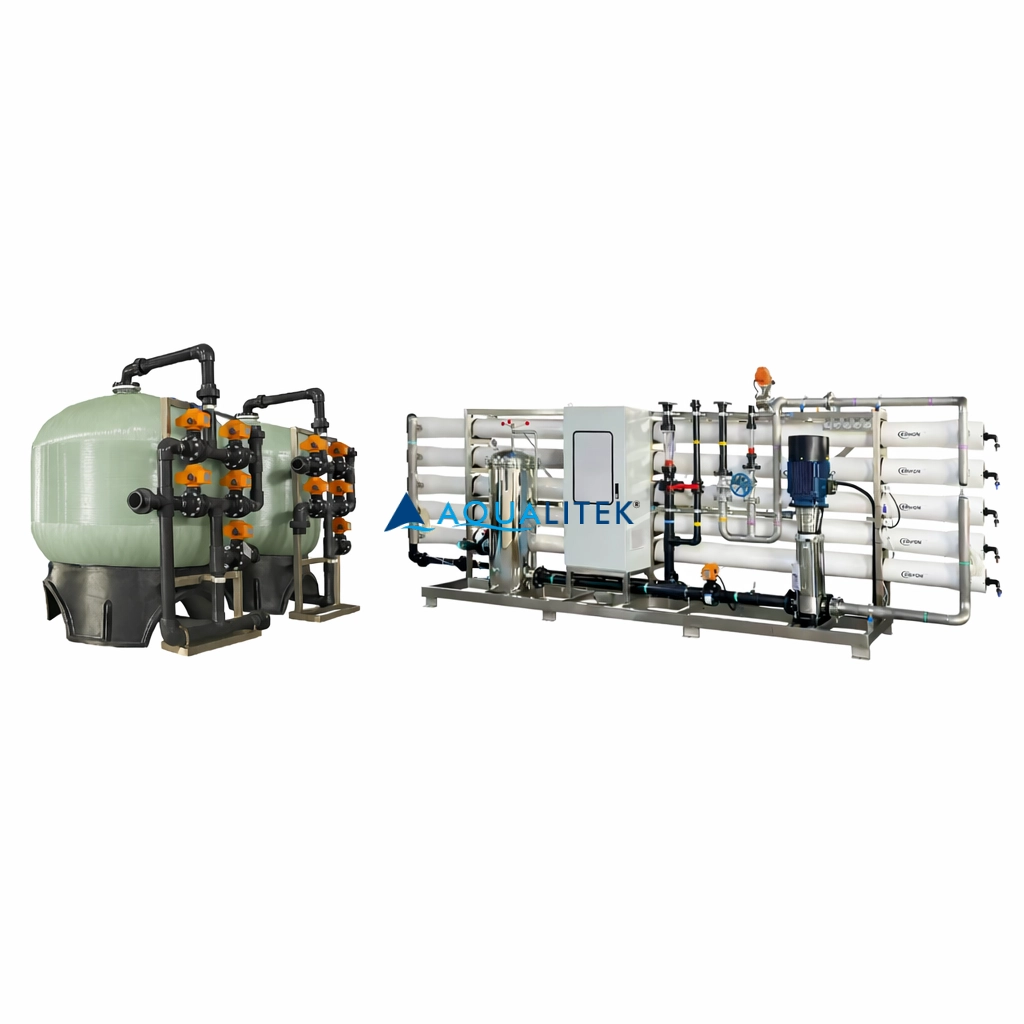
30TPH Industrial Reverse Osmosis (RO) System
30TPH Industrial Reverse Osmosis (RO) System designed for industrial and municipal water treatment. High salt rejection, energy-efficient design, PLC control, and customizable configuration.
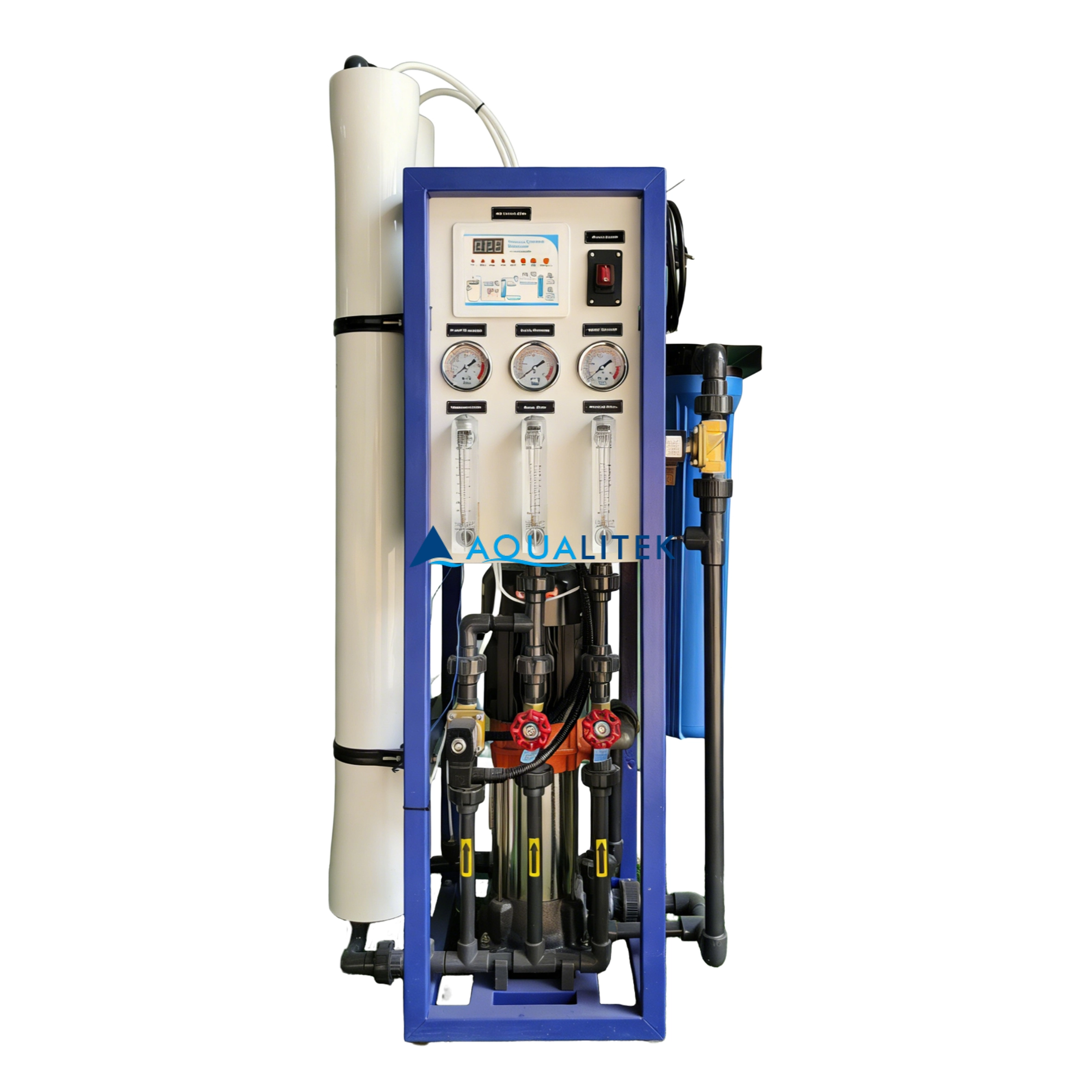
500LPH Panel Mounted Reverse Osmosis Water Purification System
AQUALITEK's 500LPH Panel Mounted Reverse Osmosis Water Purification System delivers reliable 500 LPH RO water production. This compact industrial reverse osmosis unit is ideal for small scale industrial RO needs, ensuring efficient and high-quality purified water in a space-saving design.
Electrodeionization Systems to Get UltraPure Water
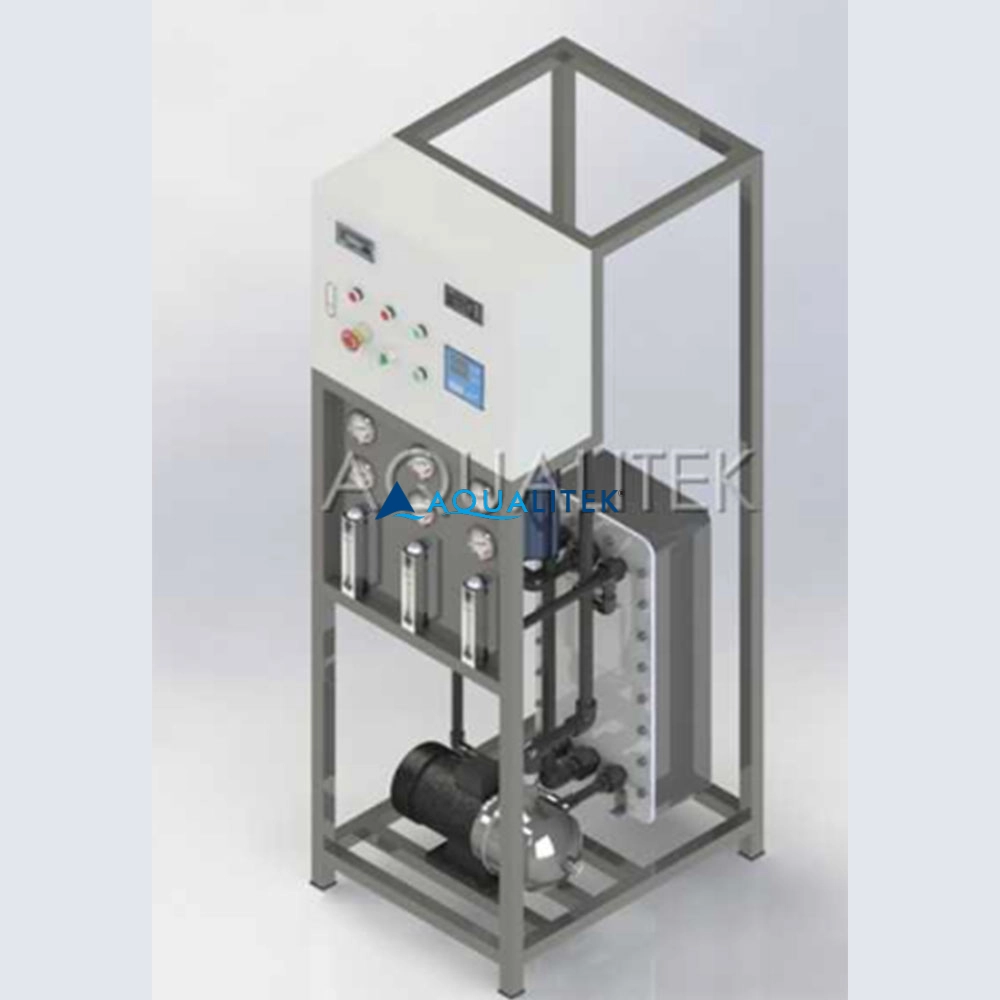
Electrodeionization (EDI) system is an advanced water purification technology that combines ion exchange and electrochemical processes to produce ultra-pure water. Unlike traditional deionization methods, which rely on chemical regeneration, EDI utilizes electric fields to drive the movement of ions through ion-exchange membranes, effectively removing dissolved salts and other ionic contaminants.
This process is continuous and does not require the use of chemicals for regeneration, making it an environmentally friendly and cost-effective solution for producing high-quality deionized water. EDI systems are widely used in applications requiring ultrapure water, such as in the pharmaceutical, semiconductor, power generation, and biotechnology industries, as well as for laboratory use.
By offering high-purity water without the need for chemical regeneration, EDI systems provide a sustainable, efficient, and reliable alternative to traditional deionization methods, making them an ideal choice for industries where water quality and process control are critical.
Request More Information
Contact us today for product catalogs, customization options, and a free quotation designed for your business needs.
Rest assured that your privacy is important to us, and all information provided will be handled with the utmost confidentiality.
© 2026 AQUALITEK. All rights reserved.
AQUALITEK- Aimee Hoo
AQUALITEK - Aimee Hoo