
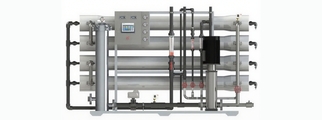
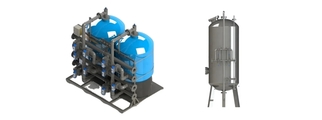
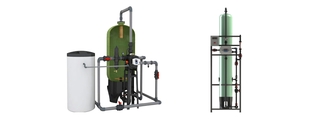
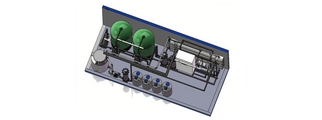



Industrial Ultrafiltration System 20 TPH | AQUALITEK Advanced Water Treatment
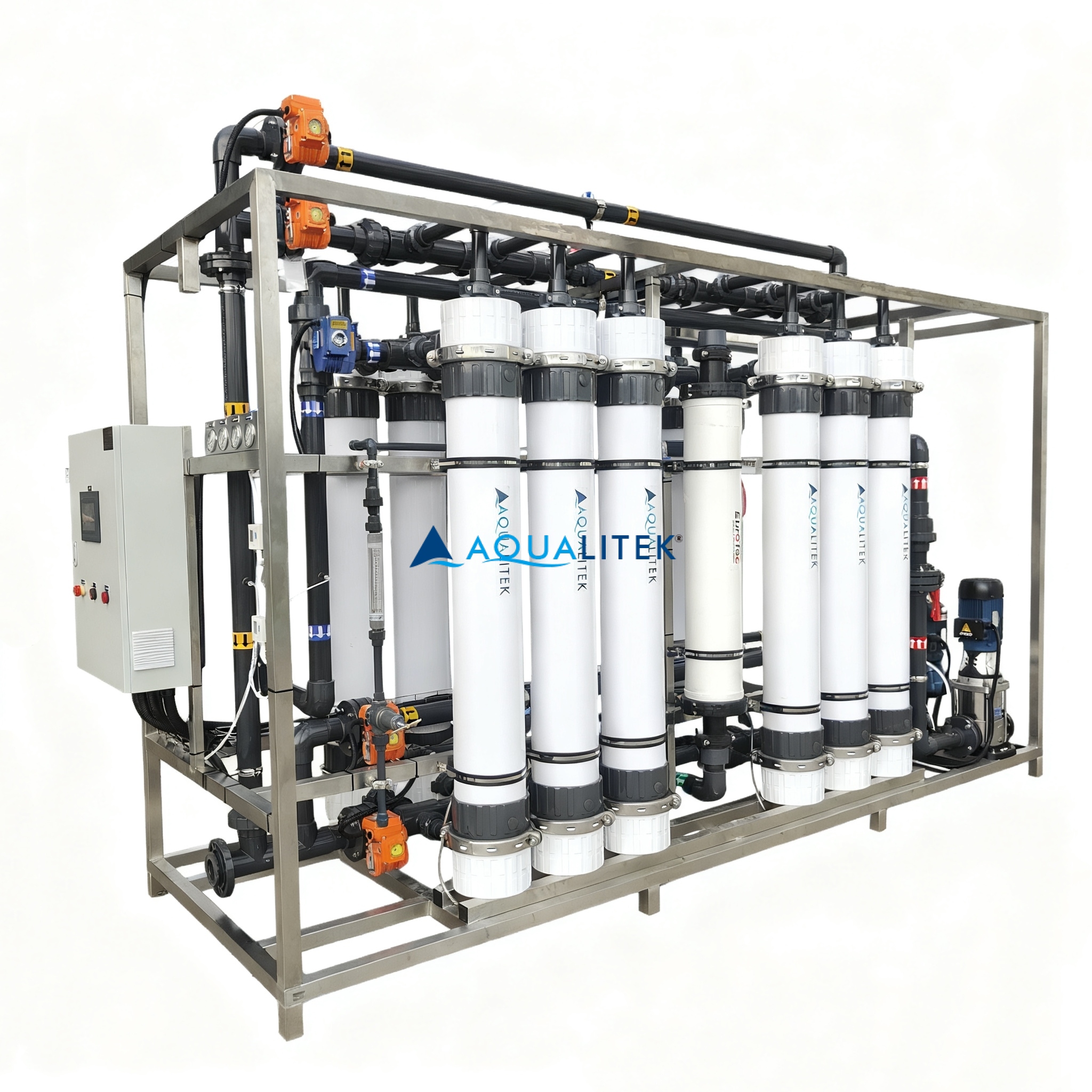
Industrial Ultrafiltration System 20 TPH — Reliable High-Capacity Filtration by AQUALITEK
Overview
The Industrial Ultrafiltration System 20 TPH from Aqualitek Water Treatment Technologies Co., Ltd. (AQT) is a robust, modular ultrafiltration (UF) solution engineered for industrial-scale separation and polishing. Designed in Guangzhou, China, this 20 TPH system provides consistent removal of suspended solids, colloids, bacteria, and high-molecular-weight organics to protect downstream processes and enable water reuse.
Key Features
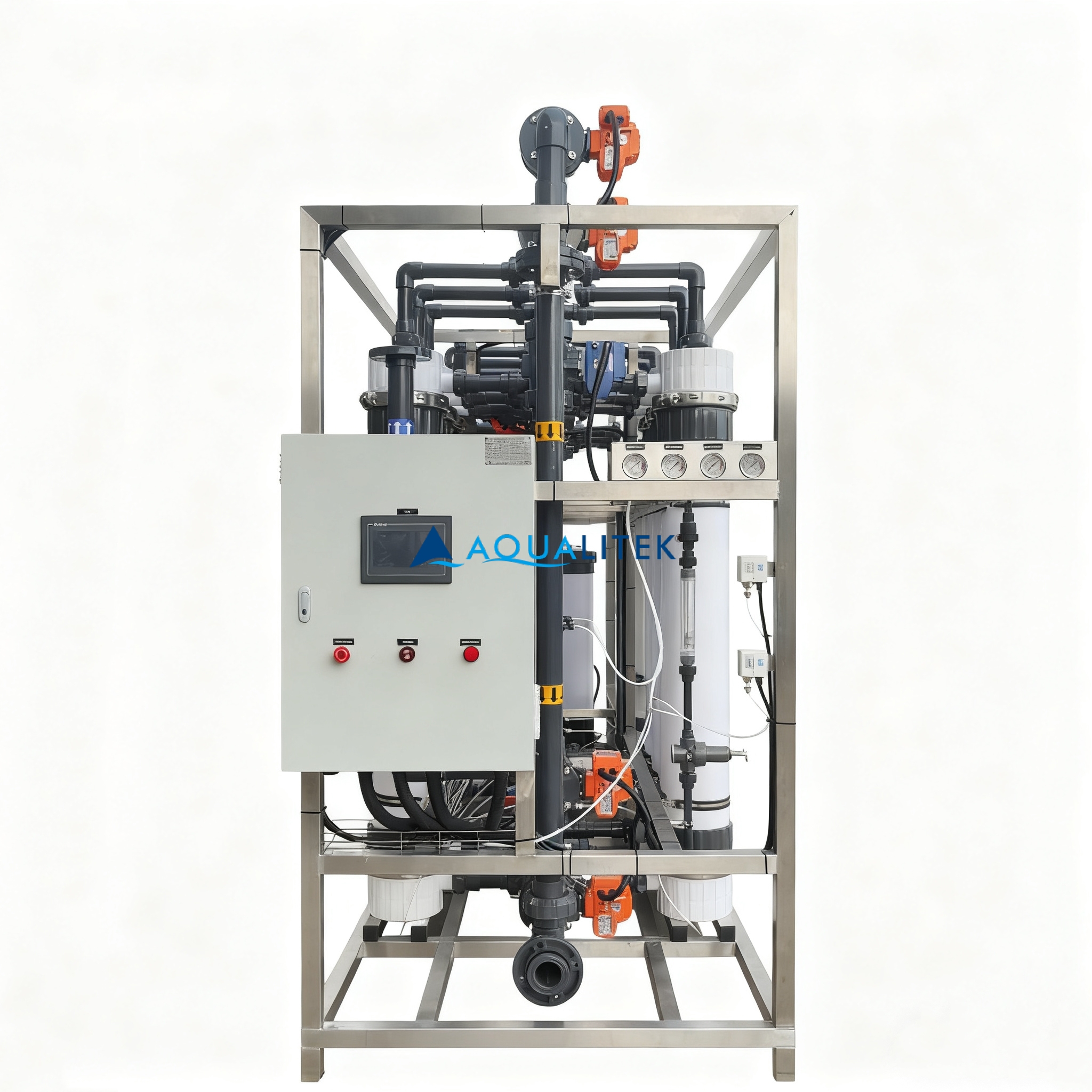
Our Industrial Ultrafiltration System 20 TPH features high-flux hollow fiber modules, automated backwash and air scouring, PLC controls, and energy-efficient pumps. Built for continuous operation, the skid-mounted design simplifies installation while corrosion-resistant materials and CIP capabilities minimize maintenance and extend membrane life.
Performance Benefits
With precise particle retention and stable permeate quality, the 20 TPH ultrafiltration unit reduces chemical demand, decreases membrane fouling risk for downstream RO, and delivers low total cost of ownership. AQUALITEK’s optimization reduces downtime and ensures operational predictability for industrial plants.
Applications
This Industrial Ultrafiltration System 20 TPH is ideal for boiler feed pretreatment, ultrapure water preparation, process water recycling, and wastewater polishing across industries including food & beverage, textiles, power, and chemical manufacturing.
Customization & Integration
AQUALITEK provides tailored configurations—flow-stepped skids, control logic, and material upgrades—to fit site-specific requirements. Seamless integration with pretreatment, RO, and wastewater reuse systems ensures scalable performance.
Why Choose AQUALITEK
Backed by engineering excellence and global manufacturing, AQUALITEK delivers sustainable, cost-effective Industrial Ultrafiltration System 20 TPH solutions with responsive technical support. Partner with us for reliable water quality, regulatory compliance, and improved operational efficiency.
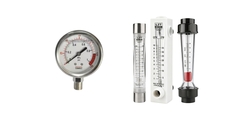
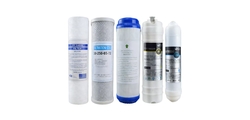
Industrial Ultrafiltration System 20 TPH Display


Can ion exchange work with seawater or high-TDS water?
Ion exchange is more suitable for low to moderate TDS water. High-TDS applications often use RO as a primary treatment.
Can I use a water softener with a septic system?
Yes. Studies show no negative impact, especially when using metered regeneration systems.
Are mixed bed systems better than two-bed systems?
Mixed bed polishers are used for final polishing after RO or two-bed deionization to achieve ultra-pure water.
What is the difference between Reverse Osmosis (RO), Ultrafiltration (UF), and Nanofiltration (NF)?
1. Reverse Osmosis (RO): Removes up to 99.9% of contaminants, including salts, bacteria, viruses, and heavy metals.
2. Ultrafiltration (UF): Uses a membrane filtration process to remove bacteria and particles, while retaining essential minerals.
3. Nanofiltration (NF): Falls between RO and UF, removing some salts and organic compounds while allowing certain minerals to pass through.
What is the difference between softening and deionization?
Softening removes only hardness ions (Ca²⁺, Mg²⁺), while deionization removes both cations and anions to produce high-purity water.
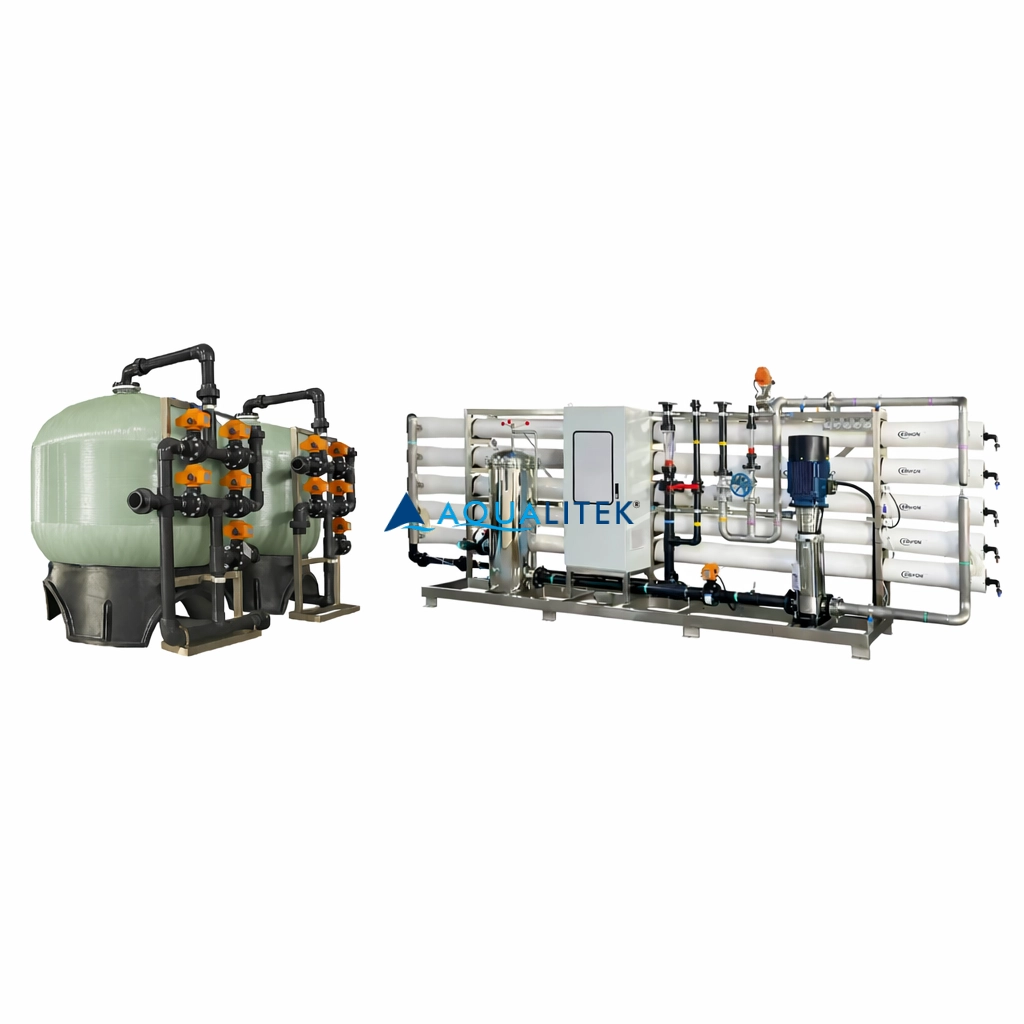
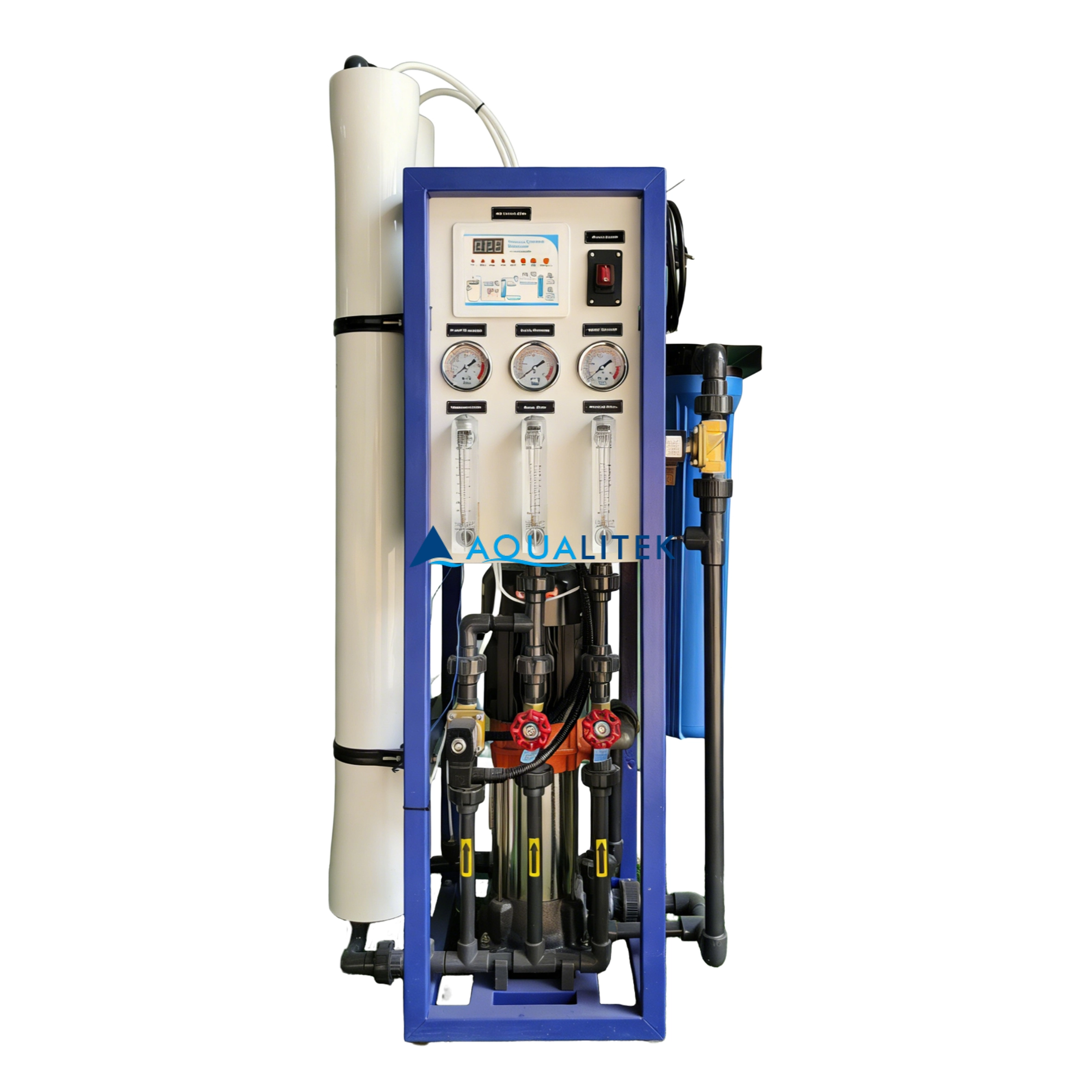
500LPH Panel Mounted Reverse Osmosis Water Purification System
500LPH Panel Mounted Reverse Osmosis Water Purification System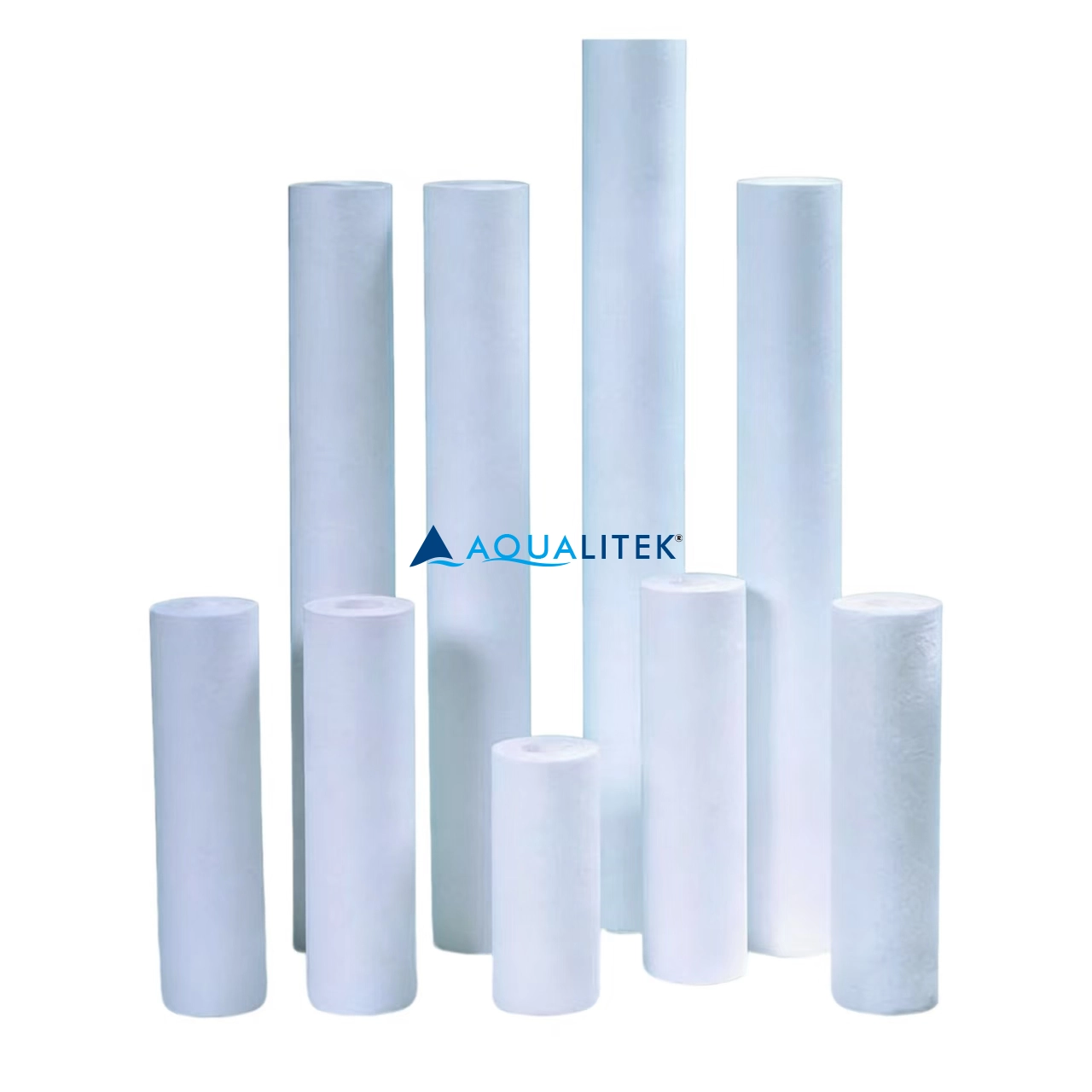
Melt Blown PP Filter Cartridge | PP Sediment Filter for RO Pretreatment
Melt Blown PP Filter Cartridge | PP Sediment Filter for RO Pretreatment

500 liters per hour multi-stage water filtration and softening system
500 liters per hour multi-stage water filtration and softening system
20 TPH Uninterrupted(1 Working + 1 Standby) Ultrafiltration System
20 TPH Uninterrupted(1 Working + 1 Standby) Ultrafiltration System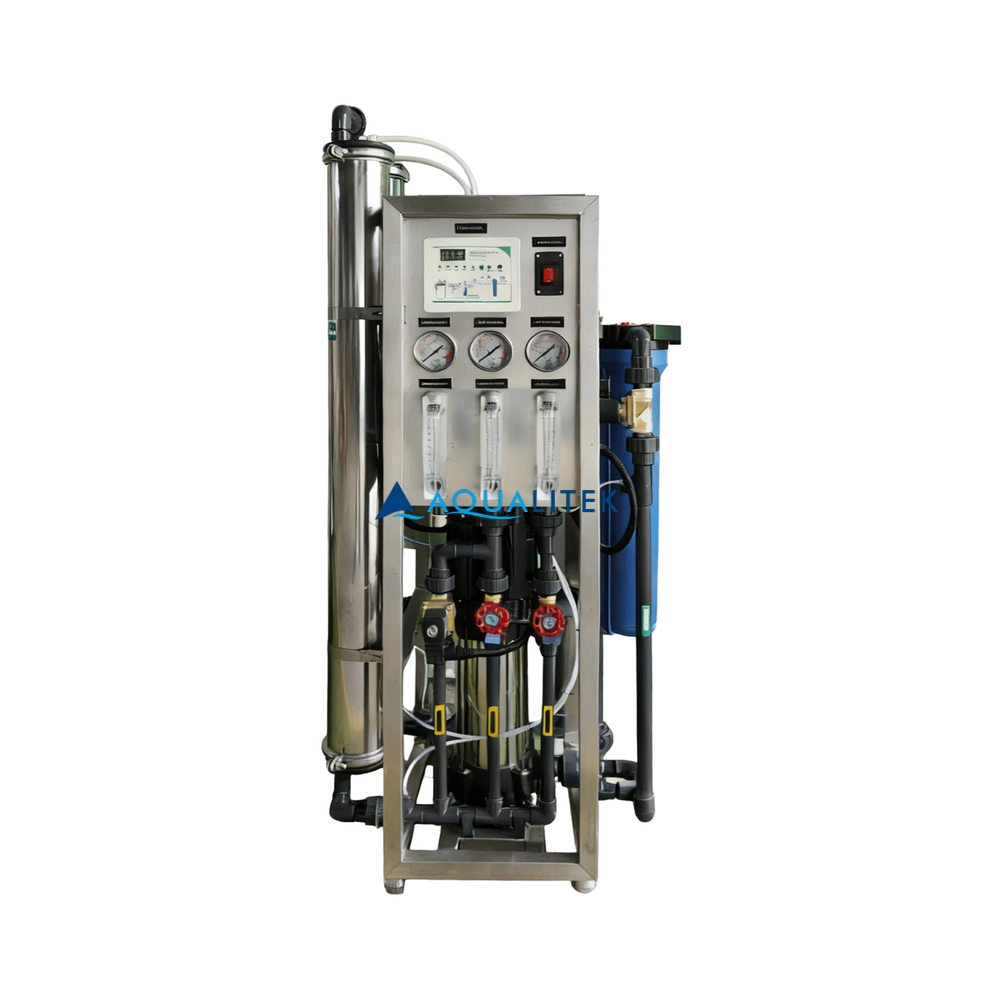
Tap Water Reverse Osmosis (TWRO) Systems TWV Series
Tap Water Reverse Osmosis (TWRO) Systems TWV Series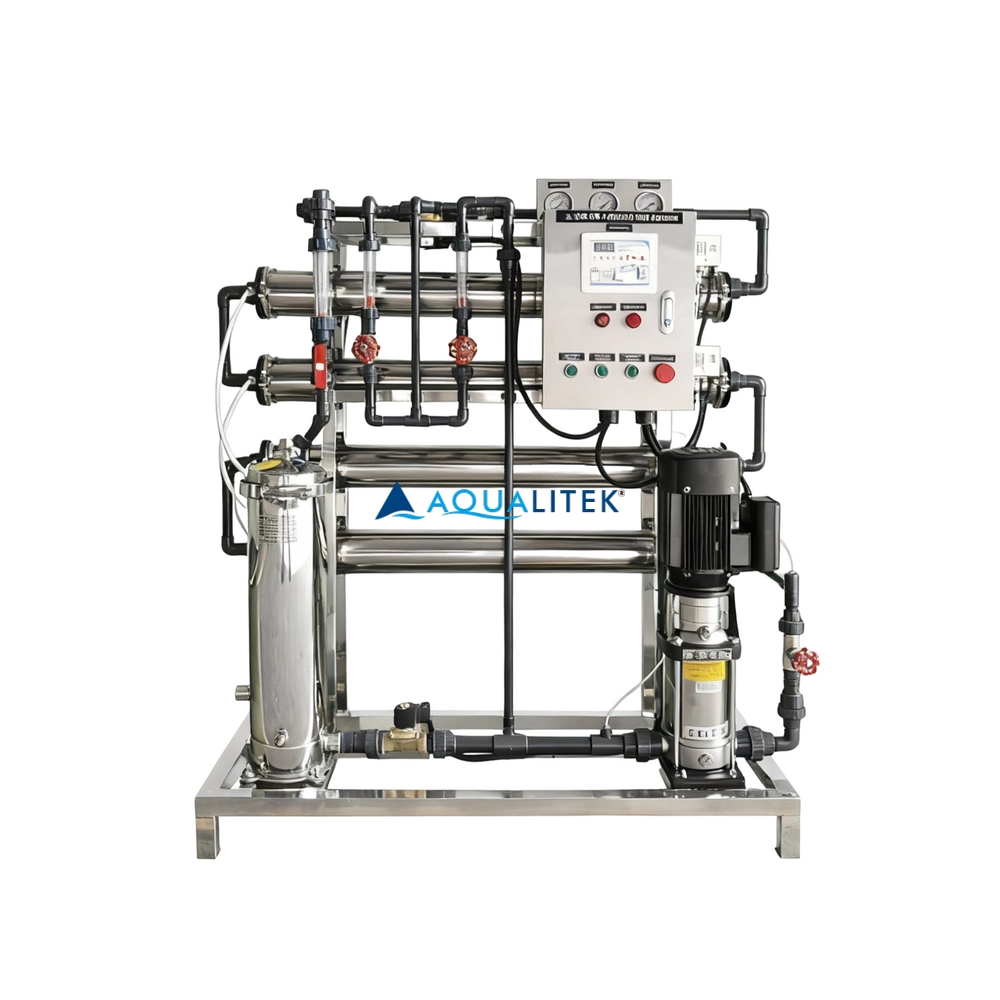
Tap Water Reverse Osmosis (TWRO) Systems TWF Series
Tap Water Reverse Osmosis (TWRO) Systems TWF Series
Tap Water Reverse Osmosis (TWRO) Systems TWE Series
Tap Water Reverse Osmosis (TWRO) Systems TWE Series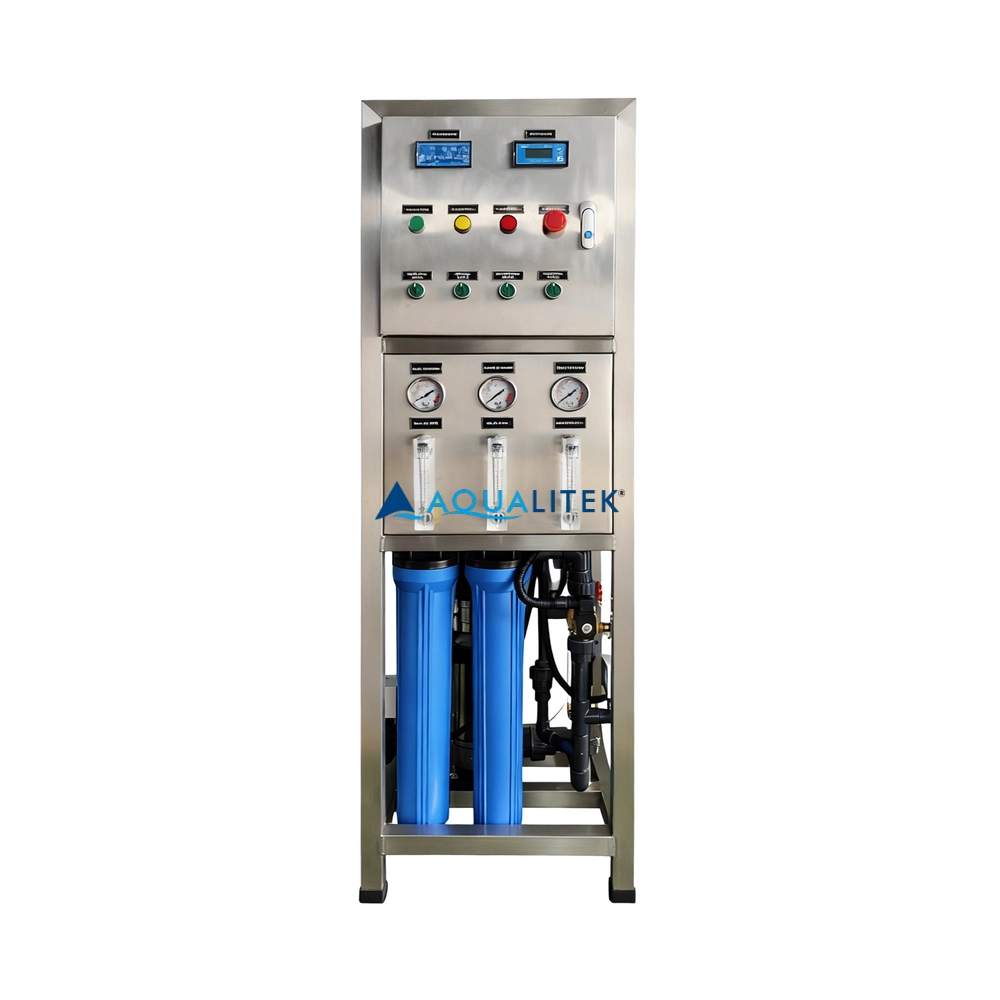
Brackish Water Revers Osmosis Systems (BWRO) BWV Series
Brackish Water Revers Osmosis Systems (BWRO) BWV Series
Brackish Water Reverse Osmosis (BWRO) Systems BWF Series
Brackish Water Reverse Osmosis (BWRO) Systems BWF Series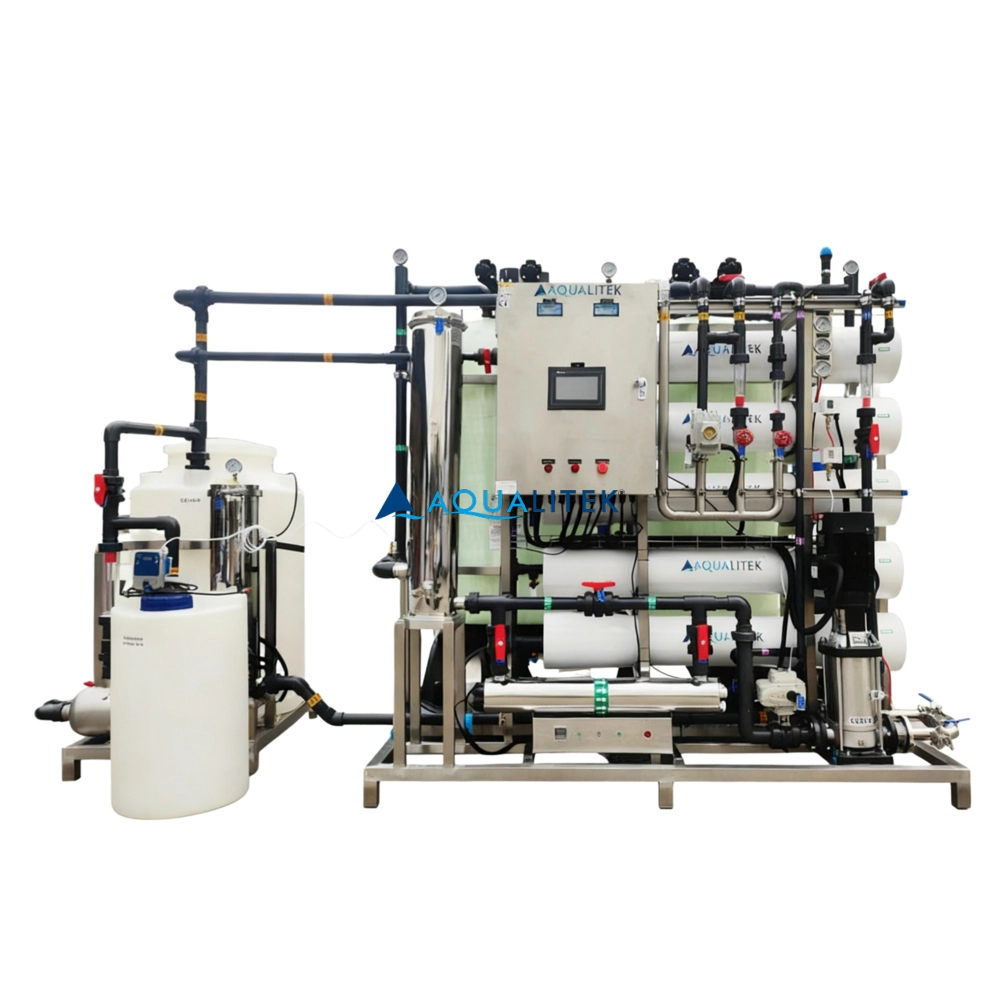
Brackish Water Reverse Osmosis (BWRO) Systems BWE Series
Brackish Water Reverse Osmosis (BWRO) Systems BWE Series
Sea Water Reverse Osmosis (SWRO) systems SWH Series
Sea Water Reverse Osmosis (SWRO) systems SWH Series
Sea Water Reverse Osmosis (SWRO) Systems SWE Series
Sea Water Reverse Osmosis (SWRO) Systems SWE Series

Ultrafiltration (UF) Systems UFM Series Durable UF System with Backflush for High-Turbidity Surface Water Ultrafiltration Systems
Ultrafiltration (UF) Systems UFM Series Durable UF System with Backflush for High-Turbidity Surface Water Ultrafiltration Systems
Ultrafiltration (UF) Systems UFS Series High-Capacity UF Machine for Industrial Process Water Treatment
Ultrafiltration (UF) Systems UFS Series High-Capacity UF Machine for Industrial Process Water Treatment
Request More Products Information
Submit your inquiry now to receive detailed specifications, pricing, and tailored solutions from our professional team.
Rest assured that your privacy is important to us, and all information provided will be handled with the utmost confidentiality.
© 2026 AQUALITEK. All rights reserved.
AQUALITEK- Aimee Hoo
AQUALITEK - Aimee Hoo