




Ultrafiltration Water Treatment: Procurement Checklist for B2B Buyers
- Ultrafiltration Water Treatment: Procurement Checklist for B2B Buyers
- Introduction: Why Ultrafiltration Water Treatment matters for B2B procurement
- Product snapshot (reference)
- 1. Understand the technology: What Ultrafiltration Water Treatment does and limits
- How UF works and where it fits in your process
- 2. Capacity & throughput: matching the system to your actual demand
- Verify flow rates, peak loads, and redundancy
- 3. Feed water quality & pretreatment requirements
- Confirm raw water characteristics and required pretreatment
- 4. Membrane selection & fouling resistance
- Key membrane characteristics to assess
- 5. Automatic Backwash and cleaning strategy
- Assess automatic backwash effectiveness and CIP needs
- 6. Energy use and operating cost analysis
- Estimate OPEX: energy, chemicals, membranes, labor
- 7. Footprint, mechanical design and site integration
- Consider layout, civil works and installation complexity
- 8. Controls, automation and remote monitoring
- Look for PLC, HMI, and remote access capabilities
- 9. Compliance, certifications and documentation
- Validate standards, testing and warranty terms
- 10. After-sales service, spare parts and training
- Secure local service support and lifecycle spare parts
- 11. Pilot testing and risk mitigation
- Why pilots pay off
- Technical comparison: AQUALITEK 12TPH UFL-4 Series vs Typical UF Systems
- Procurement checklist — Actionable items for your RFQ
- Concrete steps to include in vendor inquiries
- Why choose the AQUALITEK 12TPH Industrial UF Water Treatment Device (UFL-4 Series)
- Brand and product advantages for B2B buyers
- Industries and use cases
- Frequently Asked Questions (FAQ)
- Q: What does 12TPH mean in practical terms?
- Q: Can UF replace reverse osmosis?
- Q: How often will membranes need replacement?
- Q: What is Automatic Backwash Technology and how does it help?
- Q: Is pilot testing necessary?
- Call to action
- References and authoritative sources

Ultrafiltration Water Treatment: Procurement Checklist for B2B Buyers
Introduction: Why Ultrafiltration Water Treatment matters for B2B procurement
Ultrafiltration Water Treatment is a widely adopted membrane-based separation technology that removes colloids, suspended solids, bacteria, and high-molecular-weight substances from process water and feed streams. For B2B buyers — industrial plant engineers, water treatment consultants, and procurement managers — choosing the right ultrafiltration (UF) system can reduce downstream treatment costs, protect reverse osmosis stages, improve product quality, and avoid costly downtime. This article provides a practical procurement checklist to evaluate UF systems, minimize procurement risk, and ensure long-term operational performance. After reviewing an ultrafiltration water treatment procurement checklist for B2B buyers, the next step is selecting the right capacity by choosing a 12TPH industrial UF water treatment device for plants.
Product snapshot (reference)
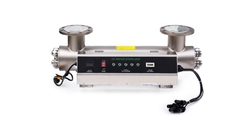
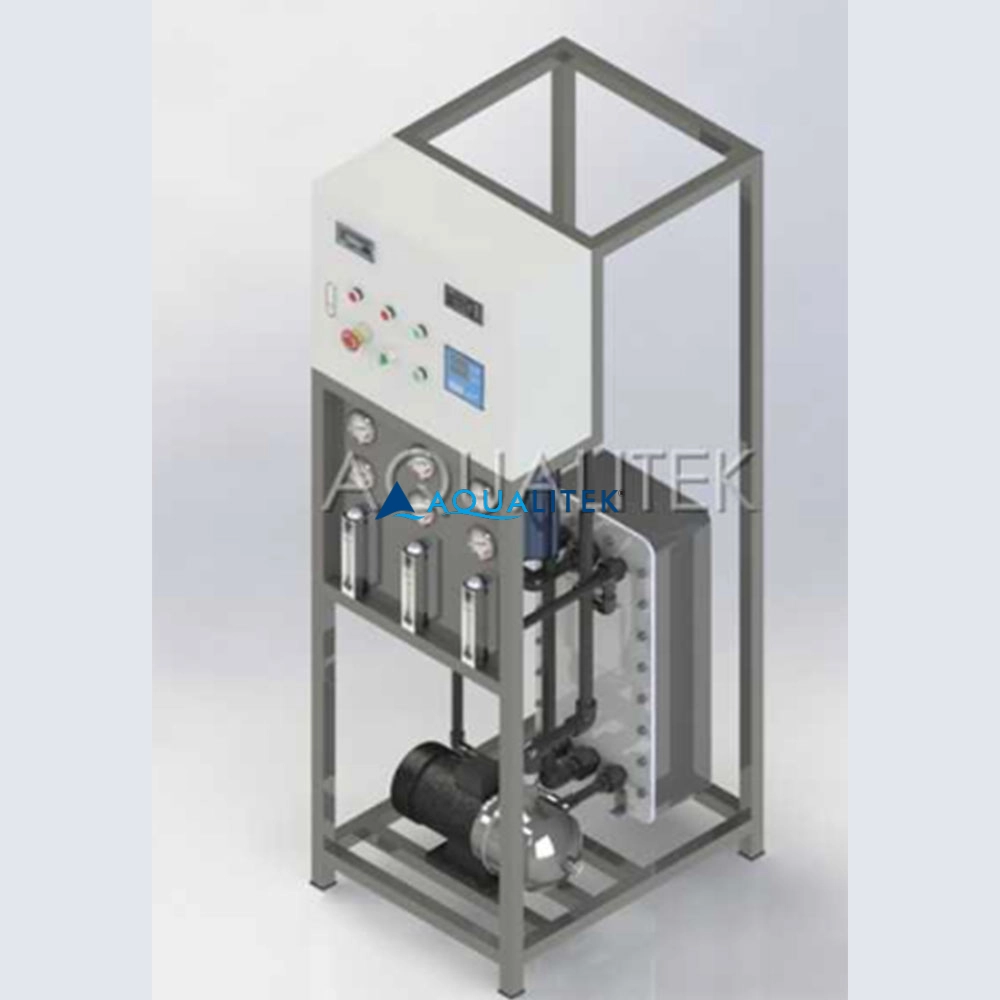
AQUALITEK 12TPH Industrial UF Water Treatment Device (UFL-4 Series) delivers high-efficiency, high-throughput ultrafiltration with Automatic Backwash Technology, high fouling-resistance membrane modules for efficient pretreatment and turbidity reduction in industrial and commercial applications.
1. Understand the technology: What Ultrafiltration Water Treatment does and limits
How UF works and where it fits in your process
Ultrafiltration uses porous membranes (pore sizes ~0.01 to 0.1 microns) to separate macromolecules, colloids and particulates from water. It is typically used as pretreatment for reverse osmosis (RO), for tertiary treatment before discharge or reuse, and in industries requiring microbiologically stable water. UF removes turbidity, many pathogens, and suspended solids but does not remove dissolved ions or low-molecular-weight organics — so chemical or RO stages may still be required depending on your final water quality target.
2. Capacity & throughput: matching the system to your actual demand
Verify flow rates, peak loads, and redundancy
Start with accurate water demand profiles: average flow, peak hourly flow, and seasonal variability. The product AQUALITEK 12TPH Industrial UF Water Treatment Device indicates 12TPH (12 tonnes per hour), a practical capacity for many medium industrial processes. When evaluating systems, confirm:
- Nominal production flow (m3/h or TPH) under design feed conditions
- Maximum turndown (minimum efficient flow) and ability to handle peak loads
- Number and arrangement of membrane modules for staged capacity and redundancy
Oversizing can increase CAPEX unnecessarily; undersizing causes bottlenecks. Consider N+1 redundancy for continuous operations where downtime is unacceptable.
3. Feed water quality & pretreatment requirements
Confirm raw water characteristics and required pretreatment
UF performance depends on feed turbidity, SDI (silt density index), TSS, pH, temperature, and free chlorine. Typical procurement checks:
- Measure turbidity and SDI; aim for SDI < 3 where possible to reduce fouling
- Verify allowable pH and temperature ranges for selected membranes
- Confirm removal or dechlorination of free chlorine if membranes are chlorine-sensitive
Automatic Backwash Technology (as in AQUALITEK UFL-4 Series) can reduce fouling but does not remove the need to control heavy solids loads. Include pretreatment such as coarse filtration, multimedia filters, or chemical coagulation where required.
4. Membrane selection & fouling resistance
Key membrane characteristics to assess
Membrane material (PVDF, PES, etc.), configuration (hollow fiber, flat sheet, tubular), pore size rating, permeability (flux), and fouling resistance matter for both performance and lifecycle costs. High fouling-resistance membranes reduce cleaning frequency and chemical costs. When procuring, require vendor data on:
- Clean water flux and expected decline under typical feed
- Membrane pore size distribution and rejection rates for target contaminants
- Expected membrane life under your feed conditions and maintenance plan
Ask for pilot test results or real-world performance data in similar feed conditions.
5. Automatic Backwash and cleaning strategy
Assess automatic backwash effectiveness and CIP needs
Automatic Backwash Technology reduces the buildup of solids on membrane surfaces by periodic reversal or hydraulic scouring, minimizing manual interventions and preserving flux. Procurement considerations include:
- Frequency and duration of automatic backwash cycles
- Water and energy consumption of backwash operations
- Compatibility with chemical Clean-in-Place (CIP) schedules
- Ease of adjusting backwash parameters and alarms through the control system
Systems that combine effective automatic backwash with easy CIP procedures typically lower OPEX and crew time.
6. Energy use and operating cost analysis
Estimate OPEX: energy, chemicals, membranes, labor
Operating cost is often the dominant lifecycle expense after initial purchase. Key cost drivers:
- Pumping energy to overcome transmembrane pressure and system head
- Frequency and volume of backwash and CIP (chemicals and waste disposal)
- Consumables, notably membrane replacements and seals
- Labor for routine checks and maintenance
Request vendor LCC (lifecycle cost) models for your expected operating scenario. Compare energy consumption in kWh/m3 and chemical usage in g/m3 to benchmark against alternatives.
7. Footprint, mechanical design and site integration
Consider layout, civil works and installation complexity
UF skids differ in footprint, footprint-to-capacity ratio, and support requirements. For procurement:
- Confirm skid dimensions and weights for transport and placement
- Check piping and electrical interfacing points for easier integration
- Identify required concrete pads, anchoring, and utility capacities
- Determine whether modular or containerized options are available for fast deployment
Modular skids ease installation and future capacity expansion.
8. Controls, automation and remote monitoring
Look for PLC, HMI, and remote access capabilities
Automation reduces manual intervention and improves reliability. Check that the UF system provides:
- PLC logic and HMI for easy operation and troubleshooting
- Alarm management and event logging
- Remote access (SCADA connectivity or secure cloud monitoring) for KPI dashboards
- Ability to adjust backwash, flux setpoints, and CIP schedules remotely
Ensure cybersecurity measures and data ownership are contractually clarified.
9. Compliance, certifications and documentation
Validate standards, testing and warranty terms
For B2B procurement, require documentation for:
- Quality management and manufacture (ISO 9001 or equivalent)
- Specific product certifications if needed (CE for EU, NSF for potable water components)
- Performance test reports and third-party validation where applicable
- Warranty terms for membranes and mechanical components, including mean time between failures (MTBF)
Contracts should include acceptance tests and KPIs for commissioning.
10. After-sales service, spare parts and training
Secure local service support and lifecycle spare parts
Reliable after-sales support minimizes downtime. Procurement should confirm:
- Local service footprint or authorized service partners
- Lead times for critical spares (membranes, pumps, valves)
- Training programs for operators and maintenance staff
- Availability of remote expert support and performance review services
Negotiate service-level agreements (SLAs) for response times and spare part delivery windows.
11. Pilot testing and risk mitigation
Why pilots pay off
Piloting under actual plant feed conditions is often the most reliable way to confirm system choice. A short-term pilot or mobile trial helps determine flux, fouling rates, cleaning intervals, and real throughput. Include a pilot clause in procurement contracts or set aside budget for field trials prior to full-scale purchase.
Technical comparison: AQUALITEK 12TPH UFL-4 Series vs Typical UF Systems
| Feature | AQUALITEK 12TPH UFL-4 Series | Typical UF System (Comparable Capacity) |
|---|---|---|
| Nominal throughput | 12 TPH | 8 - 15 TPH |
| Membrane type | High fouling-resistance hollow fiber modules | Hollow fiber or flat sheet (varies) |
| Automatic backwash | Integrated Automatic Backwash Technology | Optional or manual backwash |
| Typical SDI handling | Designed for moderate SDI with backwash support | May require stronger pretreatment |
| Control & monitoring | PLC/HMI, remote monitoring ready | Vendor dependent |
| OPEX drivers | Optimized backwash reduces chemical use | Higher CIP frequency possible |
Procurement checklist — Actionable items for your RFQ
Concrete steps to include in vendor inquiries
When issuing an RFQ/RFP, include the following as must-have items:
- Detailed feed water and target permeate quality
- Exact required capacity and redundancy expectations
- Demand profile including peak flows
- Required certifications and acceptance test criteria
- Data on membrane flux, rejection, fouling rates, and expected life
- Energy consumption and chemical usage estimates in standardized units
- CIP and backwash descriptions, including water volumes used per cycle
- Warranty, spare parts list, and SLAs for service response
- Pilot trial terms and success criteria
- Commissioning and operator training scope
Use these items to score vendor proposals consistently and reduce procurement risk.
Why choose the AQUALITEK 12TPH Industrial UF Water Treatment Device (UFL-4 Series)
Brand and product advantages for B2B buyers
AQUALITEK's UFL-4 Series is positioned for buyers seeking a balance of throughput, fouling resilience, and automation. Key advantages:
- High throughput at 12TPH suitable for medium industrial applications
- Automatic Backwash Technology reduces manual cleaning and preserves flux
- High fouling-resistance membrane modules minimize downtime and CIP frequency
- Modular skid design simplifies installation and future expansion
- Integrated control and remote monitoring options for modern plant operations
These features translate into lower total cost of ownership, predictable performance, and reduced operator burden compared with non-automated alternatives.
Industries and use cases
Typical sectors that benefit from a 12TPH UF solution include food and beverage processing, chemical and pharmaceutical rinse water management, boiler feed water pretreatment, tertiary municipal effluent polishing, and industrial cooling tower blowdown reuse.
Frequently Asked Questions (FAQ)
Q: What does 12TPH mean in practical terms?
A: 12TPH means 12 tonnes per hour, roughly equivalent to 12 cubic meters per hour when treating water (since 1 tonne water ≈ 1 m3). For continuous operation, that equates to ~288 m3/day. Confirm vendor hourly and daily output assumptions under your feed water conditions.
Q: Can UF replace reverse osmosis?
A: No. UF removes particulates, colloids, and many pathogens but does not sufficiently remove dissolved salts. UF is typically used as pretreatment before RO or as a standalone solution where dissolved solids are acceptable.
Q: How often will membranes need replacement?
A: Membrane life depends on feed water quality and cleaning regimes. With proper pretreatment and Automatic Backwash, hollow fiber membranes often last several years (3-7 years). Request manufacturer estimates and end-of-life performance criteria in the contract.
Q: What is Automatic Backwash Technology and how does it help?
A: Automatic Backwash uses programmed hydraulic reversals or scouring flows to remove accumulated suspended solids from membrane surfaces. It reduces fouling rate, extends intervals between chemical CIPs, and lowers operator intervention needs, improving uptime and lowering OPEX.
Q: Is pilot testing necessary?
A: Pilot testing is strongly recommended for new feed types or critical applications. A short pilot can validate flux, fouling behavior, cleaning needs, and confirm projected OPEX before committing to full-scale procurement.
Call to action
If you are evaluating Ultrafiltration Water Treatment solutions for industrial or commercial use and want to assess a high-throughput, low-maintenance option, contact AQUALITEK sales to discuss the 12TPH Industrial UF Water Treatment Device (UFL-4 Series), arrange a pilot, or request a technical proposal. For immediate information, contact sales or request a datasheet and a lifecycle cost estimate tailored to your feed water.
References and authoritative sources
The technical and regulatory context in this guide references the following authoritative sources. Review these sites for deeper background and standards:
- Wikipedia — Ultrafiltration: https://en.wikipedia.org/wiki/Ultrafiltration
- US EPA — Membrane Filtration Technology: https://www.epa.gov/water-research/membrane-filtration-technology
- World Health Organization — Drinking-water: https://www.who.int/news-room/fact-sheets/detail/drinking-water
- ISO — Quality Management Systems ISO 9001: https://www.iso.org/iso-9001-quality-management.
- NSF International: https://www.nsf.org
- American Water Works Association (AWWA): https://www.awwa.org
RO vs UV vs Carbon: Which Water Purification System Wins?
How Much Does a Water Purification System Cost?
Top Industrial Reverse Osmosis Machines 2026
Troubleshooting Common Electrodeionization Performance Issues
Ion Exchange Water Treatment Systems
Can ion exchange work with seawater or high-TDS water?
Ion exchange is more suitable for low to moderate TDS water. High-TDS applications often use RO as a primary treatment.
FAQ-aqualitek
Can AQT provide custom water treatment solutions?
Yes! We specialize in OEM/ODM water treatment solutions and can design custom filtration systems tailored to your business, industry, or brand requirements. Our team can assist with system design, branding, private labeling, and technical support.
Are AQT’s water treatment products certified?
Yes! Our products comply with international quality and safety standards, including ISO, CE, and NSF certifications. We prioritize high-quality materials, advanced technology, and strict quality control to ensure superior performance and reliability.
Solutions
How do I choose the right water treatment system for my needs?
The choice depends on factors such as water quality, application, flow rate, and purification requirements. Our team of experts can analyze your water source and recommend the most suitable solution for residential, commercial, or industrial applications.
What is the difference between Reverse Osmosis (RO), Ultrafiltration (UF), and Nanofiltration (NF)?
1. Reverse Osmosis (RO): Removes up to 99.9% of contaminants, including salts, bacteria, viruses, and heavy metals.
2. Ultrafiltration (UF): Uses a membrane filtration process to remove bacteria and particles, while retaining essential minerals.
3. Nanofiltration (NF): Falls between RO and UF, removing some salts and organic compounds while allowing certain minerals to pass through.
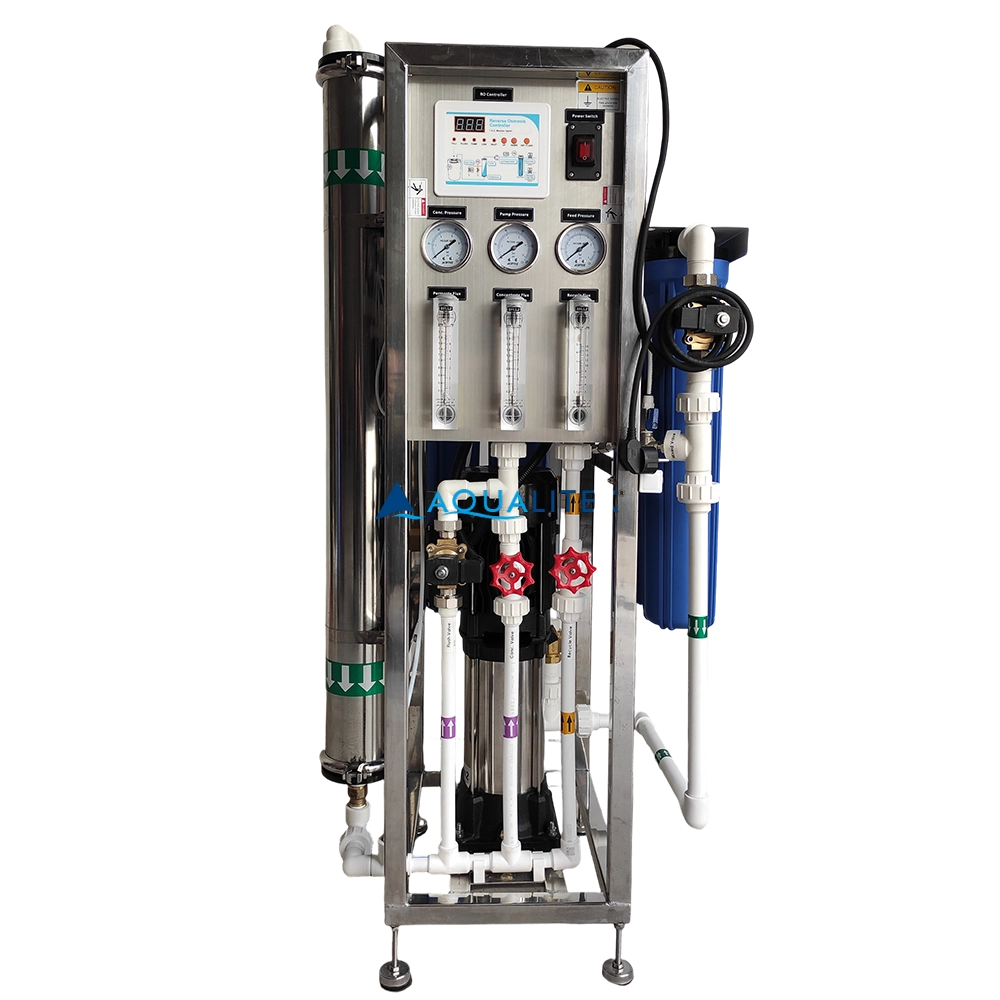
500 LPH Reverse Osmosis (RO) Water Purification Machine TWV - 412
Our 500 LPH Reverse Osmosis (RO) System is engineered to provide high-quality purified water for commercial applications. Designed with advanced RO technology, durable components, and a user-friendly interface, this system ensures consistent performance, low maintenance, and long-term reliability.
With its compact design and robust skid-mounted frame, it’s an excellent choice for businesses that demand efficiency and quality in water purification.
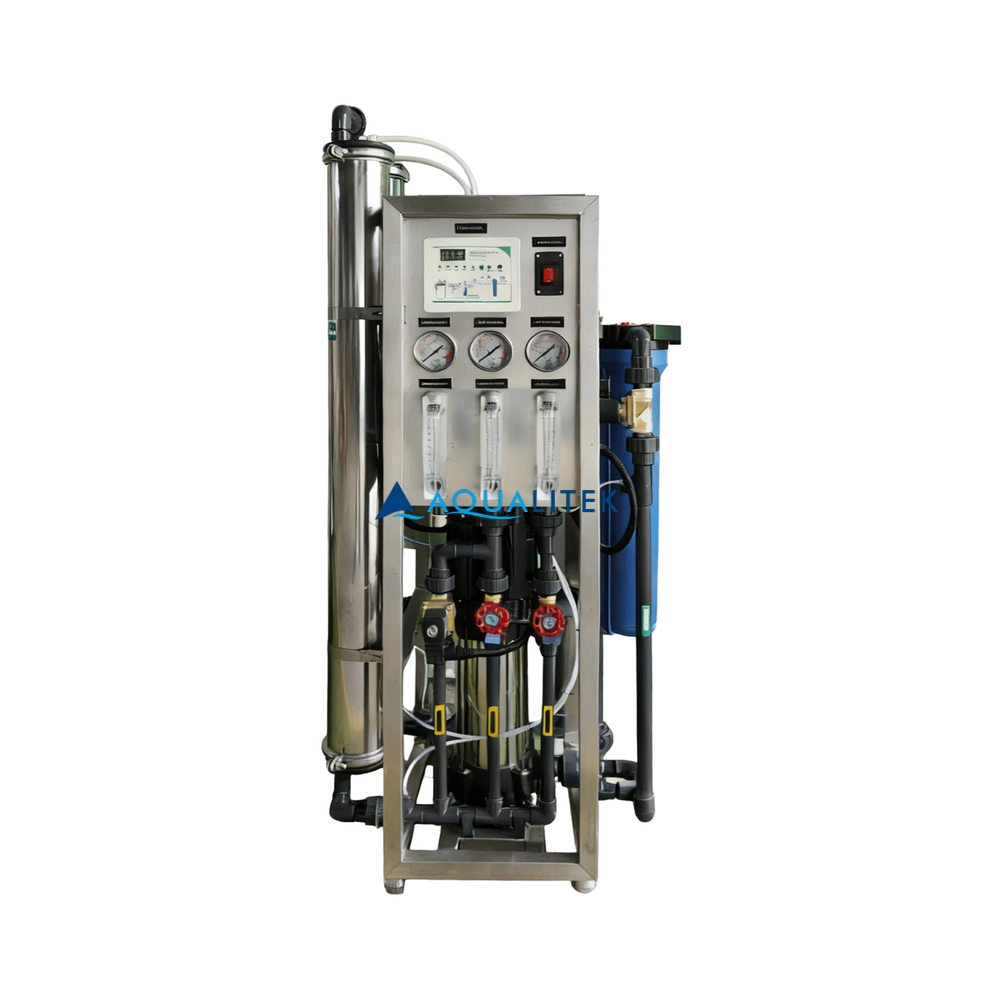
Tap Water Reverse Osmosis (TWRO) Systems TWV Series
TWV series Reverse Osmosis (RO) systems are pre-engineered and pre-assembled units with 2.5”/4” membrane housings(single element type)for tap water(lower TDS).They are designed for overall superior performance, high recovery rates and offer great savings with low maintenance and operation costs.
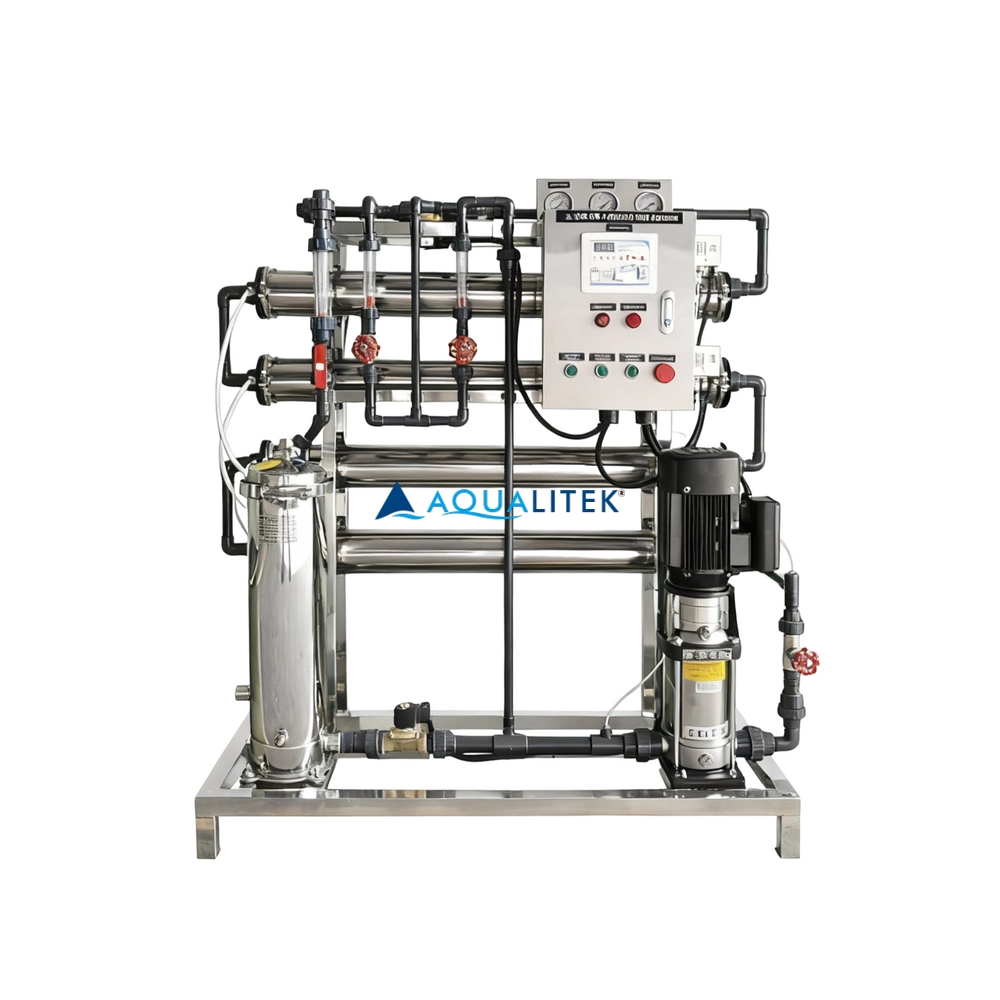
Tap Water Reverse Osmosis (TWRO) Systems TWF Series
TWF series Reverse Osmosis (RO) systems are pre-engineered and pre-assembled units with 4” membrane housings(multiple elements type) for tap water(lower TDS) .The medium large volumes can help meet your a variety of commercial and industrial applications. They are designed for overall superior performance, high recovery rates and offer great savings with low maintenance and operation costs.

Tap Water Reverse Osmosis (TWRO) Systems TWE Series
TWE series Reverse Osmosis (RO) systems are pre-engineered and pre-assembled units with 8” membrane housings for tap water (lower TDS). The large volumes can help meet your a variety of industrial applications. They are designed for overall superior performance, high recovery rates and offer great savings with low maintenance and operation costs.
Request More Information
Contact us today for product catalogs, customization options, and a free quotation designed for your business needs.
Rest assured that your privacy is important to us, and all information provided will be handled with the utmost confidentiality.
© 2026 AQUALITEK. All rights reserved.
AQUALITEK- Aimee Hoo
AQUALITEK - Aimee Hoo