




Selecting Vendors: What B2B Buyers Should Ask About UF Systems
- Selecting Vendors: What B2B Buyers Should Ask About Ultrafiltration Water Treatment (UF) Systems
- Why Ultrafiltration Water Treatment Matters for Industrial Buyers
- Essential Product Information: Throughput, Capacity and the 12TPH Industrial UF Water Treatment Device
- Membrane Technology: What to Ask About Materials and Pore Size
- Flux, Fouling Resistance and Automatic Backwash Functionality
- Throughput and Scalability: Sizing and Modular Expansion
- Water Quality Outcomes and Performance Guarantees
- Integration with Pretreatment and Downstream Systems
- Control, Monitoring and Automation Capabilities
- Maintenance, Spare Parts and Service Levels
- Warranty, SLAs and Performance-Based Contracts
- Total Cost of Ownership (TCO): CAPEX, OPEX and Energy Use
- Regulatory Compliance and Material Certifications
- Testing, Pilot Trials and Acceptance Criteria
- Reliability, References and Track Record
- Safety, Training and Documentation
- Comparison Table: Typical UF Questions and Expected Vendor Responses
- Why Brand Matters: AQUALITEK’s Strengths for Ultrafiltration Water Treatment
- Contract and Procurement Tips for B2B Buyers
- FAQ — Frequently Asked Questions About UF Systems
- Contact and Next Steps — View Product or Talk to a Specialist
- Authoritative References and Further Reading
- Closing Notes on Procurement Best Practice
- FAQ — Product-Specific Questions
- Get a Quote or Arrange a Pilot

Selecting Vendors: What B2B Buyers Should Ask About Ultrafiltration Water Treatment (UF) Systems
Why Ultrafiltration Water Treatment Matters for Industrial Buyers
Ultrafiltration Water Treatment is a reliable barrier technology used to remove suspended solids, bacteria, and high-molecular-weight contaminants from process and potable water streams. For B2B buyers across manufacturing, food & beverage, power generation, and commercial facilities, choosing the right UF system affects product quality, regulatory compliance, operating cost, and uptime. Asking the right vendor questions up front reduces procurement risk and shortens ramp-up time to consistent performance. Supplier evaluation should also account for operating efficiency, particularly energy and chemical savings with high-throughput UF devices.
Essential Product Information: Throughput, Capacity and the 12TPH Industrial UF Water Treatment Device
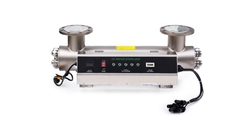
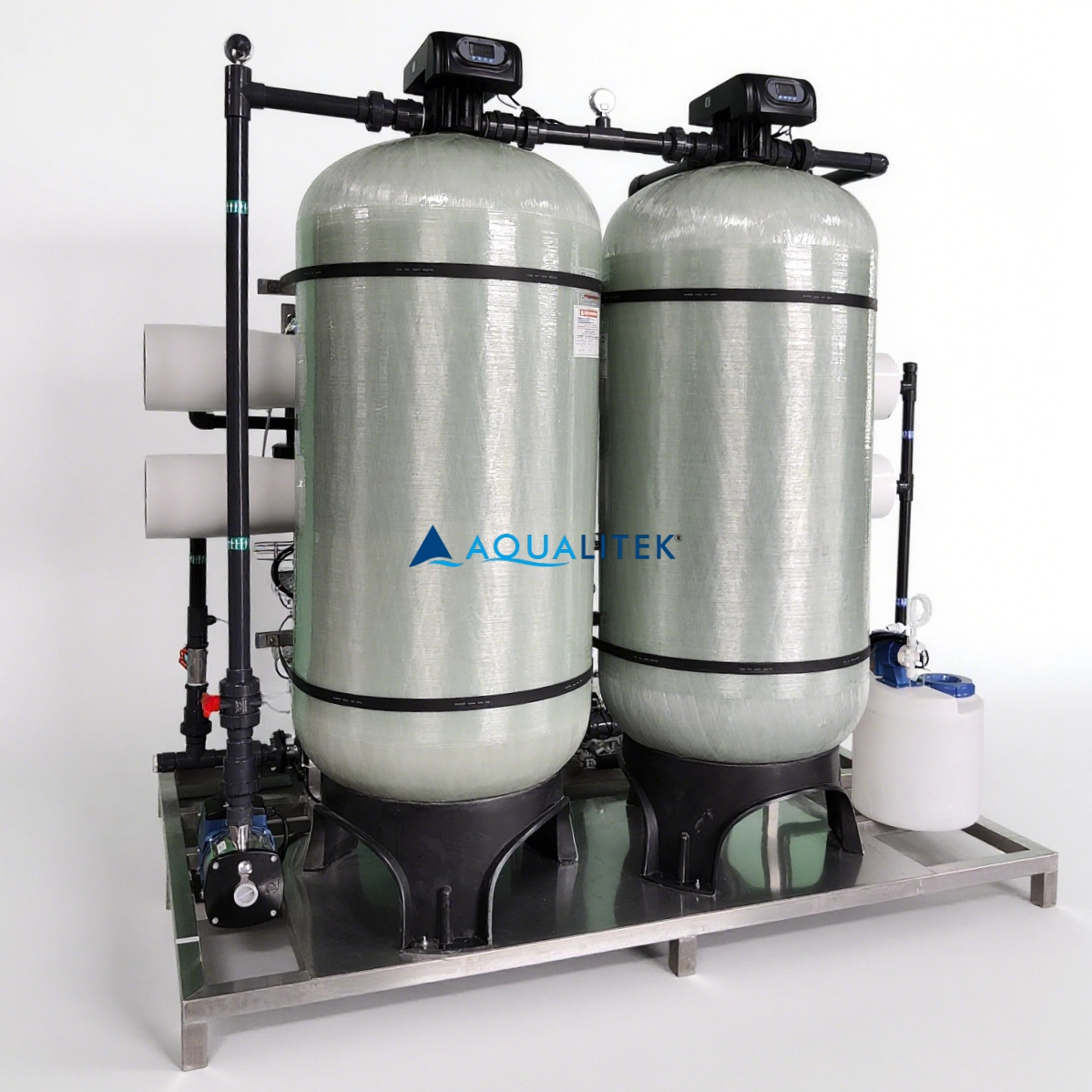
Start by confirming that a vendor’s product meets your flow and quality targets. For example, the AQUALITEK 12TPH Industrial UF Water Treatment Device with High Throughput (UFL-4 Series) is specified to deliver industrial-grade ultrafiltration performance at a nominal throughput of 12 tons per hour, designed for high-efficiency pretreatment and turbidity reduction. Vendors should provide clear product datasheets and performance guarantees matching your process SOPs. Notably, the AQUALITEK product intro offers a concise description useful for comparison:
<p>AQUALITEK 12TPH Industrial UF Water Treatment Device (UFL-4 Series) delivers high-efficiency, high-throughput ultrafiltration with Automatic Backwash Technology, high fouling-resistance membrane modules for efficient pretreatment and turbidity reduction in industrial and commercial applications.</p>
Membrane Technology: What to Ask About Materials and Pore Size
Question vendors about the membrane type (hollow fiber, flat sheet, etc.), base polymer (PVDF, PES, PAN, etc.), and nominal pore size (usually reported as molecular weight cut-off or pore diameter in nanometers). These factors determine retention performance, chemical compatibility, and fouling propensity. Ask for manufacturer specifications and independent test results demonstrating particle, colloid and pathogen removal under feedwater conditions similar to yours.
Flux, Fouling Resistance and Automatic Backwash Functionality
Operational flux (L/m2·h) and fouling behavior are central to the real-world performance of UF systems. Ask vendors for typical operating flux ranges and how they manage fouling—mechanical cleaning, air scouring, chemical clean-in-place (CIP), and automatic backwash. Systems with Automatic Backwash Technology, like the AQUALITEK UFL-4 Series, reduce manual intervention and help maintain flux and membrane life. Request data showing flux decline over time and recovery ratios after backwash/CIP cycles.
Throughput and Scalability: Sizing and Modular Expansion
Confirm the guaranteed throughput and how the system scales. For B2B buyers expecting growth or variable demand, modular systems minimize risk. Ask whether the vendor offers skid-mounted modules, parallel rack expansion, and whether a single module failure impacts total capacity. The 12TPH Industrial UF Device must be evaluated not just at nameplate capacity but at expected seasonal/peak flows and turndown ratios.
Water Quality Outcomes and Performance Guarantees
Request specific performance targets and guarantees: turbidity reduction (NTU), suspended solids removal (TSS mg/L), microbial log-reduction (if required), and permeate SDI. Vendors should provide test reports from third-party labs or on-site pilot results under feedwater conditions representative of your source. Ensure guarantees include remediation steps and potential penalties if performance isn’t met.
Integration with Pretreatment and Downstream Systems
UF systems rarely operate in isolation. Ask how the vendor’s UF integrates with your pretreatment (coagulation/flocculation, multimedia filtration) and downstream processes (RO, ion exchange, reuse). Confirm required feedwater quality ranges, recommended pretreatment steps, and control logic integration points (analog/digital I/O, Modbus/OPC-UA). Compatibility reduces retrofit costs and unforeseen downtime.
Control, Monitoring and Automation Capabilities
Modern UF systems should include a clear automation strategy. Ask about the PLC/HMI platform, remote monitoring capability, alarm management, and data logging for parameters such as transmembrane pressure (TMP), flux, permeate conductivity/turbidity, and backwash cycles. Vendors should explain how alarms are handled and whether they provide analytic dashboards or O&M support tools.
Maintenance, Spare Parts and Service Levels
Probe vendors on recommended maintenance intervals, mean time between failures (MTBF), average membrane life, availability of spare parts, and lead times. For industrial applications, onsite service agreements with guaranteed response times are critical. Ask for typical spare parts lists, consumables (chemicals, filters), and an estimate of annual maintenance hours and cost.
Warranty, SLAs and Performance-Based Contracts
Negotiate warranties that cover membrane performance, structural integrity, and control systems. Where possible, secure Service Level Agreements (SLAs) that define uptime, response times, and remedies. Some vendors offer performance-based contracts where payments are tied to guaranteed permeate quality or uptime — these can align incentives but require clear measurement protocols.
Total Cost of Ownership (TCO): CAPEX, OPEX and Energy Use
Beyond purchase price, quantify lifecycle costs: routine maintenance, membrane replacement schedule, energy consumption, chemical usage for cleaning, and disposal of reject streams. Ask the vendor to provide a TCO model or examples from similar installations. Energy and chemical consumption often dominate OPEX; systems with efficient automatic backwash and low TMP reduce operating costs.
Regulatory Compliance and Material Certifications
Ask about materials of construction (stainless steel grades, polymer certifications) and compliance with relevant standards—local potable water codes, NSF/ANSI where applicable, CE or ISO certifications, and environmental regulations on waste streams. For food or pharmaceutical uses, confirm contact materials meet industry-specific requirements.
Testing, Pilot Trials and Acceptance Criteria
Require a pilot or performance test at your site to verify claims under actual feedwater conditions. Define acceptance criteria in the contract document (e.g., turbidity <0.5 NTU, permeate flux recovery >90% after cleaning). Outline steps for scaling pilot results to full-scale operations and establish arbitration steps if acceptance criteria are not met.
Reliability, References and Track Record
Ask for references from comparable industries and installations. Request site visit opportunities or third-party performance reports. Evaluate the vendor’s financial stability, manufacturing footprint, and aftermarket support network. A vendor with a global spare parts network and regional service teams typically offers lower lifecycle risk.
Safety, Training and Documentation
Confirm training programs for operators, availability of operation & maintenance manuals, and safety documentation (SDS for chemicals, lockout/tagout procedures). Well-documented handovers reduce commissioning time and minimize human error during operation.
Comparison Table: Typical UF Questions and Expected Vendor Responses
Below is a concise comparison table buyers can use during vendor evaluation.
| Topic | Buyer Question | Expected Vendor Response |
|---|---|---|
| Membrane | Type, polymer, pore size | Hollow fiber/PVDF, 0.01–0.1 μm or MWCO specified; datasheet provided |
| Throughput | Guaranteed flow at specified feed | 12 TPH nominal (example product), with turndown and peak capacity limits |
| Fouling Management | Cleaning strategy & downtime | Automatic Backwash + periodic CIP; typical downtime percentage |
| Performance | Turbidity, SDI, microbial removal | Test reports & guarantees for specified feedwater |
| Integration | Controls & automation protocols | PLC/HMI, Modbus/OPC-UA support; remote monitoring options |
| Service | Response times, parts availability | Local service teams, spare kits, SLA options |
| Costs | CAPEX/OPEX breakdown | Lifecycle cost model incl. energy, chemicals & membrane replacement |
Why Brand Matters: AQUALITEK’s Strengths for Ultrafiltration Water Treatment
When evaluating vendors, brand credentials matter. AQUALITEK’s 12TPH Industrial UF Water Treatment Device (UFL-4 Series) emphasizes high-throughput performance, Automatic Backwash Technology, and fouling-resistant membrane modules tailored for industrial pretreatment and turbidity reduction. Key buyer-oriented advantages to verify:
- Clear throughput and performance specifications matching industrial needs.
- Automatic backwash to lower manual maintenance and maintain flux.
- Modular construction enabling phased expansion and rapid commissioning.
- Local support and spare parts availability to reduce downtime risk.
Ask the vendor for case studies showing long-term performance and O&M data from installations similar to your sector. That evidence supports E-E-A-T aligned procurement decisions and reduces uncertainty during contract negotiation.
Contract and Procurement Tips for B2B Buyers
Include acceptance testing, clear performance guarantees, liquidated damages for missed targets, and a defined warranty period. Specify data reporting formats and responsibilities for pilot testing. Consider including a trial/pilot clause that allows for a refund or scope adjustment if performance falls short of agreed metrics.
FAQ — Frequently Asked Questions About UF Systems
Q: What feedwater quality is required for a UF system?
A: Typical UF feedwater should have turbidity and particle loads within the vendor’s recommended range; coagulation/flocculation or multimedia filtration is often required for raw surface waters with high solids.
Q: How long do UF membranes last?
A: Membrane life varies with feedwater and maintenance; 5–10 years is common with proper CIP and operational controls. Vendors should provide expected life under defined conditions.
Q: Will UF remove dissolved salts?
A: No — UF removes suspended solids, colloids, and microorganisms but not dissolved salts. For desalination or ionic removal, pair UF with RO or ion exchange.
Q: How often is CIP required?
A: CIP frequency depends on feedwater fouling potential; some systems need monthly to quarterly CIP, while systems with strong pretreatment and automatic backwash may require less frequent deep cleaning.
Q: Is pilot testing necessary?
A: Recommended. Pilot tests under real feed conditions validate performance claims and inform full-scale design and O&M planning.
Contact and Next Steps — View Product or Talk to a Specialist
If you would like to evaluate the AQUALITEK 12TPH Industrial UF Water Treatment Device (UFL-4 Series) for your site, request the datasheet, arrange a pilot test, or get a quote, contact our sales engineering team. We provide site assessments, pilot programs, and lifecycle cost analyses to support your procurement decision.
Authoritative References and Further Reading
For buyers seeking independent technical references, consult the following authoritative resources:
- Ultrafiltration — Wikipedia: https://en.wikipedia.org/wiki/Ultrafiltration
- World Health Organization — Water Treatment: https://www.who.int/water_sanitation_health/publications
- NSF International Standards for Water Treatment: https://www.nsf.org
- International Water Association (IWA): https://iwa-network.org
Closing Notes on Procurement Best Practice
Selecting a UF vendor is a combination of technical due diligence, contractual clarity, and evaluating after-sales capabilities. Use pilot trials, insist on verifiable performance guarantees, and quantify TCO to compare offers fairly. Systems like the AQUALITEK 12TPH Industrial UF (UFL-4 Series) illustrate how modern UF solutions combine throughput, automation and fouling resistance — but your final choice should be validated against site-specific pilots and contractual acceptance criteria.
FAQ — Product-Specific Questions
Q: What is the nominal capacity of the AQUALITEK UFL-4 Series?
A: The AQUALITEK 12TPH Industrial UF Water Treatment Device is specified for a nominal throughput of 12 tons per hour as a high-throughput industrial unit.
Q: Does the AQUALITEK unit include Automatic Backwash Technology?
A: Yes, the UFL-4 Series is designed with Automatic Backwash Technology to maintain flux and minimize manual intervention.
Q: Can this UF device act as pretreatment for RO?
A: Yes. UF is commonly used as pretreatment for RO to remove particulates and microbial contaminants, protecting downstream membranes.
Get a Quote or Arrange a Pilot
To discuss technical requirements, arrange a pilot or receive a quote for the AQUALITEK 12TPH Industrial UF Water Treatment Device, contact our sales team via the company website or email our regional sales engineer. We provide detailed datasheets, site-specific designs, and post-sale support packages to ensure successful commissioning and operation.
Top 10 water purification system Manufacturers and Supplier Brands
Industrial RO System Selection Guide for Procurement Managers

Multi-cartridge Filter Housing: Stainless Steel Options for Purity
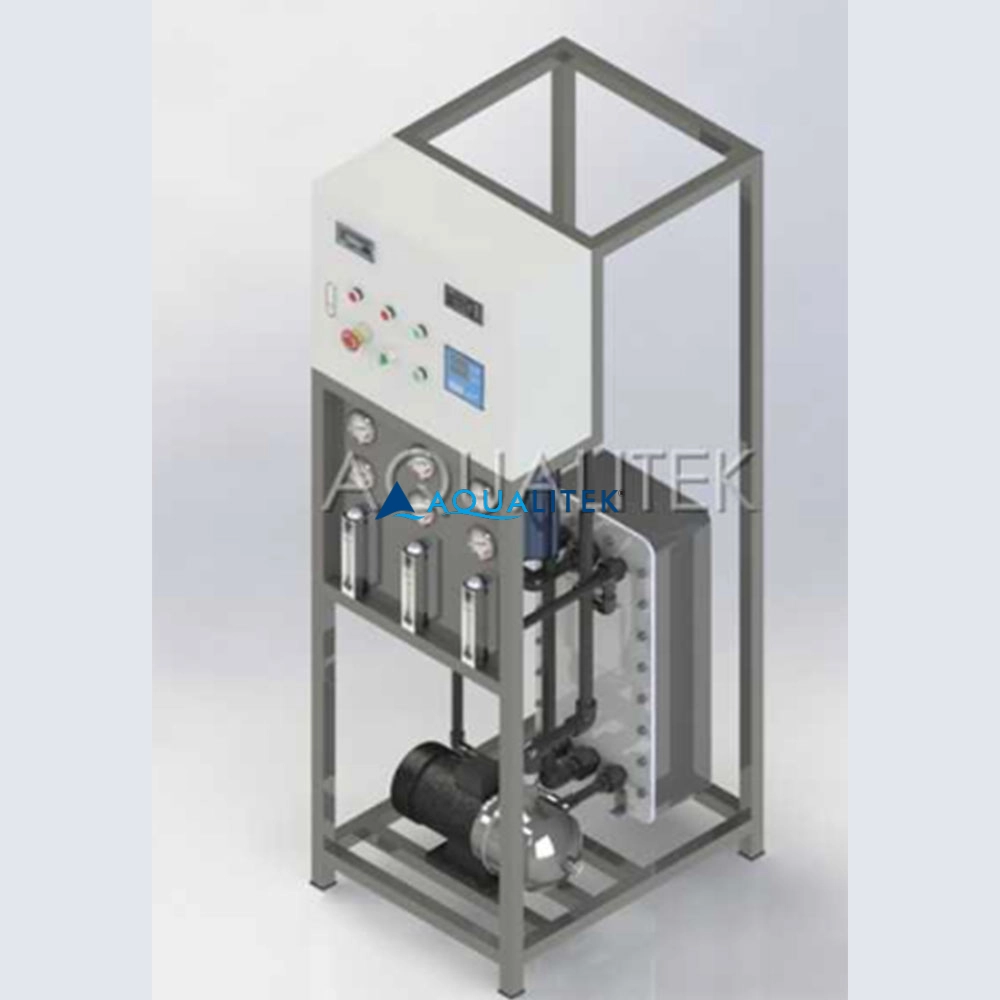
How Electrodeionization Systems Improve Water Purity Reliability
Solutions
What types of water treatment systems does AQT offer?
AQT provides a wide range of water purification solutions, including reverse osmosis (RO) systems, ultrafiltration (UF) systems, nanofiltration (NF) systems, deionization (DI) systems, electro-deionization (EDI) systems, chemical dosing systems, and water softeners. We also supply spare parts and components for water treatment systems.
Are AQT’s water treatment products certified?
Yes! Our products comply with international quality and safety standards, including ISO, CE, and NSF certifications. We prioritize high-quality materials, advanced technology, and strict quality control to ensure superior performance and reliability.
Blog
How long does a water softener system last?
Most systems last 10–15 years with proper maintenance. Resin beads may need replacement after 8–10 years.
Can I use a water softener with a septic system?
Yes. Studies show no negative impact, especially when using metered regeneration systems.
Ion Exchange Water Treatment Systems
Can ion exchange work with seawater or high-TDS water?
Ion exchange is more suitable for low to moderate TDS water. High-TDS applications often use RO as a primary treatment.
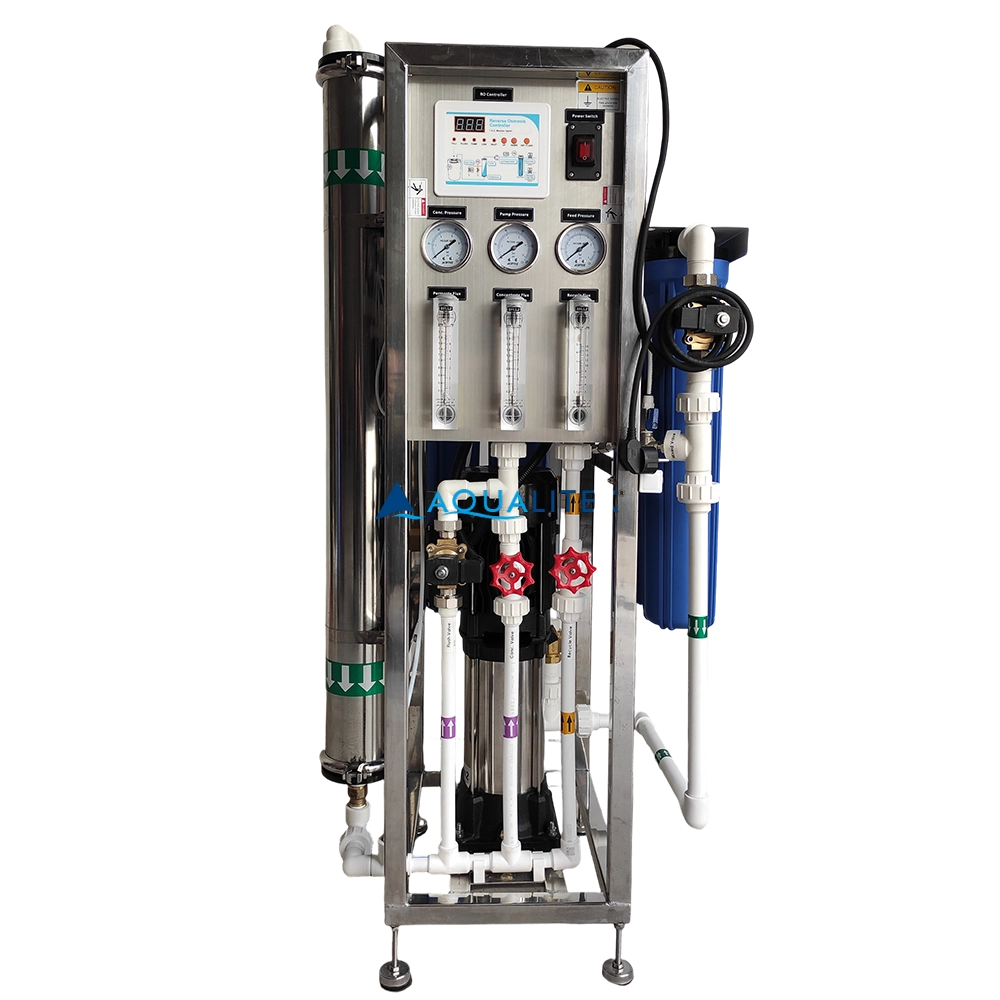
500 LPH Reverse Osmosis (RO) Water Purification Machine TWV - 412
Our 500 LPH Reverse Osmosis (RO) System is engineered to provide high-quality purified water for commercial applications. Designed with advanced RO technology, durable components, and a user-friendly interface, this system ensures consistent performance, low maintenance, and long-term reliability.
With its compact design and robust skid-mounted frame, it’s an excellent choice for businesses that demand efficiency and quality in water purification.
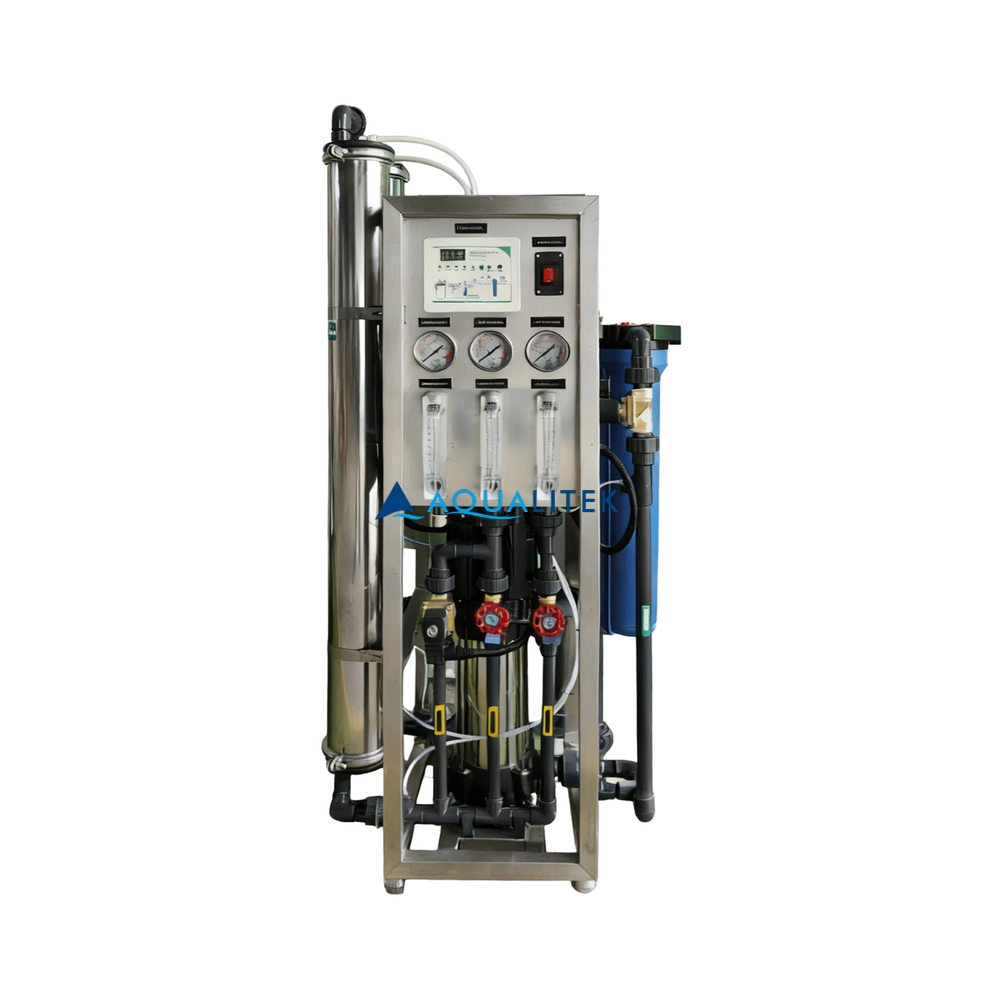
Tap Water Reverse Osmosis (TWRO) Systems TWV Series
TWV series Reverse Osmosis (RO) systems are pre-engineered and pre-assembled units with 2.5”/4” membrane housings(single element type)for tap water(lower TDS).They are designed for overall superior performance, high recovery rates and offer great savings with low maintenance and operation costs.
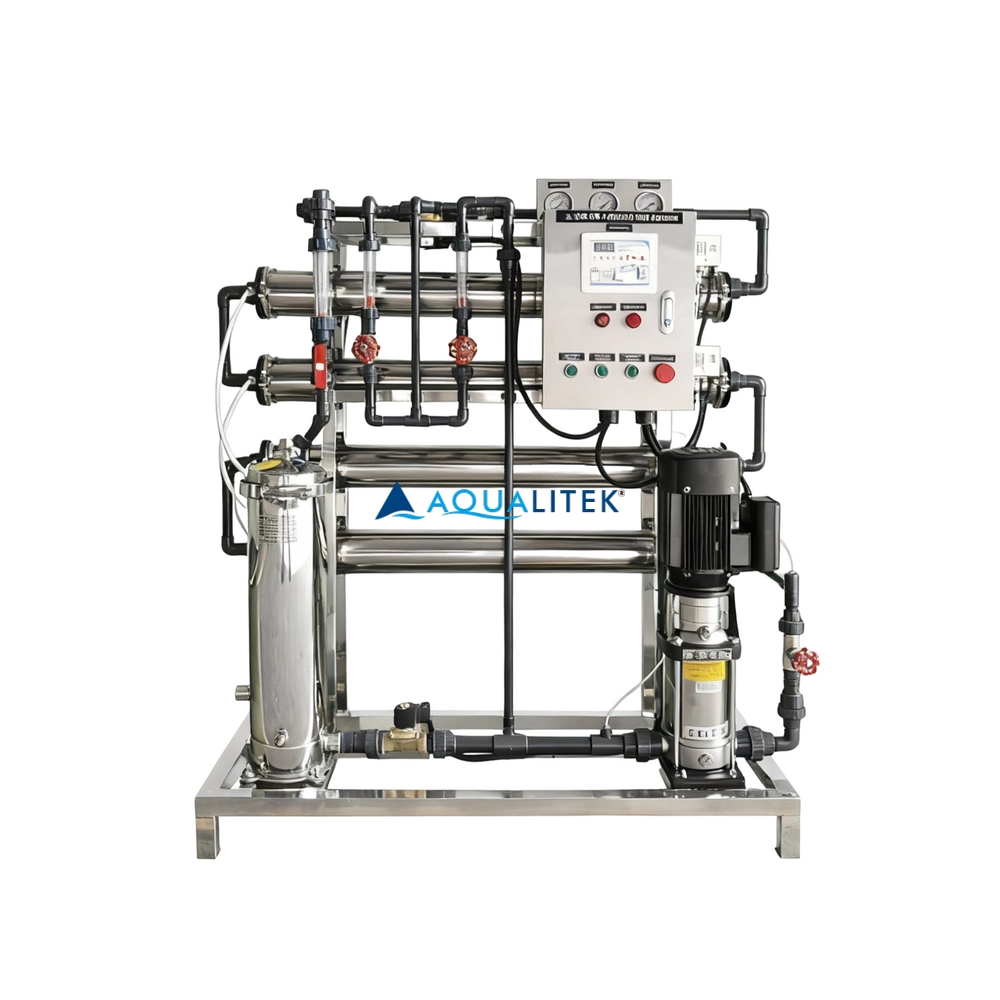
Tap Water Reverse Osmosis (TWRO) Systems TWF Series
TWF series Reverse Osmosis (RO) systems are pre-engineered and pre-assembled units with 4” membrane housings(multiple elements type) for tap water(lower TDS) .The medium large volumes can help meet your a variety of commercial and industrial applications. They are designed for overall superior performance, high recovery rates and offer great savings with low maintenance and operation costs.

Tap Water Reverse Osmosis (TWRO) Systems TWE Series
TWE series Reverse Osmosis (RO) systems are pre-engineered and pre-assembled units with 8” membrane housings for tap water (lower TDS). The large volumes can help meet your a variety of industrial applications. They are designed for overall superior performance, high recovery rates and offer great savings with low maintenance and operation costs.
Request More Information
Contact us today for product catalogs, customization options, and a free quotation designed for your business needs.
Rest assured that your privacy is important to us, and all information provided will be handled with the utmost confidentiality.
© 2026 AQUALITEK. All rights reserved.
AQUALITEK- Aimee Hoo
AQUALITEK - Aimee Hoo