




Industrial RO System Selection Guide for Procurement Managers
- Industrial RO System Selection Guide for Procurement Managers
- Why procurement managers should care about the industrial RO system
- Key performance metrics to evaluate an industrial ro system
- Understanding capacity: Is a 4TPH industrial ro system right for your plant?
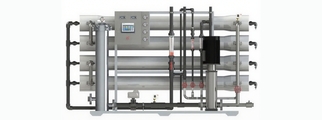
- Product spotlight: AQUALITEK 4TPH Industrial Reverse Osmosis Water Purification RO System
- Pre-treatment and post-treatment considerations for industrial ro system procurement
- Materials, membranes, and industrial-grade components
- Installation, utilities and site requirements for an industrial ro system
- Compliance, certifications, and water quality standards procurement managers must verify
- Total Cost of Ownership (TCO): a comparison table for industrial RO systems
- Procurement checklist and RFP items for an industrial ro system
- Operational best practices and lifecycle considerations for an industrial ro system
- Why choose AQUALITEK 4TPH Industrial Reverse Osmosis Water Purification RO System — brand advantages
- Typical industrial applications where an industrial ro system is required
- FAQ — Frequently Asked Questions about industrial ro system procurement
- Q: How do I know if a 4TPH industrial ro system meets my peak demand?
- Q: What pre-treatment is mandatory?
- Q: How often should membranes be replaced?
- Q: What is the expected recovery rate for industrial RO?
- Q: Can I expand capacity easily?
- Next steps — contact sales or view the AQUALITEK 4TPH product
- Authoritative references and further reading
- Contact
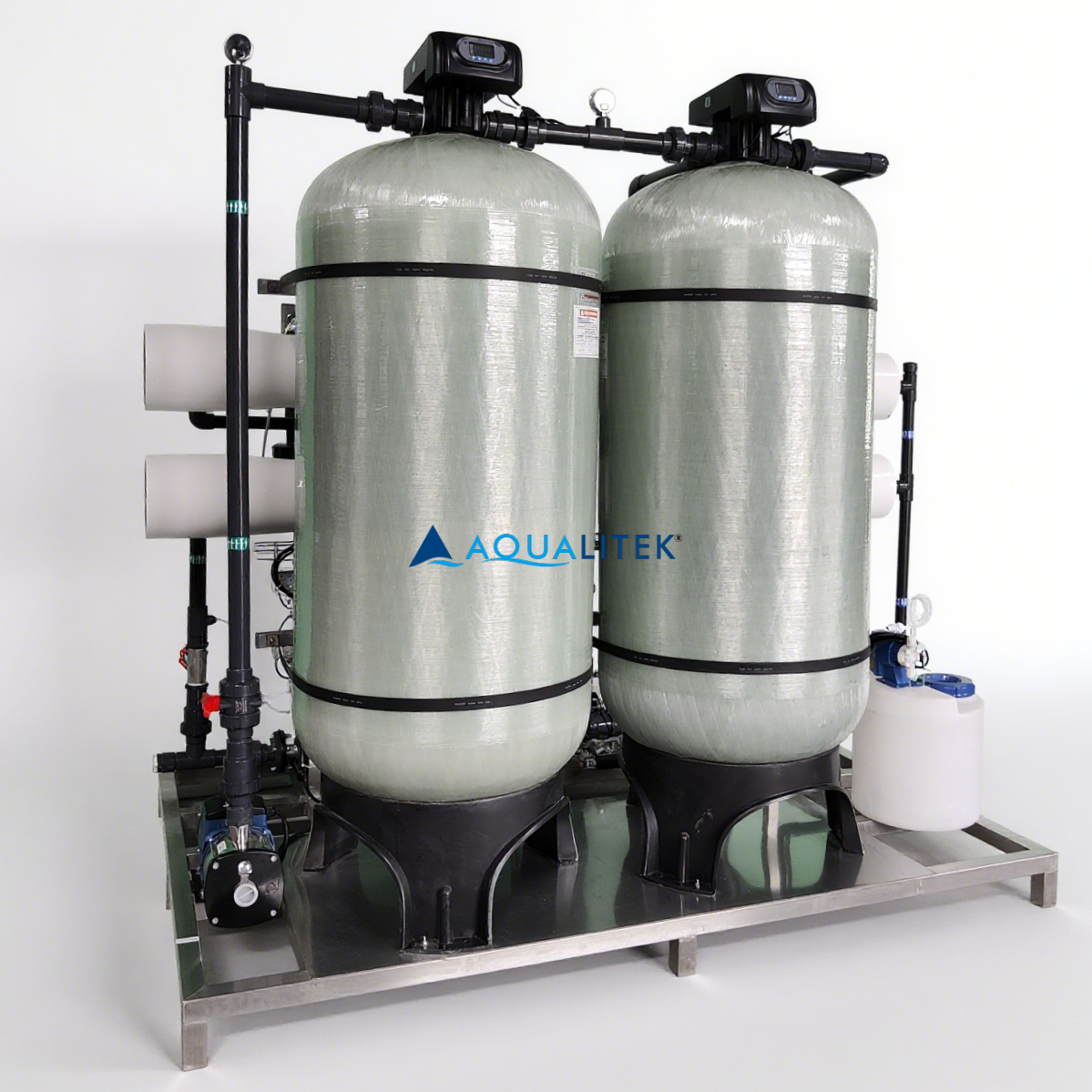
Industrial RO System Selection Guide for Procurement Managers
Why procurement managers should care about the industrial RO system
When buying an industrial ro system, procurement managers must balance water quality, uptime, lifecycle costs, and regulatory compliance. Selecting the wrong system can cause production downtime, higher operating costs, or non-compliance with process specifications. This guide explains the critical factors that influence selection and procurement decisions so you can specify, compare, and purchase the right industrial RO system with confidence.
After understanding decision frameworks in the industrial RO system selection guide for procurement managers, many buyers narrow their evaluation by reviewing a 4TPH industrial reverse osmosis RO system technical overview for mid-scale manufacturing needs.
Key performance metrics to evaluate an industrial ro system
Focus on measurable operational metrics rather than marketing claims. The primary technical indicators include:
- Capacity — usually expressed in flow rate (e.g., 4TPH = 4 tons per hour, ~4,000 liters/hour). Match capacity to peak process demand plus a safety margin.
- Recovery rate — percent of feed water converted to permeate. Higher recovery reduces raw-water use but may increase fouling risk.
- Salt rejection / TDS reduction — percent removal of dissolved solids; critical for sensitive processes (e.g., electronics cleaning typically requires high rejection).
- Permeate quality — conductivity, SDI (silt density index), silica, hardness. Verify final water meets your process or downstream treatment needs.
- Flux and membrane life — baseline permeate flux and expected membrane life under your feed conditions.
- Energy consumption — kWh per cubic meter; important for total operating cost calculations.
- Availability and maintainability — MTBF, ease of cartridge/membrane replacement, remote monitoring features.
Understanding capacity: Is a 4TPH industrial ro system right for your plant?
Calculate demand first: sum peak hourly requirement across shifts and add 10%-25% contingency for production spikes or future growth. A 4TPH industrial ro system produces approximately 4 tons (4,000 liters) of permeate per hour under rated conditions — suitable for small-to-medium manufacturing lines, process rinsing, or dedicated electronics cleaning stations.
Example: a PCB cleaning line requiring 3.2 m3/h plus rinse storage would be well served by a 4TPH system. If your processes need redundancy, consider parallel 4TPH units to allow maintenance without shutdown.
Product spotlight: AQUALITEK 4TPH Industrial Reverse Osmosis Water Purification RO System
AQUALITEK 4TPH Industrial Reverse Osmosis Water Purification RO System, high-efficiency industrial-grade RO water treatment plant for manufacturing & processing, commercial reverse osmosis filtration system ideal for electronic component cleaning water use.
This product is designed for industrial processes that need consistent permeate quality, compact footprint, and easy maintenance. Look for factory-configured panels, integrated PLC control, and modular skids to simplify commissioning and future capacity scaling.
Pre-treatment and post-treatment considerations for industrial ro system procurement
RO membranes are sensitive to particulates, organics, hardness, chlorine, and biological fouling. Proper pre-treatment extends membrane life and maintains performance:
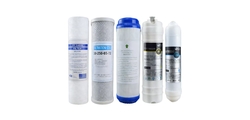
- Sediment filtration (5–1 μm) to protect membranes from particulate abrasion.
- Activated carbon to remove chlorine and organic compounds that damage polyamide membranes.
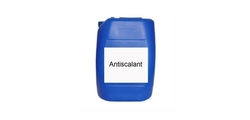
- Water softening or anti-scalant dosing if feedwater has hardness or scaling species.
- Micron or ultrafiltration for high SDI feeds or surface water sources.
- Biocide/cleaning protocol and CIP (clean-in-place) design for biological control and regular membrane recovery.
Post-treatment may be required if specific conductivity, TOC, or ionic composition is needed—consider ion exchange, electrodeionization (EDI), UV disinfection, or degassing depending on the application.
Materials, membranes, and industrial-grade components
Procurement should specify industrial-grade materials to ensure longevity in harsh plant environments. Key selections include:
- Membrane type — thin-film composite (TFC) is the standard for high salt rejection in industrial ro system applications.
- SFRP/SS housings — choose 316L stainless steel for corrosive environments; FRP housings acceptable for standard conditions.
- Pumps and instrumentation — energy-efficient high-pressure pumps with variable frequency drives (VFD) reduce power draw and allow soft-starts for membrane protection.
- Valves and fittings — industrial butterfly/ball valves, pressure reliefs, and chemical-resistant seals.
Installation, utilities and site requirements for an industrial ro system
Before purchase, confirm site readiness to avoid installation delays:
- Footprint and access — verify available floor space and access for delivery and maintenance. Skid-mounted systems simplify installation.
- Electrical — confirm voltage, phase, and breaker capacity; specify motor protections and emergency stops.
- Water supply — minimum feed pressure and flow rate must be available; may need booster pumps.
- Drainage and concentrate disposal — concentrate (brine) management plan: sanitary sewer, evaporation, or zero liquid discharge (ZLD) system if required by regulation.
- Compressed air, chemical storage — space for cleaning chemicals, dosing pumps, and safety measures.
Compliance, certifications, and water quality standards procurement managers must verify
Confirm the system and vendor documentation meets regulatory and industry standards relevant to your operation. Important items include:
- ISO certifications for manufacturing and quality management (ISO 9001).
- Product-specific standards, such as NSF/ANSI where applicable for potable or food contact water.
- Local discharge permits and environmental compliance for concentrate disposal.
- Material safety data sheets (MSDS) for chemical dosing agents and cleaning chemicals.
- Test reports — factory acceptance test (FAT) and site acceptance test (SAT) with verified permeate quality and recovery under representative feedwater.
Total Cost of Ownership (TCO): a comparison table for industrial RO systems
Evaluate total cost, not just capital cost. The table below compares typical TCO elements across three hypothetical options: Basic, Mid-tier, and High Quality (AQUALITEK 4TPH as High Quality).
| Cost Element | Basic RO | Mid-tier RO | High Quality RO (AQUALITEK 4TPH) |
|---|---|---|---|
| Initial Capital | Low | Moderate | Moderate-High |
| Energy Consumption (kWh/m3) | High | Moderate | Low (efficient pumps, VFD) |
| Membrane Replacement (annualized) | High (shorter life) | Moderate | Lower (quality membranes + CIP) |
| Maintenance & Downtime | Higher | Moderate | Lower (service, remote monitoring) |
| Support & Warranty | Limited | Standard | Comprehensive (spares, service plans) |
| Total 5-year Cost | High | Moderate | Lowest (due to efficiency & support) |
Procurement checklist and RFP items for an industrial ro system
Include these elements in RFPs so bids are comparable and complete:
- Rated capacity (m3/h or TPH), recovery rate, and expected permeate quality (TDS, conductivity).
- Detailed pre-treatment and post-treatment scope and vendor responsibility split.
- Electrical consumption and technical data for pumps and controls.
- Materials of construction and membrane model/specifications.
- Warranty terms, performance guarantees, and penalties for failure to meet specifications.
- FAT/SAT procedures and acceptance criteria.
- Spare parts list and recommended inventory for first 12 months.
- Service level agreements (SLA), response time, and available maintenance contracts.
Operational best practices and lifecycle considerations for an industrial ro system
To maximize ROI, include these operational controls in procurement or contract documents:
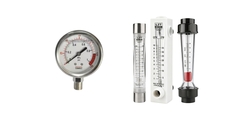
- Automated monitoring and alarms for pressure differentials, conductivity, and flow.
- Scheduled CIP and membrane health checks, with clear cleaning protocols.
- Training for on-site technicians and documented SOPs for routine maintenance.
- Spare membrane modules, consumables, and a local service partner for quick support.
Why choose AQUALITEK 4TPH Industrial Reverse Osmosis Water Purification RO System — brand advantages
AQUALITEK positions its 4TPH system to meet demanding industrial needs. Key advantages procurement managers should evaluate include:
- Designed for industrial reliability — robust materials, industrial pumps with VFDs, and skidded configuration for simpler installation.
- High-quality membranes and efficient recovery — lower energy use and reduced replacement frequency.
- Integrated control and remote monitoring — faster diagnostics, predictive alerts, and easier maintenance planning.
- Comprehensive documentation and support — FAT/SAT, commissioning support, and spare parts availability.
- Suitable for electronics cleaning — configured to deliver consistent permeate quality required by precision cleaning and rinse processes.
Typical industrial applications where an industrial ro system is required
Industrial ro systems are widely used across sectors. Common applications for a 4TPH-class system include:
- Electronics and PCB cleaning rinse water
- Small-to-medium chemical manufacturing lines
- Food & beverage process water and wash water
- Laboratory or pilot plant ultra-clean water station
- Textile processing rinse and finishing water
FAQ — Frequently Asked Questions about industrial ro system procurement
Q: How do I know if a 4TPH industrial ro system meets my peak demand?
A: Add your peak hourly process flow plus a safety margin (10%–25%) and compare to the rated 4TPH (approximately 4,000 L/h). For redundancy or multiple simultaneous uses, consider parallel units or a larger system.
Q: What pre-treatment is mandatory?
A: At minimum, install sediment filtration and activated carbon to remove particulates and free chlorine. Water hardness, silica, and organics may require softeners, antiscalant dosing, or ultrafiltration depending on feedwater quality.
Q: How often should membranes be replaced?
A: Membrane life varies with feedwater and maintenance but typically ranges from 3–7 years. CIP frequency, SDI, and fouling will affect longevity. Include membrane replacement costs in TCO.
Q: What is the expected recovery rate for industrial RO?
A: Typical recovery rates are 50%–85% depending on feedwater quality and system design. Higher recovery reduces wastewater but may increase scaling risk—confirm vendor-provided recovery under your feed conditions.
Q: Can I expand capacity easily?
A: Modular, skid-mounted systems like the AQUALITEK 4TPH can be paralleled for capacity expansion. Ensure electrical and feedwater provisions account for future units.
Next steps — contact sales or view the AQUALITEK 4TPH product
If you need a reliable, industrial-grade solution tailored for manufacturing and electronic component cleaning, request a quote, FAT documentation, and site evaluation from the vendor. For product details and to arrange a consultation, contact your AQUALITEK sales representative or view the technical datasheet and deployment case studies.
Authoritative references and further reading
- Reverse osmosis — Wikipedia: https://en.wikipedia.org/wiki/Reverse_osmosis
- WHO Guidelines for Drinking-water Quality: https://www.who.int/publications/i/item/9789241549950
- US EPA Water Treatment: https://www.epa.gov/water-research
- International Water Association (IWA): https://iwa-network.org
Contact
For procurement support, technical specifications, or to schedule a site survey for the AQUALITEK 4TPH Industrial Reverse Osmosis Water Purification RO System, please contact our sales team or request a quote on the product page.
Industrial Reverse Osmosis Machine Costs 2026
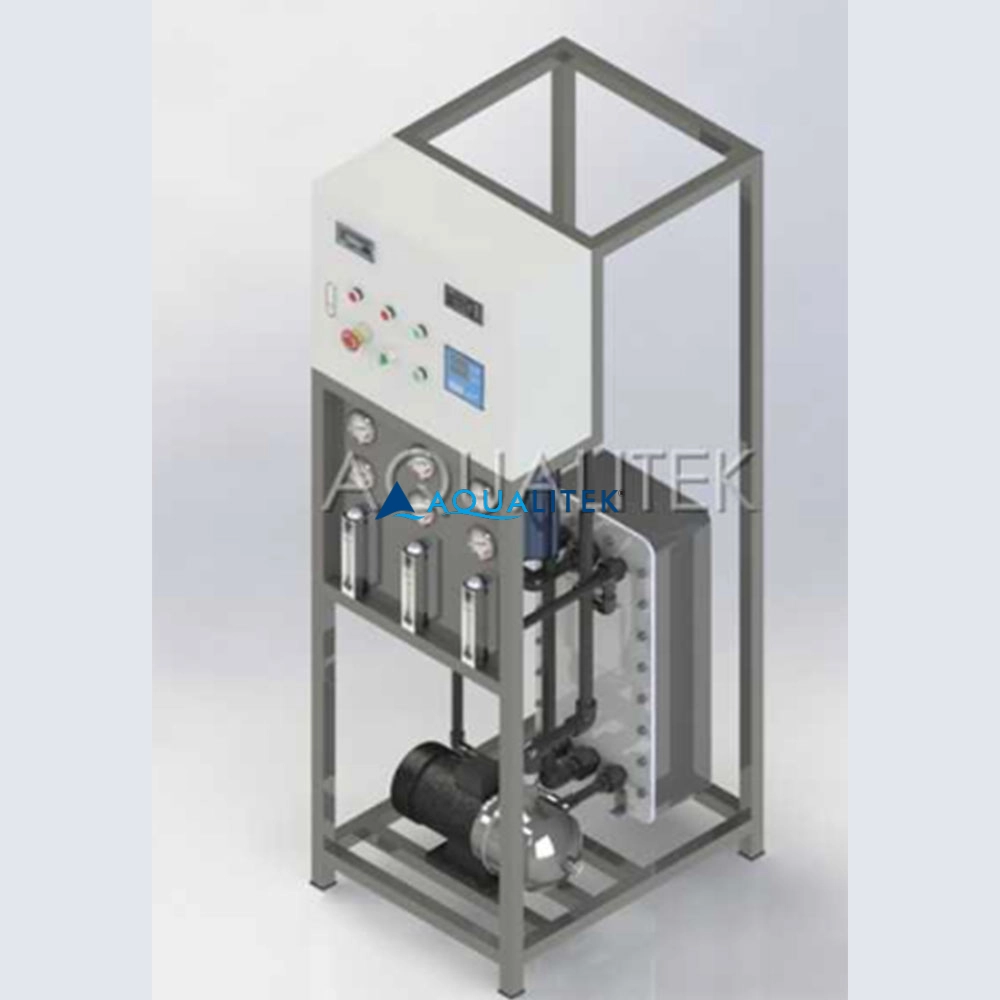
Choosing Electrodeionization Systems: Key Specs to Compare
Benefits of activated carbon filtration in industrial water treatment

Selecting Pretreatment for Industrial RO Systems
FAQ-aqualitek
Can AQT provide custom water treatment solutions?
Yes! We specialize in OEM/ODM water treatment solutions and can design custom filtration systems tailored to your business, industry, or brand requirements. Our team can assist with system design, branding, private labeling, and technical support.
How do I choose the right water treatment system for my needs?
The choice depends on factors such as water quality, application, flow rate, and purification requirements. Our team of experts can analyze your water source and recommend the most suitable solution for residential, commercial, or industrial applications.
Solutions
Are AQT’s water treatment products certified?
Yes! Our products comply with international quality and safety standards, including ISO, CE, and NSF certifications. We prioritize high-quality materials, advanced technology, and strict quality control to ensure superior performance and reliability.
Blog
How do I know when to add salt to my softener?
Check the brine tank monthly. Modern systems often alert you automatically when salt levels are low.
Membrane Water Treatment Systems
How long do membranes last?
With proper maintenance and CIP, UF and RO membranes can last 3–5 years, depending on feed water quality and system design.
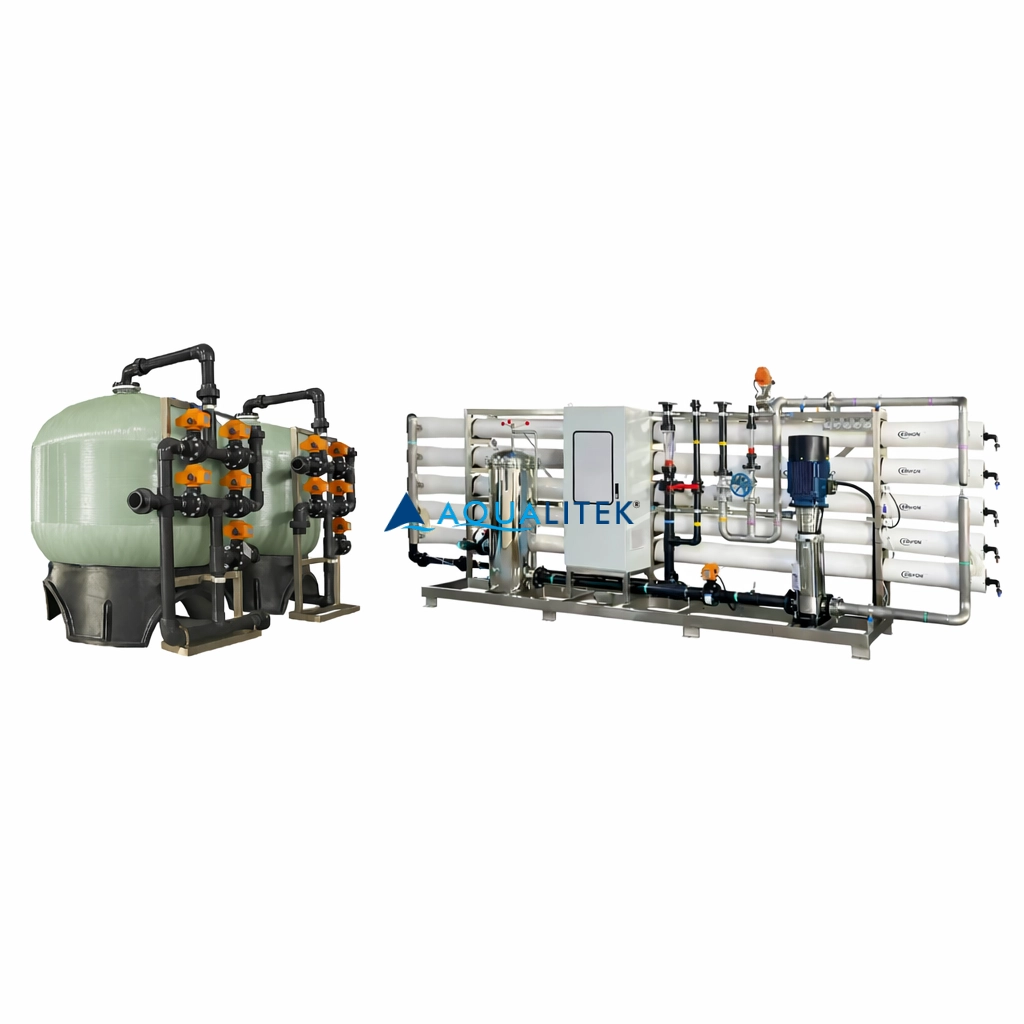
30TPH Industrial Reverse Osmosis (RO) System
30TPH Industrial Reverse Osmosis (RO) System designed for industrial and municipal water treatment. High salt rejection, energy-efficient design, PLC control, and customizable configuration.
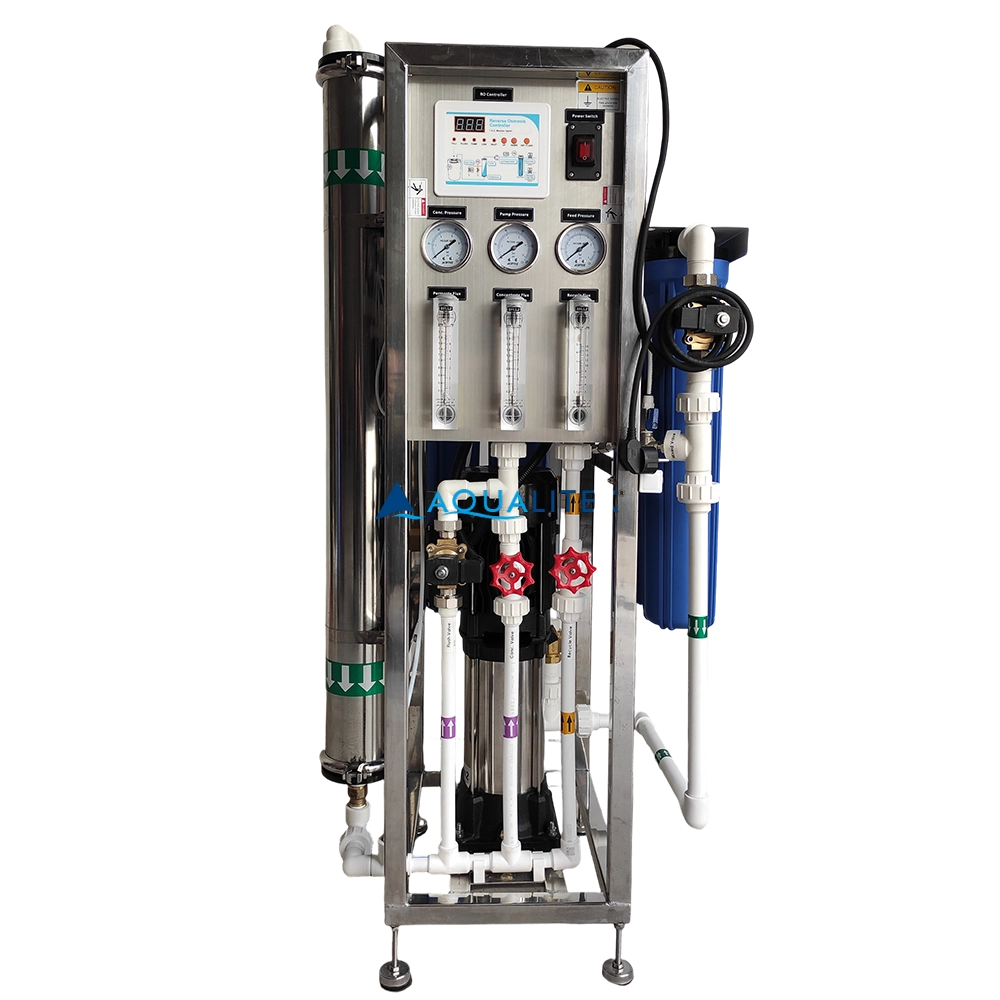
500 LPH Reverse Osmosis (RO) Water Purification Machine TWV - 412
Our 500 LPH Reverse Osmosis (RO) System is engineered to provide high-quality purified water for commercial applications. Designed with advanced RO technology, durable components, and a user-friendly interface, this system ensures consistent performance, low maintenance, and long-term reliability.
With its compact design and robust skid-mounted frame, it’s an excellent choice for businesses that demand efficiency and quality in water purification.
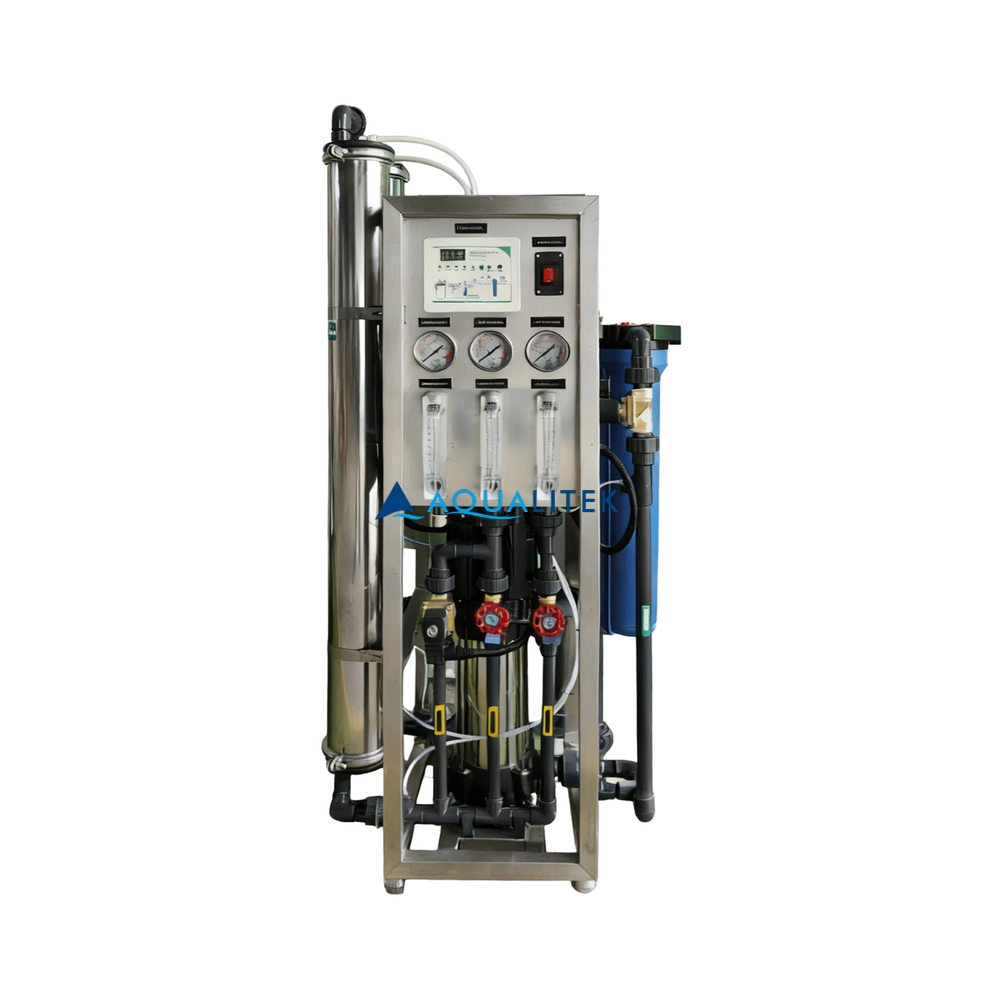
Tap Water Reverse Osmosis (TWRO) Systems TWV Series
TWV series Reverse Osmosis (RO) systems are pre-engineered and pre-assembled units with 2.5”/4” membrane housings(single element type)for tap water(lower TDS).They are designed for overall superior performance, high recovery rates and offer great savings with low maintenance and operation costs.
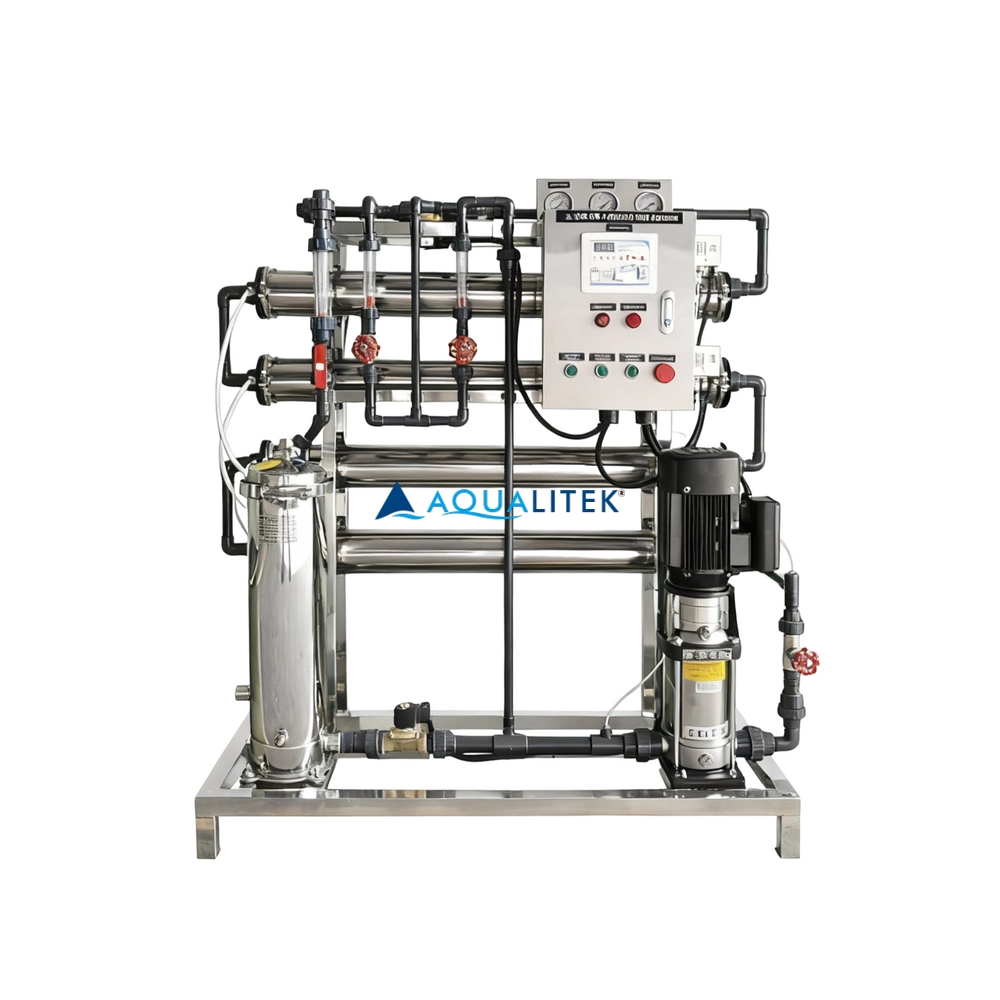
Tap Water Reverse Osmosis (TWRO) Systems TWF Series
TWF series Reverse Osmosis (RO) systems are pre-engineered and pre-assembled units with 4” membrane housings(multiple elements type) for tap water(lower TDS) .The medium large volumes can help meet your a variety of commercial and industrial applications. They are designed for overall superior performance, high recovery rates and offer great savings with low maintenance and operation costs.
Request More Information
Contact us today for product catalogs, customization options, and a free quotation designed for your business needs.
Rest assured that your privacy is important to us, and all information provided will be handled with the utmost confidentiality.
© 2026 AQUALITEK. All rights reserved.
AQUALITEK- Aimee Hoo
AQUALITEK - Aimee Hoo