




4TPH Industrial Reverse Osmosis RO System: Technical Overview
- 4TPH Industrial Reverse Osmosis RO System — Technical Overview
- What is an industrial ro system and where the 4TPH fits
- Core components of the 4TPH industrial ro system
- Technical performance metrics and expectations for the 4TPH system
- Design considerations: sizing, pre-treatment and footprint for industrial ro system
- Membrane selection and fouling control in industrial settings
- Operating costs (OPEX) and lifecycle considerations for a 4TPH industrial ro system
- Comparison: 4TPH Industrial RO System vs. common industrial RO scales
- Installation, commissioning and control strategies
- Maintenance and troubleshooting of industrial ro system
- Applications: Why 4TPH is ideal for electronic component cleaning
- Regulatory compliance and water quality standards for industrial ro system outputs
- Return on investment (ROI): How to evaluate the 4TPH Industrial Reverse Osmosis RO System
- Brand advantages: Why choose AQUALITEK's 4TPH industrial ro system
- Frequently Asked Questions (FAQ)
- Q1: What does 4TPH mean in practice?
- Q2: Can the 4TPH industrial ro system handle high-saline feedwater?
- Q3: What typical water quality can I expect for electronics cleaning?
- Q4: How often do membranes need replacement?
- Q5: What are common causes of decreased performance?
- Contact us / View product
- Authoritative references and further reading

4TPH Industrial Reverse Osmosis RO System — Technical Overview
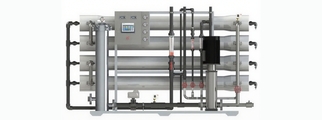
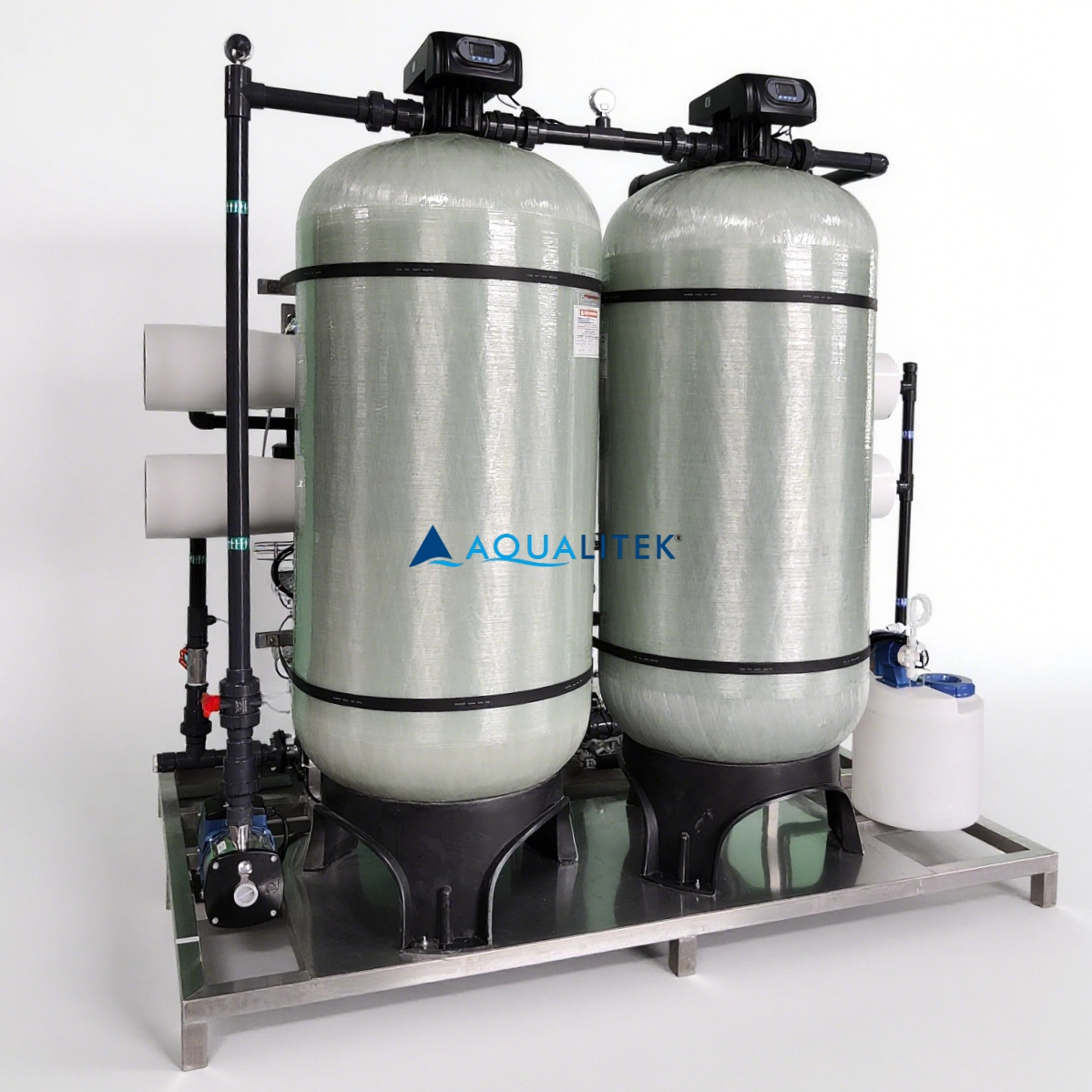
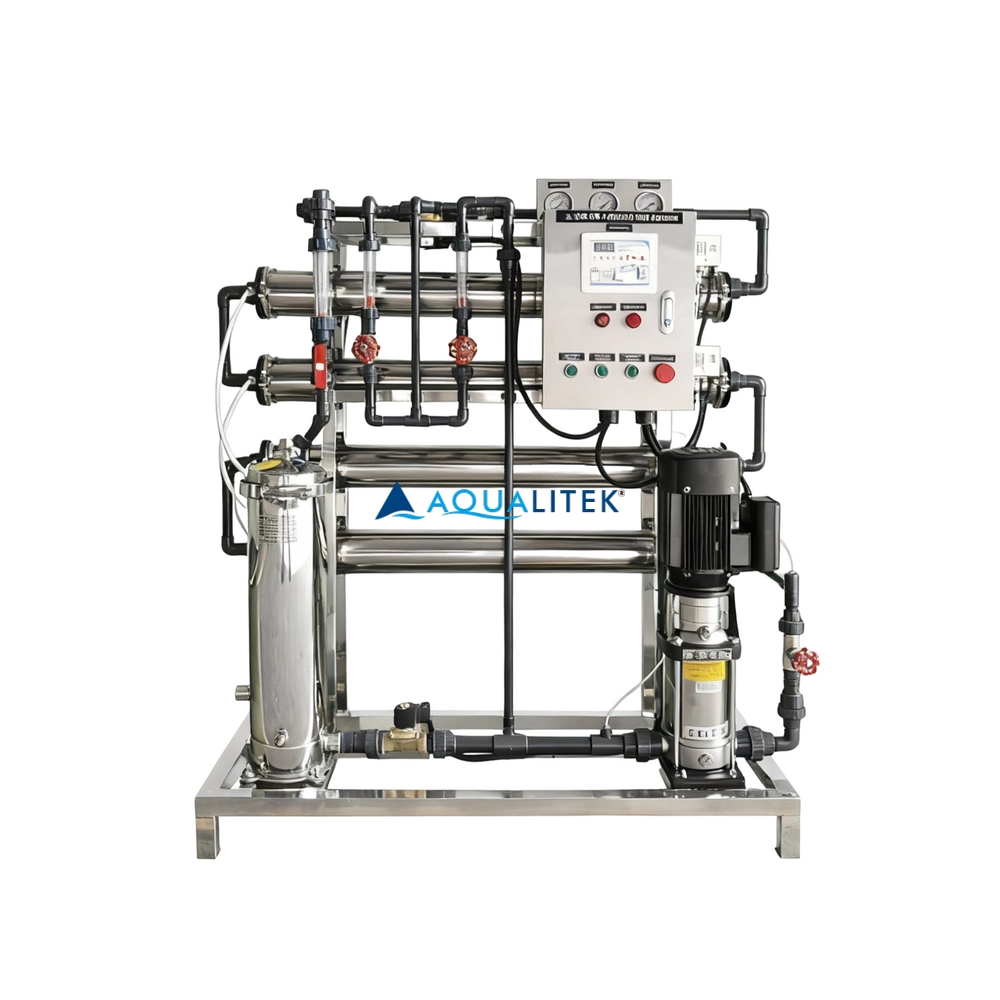
AQUALITEK 4TPH Industrial Reverse Osmosis Water Purification RO System, high-efficiency industrial-grade RO water treatment plant for manufacturing & processing, commercial reverse osmosis filtration system ideal for electronic component cleaning water use.
What is an industrial ro system and where the 4TPH fits
An industrial ro system (industrial reverse osmosis system) is engineered to treat feed water at higher flow rates and under more variable feed conditions than domestic units. The AQUALITEK 4TPH Industrial Reverse Osmosis Water Purification RO System is designed to deliver approximately 4 tons per hour (TPH) of product water — roughly 4 m³/hr or ~96 m³/day — suitable for continuous manufacturing processes such as electronic component cleaning, precision rinsing and other process-critical applications where consistent high-purity water is required. Once system capacity and configuration are clear, procurement teams typically assess long-term investment impact through a total cost of ownership for industrial RO systems in manufacturing.
Core components of the 4TPH industrial ro system
An industrial RO plant is a system-of-systems. Key elements of the 4TPH Industrial Reverse Osmosis RO System include:
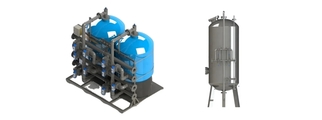
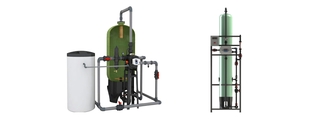
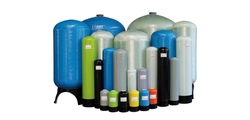
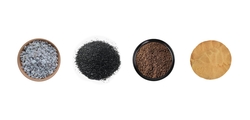
- Pre-treatment module: multimedia filters, activated carbon, water softeners or antiscalant dosing to protect membranes.
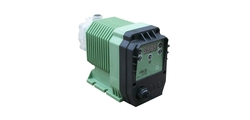
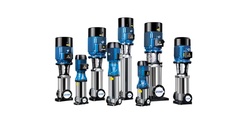
- High-pressure pump: delivers required feed pressure to RO membranes; matched to feed water salinity and recovery target.
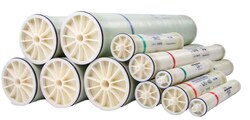
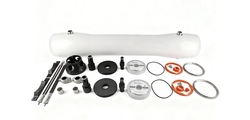
- RO membrane skid: housings and spiral-wound membranes sized for 4 TPH product flow.
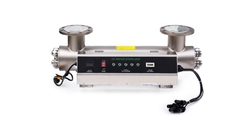
- Post-treatment: pH adjustment, UV or electrodeionization (EDI) when ultra-pure water is required for electronics cleaning.
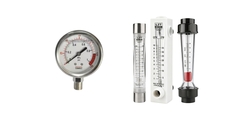
- Instrumentation and control: PLC or touch-panel HMI for start/stop, alarms, conductivity monitoring and remote telemetry.
- Chemical dosing and CIP (clean-in-place) provisions for routine membrane maintenance.
Technical performance metrics and expectations for the 4TPH system
When evaluating an industrial ro system, focus on measurable KPIs that affect quality, uptime and operating cost. Typical targets for a 4TPH Industrial Reverse Osmosis RO System are:
- Product flow rate: 4 TPH (approx. 4 m³/hr)
- Recovery rate: 50–75% (feed-specific; higher recoveries increase fouling risk)
- Rejection (TDS removal): 95–99% for dissolved salts on typical feedwaters
- Typical specific energy consumption: 0.5–3.0 kWh/m³ for brackish feeds (varies by feed salinity and pump efficiency)
- Operating pressure: typically 6–30 bar depending on feedwater salinity
These values are indicative; exact performance depends on feedwater chemistry, temperature, membrane selection and the chosen operating point. Proper pre-treatment and control strategy are essential to meet these KPIs reliably.
Design considerations: sizing, pre-treatment and footprint for industrial ro system
Designing an industrial ro system requires balancing cost, footprint and water quality targets. For the 4TPH Industrial Reverse Osmosis RO System consider:
- Feedwater analysis: hardness, silica, iron, manganese, organics, turbidity and microbial load determine pre-treatment needs.
- Recovery vs. concentrate disposal: higher recovery reduces freshwater draw but increases concentrate TDS and scaling risk — disposal regulations and costs influence selection.
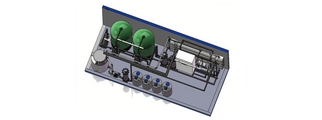
- Space and modularity: A 4TPH skid can be factory-assembled and skid-mounted for compact footprint and quick installation.
- Redundancy and duty/standby pumps and membranes for critical industrial processes.
Membrane selection and fouling control in industrial settings
Membrane choice affects salt rejection, flux and fouling susceptibility. For industrial RO system applications like electronic component cleaning water, low-organic, low-particulate feedwater is desirable. Key fouling control strategies include:
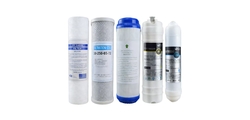
- Robust pre-filtration (5–1 μm cartridge filters) and multimedia filtration to remove suspended solids.
- Activated carbon to reduce chlorine and organics that damage polyamide membranes.
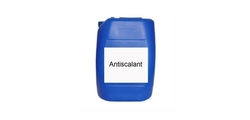
- Antiscalant dosing or softening to manage hardness and silica scaling.
- Periodic CIP using acid/alkali cycles for inorganic and organic fouling removal.
Operating costs (OPEX) and lifecycle considerations for a 4TPH industrial ro system
OPEX components to budget for an industrial ro system include energy, consumables, chemical dosing, membrane replacement and labor. Typical cost drivers:
- Energy: High-pressure pumps are the primary energy consumers; energy-efficient motors and variable-frequency drives reduce cost.
- Membrane life: Typical membrane lifespan is 3–7 years depending on feed water and maintenance; OEM membranes may cost more but last longer.
- Chemicals and filters: Pre-filter cartridges, antiscalants and CIP chemicals are recurring expenses.
- Maintenance labor and downtime: Regular monitoring of differential pressures, conductivity and periodic CIP minimize unplanned outages.
Comparison: 4TPH Industrial RO System vs. common industrial RO scales
| Parameter | Small (0.5–2 TPH) | 4TPH (AQUALITEK) | Large (>10 TPH) |
|---|---|---|---|
| Typical footprint | Compact skid; low floor space | Skid-mounted, moderate footprint; factory-tested | Multi-skid, site assembly |
| Use cases | Small labs, light industrial | Manufacturing lines, electronics rinsing | Municipal, large process plants |
| Capital cost per m³ | Higher | Moderate | Lower (economies of scale) |
| Operational complexity | Low–Moderate | Moderate (requires pre-treatment & monitoring) | High (more controls, redundancy) |
Installation, commissioning and control strategies
Proper installation and commissioning are essential to achieve designed performance. For the 4TPH Industrial Reverse Osmosis RO System, follow these steps:
- Site survey: Verify feed water source, piping, electrical supply and concentrate discharge options.
- Factory FAT and site SAT: Factory Acceptance Testing (FAT) reduces start-up issues; Site Acceptance Testing (SAT) validates performance on local feedwater.
- Control integration: PLC/HMI with conductivity, pressure, flow and level monitoring plus remote alarm/SCADA connectivity for 24/7 supervision.
- Operator training: Routine checks, CIP procedures and emergency responses must be documented and personnel trained.
Maintenance and troubleshooting of industrial ro system
Maintenance keeps the RO system reliable. Typical tasks for the 4TPH system include:
- Daily: Check pressures, flows and product conductivity; verify chemical dosing rates.
- Weekly: Inspect pre-filters; record operational logs.
- Monthly: Measure membrane differential pressure; replace cartridge filters as required.
- Periodic: Schedule CIP cycles based on pressure rise or flux decline; replace membranes when rejection or flux drops below spec.
Troubleshooting common issues:
- Low product flow: Check for fouled pre-filters, pump failure or membrane scaling.
- High conductivity in product: Inspect membrane integrity, check for feed salinity spikes or leakage in post-treatment steps.
- Rapid pressure increase: Indicates particulate fouling or biofouling—clean or replace pre-filters and consider biocide/CIP.
Applications: Why 4TPH is ideal for electronic component cleaning
Electronics cleaning requires consistent, low-ion water to avoid residues and defects. The 4TPH Industrial Reverse Osmosis RO System is well-suited because it provides:
- Stable supply for continuous rinsing stations.
- High rejection of dissolved salts that could leave conductive residues.
- Compact footprint enabling integration near production lines.
- Ability to pair with EDI or mixed-bed polishing for ultra-pure rinsing when needed.
Regulatory compliance and water quality standards for industrial ro system outputs
Industrial RO systems must meet local discharge and product water standards. For product water quality used in electronics, typical targets include low conductivity <10 µS/cm or lower depending on downstream polishing. Standards and guidance bodies useful for system design and validation include:
- World Health Organization (WHO) guidance on water quality (for potable benchmarks)
- EPA and local environmental agencies for concentrate discharge rules
- NSF/ANSI standards for certain treatment claims and components
Return on investment (ROI): How to evaluate the 4TPH Industrial Reverse Osmosis RO System
To calculate ROI, include capital cost, installation, operating expenses and avoided costs (purchased high-purity water, product rejects, downtime). Key considerations:
- Product yield improvements: Consistent water quality reduces scrap and rework in electronics manufacturing.
- Operational savings: Onsite RO reduces dependency on delivered purified water and lowers logistics costs.
- Predictable lifecycle costs: Scheduled membrane replacements and planned CIP reduce unexpected downtime.
Brand advantages: Why choose AQUALITEK's 4TPH industrial ro system
AQUALITEK positions the 4TPH Industrial Reverse Osmosis RO System for industrial customers who need reliable, energy-efficient and compact solutions. Key brand advantages:
- Industry-focused engineering: Skid-mounted, factory-tested systems reduce installation time and startup risk.
- Process integration expertise: Options for EDI, UV, and DI polishing tailored to electronics cleaning requirements.
- Comprehensive service: Preventive maintenance plans, spare parts and remote monitoring support.
- Quality components: High-efficiency pumps, recognized membrane brands and certified instrumentation to meet E-E-A-T expectations.
Frequently Asked Questions (FAQ)
Q1: What does 4TPH mean in practice?
Answer: 4TPH means 4 tons per hour of product water. For water, 1 metric ton roughly equals 1 cubic meter (1,000 liters), so 4TPH is approximately 4 m³/hr or ~96 m³/day under continuous operation.
Q2: Can the 4TPH industrial ro system handle high-saline feedwater?
Answer: The system is primarily designed for brackish or low-to-moderate salinity feedwaters typical in industrial process water. Very high salinity feeds (e.g., seawater) require higher-pressure membranes and different design; consult AQUALITEK for custom configurations.
Q3: What typical water quality can I expect for electronics cleaning?
Answer: With proper pre-treatment and membrane selection, product conductivity of <10 µS/cm is achievable; adding EDI or mixed-bed polishing can lower conductivity to <1 µS/cm where required.
Q4: How often do membranes need replacement?
Answer: Membrane life depends on feedwater and maintenance but normally ranges 3–7 years. Regular CIP and correct pre-treatment extend membrane life.
Q5: What are common causes of decreased performance?
Answer: Common causes include fouled pre-filters, scaling due to inadequate antiscalant, biofouling from organic load, and membrane damage from chlorine exposure.
Contact us / View product
If you would like a site-specific quote, performance modelling or to schedule a factory acceptance test (FAT) for the AQUALITEK 4TPH Industrial Reverse Osmosis Water Purification RO System, please contact our sales team. For immediate assistance or to arrange a demo and pricing, contact AQUALITEK technical sales or request a detailed datasheet.
Authoritative references and further reading
- Reverse osmosis — Wikipedia: https://en.wikipedia.org/wiki/Reverse_osmosis
- Desalination (energy and technology context) — Wikipedia: https://en.wikipedia.org/wiki/Desalination
- Tonne (unit) — Wikipedia (for water mass conversions): https://en.wikipedia.org/wiki/Tonne
- World Health Organization — Drinking-water: https://www.who.int/news-room/fact-sheets/detail/drinking-water
- U.S. Environmental Protection Agency — Water research and treatment resources: https://www.epa.gov/water-research
- NSF International — Standards and certifications for water treatment products: https://www.nsf.org
- International Water Association (IWA): https://iwa-network.org
Notes: Performance metrics and OPEX/energy ranges in this technical overview are industry-typical values intended for planning. For precise design and guaranteed performance on your feedwater, request an AQUALITEK site-specific engineering proposal and FAT/SAT documentation.
Industrial RO System Selection Guide for Procurement Managers
Top Energy-Efficient RO Machines 2026
Top 10 reverse osmosis system Manufacturers and Supplier Brands
How 4TPH Industrial RO System Improves Plant Water Quality
Water Filters
How do I choose between a media filter and a micron filter?
Media filters are ideal for high-volume solids removal and can be backwashed. Micron filters offer precise filtration for fine particles and are best for polishing applications.
Ion Exchange Water Treatment Systems
What is the difference between softening and deionization?
Softening removes only hardness ions (Ca²⁺, Mg²⁺), while deionization removes both cations and anions to produce high-purity water.
Which chemicals are required for regeneration?
Softening uses NaCl. Demineralization uses HCl or H₂SO₄ for cation resin and NaOH for anion resin.
Solutions
How often should I replace filters and membranes?
Filter and membrane lifespan depends on water quality, usage, and system type. General guidelines:
1. Sediment & Carbon Filters: Replace every 6–12 months.
2. RO Membranes: Replace every 2–3 years, depending on water conditions.
3. UF/NF Membranes: Replace every 1–2 years.
Regular maintenance ensures optimal performance and water quality.
FAQ-aqualitek
What is the difference between Reverse Osmosis (RO), Ultrafiltration (UF), and Nanofiltration (NF)?
1. Reverse Osmosis (RO): Removes up to 99.9% of contaminants, including salts, bacteria, viruses, and heavy metals.
2. Ultrafiltration (UF): Uses a membrane filtration process to remove bacteria and particles, while retaining essential minerals.
3. Nanofiltration (NF): Falls between RO and UF, removing some salts and organic compounds while allowing certain minerals to pass through.
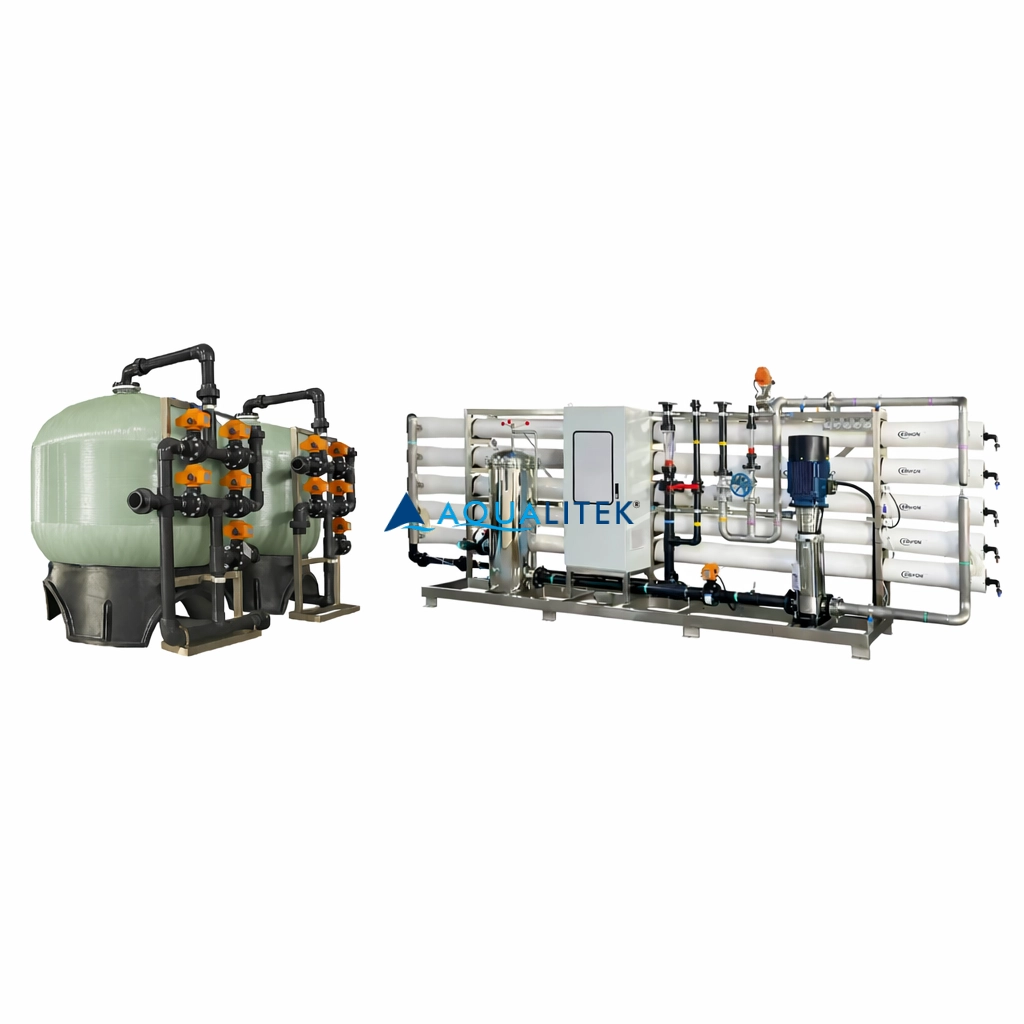
30TPH Industrial Reverse Osmosis (RO) System
30TPH Industrial Reverse Osmosis (RO) System designed for industrial and municipal water treatment. High salt rejection, energy-efficient design, PLC control, and customizable configuration.
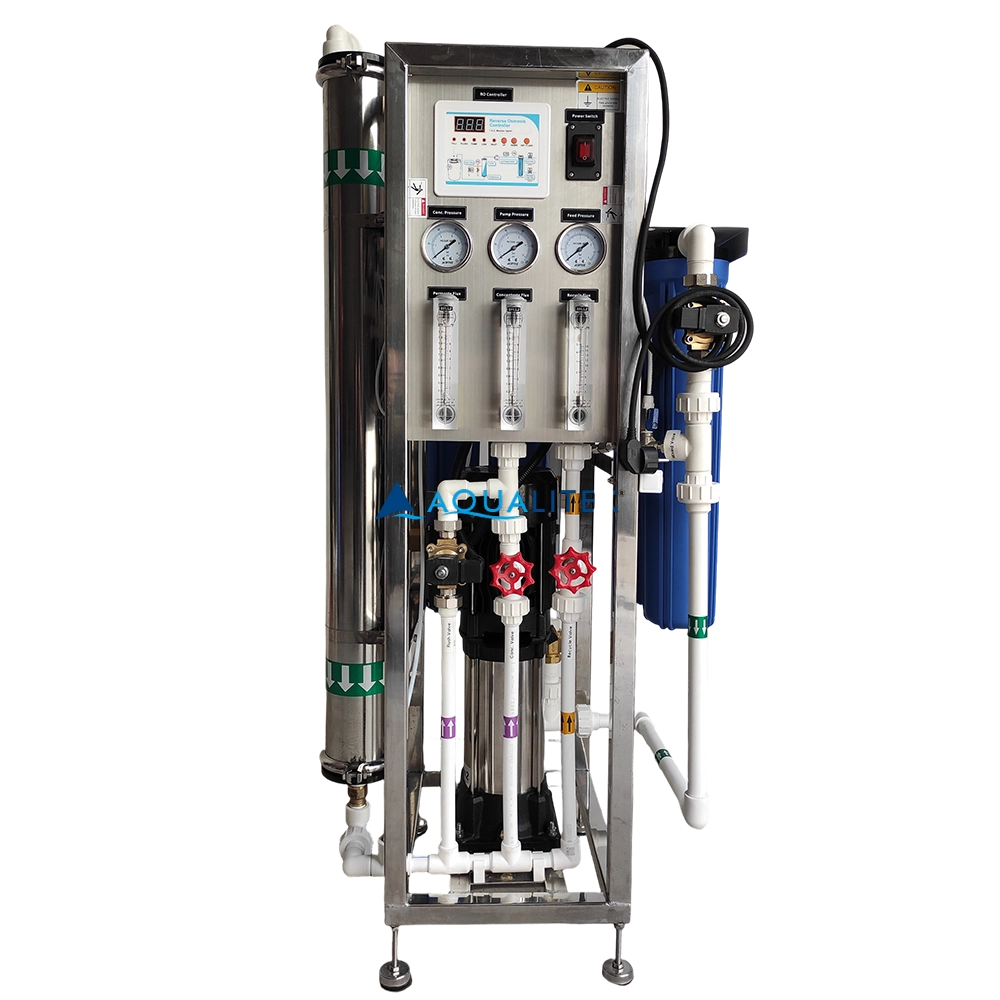
500 LPH Reverse Osmosis (RO) Water Purification Machine TWV - 412
Our 500 LPH Reverse Osmosis (RO) System is engineered to provide high-quality purified water for commercial applications. Designed with advanced RO technology, durable components, and a user-friendly interface, this system ensures consistent performance, low maintenance, and long-term reliability.
With its compact design and robust skid-mounted frame, it’s an excellent choice for businesses that demand efficiency and quality in water purification.
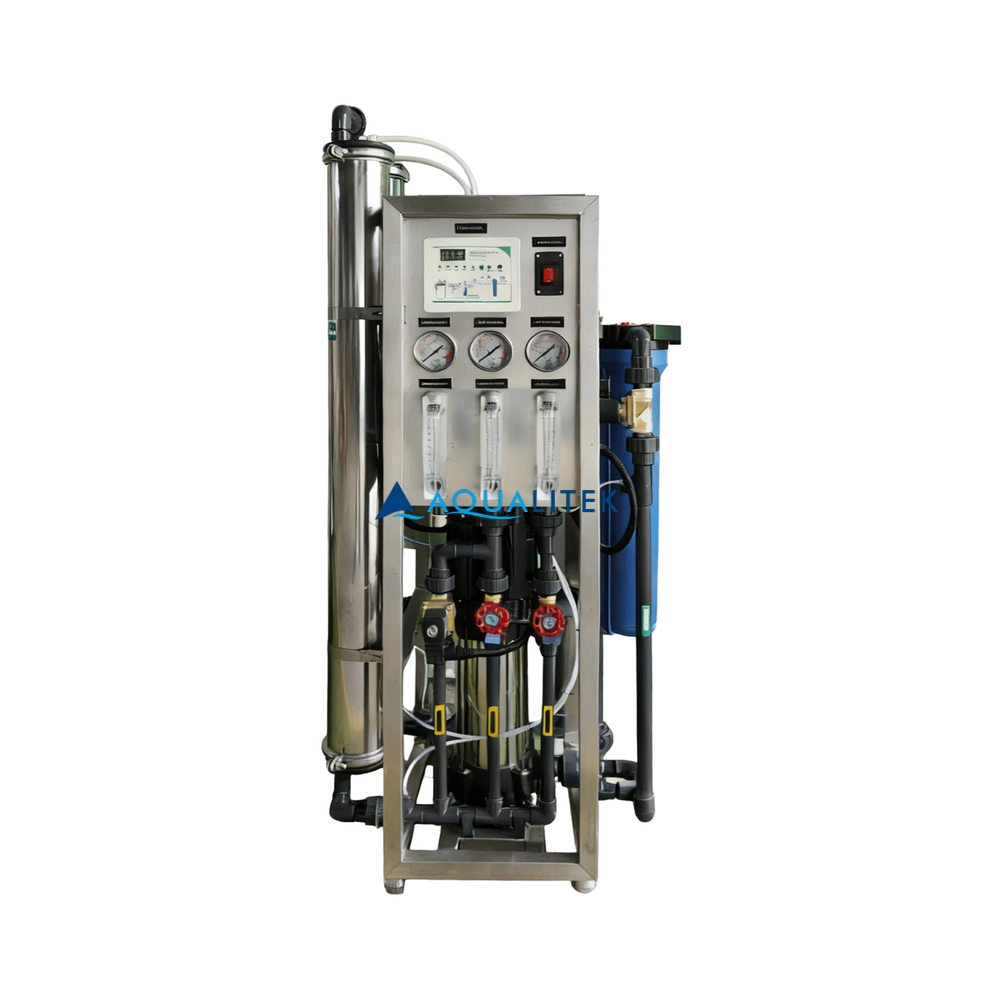
Tap Water Reverse Osmosis (TWRO) Systems TWV Series
TWV series Reverse Osmosis (RO) systems are pre-engineered and pre-assembled units with 2.5”/4” membrane housings(single element type)for tap water(lower TDS).They are designed for overall superior performance, high recovery rates and offer great savings with low maintenance and operation costs.
Tap Water Reverse Osmosis (TWRO) Systems TWF Series
TWF series Reverse Osmosis (RO) systems are pre-engineered and pre-assembled units with 4” membrane housings(multiple elements type) for tap water(lower TDS) .The medium large volumes can help meet your a variety of commercial and industrial applications. They are designed for overall superior performance, high recovery rates and offer great savings with low maintenance and operation costs.
Request More Information
Contact us today for product catalogs, customization options, and a free quotation designed for your business needs.
Rest assured that your privacy is important to us, and all information provided will be handled with the utmost confidentiality.
© 2026 AQUALITEK. All rights reserved.
AQUALITEK- Aimee Hoo
AQUALITEK - Aimee Hoo