



Energy and Chemical Savings with High-Throughput UF Devices
- Energy and Chemical Savings with High-Throughput Ultrafiltration Water Treatment
- What is Ultrafiltration Water Treatment and why choose high-throughput UF?
- How high-throughput UF delivers energy savings in water treatment operations
- Chemical savings from Ultrafiltration Water Treatment with Automatic Backwash Technology
- Product focus: 12TPH Industrial UF Water Treatment Device with High Throughput
- Typical performance metrics and comparison: UF vs conventional pretreatment
- How to estimate chemical and energy savings: a simple ROI model
- Operational best practices to maximize energy and chemical savings with UF
- Maintenance, lifecycle costs, and membrane longevity for AQUALITEK 12TPH UFL-4 Series
- Case use examples where UF delivers the biggest benefits
- Environmental and regulatory advantages of reducing chemicals with UF
- Brand advantages: why choose AQUALITEK for industrial Ultrafiltration Water Treatment
- Implementation checklist before installing a high-throughput UF system
- Frequently Asked Questions (FAQ) about Ultrafiltration Water Treatment and the 12TPH Industrial UF Device
- Contact us or view the product
- References and authoritative resources

Energy and Chemical Savings with High-Throughput Ultrafiltration Water Treatment
What is Ultrafiltration Water Treatment and why choose high-throughput UF?
Ultrafiltration Water Treatment is a membrane-based separation process that removes suspended solids, colloids, bacteria, and certain high-molecular-weight organics from water using semipermeable membranes with pore sizes typically between 0.01 and 0.1 micrometers. For industrial and commercial applications, high-throughput UF devices are designed to treat large volumes of feed water with stable permeate quality, making them a practical alternative to conventional coagulation, clarification and media filtration systems. With operating cost benefits quantified, buyers can confidently revisit the ultrafiltration water treatment procurement checklist for B2B buyers to finalize purchasing decisions.
How high-throughput UF delivers energy savings in water treatment operations
Energy savings with high-throughput UF come from several operational advantages. Unlike multi-stage conventional treatment trains that involve rapid mixing, flocculation, sedimentation, backwash pumps, and chemical dosing systems, a properly designed UF system streamlines pretreatment into membrane filtration and automated backwash cycles. The main energy savings sources are:
- Lower pumping energy for a compact process footprint and reduced hydraulic head requirements.
- Reduced mechanical equipment such as large mixers and clarifier sludge pumps.
- Efficient automatic backwash cycles that minimize unnecessary high-flow scours.
- Optimized flux and cleaning schedules enabled by high fouling-resistance membranes, which keep flux stable and reduce energy spent on intensive cleaning operations.
Chemical savings from Ultrafiltration Water Treatment with Automatic Backwash Technology
High-throughput UF systems equipped with Automatic Backwash Technology, like the AQUALITEK UFL-4 Series, significantly cut chemical consumption. Chemical savings arise because UF physically retains turbidity and particulate matter, reducing or eliminating the need for coagulants and flocculants in many feedwaters. The automatic backwash and targeted cleaning-in-place (CIP) routines reduce the frequency and dose of periodic chemical cleanings (e.g., acids, alkalis, or oxidants) compared with membranes that foul faster or with conventional filters that require regular chemical wash-downs.
Product focus: 12TPH Industrial UF Water Treatment Device with High Throughput
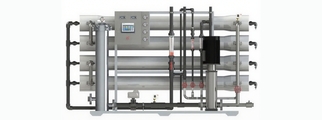
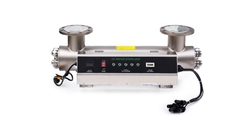
AQUALITEK 12TPH Industrial UF Water Treatment Device (UFL-4 Series) delivers high-efficiency, high-throughput ultrafiltration with Automatic Backwash Technology, high fouling-resistance membrane modules for efficient pretreatment and turbidity reduction in industrial and commercial applications.
The 12TPH configuration is engineered for continuous operation, automated maintenance cycles, and predictable performance across variable feedwater conditions, making it suitable for process water, boiler feedwater pretreatment, cooling tower makeup, and reverse osmosis pretreatment.
Typical performance metrics and comparison: UF vs conventional pretreatment
Below is a representative comparison of typical operational metrics for a 12 tonnes-per-hour (12TPH) treatment requirement using a conventional coagulation-sedimentation-media filtration train versus a high-throughput UF system. Values are provided as typical ranges based on industry experience; site-specific performance should be validated with pilot testing.
| Metric | Conventional Pretreatment (per 12TPH) | High-Throughput UF (AQUALITEK 12TPH UFL-4) |
|---|---|---|
| Installed footprint | Large (clarifiers, floc tanks, filters) | Compact (skid-mounted UF racks) |
| Energy consumption (kWh/m3) | 0.03 - 0.10 (pumps, mixers, sludge handling) | 0.02 - 0.05 (feed and recirculation pumps, backwash) |
| Chemical usage (coagulant, mg/L) | 5 - 30 (coagulants/flocculants common) | 0 - 5 (occasional coagulant or pre-treatment if required) |
| Backwash water loss (%) | 2 - 6 (filter backwash) | 1 - 3 (automatic backwash optimized) |
| Permeate turbidity (NTU) | 0.1 - 1 (after polishing) | <0.1 (ultrafiltrate) |
| Maintenance frequency | Daily to weekly for media and clarifiers | Automated routines; periodic CIP (weeks to months) |
How to estimate chemical and energy savings: a simple ROI model
Plant managers often ask how to quantify savings. Below is a straightforward example to estimate annual savings for a 12TPH water demand:
- Assumptions:
- Operating 24/7 at 12 m3/h average -> approximately 288 m3/day -> 105,120 m3/year.
- Energy cost: 0.10 USD/kWh.
- Conventional energy usage: 0.06 kWh/m3; UF energy usage: 0.035 kWh/m3.
- Coagulant cost conventional: 10 USD/tonne equivalent; average dosing gives annual chemical cost ~40,000 USD. UF reduces chemicals by ~70%.
Energy annual consumption and cost:
- Conventional: 105,120 m3 * 0.06 kWh/m3 = 6,307 kWh -> 6,307 kWh * 0.10 USD/kWh = 63,072 USD.
- UF: 105,120 m3 * 0.035 kWh/m3 = 3,679 kWh -> 3,679 * 0.10 = 36,792 USD.
- Estimated annual energy savings: 26,280 USD.
Chemical savings:
- Conventional annual chemical cost: 40,000 USD (assumed).
- UF annual chemical cost: 12,000 USD (70% reduction).
- Estimated annual chemical savings: 28,000 USD.
Total combined annual OPEX savings in this illustrative example: ~54,280 USD. When compared to additional capital for UF, typical payback periods often fall between 2 and 5 years depending on local energy and chemical prices, labor savings, and footprint constraints.
Operational best practices to maximize energy and chemical savings with UF
To achieve the levels of savings shown above, follow these best practices:
- Perform feedwater characterization and consider minimal pre-treatment (e.g., screening) to protect membranes.
- Optimize flux: run membranes at the flux that balances productivity and fouling rate rather than pushing for maximum instantaneous flux.
- Leverage Automatic Backwash Technology to remove reversible fouling frequently and avoid chemical-intensive cleaning.
- Use targeted CIP only when required and select cleaning chemistries based on foulant type to minimize doses.
- Monitor key parameters: transmembrane pressure (TMP), permeability, turbidity, and conductivity to proactively adjust operations.
Maintenance, lifecycle costs, and membrane longevity for AQUALITEK 12TPH UFL-4 Series
Membrane modules are a primary lifecycle cost driver. High fouling-resistance membranes in the UFL-4 Series are formulated for extended operational life under variable feed conditions. Typical considerations include:
- Membrane lifetime: 5-10 years depending on feedwater and maintenance regimen.
- CIP frequency: months to quarters depending on fouling load; Automatic Backwash reduces CIP frequency and chemical consumption.
- Spare parts and module replacement planning should be included in total cost of ownership (TCO) modeling. The reduced downtime and simplified mechanical footprint typically offset higher initial equipment cost versus conventional systems.
Case use examples where UF delivers the biggest benefits
High-throughput ultrafiltration is particularly advantageous when:
- Feedwater turbidity fluctuates and consistent quality is required downstream (e.g., RO pretreatment, boiler feed).
- Plant footprint is constrained, and compact skid-mounted systems are preferred.
- Reduction of chemical dosing is a regulatory or sustainability goal.
- Rapid deployment and modular expansion are desired for phased plant growth.
Environmental and regulatory advantages of reducing chemicals with UF
Lower chemical dosing reduces risks associated with chemical handling, storage, and disposal. It also decreases sludge production from coagulation-flocculation processes, which lowers disposal costs and environmental footprint. For industries with strict discharge or reuse standards, UF helps achieve consistent permeate quality while supporting circular water use strategies.
Brand advantages: why choose AQUALITEK for industrial Ultrafiltration Water Treatment
AQUALITEK's 12TPH Industrial UF Water Treatment Device (UFL-4 Series) offers a combination of design and operational features tailored to industrial users: high-throughput capacity, compact skid design, Automatic Backwash Technology, and membranes with enhanced fouling resistance. These attributes translate into predictable performance, reduced operational complexity, and measurable energy and chemical savings. Support services and pilot testing availability further strengthen AQUALITEK's value proposition for plants aiming to upgrade pretreatment or implement robust water reuse solutions.
Implementation checklist before installing a high-throughput UF system
Follow this checklist to reduce project risk and maximize ROI:
- Conduct feedwater sampling across seasonal variations.
- Pilot test the UF system under representative conditions.
- Define target permeate quality and allowable backwash loss.
- Estimate lifecycle costs including energy, chemicals, membrane replacement, and labor.
- Evaluate integration requirements with downstream systems (e.g., RO, boilers).
- Plan for spare parts, service, and operator training.
Frequently Asked Questions (FAQ) about Ultrafiltration Water Treatment and the 12TPH Industrial UF Device
Q1: Can UF replace coagulation and media filtration entirely?
It depends on feedwater characteristics. Many industrial feedwaters with moderate turbidity and particulate loads can move to full UF pretreatment, reducing or eliminating coagulation. Highly colored or dissolved organic-laden waters may still require targeted pre-treatment.
Q2: How much chemical savings can I expect with the AQUALITEK 12TPH UF?
Savings vary by site. Typical reductions in coagulant/flocculant usage range from 50% to 90% depending on initial treatment design and feedwater. Pilot testing yields the most accurate estimates.
Q3: What maintenance is required for UF membranes?
Routine tasks include monitoring TMP and permeability, scheduled automatic backwashes, periodic chemical CIP based on fouling trends, and eventual module replacement. AQUALITEK provides operation manuals and service plans.
Q4: What are the expected energy savings compared to conventional systems?
Energy savings result from process simplification and optimized pumping. Typical energy reductions are 20% to 50%, depending on the baseline process and local operating strategies.
Q5: Is the 12TPH UF suitable for RO pretreatment?
Yes. Ultrafiltration is a proven pretreatment for reverse osmosis, improving RO recovery and reducing fouling and cleaning needs downstream.
Contact us or view the product
If you want to evaluate the AQUALITEK 12TPH Industrial UF Water Treatment Device (UFL-4 Series) for your site, contact our technical sales team for a free consultation or to arrange a pilot test. Click here to contact sales or view the product brochure. Our engineers can provide site-specific savings estimates and ROI modeling.
References and authoritative resources
- Ultrafiltration - Wikipedia: https://en.wikipedia.org/wiki/Ultrafiltration
- US EPA - Membrane Filtration Processes: https://www.epa.gov/water-research/membrane-filtration
- World Health Organization - Water treatment: https://www.who.int/water_sanitation_health/publications
- International Water Association (IWA) - Membrane Technology Resources: https://www.iwa-network.org
For detailed technical specs, pilot testing, or a customized financial model for your facility, reach out to AQUALITEK technical sales. We will help you quantify energy and chemical savings and design a solution that meets your production and sustainability goals.
How to Maintain Your Water Purification System: A Guide
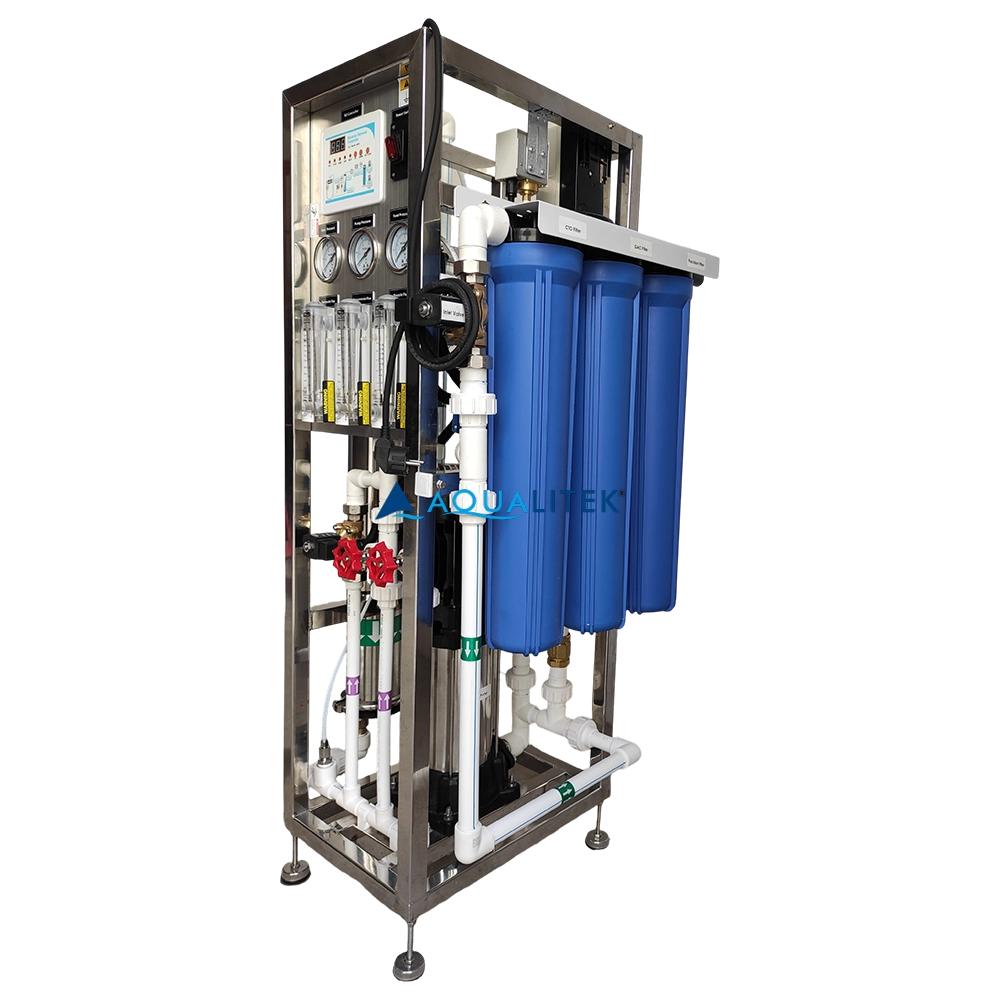
Longevity and Filter Replacement for 500 LPH RO TWV - 412
How Water Purification Systems Remove Common Contaminants
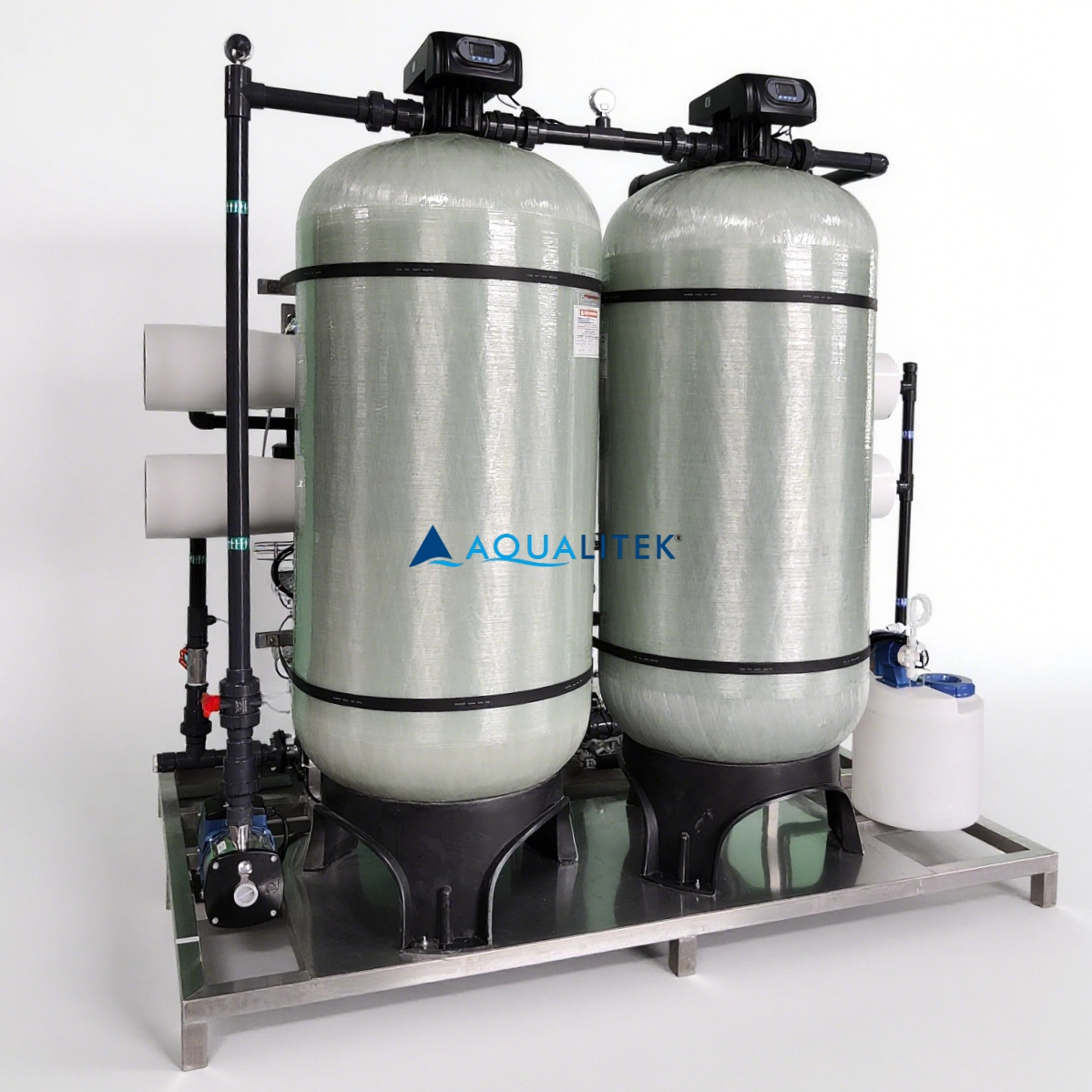
Industrial RO System Selection Guide for Procurement Managers
Solutions
What industries does AQT serve?
We provide water treatment solutions for a wide range of industries, including:
1. Industrial Manufacturing – Process water treatment, cooling water, and boiler feed.
2. Hospitality & Commercial – Hotels, restaurants, and office buildings.
3. Residential Applications – Drinking water purification and softening.
4. Healthcare & Pharmaceuticals – Ultra-pure water for laboratories and hospitals.
5. Municipal & Public Utilities – Water supply and wastewater treatment.
6. Food & Beverage Processing – Filtration for beverage p
Are AQT’s water treatment products certified?
Yes! Our products comply with international quality and safety standards, including ISO, CE, and NSF certifications. We prioritize high-quality materials, advanced technology, and strict quality control to ensure superior performance and reliability.
Ion Exchange Water Treatment Systems
Which chemicals are required for regeneration?
Softening uses NaCl. Demineralization uses HCl or H₂SO₄ for cation resin and NaOH for anion resin.
How often is regeneration needed?
It depends on water quality and usage. Most systems regenerate every few days to a week under normal loads.
FAQ-aqualitek
How often should I replace filters and membranes?
Filter and membrane lifespan depends on water quality, usage, and system type. General guidelines:
1. Sediment & Carbon Filters: Replace every 6–12 months.
2. RO Membranes: Replace every 2–3 years, depending on water conditions.
3. UF/NF Membranes: Replace every 1–2 years.
Regular maintenance ensures optimal performance and water quality.
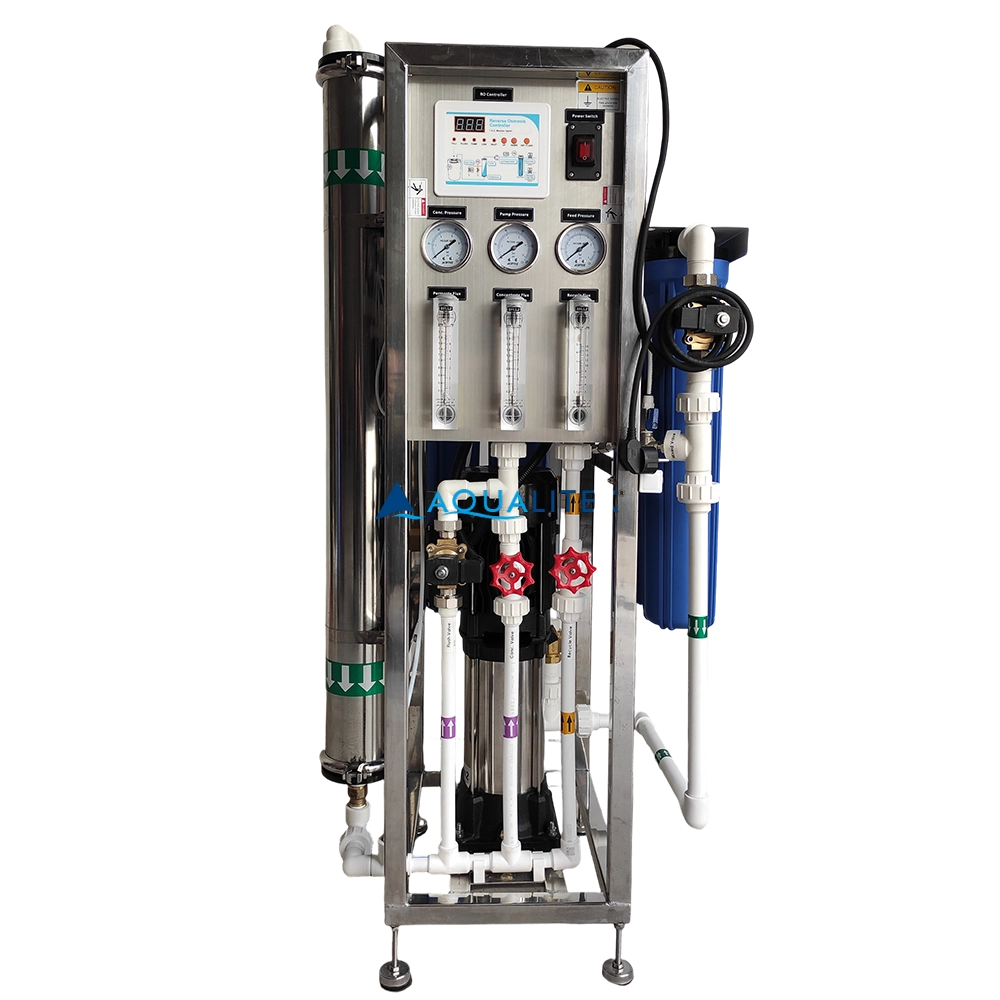
500 LPH Reverse Osmosis (RO) Water Purification Machine TWV - 412
Our 500 LPH Reverse Osmosis (RO) System is engineered to provide high-quality purified water for commercial applications. Designed with advanced RO technology, durable components, and a user-friendly interface, this system ensures consistent performance, low maintenance, and long-term reliability.
With its compact design and robust skid-mounted frame, it’s an excellent choice for businesses that demand efficiency and quality in water purification.
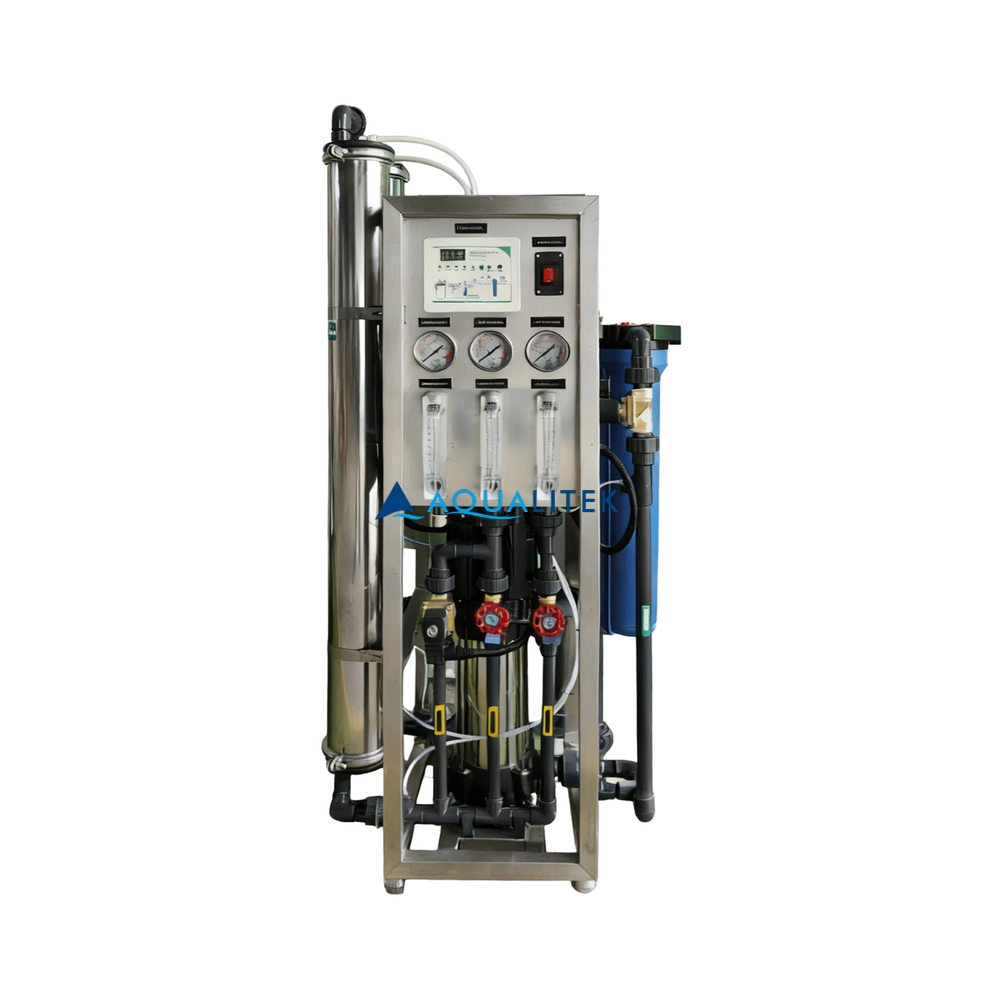
Tap Water Reverse Osmosis (TWRO) Systems TWV Series
TWV series Reverse Osmosis (RO) systems are pre-engineered and pre-assembled units with 2.5”/4” membrane housings(single element type)for tap water(lower TDS).They are designed for overall superior performance, high recovery rates and offer great savings with low maintenance and operation costs.
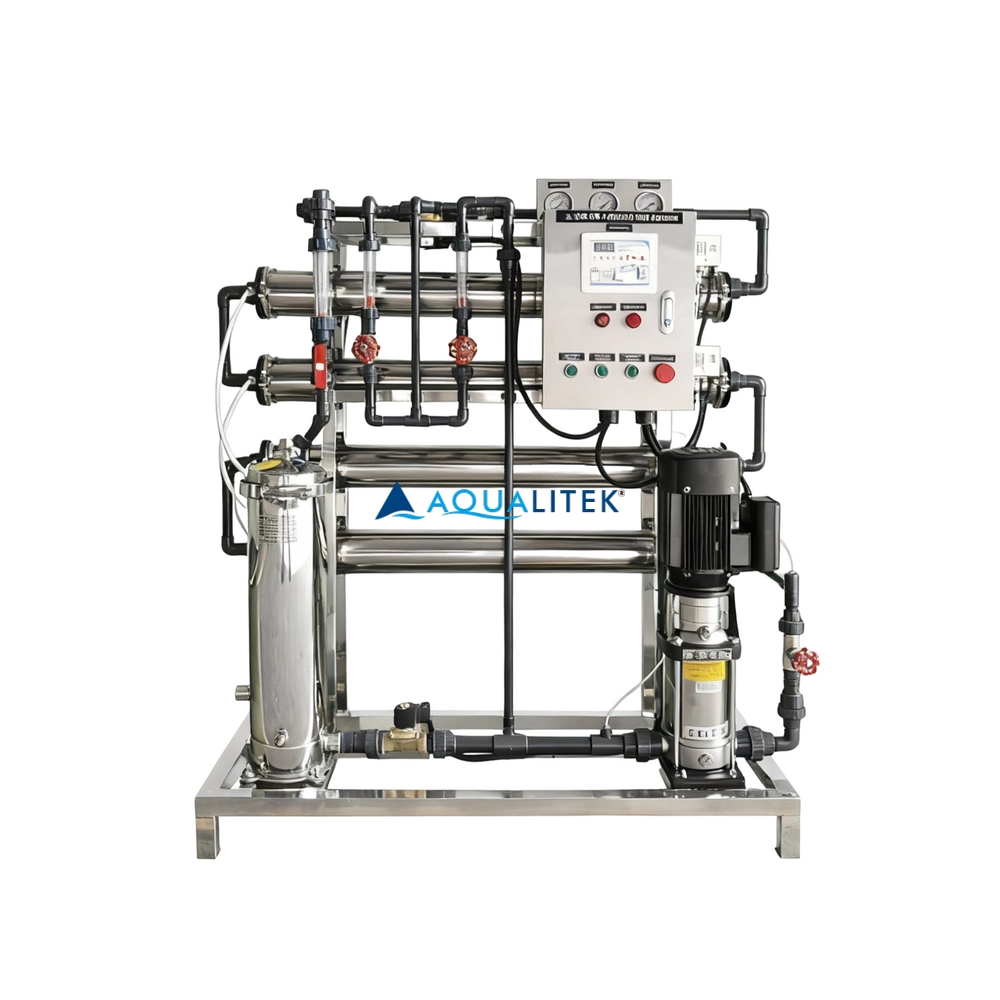
Tap Water Reverse Osmosis (TWRO) Systems TWF Series
TWF series Reverse Osmosis (RO) systems are pre-engineered and pre-assembled units with 4” membrane housings(multiple elements type) for tap water(lower TDS) .The medium large volumes can help meet your a variety of commercial and industrial applications. They are designed for overall superior performance, high recovery rates and offer great savings with low maintenance and operation costs.

Tap Water Reverse Osmosis (TWRO) Systems TWE Series
TWE series Reverse Osmosis (RO) systems are pre-engineered and pre-assembled units with 8” membrane housings for tap water (lower TDS). The large volumes can help meet your a variety of industrial applications. They are designed for overall superior performance, high recovery rates and offer great savings with low maintenance and operation costs.
Request More Information
Contact us today for product catalogs, customization options, and a free quotation designed for your business needs.
Rest assured that your privacy is important to us, and all information provided will be handled with the utmost confidentiality.
© 2026 AQUALITEK. All rights reserved.
AQUALITEK- Aimee Hoo
AQUALITEK - Aimee Hoo